
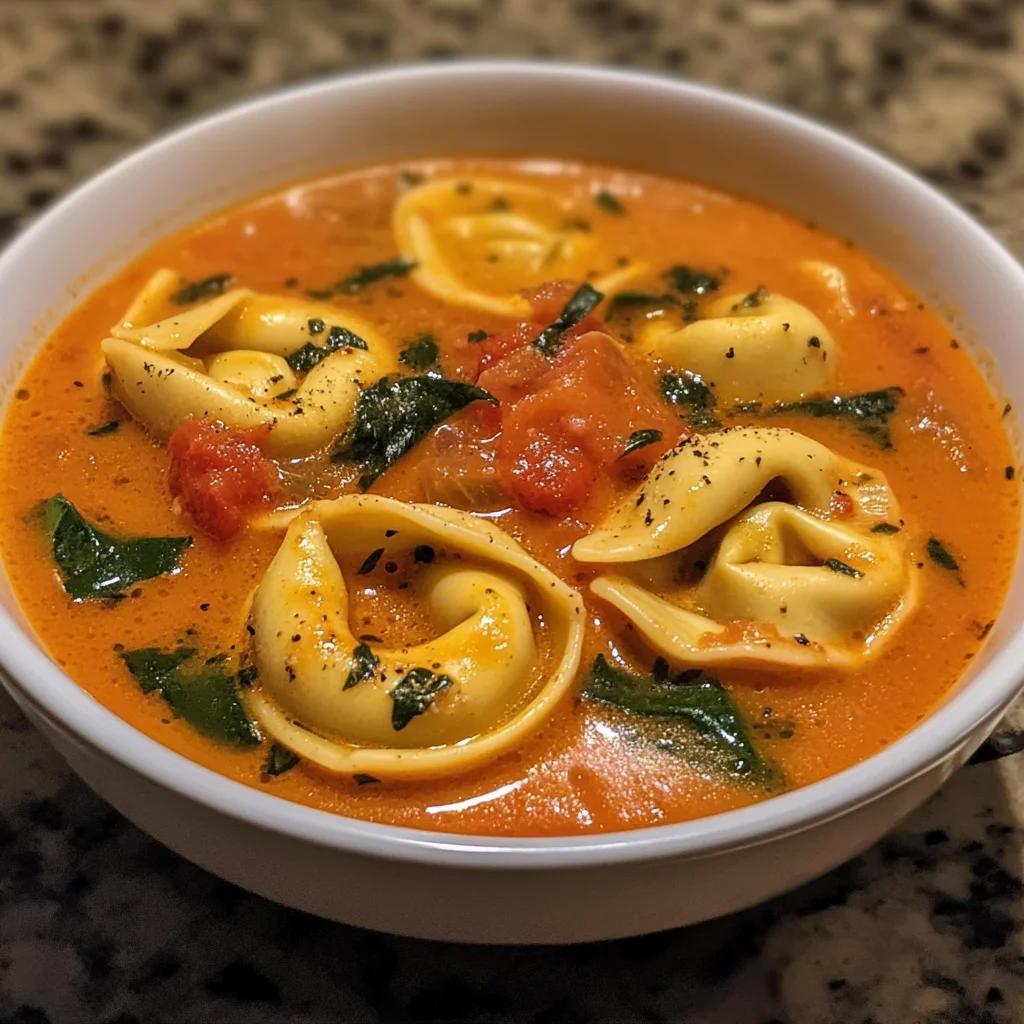
Creamy Tomato Basil Tortellini Soup: A Comforting Bowl of Italian Perfection
Creamy Tomato Basil Tortellini Soup delivers the ultimate comfort food experience in a single bowl. This hearty Italian-inspired dish combines tender cheese-filled pasta, rich tomato broth, and aromatic basil for a meal that satisfies both body and soul. Within just 15 to 30 minutes, you can create a restaurant-quality soup that transforms simple ingredients into something extraordinary.
The beauty of this recipe lies in its perfect balance. Tangy tomatoes meet creamy dairy, while delicate tortellini adds substance and texture. Fresh basil provides that unmistakable Italian essence. Whether you’re seeking a quick weeknight dinner or an impressive dish for guests, this soup checks every box. It’s vegetarian-friendly, customizable, and delivers the kind of nourishing warmth that makes any day better.
What Makes This Soup Special
Comfort in Every Spoonful
This Creamy Tomato Basil Tortellini Soup stands out from ordinary soups because it’s both filling and light. The cheese tortellini provides protein and satisfying texture without making the dish heavy. Each pasta pillow releases savory cheese flavors that complement the tomato base beautifully.
The creamy element transforms standard tomato soup into something more luxurious. Heavy cream or half-and-half adds richness while mellowing the acidity of tomatoes. This creates a velvety texture that coats your spoon perfectly.
Quick and Simple Preparation
Home cooks love this recipe because it requires minimal effort. Most versions come together in one pot, reducing cleanup time significantly. You don’t need advanced cooking skills or exotic ingredients to achieve impressive results.
The soup develops deep flavors quickly through smart ingredient combinations. Sautéed garlic creates an aromatic foundation. Quality canned tomatoes deliver consistent taste year-round. Fresh or dried basil infuses the broth with herbaceous notes that define Italian cuisine.
Essential Ingredients
Core Components
Creating authentic Creamy Tomato Basil Tortellini Soup requires a focused ingredient list. Each element plays a specific role in building flavor and texture.
-
Cheese Tortellini: The star ingredient provides substance and rich flavor. Look for refrigerated varieties with three-cheese filling for best results. Each piece should have thin pasta and generous filling.
-
Tomatoes: Canned diced tomatoes and tomato sauce form the soup base. Choose products without added sugars or excessive sodium.
-
Fresh Basil: This herb defines the soup’s character. Use both during cooking and as garnish. Fresh basil tastes noticeably better than dried.
-
Heavy Cream: Adds luxurious texture and balances tomato acidity. Half-and-half works as a lighter alternative.
-
Broth: Vegetable or chicken broth creates the liquid foundation. Quality broth impacts the final taste significantly.
-
Aromatics: Garlic, onions, or shallots build the flavor base. These ingredients must be sautéed properly to release their essence.
-
Seasonings: Italian seasoning, salt, black pepper, and sometimes sugar round out the taste. Sugar helps counter tomato acidity.
Flavor Enhancers
Additional ingredients elevate the soup from good to exceptional. Parmesan cheese adds nutty, salty notes when grated fresh. Spinach contributes color, nutrients, and subtle earthiness. Some recipes incorporate tomato paste for concentrated tomato flavor.
Olive oil serves as the cooking fat, adding fruity Mediterranean character. Butter can replace or complement it for richer taste. Bay leaves contribute aromatic depth during simmering.
Nutritional Benefits
Powerhouse Ingredients
Creamy Tomato Basil Tortellini Soup offers more than just delicious taste. The ingredients provide substantial nutritional value that supports overall health.
Tomatoes deliver exceptional lycopene content, especially when cooked. This powerful antioxidant gives tomatoes their red color and may reduce cancer risk. One bowl can provide up to 80% of daily lycopene needs. Research suggests lycopene supports heart health by lowering cholesterol absorption and improving blood pressure.
Vitamin and Mineral Profile
The soup contains significant amounts of essential vitamins. Tomatoes provide vitamin C, vitamin K, and vitamin A. These nutrients support immune function, bone health, and vision. Potassium levels help regulate blood pressure and fluid balance.
Basil contributes additional nutritional benefits despite being used in small quantities. This herb contains vitamin K for blood clotting, vitamin A for immune function, and minerals like calcium, iron, and manganese. Basil also provides antioxidants including lutein, zeaxanthin, and beta-carotene.
Balanced Macronutrients
A typical serving contains approximately 168-200 calories, making it a reasonable meal option. The macronutrient breakdown provides 20 grams of carbohydrates, 8 grams of protein, and 6-7 grams of fat. This balance delivers energy while keeping you satisfied.
The cheese tortellini contributes protein for muscle health. Vegetables provide dietary fiber that supports digestion. The soup’s hydrating broth helps maintain fluid balance.
Step-by-Step Instructions
Preparation Phase
Start by gathering all ingredients and equipment. You’ll need a large Dutch oven or soup pot, cutting board, sharp knife, and measuring tools. Having everything ready streamlines the cooking process.
Prepare your aromatics first. Mince 3-4 garlic cloves finely. Dice one medium onion or two shallots. Chop fresh basil, keeping some leaves whole for garnish. Measure your liquids and seasonings.
Building the Flavor Base
Heat 2 tablespoons of olive oil or butter in your pot over medium heat. Add the diced onions or shallots with a pinch of salt. Cook for 3-4 minutes until they become tender and translucent. Stir occasionally to prevent browning.
Add minced garlic and sauté for 30 seconds more. Watch carefully at this stage. Garlic burns quickly and develops bitter flavors when overcooked. The kitchen should smell aromatic and inviting.
Creating the Tomato Base
Pour in one 28-ounce can of diced tomatoes with their juice. Add 8 ounces of tomato sauce and 4 cups of broth. Stir to combine all ingredients evenly.
Season the mixture with 1 teaspoon Italian seasoning, ½ teaspoon dried basil, salt, and black pepper. Add 1-2 tablespoons fresh basil leaves at this stage. Include a bay leaf if desired.
Balancing Flavors
Bring the soup to a boil over high heat. Once boiling, reduce heat to medium and let it simmer. Taste the broth carefully. The acidity level varies between tomato brands.
Add small amounts of sugar if the soup tastes too acidic. Start with ½ teaspoon and adjust gradually. Continue tasting and adding salt as needed. Finding the right balance takes a few minutes but makes enormous difference.
Adding the Tortellini
Once your broth tastes perfect, increase heat back to high. Bring the soup to a rolling boil. Add 8-9 ounces of refrigerated cheese tortellini directly to the boiling soup.
Reduce heat to medium and cook according to package directions. Most refrigerated tortellini needs 3-5 minutes. Fresh tortellini cooks faster than frozen varieties. Stir occasionally to prevent sticking.
Finishing Touches
When tortellini becomes tender, remove the pot from heat. Remove and discard the bay leaf if used. Stir in ½ cup of heavy cream slowly. The cream should blend smoothly without curdling.
Add 1½ cups of fresh spinach if using. The residual heat wilts the leaves perfectly. Stir in chopped fresh basil leaves for bright flavor. Add ½ cup freshly grated Parmesan cheese and stir until melted.
Pro Tips for Perfect Results
Tortellini Texture Management
The biggest challenge with tortellini soup involves pasta texture. Tortellini continues absorbing liquid during storage. This causes it to become mushy and oversized.
For best results when making ahead, cook tortellini separately. Boil it in salted water according to package directions. Drain and rinse with cold water. Toss with a small amount of neutral oil before storing.
Store the cooked tortellini in a separate airtight container from the soup. When serving, add the desired amount directly to individual bowls. Heat the soup separately and pour it over the tortellini. This method preserves perfect texture.
Cream Addition Technique
Never add cold cream to boiling soup. The temperature difference causes separation and curdling. Remove the pot from heat first, then stir in cream gradually.
Some cooks prefer warming cream separately before adding it. This reduces temperature shock. Alternatively, temper the cream by adding a few spoonfuls of hot soup to it first. Then pour the warmed cream mixture back into the pot.
Acidity Balance
Different tomato products contain varying acidity levels. Taste your soup base before adding tortellini. The tomatoes should taste bright but not sour.
Sugar cuts acidity effectively without making soup sweet. Add it gradually in ¼ teaspoon increments. Balance with salt to enhance overall flavor. This back-and-forth adjustment creates the perfect taste.
Herb Timing
Fresh basil loses flavor when cooked too long. Add half during simmering for background flavor. Reserve the other half to stir in at the end. This two-stage approach delivers both depth and brightness.
Dried herbs need longer cooking to release their flavors. Add Italian seasoning and dried basil early in the process. They should simmer with the tomatoes for at least 15-20 minutes.
Ingredient Substitutions
Tortellini Alternatives
Cannot find cheese tortellini? Several alternatives work beautifully. Three-cheese tortelloni uses larger pasta with similar filling. Ravioli provides comparable texture and taste. Look for varieties filled with ricotta, spinach, or mushroom.
Gluten-free options exist for those with dietary restrictions. Brands like Taste Republic offer gluten-free cheese tortellini that maintains good texture. Cook these varieties slightly less than package directions suggest to prevent mushiness.
Dairy Modifications
For lighter soup, replace heavy cream with half-and-half. This reduces calories and fat while maintaining creaminess. Whole milk creates an even lighter version, though texture becomes thinner.
Dairy-free versions work with coconut cream or cashew cream. These substitutes provide richness without dairy. Choose full-fat coconut cream for best results. The coconut flavor remains subtle in tomato soup.
Broth Options
Vegetable broth keeps the soup vegetarian. It allows the tomato and basil flavors to shine prominently. Choose low-sodium varieties to control salt levels better.
Chicken broth adds deeper, more savory notes. It contains natural gelatin that creates silkier texture. Bone broth increases the protein and nutrient content significantly.
Vegetable Additions
Fresh spinach adds nutrition and color. Kale works similarly but needs longer cooking. Arugula provides peppery notes and wilts quickly.
Diced carrots and celery create more substantial texture. Add these when sautéing onions so they soften properly. Zucchini and bell peppers contribute different flavors and textures.
Storage and Reheating
Refrigeration Guidelines
Homemade Creamy Tomato Basil Tortellini Soup stays fresh for 3-4 days when refrigerated properly. Store it in an airtight container to prevent odor absorption and maintain quality.
Always refrigerate soup within two hours of cooking. This prevents bacterial growth and ensures food safety. Let the soup cool to room temperature before sealing and refrigerating.
For optimal texture, store soup and tortellini separately. Keep cooked tortellini in its own container after rinsing and coating with oil. This prevents the pasta from breaking apart or becoming overly soft.
Freezing Considerations
Freezing tortellini soup requires careful planning. The soup base without cream or tortellini freezes well for 4-6 months. Use freezer-safe containers and leave space at the top for expansion.
However, cream-based soups don’t freeze ideally. Dairy separates when frozen and reheated, creating grainy texture. The cream may look curdled after thawing. If you plan to freeze the soup, add cream only when reheating.
Tortellini becomes mushy when frozen in liquid. The pasta absorbs too much moisture and loses its texture. Always freeze the broth base and cooked tortellini separately if needed.
Reheating Methods
Reheat Creamy Tomato Basil Tortellini Soup gently on the stovetop over medium heat. Stir frequently to distribute heat evenly. Add a splash of broth if the soup has thickened during storage.
Never boil cream-based soup during reheating. High heat causes the cream to separate. Keep the temperature below simmering. The soup should steam gently without bubbling vigorously.
When reheating frozen soup, thaw it in the refrigerator for 24 hours first. Then heat it slowly on the stove. Bring it to a boil to ensure food safety. Add fresh tortellini during the last few minutes of reheating.
Quality Signs
Check for spoilage before consuming stored soup. Look for mold patches in green, white, or black colors. Smell the soup carefully for soured or off odors.
If the soup passes visual and smell tests, taste a small amount. Sour or unpleasant flavor indicates spoilage. When in doubt, discard the soup to avoid foodborne illness.
Note the date when you cooked or opened the soup. This tracking helps you monitor storage time accurately. Label containers clearly with dates before refrigerating or freezing.
Serving Suggestions
Bread Pairings
Creamy Tomato Basil Tortellini Soup pairs beautifully with crusty bread. Garlic bread provides classic accompaniment. The buttery, garlicky flavors complement the tomato base perfectly.
Focaccia offers another excellent choice. Its olive oil richness and soft texture make it ideal for dunking. Fresh baguette slices provide lighter option while still satisfying the need for something to soak up the creamy broth.
Salad Combinations
Balance the soup’s richness with fresh, crisp salad. A simple Greek salad with cucumber, tomatoes, olives, and feta creates Mediterranean harmony. The cool, tangy vegetables contrast nicely with warm, creamy soup.
Caesar salad provides another popular pairing. Its romaine crunch and Parmesan flavor echo the soup’s Italian roots. Mixed green salads with light vinaigrette cleanse the palate between spoonfuls.
Garnishing Ideas
Fresh garnishes elevate presentation and flavor. Grate additional Parmesan cheese over each bowl. The cheese melts slightly into the hot soup, creating extra richness.
Add fresh basil leaves torn or cut into ribbons. This bright green garnish provides visual appeal and aromatic fragrance. A drizzle of good quality olive oil adds fruity notes and glossy finish.
Red pepper flakes offer optional heat. A light sprinkle gives subtle warmth without overwhelming other flavors. Croutons contribute satisfying crunch and additional garlic flavor.
Portion Sizes
This soup works as both starter and main course. As an appetizer, serve smaller portions of about one cup. This size whets appetite without filling diners completely.
For main course servings, ladle generous portions of 1½ to 2 cups per person. The tortellini provides enough substance to satisfy hunger. Add salad and bread to complete the meal.
Common Mistakes to Avoid
Overcooking Tortellini
The most frequent error involves cooking tortellini too long. These delicate pasta pillows need only 3-5 minutes in boiling liquid. Overcooking causes them to burst open and become mushy.
Watch the cooking time carefully. Check tortellini a minute before the package suggests. The pasta should feel tender but maintain slight firmness. It continues cooking slightly in the hot soup even after you remove it from heat.
Curdled Cream
Adding cream incorrectly ruins soup texture. Cold cream hitting boiling soup causes immediate separation. The proteins clump together, creating grainy, unappetizing appearance.
Always remove soup from direct heat before adding cream. Stir the cream in slowly and gently. If your soup does boil after adding cream, remove it immediately and don’t continue heating it.
Insufficient Seasoning
Bland soup disappoints even when other elements succeed. Tomatoes need adequate salt to taste their best. The soup should be seasoned in layers throughout cooking.
Taste frequently and adjust seasonings gradually. Add salt in small increments. Remember that Parmesan cheese adds saltiness, so factor this into your final adjustments. Balance is key to outstanding flavor.
Wrong Tomato Products
Using poor-quality canned tomatoes impacts the entire dish. Choose whole or diced tomatoes packed in juice, not puree. Check labels for minimal ingredients—just tomatoes, juice, salt, and perhaps citric acid.
Fire-roasted tomatoes add smoky depth if you enjoy that flavor. San Marzano tomatoes from Italy offer superior taste but cost more. Whatever you choose, avoid products with added sugars or excessive seasonings that limit your control.
Neglecting Fresh Herbs
Relying only on dried herbs misses the brightness that fresh basil provides. While dried Italian seasoning works during cooking, fresh basil at the finish creates vibrant flavor.
Add half the fresh basil during cooking for background notes. Stir in the remainder just before serving for pronounced aroma and taste. This technique layers the flavor effectively.
Variations to Try
Protein Additions
Transform the soup into heartier fare by adding protein. Italian sausage creates robust, savory version. Brown the sausage first, then remove it while building the soup base. Return it to the pot after adding tomatoes.
Cooked chicken breast or rotisserie chicken contributes lean protein. Shred or dice it and add during the last few minutes. Ground turkey or ground beef work similarly to sausage.
White beans provide vegetarian protein option. Cannellini beans complement Italian flavors naturally. Add one can, drained and rinsed, when incorporating the tortellini.
Different Pasta Shapes
While tortellini defines this soup, other pasta varieties create different experiences. Small shell pasta catches the creamy broth beautifully. Orecchiette provides similar shape with different texture.
Ditalini or small elbows create classic pasta e fagioli style soup. These shapes cook quickly and stay firm longer than filled pastas. Orzo adds Mediterranean character and cooks in just 8-10 minutes.
Spicy Version
Heat lovers can elevate this soup easily. Add ½ teaspoon red pepper flakes with the other seasonings. This provides gentle warmth throughout.
For more intense heat, incorporate diced jalapeños when sautéing onions. Remove the seeds for milder spice. Cayenne pepper offers another option—start with just ⅛ teaspoon as it’s quite potent.
Vegan Adaptation
Creating dairy-free Creamy Tomato Basil Tortellini Soup requires several substitutions. Use vegan tortellini filled with vegetables or tofu. Several brands offer these options.
Replace heavy cream with full-fat coconut cream or cashew cream. These alternatives provide richness without dairy. Nutritional yeast substitutes for Parmesan cheese, adding savory, cheesy flavor.
Ensure your broth is vegetable-based rather than chicken. Check ingredient labels carefully as some vegetable broths contain hidden animal products.
Frequently Asked Questions
How do I make Creamy Tomato Basil Tortellini Soup from scratch?
Making this soup from scratch involves sautéing aromatics, building a tomato broth base, simmering seasonings, cooking tortellini in the soup, and finishing with cream and fresh herbs. The entire process takes 15-30 minutes. Start by cooking onions and garlic in olive oil, add tomatoes and broth, season well, then add tortellini and cook until tender. Finish by stirring in cream, Parmesan, and fresh basil.
Can I use frozen tortellini instead of fresh?
Yes, frozen tortellini works perfectly in this soup. It typically requires 1-2 minutes longer cooking time than refrigerated varieties. Add frozen tortellini directly to the boiling soup without thawing first. Check the package directions for specific timing. Frozen tortellini generally costs less and stores longer, making it convenient for spontaneous meals.
What can I substitute for heavy cream?
Several alternatives work well for heavy cream. Half-and-half creates slightly lighter soup while maintaining creaminess. Whole milk provides even lighter option, though the soup becomes less rich. For dairy-free versions, full-fat coconut cream offers excellent richness. Cashew cream provides neutral flavor. Greek yogurt works if stirred in off heat to prevent curdling.
How long does leftover soup last?
Properly stored Creamy Tomato Basil Tortellini Soup stays fresh for 3-4 days in the refrigerator. Store it in an airtight container and refrigerate within two hours of cooking. The soup base without cream or tortellini can be frozen for 4-6 months. However, cream-based soup doesn’t freeze well due to separation. Store tortellini separately from the broth to maintain better texture.
Can I make this soup ahead of time?
Absolutely. This soup adapts well to advance preparation. Make the tomato broth base up to three days ahead and refrigerate. Cook the tortellini separately just before serving. This prevents the pasta from absorbing too much liquid and becoming mushy. Add the cream and fresh herbs when reheating. This method ensures the soup tastes freshly made.
Why does my soup taste too acidic?
Tomato acidity varies by brand and type. If your soup tastes too acidic, add small amounts of sugar to balance it. Start with ½ teaspoon and increase gradually while tasting. Sugar doesn’t make the soup sweet—it neutralizes the acid. Additionally, ensure you’ve added adequate salt, which enhances overall flavor and reduces perceived acidity. The cream also helps mellow acidic notes.
Is Creamy Tomato Basil Tortellini Soup healthy?
This soup provides numerous nutritional benefits. Tomatoes deliver high levels of lycopene, a powerful antioxidant that supports heart health and may reduce cancer risk. The soup contains vitamins A, C, and K, plus minerals like potassium. Basil contributes additional vitamins and antioxidants. A typical serving contains 168-200 calories with balanced macronutrients. Using quality ingredients and controlling portions makes this a nutritious meal choice.
What’s the best way to reheat the soup?
Reheat the soup gently on the stovetop over medium heat. Stir frequently to distribute heat evenly. Never bring cream-based soup to a boil during reheating, as this causes the cream to separate. Keep the temperature below simmering. Add a splash of broth if the soup has thickened. For frozen soup, thaw it in the refrigerator for 24 hours first, then heat slowly and bring to a boil for food safety.
Conclusion
Creamy Tomato Basil Tortellini Soup transforms simple ingredients into extraordinary comfort food. This Italian-inspired dish balances rich tomato flavor, tender cheese-filled pasta, and aromatic fresh basil perfectly. Whether you’re cooking for a weeknight family dinner or entertaining guests, this soup delivers impressive results with minimal effort.
The recipe’s versatility accommodates various dietary preferences and ingredient substitutions. You can make it vegetarian, adjust the creaminess level, add protein, or create spicy variations. The soup provides substantial nutritional benefits through lycopene-rich tomatoes, vitamin-packed basil, and balanced macronutrients that satisfy hunger while supporting health.
Print
Creamy Tomato Basil Tortellini Soup
Description
Creamy Tomato Basil Tortellini Soup
Servings: 4–6 people
Calories: ~480 per serving
Prep Time: 10 minutes
Cook Time: 25 minutes
Custom Time: 5 minutes (cooling)
Total Time: 40 minutes
Ingredients:
-
2 tbsp olive oil
-
1 small onion, finely diced
-
3 garlic cloves, minced
-
1 (28 oz) can crushed tomatoes
-
3 cups chicken or vegetable broth
-
1 tsp Italian seasoning
-
½ tsp sugar (optional, to balance acidity)
-
Salt and black pepper, to taste
-
½ cup heavy cream (or half-and-half)
-
¼ cup grated Parmesan cheese
-
2 cups refrigerated or frozen cheese tortellini
-
½ cup fresh basil leaves, chopped
-
1 tbsp butter (optional, for richness)
Instructions:
-
Sauté Aromatics:
In a large pot, heat olive oil over medium heat. Add onion and cook until soft (about 3–4 minutes).
Stir in garlic and cook for 30 seconds until fragrant. -
Add Tomatoes and Broth:
Pour in crushed tomatoes and chicken broth. Stir in Italian seasoning, sugar (if using), salt, and pepper.
Bring to a gentle simmer and cook for 10 minutes. -
Blend for Smoothness (Optional):
Use an immersion blender to puree the soup until smooth, or leave it slightly chunky for texture. -
Add Tortellini:
Stir in tortellini and cook according to package directions (usually 5–7 minutes) until tender. -
Make It Creamy:
Lower the heat and stir in heavy cream, Parmesan cheese, and butter. Mix until smooth and creamy. -
Add Fresh Basil:
Stir in chopped basil and simmer for 1–2 minutes to infuse flavor. -
Serve:
Ladle into bowls, garnish with extra Parmesan and basil, and serve warm with crusty bread or garlic toast.