
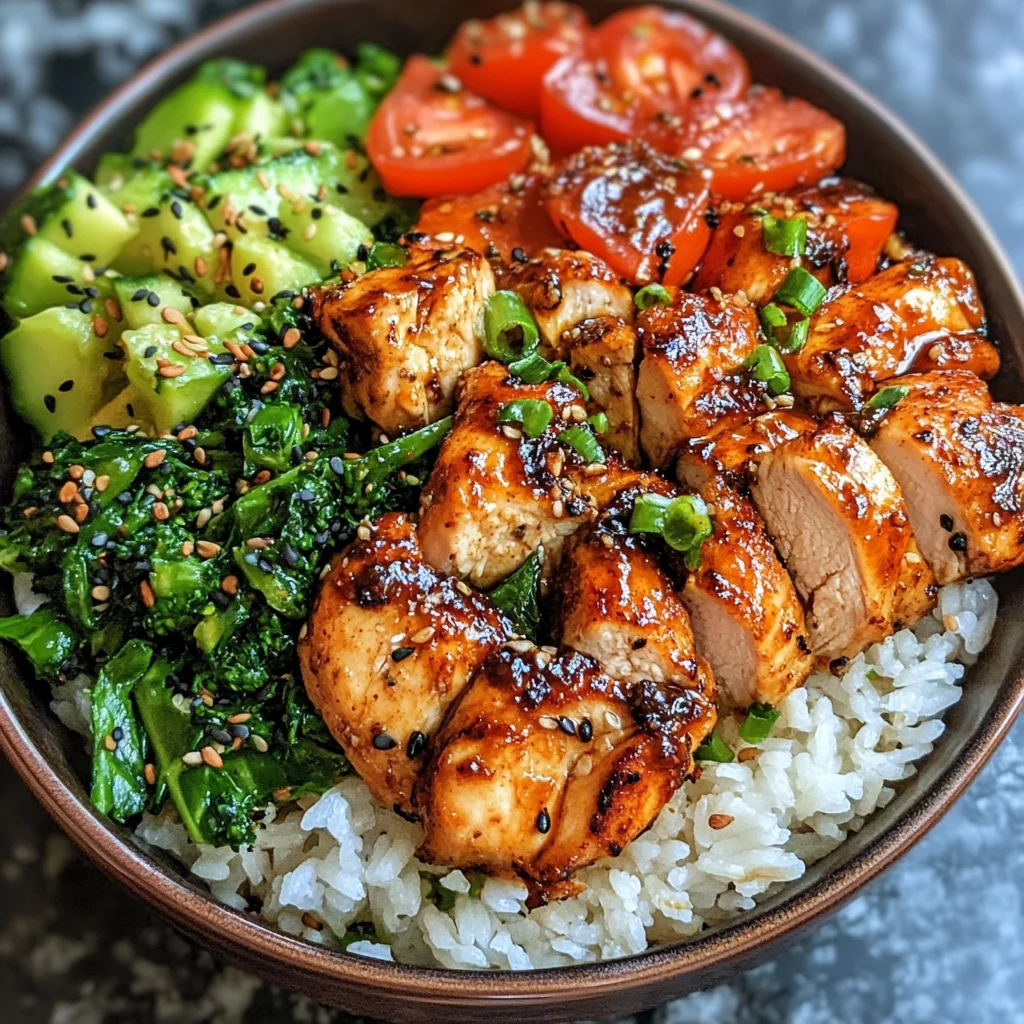
Garlic Butter Chicken Bowls: The Complete Guide to This Flavorful Meal
If you’re looking for a quick, delicious, and satisfying meal that brings together tender chicken, aromatic garlic, and creamy butter in a perfectly balanced bowl, then Garlic Butter Chicken Bowls are exactly what you need. This dish combines protein-rich chicken with healthy vegetables, whole grains, and a mouthwatering garlic butter sauce that makes every bite irresistible. Whether you’re meal prepping for the week ahead or preparing a fresh dinner tonight, these bowls deliver restaurant-quality flavor right in your own kitchen.
What Are Garlic Butter Chicken Bowls?
Garlic Butter Chicken Bowls are complete, balanced meals that feature succulent pieces of chicken coated in a rich garlic butter sauce, served over a base of grains or greens and topped with colorful vegetables. This dish brings together all the essential components of a nutritious meal: protein from the chicken, complex carbohydrates from rice or quinoa, healthy fats from butter and optional avocado, and vitamins from fresh vegetables.
The star of this dish is the garlic butter sauce. This simple yet flavorful combination transforms ordinary chicken into something extraordinary. The butter creates a luscious coating while garlic adds aromatic depth and numerous health benefits.
These bowls have become incredibly popular because they’re versatile, customizable, and perfect for both immediate enjoyment and meal preparation throughout the week. You can easily adapt them to fit different dietary preferences and taste profiles.
Why You’ll Love This Recipe
This recipe offers countless advantages that make it a go-to choice for home cooks everywhere. First, the cooking time is remarkably short—you can have complete Garlic Butter Chicken Bowls ready in about 25-30 minutes from start to finish. This makes them ideal for busy weeknights when you need something quick yet satisfying.
Moreover, the ingredient list is straightforward and accessible. You won’t need to hunt down specialty items or exotic spices. Most components are pantry staples you likely already have on hand.
The meal prep potential of these bowls is another major benefit. You can prepare multiple servings at once and store them for easy grab-and-go lunches or effortless dinners. The flavors actually develop and improve as they sit, making day-three lunches just as delicious as day-one dinners.
Additionally, these bowls are incredibly budget-friendly. Chicken is one of the most economical protein sources, and when paired with affordable grains and seasonal vegetables, you create a complete meal without breaking the bank. The dish also supports various dietary needs—it’s naturally gluten-free when served over rice and can be made dairy-free with simple substitutions.
Essential Ingredients
For the Chicken
The foundation of your Garlic Butter Chicken Bowls starts with quality chicken. You can use boneless, skinless chicken breasts or chicken thighs, depending on your preference. Chicken thighs tend to stay more tender and juicy during cooking, while breasts offer a leaner option. Cut the chicken into bite-sized cubes, approximately one to one-and-a-half inches, for quick, even cooking.
A light coating makes the chicken exceptionally crispy. Toss your chicken pieces with cornstarch or tapioca starch, along with salt and pepper. This coating helps create a golden exterior while sealing in moisture.
For the Garlic Butter Sauce
The sauce requires just a handful of ingredients but delivers maximum flavor. You’ll need high-quality butter—about four to six tablespoons—and plenty of fresh minced garlic, typically four to six cloves. Fresh garlic is essential here; garlic powder simply won’t provide the same aromatic punch.
Many recipes incorporate a touch of sweetness to balance the savory garlic. Honey works perfectly for this purpose, adding depth without overwhelming other flavors. You might also include low-sodium soy sauce for umami richness and additional seasoning.
For the Bowl Components
Building a balanced bowl requires thoughtful selection of each component. Start with a nutritious base like brown rice, white rice, quinoa, or cauliflower rice for a lower-carb option. Each base brings its own nutritional profile and texture to the dish.
Choose colorful vegetables to add nutrients, fiber, and visual appeal. Broccoli florets are classic in Garlic Butter Chicken Bowls because they pair beautifully with the sauce. Other excellent options include bell peppers, snap peas, carrots, zucchini, or asparagus.
Fresh toppings elevate your bowls from good to exceptional. Consider adding sliced avocado for healthy fats, pickled red onions for tangy brightness, fresh herbs like cilantro or parsley, and sesame seeds for crunch. These finishing touches add layers of flavor and texture.
Kitchen Equipment You’ll Need
You don’t need specialized equipment to make outstanding Garlic Butter Chicken Bowls. A large skillet or sauté pan is your most important tool—choose one that’s at least 12 inches in diameter so you can cook the chicken in a single layer without overcrowding. Cast iron or non-stick skillets work particularly well.
You’ll also need a small saucepan for preparing the garlic butter sauce separately, though some recipes combine everything in one pan. A sharp chef’s knife and cutting board are essential for prepping chicken and vegetables.
For meal prep enthusiasts, invest in quality meal prep containers with airtight lids. Glass containers are ideal because they don’t absorb odors and can go directly from refrigerator to microwave. Standard containers with divided compartments help keep different components separate until you’re ready to eat.
Step-by-Step Cooking Instructions
Preparing the Chicken
Begin by patting your chicken pieces completely dry with paper towels. This crucial step ensures proper browning. Place the dried chicken in a large bowl and add cornstarch or tapioca starch, salt, and pepper. Toss everything together until each piece is evenly coated.
Heat a tablespoon of neutral cooking oil in your large skillet over medium-high heat. Once the oil shimmers, add the coated chicken pieces in a single layer. Avoid overcrowding; cook in batches if necessary. Let the chicken cook undisturbed for about four minutes until golden brown on the bottom.
Flip each piece and continue cooking for another four minutes until the chicken is cooked through and reaches an internal temperature of 165°F. Transfer the cooked chicken to a clean plate and set aside.
Making the Garlic Butter Sauce
Lower your heat to medium and add butter to the same skillet, stirring as it melts. This allows you to capture all the flavorful browned bits from cooking the chicken. Add your minced garlic and cook for one to two minutes, stirring constantly. Watch carefully—the garlic should become fragrant and softened but not browned or burned.
If your recipe includes honey, soy sauce, or other liquid seasonings, add them now. Whisk everything together and let the sauce simmer gently until it thickens slightly. Some recipes add a cornstarch slurry at this stage for extra thickness.
Return the cooked chicken to the skillet and toss until every piece is generously coated in the garlic butter sauce. If you’re adding quick-cooking vegetables like broccoli, include them now and cook for five to seven minutes until tender.
Preparing Bowl Components
While your chicken cooks, prepare your other bowl components. Cook your chosen grain according to package directions. For added flavor, try cooking rice in chicken broth instead of water.
Prepare your vegetables based on your preferences. Roast heartier vegetables like sweet potatoes or Brussels sprouts in a separate oven at 400°F until tender and caramelized. Steam or blanch quick-cooking vegetables like broccoli or green beans. Some vegetables, like spinach or mixed greens, can be added raw.
Quick-pickled onions add incredible flavor contrast. Slice a red onion thinly, place in a small bowl, and cover with a mixture of warm water, vinegar, and a pinch of salt. Let sit for at least five minutes while you finish the rest of your dish.
Building the Perfect Bowl
Assembly matters when creating visually appealing and delicious Garlic Butter Chicken Bowls. Start by adding your grain base to each bowl—about one cup per serving provides a satisfying foundation. Spread it evenly across the bottom or mound it on one side depending on your preferred presentation.
Next, arrange your garlic butter chicken prominently. Place it atop or beside your grain base, allowing the sauce to drip down and flavor other components. Use approximately four to six ounces of cooked chicken per bowl for adequate protein.
Add your prepared vegetables in separate sections around the bowl. This creates visual interest and allows diners to enjoy each component individually or mix everything together. Aim for variety in colors—deep green broccoli, bright orange carrots, and purple pickled onions create an appetizing rainbow.
Finish with your chosen toppings and garnishes. Drizzle any reserved garlic butter sauce over everything. Add sliced avocado, fresh herbs, sesame seeds, or a squeeze of lime juice. These final touches transform a simple bowl into something restaurant-worthy.
Nutrition Benefits
Protein Power from Chicken
Chicken serves as an excellent lean protein source, providing essential amino acids your body needs for muscle maintenance and repair. A typical serving of chicken in these bowls delivers approximately 40-45 grams of protein, which represents a substantial portion of most people’s daily requirements.
This protein content helps keep you satisfied and full for hours after eating. It also supports stable blood sugar levels and sustained energy throughout your day. Choosing chicken breast over thighs reduces saturated fat content if that’s a dietary concern.
Health Benefits of Garlic
Garlic isn’t just flavorful—it’s also remarkably nutritious and has been used medicinally for thousands of years. Modern research confirms that garlic can boost immune function and may help protect against common illnesses. It contains powerful compounds with anti-inflammatory properties that may benefit joint health.
Furthermore, garlic supports cardiovascular health in multiple ways. Studies suggest it can help lower blood pressure and reduce cholesterol levels, particularly LDL or “bad” cholesterol. The sulfur compounds in garlic may also help detoxify heavy metals from the body.
Garlic’s antioxidant properties may reduce oxidative damage and potentially lower the risk of dementia and Alzheimer’s disease. Additionally, it’s very low in calories while providing small amounts of important nutrients like vitamin C, vitamin B6, and manganese.
Balanced Bowl Nutrition
When you include all the recommended components, Garlic Butter Chicken Bowls deliver comprehensive nutrition in a single meal. The complex carbohydrates from whole grains or sweet potatoes provide sustained energy. Fiber from vegetables and whole grains supports digestive health and helps maintain steady blood sugar levels.
The variety of colorful vegetables ensures you’re getting diverse vitamins, minerals, and phytonutrients. Leafy greens contribute iron and calcium, while orange vegetables like carrots and sweet potatoes provide beta-carotene. Healthy fats from butter and optional avocado help your body absorb fat-soluble vitamins and keep you satisfied.
A complete Garlic Butter Chicken Bowl typically contains 400-600 calories depending on portion sizes and specific ingredients used. This makes them appropriate for most eating plans while still being filling and nutritious.
Meal Prep and Storage Tips
Preparing Bowls in Advance
Garlic Butter Chicken Bowls are ideal candidates for weekly meal preparation. Cook all your components on a designated prep day, then assemble them into individual portions. This strategy saves significant time during busy weekdays and ensures you always have a healthy meal ready.
When meal prepping, cook your chicken and vegetables but consider keeping the garlic butter sauce separate. Store it in small individual containers and add it just before eating to maintain the best texture. Some ingredients like avocado and fresh herbs should also be added right before serving rather than days in advance.
Invest in quality meal prep containers with secure, airtight lids. Glass containers are superior because they don’t retain odors or stains and can withstand repeated reheating. Containers with compartments help keep different components separate, preventing sogginess.
Storage Guidelines
Properly stored Garlic Butter Chicken Bowls remain fresh in your refrigerator for four to five days. Some sources suggest they can last up to seven days in high-quality airtight containers, though food safety experts typically recommend consuming cooked chicken within four days.
To store, divide your prepared bowls into individual servings immediately after cooking. Allow everything to cool to room temperature first—placing hot food directly into sealed containers creates condensation that promotes bacterial growth.
These bowls also freeze well if you want to prepare larger batches. Portion them into freezer-safe containers and freeze for up to three months. Note that some components freeze better than others; cooked rice, chicken, and most vegetables freeze beautifully, while fresh greens and avocado should be added after thawing.
Reheating Instructions
Reheating your Garlic Butter Chicken Bowls properly ensures they taste just as good as when freshly made. For refrigerated bowls, remove the lid or cover loosely with a damp paper towel to prevent drying. Microwave for one to two minutes, checking and stirring halfway through until everything is heated evenly.
Many people actually prefer eating these bowls cold or at room temperature, especially during summer months. The garlic butter sauce solidifies when cold but melts beautifully when the bowl comes to room temperature or with gentle heating.
For frozen bowls, thaw overnight in the refrigerator before reheating. You can also reheat directly from frozen, though this takes longer—three to four minutes in the microwave with stirring between intervals.
Customization Ideas
Protein Variations
While chicken is traditional, these bowls work beautifully with other proteins. Try using shrimp for a quick-cooking seafood option that absorbs the garlic butter sauce wonderfully. Shrimp cooks in just a few minutes, making it perfect for last-minute meals.
Firm tofu or tempeh makes excellent plant-based alternatives. Cut into cubes, press to remove excess moisture, then coat with cornstarch and cook until crispy. The garlic butter sauce pairs surprisingly well with these proteins.
Salmon or other fish fillets create a completely different but equally delicious bowl. The omega-3 fatty acids in salmon complement the dish’s nutritional profile. Cook the fish separately and flake it over your assembled bowl.
Base Options
Beyond traditional white or brown rice, explore other grain options to change the flavor and nutrition profile. Quinoa adds complete protein and a slightly nutty taste. Farro or barley contribute chewy texture and extra fiber.
For lower-carb alternatives, try cauliflower rice or spiralized zucchini noodles. These vegetable bases significantly reduce calories and carbohydrates while adding extra servings of vegetables. Mixed salad greens create a lighter meal that’s perfect for warmer weather.
Some people enjoy mixing their base—half regular rice and half cauliflower rice provides a middle ground between traditional and low-carb approaches.
Vegetable Mix-Ins
Don’t limit yourself to broccoli alone, though it’s certainly a classic choice. Roasted sweet potato cubes add natural sweetness and beautiful color. Bell peppers—red, yellow, or orange—contribute vitamin C and slight crunch.
Snap peas and green beans provide satisfying snap and bright green color. Roasted Brussels sprouts bring nutty, slightly caramelized notes. Mushrooms absorb the garlic butter sauce beautifully and add an earthy, umami dimension.
Incorporate leafy greens like spinach, kale, or arugula for added nutrition. These can be stirred into the hot chicken at the end of cooking so they wilt slightly, or added fresh to the bowl.
Sauce Variations
While classic garlic butter is hard to beat, small additions can create exciting new flavor profiles. Add fresh lemon juice and zest for a bright, citrusy version. The acidity cuts through the richness beautifully.
Incorporate your favorite herbs into the butter—fresh parsley, basil, thyme, or rosemary each create distinct flavors. Stir in a tablespoon of Dijon mustard for tangy complexity.
For heat lovers, add red pepper flakes, sriracha, or fresh minced jalapeño to the sauce. Asian-inspired versions might include ginger along with the garlic, plus a splash of rice vinegar.
Common Mistakes to Avoid
Overcrowding the Pan
One of the most frequent errors is overcrowding the pan when cooking chicken. When pieces are too close together, they steam rather than sear, resulting in pale, rubbery chicken instead of golden, crispy pieces. Always leave space between pieces, and cook in batches if necessary.
This principle applies to vegetables as well. Overcrowded vegetables release moisture and steam rather than roasting or sautéing properly. Give everything room to breathe for the best texture and flavor.
Burning the Garlic
Garlic burns quickly and develops an unpleasant bitter taste when overcooked. Always reduce your heat to medium or medium-low before adding garlic to the pan. Cook it just until fragrant and softened—one to two minutes maximum.
If your garlic does burn, start over rather than trying to salvage the sauce. The bitter flavor will permeate everything and ruin your dish. Adding garlic to butter that’s already melted rather than cold butter helps prevent burning.
Skipping the Chicken Coating
The cornstarch or tapioca starch coating isn’t optional if you want crispy, restaurant-quality chicken. This light coating creates a barrier that helps chicken brown beautifully while keeping the interior juicy.
Don’t overdo it though—you want a light, even coating rather than a thick crust. Excess coating can become gummy when combined with the sauce.
Not Seasoning Properly
Each component of your bowl needs its own seasoning. Seasoning only the chicken leaves your vegetables and grains bland. Salt brings out flavors and makes each ingredient taste more like itself.
Season your chicken pieces generously before cooking. Add salt to your cooking water for rice or grains. Toss vegetables with salt and pepper before roasting. Taste and adjust seasoning in your finished sauce as well.
Improper Storage
Storing components incorrectly leads to soggy, unappetizing meal prep bowls. Always let hot components cool completely before sealing containers. Trapped steam creates excess moisture that makes everything mushy.
Keep sauces separate from other components when possible, adding them just before eating. Store delicate ingredients like avocado and fresh herbs separately and add them to individual bowls as needed.
Frequently Asked Questions
Can I make Garlic Butter Chicken Bowls dairy-free?
Yes, you can easily adapt this recipe for dairy-free diets. Replace the butter with an equal amount of extra virgin olive oil or a dairy-free butter substitute. The flavor will be slightly different but still delicious. Many dairy-free butter alternatives brown and behave similarly to regular butter in cooking.
How long do Garlic Butter Chicken Bowls last in the refrigerator?
When stored properly in airtight containers, these bowls remain fresh and safe to eat for four to five days in the refrigerator. Some sources suggest up to seven days in high-quality glass containers, though most food safety guidelines recommend consuming cooked chicken within four days. Always smell and visually inspect food before eating if it’s been stored for several days.
Can I freeze these bowls?
Yes, Garlic Butter Chicken Bowls freeze well for up to three months. Portion them into freezer-safe containers and allow them to cool completely first. Note that some ingredients don’t freeze well—skip fresh greens, avocado, and pickled vegetables, adding them fresh after thawing instead. Thaw overnight in the refrigerator before reheating.
What’s the best rice to use for these bowls?
Brown rice is the most nutritious choice, providing more fiber and minerals than white rice. However, white rice has a lighter texture and cooks more quickly. Jasmine or basmati rice adds aromatic notes. For a complete protein option, quinoa works wonderfully. Choose based on your nutritional goals and taste preferences.
Can I use frozen vegetables?
Absolutely, frozen vegetables work well and save preparation time. They’re picked and frozen at peak freshness, so their nutrition is excellent. Simply add them directly to your pan during the last few minutes of cooking—they’ll thaw and heat through quickly. Avoid adding them too early or they may become mushy.
How can I make the chicken extra crispy?
For maximum crispiness, ensure your chicken is completely dry before coating. Use a generous amount of oil in a very hot pan. Don’t move the chicken around—let it sit undisturbed to develop a proper crust. Cook in batches rather than crowding the pan. Finally, add the sauce to the chicken just before serving rather than letting them sit together too long.
Conclusion
Garlic Butter Chicken Bowls represent the perfect intersection of convenience, nutrition, and incredible flavor. These versatile bowls deliver satisfying protein, nutritious vegetables, wholesome grains, and that irresistible garlic butter sauce all in one complete meal. Whether you’re cooking for tonight’s dinner or preparing a week’s worth of lunches, this recipe adapts beautifully to your needs and preferences.
The beauty of this dish lies in its flexibility. You can customize every component to match your tastes, dietary requirements, and what’s available in your kitchen. From the protein choice to the grain base to the vegetable selection, you control exactly what goes into your bowl.
Start making Garlic Butter Chicken Bowls today and discover why they’ve become a favorite for home cooks everywhere. Your taste buds and your schedule will thank you. Experiment with different combinations until you find your perfect bowl, then enjoy the satisfaction of having delicious, healthy meals ready whenever you need them.
Print
Garlic Butter Chicken Bowls
Description
Garlic Butter Chicken Bowls
Servings: 4
Prep Time: 10 minutes
Cook Time: 20 minutes
Calories: ~540 per bowl (may vary with toppings)
Ingredients
-
1 ½ lbs chicken breast, diced
-
2 tbsp olive oil
-
4 tbsp butter
-
5 cloves garlic, minced
-
1 tsp paprika
-
1 tsp onion powder
-
1 tsp Italian seasoning
-
½ tsp chili flakes (optional)
-
Salt & pepper to taste
-
1 ½ cups cooked rice (or quinoa)
-
1 cup steamed broccoli
-
1 cup corn (fresh, canned, or frozen)
-
1 cup cherry tomatoes, halved
-
2 tbsp chopped parsley
-
Lemon wedges (optional)
Instructions
-
Season the chicken:
Toss diced chicken with paprika, onion powder, Italian seasoning, salt, and pepper. -
Cook the chicken:
Heat olive oil in a skillet on medium-high. Add chicken and cook 6–8 minutes until golden brown. -
Make the garlic butter:
Add butter and minced garlic to the skillet. Stir until melted and fragrant. Coat chicken fully in the garlic butter sauce. Add chili flakes if using. -
Build the bowls:
Add rice to bowls. Top each with garlic butter chicken, broccoli, corn, and cherry tomatoes. -
Finish:
Drizzle remaining garlic butter over bowls. Garnish with parsley and a squeeze of lemon.