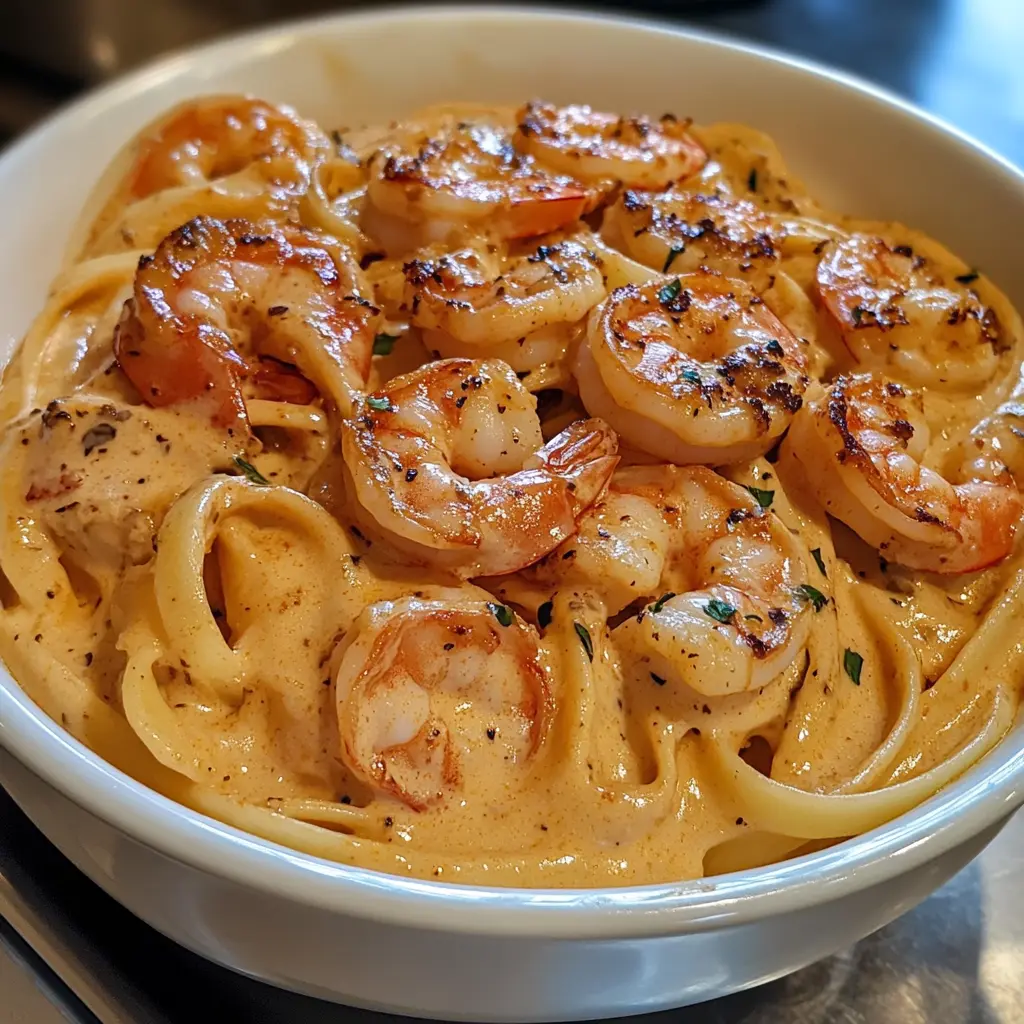
Creamy Cajun Shrimp Pasta
Introduction
Creamy Cajun Shrimp Pasta brings together succulent shrimp, bold Louisiana spices, and a velvety cream sauce that coats every strand of pasta perfectly. This restaurant-quality dish can be prepared in your home kitchen in under 30 minutes, making it ideal for busy weeknights or special occasions. The combination of spicy Cajun seasoning and rich cream creates a balanced flavor profile that has made this dish a favorite across the United States.
What Makes Creamy Cajun Shrimp Pasta Special
This pasta dish stands out because it combines multiple culinary traditions into one harmonious meal. The Cajun seasoning provides a complex heat that awakens your taste buds without overwhelming them. Meanwhile, the heavy cream creates a luxurious texture that balances the spices perfectly.
The dish offers impressive versatility for home cooks of all skill levels. You can adjust the spice level to suit your preferences, swap pasta shapes based on what you have available, and add vegetables to increase nutritional value. This adaptability makes it a reliable recipe that you’ll return to repeatedly.
Cultural Heritage and Flavor
Cajun cuisine originated in Louisiana when French immigrants combined their cooking techniques with West African, Spanish, and Native American influences. This cultural melding created bold, flavorful dishes that have become beloved throughout America. The signature “holy trinity” of celery, onions, and bell peppers forms the foundation of many Cajun recipes.
Essential Ingredients for the Perfect Dish
Creating exceptional Creamy Cajun Shrimp Pasta requires selecting quality ingredients that work together harmoniously. Each component plays a specific role in building layers of flavor and texture.
Main Components
Shrimp: One pound of large shrimp, peeled and deveined, serves as the protein centerpiece. Choose fresh or frozen shrimp sized 16-20 count per pound for the best texture. The shrimp should be plump and smell fresh, not fishy.
Pasta: Eight ounces of penne, linguine, or fettuccine works perfectly for this dish. The pasta shape you choose will affect how the sauce clings to each piece. Tube shapes like penne capture sauce inside their hollows, while flat noodles like linguine provide a different eating experience.
Heavy Cream: One to one-and-a-half cups creates the signature creamy texture. The fat content in heavy cream allows it to thicken without curdling when heated properly. This ingredient transforms the dish from good to exceptional.
Cajun Seasoning: Two tablespoons of quality Cajun seasoning blend delivers authentic Louisiana flavor. The blend typically includes paprika, cayenne pepper, garlic powder, onion powder, and various herbs. You can adjust the amount based on your heat tolerance.
Supporting Ingredients
Fresh garlic, butter, diced tomatoes, and Parmesan cheese round out the ingredient list. Some recipes incorporate bell peppers for added texture and color. Fresh parsley provides a bright garnish that contrasts beautifully with the rich sauce.
Step-by-Step Cooking Instructions
Follow these detailed instructions to create restaurant-quality Creamy Cajun Shrimp Pasta in your home kitchen.
Preparing the Pasta
Bring a large pot of salted water to a rolling boil. The salt seasons the pasta from within, enhancing the overall dish. Add your chosen pasta and cook until al dente according to package directions. Reserve one cup of pasta water before draining, as this starchy liquid helps adjust sauce consistency later.
Seasoning and Cooking Shrimp
Pat the shrimp completely dry with paper towels to ensure proper browning. Toss the shrimp in half of your Cajun seasoning, coating each piece evenly. Heat olive oil in a large skillet over medium-high heat until shimmering.
Add the seasoned shrimp in a single layer without overcrowding the pan. Cook for one to two minutes per side until the shrimp turn pink and opaque. Remove the cooked shrimp to a plate and cover to keep warm.
Creating the Sauce
Reduce heat to medium and add butter to the same skillet. Once melted, add minced garlic and sauté for one minute until fragrant. The garlic should release its aroma without browning.
Stir in diced tomatoes and remaining Cajun seasoning. Pour in the heavy cream and bring the mixture to a gentle simmer. Allow the sauce to bubble gently for several minutes until it thickens slightly.
Add grated Parmesan cheese and stir until fully incorporated. The cheese adds depth and helps thicken the sauce naturally. Season with salt and pepper to taste.
Combining Everything
Return the cooked shrimp to the skillet along with the drained pasta. Toss everything together until the pasta is evenly coated with sauce. If the sauce seems too thick, add reserved pasta water one tablespoon at a time until you reach the desired consistency.
Garnish with freshly chopped parsley and additional Parmesan before serving. The fresh herbs brighten the rich flavors and add visual appeal.
Understanding Cajun Seasoning
Cajun seasoning brings this pasta dish to life with its complex blend of spices and herbs. Understanding its components helps you appreciate the flavor profile and make adjustments to suit your taste.
Key Ingredients in Cajun Blends
Paprika provides a mild sweetness and vibrant red color. Cayenne pepper delivers the characteristic heat that Cajun cuisine is known for. Garlic powder and onion powder add savory depth that complements seafood beautifully.
Black pepper, oregano, thyme, and other herbs round out the flavor profile. Each brand of Cajun seasoning has its own unique ratio of these ingredients. This variation means you may need to adjust quantities when trying different brands.
Health Benefits
The spices in Cajun seasoning offer more than just flavor. Cayenne pepper contains capsaicin, which has been shown to boost metabolism and increase calorie burning. This compound also has anti-inflammatory properties that may benefit overall health.
Garlic in the seasoning blend supports heart health and has antimicrobial properties. Using Cajun seasoning allows you to reduce added salt while still creating intensely flavorful dishes. The complex taste means your palate feels satisfied with less sodium.
Choosing the Right Pasta Shape
The pasta shape you select significantly impacts how you experience this dish. Different shapes interact with the creamy sauce in unique ways.
Best Pasta Shapes for Creamy Sauces
Penne and other tube-shaped pastas excel at capturing sauce both on their surface and inside their hollow centers. This creates an ideal sauce-to-pasta ratio in every bite. Rigatoni and tortiglioni work similarly well for this dish.
Linguine and fettuccine provide a more elegant presentation with their long, flat shape. These noodles allow the creamy sauce to coat each strand evenly. The wider surface area of fettuccine makes it particularly well-suited for rich, hearty sauces.
Farfalle and fusilli feature curves and ridges that trap sauce effectively. Their sauce-capturing surfaces ensure every bite delivers full flavor. These shapes work especially well with chunky additions like diced tomatoes and vegetables.
Cooking Pasta Properly
Always cook pasta in abundant boiling salted water. The pasta should move freely in the pot to cook evenly. Aim for al dente texture, which means the pasta still has a slight firmness when bitten.
Never rinse cooked pasta unless making a cold pasta salad. The starchy coating helps sauce adhere better. Reserving pasta water before draining gives you a secret weapon for adjusting sauce consistency.
Nutritional Benefits of Shrimp
Shrimp serves as an excellent protein source that fits well into various dietary approaches. Understanding its nutritional profile helps you appreciate this ingredient’s value beyond its delicious taste.
Impressive Protein Content
A three-ounce serving of shrimp provides approximately 20 grams of high-quality protein. This protein density makes shrimp one of the best seafood choices for building and maintaining muscle tissue. The protein in shrimp contains all essential amino acids your body needs.
Despite its impressive protein content, shrimp remains remarkably low in calories. That same three-ounce serving contains only about 84 calories. This makes shrimp an ideal choice for those watching their calorie intake while still wanting satisfying meals.
Vitamins and Minerals
Shrimp provides excellent amounts of selenium, which supports immune function and thyroid health. A single serving delivers substantial vitamin B12, essential for nerve function and red blood cell production. The phosphorus in shrimp supports bone health and energy production.
Shrimp also contains beneficial amounts of zinc, magnesium, and iron. These minerals play crucial roles in various bodily functions. The omega-3 fatty acids in shrimp support heart and brain health.
Low in Carbohydrates and Fat
Shrimp contains virtually no carbohydrates, making it suitable for low-carb and ketogenic diets. The fat content remains minimal at less than one gram per serving. This nutritional profile allows the shrimp to absorb flavors from seasonings and sauces without adding excess calories.
Tips for Perfect Creamy Sauce
Creating a luxurious, smooth cream sauce requires understanding a few key techniques. These tips ensure your sauce turns out perfectly every time.
Temperature Control
Bring heavy cream to room temperature before adding it to hot ingredients. This prevents temperature shock that can cause the cream to separate. Once added to the pan, maintain medium to medium-low heat.
Never allow the cream sauce to reach a full rolling boil. High heat can cause the proteins in dairy to clump together, creating an unpleasant texture. Gentle simmering allows the sauce to thicken naturally without breaking.
Achieving Ideal Consistency
Simmer the cream sauce for several minutes to allow it to reduce and thicken. The sauce should coat the back of a spoon when ready. If the sauce becomes too thick, add reserved pasta water gradually.
The starch in pasta water helps emulsify the sauce, creating a silky texture. Add just a tablespoon or two at a time, stirring between additions. This gives you precise control over the final consistency.
Enhancing Flavor
Adding Parmesan cheese to the cream sauce contributes both flavor and natural thickening power. Stir the cheese in after reducing heat to prevent it from becoming stringy. The salt in Parmesan means you should taste before adding extra salt.
Fresh garlic sautéed in butter creates an aromatic foundation for the sauce. Cook the garlic just until fragrant, about one minute. Overcooked garlic turns bitter and can ruin the sauce.
Common Mistakes to Avoid
Even experienced cooks can encounter pitfalls when preparing Creamy Cajun Shrimp Pasta. Knowing these common errors helps you achieve perfect results.
Overcooking Shrimp
Shrimp cook very quickly and become rubbery when overcooked. Watch for them to turn pink and curl slightly, which indicates they’re done. The entire cooking process should take only two to four minutes total.
Remove shrimp from the pan as soon as they’re cooked through. They’ll continue cooking from residual heat even after removal. You’ll add them back to the sauce later, which provides additional gentle heating.
Using Cold Cream
Adding cold cream directly from the refrigerator to a hot pan can cause the sauce to split. This results in a grainy, separated texture rather than smooth creaminess. Take cream out of the refrigerator 30 minutes before cooking.
If you forget to bring cream to room temperature, heat it gently in the microwave for 20-30 seconds. Stir well and test the temperature before adding to your pan. This small step makes a significant difference in sauce quality.
Insufficient Seasoning
Cajun seasoning can vary dramatically in heat and saltiness between brands. Always start with less than the recipe calls for and taste as you go. You can always add more seasoning, but you cannot remove it once added.
Season the shrimp separately from the sauce for more developed flavor. This ensures the seasoning adheres to the shrimp and penetrates the meat. The pasta and sauce also benefit from their own seasoning.
Variations and Customizations
This versatile recipe welcomes numerous modifications to suit different preferences and dietary needs.
Protein Alternatives
Substitute chicken breast cut into bite-sized pieces for a different protein option. Season the chicken with Cajun spices and cook until the internal temperature reaches 165°F. Chicken requires longer cooking time than shrimp, typically six to eight minutes.
Combine shrimp with sliced andouille sausage for a heartier version. The smoked sausage adds depth and makes the dish more substantial. Cook the sausage first, then proceed with the shrimp.
Vegetable Additions
Bell peppers add sweetness and crunch that complement the creamy sauce beautifully. Dice red, yellow, or green peppers and sauté them with the garlic. Mushrooms provide an earthy flavor and meaty texture.
Spinach or kale increase the nutritional value and add vibrant color. Stir fresh greens into the finished sauce and allow them to wilt from the residual heat. Cherry tomatoes burst with flavor when added to the sauce.
Adjusting Heat Levels
Reduce the Cajun seasoning by half for a milder version suitable for children. Add extra cayenne pepper or red pepper flakes if you prefer more intense heat. Balance increased spice with a squeeze of fresh lemon juice.
Create a smoky variation by adding smoked paprika to the sauce. This adds depth without increasing heat. A pinch of sugar can help balance particularly spicy batches.
Serving Suggestions
Present your Creamy Cajun Shrimp Pasta attractively to enhance the dining experience.
Plating Techniques
Twirl pasta onto serving plates using tongs for an elegant presentation. Arrange several shrimp on top of each portion so they’re visible. Sprinkle freshly chopped parsley over the top for color contrast.
Grate additional Parmesan cheese over each plate just before serving. The fresh cheese adds visual appeal and allows diners to enjoy its full aroma. A light dusting of Cajun seasoning around the plate edge creates a professional look.
Complementary Side Dishes
Serve crusty garlic bread alongside the pasta for soaking up extra sauce. The bread’s crispy exterior and soft interior complement the creamy pasta perfectly. A simple green salad with vinaigrette provides refreshing contrast.
Roasted vegetables like asparagus or zucchini add nutritional balance to the meal. Their natural sweetness pairs well with the spicy Cajun flavors. Steamed broccoli offers another healthy, complementary option.
Beverage Pairings
Serve sparkling water with lemon to cleanse the palate between bites. The effervescence cuts through the rich cream sauce. Iced tea, either sweetened or unsweetened, provides a refreshing accompaniment.
Fresh lemonade balances the dish’s richness and spice with its bright acidity. For adults, consider craft sodas or flavored sparkling waters that won’t compete with the bold flavors.
Storage and Reheating Instructions
Proper storage techniques maintain quality and food safety for leftover Creamy Cajun Shrimp Pasta.
Refrigeration Guidelines
Allow leftovers to cool to room temperature within two hours of cooking. Transfer the pasta to an airtight container and refrigerate promptly. Properly stored leftovers remain safe to eat for three to four days.
Store pasta and any additional Parmesan cheese separately if possible. This prevents the cheese from absorbing too much moisture. Label containers with the date to track freshness.
Reheating Methods
Reheat individual portions in the microwave at 50 percent power. This gentle heating prevents the shrimp from becoming rubbery. Add a splash of cream or milk to restore the sauce’s creamy consistency.
For stovetop reheating, place pasta in a skillet over medium-low heat. Add a few tablespoons of cream, milk, or pasta water to loosen the sauce. Stir gently until heated through, about five to seven minutes.
Freezing Considerations
Cream-based sauces typically don’t freeze well, as they can separate upon thawing. The texture of cooked shrimp also deteriorates in the freezer. If you must freeze leftovers, expect some texture changes.
Thaw frozen pasta overnight in the refrigerator before reheating. Add fresh cream when reheating to help restore the sauce’s smooth texture. Consider the frozen version suitable for meal prep rather than restaurant-quality results.
Frequently Asked Questions
Can I make Creamy Cajun Shrimp Pasta ahead of time?
You can prepare components separately and assemble just before serving. Cook the pasta until slightly underdone, toss with a little olive oil, and refrigerate. Prepare the sauce and shrimp, storing them separately. When ready to serve, reheat the sauce gently, add the pasta, and warm everything through.
What if my Cajun seasoning is too spicy?
Balance excessive heat by adding more heavy cream to dilute the spice level. A squeeze of lemon juice brightens flavors while tempering heat. Adding a pinch of sugar helps counteract spiciness without making the dish sweet. Serve with crusty bread and cool beverages to help manage the heat.
Can I use a different type of seafood?
Scallops work beautifully in this recipe as a shrimp alternative. Pat them very dry before searing to achieve a golden crust. Chunks of firm white fish like cod or halibut also work well. Adjust cooking times based on the thickness and type of seafood chosen.
How do I prevent the cream sauce from curdling?
Use room-temperature cream rather than cold from the refrigerator. Maintain medium to medium-low heat and never allow the sauce to boil vigorously. Add cream gradually while stirring constantly. If curdling occurs, immediately remove from heat and whisk in cold cream to stabilize.
What pasta shapes work best for this dish?
Penne, rigatoni, and other tube shapes trap sauce inside their hollows. Linguine and fettuccine provide elegant presentation with excellent sauce coverage. Fusilli and farfalle offer ridged surfaces that hold sauce well. Choose based on personal preference, as all these shapes work excellently.
Can I make this dish lighter?
Replace half the heavy cream with half-and-half or whole milk. Use less butter and rely more on the pasta water for sauce consistency. Increase the vegetable content with bell peppers, spinach, or mushrooms. These modifications reduce calories while maintaining satisfying flavor.
Conclusion
Creamy Cajun Shrimp Pasta delivers restaurant-quality results in your home kitchen with minimal effort and maximum flavor. The combination of succulent shrimp, bold Louisiana spices, and luxurious cream sauce creates a memorable meal that satisfies every time. By following proper cooking techniques and understanding how ingredients work together, you’ll master this dish quickly.
The recipe’s versatility allows endless customization to match your preferences and dietary needs. Whether you adjust the spice level, swap pasta shapes, or add extra vegetables, this foundation recipe adapts beautifully. The nutritional benefits of protein-rich shrimp combined with the cultural heritage of Cajun seasoning make this more than just another pasta dish.
Ready to bring the bold flavors of Louisiana into your kitchen? Gather your ingredients and prepare to create Creamy Cajun Shrimp Pasta tonight.
Print
Creamy Cajun Shrimp Pasta
Description
Creamy Cajun Shrimp Pasta
Servings: 4
Prep Time: 10 minutes
Cook Time: 20 minutes
Total Time: 30 minutes
Ingredients
-
12 oz pasta (fettuccine, penne, or linguine)
-
1 lb large shrimp, peeled and deveined
-
2 tbsp olive oil
-
3 garlic cloves, minced
-
1 small onion, diced
-
1 bell pepper, diced
-
1–2 tsp Cajun seasoning (adjust to taste)
-
½ tsp smoked paprika
-
Salt and pepper, to taste
-
1 cup heavy cream
-
½ cup grated Parmesan cheese
-
1 tbsp butter
-
Fresh parsley, chopped, for garnish
-
Optional: red pepper flakes for extra heat
Instructions
1. Cook the Pasta
Cook pasta according to package instructions until al dente. Drain and set aside.
2. Sear the Shrimp
In a large skillet, heat olive oil over medium-high heat.
Toss shrimp with Cajun seasoning, smoked paprika, salt, and pepper.
Cook 2–3 minutes per side until pink and opaque. Remove shrimp and set aside.
3. Sauté Veggies
In the same skillet, add butter, garlic, onion, and bell pepper.
Sauté 3–4 minutes until soft and fragrant.
4. Make the Cream Sauce
Reduce heat to medium.
Pour in heavy cream and stir in Parmesan cheese.
Simmer 3–4 minutes until slightly thickened.
Adjust seasoning with salt, pepper, and red pepper flakes if desired.
5. Combine
Add cooked pasta and shrimp to the skillet.
Toss everything until coated in creamy Cajun sauce.