
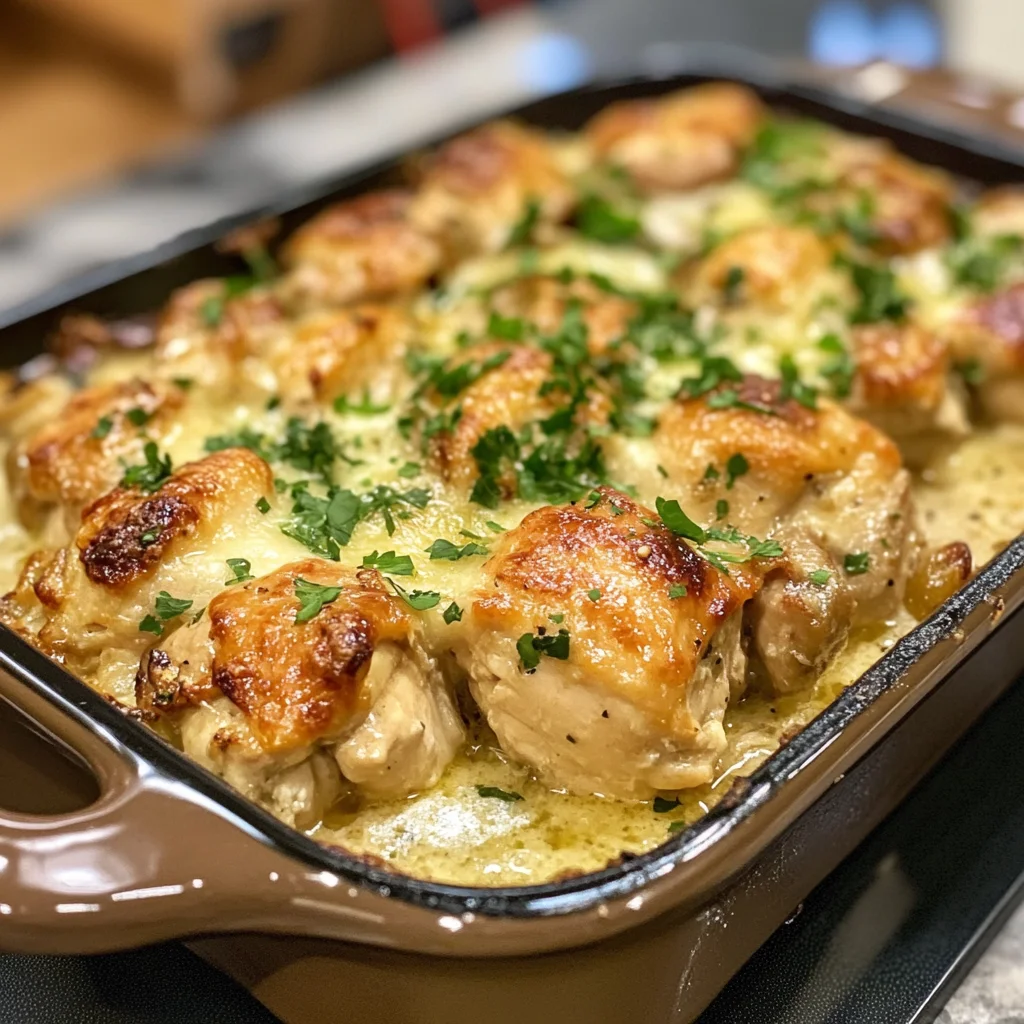
Chicken Amandine Casserole: A Complete Guide to This Classic Comfort Dish
Introduction
Chicken Amandine Casserole transforms a simple French cooking technique into a comforting, family-friendly baked dish. This elegant yet approachable recipe combines tender chicken pieces with toasted almonds, creamy sauce, and savory seasonings to create a meal that satisfies both weeknight dinners and special occasions. The term “amandine” translates from French to mean “with almonds,” and this casserole delivers on that promise with generous layers of nutty flavor and satisfying texture. Whether you are cooking for your family or preparing a dish for a potluck gathering, this casserole offers comfort, convenience, and crowd-pleasing appeal.
What Is Chicken Amandine Casserole
Chicken Amandine Casserole is a baked one-dish meal featuring cooked chicken combined with rice, vegetables, creamy sauce, and topped with sliced almonds. Unlike the traditional stovetop amandine preparation that requires last-minute assembly, this casserole version adapts the sophisticated French technique into a convenient, shareable format. The dish typically includes a base of wild rice or long-grain rice, protein-rich chicken pieces, green beans or mixed vegetables, and a flavorful binding sauce made from condensed soup or cream. The crowning glory comes from sliced almonds that toast during baking, creating a golden, crunchy topping that contrasts beautifully with the creamy interior.
Most recipes incorporate aromatics like onions, shallots, or garlic to build depth of flavor. Some versions add bacon pieces for smokiness, while others include pimientos for bursts of sweetness. The beauty of this casserole lies in its adaptability and forgiving nature, making it accessible to cooks of all skill levels.
Origins and History
The amandine cooking style has French roots and traditionally refers to dishes prepared with almonds as a key flavoring component. Classic amandine preparations typically involve quick stovetop cooking with a final sprinkle of toasted nuts for textural contrast. However, American home cooks during the mid-20th century adapted this elegant technique into casserole format, embracing the convenience and communal appeal of baked one-dish meals.
Casseroles gained tremendous popularity in American kitchens during the 1950s and beyond, when home cooks sought efficient meal solutions that could feed families without requiring extensive preparation. Chicken Amandine Casserole emerged during this era as a way to bring restaurant-quality flavors into home cooking while maintaining simplicity and affordability. The dish tips its hat to mid-century tastes with ingredients like condensed soup, green beans, and sliced almonds, while providing more nutritious substance than many period recipes.
Today, Chicken Amandine Casserole remains a beloved family favorite, frequently requested for potlucks and gatherings. Modern interpretations continue to honor the classic combination while incorporating contemporary preferences for fresher ingredients and customizable options.
Key Ingredients Breakdown
Chicken
The protein foundation of this casserole typically comes from boneless, skinless chicken breasts or thighs. Many cooks opt for rotisserie chicken as a convenient shortcut that saves time without sacrificing flavor. Cooked chicken should be chopped into bite-size pieces to ensure even distribution throughout the dish. Using approximately three to four cups of cooked chicken provides adequate protein for a standard casserole serving six to eight people.
Rice
Wild rice blend serves as the traditional base for Chicken Amandine Casserole, offering nutty flavor and appealing visual contrast. Long-grain wild rice blends combine dark wild rice with brown, red, and black varieties, creating aromatic flavor and tender-chewy texture that cooks evenly in about 45 minutes. Some recipes substitute white rice or brown rice for convenience or dietary preferences. Pre-cooking the rice before assembling the casserole ensures proper texture and prevents undercooked grains.
Almonds
Sliced almonds provide the signature element that defines this dish. Most recipes call for raw sliced almonds that toast during baking, developing golden color and intensified nutty flavor. Dividing the almonds between the casserole mixture and the topping ensures nutty taste throughout while creating an attractive, crunchy crown. Some variations incorporate toasted almond pieces directly into the filling for additional texture.
Vegetables
Green beans represent the most traditional vegetable addition, often used as haricots verts for their tender-crisp texture and vibrant color. Celery adds crunch and aromatic flavor to many versions. Pimientos contribute bursts of sweetness and visual appeal. Mixed frozen vegetables offer convenience and nutritional variety. Adding vegetables toward the end of preparation helps maintain their color, texture, and nutritional value.
Creamy Base
Condensed cream of chicken soup forms the creamy foundation in most traditional recipes. This ingredient provides moisture, richness, and binding power that holds the casserole together. Some contemporary versions create homemade cream sauce using butter, flour, broth, and cream for fresher flavor. Mayonnaise adds tanginess that balances the saltiness of condensed soup. Sour cream contributes additional richness and subtle acidity.
Seasonings and Aromatics
Onions or shallots sautéed in butter or olive oil create an aromatic base that enhances overall flavor. Garlic adds pungent depth when cooked alongside the aromatics. Soy sauce provides umami richness without adding liquid volume. Hoisin sauce contributes sweet and savory notes. Black pepper, garlic powder, and dried thyme round out the seasoning profile.
Optional Enhancements
Bacon pieces add smokiness and textural interest when crumbled over the top. Mushrooms contribute earthy flavor and meaty texture. Swiss cheese creates a melted layer between the filling and the almond topping. Puff pastry transforms the casserole into an elegant presentation with a flaky, buttery crust.
Health Benefits and Nutrition
Protein Content
Chicken serves as an excellent source of lean protein, containing all nine essential amino acids necessary for muscle growth, brain function, and overall health. A typical serving provides approximately 26 grams of protein with minimal fat, making it ideal for muscle building and post-workout recovery. The high-quality protein in chicken helps repair and grow muscle tissue, maintain muscle mass, and support healthy bones, reducing the risk of osteoporosis as we age.
Low-Calorie Nutrient Density
Chicken breast contains approximately 120 calories per serving with only 2 grams of fat, making it an excellent choice for weight management. The low-calorie content combined with high protein helps keep you full longer, promoting satiety and supporting healthy weight loss or maintenance. Skinless chicken breast offers the leanest option, minimizing fat and cholesterol intake while maximizing nutritional benefit.
Essential Vitamins and Minerals
Chicken provides rich amounts of B vitamins, particularly niacin and vitamin B6, which support metabolism and energy production. The meat contains essential minerals including phosphorus, selenium, and zinc that provide important support to the blood, cardiovascular, and nervous systems. Selenium content reaches 48 percent of the daily value per serving, supporting immune function and antioxidant activity. Chicken also supplies calcium and phosphorus for maintaining strong bones.
Almond Nutrition
Sliced almonds contribute healthy fats, fiber, protein, and vitamin E to the casserole. These nuts provide heart-healthy monounsaturated fats and important minerals including magnesium and potassium. The combination of protein and healthy fats in almonds enhances satiety and nutritional value.
Digestibility
Chicken meat ranks as a highly digestible protein source, with chicken breast containing minimum fat and cholesterol. This digestibility makes chicken suitable for people with digestive sensitivities or those recovering from illness. The abundance of animal-origin proteins contains all necessary amino acids, plus collagen and elastin proteins particularly useful for those with joint concerns.
Essential Equipment and Tools
Baking Dishes
An 8×12-inch or 9×13-inch glass or ceramic baking dish serves as the standard vessel for Chicken Amandine Casserole. Glass dishes allow visual monitoring of browning and bubbling around the edges. For smaller portions, an 11×8-inch pan works well. A 1-liter or 1-quart casserole dish accommodates reduced recipes. Greasing the dish with butter or cooking spray prevents sticking and facilitates easy serving.
Cookware
A large skillet or sauté pan handles browning chicken and cooking aromatics. A Dutch oven provides versatility for preparing rice and sautéing vegetables in the same pot. Medium saucepans work for preparing cream sauces or cooking rice separately. Using quality cookware with even heat distribution ensures properly cooked components.
Preparation Tools
Sharp knives facilitate chopping chicken, vegetables, and aromatics into uniform pieces. Cutting boards provide stable work surfaces for safe food preparation. Mixing bowls in various sizes accommodate combining ingredients. Wooden spoons or spatulas enable thorough stirring without scratching cookware. Measuring cups and spoons ensure accurate proportions.
Finishing Equipment
Aluminum foil covers the casserole during initial baking to prevent excessive browning while allowing thorough heating. A timer prevents overcooking and ensures proper baking duration. Oven mitts protect hands when handling hot dishes. A cooling rack allows casseroles to rest before serving, promoting better texture and easier portioning.
Step-by-Step Preparation Guide
Preparing the Rice
Start by cooking your chosen rice variety according to package directions. For wild rice blends, sauté diced onion in butter until tender in a large Dutch oven. Add the rice with its seasoning packet and appropriate amount of chicken broth. Bring the mixture to a boil, then reduce heat, cover with a lid, and simmer for approximately 25-30 minutes until liquid absorbs completely. Remove from heat and set aside to cool slightly while preparing other components.
Cooking the Chicken
If starting with raw chicken, heat olive oil in a large skillet over medium-high heat. Season boneless chicken breasts with salt and pepper on both sides. Working in batches to avoid crowding, brown the chicken pieces until no longer pink in the center, approximately 5-7 minutes per side. Transfer cooked chicken to a cutting board and chop into bite-size pieces. Alternatively, purchase a rotisserie chicken, remove the skin, and shred or dice the meat into uniform pieces for time-saving convenience.
Sautéing Aromatics
Using the same skillet with residual chicken flavor, add butter or olive oil over medium heat. Add chopped onion and cook until softened and translucent, stirring occasionally for about 3-5 minutes. Incorporate minced garlic and cook for an additional 30 seconds until fragrant but not browned. For recipes including mushrooms, add them after the onions and cook until they release their moisture and begin to brown.
Creating the Creamy Mixture
In a large mixing bowl, combine the cooked chicken pieces with the prepared rice. Add cream of chicken soup directly from the can without diluting. Incorporate thawed frozen vegetables or cooked fresh green beans. Mix in half of the sliced almonds, reserving the remainder for topping. Add pimientos if using for color and sweetness. Season with black pepper, garlic powder, soy sauce, or other preferred seasonings. For recipes using mayonnaise, fold it in gently to maintain creamy texture. Stir all components thoroughly until evenly distributed.
Assembling the Casserole
Preheat your oven to 325-350 degrees Fahrenheit depending on your recipe variation. Butter or spray your chosen baking dish generously. Transfer the chicken and rice mixture to the prepared dish, spreading it evenly to ensure uniform cooking. Smooth the top surface with a spatula for even almond distribution. Sprinkle the remaining sliced almonds over the entire surface, covering generously for maximum crunch. If using bacon, crumble cooked pieces over the almonds as a final layer.
Baking Process
Cover the assembled casserole tightly with aluminum foil to trap moisture and prevent the almonds from over-browning. Place the covered dish in the preheated oven and bake for 25-40 minutes depending on the recipe and whether ingredients are fully cooked beforehand. Remove the foil during the final 10 minutes of baking to allow the almonds to toast and achieve golden-brown color. The casserole is done when it bubbles around the edges and reaches an internal temperature of at least 165 degrees Fahrenheit. Allow the finished casserole to rest for 5-10 minutes before serving to let the filling set slightly and make portioning easier.
Cooking Techniques and Tips
Preventing Dry Casserole
Ensure adequate liquid content by not draining condensed soup before adding it to the mixture. The soup provides both moisture and binding properties essential for creamy texture. Avoid overbaking, which can dry out the chicken and cause the sauce to separate. Covering the casserole with foil during most of the baking time traps steam and maintains moisture. If the mixture appears too dry before baking, add a splash of chicken broth or cream to adjust consistency.
Achieving Perfect Toasted Almonds
Using raw sliced almonds allows them to toast gradually during baking, developing optimal color and flavor. Distributing almonds evenly across the surface ensures uniform browning. Removing the foil cover during the final 10 minutes exposes the almonds to direct heat for proper toasting. Watch carefully during this uncovered period to prevent burning, as almonds can darken quickly. The finished almonds should achieve golden-brown color with nutty fragrance.
Maintaining Vegetable Texture
Add fresh or frozen green beans during the final mixing stage rather than cooking them separately. This method preserves their vibrant color and crisp-tender texture. Frozen vegetables should be thawed and drained before incorporating to prevent excess moisture in the casserole. For celery, dice into small pieces to ensure it softens adequately during baking.
Enhancing Flavor Depth
Sautéing aromatics before combining them with other ingredients develops richer, more complex flavor. Deglazing the pan with a small amount of broth captures browned bits that add umami depth. Incorporating soy sauce or hoisin sauce boosts savory notes without adding significant liquid. Seasoning in layers—during initial cooking and again before baking—creates more balanced flavor.
Temperature Management
Bringing all components to room temperature before assembling helps them heat evenly during baking. Cold ingredients require longer cooking time and may result in unevenly heated casseroles. Preheating the oven fully ensures consistent baking temperature from the start. Using an oven thermometer verifies accurate temperature, as many ovens run hot or cold.
Popular Variations and Adaptations
Swiss Cheese and Puff Pastry Version
This elegant adaptation tops the casserole with shredded Swiss cheese and a puff pastry crust for restaurant-quality presentation. After spreading the chicken mixture in the baking dish, sprinkle Swiss cheese evenly over the surface, followed by sliced almonds. Lay a thawed puff pastry sheet on top, stretching it to cover with about a half-inch overlap on the sides. Score the pastry with four slits to allow steam to escape, then brush with egg wash made from beaten egg and water. Bake at 400 degrees Fahrenheit for 25-30 minutes until golden and bubbly.
Bacon-Enhanced Version
Adding bacon brings smokiness and richness to the classic recipe. Cook bacon slices until crispy, then transfer to paper towels to drain and cool. Crumble the cooked bacon into small pieces and reserve. Use the bacon fat to sauté onions and mushrooms for additional depth. Mix half the bacon pieces into the casserole filling, then sprinkle the remainder over the almond topping before the final uncovered baking period. This technique maximizes texture by keeping some bacon crispy on top.
Crunchy Stuffing Topping
Replace sliced almonds with prepared stuffing mix for a different textural element. Microwave three tablespoons of butter until melted, then add it to a bag of prepared stuffing mix. Seal the bag at the seam and shake vigorously for 30 seconds to distribute butter evenly. Sprinkle the buttered stuffing mixture over the casserole surface before baking. Bake at 400 degrees Fahrenheit for approximately 25 minutes until the stuffing turns golden brown and crispy.
Vegetable-Forward Version
Increase the vegetable content by incorporating a variety of colorful options. Use a combination of green beans, diced bell peppers, sliced mushrooms, and frozen peas for nutritional boost and visual appeal. Sauté harder vegetables like carrots and celery first to soften them before mixing into the casserole. This variation works particularly well for incorporating seasonal produce or using up vegetables in your refrigerator.
Lighter Contemporary Version
Create a fresher, lighter interpretation by making homemade cream sauce instead of using condensed soup. Sauté onions and garlic in olive oil, then whisk in organic cream of chicken soup, sour cream, and chicken broth. Season with dried thyme, salt, and pepper to taste. This approach reduces sodium content while allowing greater control over ingredients and flavors. Using organic or low-sodium products further enhances the health profile.
Make-Ahead and Storage Solutions
Preparing in Advance
Chicken Amandine Casserole excels as a make-ahead dish, allowing you to assemble it completely up to three days before baking. After mixing all ingredients except the almond topping, transfer the mixture to your greased baking dish. Cover tightly with plastic wrap, then add a layer of aluminum foil for extra protection. Refrigerate until ready to bake, then add the sliced almond topping and proceed with the original baking instructions. Cold casseroles may require an additional 10-15 minutes of covered baking time to heat through completely.
Freezing Instructions
This casserole freezes exceptionally well for up to three months when properly wrapped. Line your casserole dish with aluminum foil before assembling, leaving enough overhang to completely wrap the finished casserole. Add a layer of plastic wrap for additional freezer protection. Assemble the casserole as directed but do not bake. Flash freeze the casserole in the dish, then lift out the frozen block using the foil overhang. Transfer to a freezer-safe bag, label with contents and date, then store in the freezer.
Thawing and Reheating
For best results, thaw frozen casseroles in the refrigerator for 24 hours before baking. Place the frozen casserole block back into the original greased dish, cover with fresh foil, and bake according to the original instructions with an additional 10 minutes of cooking time. Alternatively, bake the casserole directly from frozen by adding 30 minutes to the normal covered baking time. Check every 15 minutes during uncovered baking to ensure the almonds do not burn while the center heats through. The casserole is properly reheated when it reaches an internal temperature of 165 degrees Fahrenheit.
Storage Tips
Store leftover casserole in an airtight container in the refrigerator for up to four days. Reheat individual portions in the microwave on medium power to prevent drying out. For larger portions, reheat covered in a 325-degree oven until warmed through, approximately 20 minutes. The almond topping may soften during storage but will crisp slightly upon reheating.
Portion Control
Divide large casseroles into individual serving sizes before freezing for convenient single meals. Transfer portions to freezer-to-oven dishes, wrap tightly, and label clearly with contents and date. These individual portions thaw and reheat more quickly than whole casseroles, making them ideal for busy weeknight dinners. Avoid freezing casseroles with uncooked pastry toppings, adding fresh pastry during the reheating process instead.
Serving Suggestions and Pairings
Complementary Side Dishes
Fresh green salad with vinaigrette provides crisp contrast to the rich, creamy casserole. Mixed greens, cherry tomatoes, cucumber, and a light lemon dressing balance the hearty main dish. Roasted seasonal vegetables like Brussels sprouts, carrots, or asparagus add nutritional variety and colorful presentation. Steamed broccoli with lemon butter offers simple, nutritious accompaniment.
Bread Options
Crusty artisan bread or dinner rolls help soak up the flavorful sauce. Garlic bread adds aromatic appeal and satisfying crunch. Biscuits provide Southern comfort that complements the casserole’s homestyle nature. For lighter options, serve with whole-grain crackers or rice cakes that add texture without heaviness.
Starch Alternatives
While the casserole contains rice, some diners appreciate additional starch options. Serve over extra cooked rice for heartier appetites. Egg noodles or pasta make excellent beds for the saucy casserole. Mashed potatoes create an indulgent combination of comforting carbohydrates. Quinoa offers a protein-rich, gluten-free alternative.
Presentation Ideas
Garnish individual servings with fresh parsley, chives, or thyme for color and fresh herb flavor. Serve directly from the baking dish for casual family meals. For elegant entertaining, plate individual portions with garnishes and side dishes arranged artfully. Sprinkle additional toasted sliced almonds over each serving for extra crunch and visual appeal.
Beverage Pairings
Iced tea sweetened or unsweetened complements the savory-sweet flavor profile. Sparkling water with lemon provides refreshing contrast. Fresh-squeezed lemonade balances richness with bright acidity. For cooler weather, serve with hot apple cider or herbal tea.
Common Mistakes to Avoid
Overcooking the Chicken
Using pre-cooked chicken or fully cooking raw chicken before assembly prevents dry, tough meat. Since the casserole bakes for 25-40 minutes, starting with already-cooked chicken ensures it remains moist and tender. Overcooked chicken becomes stringy and loses its appealing texture. Monitor internal temperature carefully if cooking raw chicken, removing it from heat at 165 degrees Fahrenheit.
Insufficient Seasoning
Condensed soup and broth contain salt, but additional seasoning enhances overall flavor. Taste the mixture before transferring to the baking dish and adjust salt, pepper, and other seasonings as needed. Under-seasoned casseroles taste bland despite quality ingredients. Layer seasonings throughout preparation rather than adding everything at once for more developed flavor.
Watery Consistency
Ensure frozen vegetables are completely thawed and drained before adding them to the mixture. Excess moisture from improperly drained vegetables dilutes the sauce and creates runny texture. Do not dilute condensed soup with water or milk unless the recipe specifically instructs. If the mixture appears too thin before baking, add a tablespoon of flour or cornstarch to help thicken it during cooking.
Burning the Almonds
Keep the casserole covered with foil during most of the baking time to prevent premature browning. Remove the foil only during the final 10 minutes to toast the almonds gradually. Check frequently during uncovered baking, as almonds can burn quickly once they begin to brown. If the almonds are browning too fast but the casserole needs more time, loosely tent foil over the top.
Crowding the Pan
Using a baking dish with adequate surface area ensures even heating and proper browning. Overfilling causes uneven cooking with a cold center and overcooked edges. Standard recipes designed for 9×13-inch pans should not be squeezed into smaller dishes. If reducing the recipe, scale down the pan size proportionally.
Skipping the Resting Period
Allowing the finished casserole to rest for 5-10 minutes before serving lets the filling set and makes portioning easier. Cutting into the casserole immediately after removing it from the oven causes the filling to run and creates messy servings. Resting also prevents burning your mouth on extremely hot filling.
Troubleshooting Guide
Casserole Is Too Dry
Add more condensed soup, sour cream, or chicken broth to increase moisture content. Reduce baking time by 5-10 minutes in future preparations. Cover the casserole more thoroughly during baking to trap steam. Consider switching to chicken thighs instead of breasts for naturally higher fat content and moisture.
Filling Is Too Soupy
Ensure all vegetables are properly drained before mixing. Add one to two tablespoons of flour or cornstarch to the mixture before baking to help absorb excess liquid. Remove the foil earlier during baking to allow more moisture to evaporate. Use less condensed soup or add more rice to absorb the extra liquid.
Rice Is Undercooked
Always fully cook rice before assembling the casserole, as it will not cook adequately during the baking time. Check that wild rice blends simmer for the full 25-30 minutes until tender and liquid absorbs completely. If you discover undercooked rice after assembly, add a quarter cup of chicken broth and extend covered baking time by 15 minutes.
Almonds Did Not Toast
Increase oven temperature by 25 degrees during the uncovered baking period. Extend the uncovered baking time by five minutes, watching carefully to prevent burning. Ensure raw almonds are used rather than pre-toasted varieties. Spread almonds in an even layer rather than clumping them together.
Flavors Are Bland
Increase aromatics by doubling onion and garlic quantities. Add umami boosters like soy sauce, hoisin sauce, or extra garlic powder. Incorporate fresh herbs like thyme or parsley for brightness. Season more generously with black pepper and consider adding a pinch of cayenne for subtle heat. Use high-quality chicken broth rather than water when cooking rice for more developed flavor.
Center Is Still Cold
Return the covered casserole to the oven for an additional 10-15 minutes. Check that your oven temperature is accurate using an oven thermometer. Bring refrigerated or frozen casseroles closer to room temperature before baking. Cut a small portion from the center to verify it reaches 165 degrees Fahrenheit internally.
Frequently Asked Questions
Can I use leftover turkey instead of chicken in Chicken Amandine Casserole?
Yes, leftover turkey works excellently in this casserole and makes a perfect way to use Thanksgiving or holiday leftovers. Dice the turkey into bite-size pieces and substitute it measure-for-measure for the chicken. Turkey provides similar protein content and texture while offering a slightly different flavor profile. This substitution requires no other recipe adjustments.
What can I substitute for cream of chicken soup?
Create homemade cream sauce by melting butter, whisking in flour to make a roux, then gradually adding chicken broth and cream until thickened. Alternatively, use cream of mushroom soup for different flavor. Greek yogurt mixed with a small amount of chicken broth and flour provides a lighter, protein-rich alternative. Organic or low-sodium versions of condensed soup offer the same convenience with better ingredient quality.
How do I know when Chicken Amandine Casserole is fully cooked?
The casserole is done when it bubbles vigorously around the edges, the almonds achieve golden-brown color, and the internal temperature reaches at least 165 degrees Fahrenheit. Insert a knife or toothpick into the center and check that it comes out hot to the touch. The filling should appear cohesive rather than soupy. Typical baking time ranges from 25 to 40 minutes depending on the specific recipe and starting temperature of ingredients.
Can I make Chicken Amandine Casserole in a slow cooker?
While this casserole is traditionally oven-baked, you can adapt it for slow cooker preparation. Combine all ingredients except the almonds in your slow cooker and cook on low for 4-6 hours. Toast the almonds separately in a dry skillet, then sprinkle them over individual servings to maintain their crunch. The slow cooker method produces softer texture overall but offers convenient hands-off cooking.
What type of almonds work best?
Raw sliced almonds provide optimal results because they toast during baking, developing nutty flavor and golden color. Avoid using pre-toasted or roasted almonds, as they may burn during the baking process. Slivered almonds work as a substitute for sliced, though they create a different visual appearance. For nut allergies, omit almonds entirely or substitute sunflower seeds or pumpkin seeds.
How can I make this casserole gluten-free?
Use gluten-free condensed soup or make homemade cream sauce with gluten-free flour. Verify that all seasonings and condiments like soy sauce are certified gluten-free. Rice naturally contains no gluten, making it a safe base. Check that any additional ingredients like bacon or broth are gluten-free certified. Most casserole versions naturally contain no gluten-containing ingredients beyond the condensed soup.
Conclusion
Chicken Amandine Casserole delivers comfort, convenience, and sophisticated flavor in one satisfying dish. This classic recipe combines tender chicken, nutty wild rice, fresh vegetables, and toasted almonds with creamy sauce to create a meal that pleases family dinners and special gatherings alike. The beauty of this casserole lies in its adaptability, forgiving nature, and make-ahead convenience. Whether you follow the traditional preparation or explore creative variations with puff pastry, bacon, or homemade sauce, Chicken Amandine Casserole remains a beloved staple that brings people together around the table.
Ready to create this delicious comfort food classic? Gather your ingredients, follow the step-by-step instructions provided in this guide, and enjoy the wonderful combination of textures and flavors that make Chicken Amandine Casserole a timeless favorite. Share this recipe with friends and family, and discover why this elegant yet approachable dish has remained popular for generations.
Print
Chicken Amandine Casserole
Description
Chicken Amandine Casserole
Prep Time: 15 minutes
Cook Time: 30 minutes
Total Time: 45 minutes
Servings: 6
Calories: ~480 per serving
Ingredients
-
3 cups cooked chicken, shredded or diced
-
1 cup sliced almonds (divided)
-
1 small onion, finely diced
-
2 garlic cloves, minced
-
1 cup celery, finely chopped
-
1 cup cooked rice OR 2 cups cooked egg noodles
-
1 can (10.5 oz) cream of chicken soup
-
1 cup sour cream
-
½ cup mayonnaise
-
1 tsp Dijon mustard
-
1 tsp garlic powder
-
½ tsp onion powder
-
½ tsp black pepper
-
½ tsp salt
-
1½ cups shredded Swiss cheese (or mozzarella)
-
2 tbsp butter, melted
-
1 cup crushed buttery crackers (Ritz style)
Instructions
-
Preheat oven: Heat oven to 350°F (175°C). Grease a 9×13 casserole dish.
-
Toast almonds: In a dry pan, toast ½ cup of the sliced almonds until fragrant. Set aside.
-
Sauté veggies: In the same pan, cook onion, garlic, and celery for 3–4 minutes until softened.
-
Mix base: In a large bowl, combine chicken, sautéed veggies, cooked rice or noodles, cream of chicken soup, sour cream, mayo, Dijon, garlic powder, onion powder, salt, and pepper. Stir in toasted almonds and 1 cup of the shredded cheese.
-
Assemble: Transfer mixture to the casserole dish. Top with remaining ½ cup cheese.
-
Add topping: Mix melted butter, crushed crackers, and remaining almonds. Sprinkle evenly on top.
-
Bake: Bake 25–30 minutes until hot, bubbly, and golden on top.
-
Serve: Let rest 5 minutes before serving. Garnish with extra toasted almonds if desired.