
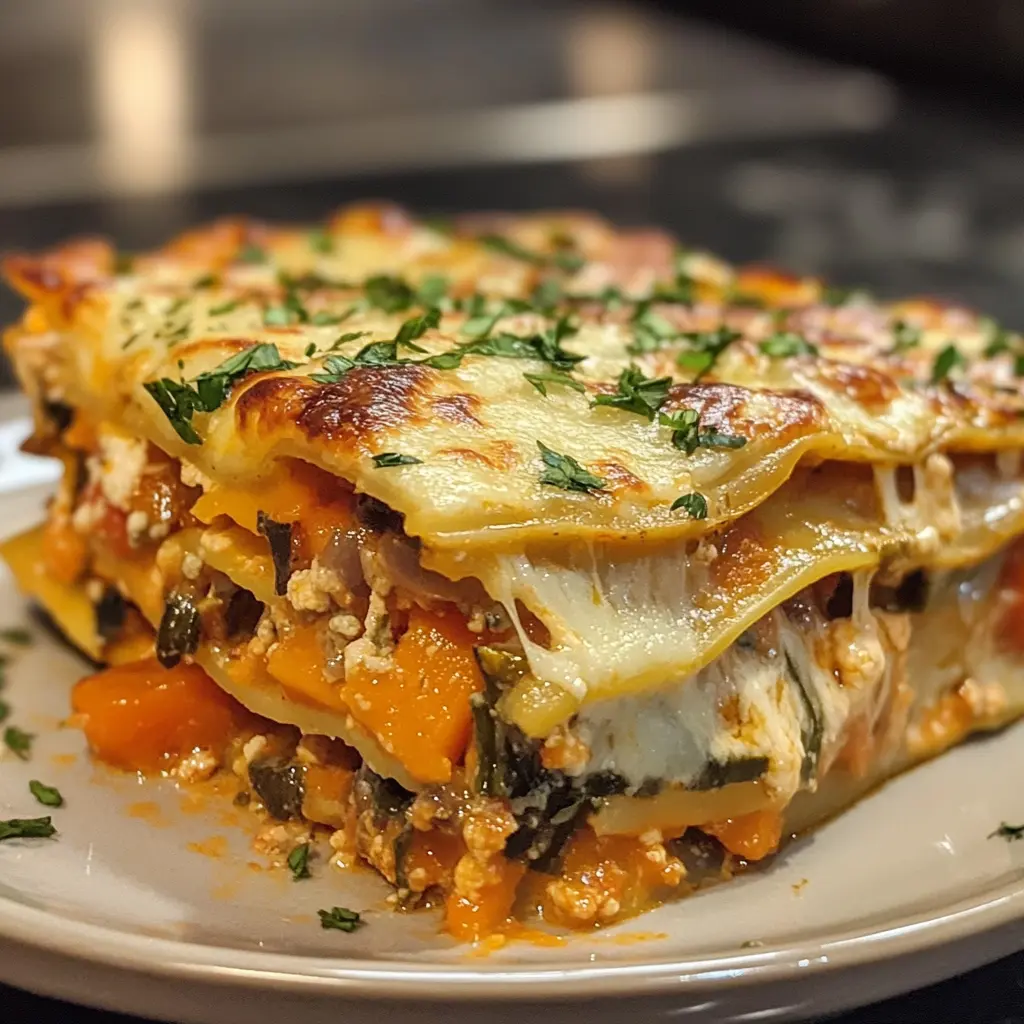
Roasted Vegetable Butternut Squash Lasagna: A Comforting Fall Masterpiece
Roasted Vegetable Butternut Squash Lasagna transforms ordinary comfort food into an extraordinary celebration of seasonal produce. This hearty, vegetarian dish layers tender roasted vegetables with creamy butternut squash sauce, rich cheeses, and perfectly cooked lasagna noodles to create a meal that satisfies both body and soul. Whether you’re planning a cozy family dinner or seeking an impressive dish for holiday gatherings, this lasagna delivers exceptional flavor while packing remarkable nutritional benefits that traditional meat-based versions simply cannot match.
Why Roasted Vegetable Butternut Squash Lasagna Deserves a Place on Your Table
Roasted Vegetable Butternut Squash Lasagna represents the perfect marriage of nutrition and indulgence. Unlike traditional lasagna recipes, this vegetarian version reduces calories while increasing fiber content and essential vitamins. The dish contains approximately 300 calories per serving with 16 grams of protein and 13 grams of fat, making it a satisfying meal that won’t leave you feeling heavy or bloated.
The roasted vegetables add depth and complexity to every bite. Bell peppers, zucchini, mushrooms, and onions caramelize during roasting, concentrating their natural sugars and creating rich, savory flavors. This technique elevates simple vegetables into star ingredients worthy of any special occasion.
Additionally, butternut squash brings a natural sweetness and creamy texture that complements the tangy tomato sauce and rich cheeses. The squash serves as both a vegetable layer and a sauce component, ensuring every forkful delivers balanced flavor. This approach creates a dish that feels luxurious while remaining wholesome and nutrient-dense.
Essential Ingredients for Perfect Butternut Squash Lasagna
Creating an exceptional Roasted Vegetable Butternut Squash Lasagna requires quality ingredients thoughtfully selected for flavor and texture. The foundation starts with one medium to large butternut squash, peeled and diced into one-inch cubes for even roasting. Choose squash that feels heavy for its size with smooth, unblemished skin for the best flavor.
Your vegetable medley should include colorful bell peppers in red, yellow, or orange varieties, which add sweetness and visual appeal. Baby bella or cremini mushrooms provide earthy umami notes that balance the squash’s sweetness. Two medium zucchini, sliced and quartered, contribute moisture and subtle flavor. One red onion adds aromatic depth when roasted until caramelized.
For the cheese layers, you’ll need a 15-ounce container of ricotta cheese mixed with one egg for binding. Three cups of shredded mozzarella cheese, divided for layering, creates those irresistible stretchy cheese pulls. Half a cup of freshly grated Parmesan cheese adds sharp, salty notes that enhance the overall flavor profile. Ten lasagna noodles, either traditional or no-boil varieties, form the structural backbone of the dish.
Nutritional Benefits That Make This Dish a Winner
Butternut squash lasagna offers impressive nutritional advantages compared to traditional recipes. A single serving provides 450% of the recommended daily intake of vitamin A and vitamin C, supporting immune function and skin health. These powerful antioxidants help reduce the risk of chronic diseases while promoting overall wellness.
The high fiber content in butternut squash promotes digestive health and helps prevent constipation. Fiber also contributes to feelings of fullness, making this lasagna satisfying without excessive calories. This benefit makes the dish particularly valuable for those managing their weight while still craving comfort food.
Butternut squash contains more potassium than a banana per cup, supporting healthy blood pressure levels and proper muscle function. The vegetable also provides manganese, essential for bone health and metabolism. Its anti-inflammatory properties may reduce the risk of developing certain chronic conditions.
The roasted vegetables contribute additional vitamins, minerals, and phytonutrients. Bell peppers add vitamin C and antioxidants, while mushrooms provide B vitamins and selenium. Zucchini offers hydration and additional fiber, creating a nutrient-dense meal that nourishes your body. This combination makes Roasted Vegetable Butternut Squash Lasagna a smart choice for health-conscious families.
Selecting and Preparing Your Butternut Squash
Choosing the right butternut squash makes a significant difference in your lasagna’s final flavor and texture. Look for squash with matte skin rather than shiny, indicating proper ripeness. The squash should feel solid and heavy, with no soft spots or visible damage. A tan or beige color is ideal, while green tinges suggest the squash was harvested too early.
Preparing butternut squash requires some technique. First, cut off both ends to create stable surfaces. Stand the squash upright and carefully slice downward to remove the skin in strips. Cut the squash in half lengthwise and scoop out the seeds and stringy pulp. Dice the flesh into uniform one-inch cubes for even cooking.
For the butternut squash sauce component, you’ll roast the cubes with butter, brown sugar, and water. This method caramelizes the natural sugars while keeping the squash moist. Cover the baking sheet with aluminum foil to trap steam, ensuring tender results after 45 minutes at 375°F. The finished squash should be fork-tender and easily mashed into a smooth sauce.
Some recipes recommend blending roasted butternut squash with milk to create a creamy sauce consistency. This technique produces a velvety coating that clings beautifully to the lasagna noodles. Season the sauce generously with salt, pepper, and herbs like sage and thyme for maximum flavor impact.
Best Vegetables to Roast for Your Lasagna
Selecting the right vegetable combination ensures your Roasted Vegetable Butternut Squash Lasagna achieves perfect flavor balance and texture. Red and yellow bell peppers should be julienned or cut into chunks for even roasting. Their natural sweetness intensifies during roasting, adding pops of color and flavor throughout the dish.
Baby bella mushrooms, sliced uniformly, provide meaty texture and umami depth. These mushrooms release their moisture during roasting, concentrating their earthy flavor. Alternatively, you can sauté mushrooms with butter and onions before adding them to the lasagna for extra richness. Both methods yield delicious results depending on your preference.
Zucchini requires proper preparation to avoid excess moisture in the finished lasagna. Slice the zucchini into quarter-inch rounds, then quarter those rounds. This size allows the zucchini to cook through without becoming mushy. Roasting evaporates excess water while maintaining the vegetable’s structure.
Red onions contribute aromatic complexity when thinly sliced and roasted until caramelized. Their sharpness mellows during cooking, transforming into sweet, savory flavor. Some recipes also incorporate spinach, added to the hot roasted vegetables immediately after removing from the oven. The residual heat wilts the greens perfectly without overcooking them.
Creating the Perfect Butternut Squash Sauce
The butternut squash sauce distinguishes this lasagna from ordinary vegetable versions. Start by combining melted butter with brown sugar and water in a medium bowl. This mixture creates a glaze that enhances the squash’s natural sweetness while keeping it moist during roasting. Toss the cubed butternut squash in this mixture until evenly coated.
Spread the coated squash on an aluminum foil-lined baking pan in a single layer. Cover with another piece of foil to trap steam. Roast at 375°F for approximately 45 minutes until the squash is completely fork-tender. The covering prevents the squash from drying out while allowing it to soften completely.
Once roasted, you can prepare the sauce two ways. The first method involves mashing the roasted squash with a fork or potato masher for a chunky texture. The second approach blends the roasted squash with milk in a food processor or blender until completely smooth. The blended version creates a silkier sauce that coats the noodles more evenly.
Season the butternut squash sauce generously with salt, pepper, dried sage, and thyme. These herbs complement the squash’s sweetness with earthy, aromatic notes. You can use double the amount of fresh herbs if available. Taste and adjust seasoning, as proper seasoning is crucial for a flavorful finished dish.
Mastering the Cheese Mixture
The ricotta cheese mixture provides creamy richness that binds the Roasted Vegetable Butternut Squash Lasagna together. Combine one 15-ounce container of ricotta cheese with one beaten egg in a medium bowl. The egg acts as a binder, helping the ricotta set during baking rather than remaining loose and watery.
Season the ricotta mixture with half a teaspoon of salt and freshly ground black pepper to taste. Some recipes enhance the mixture with fresh chopped parsley for color and herbaceous flavor. Others add grated Parmesan and a portion of the mozzarella directly to the ricotta for extra richness. Either approach works well depending on your preference for cheese concentration.
Stir the mixture thoroughly to ensure even distribution of the egg and seasonings. The consistency should be creamy but not runny. If the mixture seems too thick, you can thin it slightly with a tablespoon of milk. Conversely, if it appears too loose, add a tablespoon of grated Parmesan to absorb excess moisture.
For the layering process, you’ll divide the cheese mixture in half, using each portion for one of the two main layers. This distribution ensures cheese in every bite. Keep the shredded mozzarella separate for sprinkling between layers and on top, creating those desirable golden, bubbly patches. Part-skim ricotta and mozzarella can reduce calories while maintaining the creamy, cheesy character essential to great lasagna.
Choosing Between No-Boil and Traditional Lasagna Noodles
The debate between no-boil and traditional lasagna noodles affects both preparation time and final texture. No-boil noodles, also called oven-ready noodles, eliminate the messy process of boiling and draining pasta. This convenience saves time and reduces the number of dishes requiring cleanup.
Traditional lasagna noodles require approximately nine minutes of boiling and must be immediately separated after draining to prevent sticking. This process can be frustrating as the noodles often tear when separated. However, traditional noodles develop a thin starch layer during boiling that helps bind lasagna components together and contributes to the dish’s overall structure.
No-boil noodles are pre-cooked and lose their residual surface starch during manufacturing. This absence means sauces may not cling as effectively to the noodles. To compensate, recipes using no-boil noodles must include 50% more liquid in the sauce, or you must reduce simmering time to maintain adequate moisture. Without this adjustment, the noodles will absorb too much liquid and create a dry lasagna.
Surprisingly, many chefs prefer no-boil noodles for their thinner profile and texture closer to al dente pasta. Quality no-boil lasagna noodles are nearly indistinguishable from fresh homemade pasta when prepared correctly. For Roasted Vegetable Butternut Squash Lasagna, either option works well as long as you adjust liquid levels appropriately.
Step-by-Step Assembly Instructions
Proper assembly ensures your Roasted Vegetable Butternut Squash Lasagna has even layers and consistent texture throughout. Begin by preheating your oven to 400°F for roasting vegetables or 375°F if starting with the sauce. Prepare a 9×13-inch baking dish by lightly coating it with cooking spray or olive oil.
Spread three-quarters cup of butternut squash sauce over the bottom of the dish, creating a base layer that prevents noodles from sticking. Lay five cooked lasagna noodles on top, positioning four vertically and one horizontally to cover the sauce completely. This arrangement ensures complete coverage without gaps.
Spread half of the ricotta cheese mixture evenly over the noodles, followed by half of the roasted vegetables. Distribute the vegetables evenly for consistent flavor in every serving. Sprinkle three-quarters cup of shredded mozzarella over the vegetables, then add one heaping cup of butternut squash sauce. Top this layer with one-quarter cup of grated Parmesan cheese.
Repeat the layering sequence with the remaining ingredients: noodles, ricotta mixture, roasted vegetables, mozzarella, butternut squash sauce, and Parmesan. Finish with the remaining one and a half cups of mozzarella cheese on top for that golden, bubbly finish. This final cheese layer creates the appealing crispy edges that make lasagna irresistible.
Baking Your Lasagna to Golden Perfection
Proper baking technique ensures your Roasted Vegetable Butternut Squash Lasagna cooks evenly without drying out. Cover the assembled lasagna tightly with aluminum foil before placing it in the oven. The foil traps moisture and steam, allowing the noodles to cook through and the flavors to meld.
Bake the covered lasagna for 25 minutes at 400°F. This initial covered baking period allows the interior to heat completely while preventing the top cheese from burning. The steam created under the foil softens the noodles and helps all components reach the proper temperature.
Remove the foil and continue baking for an additional 15-20 minutes until the top cheese begins to brown and bubble. Watch carefully during this final stage to prevent over-browning. The cheese should develop golden patches with slightly crispy edges for optimal texture and appearance.
After removing the lasagna from the oven, resist the temptation to cut it immediately. Allow the dish to cool for 15-20 minutes before serving. This resting period allows the layers to set, making slicing easier and preventing the lasagna from falling apart. The wait also prevents burning your mouth on molten cheese. Use a sharp knife or pie server to cut clean portions through all the layers.
Seasoning and Herb Combinations
Strategic seasoning transforms good Roasted Vegetable Butternut Squash Lasagna into an exceptional dish. Fresh autumnal herbs like sage and thyme pair beautifully with butternut squash, adding earthy, aromatic notes that complement the vegetable’s sweetness. Use three teaspoons of dried sage and one teaspoon of dried thyme, or double these amounts if using fresh herbs.
Garlic powder adds savory depth to roasted vegetables without the harshness of raw garlic. Sprinkle half a teaspoon over the vegetables before roasting. Fresh garlic can be incorporated into sautéed mushrooms and onions if you prefer a more pronounced garlic flavor. Both approaches deliver delicious results depending on your preference.
Season each component separately rather than relying on one heavily seasoned element to flavor the entire dish. The roasted vegetables need salt, pepper, and garlic powder. The butternut squash sauce requires salt, pepper, sage, and thyme. The ricotta mixture benefits from salt, pepper, and fresh herbs. This layered seasoning approach ensures complex, well-rounded flavor in every bite.
Garnish the finished lasagna with fresh chopped parsley or basil for a pop of color and fresh herbal notes. Additional grated Parmesan adds salty richness. For those who enjoy heat, crushed red pepper flakes provide a pleasant kick that balances the squash’s sweetness. Each layer of the lasagna presents an opportunity to build flavor, so taste and adjust as you go.
Make-Ahead and Freezing Instructions
Roasted Vegetable Butternut Squash Lasagna excels as a make-ahead meal for busy weeknights or meal prep. Assemble the entire lasagna up to 24 hours before baking, cover tightly with plastic wrap and aluminum foil, and refrigerate. When ready to cook, remove from refrigerator and let sit at room temperature for 30 minutes before baking as directed.
For longer storage, freezing provides excellent results. You can freeze the lasagna either baked or unbaked. For unbaked lasagna, assemble completely, wrap tightly in aluminum foil, and overwrap with plastic wrap or place in freezer bags. Label with the date and use within three months for best quality.
To freeze baked lasagna, allow it to cool completely in the refrigerator overnight. The next day, portion the lasagna into individual servings. Wrap each portion well in aluminum foil and either overwrap in plastic wrap or place in freezer bags. This method allows you to defrost only what you need for a quick meal.
Thaw frozen lasagna in the refrigerator for at least four hours or overnight before reheating. Bake covered with foil at 350°F for approximately 45 minutes until heated through. Remove the foil and continue baking for an additional 15 minutes to crisp the top. Baked lasagna stored in the refrigerator keeps for three to four days in an airtight container.
Serving Suggestions and Garnishes
Serve Roasted Vegetable Butternut Squash Lasagna with complementary sides that enhance the meal without overwhelming its rich flavors. A simple green salad with crisp lettuce, cucumber, and a light vinaigrette provides refreshing contrast to the creamy lasagna. The acidity in the dressing cuts through the richness of the cheese.
Crusty bread or garlic bread offers textural variety and helps soak up any extra sauce. Warm the bread in the oven during the lasagna’s final few minutes of baking for perfectly timed service. For a lighter option, serve with steamed green beans or roasted Brussels sprouts to add more vegetables to the plate.
Garnish individual portions with fresh chopped parsley or basil immediately before serving for vibrant color and fresh flavor. Extra grated Parmesan cheese at the table allows guests to customize their portions. A light drizzle of high-quality olive oil adds richness and glossy appearance.
For special occasions, present the lasagna family-style at the table, allowing guests to appreciate its golden, bubbling appearance. Use a wide spatula or pie server to lift clean portions that showcase the beautiful layers. The dish serves approximately 12 people, making it ideal for gatherings, holiday meals, or Sunday dinners with plenty of leftovers.
Common Mistakes to Avoid
Several common errors can compromise your Roasted Vegetable Butternut Squash Lasagna. The most frequent mistake involves insufficient liquid when using no-boil noodles. These noodles absorb up to 50% more moisture than traditional varieties, so increase sauce liquid or use extra sauce to prevent dry, undercooked noodles.
Cutting the lasagna too soon after baking leads to messy, collapsed portions. Always allow the dish to rest for 15-20 minutes, giving the layers time to set properly. This patience pays off with clean, attractive servings that maintain their structure.
Over-roasting vegetables creates mushy texture and bitter flavors. Roast vegetables at 400°F for 20-25 minutes, checking halfway through and stirring for even cooking. The vegetables should be tender with slight browning but not charred. Remove them immediately and don’t leave them on the hot pan.
Under-seasoning represents another common pitfall. Each component requires individual seasoning rather than relying on one element to flavor everything. Taste the butternut squash sauce, ricotta mixture, and roasted vegetables separately, adjusting salt, pepper, and herbs as needed. This attention to detail creates complex, satisfying flavor rather than bland results.
Variations and Customization Ideas
Roasted Vegetable Butternut Squash Lasagna adapts easily to personal preferences and dietary needs. For a protein boost, add white beans or chickpeas to the roasted vegetable mixture. These legumes increase the protein content without adding meat, maintaining the dish’s vegetarian character.
Swap vegetables based on seasonal availability and personal taste. Summer squash, eggplant, or carrots all roast beautifully and complement the butternut squash sauce. In autumn, add roasted Brussels sprouts or cauliflower for variety. Leafy greens like spinach or kale can be wilted and added between layers for extra nutrition.
For a vegan version, replace the ricotta mixture with a cashew cream or tofu-based filling. Use plant-based mozzarella and nutritional yeast instead of Parmesan. The butternut squash sauce works perfectly in vegan preparations, needing only plant-based milk if thinning is required.
Experiment with different cheese combinations. Goat cheese adds tangy creaminess, while fontina provides nutty richness. Gruyère offers sophisticated flavor for special occasions. You can also increase the vegetable-to-cheese ratio for a lighter version that emphasizes the produce. Each variation creates a unique take on this versatile dish.
Frequently Asked Questions About Roasted Vegetable Butternut Squash Lasagna
Can I make Roasted Vegetable Butternut Squash Lasagna ahead of time?
Yes, you can assemble the lasagna up to 24 hours before baking and refrigerate it covered. You can also freeze it unbaked for up to three months, then thaw in the refrigerator before baking as directed. This flexibility makes it perfect for meal prep and entertaining.
Do I need to boil lasagna noodles first?
It depends on the type you purchase. Traditional lasagna noodles require boiling for about nine minutes before assembly. No-boil or oven-ready noodles can be used directly from the package, but you must ensure sufficient liquid in your sauce. Both types work well for this Roasted Vegetable Butternut Squash Lasagna recipe.
How do I prevent watery lasagna?
Roast vegetables at high heat to evaporate excess moisture before adding them to the lasagna. Allow the finished lasagna to rest for 15-20 minutes after baking so the layers can set. Avoid adding too much sauce, and ensure your butternut squash is properly drained if it releases liquid during roasting.
What herbs work best with butternut squash lasagna?
Sage and thyme are traditional choices that complement butternut squash beautifully with their earthy, aromatic qualities. Fresh parsley adds brightness, while basil provides a classic Italian touch. You can use dried herbs at the recommended amounts or double the quantity if using fresh.
How long does leftover lasagna last?
Properly stored in an airtight container, cooked lasagna keeps in the refrigerator for three to four days. For longer storage, freeze individual portions wrapped tightly in foil and plastic wrap for up to three months. Reheat in a 350°F oven until warmed through.
Can I use a different type of squash?
While butternut squash is ideal for its sweet flavor and creamy texture, you can substitute other winter squash varieties like acorn or kabocha. Adjust roasting time based on the squash’s density and size. The preparation method remains the same regardless of variety.
Conclusion
Roasted Vegetable Butternut Squash Lasagna delivers comfort food satisfaction while providing impressive nutritional benefits that support healthy eating goals. The combination of caramelized roasted vegetables, creamy butternut squash sauce, and rich cheese layers creates a dish that pleases both vegetarians and meat-eaters alike. With proper preparation, seasoning, and assembly, you’ll produce a restaurant-quality lasagna that becomes a family favorite.
This recipe’s versatility allows endless customization based on seasonal vegetables, dietary preferences, and personal taste. The make-ahead and freezing capabilities mean you can enjoy homemade Roasted Vegetable Butternut Squash Lasagna any night of the week, even during busy periods. Master this foundational recipe, and you’ll have a go-to dish for everything from casual weeknight dinners to impressive holiday celebrations.
Print
Roasted Vegetable Butternut Squash Lasagna
Description
Roasted Vegetable Butternut Squash Lasagna
Prep Time: 25 minutes
Cook Time: 45–55 minutes
Total Time: 1 hour 10–20 minutes
Servings: 8
Calories: ~480 per serving
Ingredients
For the Roasted Vegetables
-
3 cups butternut squash, cubed
-
1 zucchini, sliced
-
1 red bell pepper, chopped
-
1 small red onion, chopped
-
2 tbsp olive oil
-
1 tsp Italian seasoning
-
½ tsp garlic powder
-
½ tsp salt
-
¼ tsp black pepper
For the Sauce
-
2 tbsp butter
-
2 tbsp olive oil
-
3 garlic cloves, minced
-
3 tbsp flour
-
2 cups milk
-
1 cup vegetable broth
-
½ cup grated parmesan
-
½ tsp nutmeg (optional but amazing with squash)
-
Salt & pepper to taste
For the Ricotta Layer
-
1 ½ cups ricotta cheese
-
1 egg
-
1 cup shredded mozzarella
-
½ cup grated parmesan
-
1 tbsp fresh parsley (optional)
-
½ tsp salt
-
¼ tsp pepper
Other
-
9–12 lasagna noodles (regular or no-boil)
-
1–2 cups shredded mozzarella for topping
Instructions
1. Roast the vegetables
-
Preheat oven to 425°F (220°C).
-
Toss squash, zucchini, bell pepper, and onion with olive oil, Italian seasoning, garlic powder, salt, and pepper.
-
Spread on a baking sheet and roast 20–25 minutes until caramelized.
2. Make the creamy sauce
-
In a saucepan, melt butter with olive oil.
-
Add garlic and cook 1 minute.
-
Whisk in flour and cook 1 minute to form a roux.
-
Slowly add milk and broth, whisking until smooth.
-
Simmer 3–4 minutes until thickened.
-
Stir in parmesan, nutmeg, salt, and pepper. Remove from heat.
3. Prepare the ricotta mixture
Stir together ricotta, egg, mozzarella, parmesan, parsley, salt, and pepper.
4. Assemble the lasagna
Lower oven to 375°F (190°C).
In a 9×13 dish:
-
Spread a thin layer of sauce on the bottom.
-
Add a layer of noodles.
-
Add half the ricotta mixture.
-
Add half the roasted vegetables.
-
Drizzle with sauce.
-
Repeat layers.
-
Top with noodles, the remaining sauce, and shredded mozzarella.
5. Bake
-
Cover with foil and bake 25 minutes.
-
Uncover and bake 15–20 minutes until bubbly and golden.
-
Rest 10 minutes before slicing.