
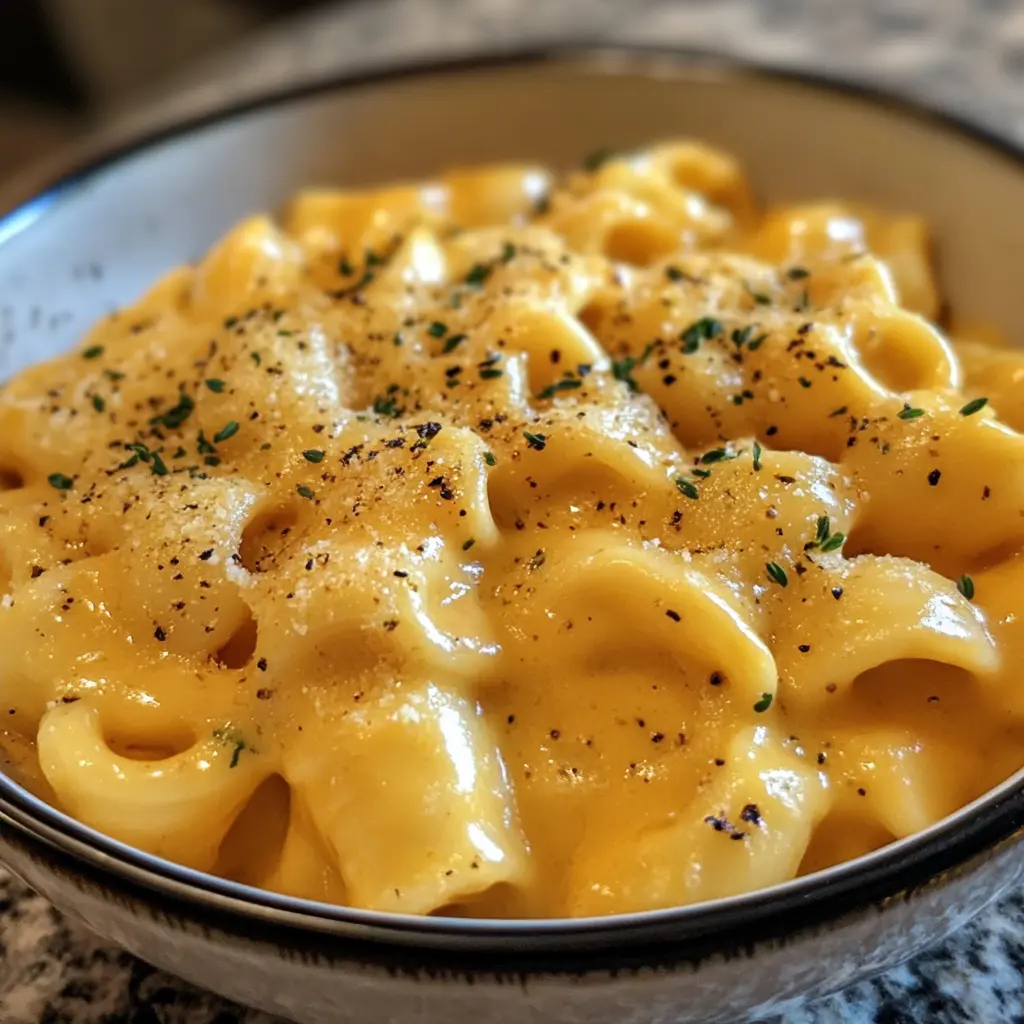
Butternut Squash Mac and Cheese: Cozy, Creamy Comfort Food
Butternut squash mac and cheese takes everything people love about classic mac and cheese and makes it even better with a silky, slightly sweet squash-based sauce. The butternut squash blends with melted cheese to create a golden, velvety coating on every noodle, giving you deep flavor and extra nutrients in every bite. Because the squash purée replaces some of the dairy and fat, this dish feels lighter while still tasting incredibly rich and satisfying.
What is butternut squash mac and cheese?
Butternut squash mac and cheese is a pasta dish where a smooth butternut squash purée forms the base of the cheese sauce. The squash adds natural sweetness, color, and creaminess, helping the sauce cling to every piece of pasta. When blended with cheese and a little milk or stock, you get a sauce that is velvety and flavorful without feeling heavy.
Many home cooks appreciate that butternut squash mac and cheese is a simple way to add more vegetables to a comforting meal. The squash becomes nearly invisible once pureed, which is especially useful when cooking for picky eaters or children. At the same time, the dish still delivers that stretchy, gooey cheese factor everyone expects from mac and cheese.
Why you’ll love this recipe
There are several reasons this version of butternut squash mac and cheese quickly becomes a repeat favorite:
-
It delivers classic cheesy comfort while adding a boost of fiber, vitamin A, and antioxidants from the squash.
-
The sauce comes together easily in one pot plus a blender, making cleanup simple.
-
The flavor is balanced: subtly sweet, savory, and gently spiced, with a golden color that looks beautiful on the table.
Home cooks also love how flexible this dish is. You can keep it stovetop-only for a faster dinner, or finish it in the oven with a crisp breadcrumb topping. You can use regular, whole-wheat, or gluten-free pasta, and adjust the cheese blend to suit your taste and what you have in the fridge.
Key ingredients and substitutions
Choosing the right ingredients helps your butternut squash mac and cheese turn out creamy and flavorful every time. Here is what you need and how you can adjust it.
Pasta choices
Short pasta shapes with ridges or curves work best. They trap the sauce and deliver maximum creaminess in each bite.
Good options include:
-
Elbow macaroni
-
Shells (medium or large)
-
Cavatappi
-
Fusilli or rotini
Whole-wheat pasta adds extra fiber and a slightly nutty flavor. Gluten-free pasta made from rice, chickpeas, or lentils also works, but it can soften quickly, so monitor the cooking time closely.
Squash options
Fresh butternut squash gives the best flavor and texture. You can use:
-
A whole butternut squash, peeled, seeded, and cubed
-
Pre-cut fresh cubes from the produce section
-
Frozen butternut squash cubes, which save time and cook quickly
If butternut squash is unavailable, kabocha or delicata squash, or even sweet potato, can stand in. These alternatives maintain the creamy texture, though the flavor may be slightly sweeter or more earthy.
Cheese combinations
Cheese is what turns the squash purée into a true mac and cheese experience. Use a mix for depth and meltability.
Great choices:
-
Sharp cheddar for classic tang and strong flavor
-
Gruyère or Swiss-style cheese for nuttiness
-
Gouda or fontina for extra creaminess
-
Parmesan for salty, savory finishing notes
Grate cheese from a block for the smoothest melting. Pre-shredded cheese often contains starches that can make the sauce grainy. For a lighter version, you can reduce the total cheese amount slightly and rely more on the squash for creaminess.
Milk and stock choices
A mild, creamy liquid ties everything together:
-
Whole milk creates a rich sauce and is the most traditional choice.
-
Low-fat milk works but may produce a slightly thinner sauce.
-
Unsweetened dairy-free milks like oat or almond can be used, as long as they are plain and unsweetened.
Many recipes also use vegetable or chicken stock to simmer the squash or thin the sauce. Stock adds extra savory flavor and keeps the sauce from becoming too dense.
Seasonings and aromatics
Seasonings transform simple ingredients into an unforgettable dish. Common additions include:
-
Onion and garlic, sautéed or roasted with the squash
-
Onion powder and garlic powder for deeper flavor
-
Nutmeg, which enhances the squash and cheese combination
-
Paprika or smoked paprika for warmth and subtle color
-
Fresh or dried herbs like thyme or sage for an autumnal touch
Salt and black pepper are essential. Add them gradually and taste as you go, especially after adding cheese, which is naturally salty.
Step-by-step butternut squash mac and cheese recipe
This basic method creates a creamy casserole-style butternut squash mac and cheese with an optional crunchy topping. You can always skip the baking step if you prefer a faster stovetop version.
Step 1: Roast or simmer the squash
Roasting intensifies the sweetness and adds a mild caramelized flavor, while simmering is faster and easier on busy days.
To roast:
-
Preheat your oven to about 400°F (200°C).
-
Toss squash cubes with olive oil, salt, and pepper.
-
Spread in a single layer on a baking sheet.
-
Roast until very tender and lightly browned on the edges, usually 25–35 minutes, flipping once.
To simmer:
-
Place squash cubes in a pot with enough vegetable or chicken stock to almost cover them.
-
Add a pinch of salt, onion, and garlic if using.
-
Bring to a simmer, cover, and cook until the squash is fork-tender, about 15–20 minutes.
-
Drain, reserving some cooking liquid to adjust sauce thickness later.
Step 2: Cook the pasta
While the squash softens, cook the pasta so everything is ready at the same time.
-
Bring a large pot of salted water to a boil.
-
Add pasta and cook until just al dente according to package directions.
-
Reserve a cup of starchy pasta water, then drain the pasta.
The reserved pasta water can help loosen the sauce while keeping it silky and clingy. Avoid overcooking the pasta, especially if you plan to bake the dish after mixing it with the sauce.
Step 3: Blend the squash sauce
A blender or immersion blender turns the cooked squash into a smooth base.
-
Transfer the tender squash to a blender or a deep bowl.
-
Add a splash of milk or stock, along with onion powder, garlic powder, nutmeg, and a small pinch of salt.
-
Blend until completely smooth and velvety, adding extra liquid as needed to create a pourable consistency.
The sauce should be thick enough to coat the back of a spoon but not so thick that it feels like mashed potatoes. Remember that cheese will thicken it further.
Step 4: Melt in the cheese
Now it starts to look and taste like classic mac and cheese.
-
Return the pasta pot to the stove over low to medium-low heat.
-
Pour in the squash purée and additional milk or stock.
-
Warm gently, stirring, until the mixture is steaming but not boiling.
-
Add shredded cheese in small handfuls, stirring constantly until each addition melts before adding more.
If the sauce seems too thick, thin it with a bit more milk, stock, or pasta water. If it seems too thin, allow it to simmer gently for a few minutes, stirring, until it reduces and thickens.
Step 5: Combine with pasta and bake (optional)
Once the sauce is smooth and cheesy, add the pasta.
-
Add the drained pasta to the pot and stir until every piece is coated.
-
Taste and adjust seasoning with additional salt, pepper, or nutmeg.
-
For a baked version, transfer the mixture to a greased baking dish.
For a crunchy topping:
-
Mix panko breadcrumbs with a small amount of olive oil or melted butter and a bit of grated Parmesan.
-
Sprinkle evenly over the top of the pasta.
-
Bake at 375°F (190°C) until bubbling around the edges and golden on top, usually 15–20 minutes.
Rest the dish for a few minutes before serving. This helps the sauce thicken slightly and makes cleaner portions.
Tips for ultra-creamy butternut squash mac and cheese
A few small techniques can transform a good dish into a great one.
-
Use freshly grated cheese so it melts smoothly and fully.
-
Avoid high heat once the cheese goes in, since overheating can cause separation or graininess.
-
Blend the squash very thoroughly, especially if you roasted it and have browned edges.
Adding a small amount of cream cheese or mascarpone can boost silkiness without needing a lot of extra cheese. Using starchy pasta water to thin the sauce keeps it glossy and helps it cling to the pasta.
Variations and add-ins
Butternut squash mac and cheese is easy to customize to suit your tastes or dietary needs.
Popular variations:
-
Add cooked broccoli florets or peas for extra vegetables and color.
-
Stir in sautéed spinach or kale near the end for a green, nutrient-rich twist.
-
Add smoked paprika or a pinch of cayenne for gentle heat and depth.
For a higher-protein meal, fold in shredded rotisserie chicken or cooked turkey. For a vegetarian protein boost, stir in cooked white beans or chickpeas, which blend well with the creamy sauce.
How to serve butternut squash mac and cheese
This dish works as a main course or a side, depending on the occasion.
As a main dish:
-
Serve in warm bowls with a simple green salad and crusty bread.
-
Top with chopped fresh herbs like parsley or chives for a fresh finish.
As a side:
-
Pair with roasted chicken, grilled fish, or baked tofu.
-
Serve on holiday tables alongside roasted vegetables and seasonal salads.
Because of its sunny orange color and cozy flavor, butternut squash mac and cheese is especially popular during fall and winter gatherings.
Storage, freezing, and reheating
Proper storage helps you enjoy leftovers without losing creaminess.
Short-term storage:
-
Cool completely, then store in an airtight container in the fridge for up to 3–4 days.
-
Add a splash of milk when reheating to loosen the sauce.
Reheating:
-
Reheat gently on the stovetop over low heat, stirring and adding small amounts of milk or broth as needed.
-
For individual portions, reheat in the microwave in short bursts, stirring in between.
Freezing:
-
Freeze tightly wrapped portions for up to 2–3 months.
-
Thaw overnight in the refrigerator, then reheat low and slow with extra liquid to restore creaminess.
Baked versions with crispy toppings may lose some crunch after freezing, but the flavor will still be comforting and delicious.
Nutrition benefits of butternut squash
Butternut squash brings more than color and creaminess to mac and cheese. It also adds important nutrients.
Key benefits:
-
Rich in beta-carotene, which the body converts to vitamin A to support vision and immune function.
-
Provides vitamin C, potassium, and fiber for overall wellness and digestion support.
Because the squash purée replaces some of the heavy dairy in traditional versions, many recipes have a better balance of nutrients. For general information on the nutrition of winter squash and vegetables, resources like the United States Department of Agriculture (USDA) and Mayo Clinic are excellent references.
Make-ahead and meal prep ideas
Butternut squash mac and cheese fits well into meal prep routines.
Make-ahead approaches:
-
Prepare the squash purée up to three days in advance and store it in the fridge.
-
Cook pasta slightly under al dente and toss with a bit of oil to prevent sticking, then assemble and bake later.
You can also assemble the entire casserole, cover it tightly, and refrigerate for up to 24 hours before baking. Add a few extra minutes to the bake time if putting it in the oven straight from the refrigerator.
For more tips on meal prepping pasta casseroles and vegetable-rich dishes, educational cooking sites such as EatingWell and registered dietitian–run blogs provide helpful guidance.
FAQs about butternut squash mac and cheese
Can butternut squash mac and cheese be made gluten-free?
Yes. Simply swap the regular pasta for a gluten-free option made from rice, corn, or legumes. Use gluten-free breadcrumbs or skip the topping, and make sure any stock and seasonings used are certified gluten-free.
How can the sauce be made smoother?
Blend the squash purée until completely silky before adding cheese, and always add cheese off direct high heat. If needed, strain the sauce through a fine sieve to remove any remaining bits.
Can this recipe be made dairy-free or vegan?
Absolutely. Use dairy-free cheese shreds that melt well, plant-based milk, and vegan butter or olive oil. Many vegan versions also rely more heavily on the squash and nutritional yeast to create a cheesy flavor. To explore plant-based variations and general vegan cooking techniques, trusted resources like major health organizations and plant-based recipe sites are helpful.
Why use butternut squash in mac and cheese?
Butternut squash adds natural sweetness, attractive color, and extra nutrients, while making the sauce feel rich without needing as much cheese or fat. It also blends smoothly, which is ideal for creamy sauces.
How do you keep baked mac and cheese from drying out?
Avoid overbaking, cover the dish for part of the baking time, and include enough liquid in the sauce before it goes into the oven. The sauce should look slightly looser than you want the final dish to be.
Final thoughts
Butternut squash mac and cheese brings together the best of two worlds: cozy, cheesy comfort and vegetable-rich nourishment in one golden, creamy bowl. The butternut squash base adds depth, color, and sweetness while keeping the dish lighter, and it makes a beautiful center or side for both weeknights and special occasions.
Print
Butternut Squash Mac and Cheese
Description
Butternut Squash Mac and Cheese
Ingredients
-
8 oz elbow macaroni or your favorite pasta
-
2 cups cubed butternut squash
-
2 tbsp butter
-
2 tbsp all-purpose flour
-
2 cups milk (whole or 2%)
-
1 tsp Dijon mustard
-
½ tsp garlic powder
-
½ tsp smoked paprika (optional)
-
Salt & black pepper, to taste
-
1½ cups shredded sharp cheddar cheese
-
½ cup grated Parmesan cheese
-
¼ cup breadcrumbs (optional, for topping)
-
1 tbsp olive oil or melted butter (for breadcrumbs)
Instructions
-
Preheat oven to 375°F (190°C). Grease a baking dish if using.
-
Cook pasta according to package directions; drain and set aside.
-
Steam or boil the butternut squash until soft, about 10–12 minutes, then mash or blend until smooth.
-
In a large saucepan, melt butter over medium heat. Stir in flour and cook for 1–2 minutes.
-
Gradually whisk in milk, then add Dijon mustard, garlic powder, smoked paprika, salt, and pepper. Cook until slightly thickened, about 3–5 minutes.
-
Stir in cheddar, Parmesan, and the mashed butternut squash until creamy.
-
Toss the cooked pasta with the sauce and transfer to the baking dish.
-
Optional: Mix breadcrumbs with olive oil or melted butter and sprinkle on top. Bake 15–20 minutes, until golden and bubbly.
-
Serve warm.