
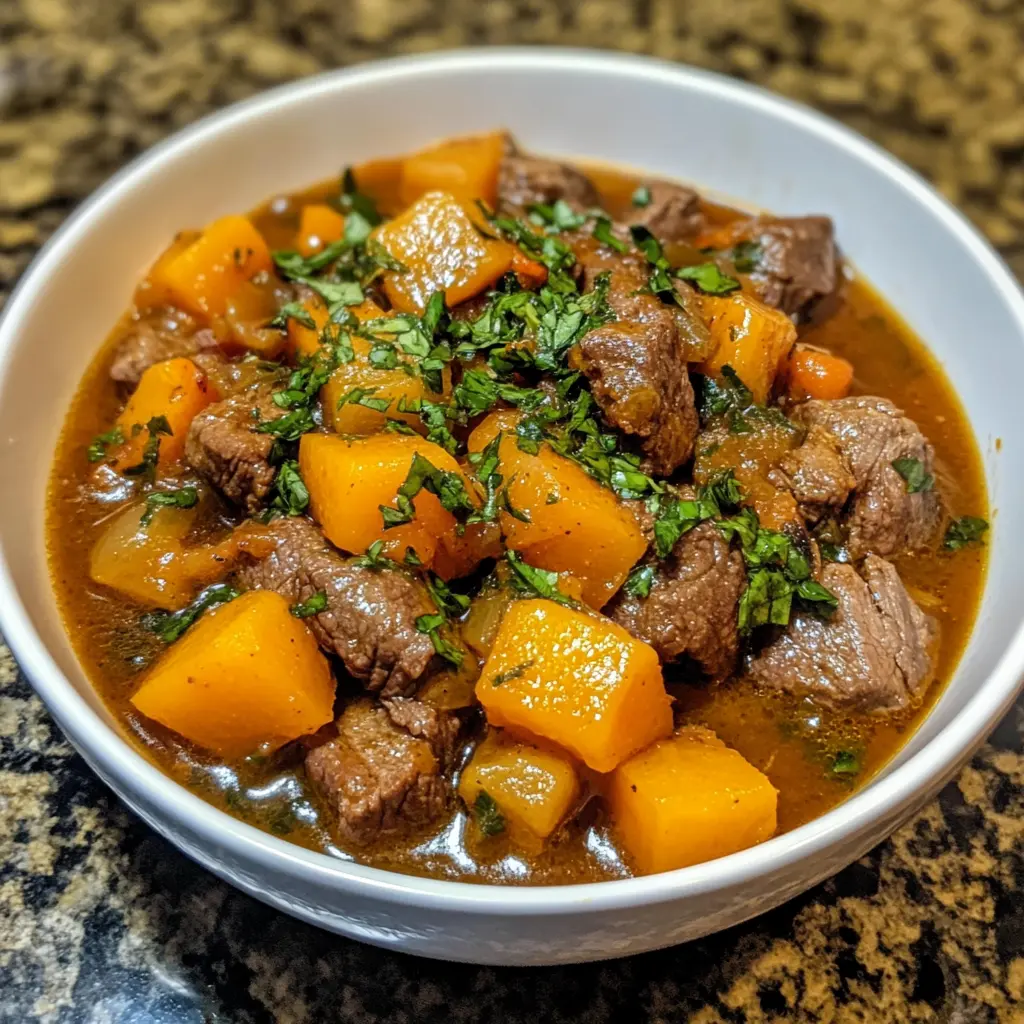
Beef and Butternut Squash Stew: A Hearty Comfort Food Classic
Beef and butternut squash stew combines tender chunks of beef with sweet, caramelized butternut squash in a rich, savory broth that warms you from the inside out. This hearty one-pot meal delivers exceptional flavor while providing essential nutrients, making it perfect for busy weeknights or special family gatherings. The natural sweetness of butternut squash perfectly balances the savory depth of slow-cooked beef, creating a comforting dish that satisfies even the heartiest appetites.
What is Beef and Butternut Squash Stew
Beef and butternut squash stew is a classic comfort food that features cubed beef chuck slowly simmered with butternut squash, aromatic vegetables, and herbs. This dish originated from European cooking traditions but has become popular worldwide. The stew typically includes onions, garlic, carrots, and a flavorful broth base enhanced with herbs like rosemary and thyme.
Origins and Popularity
Traditional beef stews have been prepared for centuries across various cultures. The addition of butternut squash brings a modern twist to this timeless recipe. Butternut squash became widely available in North American markets during the 20th century. Its natural sweetness and creamy texture when cooked make it an ideal companion to rich beef.
Key Characteristics
This stew stands out for its beautiful color contrast and textural variety. The golden-orange butternut squash pieces create visual appeal against the deep brown beef. Each spoonful delivers tender meat, silky squash, and aromatic vegetables in a luscious gravy. The slow cooking process allows flavors to meld together perfectly.
Why This Recipe Works
The success of beef and butternut squash stew lies in the complementary flavors and textures of its main ingredients. Chuck roast contains enough marbling to remain tender during long cooking times. Butternut squash holds its shape well while absorbing the savory flavors from the broth. The combination creates a balanced meal in a single pot.
Perfect Ingredient Pairing
Butternut squash’s natural sugars caramelize slightly during cooking, adding depth to the stew. The beef provides protein and umami richness. Aromatic vegetables like onions, garlic, and carrots form the flavor foundation. Fresh herbs such as thyme and rosemary complement both the meat and squash beautifully.
Versatile Cooking Methods
This stew adapts to multiple cooking methods based on your schedule and preferences. You can prepare it on the stovetop, in a slow cooker, or using an Instant Pot. Each method produces excellent results. The slow cooker method requires minimal hands-on time. The Instant Pot version significantly reduces total cooking time.
Nutritional Balance
Beef and butternut squash stew delivers a complete nutritional profile in one dish. The beef provides high-quality protein and iron. Butternut squash contributes vitamins A and C, fiber, and potassium. Additional vegetables increase the nutritional value even further. This makes the stew both satisfying and nourishing.
Essential Ingredients You’ll Need
Creating the perfect beef and butternut squash stew requires quality ingredients that work together harmoniously. Each component plays a specific role in building flavor and texture. Using fresh ingredients whenever possible ensures the best results.
Main Ingredients
-
Beef chuck roast (2 pounds, cut into 1.5-inch cubes): This cut contains enough fat to stay tender during slow cooking
-
Butternut squash (1 medium, about 3 pounds): Peeled, seeded, and cubed into bite-sized pieces
-
Yellow onion (1 large): Finely chopped for aromatic base
-
Garlic cloves (4-5): Minced for depth of flavor
-
Carrots (3 medium): Chopped into chunks for added sweetness
-
Beef broth (4 cups): Forms the liquid base for the stew
Seasonings and Herbs
-
Fresh thyme (2 teaspoons or 4-5 sprigs): Adds earthy, aromatic notes
-
Fresh rosemary (1 teaspoon or 2 sprigs): Provides pine-like fragrance
-
Bay leaves (2): Contribute subtle complexity
-
Salt and black pepper: To taste for seasoning
-
All-purpose flour (3-4 tablespoons): For coating beef and thickening broth
Additional Components
-
Olive oil (3 tablespoons): For browning meat and sautéing vegetables
-
Tomato paste (2-3 tablespoons): Adds umami richness and color
-
Worcestershire sauce (1 tablespoon): Enhances savory depth
Step-by-Step Cooking Instructions
Preparation Phase
Start by preparing all ingredients before cooking begins. Peel the butternut squash using a sharp vegetable peeler. Cut it in half lengthwise and scoop out the seeds. Dice the flesh into 1-inch cubes. Pat the beef cubes dry with paper towels. Season the beef generously with salt and pepper. Dredge the beef pieces in flour, shaking off excess.
Browning the Beef
Heat 2 tablespoons of olive oil in a large Dutch oven over medium-high heat. Working in batches to avoid overcrowding, add the beef cubes in a single layer. Sear each side for 2-3 minutes until deeply browned. Transfer browned beef to a plate and set aside. This browning process creates rich flavor through the Maillard reaction.
Building the Flavor Base
Reduce heat to medium and add the remaining tablespoon of olive oil to the pot. Add the chopped onions and cook for 3-4 minutes until softened and translucent. Stir in the minced garlic and cook for another minute until fragrant. Add the tomato paste and cook for 1-2 minutes, stirring constantly. This step deepens the tomato flavor.
Simmering the Stew
Return the browned beef and any accumulated juices to the pot. Pour in the beef broth, scraping the bottom to release any browned bits. These bits add tremendous flavor to the stew. Add the chopped carrots, thyme, rosemary, and bay leaves. Bring the mixture to a gentle simmer.
Slow Cooking Process
Cover the pot with a tight-fitting lid and reduce heat to low. Simmer gently for 1.5 to 2 hours, checking occasionally. The beef should become fork-tender during this time. Alternatively, transfer the covered pot to a preheated 325°F oven for even heat distribution. Avoid boiling, as high heat can toughen the meat.
Adding the Butternut Squash
After the beef has cooked for 1.5-2 hours, add the cubed butternut squash. Stir gently to incorporate the squash into the stew. Cover and continue cooking for an additional 30-40 minutes. The squash should be tender but not mushy. Test with a fork for desired tenderness.
Final Adjustments
Remove the bay leaves before serving. Taste and adjust seasoning with additional salt and pepper if needed. If the stew seems too thin, simmer uncovered for 10-15 minutes to reduce. For a thicker consistency, mix 2 tablespoons of flour with 2 tablespoons of softened butter to create a beurre manié, then stir it into the stew.
Variations and Substitutions
Slow Cooker Method
Transfer browned beef and sautéed vegetables to a slow cooker. Add all remaining ingredients except butternut squash. Cook on low for 6-7 hours or high for 3-4 hours. Add butternut squash during the last hour of cooking. This hands-off approach works perfectly for busy schedules.
Instant Pot Version
Brown the beef using the sauté function in the Instant Pot. Sauté the onions and garlic in the same pot. Add broth, seasonings, and beef. Cook on high pressure for 20 minutes with natural release. Add butternut squash and cook on high pressure for an additional 5-7 minutes. Quick release and serve.
Ingredient Substitutions
Sweet potatoes can replace butternut squash for a different flavor profile. Beef stew meat works if chuck roast is unavailable. Chicken broth substitutes for beef broth if needed. Fresh herbs can be replaced with dried herbs using one-third the amount. Carrots can be swapped with parsnips for earthier notes.
Dietary Modifications
For a paleo-friendly version, use arrowroot powder instead of wheat flour. The dish is naturally gluten-free when using gluten-free flour or cornstarch. Add more vegetables like celery, mushrooms, or bell peppers for extra nutrition. Reduce sodium by using low-sodium broth and controlling added salt.
Nutritional Benefits
Protein and Iron from Beef
Beef chuck provides approximately 25-30 grams of protein per 4-ounce serving. This high-quality protein supports muscle maintenance and growth. Beef also delivers heme iron, which the body absorbs more efficiently than plant-based iron. The zinc in beef supports immune function and wound healing.
Vitamins from Butternut Squash
Butternut squash ranks as an excellent source of vitamin A, providing over 400% of the daily value per cup. Vitamin A supports eye health, immune function, and skin health. The squash also contains significant amounts of vitamin C, an antioxidant that supports immune health. Its fiber content aids digestive health and promotes feelings of fullness.
Additional Nutrient Contributions
Carrots add beta-carotene, which the body converts to vitamin A. Onions and garlic provide sulfur compounds with potential anti-inflammatory properties. The herbs contain antioxidants and add flavor without calories. This combination creates a nutrient-dense meal that supports overall health.
Balanced Macronutrients
A typical serving of beef and butternut squash stew provides balanced macronutrients. Each bowl contains adequate protein, healthy fats from the beef, and complex carbohydrates from the squash. This balance helps maintain steady blood sugar levels. The dish satisfies hunger effectively while providing sustained energy.
Storage and Reheating Tips
Proper Storage Methods
Allow the stew to cool completely before storing, typically within 2 hours of cooking. Transfer cooled stew to airtight containers for refrigeration. The stew keeps well in the refrigerator for 3-4 days. For longer storage, freeze portions in freezer-safe containers for up to 3 months. Leave some headspace in containers to allow for expansion during freezing.
Freezing Guidelines
Portion the stew into individual or family-sized servings before freezing. This allows you to thaw only what you need. Label containers with the date and contents for easy identification. Freezer bags work well and save space. Remove as much air as possible before sealing. The stew maintains quality for up to 3 months in the freezer.
Reheating Instructions
Thaw frozen stew overnight in the refrigerator for best results. Reheat refrigerated or thawed stew in a pot over medium-low heat, stirring occasionally. Add a splash of broth or water if the stew has thickened too much. Microwave individual portions in microwave-safe bowls, stirring halfway through heating. Heat until the internal temperature reaches 165°F for food safety.
Quality Maintenance
The flavors often improve after a day in the refrigerator as they have time to meld. The butternut squash may soften slightly after freezing and reheating. Avoid reheating the stew multiple times, as this can affect texture and quality. Fresh herbs can be added during reheating to brighten flavors.
Common Mistakes to Avoid
Overcrowding the Pan
When browning beef, overcrowding prevents proper searing. The meat steams instead of browning, resulting in gray meat without flavor development. Work in batches to ensure each piece has contact with the hot pan. Allow space between pieces for proper heat circulation. This extra step significantly improves the final flavor.
Adding Squash Too Early
Butternut squash cooks much faster than beef. Adding it at the beginning results in mushy, overcooked squash that loses its shape. Wait until the beef is nearly tender before adding squash cubes. The squash needs only 30-40 minutes to reach perfect tenderness. Timing this correctly maintains texture and visual appeal.
Using Too High Heat
Boiling stew toughens the beef and causes the vegetables to break down. Maintain a gentle simmer throughout the cooking process. Low and slow cooking breaks down the collagen in beef, creating tender meat. High heat causes the proteins to contract and toughen. Patience yields the best results.
Skipping the Browning Step
Some cooks skip browning beef to save time, but this sacrifices significant flavor. The caramelization during browning creates complex flavors that enhance the entire dish. The browned bits stuck to the pan add richness when deglazed. This step takes only a few extra minutes but makes a noticeable difference.
Underseasoning
Beef and butternut squash both require adequate seasoning to shine. Season the beef before browning for better flavor penetration. Taste the stew near the end of cooking and adjust seasoning. Remember that salt enhances other flavors in the dish. Underseasoned stew tastes flat and disappointing.
Serving Suggestions
Classic Accompaniments
Serve beef and butternut squash stew over cooked rice for a complete meal. Creamy mashed potatoes also pair beautifully with this hearty stew. Crusty bread or dinner rolls are perfect for soaking up the flavorful broth. A simple green salad provides fresh contrast to the rich stew. These sides complement without competing with the main dish.
Bread Options
Garlic bread makes an excellent accompaniment to beef and butternut squash stew. Warm sourdough bread offers a tangy contrast to the sweet squash. Cornbread provides a slightly sweet complement to the savory stew. Biscuits add a buttery, flaky element. Any bread option helps complete the meal.
Fresh Elements
Top each serving with fresh chopped parsley for color and freshness. A dollop of sour cream adds creamy richness. Grated Parmesan cheese contributes salty, umami notes. Fresh thyme leaves garnish beautifully. These finishing touches elevate the presentation and flavor.
Meal Planning Ideas
This stew works wonderfully for meal prep throughout the week. Portion servings into containers with different accompaniments for variety. The stew tastes even better the next day after flavors develop. Pack it for work lunches with bread or crackers. Double the batch and freeze half for future quick meals.
FAQs
What cut of beef works best for beef and butternut squash stew?
Chuck roast is the ideal cut for beef and butternut squash stew because it contains enough fat and connective tissue to stay moist during long cooking. The collagen breaks down during slow cooking, creating tender, flavorful meat. Beef stew meat also works well if already cut into cubes. Avoid lean cuts like sirloin, as they become dry and tough.
Can I make beef and butternut squash stew ahead of time?
Yes, beef and butternut squash stew actually benefits from being made ahead. Prepare the stew completely and refrigerate it overnight. The flavors develop and intensify during storage. Reheat gently on the stovetop before serving. This makes it perfect for entertaining or meal preparation.
How do I know when the butternut squash is cooked properly?
The butternut squash is done when you can easily pierce it with a fork but it still holds its shape. This typically takes 30-40 minutes after adding it to the stew. Avoid overcooking, which causes the squash to become mushy. The pieces should be tender yet intact for the best texture and presentation.
Can I use a slow cooker for this recipe?
Absolutely, the slow cooker method works excellently for beef and butternut squash stew. Brown the beef and sauté the aromatics first for best flavor. Transfer everything to the slow cooker with broth and seasonings. Cook on low for 6-7 hours, adding squash during the last hour. This hands-off method produces tender, flavorful results.
What can I substitute for butternut squash?
Sweet potatoes make an excellent substitute for butternut squash with similar texture and sweetness. Acorn squash works well if you prefer a slightly different flavor profile. Regular potatoes offer a more traditional stew option. Carrots and parsnips can increase vegetable content without squash. Choose based on your preferences and availability.
How can I thicken my beef and butternut squash stew?
If your stew is too thin, simmer it uncovered for 10-15 minutes to reduce the liquid naturally. Alternatively, create a beurre manié by mixing equal parts flour and softened butter, then stir it into the stew. Cornstarch slurry (cornstarch mixed with cold water) also works effectively. Mashed butternut squash naturally thickens the stew as it breaks down.
Is beef and butternut squash stew freezer-friendly?
Yes, this stew freezes beautifully for up to 3 months. Allow it to cool completely before transferring to freezer-safe containers. Leave headspace for expansion during freezing. Thaw overnight in the refrigerator before reheating. The texture may soften slightly but the flavor remains excellent.
Conclusion
Beef and butternut squash stew delivers comfort, nutrition, and incredible flavor in one satisfying dish. This versatile recipe adapts to various cooking methods including stovetop, slow cooker, or Instant Pot preparation. The combination of tender beef, sweet butternut squash, and aromatic herbs creates a meal that pleases everyone at the table.
The nutritional benefits make this stew a smart choice for health-conscious families. Rich in protein, vitamins, and fiber, it provides balanced nutrition without sacrificing taste. The leftovers taste even better the next day, making it perfect for meal preparation and busy weeknight dinners.
Print
Beef and Butternut Squash Stew
Description
Beef and Butternut Squash Stew
Prep Time: 15 minutes
Cook Time: 1 hour 45 minutes
Total Time: ~2 hours
Servings: 6
Calories: ~420 per serving
Ingredients
-
1.5 lbs beef stew meat, cut into chunks
-
2 tbsp olive oil
-
1 medium onion, diced
-
3 cloves garlic, minced
-
3 cups butternut squash, cubed
-
2 carrots, sliced
-
2 celery stalks, chopped
-
4 cups beef broth
-
1 tbsp tomato paste
-
1 tbsp Worcestershire sauce
-
1 tsp smoked paprika
-
1 tsp dried thyme
-
½ tsp ground cinnamon (optional but delicious with squash)
-
Salt & black pepper, to taste
-
2 tbsp flour (to thicken)
-
Fresh parsley, for garnish
Instructions
1. Brown the Beef
Heat olive oil in a large pot over medium-high heat.
Season beef with salt & pepper, then sear for 4–5 minutes until browned. Remove and set aside.
2. Sauté the Aromatics
In the same pot, add onion and cook 3 minutes.
Add garlic and cook 1 more minute.
3. Build the Stew
Return beef to the pot. Add:
-
Carrots
-
Celery
-
Butternut squash
-
Beef broth
-
Tomato paste
-
Worcestershire sauce
-
Smoked paprika
-
Thyme
-
Cinnamon (optional)
Stir well.
4. Simmer
Bring to a boil, then reduce heat to low.
Cover and simmer 1 hour 30 minutes, stirring occasionally.
5. Thicken
Whisk flour with 3 tbsp cold water.
Stir into the stew and simmer uncovered 10–15 minutes until thick and glossy.
6. Serve
Garnish with fresh parsley and serve warm with crusty bread.