
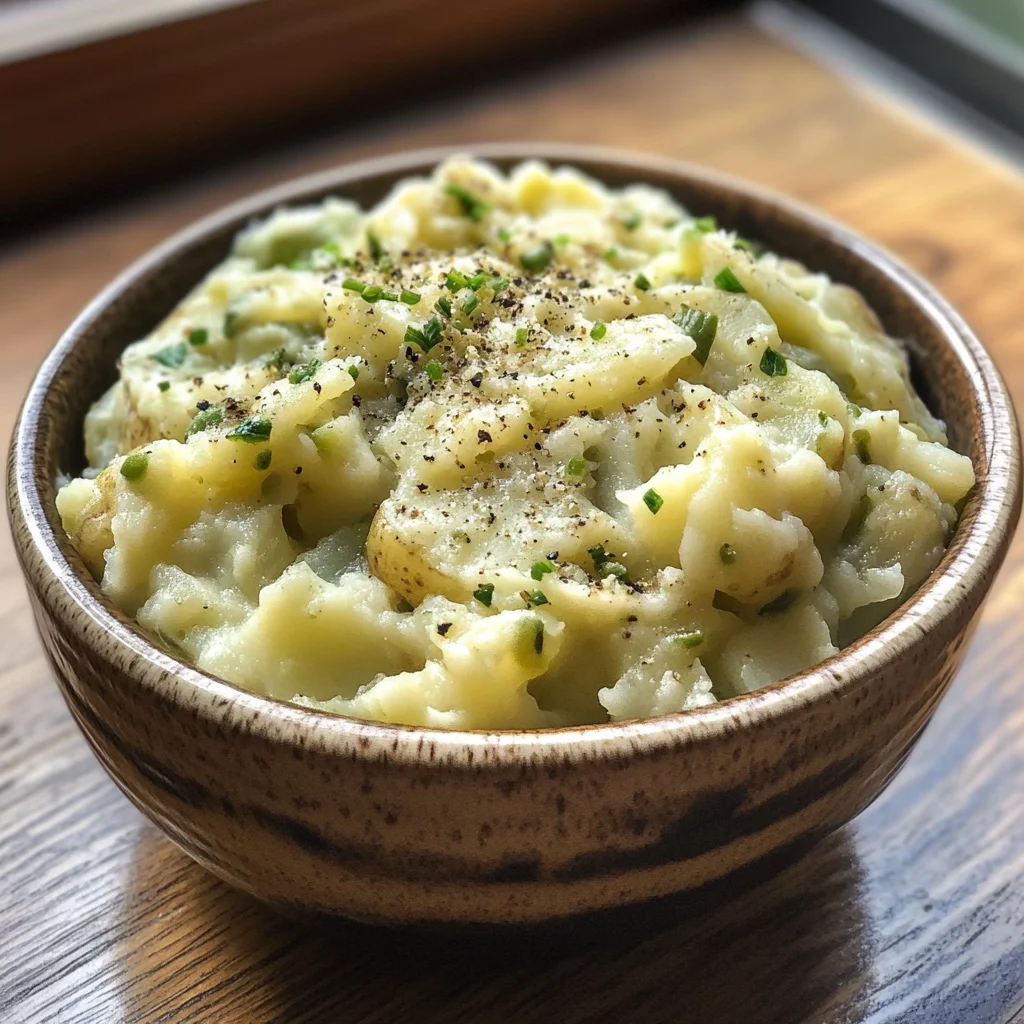
Potato and Cabbage Colcannon: The Ultimate Guide to Ireland’s Beloved Comfort Food
Nothing captures the essence of Irish comfort food quite like a steaming bowl of Potato and Cabbage Colcannon. This traditional dish combines fluffy mashed potatoes with tender cabbage, creating a side that’s both simple and incredibly satisfying. Whether you’re preparing a festive meal or seeking weeknight comfort, colcannon delivers rich flavors and nourishing warmth in every bite.
What Is Colcannon?
Colcannon is a classic Irish side dish that marries creamy mashed potatoes with cooked cabbage or kale. At its core, this humble dish requires just four basic ingredients: potatoes, butter, milk, and cabbage. The result is a rustic, hearty accompaniment that has graced Irish tables for centuries. The name derives from the Gaelic “cál ceannann,” which translates to “white-headed cabbage”. This traditional preparation showcases how simple, affordable ingredients can transform into deeply satisfying comfort food.
The beauty of colcannon lies in its versatility. While the basic version remains straightforward, regional variations throughout Ireland incorporate scallions, leeks, onions, and chives. Some cooks prefer kale instead of cabbage, while others add garlic or bacon for extra depth. Regardless of the variation, the dish maintains its essential character: tender potatoes blended with leafy greens and enriched with butter.
The Rich History of Colcannon
Origins in Irish Cuisine
Colcannon has been a beloved staple in Irish cuisine since at least the 18th century. The first documented mention appears in a 1735 diary entry from William Buckley, a traveler from Wales passing through Dublin. This timing coincides with potatoes becoming firmly established in Ireland after their introduction from the Americas. The marriage of newly adopted potatoes with traditional Irish vegetables like cabbage created a dish that would endure for generations.
A Dish Born of Practicality
This potato and cabbage combination emerged as a practical solution for Irish families. Both vegetables store exceptionally well through winter months, making them reliable staples when fresh produce was scarce. Additionally, colcannon provided affordable, filling nutrition for households of all economic backgrounds. The dish became a year-round food that could stretch limited resources while still delivering satisfying flavors.
Cultural Significance
Over time, colcannon transcended its practical origins to become a cherished symbol of Irish culinary heritage. Families passed down their own variations through generations, each adding personal touches while maintaining the dish’s essential character. Today, colcannon appears prominently in St. Patrick’s Day celebrations worldwide, introducing this traditional Irish preparation to new audiences eager to experience authentic flavors.
Why You’ll Love This Traditional Irish Dish
Simple Yet Satisfying
The genius of colcannon lies in its simplicity. You don’t need exotic ingredients or complicated techniques to create this comforting side. Just a few basic components—potatoes, cabbage, butter, and milk—come together to produce something greater than the sum of their parts. The straightforward preparation makes this dish accessible to cooks of all skill levels.
Budget-Friendly Comfort
Colcannon delivers maximum flavor and satisfaction without straining your grocery budget. Potatoes and cabbage rank among the most affordable vegetables available year-round. When combined with pantry staples like butter and milk, you have an economical dish that feeds a crowd without compromising on taste or heartiness.
Nutritional Value
Beyond its delicious taste, colcannon offers genuine nutritional benefits. This dish provides fiber, potassium, vitamins, and protein in satisfying portions. The cabbage contributes essential vitamins and antioxidants, while potatoes deliver complex carbohydrates and potassium. Together, they create a balanced side that nourishes as well as comforts.
Versatile and Customizable
While traditional recipes remain beloved, colcannon adapts beautifully to personal preferences and dietary needs. You can adjust the richness by varying butter and cream amounts, swap cabbage for kale, or add scallions and garlic for extra flavor dimensions. This flexibility ensures the dish works for various occasions, from casual weeknight dinners to holiday feasts.
Essential Ingredients for Perfect Colcannon
Potatoes
Choose starchy potatoes like russets or Yukon golds for the fluffiest, creamiest texture. Starchy varieties break down easily when mashed, creating that signature smooth consistency. Some recipes suggest leaving skins on for added nutrition and rustic texture. Plan for about two pounds of potatoes to serve four to six people.
Cabbage or Kale
Green cabbage is the traditional choice, though savoy cabbage, kale, and spring greens all work beautifully. Savoy cabbage offers a slightly sweeter, more delicate flavor, while kale provides earthier notes and additional nutrients. You’ll need approximately half a head of cabbage or one bunch of kale, finely chopped or shredded.
Butter
Quality butter makes a noticeable difference in colcannon. Irish butter, such as Kerrygold, is ideal due to its higher fat content and rich, creamy flavor. Don’t skimp on butter—it’s probably the second most important ingredient after potatoes. Plan for at least four to six tablespoons, plus extra for serving.
Milk or Cream
Full-fat milk creates the best texture, though you can substitute semi-skimmed milk if preferred. For extra indulgence, use half-and-half or heavy cream. Some recipes incorporate cream cheese or sour cream for additional richness and tang. Warm the dairy before adding to prevent cooling down your mashed potatoes.
Scallions or Leeks
Spring onions (scallions) add mild onion flavor and bright green color to traditional colcannon. Use both white and green parts for maximum flavor with minimal waste. Alternatively, sautéed leeks provide a sweeter, more delicate onion note. Either option enhances the dish without overwhelming the primary flavors.
Seasonings
Salt and black pepper form the foundation of colcannon’s seasoning. Some modern variations include garlic for additional depth. Keep seasonings simple to let the natural flavors of potatoes and cabbage shine through. Always taste and adjust seasoning before serving.
Step-by-Step Instructions
Preparing the Potatoes
Start by peeling your potatoes or leaving skins on for a more rustic preparation. Cut them into uniform chunks, approximately two inches, ensuring even cooking. Place potato pieces in a large pot and cover with cold, salted water. Bring to a boil over high heat, then reduce to medium and simmer for 15-20 minutes until fork-tender. Drain thoroughly and return to the hot pot to allow excess moisture to evaporate.
Cooking the Cabbage
While potatoes cook, prepare your cabbage. Remove the core and slice cabbage into thin ribbons or chop into small pieces. Heat a large skillet over medium heat and add a tablespoon of butter or oil. Add the cabbage and season with salt. Sauté for 8-10 minutes, stirring occasionally, until cabbage becomes tender and slightly caramelized at the edges. The cabbage should be soft but not mushy.
Mashing the Potatoes
Mash your drained potatoes using a potato masher or ricer for the smoothest texture. Add butter first, allowing it to melt into the hot potatoes. Gradually pour in warm milk or cream, mashing continuously until you achieve desired consistency. The potatoes should be creamy but still have some rustic texture—avoid over-mashing, which can make them gluey.
Combining Ingredients
Stir the sautéed cabbage into the mashed potatoes, mixing gently to combine while maintaining texture. If using scallions, add them now along with additional salt and pepper to taste. The mixture should be well-blended but not homogeneous—visible bits of green add visual appeal and textural interest.
Final Touch
Transfer your colcannon to a serving bowl and create a well in the center. Add a generous pat of butter to the depression, allowing it to melt into a golden pool. This traditional presentation invites diners to mix the melted butter throughout as they serve themselves, adding richness to each portion.
Tips for Making the Best Colcannon
Choose the Right Potatoes
Starchy potatoes like russets or Yukon golds yield the fluffiest results. Waxy varieties like red potatoes create a denser, less fluffy texture. Keeping skins on before boiling helps potatoes retain starch, resulting in fluffier mashed potatoes.
Don’t Overcook the Cabbage
Overcooked cabbage develops an unpleasant sulfur aroma and mushy texture. Cook just until tender with slight resistance remaining. Properly cooked cabbage maintains structural integrity while blending seamlessly with creamy potatoes.
Warm Your Dairy
Adding cold milk or cream to hot potatoes can cool them down and affect texture. Warm your dairy in the microwave or in a small saucepan before incorporating. This maintains optimal serving temperature and helps create smoother consistency.
Season Generously
Potatoes require more salt than you might expect. Season the potato cooking water generously, then taste and adjust again after mashing. Under-seasoned colcannon tastes flat despite quality ingredients. Don’t be shy with black pepper either—it adds essential depth.
Serve Immediately
Colcannon tastes best served hot and fresh. The butter melts beautifully into warm potatoes, creating luxurious richness throughout. If you must wait, keep the dish covered in a warm oven, though texture may suffer slightly upon standing.
Embrace Quality Butter
Since butter plays such a prominent role, using high-quality Irish butter makes a noticeable difference. The higher fat content and rich flavor elevate the entire dish. This isn’t the place to cut corners—want extra indulgence? Add even more butter.
Nutritional Benefits
Rich in Essential Nutrients
A serving of colcannon provides substantial nutritional value alongside its comforting flavors. This dish contains significant fiber, potassium, calcium, magnesium, phosphorus, and iron. The combination of potatoes and cabbage creates a nutrient-dense side that supports overall health and wellness.
Good Source of Fiber
The cabbage and potato skins (if included) contribute valuable dietary fiber. One serving provides approximately 36% of your daily fiber needs. Fiber supports digestive health, helps maintain stable blood sugar levels, and promotes feelings of fullness.
High in Potassium
Potatoes are naturally rich in potassium, an essential mineral for heart health and blood pressure regulation. A serving of colcannon delivers about 41% of your daily potassium requirement. This makes the dish particularly valuable for maintaining cardiovascular health.
Provides Quality Protein
Despite being vegetable-based, colcannon contains a respectable amount of protein—about 21% of your daily value per serving. While not a complete protein source, it contributes meaningfully to daily protein intake, especially when paired with protein-rich main dishes.
Macronutrient Balance
The typical macronutrient breakdown is approximately 60% carbohydrates, 30% fat, and 10% protein. This balance provides sustained energy from complex carbs, satiety from fats, and essential amino acids from protein. The carbohydrates come primarily from potatoes, offering slow-releasing energy rather than refined sugars.
Common Variations and Adaptations
Kale Colcannon
Swap traditional cabbage for kale to create a nutrient-packed variation. Kale offers a slightly earthier flavor and darker color while providing additional vitamins and antioxidants. Remove tough stems and chop leaves finely before sautéing until tender.
Cheesy Colcannon
Stir shredded cheddar, Parmesan, or Irish cheese into the mashed potatoes before adding cabbage. Plan for half to one cup of cheese for rich, creamy texture. The melted cheese adds savory depth and makes the dish even more indulgent.
Bacon-Enhanced Version
Fry crispy bacon and crumble it into the finished colcannon for smoky richness. Use the rendered bacon fat to sauté your cabbage, infusing it with additional flavor. This variation transforms colcannon from side dish to potential main course.
Leek Colcannon
Replace scallions with thinly sliced leeks sautéed in butter until soft and creamy. Leeks provide a more delicate, sweet onion flavor that complements the potatoes beautifully. This variation offers slightly more sophisticated flavor while maintaining traditional character.
Garlic Colcannon
Add minced garlic to the cabbage while sautéing for extra aromatic depth. The garlic should become fragrant but not brown. This modern twist enhances flavor complexity without departing too far from traditional preparation.
Lighter Version
Reduce butter and cream while increasing low-fat milk for a lighter interpretation. You can also incorporate Greek yogurt or reduced-fat sour cream for tanginess with less fat. While not traditional, these adaptations make colcannon more accessible for those watching caloric intake.
Serving Suggestions
Traditional Pairings
Colcannon traditionally accompanies boiled ham, salt pork, or Irish bacon. The rich, salty meats complement the buttery potatoes beautifully. For a classic Irish meal, serve alongside corned beef and additional cabbage.
Modern Main Courses
This versatile side pairs excellently with roasted chicken, grilled pork chops, or beef stew. The creamy texture balances lean proteins while adding substance to lighter meals. Consider serving with bangers (sausages) for an authentic Irish pub experience.
Vegetarian Meals
Colcannon works wonderfully as a vegetarian main course when portions are increased. Pair with a simple green salad and crusty bread for a satisfying meatless dinner. The dish provides enough heartiness to serve as the centerpiece rather than merely a side.
Holiday Tables
Include colcannon in your St. Patrick’s Day menu for authentic Irish flavor. The dish also suits Thanksgiving and Christmas tables as an alternative to standard mashed potatoes. Its unique character and rich taste make it memorable alongside holiday classics.
Breakfast Hash Base
Transform leftover colcannon into breakfast by frying patties until golden and crispy. Top with fried or poached eggs for a satisfying morning meal. The crispy exterior contrasts beautifully with creamy interior and runny yolk.
Storage and Reheating Tips
Refrigerator Storage
Store leftover colcannon in an airtight container in the refrigerator for up to three to four days. Allow the dish to cool completely before sealing to prevent condensation and sogginess. Proper storage maintains quality and prevents bacterial growth.
Freezing Guidelines
Colcannon freezes reasonably well for up to two months. Portion into freezer-safe containers or bags, removing as much air as possible. Keep in mind that the texture may become slightly grainy upon thawing due to the potato starch. Thaw overnight in the refrigerator before reheating.
Reheating Methods
Reheat colcannon gently on the stovetop over low heat, stirring frequently and adding splash of milk or cream to restore moisture. Alternatively, microwave in short intervals, stirring between each, until heated through. Oven reheating works well too—place in a covered dish at 325°F until warmed throughout.
Repurposing Leftovers
Transform leftover colcannon into potato cakes by forming patties and pan-frying until crispy. Mix with beaten eggs to create a breakfast scramble. Use as a topping for shepherd’s pie in place of plain mashed potatoes. These creative uses prevent waste while providing new meal options.
Frequently Asked Questions
What is the difference between colcannon and regular mashed potatoes?
Colcannon incorporates cooked cabbage or kale into mashed potatoes, along with scallions or leeks. This addition creates a more complex flavor profile and adds nutritional value. Regular mashed potatoes contain only potatoes, butter, and milk without any vegetables mixed in.
Can I make Potato and Cabbage Colcannon ahead of time?
Yes, you can prepare colcannon up to one day in advance. Store covered in the refrigerator and reheat gently before serving, adding extra milk or cream to restore creaminess. However, the texture is always best when served immediately after preparation.
What type of cabbage works best?
Green cabbage is traditional, but savoy cabbage, kale, and spring greens all work excellently. Savoy cabbage offers a sweeter, more delicate flavor, while kale provides earthier notes. Choose based on personal preference and availability.
Is colcannon gluten-free?
Traditional colcannon made with potatoes, cabbage, butter, and milk is naturally gluten-free. Always verify that any additional ingredients or prepared components don’t contain hidden gluten sources. This makes colcannon suitable for those with celiac disease or gluten sensitivity.
Can I use dairy-free alternatives?
Absolutely! Substitute plant-based butter and non-dairy milk like oat, almond, or coconut milk. Choose full-fat varieties for best texture and richness. Nutritional yeast can add a slightly cheesy flavor if desired.
Why is my colcannon watery?
Excess moisture typically results from not draining potatoes thoroughly or adding too much liquid. Always drain potatoes completely and let them steam dry briefly. Add milk gradually until you reach desired consistency rather than pouring it all at once.
How do I prevent lumpy mashed potatoes in my colcannon?
Use a potato ricer or food mill for the smoothest texture. If using a masher, work thoroughly but avoid over-mashing, which can make potatoes gluey. Ensure potatoes are cooked completely tender before mashing.
Conclusion
Potato and Cabbage Colcannon stands as a testament to the power of simple, quality ingredients prepared with care. This traditional Irish dish transforms humble potatoes and cabbage into a comforting side that satisfies both body and soul. Whether you stick to the classic preparation or explore creative variations, colcannon brings warmth and nourishment to any table.
The beauty of this dish lies in its accessibility—anyone can master colcannon with basic cooking skills and affordable ingredients. From weeknight dinners to holiday celebrations, this versatile side adapts to countless occasions while maintaining its essential character. The combination of creamy potatoes, tender cabbage, and rich butter creates flavors that transcend their modest origins.
Print
Potato and Cabbage Colcannon
Description
Potato and Cabbage Colcannon
Ingredients
-
2 lbs (900 g) potatoes, peeled and cut into chunks
-
4 cups chopped green cabbage
-
4 tbsp butter
-
½ cup milk or cream (warm)
-
3 green onions, chopped
-
Salt and pepper, to taste
-
Optional: a pinch of nutmeg
Instructions
-
Cook potatoes:
Place potatoes in a large pot of salted water. Bring to a boil and cook 15–20 minutes until tender. Drain. -
Cook cabbage:
In a skillet, melt 2 tbsp butter over medium heat. Add cabbage and cook 5–7 minutes until softened but still bright green. -
Mash potatoes:
Mash the cooked potatoes with remaining butter and warm milk until creamy. Season with salt, pepper, and nutmeg if using. -
Combine:
Stir in cooked cabbage and green onions. Mix until well combined. -
Serve:
Serve hot as a side dish with your favorite meat or stew.