

Beet and Barley Risotto: A Vibrant, Nutritious Twist on a Classic Comfort Dish
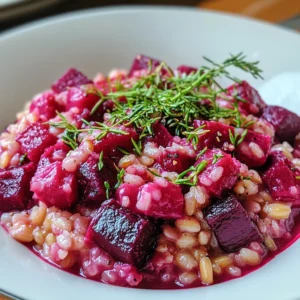
Beet and barley risotto is a stunning, nutritious variation of traditional risotto that combines earthy beets with hearty barley to create a wholesome, colorful meal. This modern twist replaces Arborio rice with fiber-rich pearl barley, offering enhanced nutritional benefits while maintaining the creamy, comforting texture that makes risotto so beloved. Whether you’re seeking a heart-healthy dinner option or simply want to explore creative ways to enjoy root vegetables, this vibrant dish delivers exceptional flavor and impressive visual appeal.
What Makes Beet and Barley Risotto Special
This dish stands out as a nutritional powerhouse that doesn’t sacrifice flavor for health benefits. Unlike traditional risotto made with white rice, beet and barley risotto incorporates whole grains and vibrant root vegetables to create a more nutritious profile. The combination offers a unique earthy-sweet flavor that’s both sophisticated and comforting.
Barley brings a nutty undertone that complements the natural sweetness of beets perfectly. Additionally, the striking pink or red color created by the beets makes this dish visually stunning on any dinner table. This recipe represents a beautiful fusion of traditional Italian cooking techniques with modern nutritional awareness.
Nutritional Benefits of This Power-Packed Dish
Heart-Healthy Ingredients
Beets contain TMG (Trimethylglycine), which supports cardiovascular health by helping reduce homocysteine levels. They’re also loaded with fiber, vitamin C, folate, and powerful antioxidants that fight inflammation throughout the body. These compounds work together to improve circulation and support overall heart function.
Digestive and Immune Support
Barley is exceptionally high in dietary fiber, which aids digestion and helps maintain healthy weight. Hulled barley contains essential minerals like magnesium and selenium that boost immune system function. This grain is also easy to digest and acts as a blood-building food that strengthens internal organs.
Complete Nutritional Profile
Pearl barley has a lower glycemic index than white rice and contains a broader range of vitamins and minerals. The combination of beets and barley provides protein, calcium, iron, manganese, potassium, and numerous other micronutrients. Together, these ingredients create a dish that supports overall well-being while delivering satisfying comfort food.
Essential Ingredients for Perfect Results
Core Components
The foundation requires pearl or hulled barley as your base grain. Pearl barley cooks faster but hulled barley offers three times more iron along with higher levels of protein, calcium, and fiber. Fresh beets—typically 3-4 medium-sized roots—provide the signature color and earthy sweetness.
You’ll need quality vegetable broth (approximately 4-5 cups) for the gradual absorption method. Aromatics including one medium onion and 2-3 garlic cloves build the flavor base. Fresh herbs like dill, parsley, or thyme add brightness and complement the earthy notes.
Finishing Touches
Olive oil starts the cooking process while butter creates richness at the end. Parmesan cheese adds umami depth and helps achieve that signature creamy texture. Fresh lemon zest provides a bright contrast that lifts the entire dish.
Step-by-Step Cooking Instructions
Preparing the Beets
Start by roasting your beets for the best flavor development. Preheat your oven to 425°F and trim the greens, leaving about one inch intact. Scrub each beet clean, then wrap individually in foil with a drizzle of olive oil. Roast for 45-60 minutes until fork-tender, then cool before peeling away the skin.
Alternatively, boil beets in water for 30-45 minutes or steam them in a basket until tender. Roasting concentrates sweetness and develops caramelized notes, while boiling or steaming creates a more straightforward beet flavor. Once cooled, dice the beets into small cubes for easy incorporation.
Building the Base
Heat 2 tablespoons of olive oil in a large pot over medium heat. Add finely chopped onion and cook until soft and translucent, about 3-5 minutes. Stir in minced garlic and cook for one additional minute until fragrant but not browned.
Add the barley and toast for 2-4 minutes, stirring frequently until the grains are well coated and slightly golden. This toasting step enhances the nutty flavor profile. Meanwhile, keep your vegetable broth simmering in a separate pot so it’s ready for gradual addition.
The Risotto Method
Add one ladle of hot broth to the toasted barley, stirring constantly until the liquid is mostly absorbed. Continue this process, adding broth one cup at a time and stirring frequently between additions. This gradual liquid absorption creates the characteristic creamy texture.
After the first couple cups of liquid are absorbed, you can reduce heat to medium-low and stir often rather than constantly. The entire cooking process takes approximately 45-55 minutes until the barley reaches an al dente texture. Patience during this stage ensures perfectly cooked grains with ideal creaminess.
Final Assembly
When the barley is tender but still has a slight bite, stir in your diced roasted beets along with grated Parmesan cheese. Remove from heat and vigorously stir in cold butter until completely melted and incorporated. This creates an emulsion that gives the risotto its luxurious, velvety finish.
Add your chosen fresh herbs—dill works beautifully with beets—and season generously with salt and pepper to taste. If the consistency seems too thick, add a splash more broth or water until you achieve your desired creaminess. Serve immediately while hot for the best texture and flavor experience.
Mastering the Risotto Technique
Temperature Control
Maintaining proper heat throughout cooking is essential. Start with medium-high heat for toasting the barley, then reduce to medium once you begin adding liquid. If the heat is too high, the liquid evaporates too quickly and the barley can’t properly absorb moisture. Too low, and the dish becomes mushy rather than creamy.
Stirring Strategy
Constant stirring at the beginning helps release starches from the barley, creating creaminess. Once several cups of liquid have been absorbed, you can stir less frequently while still maintaining regular attention. This prevents sticking while allowing the grains to cook evenly throughout the pot.
Liquid Temperature
Always add hot broth rather than cold liquid. Cold broth shocks the cooking process and results in uneven texture. Keep your broth at a gentle simmer throughout the cooking time so each addition maintains consistent temperature.
Beet Varieties and Preparation Methods
Red Beets
Classic red beets are the most common variety and create the most dramatic color in this dish. They have robust earthy flavor and turn the entire risotto a stunning magenta hue. Red beets are readily available year-round at most grocery stores and farmers markets.
Golden Beets
Golden beets offer a milder, slightly sweeter taste with less earthiness. Their orange flesh creates a beautiful golden-yellow risotto that’s visually striking without the intensity of red varieties. Golden beets work wonderfully when you want the nutritional benefits without the bold color statement.
Chioggia Beets
Also called Candy Stripe or Bull’s Eye beets, Chioggia beets feature distinctive concentric rings of white and fuchsia. They have a mild yet distinctly sweet and earthy flavor with a crunchy texture when raw. These Italian heirloom varieties are named after the coastal town of Chioggia near Venice.
However, their beautiful stripes fade to pale pink or white when cooked. For the best visual impact, slice Chioggia beets raw and use as garnish rather than cooking them into the risotto. All varieties are similar in growing difficulty and nutritional content.
Flavor Variations and Customizations
Herb Combinations
Fresh dill pairs naturally with beets and adds a bright, slightly tangy note. Thyme provides earthy undertones that complement both the barley and beets. Parsley offers a clean, fresh finish that balances the dish’s richness. Consider mixing herbs for complexity rather than using just one variety.
Add-Ins and Toppings
Sautéed mushrooms contribute umami depth and meaty texture. Wilted beet greens add nutritional value and reduce waste by using the entire vegetable. Toasted walnuts or pepitas provide crunch and healthy fats. Crumbled goat cheese or feta offers tangy creaminess that contrasts beautifully with sweet beets.
Seasonal Adaptations
In fall and winter, incorporate roasted butternut squash cubes alongside the beets. Spring versions can include fresh peas and asparagus tips. Summer preparations benefit from fresh tomatoes and basil. These seasonal touches keep the recipe interesting throughout the year.
Serving Suggestions and Pairings
Main Course Presentation
Serve beet and barley risotto as a stunning vegetarian main course with crusty bread on the side. The dish is substantial enough to stand alone, especially when topped with additional vegetables or nuts. Portion generously into shallow bowls and garnish with fresh herbs and a drizzle of quality olive oil.
Side Dish Options
This risotto pairs excellently with grilled chicken, roasted fish, or marinated tofu. The earthy flavors complement Mediterranean-seasoned proteins particularly well. A simple arugula salad dressed with lemon juice, olive oil, and oregano provides bright contrast to the rich risotto.
Presentation Tips
The vibrant color of beet and barley risotto makes beautiful plating effortless. Serve in white or cream-colored bowls to make the pink hue pop. Add fresh microgreens or herb sprigs on top for professional presentation. A light dusting of additional Parmesan and cracked black pepper adds visual interest and flavor.
Storage and Reheating Tips
Proper Storage
Store leftover beet and barley risotto in an airtight container in the refrigerator for up to three days. The texture will firm up as it cools, which is completely normal. Separate any garnishes or fresh herbs before storing to maintain optimal quality.
Reheating Methods
Reheat gently on the stovetop over low heat, adding vegetable broth or water to restore creaminess. Stir frequently to prevent sticking and ensure even heating throughout. Microwave reheating works in a pinch but can create uneven temperatures, so stir well halfway through.
The texture won’t be quite as creamy as freshly made risotto, but it remains delicious. You can also transform leftovers into beet and barley cakes by forming patties and pan-frying until crispy on both sides. This creates an entirely new dish from your original creation.
Common Mistakes to Avoid
Rushing the Process
The most frequent error is trying to speed up the cooking by adding all the liquid at once. This prevents proper starch release and results in a soupy rather than creamy texture. Each addition must be mostly absorbed before adding more liquid for the authentic risotto experience.
Overcooking or Undercooking
Barley should be tender but maintain a slight bite—similar to al dente pasta. Overcooked barley becomes mushy and loses its pleasant texture. Undercooked grains remain hard and chewy in an unpleasant way. Test frequently during the final 10 minutes of cooking to catch the perfect moment.
Temperature Issues
Adding cold liquid stops the cooking process and extends preparation time significantly. Keep your broth simmering throughout the entire cooking period. Also avoid letting the risotto sit after completion, as it continues to absorb liquid and becomes thick and paste-like rather than creamy.
Frequently Asked Questions
Can I use instant or quick-cooking barley for beet and barley risotto?
Quick-cooking barley reduces preparation time but doesn’t release as much starch, resulting in less creamy texture. Pearl barley works best for authentic risotto consistency. If using quick-cooking varieties, reduce liquid amounts and cooking time accordingly, testing frequently for doneness.
How do I prevent the beets from bleeding too much color?
Add beets toward the end of cooking rather than at the beginning to control color intensity. Roasting rather than boiling beets also concentrates their pigments and reduces bleeding. Golden beets provide a milder color option if you prefer a less dramatic hue.
Is this recipe suitable for meal prep?
Yes, though the texture is best when freshly made. Prepare components separately—cook barley and roast beets ahead of time, then assemble closer to serving. This saves time while maintaining better texture. Alternatively, fully prepare the dish and reheat with added liquid to restore creaminess.
Can I make this dish vegan?
Absolutely. Replace butter with additional olive oil and use nutritional yeast instead of Parmesan cheese for umami flavor. The nutritional yeast provides a cheesy taste while keeping the dish plant-based. All other ingredients are naturally vegan-friendly.
What’s the difference between pearl barley and hulled barley?
Hulled barley retains its nutritious bran layer, offering three times more iron plus higher protein, calcium, and fiber than pearl barley. However, hulled barley requires longer cooking time—up to 60 minutes or more. Pearl barley has the bran removed and cooks faster while still providing good nutritional value and excellent texture.
How can I make the beet and barley risotto creamier?
Stir vigorously when adding the final butter and cheese to create proper emulsification. Use high-quality Parmesan that melts smoothly. Add an extra tablespoon of butter or a splash of cream for additional richness. The key is vigorous stirring after removing from heat to achieve maximum creaminess.
Beet and barley risotto transforms simple ingredients into an extraordinary dish that nourishes both body and soul. The combination of fiber-rich barley and nutrient-dense beets creates a meal that supports heart health, aids digestion, and provides essential vitamins and minerals your body needs. Beyond the impressive nutritional profile, this dish delivers stunning visual appeal with its vibrant color and sophisticated flavor profile that balances earthiness with natural sweetness.
Whether you’re preparing a special vegetarian main course or seeking a memorable side dish, this recipe adapts beautifully to various occasions and dietary preferences. The traditional risotto technique ensures creamy comfort while the whole grain barley and fresh vegetables elevate the nutritional value far beyond typical comfort food. Try this beet and barley risotto tonight and discover how wholesome ingredients can create an unforgettable dining experience that looks as impressive as it tastes.
Print
Beet and Barley Risotto
Description
Beet and Barley Risotto
Ingredients
-
2 medium beets, peeled and grated or finely chopped
-
1 cup pearl barley
-
1 small onion, finely chopped
-
2 cloves garlic, minced
-
4 cups vegetable broth, kept warm
-
2 tbsp olive oil or butter
-
½ cup grated Parmesan cheese (optional for vegan version)
-
2 tbsp fresh parsley, chopped
-
Salt and pepper, to taste
-
Optional: 1 tbsp balsamic vinegar for extra depth
Instructions
-
Prepare the broth:
Keep vegetable broth warm in a saucepan over low heat. -
Sauté aromatics:
In a large skillet or saucepan, heat olive oil or butter over medium heat. Add onion and cook 4–5 minutes until softened. Add garlic and cook 1 minute more. -
Cook barley:
Stir in barley and grated beets, cooking 2–3 minutes to lightly toast the barley. -
Add broth gradually:
Add 1 cup of warm broth at a time, stirring frequently until liquid is absorbed before adding the next cup. Continue for about 30–35 minutes until barley is tender and creamy. -
Finish:
Stir in Parmesan (if using), season with salt and pepper, and add balsamic vinegar if desired. -
Serve:
Garnish with fresh parsley and serve warm.