
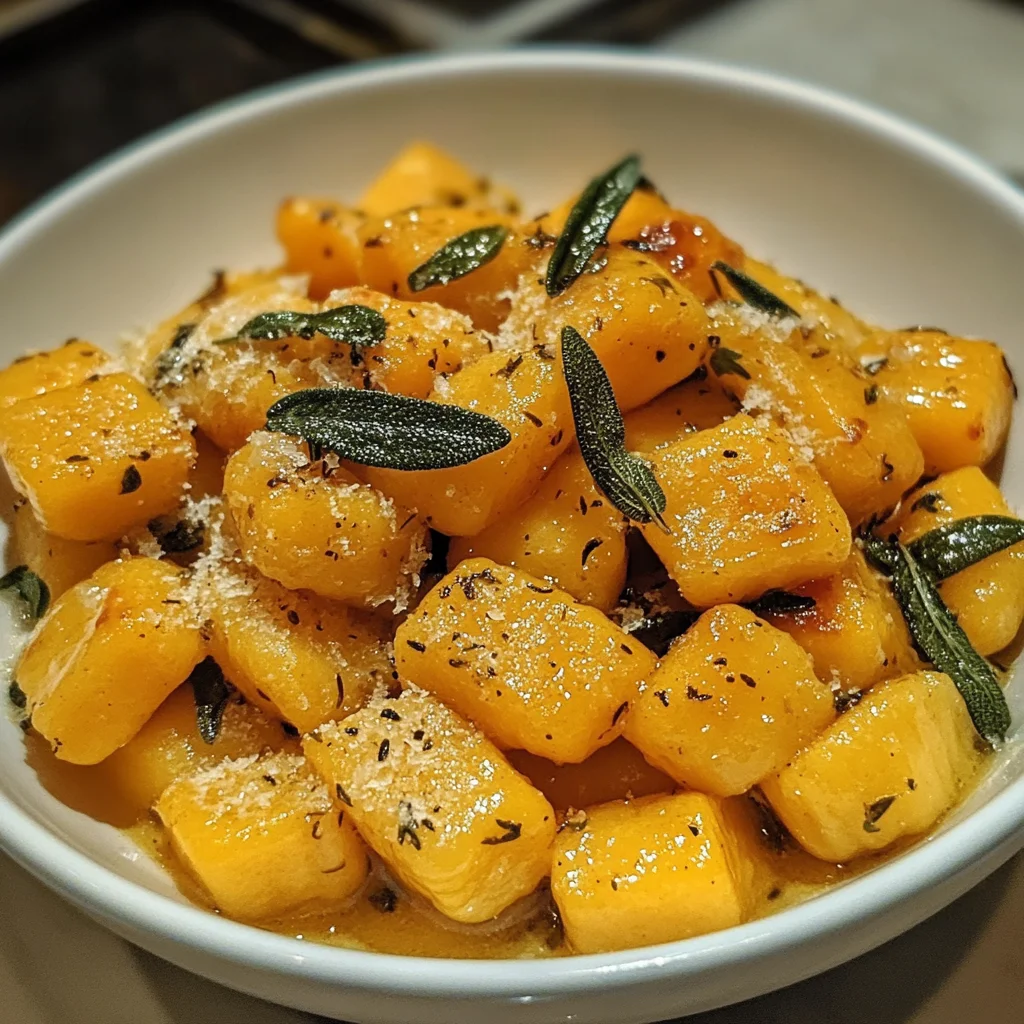
Brown Butter Sage Butternut Squash Gnocchi: A Complete Guide to This Delicious Fall Recipe
Introduction
Picture this: pillowy soft dumplings coated in a nutty, aromatic sauce that fills your kitchen with the most incredible fragrance. Brown butter sage butternut squash gnocchi represents the ultimate comfort food for chilly evenings. Furthermore, this dish combines simple ingredients into something truly spectacular. Whether you’re an experienced cook or a beginner, this recipe will elevate your culinary skills.
What Is Brown Butter Sage Butternut Squash Gnocchi?
Brown butter sage butternut squash gnocchi is a northern Italian-inspired dish featuring handmade potato dumplings tossed in a luxurious sauce. The gnocchi itself can be made with butternut squash incorporated into the dough, creating naturally sweet and colorful dumplings. Alternatively, traditional potato gnocchi pairs beautifully with roasted butternut squash pieces. The brown butter sauce adds a deep, nutty flavor profile. Meanwhile, fresh sage leaves contribute an earthy, aromatic quality that perfectly balances the sweetness.
Origins and Cultural Significance
This dish draws inspiration from classic Italian cooking traditions. Northern Italian cuisine particularly celebrates the combination of butter and sage. Additionally, autumn harvest vegetables like butternut squash feature prominently in regional recipes. The result is a perfect marriage of old-world technique and seasonal ingredients.
Why This Recipe Is Perfect for Fall
Fall brings cooler temperatures and a craving for heartier meals. Consequently, brown butter sage butternut squash gnocchi satisfies those seasonal desires perfectly. The bright orange squash symbolizes autumn’s harvest bounty. Moreover, the warming spices and rich sauce provide comfort during shorter days.
Butternut squash reaches peak ripeness during fall months. Therefore, using seasonal produce ensures the best flavor and nutritional value. The natural sweetness intensifies when roasted, creating depth in every bite. Furthermore, this dish works beautifully for holiday gatherings and family dinners.
Key Ingredients and Their Benefits
Butternut Squash
Butternut squash provides exceptional nutritional value while adding natural sweetness. This winter squash contains high amounts of vitamin A, offering 457% of the recommended daily allowance in just one cup. Additionally, it provides vitamin C, which acts as a potent antioxidant protecting cells from damage. The vegetable also supplies B vitamins, including folate, necessary for energy production and red blood cell formation.
Minerals found in butternut squash include:
-
Magnesium: 15 mg per serving
-
Potassium: 329 mg per serving
-
Calcium: 22 mg per serving
-
Manganese: 0.075 mg per serving
Fresh Sage
Sage belongs to the mint family and delivers surprising health benefits. This aromatic herb contains fiber, potassium, and vitamin K. Remarkably, one teaspoon of ground sage provides 10% of daily vitamin K needs, supporting bone health. The herb also contains over 160 polyphenol compounds with antioxidant effects.
Research suggests sage may boost cognitive function and ward off dementia. Furthermore, studies indicate it possesses anticancer and antidiabetic properties. One small study found that drinking sage tea twice daily reduced LDL cholesterol while raising beneficial HDL cholesterol.
Brown Butter
Brown butter transforms ordinary butter into something magical. The cooking process creates nutty, complex flavors through caramelization. Additionally, the golden-brown color adds visual appeal to the finished dish. The technique requires careful attention to prevent burning.
Gnocchi Base
Traditional gnocchi uses potatoes, flour, and eggs. However, butternut squash gnocchi incorporates mashed squash into the dough. This variation creates a naturally orange-hued dumpling with subtle sweetness. Moreover, the squash adds moisture, resulting in lighter, airier gnocchi.
How to Make Butternut Squash Gnocchi from Scratch
Preparing the Butternut Squash
Start by cutting the butternut squash in half lengthwise. Remove the seeds using a spoon. Next, season with olive oil, salt, and pepper. Place the halves cut-side down on a baking sheet. Roast at 425°F for 45-50 minutes until the flesh becomes tender.
Allow the squash to cool before handling. Then, scoop out the flesh and mash it thoroughly. Remove as much moisture as possible by pressing the mash through a fine-mesh strainer. Excess moisture makes the dough sticky and difficult to work with.
Making the Gnocchi Dough
Combine the cooled butternut squash puree with flour gradually. Add just enough flour to form a workable dough. The dough should feel slightly sticky but hold its shape. Be careful not to overwork the mixture, as this creates tough gnocchi.
Season the dough with salt and a pinch of nutmeg. Additionally, add one beaten egg to help bind the ingredients. Mix gently until everything comes together. The dough is ready when it no longer sticks excessively to your hands.
Shaping the Gnocchi
Divide the dough into manageable portions. Working with one piece at a time, roll it into a rope approximately 1 inch thick. Use a sharp knife to cut the rope into 1-inch pieces. Transfer each piece to a floured baking sheet to prevent sticking.
For traditional ridges, roll each piece over a gnocchi board or fork tines. However, plain gnocchi work equally well. The ridges help sauce cling to the dumplings. Additionally, they create an attractive presentation.
Cooking the Gnocchi
Bring a large pot of salted water to a gentle boil. Carefully drop gnocchi pieces into the water in small batches. Avoid overcrowding, which causes sticking. The gnocchi will sink initially, then float when cooked. This typically takes 2-3 minutes.
Use a slotted spoon to transfer cooked gnocchi to a plate. Toss lightly with olive oil to prevent clumping. The gnocchi can go directly into the sauce or get pan-fried first for extra texture.
Creating the Perfect Brown Butter Sage Sauce
Browning the Butter
Select a heavy skillet with a light-colored bottom. This allows you to monitor the butter’s color change. Melt butter over medium heat, swirling the pan occasionally. The butter will foam and bubble as water content evaporates.
Continue cooking until the butter turns golden brown, approximately 4-5 minutes. Watch carefully, as butter can burn quickly. The milk solids will settle and caramelize, creating nutty aromas. Remove from heat once you achieve a rich amber color.
Adding Fresh Sage
Add whole sage leaves to the brown butter immediately. The leaves will sizzle and crisp up in the hot butter. Cook for 2 minutes until the sage becomes fragrant and slightly crispy. The herb infuses the butter with its earthy, aromatic essence.
Be cautious, as the butter may splatter when adding sage. Use fresh sage rather than dried for the best flavor. Additionally, the crispy sage leaves make a beautiful garnish for the finished dish.
Combining Gnocchi and Sauce
Add the cooked gnocchi to the brown butter sage sauce. Toss gently to coat each piece evenly. Cook for about 5 minutes until the gnocchi heats through and absorbs the flavors. Season with salt and pepper to taste.
For extra richness, add a splash of pasta cooking water. This helps the sauce emulsify and cling better to the gnocchi. Moreover, it creates a silky texture throughout the dish.
Cooking Techniques for Restaurant-Quality Results
Pan-Frying for Crispy Exterior
After boiling, pan-fry the gnocchi in olive oil for added texture. Heat a large skillet over medium-high heat with a tablespoon of oil. Add gnocchi in a single layer without crowding. Cook for 2 minutes until golden and crispy on the bottom.
This technique creates a delightful contrast between the crispy exterior and soft interior. Consequently, the gnocchi develops more complex flavors through caramelization. Flip the pieces to crisp both sides if desired.
Temperature Control
Maintain proper temperature throughout cooking. The butter should brown over medium heat, never high. High heat causes burning rather than caramelization. Similarly, gnocchi water should boil gently, not vigorously.
Timing and Coordination
Plan your timing so all components finish simultaneously. Prepare the gnocchi dough ahead of time if needed. Cook the butternut squash while prepping other ingredients. Additionally, have all tools and ingredients ready before starting the sauce.
Nutritional Benefits of This Dish
Vitamin and Mineral Content
Brown butter sage butternut squash gnocchi provides substantial nutritional value. The butternut squash contributes significant amounts of vitamin A, supporting eye health and immune function. Moreover, vitamin C acts as an antioxidant, protecting cells from free radical damage.
The dish offers important minerals for bone health. Magnesium and potassium work together to strengthen bones and regulate blood pressure. Additionally, calcium from cheese garnish adds more bone-supporting nutrients.
Fiber and Digestive Health
Butternut squash provides dietary fiber, promoting healthy digestion. Fiber helps maintain stable blood sugar levels and supports cardiovascular health. Furthermore, it creates a feeling of fullness, which may aid in weight management.
Antioxidant Properties
Carotenoids, including beta-carotene, give butternut squash its orange color. These plant pigments function as antioxidants in the body. Similarly, sage contains over 160 polyphenol compounds with antioxidant effects. Together, these ingredients support overall health and may reduce inflammation.
Balanced Macronutrients
The dish provides a balance of carbohydrates, fats, and proteins. Carbohydrates from squash and flour provide energy. Healthy fats from butter support nutrient absorption. Additionally, eggs and cheese contribute protein for muscle maintenance.
Common Mistakes to Avoid
Using Too Much Flour
Adding excessive flour creates heavy, dense gnocchi. The dough should remain slightly sticky to touch. Use only enough flour to make the dough workable. Remember, you can always add more flour, but you cannot remove it.
Overworking the Dough
Kneading too much develops gluten, resulting in tough gnocchi. Mix ingredients gently until just combined. Handle the dough minimally during shaping. Furthermore, work quickly to prevent the dough from becoming warm and sticky.
Not Removing Excess Moisture
Butternut squash contains considerable water content. Failing to drain this moisture makes sticky, unmanageable dough. Press the mashed squash through a strainer or cheesecloth. Additionally, let the squash cool completely before mixing with flour.
Burning the Butter
Brown butter requires constant attention and the right temperature. Butter burns quickly once it reaches the browning stage. Remove the pan from heat immediately when it turns golden brown. The residual heat will continue cooking briefly.
Overcrowding the Pot
Cooking too many gnocchi at once causes them to stick together. Drop gnocchi in small batches, allowing space to move freely. This ensures even cooking and prevents clumping. Moreover, it maintains water temperature for consistent results.
Storage and Freezing Tips
Refrigerating Fresh Gnocchi
Uncooked gnocchi stores well in the refrigerator for up to two days. Place shaped gnocchi on a floured baking sheet. Cover loosely with plastic wrap to prevent drying. The flour coating prevents sticking during storage.
Freezing for Long-Term Storage
Freeze uncooked gnocchi for convenient future meals. Arrange shaped gnocchi on a parchment-lined baking sheet. Place in the freezer until solid, approximately 2 hours. Transfer frozen gnocchi to freezer bags, removing excess air.
Frozen gnocchi stays fresh for up to three months. Cook directly from frozen without thawing. Simply drop frozen pieces into boiling water. They will take slightly longer to cook than fresh gnocchi.
Storing Leftovers
Cooked brown butter sage butternut squash gnocchi keeps for 3-4 days refrigerated. Store in an airtight container to maintain freshness. The sauce may separate slightly during storage. Gently reheat in a skillet, adding a splash of water or broth to refresh the sauce.
Avoid freezing cooked gnocchi, as the texture deteriorates significantly. The dumplings become mushy and lose their delicate texture. Therefore, freeze only uncooked gnocchi for best results.
Serving Suggestions and Variations
Garnishing Options
Enhance your brown butter sage butternut squash gnocchi with thoughtful garnishes. Freshly grated Parmesan cheese adds salty, umami richness. Toasted walnuts provide crunchy texture and nutty flavor. Additionally, crispy fried sage leaves make an elegant presentation.
Drizzle extra brown butter over the plated dish for added richness. A sprinkle of black pepper adds subtle heat. Moreover, lemon zest brightens the flavors and cuts through richness.
Protein Additions
Transform this vegetarian dish by adding proteins. Crispy pancetta provides smoky, savory notes. Crumbled Italian sausage creates a heartier meal. Additionally, roasted chickpeas offer a plant-based protein option.
For seafood lovers, pan-seared scallops complement the sweet butternut squash beautifully. Grilled shrimp also pairs wonderfully with the brown butter sauce. These additions make the dish suitable for main course serving.
Vegetable Variations
Incorporate additional vegetables for more nutrition and color. Sautéed kale adds earthy flavor and vibrant green color. Roasted Brussels sprouts provide a slightly bitter contrast to the sweet squash. Furthermore, caramelized onions contribute depth and sweetness.
Cherry tomatoes burst with acidity, balancing the rich butter sauce. Roasted mushrooms add umami and meaty texture. These vegetables integrate seamlessly into the dish.
Sauce Alternatives
While brown butter sage sauce is classic, consider variations. A light cream sauce with sage creates extra richness. Alternatively, a simple garlic butter sauce highlights the gnocchi itself. Brown butter with thyme offers a different herbal profile.
For lighter options, toss gnocchi with olive oil, lemon, and fresh herbs. A tomato-based sauce provides acidity and brightness. Each variation brings unique characteristics to the dish.
Frequently Asked Questions
Can I make brown butter sage butternut squash gnocchi ahead of time?
Yes, you can prepare the gnocchi several hours or even a day in advance. Shape the gnocchi and place them on a floured baking sheet. Cover and refrigerate until ready to cook. Alternatively, freeze uncooked gnocchi for longer storage. The brown butter sauce is best made fresh, taking only minutes to prepare.
What type of squash works best for this recipe?
Butternut squash remains the preferred choice due to its sweet flavor and smooth texture. However, other winter squashes work as substitutes. Kabocha squash offers similar sweetness and texture. Acorn squash provides a slightly nuttier flavor. Avoid watery squashes like zucchini, which contain too much moisture.
How do I know when the butter is properly browned?
Watch for visual and aromatic cues when browning butter. The butter will foam initially as water evaporates. Next, white milk solids will appear and sink. When these solids turn golden brown, the butter is ready. Additionally, a nutty aroma develops. Remove from heat immediately to prevent burning.
Can I use store-bought gnocchi instead of homemade?
Absolutely, store-bought gnocchi saves considerable time and effort. Choose high-quality potato or butternut squash gnocchi from the refrigerated section. Follow package directions for cooking. Then toss with your homemade brown butter sage sauce. The result will still be delicious, though homemade offers superior texture.
Is brown butter sage butternut squash gnocchi gluten-free?
Traditional gnocchi contains wheat flour, making it unsuitable for gluten-free diets. However, you can create gluten-free versions using alternative flours. Rice flour, potato starch, or gluten-free flour blends work well. The texture may differ slightly from traditional gnocchi. Additionally, verify that all purchased ingredients are certified gluten-free.
What should I serve with this dish?
Brown butter sage butternut squash gnocchi works as either a main course or side dish. As a main, serve with a simple green salad dressed with lemon vinaigrette. Roasted vegetables like asparagus or green beans complement nicely. For side dish portions, pair with roasted chicken or pork. The gnocchi also accompanies grilled fish beautifully.
Why did my gnocchi turn out gummy?
Gummy gnocchi results from several factors. Too much moisture in the squash creates sticky dough. Overworking the dough develops gluten, causing toughness. Additionally, using too much flour can create dense texture. Overcooking also makes gnocchi gummy. Follow proper techniques and cook just until gnocchi float.
Can I prepare this dish without butter?
While butter defines this classic dish, alternatives exist. High-quality olive oil creates a lighter sauce. Ghee provides similar richness without dairy concerns. Vegan butter substitutes work for plant-based diets. However, the distinctive brown butter flavor will be different or absent with substitutions.
Conclusion
Brown butter sage butternut squash gnocchi delivers comfort, nutrition, and impressive flavors in one satisfying dish. The combination of sweet roasted squash, nutty brown butter, and aromatic sage creates an unforgettable eating experience. Moreover, mastering this recipe adds a restaurant-quality dish to your culinary repertoire. Whether preparing for a special occasion or a cozy weeknight dinner, this recipe never disappoints.
Start by selecting the freshest butternut squash and sage you can find. Take your time making the gnocchi, as practice improves your technique. Remember, the brown butter requires careful attention but rewards you with incredible flavor. Finally, don’t hesitate to experiment with garnishes and additions to make this dish your own.
Ready to create this amazing dish? Gather your ingredients and start cooking your own brown butter sage butternut squash gnocchi today. Your family and friends will be amazed by the delicious results. Share your creations and variations to inspire others in their cooking journey.
Print
Brown Butter Sage Butternut Squash Gnocchi
Description
Brown Butter Sage Butternut Squash Gnocchi
Prep Time: 10 minutes
Cook Time: 15 minutes
Total Time: 25 minutes
Calories: ~560 per serving (4 servings)
Ingredients
For the Gnocchi & Squash
-
1 lb (450 g) potato gnocchi (fresh or shelf-stable)
-
2 cups diced butternut squash (small cubes)
-
2 tbsp olive oil
-
½ tsp garlic powder
-
½ tsp onion powder
-
Salt & pepper
Brown Butter Sage Sauce
-
6 tbsp unsalted butter
-
6–8 fresh sage leaves
-
2 garlic cloves, minced
-
¼ tsp red pepper flakes (optional)
-
½ cup grated Parmesan
-
¼ cup pasta water (or more as needed)
-
Salt & pepper, to taste
Garnish
-
Extra Parmesan
-
Crispy sage leaves
-
Black pepper
Instructions
1. Roast the Butternut Squash
-
Preheat oven to 425°F (220°C).
-
Toss squash with olive oil, garlic powder, onion powder, salt, and pepper.
-
Spread on a baking sheet and roast 20 minutes, until caramelized and tender.
(If you want faster cooking, sauté squash in a skillet for 10 min until soft.)
2. Cook the Gnocchi
-
Boil gnocchi in salted water until they float (2–3 minutes).
-
Reserve ¼ cup pasta water, then drain.
3. Make the Brown Butter Sage Sauce
-
In a large skillet, melt the butter over medium heat.
-
Add sage leaves and cook until the butter turns golden and nutty (2–3 minutes).
-
Remove crispy sage and set aside.
-
Add garlic and red pepper flakes to the butter; cook 30 seconds.
-
Add cooked gnocchi and roasted squash to the skillet.
-
Toss with Parmesan and a splash of pasta water to make it creamy.
4. Serve
-
Plate warm gnocchi with squash.
-
Top with crispy sage, extra Parmesan, and fresh black pepper.