
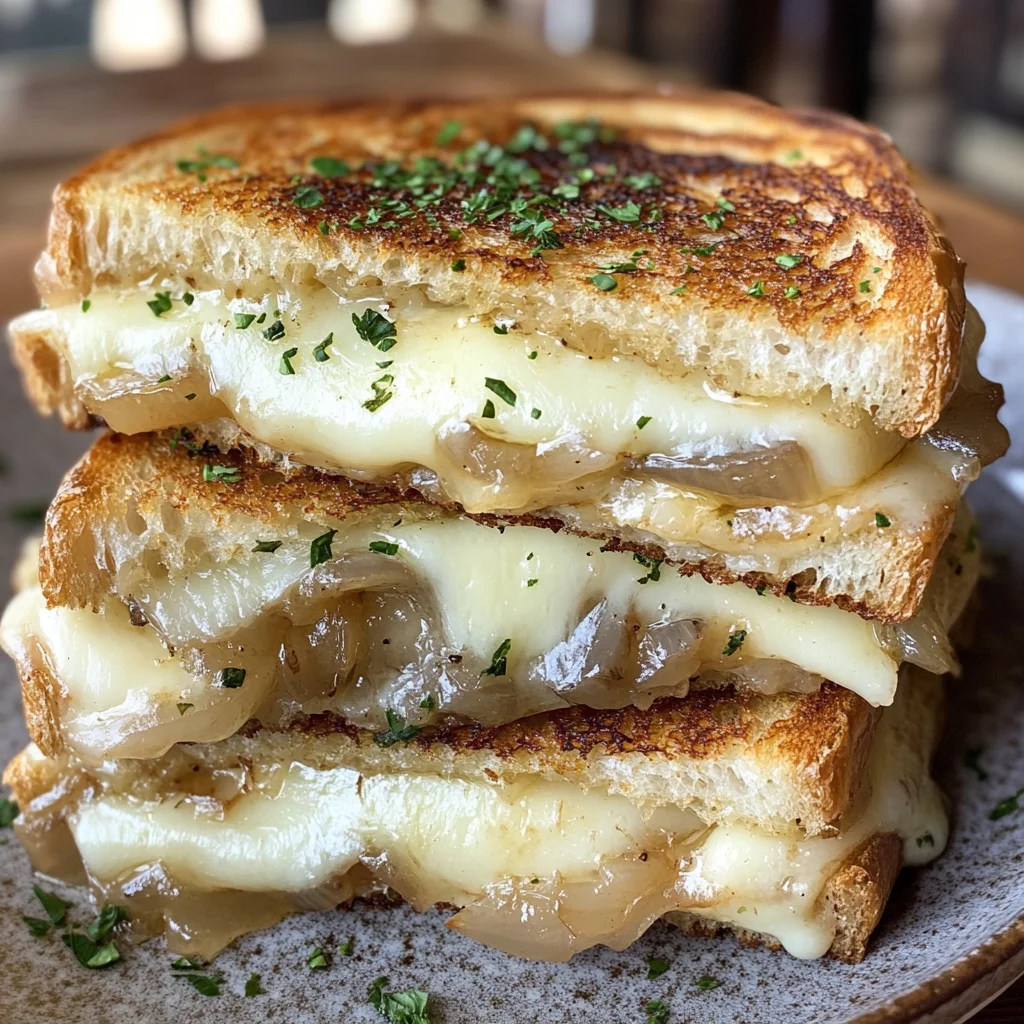
French Onion Grilled Cheese with Gruyère Pull: The Ultimate Comfort Food Guide
The French Onion Grilled Cheese with Gruyère Pull transforms a classic comfort food into an elevated culinary experience that combines deeply caramelized onions with rich, melty Gruyère cheese. This sandwich captures the essence of traditional French onion soup in handheld form. The magical cheese pull happens when Gruyère reaches its optimal melting temperature, creating those Instagram-worthy strings of golden cheese that make every bite extraordinary.
What Makes French Onion Grilled Cheese Special
French onion grilled cheese stands apart from ordinary sandwiches through its sophisticated flavor profile and textural complexity. The slow-cooked caramelized onions develop deep sweetness and umami notes that complement the nutty, slightly sweet characteristics of Gruyère cheese. This sandwich essentially deconstructs the beloved French onion soup into a crispy, gooey handheld meal.
The combination creates multiple layers of flavor. Sweet caramelized onions balance the rich, creamy cheese. Crispy buttered bread provides textural contrast against the soft, melting interior. Fresh thyme adds aromatic herbaceous notes that tie everything together.
Why Gruyère Creates the Best Pull
Gruyère cheese produces exceptional pulls due to its specific protein structure and fat content. Unlike some cheeses that become greasy or rubbery when melted, Gruyère maintains elasticity at the proper temperature. The cheese melts smoothly around 150°F, creating those desirable stringy strands.
When grated rather than sliced, Gruyère melts faster and more evenly throughout the sandwich. The increased surface area allows proteins to disperse uniformly, maintaining that perfect emulsion between fat, moisture, and protein. This scientific process creates the signature cheese pull that makes this sandwich viral-worthy.
Essential Ingredients for the Perfect Sandwich
Creating an outstanding French Onion Grilled Cheese with Gruyère Pull requires quality ingredients and proper proportions. Each component plays a specific role in achieving the ideal balance of flavors and textures.
Primary Ingredients
-
Yellow or Vidalia onions (1 pound): These varieties offer natural sweetness that intensifies during caramelization
-
Gruyère cheese (4-6 ounces per sandwich): The star ingredient providing nutty flavor and excellent melt
-
Artisan bread (thick-cut slices): Sourdough or French bread work exceptionally well
-
Unsalted butter (4-6 tablespoons): Essential for caramelizing onions and grilling bread
-
Fresh thyme (2-3 sprigs): Adds aromatic depth and traditional French flavor
-
Kosher salt and black pepper: For seasoning throughout the cooking process
Optional Flavor Enhancers
Additional ingredients can elevate your sandwich to restaurant quality. Worcestershire sauce adds umami richness without competing with the onion sweetness. Balsamic glaze introduces subtle tanginess that cuts through the cheese’s richness. Brown sugar can speed caramelization and add extra sweetness.
Some recipes incorporate olive oil with butter for caramelizing onions, which prevents burning and adds subtle fruity notes. A small amount of sherry vinegar brightens the finished onions without overpowering their natural sweetness.
The Art of Caramelizing Onions
Properly caramelized onions form the foundation of exceptional French Onion Grilled Cheese with Gruyère Pull. This process cannot be rushed, as true caramelization requires time for the onions’ natural sugars to break down and develop complex flavors.
Low and Slow Cooking Method
Begin by slicing onions into thin half-circles for even cooking. Heat butter and a small amount of olive oil in a large skillet over medium-high heat. Add the sliced onions with a generous pinch of salt, which helps draw out moisture.
Cover the pan and cook for 5 minutes to soften the onions initially. Reduce heat to medium-low and continue cooking for 30-60 minutes, stirring occasionally. The exact timing depends on your pan size, heat level, and onion quantity.
Achieving Deep Caramelization
As onions cook, they’ll progress through several stages. First, they’ll become translucent and soften. Next, they’ll begin releasing moisture and reducing in volume. Finally, they’ll turn golden brown and develop a sticky, jam-like consistency.
Add splashes of water if onions start sticking to the pan before achieving proper caramelization. This deglazes the pan and prevents burning while allowing the process to continue. The onions are ready when they’re deeply golden brown, significantly reduced in volume, and taste sweet with no raw bite.
Finishing the Caramelized Onions
Once onions reach proper caramelization, season them with salt, pepper, and fresh thyme leaves. Some recipes add Worcestershire sauce at this stage for additional umami depth. Balsamic glaze provides tangy sweetness that complements the onions’ natural flavors.
Transfer finished onions to a bowl and let them cool slightly before assembling sandwiches. This prevents them from making the bread soggy and allows you to clean the pan for grilling the sandwiches.
Choosing and Preparing Gruyère Cheese
Gruyère selection and preparation significantly impact the final sandwich quality and cheese pull potential. Understanding this cheese’s characteristics helps you make informed choices at the store and in the kitchen.
Selecting Quality Gruyère
Look for authentic Swiss Gruyère rather than imitation varieties. Real Gruyère has a firm, slightly grainy texture with small holes throughout. The cheese should smell nutty and slightly sweet, not ammonia-like or overly pungent.
Aged Gruyère (12+ months) offers more intense flavor but can be crumbly. Younger Gruyère (6-8 months) melts more smoothly and provides better pulls. For this sandwich, younger Gruyère typically works best due to its superior melting properties.
Preparation Techniques
Always grate Gruyère from a block rather than buying pre-shredded cheese. Pre-shredded cheese contains anti-caking agents that prevent smooth melting. Freshly grated cheese melts faster and more evenly, creating better texture and cheese pulls.
Bring cheese to room temperature before assembling sandwiches. Cold cheese requires more heat energy to melt, which can burn the bread before the cheese fully melts. Room temperature cheese needs less heat and melts more uniformly.
Use a box grater’s large holes for optimal results. This creates pieces that melt quickly while maintaining enough size to form strings during the pull. Plan on 4-6 ounces of cheese per sandwich for generous coverage and dramatic pulls.
Step-by-Step Recipe Instructions
Follow these detailed instructions to create perfect French Onion Grilled Cheese with Gruyère Pull every time. Each step builds upon the previous one to develop optimal flavor and texture.
Recipe Yield and Timing
-
Prep Time: 10 minutes
-
Caramelizing Onions: 45-60 minutes
-
Cooking Time: 6-10 minutes per sandwich
-
Total Time: Approximately 70 minutes
-
Servings: 4 sandwiches
Complete Instructions
Step 1: Prepare and Caramelize Onions
Slice 1 pound of yellow or Vidalia onions into thin half-circles. Melt 2 tablespoons butter with 1 tablespoon olive oil in a large skillet over medium heat. Add onions and salt, cover, and cook for 5 minutes.
Reduce heat to medium-low and continue cooking uncovered for 45-60 minutes, stirring every 10 minutes. Add water by tablespoons if onions stick. When deeply golden and sweet, add thyme, Worcestershire sauce, salt, and pepper to taste.
Step 2: Grate and Prepare Cheese
Grate 16-24 ounces of Gruyère cheese using a box grater’s large holes. Let cheese sit at room temperature for 15-20 minutes while onions finish caramelizing. This ensures even melting and prevents the need for excessive heat during grilling.
Step 3: Assemble Sandwiches
Lay out 8 slices of bread on a clean work surface. Distribute grated Gruyère evenly on each slice. Place generous portions of caramelized onions on 4 slices. Sprinkle with additional fresh thyme leaves if desired.
Top onion-covered slices with remaining cheese-covered bread slices, creating 4 complete sandwiches. Press gently to compact filling without squishing out onions. Butter the outside of both bread slices generously.
Step 4: Grill to Perfection
Heat a large skillet or griddle over medium-low heat. Melt 1 tablespoon butter in the pan. Place sandwiches butter-side down and cook undisturbed for 3-5 minutes.
Check the bottom by lifting with a spatula—it should be golden brown with crispy edges. Add another tablespoon of butter to the pan, then flip sandwiches. Cook second side for 3-5 minutes until equally golden and cheese is fully melted.
Step 5: Optional Parmesan Crust
For extra crispiness, sprinkle grated Parmesan cheese directly in the pan. Place the grilled cheese on top of the Parmesan for 30-60 seconds. The Parmesan will form a crispy, golden crust on the bread exterior. Flip and repeat on the other side.
Step 6: Rest and Serve
Remove sandwiches from heat and let rest for 1-2 minutes. This allows the cheese to set slightly while remaining stretchy. Cut sandwiches in half or tear them apart for maximum cheese pull effect.
Achieving the Perfect Cheese Pull
The legendary cheese pull requires specific techniques beyond simply melting cheese. Understanding the science and applying proper methods ensures Instagram-worthy results every time.
Temperature Control
Cheese pulls best when heated to the optimal melting range of 150-170°F. Too cool, and the cheese remains solid or clumpy. Too hot, and proteins seize up, causing the cheese to become rubbery and oily rather than stretchy.
Cook sandwiches over medium-low heat rather than high heat. This allows the cheese interior to reach proper temperature while the bread browns gradually. Rushing the process with high heat burns the bread before cheese melts completely.
Strategic Cheese Placement
Layer cheese both below and above the caramelized onions. This creates a continuous cheese matrix that stretches dramatically when pulled. Using only one layer of cheese reduces pull potential because there’s less material to stretch.
Press the sandwich gently with a spatula while cooking. This compresses the cheese layers together, creating better adhesion and longer pulls. The pressure helps cheese melt into itself rather than remaining in separate layers.
The Pull Technique
For maximum dramatic effect, cut or tear the sandwich then immediately press the halves back together for 5-10 seconds. This allows the melted cheese to fuse at the cut edge. When you pull the halves apart again, the cheese will stretch impressively.
Tearing the sandwich rather than cutting with a knife often produces better pulls. A knife slices through cheese strands, while tearing separates them at natural weak points, leaving more intact strands to stretch. For the best visual effect, lift one half slowly while keeping the other stable.
Bread Selection and Preparation
Bread choice dramatically impacts your French Onion Grilled Cheese with Gruyère Pull. The right bread provides structure, flavor, and the perfect textural contrast to melty cheese and soft onions.
Best Bread Types
Sourdough remains the top choice for most grilled cheese applications. Its tangy flavor complements sweet caramelized onions beautifully. The chewy, dense crumb holds up well to generous cheese and onion filling without becoming soggy.
French bread offers authentic flavor pairing with Gruyère and onions. Its crispy crust and soft interior create excellent textural contrast. Choose a baguette or wider French loaf for easier handling.
Italian bread provides neutral flavor that lets the filling shine. Its light, airy crumb absorbs butter well, creating exceptional crispiness. The mild taste won’t compete with the complex onion and cheese flavors.
Bread Preparation Tips
Cut bread slices no thicker than 1/2 inch. Thicker slices prevent cheese from melting fully before bread burns. Thinner slices cook more evenly and allow heat to reach the cheese interior efficiently.
Slightly stale bread works better than fresh. Day-old bread has less moisture, which prevents sogginess and promotes crispier grilling. If using fresh bread, toast slices lightly before assembling sandwiches.
Butter bread generously on the outside surfaces. This creates the golden, crispy exterior that defines excellent grilled cheese. Some recipes recommend mayonnaise instead of butter for extra crispiness and richer flavor.
Cooking Techniques for Golden Perfection
Mastering the cooking process ensures consistently excellent French Onion Grilled Cheese with Gruyère Pull. These techniques prevent common problems like burnt bread or unmelted cheese.
Heat Management
Start with medium-low heat rather than medium or high. Lower temperatures give cheese adequate time to melt while bread browns gradually. This prevents the frustrating scenario of burnt exterior with cold, solid cheese inside.
Don’t rush the process. Each side needs 3-5 minutes of undisturbed cooking time. Flipping too frequently prevents proper browning and can cause the sandwich to fall apart.
Pan Selection
Use a heavy-bottomed skillet or griddle for even heat distribution. Thin pans create hot spots that burn bread before cheese melts. Cast iron, stainless steel, or thick non-stick pans work best.
A large griddle that spans two burners allows cooking multiple sandwiches simultaneously. This keeps everyone eating at the same time rather than making sandwiches one at a time. Keep finished sandwiches warm in a 200°F oven while cooking additional batches.
Steam Method for Better Melting
After placing the sandwich in the pan, add 1-2 tablespoons of water and immediately cover with a lid. The steam helps melt cheese faster and more evenly. Remove the lid after 2-3 minutes, allowing moisture to evaporate and the bread to crisp.
This technique ensures fully melted cheese without burning the bread. The steam heats cheese from all sides rather than just from the bottom. Once cheese melts, flip the sandwich and continue cooking uncovered.
Pressing Technique
Gently press the sandwich with a spatula during cooking. This flattens the sandwich slightly, ensuring good contact between cheese layers. Better contact means better melting and more dramatic cheese pulls.
Don’t press too hard, which squeezes out the filling. Apply gentle, even pressure for 2-3 seconds at a time. This compacts ingredients without forcing them out the sides.
Variations and Customizations
While classic French Onion Grilled Cheese with Gruyère Pull is exceptional on its own, creative variations offer new flavor experiences. These adaptations maintain the core concept while introducing complementary ingredients.
Cheese Combinations
Combine Gruyère with sharp cheddar for enhanced cheese pull and sharper flavor. The cheddar adds tang while improving stretchiness. Use a 2:1 ratio of Gruyère to cheddar for balanced flavor.
Add thin slices of Swiss cheese for milder flavor and creamier texture. Swiss melts beautifully and complements Gruyère’s nuttiness. This combination creates an extra-gooey interior.
Mix in fontina cheese for buttery richness. Fontina melts at lower temperatures than Gruyère, ensuring smooth, creamy filling. Its mild flavor won’t overpower the caramelized onions.
Additional Fillings
Include sautéed mushrooms for earthy depth. Cook sliced mushrooms with the onions during the last 15 minutes of caramelization. Cremini or baby bella mushrooms work particularly well.
Add crispy bacon for smoky, salty contrast. Cook bacon until crispy, then crumble it over the caramelized onions before adding cheese. The saltiness balances the sweet onions beautifully.
Layer in thinly sliced apples or pears for fruity sweetness. Fresh fruit adds textural crunch and bright flavor. Granny Smith apples or Bosc pears complement Gruyère especially well.
Herb and Seasoning Variations
Substitute rosemary for thyme for a more robust, pine-like flavor. Use fresh rosemary sparingly, as it’s more potent than thyme. One teaspoon of minced rosemary equals about one tablespoon of thyme.
Add minced garlic to caramelizing onions for extra savory depth. Stir in 2-3 minced garlic cloves during the last 5 minutes of cooking. Adding garlic earlier causes it to burn during the long caramelization process.
Incorporate Dijon mustard on the bread before adding cheese. The mustard’s sharpness cuts through rich cheese and adds complexity. Use whole grain mustard for additional texture.
Serving Suggestions and Pairings
French Onion Grilled Cheese with Gruyère Pull serves beautifully as a standalone meal or paired with complementary sides. Thoughtful pairings enhance the overall dining experience.
Soup Pairings
Serve alongside rich beef broth for a complete French onion soup experience. The sandwich becomes a decadent dipping vehicle for savory broth. This combination honors the dish’s soup origins while offering satisfying variety.
Tomato soup provides classic comfort food pairing. The soup’s acidity cuts through rich cheese and balances sweet onions. Choose a creamy tomato soup rather than chunky for better dipping.
Butternut squash soup offers seasonal warmth and complementary sweetness. The soup’s silky texture contrasts nicely with crispy bread. This pairing works especially well during fall and winter months.
Salad Companions
A simple arugula salad with lemon vinaigrette provides freshness and acidity. The peppery greens and bright dressing balance the sandwich’s richness. Keep the salad simple to let the sandwich remain the star.
Mixed greens with apples, walnuts, and balsamic vinaigrette echo French flavors. The salad’s components complement the sandwich without competing. This combination creates a restaurant-quality meal at home.
Beverage Pairings
Hot apple cider provides seasonal warmth and fruity sweetness. The cider’s flavor complements caramelized onions beautifully. Serve warm with cinnamon sticks for extra coziness.
Sparkling water with lemon cuts through rich cheese and refreshes the palate. The effervescence cleanses your mouth between bites. This simple pairing works year-round.
Hot tea, especially black tea or Earl Grey, offers sophisticated pairing. Tea’s tannins balance fatty cheese while its warmth enhances comfort. Serve with honey or sugar according to preference.
Storage and Reheating Tips
Proper storage maintains quality when you can’t finish all the sandwiches immediately. Strategic reheating restores much of the original texture and flavor.
Storing Components Separately
Store caramelized onions separately in an airtight container for up to 5 days. Refrigerate them once cooled to room temperature. This approach allows you to make fresh sandwiches throughout the week without repeating the lengthy caramelization process.
Keep grated cheese in a sealed container or resealable bag for up to 1 week. Wrap tightly to prevent drying. Bring cheese to room temperature before using for best melting results.
Storing Assembled Sandwiches
Refrigerate assembled but uncooked sandwiches for up to 24 hours. Wrap tightly in plastic wrap to prevent bread from drying. This meal prep strategy saves time when you need quick lunch or dinner.
Avoid storing fully cooked sandwiches, as they become soggy during refrigeration. The steam from hot cheese condenses inside the wrapping, making bread limp. If you must store cooked sandwiches, refrigerate unwrapped and reheat properly.
Reheating Methods
Reheat cooked sandwiches in a 350°F oven for 10-12 minutes. Place them on a baking sheet and tent loosely with foil to prevent excessive browning. This method restores crispiness better than microwaving.
Use a toaster oven for single servings. Set to 325°F and heat for 8-10 minutes. Monitor closely to prevent burning.
Avoid microwave reheating, which makes bread rubbery and cheese greasy. If you must use a microwave, heat for 20-30 seconds only, then crisp in a dry skillet.
Common Mistakes to Avoid
Understanding common pitfalls helps you achieve perfect French Onion Grilled Cheese with Gruyère Pull consistently. Avoiding these mistakes saves time, ingredients, and frustration.
Onion Caramelization Errors
Rushing the process results in burned, bitter onions rather than sweet, caramelized ones. True caramelization requires 45-60 minutes of patient cooking. Don’t try to speed this up with high heat, which burns onions before their sugars properly develop.
Using insufficient fat causes onions to stick and burn. Use enough butter and oil to coat all onion slices. Add more fat if the pan becomes dry during cooking.
Overcrowding the pan prevents proper caramelization. Onions need space to release moisture and brown evenly. Use a large skillet or cook onions in batches.
Cheese Selection Mistakes
Using pre-shredded cheese prevents smooth melting due to anti-caking additives. Always grate cheese fresh from a block for optimal results. The minimal extra effort dramatically improves texture and pull quality.
Choosing aged Gruyère creates less smooth melts and inferior pulls. While aged cheese has stronger flavor, younger Gruyère (6-8 months) melts better for sandwiches. Save aged Gruyère for cheese boards where melting isn’t required.
Cooking Technique Errors
Using too-high heat burns bread before cheese melts. Medium-low heat is essential for properly melted cheese and golden bread. Patience during cooking ensures both components reach perfection simultaneously.
Flipping too frequently prevents proper browning. Let each side cook undisturbed for 3-5 minutes before flipping. Constant flipping also risks breaking the sandwich apart.
Cutting immediately allows cheese to run out before you can photograph the pull. Let sandwiches rest for 1-2 minutes after cooking. This brief wait helps cheese set slightly while remaining stretchy.
Nutritional Information
Understanding the nutritional profile of French Onion Grilled Cheese with Gruyère Pull helps with meal planning and dietary considerations. These values represent approximate amounts per sandwich.
Macronutrient Breakdown
Each sandwich contains approximately 520-650 calories depending on bread thickness and cheese quantity. The high calorie count reflects the rich, satisfying nature of this comfort food.
Protein content ranges from 22-28 grams per sandwich. Gruyère provides high-quality protein along with calcium and other nutrients. This protein content makes the sandwich reasonably satisfying and appropriate for an occasional indulgent meal.
Fat content typically falls between 28-35 grams per sandwich. Most fat comes from cheese and butter used for cooking. While significant, these fats provide satiety and help absorb fat-soluble vitamins.
Carbohydrates range from 38-45 grams depending on bread type. Most carbs come from bread, with smaller amounts from onions’ natural sugars. The caramelization process concentrates these sugars, creating intensified sweetness without adding refined sugar.
Micronutrients and Considerations
Gruyère provides substantial calcium (approximately 300-400mg per sandwich), supporting bone health. The cheese also supplies vitamin A, vitamin B12, and phosphorus.
Caramelized onions contribute antioxidants, vitamin C, and fiber. While cooking reduces some vitamin C content, onions retain many beneficial compounds. The long cooking process also improves digestibility for some people.
Sodium content can be high (600-900mg per sandwich) depending on cheese saltiness and added salt. Monitor sodium intake if following a low-sodium diet. Use unsalted butter and reduce added salt to lower total sodium content.
Frequently Asked Questions
Can I make French Onion Grilled Cheese ahead of time?
Yes, you can prepare components in advance. Caramelize onions up to 5 days ahead and refrigerate in an airtight container. Grate cheese up to 3 days early and store properly. Assemble sandwiches up to 24 hours before cooking and refrigerate wrapped tightly. Cook sandwiches fresh for best texture and cheese pull.
What cheese works best for cheese pulls?
Gruyère produces excellent pulls due to its protein structure and melting characteristics. Younger Gruyère (6-8 months aged) melts more smoothly than older varieties. Combining Gruyère with cheddar or mozzarella enhances pull dramatically. Always use freshly grated cheese rather than pre-shredded for optimal results.
How do I prevent the bread from burning?
Use medium-low heat rather than medium or high. Lower temperatures allow cheese to melt fully while bread browns gradually. Don’t rush the cooking process—each side needs 3-5 minutes. Consider the steam method by adding water and covering briefly to melt cheese faster.
Can I use different types of onions?
Yellow onions and Vidalia onions work best for caramelization. These varieties have balanced sugar content and mild flavor. Sweet onions like Walla Walla also work well. Avoid red onions, which become bitter during long cooking. White onions can work but have less natural sweetness.
How long does it take to caramelize onions properly?
Proper caramelization requires 45-60 minutes of cooking time. This cannot be significantly shortened without compromising results. The low, slow cooking allows onions’ natural sugars to break down and develop complex flavors. Attempting to rush with high heat produces burnt, bitter onions rather than sweet, golden ones.
What bread works best for this sandwich?
Sourdough remains the top choice due to its tangy flavor and sturdy structure. French bread offers authentic pairing with Gruyère. Italian bread provides neutral flavor that highlights the filling. Choose bread sliced no thicker than 1/2 inch for proper cheese melting.
Can I freeze caramelized onions?
Yes, caramelized onions freeze excellently for up to 3 months. Let them cool completely, then portion into freezer-safe containers or bags. Freeze flat for easier storage and faster thawing. Thaw overnight in the refrigerator before using. This strategy allows you to caramelize large batches for future quick meals.
How do I achieve the perfect cheese pull for photos?
Use freshly grated room-temperature Gruyère for best pulls. Cook over medium-low heat to reach the optimal melting range of 150-170°F. After cutting, press sandwich halves together briefly, then pull apart slowly. Tearing rather than cutting often produces more dramatic pulls. Layer cheese both above and below the onions for maximum stretch.
French Onion Grilled Cheese with Gruyère Pull elevates ordinary grilled cheese into extraordinary comfort food through patient onion caramelization, quality cheese selection, and proper cooking techniques. This sandwich combines the beloved flavors of French onion soup with the satisfying crispiness and gooey cheese pull that make grilled cheese irresistible. Master the techniques outlined in this guide, and you’ll create restaurant-quality sandwiches that impress family and friends while delivering unmatched comfort and flavor.
Start your French Onion Grilled Cheese with Gruyère Pull journey today by caramelizing a big batch of onions. Store them for quick weeknight meals that transform simple ingredients into culinary magic. The investment of time yields rewards that extend far beyond a single sandwich, establishing you as the grilled cheese expert in your household.
French Onion Grilled Cheese with Gruyère Pull
- Total Time: 35
- Yield: 2 1x
Ingredients
Caramelized Onions
2 tbsp butter
2 medium yellow onions, thinly sliced
1 tsp olive oil
1 tsp sugar (optional, helps caramelize)
1 tsp fresh thyme (or ½ tsp dried)
Salt, to taste
2 tbsp beef broth or white wine (optional, for deglazing)
Sandwich
4 slices thick bread (sourdough or country loaf)
1½–2 cups shredded Gruyère cheese
1 tbsp mayonnaise or softened butter (for spreading)
Instructions
Caramelize the Onions
-
Heat butter and olive oil in a skillet over medium-low.
-
Add onions, salt, and thyme. Cook slowly 15–20 minutes, stirring occasionally.
-
If pan dries out, splash in broth or wine to deglaze and keep onions glossy.
-
Onions should be deep golden and jammy.
Build the Sandwiches
-
Spread mayo or butter on one side of each bread slice.
-
Place two slices (spread side down) in a skillet over medium heat.
-
Add a generous layer of Gruyère, then spoon caramelized onions on top.
-
Add more cheese (this helps the “pull”), then top with bread.
Toast & Melt
-
Cook 3–4 minutes per side, pressing gently, until bread is golden and cheese is fully melted.
-
Lower heat if browning too fast.
Serve
Slice in half and enjoy while hot — expect that cheesy Gruyère stretch!
Great with:
-
tomato soup
-
simple green salad
-
extra caramelized onions on the side
Notes
Adding a tiny splash of balsamic at the end of the onions adds depth.
Mix in a bit of mozzarella with Gruyère if you want EXTRA cheese pull.
Use a lid while melting to help the center get gooey.
- Prep Time: 10
- Cook Time: 25
Nutrition
- Calories: 650