
Introduction
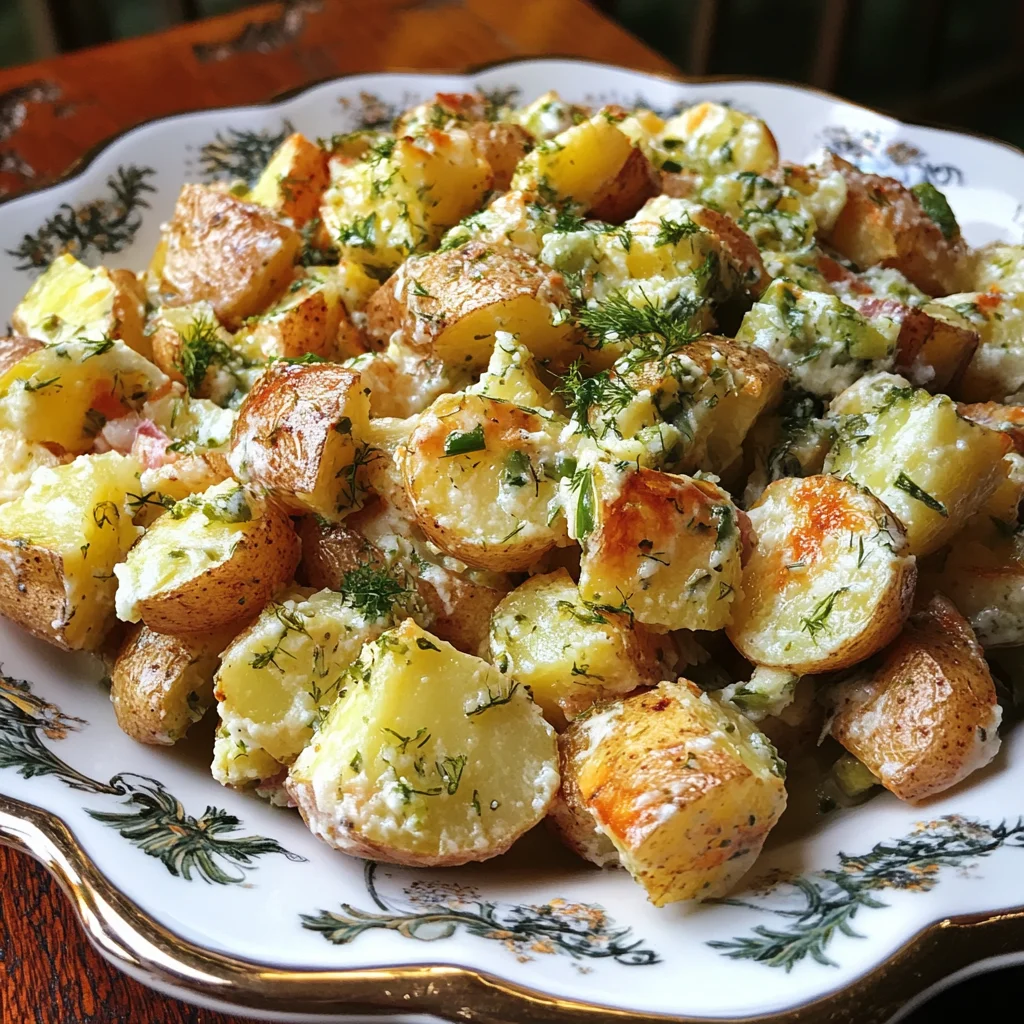
Crispy Smashed Potato Salad with Dill Pickle Dressing transforms the classic summer side dish into something truly extraordinary. This viral recipe combines golden-brown crispy potatoes with a tangy, creamy dill pickle dressing that delivers bold flavor in every bite. Unlike traditional potato salads with soft, chunky potatoes, this version features smashed baby potatoes roasted until crispy on the outside while staying fluffy inside.
The dill pickle dressing adds a refreshing twist that elevates this dish beyond ordinary potato salads. Moreover, this recipe works perfectly for potlucks, backyard barbecues, and family gatherings. You’ll discover why food lovers everywhere are obsessed with this crispy, crunchy, and incredibly flavorful creation.
What Makes This Potato Salad Special
The Crispy Factor
Traditional potato salads feature soft, boiled potatoes that lack texture contrast. However, this smashed version creates irresistibly crispy edges through a two-step cooking process. First, you boil baby potatoes until fork-tender. Then, you smash them flat and roast them at high heat until golden brown and crunchy.
The smashing technique increases the surface area dramatically. Consequently, more potato comes in contact with the hot baking sheet, creating those coveted crispy bits. These crunchy pieces provide textural contrast against the creamy dressing.
The Dill Pickle Advantage
Dill pickle dressing brings bold, tangy flavor that cuts through richness beautifully. The pickle brine contains natural electrolytes and adds depth without extra calories. Furthermore, the combination of pickle juice, fresh dill, and crunchy pickle pieces creates layers of flavor throughout the salad.
Pickles are low in calories and contain beneficial antioxidants like vitamin K. Additionally, fermented pickles provide probiotic benefits that support digestive health. The tangy punch wakes up your taste buds and keeps you coming back for more.
Essential Ingredients Breakdown
For the Crispy Potatoes
-
2 pounds baby potatoes: Choose similar-sized potatoes for even cooking
-
3-4 tablespoons olive oil: Helps achieve golden-brown crispiness
-
Salt and black pepper: Essential for seasoning
-
Garlic powder and paprika: Optional seasonings for extra flavor
Baby potatoes work best because their thin skins become extra crispy. Additionally, their naturally sweet flavor complements the tangy dressing perfectly.
For the Dill Pickle Dressing
-
½ cup Greek yogurt: Provides creamy base with added protein
-
½ cup mayonnaise: Creates rich, smooth texture
-
¼ cup dill pickle juice: Delivers tangy pickle flavor
-
2 tablespoons Dijon mustard: Adds depth and tanginess
-
2 tablespoons lemon juice: Brightens the entire dish
-
2-3 garlic cloves, minced: Provides aromatic punch
-
2 tablespoons fresh dill: Essential herb for classic dill pickle taste
-
Salt and pepper to taste: Balances all flavors
Fresh Add-Ins
-
½ cup diced dill pickles: Adds crunch and concentrated flavor
-
½ red onion, finely diced: Provides sharp bite
-
1 Persian cucumber, diced: Contributes fresh crunch
-
¼ cup fresh parsley, chopped: Adds brightness and color
-
¼ cup green onions or chives: Offers mild onion flavor
Step-by-Step Preparation Guide
Boiling the Potatoes
Start by washing baby potatoes thoroughly under cold water. Place them in a large pot and cover with cold water by two inches. Add one tablespoon of salt to the water.
Bring the water to a rolling boil over high heat. Then, reduce heat to medium and cook for 15-20 minutes. The potatoes should be fork-tender but not falling apart. Drain the potatoes in a colander and let them steam dry for five minutes.
Smashing and Roasting
Preheat your oven to 425°F while the potatoes cool slightly. Line a large baking sheet with parchment paper for easy cleanup. Arrange the boiled potatoes on the prepared baking sheet with space between each one.
Use the bottom of a sturdy glass or measuring cup to gently smash each potato flat. The potatoes should be about ½ inch thick. Drizzle olive oil generously over all the smashed potatoes. Season with salt, pepper, garlic powder, and paprika.
Roast for 45-50 minutes, flipping halfway through cooking time. The potatoes should be deeply golden brown and crispy around the edges. Some darker crispy bits are desirable for maximum flavor and texture. Remove from oven and let cool for 10 minutes.
Making the Dressing
While the potatoes roast, prepare your dill pickle dressing. In a large mixing bowl, whisk together Greek yogurt and mayonnaise until smooth. Add pickle juice, Dijon mustard, and lemon juice.
Stir in minced garlic and fresh dill thoroughly. Season with salt and pepper to taste. The dressing should be tangy, creamy, and well-balanced. If it tastes too thick, add more pickle juice one tablespoon at a time.
Combining Everything
Add diced pickles, red onion, cucumber, parsley, and green onions to the bowl with the dressing. Toss everything together until well combined. When the roasted potatoes have cooled for 10 minutes, add most of them to the bowl.
Reserve some crispy potato pieces for garnish on top. Gently fold the potatoes into the dressing mixture. Be careful not to break the potatoes into tiny pieces. Some potatoes will naturally break apart, which helps them absorb the dressing.
Transfer the salad to a serving bowl. Top with reserved crispy potatoes and extra fresh herbs. Serve immediately or refrigerate until ready to serve.
The Secret to Perfect Dill Pickle Dressing
Balancing Tanginess
The key to exceptional dill pickle dressing lies in balancing tangy and creamy elements. Start with equal parts Greek yogurt and mayonnaise for the base. This combination provides richness while keeping the dressing lighter than mayo alone.
Pickle juice serves as the primary souring agent. Use juice from good-quality dill pickles for the best flavor. If the dressing tastes too mild, add more pickle juice gradually. Conversely, if it’s too tangy, add a bit more yogurt.
Layering Pickle Flavor
Create depth by incorporating pickles in multiple forms. First, pickle juice in the dressing provides background tanginess. Second, diced pickles add textural crunch and concentrated flavor pockets. Finally, fresh dill brings herbaceous notes that complement the pickled flavor.
Dijon mustard enhances the tangy profile while adding complexity. Meanwhile, lemon juice brightens everything and prevents the dressing from tasting flat. Fresh garlic provides aromatic depth that rounds out the flavor profile.
Achieving Perfect Consistency
The dressing should coat the back of a spoon but remain pourable. If it’s too thick, thin it with pickle juice or water. Too thin means you need more Greek yogurt or mayonnaise.
Make the dressing at least 30 minutes before serving. This allows flavors to meld together beautifully. The dressing will also thicken slightly as it sits, so account for this when adjusting consistency.
Tips for Maximum Crispiness
Choosing the Right Potatoes
Baby potatoes, also called new potatoes, work best for this recipe. Their thin skins crisp up beautifully in the oven. Additionally, their small size means more surface area when smashed.
Select potatoes that are similar in size for even cooking. Otherwise, some will be overcooked while others remain underdone. Yukon gold baby potatoes offer excellent flavor and texture.
The Perfect Boil
Don’t overcook potatoes during the boiling stage. They should be just fork-tender, not falling apart. Overcooked potatoes turn mushy when smashed and won’t crisp up properly.
Start potatoes in cold salted water rather than dropping them into boiling water. This ensures even cooking from the outside to the center. Drain them thoroughly and let steam evaporate before transferring to the baking sheet.
Maximizing Oven Crispiness
High heat is essential for crispy potatoes. Set your oven to 425°F or even 450°F for extra crunch. Don’t overcrowd the baking sheet, as this creates steam and prevents crisping.
Use enough olive oil to coat the potatoes generously. The oil conducts heat and promotes browning. Flip the potatoes halfway through roasting and add a light drizzle of oil to the second side.
Look for deep golden-brown color and crispy edges. The darker bits provide the most flavor and crunch. Let the potatoes cool slightly before mixing with the dressing so they stay crispy longer.
Nutritional Benefits
Potato Power
Potatoes often get unfairly criticized, but they offer significant nutritional value. A 100-gram serving of potato salad provides approximately 143 calories, 2.7 grams of protein, and 254 milligrams of potassium.
When you cool cooked potatoes, they develop resistant starch. This type of starch acts like fiber, feeding beneficial gut bacteria. Resistant starch may also help regulate blood sugar levels more effectively than regular starch.
Potatoes contain vitamin C, vitamin B6, and several minerals. Additionally, they provide dietary fiber that supports digestive health. The skin contains most of the nutrients, so leaving it on maximizes nutritional benefits.
Greek Yogurt Benefits
Using Greek yogurt in the dressing adds protein while reducing overall fat content. Greek yogurt contains probiotics that support gut health and digestion. Furthermore, it provides calcium for bone health.
The tangy yogurt reduces the need for excess mayonnaise. This cuts calories and saturated fat while maintaining creaminess. Greek yogurt also adds a pleasant tang that complements the pickle flavor.
Pickle Perks
Dill pickles are extremely low in calories and contain virtually no sugar. They provide hydration through their high water content. The pickle brine contains electrolytes like sodium and potassium.
Fermented pickles offer probiotic benefits that promote healthy gut bacteria. Additionally, pickles contain antioxidants including vitamin K and vitamin A. The dietary fiber from cucumbers aids digestive regularity.
Fresh Vegetable Additions
Adding cucumbers, onions, and fresh herbs boosts the nutritional profile significantly. These vegetables provide additional fiber, vitamins, and antioxidants. Fresh herbs like dill and parsley contain beneficial plant compounds with anti-inflammatory properties.
The combination creates a more balanced dish with diverse nutrients. You get carbohydrates from potatoes, protein from yogurt, and vitamins from vegetables. This makes the salad more satisfying and nutritious than traditional versions.
Storage and Make-Ahead Instructions
Refrigerator Storage
Freshly made potato salad lasts 3-5 days in the refrigerator when stored properly. Place the salad in an airtight container to prevent moisture loss and odor absorption. Store it at or below 40°F for food safety.
For best results, keep the crispy potatoes separate from the dressing until serving. This prevents them from getting soggy during storage. Combine them just before serving to maintain maximum crunchiness.
Never leave potato salad at room temperature for more than 2 hours. Bacteria multiply rapidly in the temperature danger zone between 40°F and 140°F. At outdoor events, keep the salad on ice or in a cooler.
Make-Ahead Strategy
This crispy smashed potato salad works wonderfully as a make-ahead dish. Prepare the roasted potatoes up to one day in advance. Store them in an airtight container at room temperature or refrigerate them.
Make the dressing up to three days ahead and refrigerate it separately. The flavors actually improve as they meld together. Dice all the vegetables and store them in separate containers.
When ready to serve, reheat the potatoes briefly in a 400°F oven for 5-7 minutes. This refreshes their crispiness. Then, combine everything together and serve immediately. This method ensures maximum texture and freshness.
Freezing Considerations
Generally, potato salad doesn’t freeze well due to the mayonnaise-based dressing. The emulsion breaks down during freezing and thawing, creating a separated, watery texture. Additionally, the vegetables become mushy and unappetizing.
If you must freeze it, use a freezer-safe container and remove as much air as possible. Label with the date and use within one month. Thaw overnight in the refrigerator and stir well before serving. However, the texture will never match freshly made salad.
Spoilage Signs
Discard potato salad if you notice any off smells or unusual odors. Strange or sour tastes indicate bacterial growth. Visual signs include discoloration, mold growth, or excessive liquid separation.
When in doubt, throw it out. Food safety should always be your top priority. Composting is a good disposal option if permitted in your area.
Creative Variations and Customizations
Herb Variations
While dill defines the classic version, experiment with different herbs for unique flavors. Fresh basil creates an Italian-inspired variation. Cilantro and lime juice transform it into a Mexican-style salad.
Try mixing parsley, chives, and tarragon for a French herb blend. Mint adds unexpected freshness that pairs well with cucumbers. Use whatever fresh herbs you have available or prefer.
Spicy Kick
Add heat by stirring sriracha or harissa into the dressing. Alternatively, sprinkle red pepper flakes on the potatoes before roasting. Diced jalapeños mixed into the salad provide fresh heat and crunch.
Chili crisp or hot honey drizzled over the finished salad adds complex spicy-sweet notes. Start with small amounts and adjust to your heat preference. Remember, you can always add more spice but can’t remove it.
Cheese Additions
Crumbled feta cheese brings salty, tangy notes that complement the dill pickle dressing. Goat cheese offers creamy richness with a mild tang. Blue cheese crumbles add bold, pungent flavor for adventurous eaters.
Shaved Parmesan creates an Italian twist that works beautifully with basil. Sharp cheddar cubes add familiar comfort food appeal. Add cheese just before serving to prevent it from breaking down in the dressing.
Protein Boosts
Transform this side dish into a complete meal by adding protein. Crispy bacon pieces provide smoky, salty crunch. Hard-boiled eggs add classic potato salad appeal and protein.
Grilled chicken breast sliced and mixed in creates a hearty main dish. Chickpeas offer plant-based protein and additional fiber. Smoked salmon brings elegant flavor perfect for brunch gatherings.
Vegetable Swaps
Substitute or add vegetables based on what’s available and your preferences. Diced bell peppers contribute sweet crunch and bright color. Cherry tomatoes halved add juicy bursts of flavor.
Shredded cabbage creates coleslaw-inspired texture. Corn kernels (fresh or grilled) bring sweetness and texture. Radishes provide peppery bite and beautiful color contrast. Experiment freely to make the recipe your own.
Serving Suggestions
Perfect Pairings
Crispy Smashed Potato Salad with Dill Pickle Dressing pairs beautifully with grilled meats and seafood. Serve it alongside burgers, grilled chicken, or barbecue ribs. The tangy dressing cuts through rich, smoky flavors perfectly.
It works wonderfully with fish tacos or grilled shrimp. The cool, creamy salad balances spicy and savory main dishes. Additionally, it complements vegetarian grilled vegetable platters beautifully.
Presentation Ideas
Serve the salad in a large, shallow bowl to showcase the crispy potatoes. Garnish with reserved crispy potato pieces arranged on top. Sprinkle fresh dill, parsley, and sliced green onions over everything.
A drizzle of olive oil and a few whole pickle slices make attractive finishing touches. For individual servings, use small bowls or mason jars for a rustic presentation. Add a lemon wedge on the side for guests who want extra brightness.
Temperature Serving Tips
This potato salad tastes delicious both cold and at room temperature. For maximum crispiness, serve it slightly warm or at room temperature. The potatoes maintain their crunch better when not ice cold.
If serving cold, remove it from the refrigerator 15-20 minutes before serving. This allows flavors to come forward fully. Cold temperatures dull taste perception, so room temperature enhances flavor complexity.
Portion Planning
Plan for approximately ¾ cup per person when serving as a side dish. If it’s the main attraction at a potluck, increase to 1 cup per person. This recipe serves 6-8 people as a generous side dish.
Double the recipe for large gatherings or to ensure plenty of leftovers. The salad keeps well, so extras make great lunches throughout the week. Adjust quantities based on your specific event and guest count.
Troubleshooting Common Issues
Soggy Potatoes
If your potatoes aren’t crispy, several factors might be responsible. First, overcrowding the baking sheet traps steam and prevents browning. Use two baking sheets if necessary to give potatoes space.
Insufficient oil prevents proper crisping and browning. Don’t be shy with the olive oil. Low oven temperature also causes steaming instead of roasting. Ensure your oven reaches the full 425°F before adding potatoes.
Adding potatoes to the dressing while they’re too hot causes immediate sogginess. Let them cool for 10 minutes first. For serving later, keep components separate until just before serving.
Bland Flavor
Underseasoned potatoes lead to bland salad overall. Season the potatoes generously with salt and pepper before roasting. The seasoning won’t penetrate later when mixed with dressing.
Taste the dressing and adjust seasonings before combining with potatoes. It should taste bold on its own since the potatoes dilute it. Add more pickle juice, mustard, or lemon juice if needed.
Fresh herbs lose potency over time, so use them generously. Dried herbs are more concentrated, so use one-third the amount. Let the finished salad sit for 15-30 minutes before serving to allow flavors to meld.
Watery Dressing
Excess moisture in vegetables causes watery dressing. Pat cucumbers and pickles dry with paper towels before adding them. You can also salt diced cucumbers and let them drain for 15 minutes.
Using low-fat yogurt creates thinner consistency than full-fat Greek yogurt. Choose whole milk Greek yogurt for best results. If the dressing still seems thin, add more mayonnaise or yogurt gradually.
Potatoes release moisture as they cool in the dressing. Drain any accumulated liquid before serving. Making the dressing slightly thicker than desired compensates for this natural dilution.
Discolored Potatoes
Cut potatoes turn brown when exposed to air due to oxidation. Keep boiled potatoes in cold water if not using immediately. However, for this recipe, use them right after boiling for best texture.
Adding lemon juice to the dressing helps prevent browning. The acid slows oxidation processes. Freshly made salad maintains the best color, so prepare it close to serving time.
Store leftovers in an airtight container to minimize air exposure. Placing plastic wrap directly on the surface of the salad before sealing also helps. Slight discoloration doesn’t affect safety or taste.
Frequently Asked Questions
Can I make Crispy Smashed Potato Salad with Dill Pickle Dressing ahead of time?
Yes, you can prepare components ahead separately for best results. Roast the potatoes up to one day in advance and store at room temperature. Make the dressing up to three days ahead and refrigerate it. Combine everything within a few hours of serving for maximum crispiness. The assembled salad keeps for 3-5 days refrigerated but loses some crunch over time.
What type of potatoes work best for this recipe?
Baby potatoes or new potatoes work best because their thin skins become extra crispy. Yukon gold baby potatoes offer excellent flavor and creamy texture. Red baby potatoes provide nice color contrast. Choose similar-sized potatoes for even cooking. Avoid large russet potatoes as they become too heavy and don’t crisp well when smashed.
Can I use a different type of dressing?
Absolutely, this recipe adapts well to various dressings. Try pesto mixed with yogurt for an Italian twist. Caesar-style dressing creates a different but delicious flavor profile. Cilantro lime crema offers Mexican-inspired freshness. Ranch dressing provides familiar comfort food appeal. Experiment based on your preferences and what you have available.
How do I keep the potatoes crispy?
Keep roasted potatoes separate from the wet ingredients until just before serving. Store them at room temperature rather than refrigerating. If they lose crispiness, refresh them in a 400°F oven for 5-7 minutes. Use generous amounts of oil when roasting and ensure high oven temperature. Don’t overcrowd the baking sheet, which creates steam instead of allowing crisping.
Is this recipe suitable for meal prep?
Yes, with some modifications for optimal results. Prepare and roast potatoes, make the dressing, and prep vegetables separately. Store each component in individual airtight containers. Combine portions as needed throughout the week for fresh-tasting servings. This method maintains better texture than assembling the entire batch at once. The salad tastes best within 3-5 days of preparation.
Can I make this recipe vegan?
Yes, easily adapt this recipe for vegan diets. Replace Greek yogurt with unsweetened plant-based yogurt like coconut or cashew. Use vegan mayonnaise instead of regular mayonnaise. All other ingredients are naturally plant-based. The result is equally delicious with a slightly different flavor profile depending on your yogurt choice.
What should I serve with this potato salad?
This versatile side dish pairs with countless main courses. Grilled meats like burgers, chicken, and ribs work wonderfully. Seafood such as grilled fish or shrimp complements the tangy dressing. Vegetarian options include grilled vegetables or veggie burgers. It’s perfect for picnics, potlucks, barbecues, and summer gatherings. The cool, creamy salad balances rich, smoky, or spicy main dishes beautifully.
How can I reduce the calories in this recipe?
Use all Greek yogurt instead of mixing it with mayonnaise to significantly reduce calories. Choose non-fat or low-fat Greek yogurt for further reduction. Reduce the amount of oil used for roasting, though this may affect crispiness. Add more fresh vegetables to increase volume without adding many calories. The salad is already relatively light compared to traditional mayo-heavy potato salads.
Conclusion
Crispy Smashed Potato Salad with Dill Pickle Dressing revolutionizes traditional potato salad with irresistible texture and bold tangy flavor. The combination of golden-brown crispy potatoes and creamy dill pickle dressing creates a memorable side dish perfect for any occasion. This recipe offers the ideal balance of crunchy, creamy, tangy, and savory elements that keep everyone coming back for seconds.
Whether you’re planning a summer barbecue, bringing a dish to a potluck, or simply want to elevate your weeknight dinner, this crispy smashed potato salad delivers. The make-ahead friendly nature and endless customization options make it practical for busy cooks. Plus, the nutritional benefits from resistant starch, probiotics, and fresh vegetables make it a smarter choice than traditional versions.
Print
Crispy Smashed Potato Salad with Dill Pickle Dressing
- Total Time: 55
- Yield: 6 1x
Ingredients
Potatoes
2 lbs (900 g) baby potatoes or small yellow potatoes
2 tbsp olive oil
Salt & black pepper, to taste
½ tsp garlic powder (optional)
Dill Pickle Dressing
¼ cup olive oil
3 tbsp dill pickle juice
2 tbsp Dijon mustard
1 tbsp apple cider vinegar (or lemon juice)
2 tbsp finely chopped dill pickles
1–2 tbsp fresh dill, chopped
1 small clove garlic, minced or grated
½ tsp honey or sugar (balances acidity)
Salt & pepper, to taste
Add-ins (optional but delicious)
2 green onions, sliced
¼ cup red onion, finely diced
¼ cup celery, finely chopped
2–3 tbsp mayonnaise or Greek yogurt (optional, for creamy version)
Instructions
Boil the Potatoes
-
Add potatoes to a pot, cover with cold salted water.
-
Bring to a boil and cook 12–15 minutes, until fork-tender.
-
Drain and let steam-dry for a few minutes.
Smash & Roast
-
Preheat oven to 425°F / 220°C.
-
Place potatoes on a parchment-lined baking sheet.
-
Use a glass or potato masher to gently press each one flat.
-
Drizzle with olive oil, season with salt, pepper, and garlic powder.
-
Bake 20–25 minutes, flipping once, until deeply golden and crispy.
Make the Dill Pickle Dressing
Whisk together olive oil, pickle juice, Dijon, vinegar, chopped pickles, dill, garlic, honey, salt, and pepper.
Taste — it should be bright, tangy, and a little salty. Adjust as you like.
Toss & Serve
-
Place crispy potatoes in a large bowl.
-
Add onions, celery, and green onion if using.
-
Pour dressing over while potatoes are warm and toss gently.
-
Stir in mayo/Greek yogurt if you want it slightly creamy.
Let rest 5–10 minutes so flavors soak in.
Notes
Keep skins on — more texture and flavor.
Extra crispy? Leave potatoes in the oven a few more minutes.
Add crumbled bacon, feta, or hard-boiled eggs for variety.
Great warm, room temp, or chilled.
- Prep Time: 15
- Cook Time: 40
Nutrition
- Calories: 320