
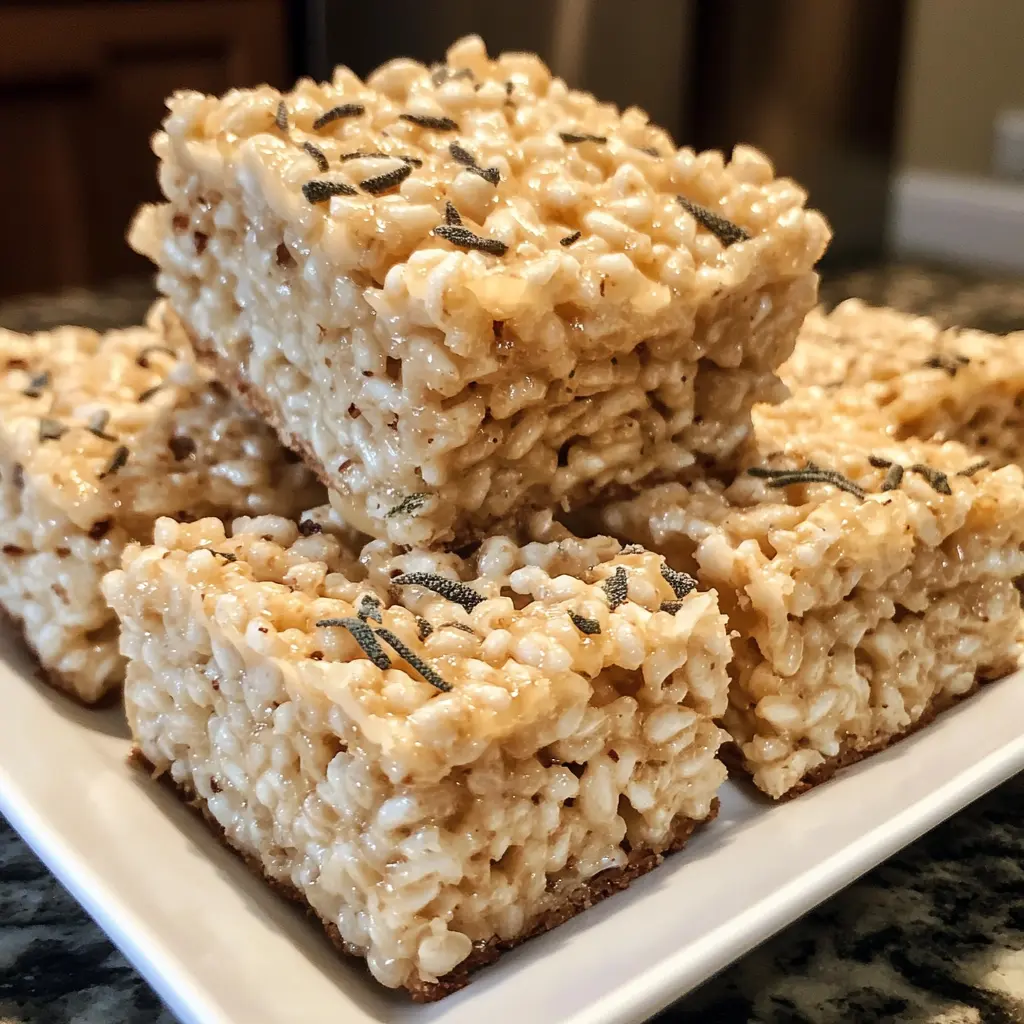
Brown Butter Sage Rice Krispie Treats: A Gourmet Twist on a Classic Dessert
Transform your ordinary Rice Krispie treats into an extraordinary gourmet dessert with the unexpected combination of nutty brown butter and aromatic fresh sage. Brown Butter Sage Rice Krispie Treats elevate the classic childhood snack into a sophisticated sweet-and-savory creation that will impress at any gathering. This unique flavor pairing brings complexity and depth to the simple marshmallow-cereal base, creating a treat that’s both nostalgic and refined.
What Makes Brown Butter Sage Rice Krispie Treats Special
Brown Butter Sage Rice Krispie Treats stand out from traditional versions through two key flavor enhancements. First, browning the butter creates a nutty, caramelized flavor that adds incredible depth. Second, fresh sage introduces an earthy, slightly peppery note that balances the sweetness perfectly.
This sweet-and-savory combination takes minimal extra effort compared to regular treats. The sophisticated flavor profile makes these treats suitable for adult gatherings, holiday parties, and elegant dessert tables. Additionally, they’re conversation starters that surprise guests with unexpected herbaceous notes.
The Perfect Balance of Sweet and Savory
The marriage of brown butter and sage creates a complex flavor experience. Brown butter contributes rich, toasted notes that complement the vanilla sweetness of marshmallows. Meanwhile, sage adds aromatic complexity without overwhelming the treat’s familiar comfort-food appeal.
These treats work particularly well after hearty meals featuring roasted meats or rich main courses. The herbaceous notes cleanse the palate while providing a smooth, satisfying finish. Furthermore, the sage’s earthy quality grounds the sweetness, preventing the treats from becoming cloying.
The History Behind Rice Krispie Treats
Rice Krispies cereal first appeared on store shelves in 1928, introduced by the Kellogg Company. However, the beloved treat didn’t emerge until over a decade later. In 1939, Kellogg employees Malitta Jensen and Mildred Day created Rice Krispies Treats in the company kitchens in Battle Creek, Michigan.
Originally called Marshmallow Squares, the treats were developed as a promotional vehicle for the cereal. The creators may have drawn inspiration from an earlier 1916 recipe called “Puffed Rice Brittle”. Day chose marshmallows specifically because they would be less messy than molasses-based alternatives.
From Fundraiser to National Phenomenon
The treats gained popularity through an unexpected channel. Shortly after creation, Kellogg’s received an inquiry from a Kansas City Camp Fire Girls chapter seeking fundraiser ideas. The company sent Day to Kansas City to demonstrate her new treats.
The fundraiser proved wildly successful. In 1941, Kellogg’s placed the recipe on Rice Krispies cereal boxes for the first time. This strategic move launched Rice Krispies Treats into American kitchens nationwide, where they remain beloved today.
Understanding Brown Butter
Brown butter, also called beurre noisette, transforms ordinary butter into a complex ingredient through careful heating. As butter melts and continues cooking, the milk solids separate and begin to caramelize. These toasted milk solids create a distinctive nutty, caramelized flavor that’s unmatched by regular butter.
The browning process requires attention and patience. Butter must be heated over medium heat until it melts and begins to foam. As heating continues, the milk solids turn golden brown and the butter develops a delicious nutty aroma.
The Science Behind Browning
The transformation happens when milk proteins and sugars undergo the Maillard reaction. This chemical process creates hundreds of new flavor compounds. The result is a deeply savory, toasted flavor with hints of hazelnuts and caramel.
Timing is critical during browning. The process can quickly progress from beautifully brown to burned black. Therefore, many cooks reduce heat to low once browning begins. The ideal color is deep golden brown with visible darker specks throughout.
Culinary Applications
Brown butter works wonderfully in both sweet and savory applications. It can be drizzled over pasta, stirred into soups, or used as a dressing for grains. In baking, it adds richness and depth to cookies, cakes, and naturally, Rice Krispie treats.
The nutty flavor particularly shines in simple desserts where its complexity can take center stage. Brown butter elevates basic recipes without requiring additional ingredients or complicated techniques. Moreover, it serves as a fundamental seasoning that adds richness wherever plain butter might be used.
Why Sage Works in Desserts
Sage might seem like an unusual dessert ingredient, but its aromatic qualities create surprising harmony with sweet flavors. This herb has long been appreciated for its earthy, slightly peppery flavor, typically gracing savory dishes like roasted meats and hearty soups. However, its unexpected role as a dessert flavor invites curious palates to experience warmth and complexity.
Fresh sage contains essential oils that provide its distinctive aroma. When finely chopped and incorporated into desserts, these oils distribute throughout the dish. The result is subtle herbaceous notes that enhance rather than dominate.
Sage’s Complementary Qualities
Sage pairs exceptionally well with butter, creating a classic flavor combination. Brown butter’s nutty notes harmonize perfectly with sage’s earthy character. Together, they create a sophisticated flavor profile that transcends typical dessert expectations.
The herb also balances sweetness effectively. Its slight bitterness and peppery qualities prevent desserts from becoming overly sugary. Additionally, sage adds aromatic complexity that makes each bite more interesting and memorable.
Other Sage Dessert Applications
Beyond Rice Krispie treats, sage appears in various creative desserts. Lemon sage cakes combine citrus brightness with herbaceous depth. Sage puddings showcase the herb’s elegance in creamy custard-based desserts.
These applications demonstrate sage’s versatility in sweet contexts. The key is using fresh sage in moderation, finely chopped to distribute flavor evenly. When properly balanced, sage transforms ordinary desserts into extraordinary culinary experiences.
Essential Ingredients
Brown Butter Base
Salted butter (4 ounces or ½ cup): The foundation of these treats provides richness and creates the nutty brown butter flavor. Salted butter adds a pleasant savory contrast, though unsalted works with extra salt added.
Marshmallows (10 ounces): These provide the signature sticky-sweet binding. Mini marshmallows melt more quickly and evenly than large ones. Some recipes use a combination of sizes for optimal texture.
Rice Krispies cereal (6 cups): The crispy cereal base gives these treats their characteristic crunch. Use fresh cereal for best texture, as stale cereal can become soggy.
Flavor Enhancers
Fresh sage (1.5 tablespoons, finely chopped): The star herb ingredient must be chopped very small for even distribution. Fresh sage is essential; dried sage lacks the bright, aromatic qualities needed.
Vanilla extract (½ teaspoon): This enhances the marshmallow sweetness and rounds out flavors. Vanilla paste can be substituted for more intense vanilla flavor.
Salt (1 pinch to ½ teaspoon): Salt balances sweetness and amplifies all other flavors. Flaked sea salt makes an excellent finishing touch.
Optional Gourmet Addition
Truffle oil (1 teaspoon): For an ultra-luxurious version, black truffle oil adds earthy umami notes. Use sparingly, as truffle flavor can quickly become overwhelming.
Equipment You’ll Need
Gathering proper equipment ensures smooth preparation and professional results. Most items are standard kitchen tools you likely already own.
Essential Tools
-
Large heavy-bottomed pot: Necessary for evenly browning butter without hot spots
-
Wooden spoon or silicone spatula: For stirring butter and marshmallow mixture
-
9×9-inch baking pan: Standard size for traditional thickness treats
-
Parchment paper or cooking spray: Prevents sticking and enables easy removal
-
Sharp knife: For finely chopping fresh sage
-
Cutting board: Food prep surface for herbs
-
Large mixing bowl: Alternative method involves combining ingredients in a bowl
Optional but Helpful
-
Dropper or pipette: For precise truffle oil application
-
Kitchen scale: Ensures accurate measurements for consistent results
-
Candy thermometer: Helps monitor butter temperature for perfect browning
-
Offset spatula: Makes spreading mixture evenly easier
-
Greased hands or wax paper: For pressing mixture into pan without sticking
Step-by-Step Instructions
Preparation Phase
Prepare your pan: Generously grease a 9×9-inch pan with butter or cooking spray. Alternatively, line with parchment paper leaving overhang for easy removal. For thicker treats, use an 8×8-inch pan; for thinner treats, try 9×13 inches.
Chop the sage: Wash and thoroughly dry fresh sage leaves. Remove leaves from stems and chop very finely. The smaller the pieces, the better they’ll distribute throughout the treats. Set aside 1 tablespoon for the mixture and reserve remaining for garnish.
Measure ingredients: Pre-measure all ingredients before starting. Have marshmallows and cereal ready in separate containers. This preparation ensures smooth execution once cooking begins.
Creating Brown Butter
Melt the butter: Place butter pieces in a large heavy-bottomed pot over medium heat. Allow butter to melt completely, stirring occasionally with a wooden spoon. The butter will begin bubbling and foaming.
Watch for browning: Once melted, continue heating while stirring frequently. Foam will subside and milk solids will begin settling to the bottom. Scrape the bottom of the pot to prevent burning.
Achieve golden perfection: The butter will progress from yellow to golden to deep amber. Watch for brown specks and a nutty aroma. This process takes approximately 5-7 minutes. Once the butter reaches deep golden brown, immediately proceed to prevent burning.
Combining Ingredients
Add marshmallows: Remove pot from heat briefly, then add marshmallows all at once. Return to low heat and stir constantly until marshmallows melt completely into the brown butter. The mixture should become smooth and uniform.
Incorporate seasonings: Add salt and 1 tablespoon chopped sage to the melted marshmallow mixture. Stir thoroughly to distribute herbs evenly throughout. The sage’s oils will infuse the hot mixture with flavor.
Fold in cereal: Turn off heat and add Rice Krispies cereal. Working quickly, fold cereal into marshmallow mixture using a spatula. Continue folding until every piece of cereal is coated with marshmallow. Speed is essential as the mixture hardens as it cools.
Optional Truffle Oil Addition
Add truffle oil: If using, drizzle 1 teaspoon of black truffle oil very lightly over the mixture. Use a dropper for precise application if available. Quickly stir to combine, noting that truffle oil loses flavor with excessive heat.
Final Assembly
Transfer to pan: Immediately turn the mixture into your prepared pan. The mixture will be sticky and warm. Work quickly to prevent premature hardening.
Press evenly: Grease your hands with butter or oil, or use wax paper to press the mixture evenly into the pan. Apply firm, even pressure across the entire surface. Press harder for denser treats, lighter for fluffier texture.
Garnish: Sprinkle remaining chopped sage over the top, pressing gently so it adheres to the surface. This creates visual appeal and provides extra sage flavor in each bite.
Cool completely: Allow treats to cool at room temperature for at least 1-2 hours. This cooling period lets the marshmallow set properly for clean cutting.
Pro Tips for Perfect Results
Butter Browning Mastery
Monitor butter closely during browning. The transformation from perfect to burned happens rapidly. Reduce heat to low once browning begins to maintain better control. Swirl the pan occasionally to check the color underneath the foam.
Use a light-colored pot if possible. Dark pots make it difficult to judge butter color accurately. A stainless steel pot works ideally for visual monitoring.
Sage Preparation
Chop sage extremely fine for optimal distribution. Large sage pieces create uneven flavor pockets and can taste overpowering in certain bites. A sharp knife ensures clean cuts without bruising the delicate leaves.
Fresh sage is absolutely essential. Dried sage lacks the bright, aromatic qualities that make this recipe special. Purchase sage within a day or two of making these treats for maximum flavor.
Marshmallow Melting
Stir marshmallows constantly for even melting. Uneven heating creates lumps that don’t distribute smoothly. Patient, continuous stirring ensures a silky, uniform marshmallow base.
Work in a warm kitchen if possible. Cold environments cause the mixture to stiffen too quickly, making it difficult to coat cereal evenly and press into the pan.
Assembly Techniques
Grease your hands generously when pressing the mixture. The sticky marshmallow adheres to everything, but butter or oil creates a barrier. Re-grease as needed during pressing.
Don’t overpack the treats. Excessive pressure creates dense, hard results rather than the desired chewy texture. Firm but gentle pressure yields the best consistency.
Cutting and Serving
Use a sharp knife sprayed with cooking spray for clean cuts. Wipe the blade between cuts to prevent dragging and tearing. Allow treats to set completely before cutting for the cleanest edges.
Warm the knife under hot water for easier cutting through sticky treats. Dry the blade completely before cutting to prevent moisture from making treats soggy.
Flavor Variations
Citrus Sage Variation
Add 1 teaspoon of lemon zest along with the sage for bright, citrusy notes. The lemon complements sage beautifully while adding refreshing brightness. Orange zest works equally well for a sweeter citrus profile.
Rosemary Thyme Alternative
Replace sage with a combination of fresh rosemary and thyme for different herbaceous notes. Use 1 tablespoon finely chopped rosemary and 1 teaspoon thyme. This variation offers a more traditional herb combination.
Brown Butter Vanilla
Omit sage for a simpler, purely brown butter version. Increase vanilla extract to 1 teaspoon for enhanced vanilla flavor. Add flaked sea salt on top for sweet-and-salty appeal.
Chocolate Addition
Fold in 1 cup of chocolate chips or chopped chocolate after removing from heat. The residual heat will slightly melt the chocolate, creating pockets of gooey richness. Dark chocolate pairs especially well with sage and brown butter.
Nut Butter Enhancement
Add 2-4 tablespoons of smooth peanut butter or almond butter to the browned butter before adding marshmallows. This creates nutty richness that complements the brown butter beautifully. Reduce regular butter slightly to compensate for added fat.
Berry Sage Fusion
Fold in ½ cup freeze-dried strawberries or raspberries before pressing into the pan. The fruit’s tartness balances sage’s earthiness while adding color and texture. Crush larger pieces for better distribution.
Milk Powder Boost
Add 2 tablespoons of milk powder to the browned butter, stirring until golden. This intensifies the caramel flavor and creates richer, more complex brown butter notes. Continue heating carefully to prevent burning.
Storage and Serving Suggestions
Proper Storage Methods
Store Brown Butter Sage Rice Krispie Treats in an airtight container at room temperature. They remain fresh for 3-5 days when properly sealed. Separate layers with parchment paper to prevent sticking.
Avoid refrigeration if possible. Cold temperatures make treats hard and diminish their characteristic chewy texture. However, if your kitchen is very warm or humid, refrigeration prevents melting.
Freezing Instructions
These treats freeze exceptionally well for longer storage. Cut into individual portions and wrap each piece tightly in plastic wrap. Place wrapped pieces in a freezer-safe container or zip-top bag.
Freeze for up to 2 months without significant quality loss. Thaw at room temperature for 30-60 minutes before serving. Frozen treats also taste delicious eaten partially frozen for a firmer texture.
Serving Suggestions
Present these treats on an elegant platter for sophisticated gatherings. Their golden color and herb flecks create visual appeal. Arrange in a single layer or stack artfully for dramatic presentation.
Pair with hot beverages like coffee or tea. The treats’ sweet-savory profile complements bitter, roasted beverage notes. They also work beautifully alongside fall-themed desserts at holiday gatherings.
Consider serving as a dessert after rich, savory meals. The herbaceous notes provide a pleasant palate cleanser. They bridge the gap between savory dinner courses and traditional sweet desserts.
Gifting Ideas
Package these gourmet treats as thoughtful homemade gifts. Wrap individually in cellophane tied with ribbon. Include a small card explaining the unique flavor combination.
Layer in decorative tins or boxes for holiday gifts. Their shelf stability makes them ideal for shipping to distant friends and family. The sophisticated flavor appeals to adults who might typically overlook ordinary Rice Krispie treats.
Troubleshooting Common Issues
Treats Are Too Hard
Overcooking marshmallows causes excessive hardness. Melt marshmallows just until smooth; extended heating toughens them. Additionally, pressing too firmly creates dense, hard results.
Using stale marshmallows also contributes to hardness. Fresh marshmallows contain more moisture and create softer treats. Always check marshmallow expiration dates before beginning.
Treats Fall Apart
Insufficient marshmallow creates crumbly treats that don’t hold together. Ensure accurate measurement of marshmallows relative to cereal. The ratio must be correct for proper binding.
Working too slowly allows the mixture to cool and stiffen before pressing. This prevents proper adhesion between cereal pieces. Maintain speed from cereal addition through pan pressing.
Butter Tastes Burned
Butter browned beyond golden turns acrid and bitter. Watch carefully and reduce heat once browning begins. Remove from heat immediately when deep golden brown appears.
Dark or thin-bottomed pots can cause uneven heating and burning. Invest in a quality heavy-bottomed pot for better heat distribution and temperature control.
Sage Flavor Too Weak
Using dried sage instead of fresh produces minimal flavor. Fresh sage is essential for noticeable herbaceous notes. Additionally, insufficient chopping creates uneven distribution.
Increase sage quantity slightly if you prefer stronger herb flavor. Start with an additional ½ tablespoon and adjust to taste in future batches.
Sage Flavor Too Strong
Too much sage overwhelms the treats with bitter, medicinal notes. Follow recipe measurements carefully, especially when first attempting this flavor combination. Remember that sage is potent.
Chop sage too coarsely concentrates flavor in certain bites. Extremely fine chopping distributes sage oils more evenly, creating balanced flavor throughout.
Mixture Too Sticky to Handle
Insufficient greasing makes handling difficult. Coat hands generously with butter or cooking spray before touching the mixture. Keep extra butter nearby for reapplication.
Alternatively, use wax paper or parchment to press the mixture. Place paper over the surface and press through it, avoiding direct contact with sticky marshmallow.
Nutritional Information
Brown Butter Sage Rice Krispie Treats contain approximately 150-180 calories per piece when cut into 12 servings. The exact nutritional content varies based on ingredient brands and portion sizes.
Each serving provides carbohydrates primarily from cereal and marshmallows. The butter contributes fat content, approximately 5-7 grams per serving. Protein content remains minimal, typically 1-2 grams per piece.
Considerations for Dietary Restrictions
These treats contain gluten from the cereal and dairy from butter. They are not suitable for celiac disease or dairy allergies without modifications. However, several adaptations can accommodate dietary needs.
For gluten-free versions, substitute certified gluten-free crispy rice cereal. Ensure all ingredients, including marshmallows, carry gluten-free certification to prevent cross-contamination.
For dairy-free adaptations, use vegan butter alternatives. Note that browning characteristics differ with plant-based butters. The nutty brown butter flavor may not develop as intensely.
The treats are naturally free from eggs and nuts (unless variations are added). They work well for egg allergies and nut-free school environments. Always verify marshmallow ingredients, as some brands contain unexpected allergens.
FAQs
Can I make Brown Butter Sage Rice Krispie Treats ahead of time?
Yes, these treats are excellent make-ahead desserts. Prepare 1-2 days before serving and store in an airtight container at room temperature. They actually improve slightly after resting, as flavors meld and mellow. For longer storage, freeze for up to 2 months.
What can I substitute for fresh sage?
Fresh sage is strongly recommended for optimal flavor in Brown Butter Sage Rice Krispie Treats. However, if absolutely necessary, use fresh thyme or rosemary as alternative herbs. Avoid dried sage, which lacks the bright, aromatic qualities essential to this recipe’s success.
How do I know when butter is properly browned?
Properly browned butter appears deep golden brown with darker specks throughout. It emits a distinctly nutty, toasted aroma. The transformation takes approximately 5-7 minutes over medium heat. Remove from heat immediately to prevent burning, which happens rapidly once browning begins.
Can I use salted or unsalted butter?
Both work effectively in this recipe. Salted butter adds pleasant savory notes that complement the sage. If using unsalted butter, add a few extra pinches of salt to the marshmallow mixture. Taste preferences vary, so adjust seasoning according to your palate.
Why are my treats turning out too hard?
Several factors cause excessive hardness. Overcooking marshmallows beyond smooth melting toughens them. Using stale marshmallows reduces moisture content. Pressing too firmly creates dense, hard results. Additionally, incorrect cereal-to-marshmallow ratios contribute to texture problems.
Can I double this recipe?
Yes, this recipe doubles successfully for larger gatherings. Use a 9×13-inch pan for doubled batches to maintain proper thickness. Be mindful that brown butter quantity doubles cooking time slightly. Work in a large pot to accommodate increased volume.
Do these treats need refrigeration?
Refrigeration is unnecessary and actually detrimental to texture. Store at room temperature in an airtight container for best results. Cold temperatures make treats hard and less chewy. Refrigerate only if your environment is extremely warm or humid.
What’s the best way to cut clean squares?
Spray a sharp knife with cooking spray before cutting. Wipe the blade clean between cuts to prevent dragging. Warming the knife under hot water (then drying completely) also helps slice through sticky treats. Wait until completely cool before cutting for cleanest edges.
Elevate Your Dessert Game
Brown Butter Sage Rice Krispie Treats transform a nostalgic childhood favorite into a sophisticated gourmet dessert. The nutty richness of brown butter combines with aromatic fresh sage to create unexpected flavor complexity. These treats require minimal additional effort compared to traditional versions yet deliver remarkable taste that impresses guests at any gathering.
The sweet-and-savory balance appeals to adventurous eaters seeking new flavor experiences. Whether serving at elegant dinner parties or casual family gatherings, these elevated treats spark conversation and delight palates. Try this innovative recipe to discover how simple ingredient upgrades create extraordinary results.
Print
Brown Butter Sage Rice Krispie Treats
- Total Time: 20 minutes
- Yield: 12 1x
Ingredients
1/2 cup (1 stick) unsalted butter
8–10 fresh sage leaves
4 cups mini marshmallows
6 cups Rice Krispies cereal
1/2 teaspoon salt
Optional: 1/2 teaspoon vanilla extract
Instructions
1. Brown the Butter with Sage
-
In a large saucepan, melt butter over medium heat.
-
Add sage leaves and cook until butter turns golden brown and releases a nutty aroma (3–5 minutes). Remove sage leaves if desired.
2. Melt the Marshmallows
-
Reduce heat to low and add marshmallows to the brown butter.
-
Stir constantly until fully melted and smooth.
-
Stir in vanilla extract and salt.
3. Combine with Cereal
-
Remove from heat and add Rice Krispies cereal.
-
Stir quickly until evenly coated with the brown butter marshmallow mixture.
4. Set and Serve
-
Press mixture into a greased 9×13-inch pan or lined with parchment paper.
-
Use a buttered spatula or parchment to flatten evenly.
-
Let cool for at least 30 minutes before cutting into squares.
Notes
Sage flavor: For a subtle herbal note, use fewer leaves; for stronger flavor, leave leaves in.
Extra crunch: Add toasted pecans or walnuts into the mixture.
Storage: Store in an airtight container at room temperature for up to 3 days.
Make-ahead: Can be prepared a day in advance and cut just before serving.
- Prep Time: 10
- Cook Time: 10
Nutrition
- Calories: 210