
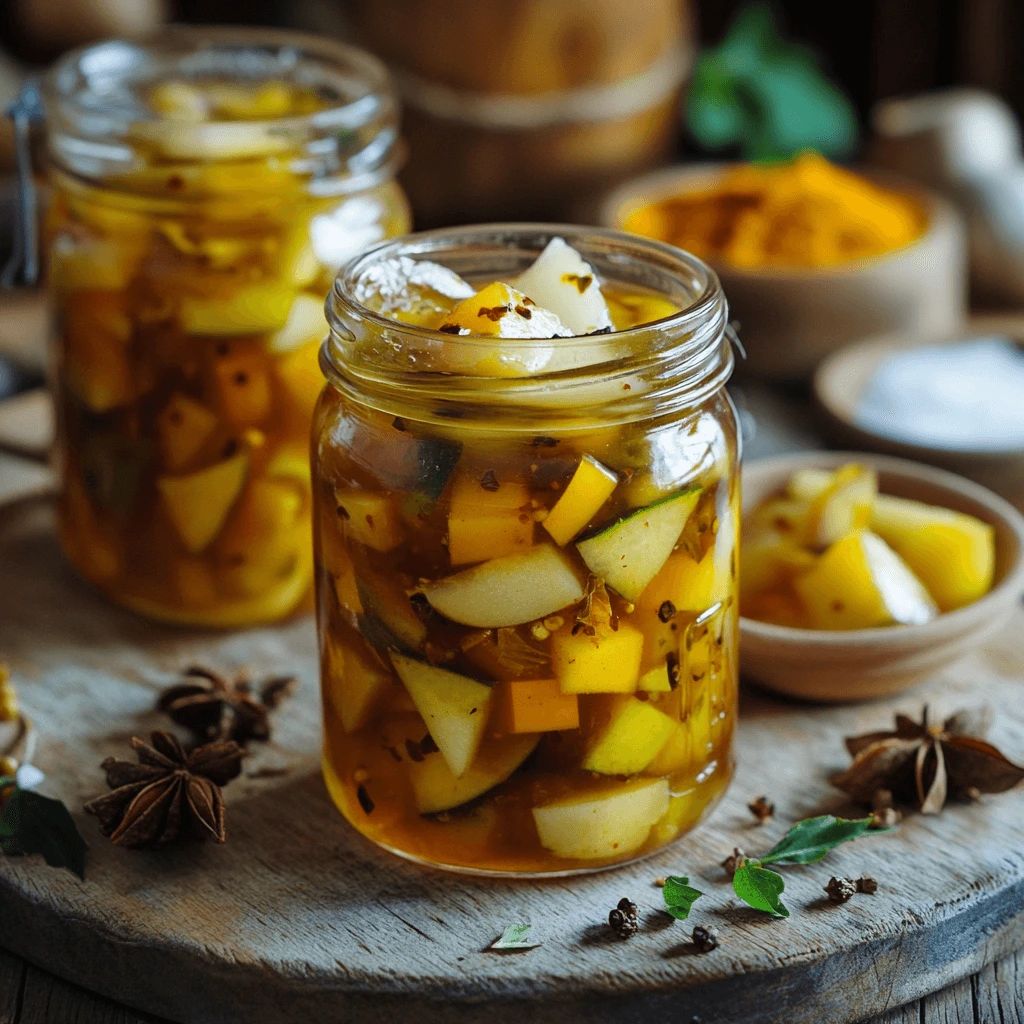
Ever wondered what makes Chow-Chow such a beloved condiment across the globe? Whether it’s the tangy Indian version or the sweeter Southern U.S. twist, this versatile dish adds a burst of flavor to any meal. In this article, we’ll dive deep into what Chow-Chow is made of, explore its rich history, and uncover the secrets behind its preparation. From its humble beginnings to its modern-day variations, you’ll discover why this pickled delight has stood the test of time. So, let’s get started and unravel the magic behind Chow-Chow!
Exploring the Condiment
A Journey Through History
Chow-Chow isn’t just a condiment—it’s a story of cultures and traditions. Originating in Indian cuisine, this tangy pickle has traveled far and wide, adapting to local tastes along the way. In India, it’s known as a spicy accompaniment to meals, while in the Southern United States, it’s a sweeter, milder version often served with barbecue or beans. Interestingly, the name itself is believed to have roots in the Chinese word for “mixed,” reflecting its diverse ingredients and flavors.
Over time, it has become a staple in many households, thanks to its ability to preserve vegetables and add a punch of flavor to otherwise simple dishes. Whether you’re enjoying it with rice, curries, or sandwiches, it brings a unique twist to every bite.
Versatility in the Kitchen
So, what exactly do people do with this condiment? Well, it’s as versatile as it is delicious! In Indian cuisine, it’s often served as a side dish or accompaniment, pairing perfectly with flatbreads, rice, or even snacks like samosas. On the other hand, in the Southern U.S., it’s commonly used to enhance the flavors of grilled meats, hot dogs, or even baked beans.
What makes it so special is its ability to balance flavors—whether it’s the tanginess of vinegar, the heat of spices, or the sweetness of vegetables. It’s not just a condiment; it’s a flavor enhancer that can elevate any meal. Plus, its long shelf life makes it a convenient addition to your pantry.
Breaking Down the Ingredients
The Building Blocks
At its core, this condiment is a delightful mix of vegetables, spices, and preserving liquids. But what exactly goes into this flavorful concoction? Let’s break it down:
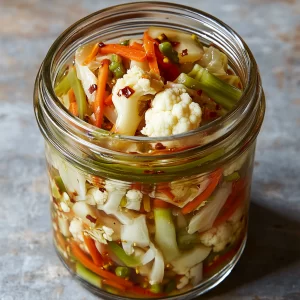
- Vegetables: The backbone of the dish is its fresh, crunchy vegetables. Common choices include cabbage, carrots, cauliflower, and green beans. These not only add texture but also absorb the flavors of the spices and vinegar beautifully.
- Spices: The magic lies in the spices! Mustard seeds, turmeric, chili powder, and fenugreek are often used to give it its signature kick. Each spice plays a role—turmeric adds color, mustard seeds bring a slight bitterness, and chili powder delivers the heat.
- Vinegar or Brine: To preserve the vegetables and enhance the tanginess, vinegar or a saltwater brine is used. This not only extends the shelf life but also balances the flavors.
- Optional Add-ons: Some recipes include ginger, garlic, or onions for an extra layer of flavor. These ingredients add depth and complexity to the final product.
Regional Twists on Ingredients
While the basic ingredients remain the same, the dish takes on different forms depending on where it’s made. In India, the focus is on bold, spicy flavors, with generous amounts of chili powder and mustard seeds. On the other hand, the Southern U.S. version tends to be milder and sweeter, often incorporating ingredients like bell peppers and sugar to balance the tanginess.
Interestingly, some variations even include fruits like green tomatoes or apples, adding a unique twist to the traditional recipe. These regional differences make it a truly global dish, with each version offering something special.
The Art of Preparation
Step-by-Step Guide
Making this condiment might seem daunting at first, but it’s actually a straightforward process once you get the hang of it. Here’s a detailed guide to help you create this flavorful dish at home:
- Vegetable Preparation:
Start by washing and chopping your vegetables into bite-sized pieces. Cabbage, carrots, cauliflower, and green beans are popular choices, but feel free to get creative. The key is to ensure the pieces are uniform so they pickle evenly. - Brine or Vinegar Solution:
Next, prepare the preserving liquid. For a tangy flavor, mix vinegar with water, salt, and sugar. If you prefer a milder taste, a simple saltwater brine will do the trick. Bring the mixture to a boil, then let it cool slightly. - Spice Mix:
While the brine cools, toast your spices. Mustard seeds, turmeric, chili powder, and fenugreek are essential for that authentic flavor. Toasting the spices enhances their aroma and depth. - Cooking Process:
Combine the vegetables and spices in a large pot, then pour the brine or vinegar solution over them. Simmer the mixture on low heat until the vegetables are tender but still crisp. This step allows the flavors to meld together beautifully. - Storage:
Once cooked, transfer the mixture into sterilized jars. Seal the jars tightly and store them in a cool, dark place. Properly stored, it can last for months, making it a convenient addition to your pantry.
Tips for Success
- Use Fresh Vegetables: The quality of your dish depends on the freshness of the ingredients. Opt for seasonal vegetables for the best results.
- Balance the Flavors: Don’t be afraid to tweak the spice levels or sweetness to suit your taste. It’s all about personal preference.
- Sterilize Jars Properly: To ensure your condiment stays fresh, always sterilize the jars before use. This prevents contamination and extends shelf life.
Exploring Variations
The Indian Version
When it comes to the Indian version, think bold, spicy, and tangy. This variation is a staple in many Indian households, often served as a side dish with meals. The vegetables are typically pickled in a mixture of mustard oil, vinegar, and a blend of spices like turmeric, chili powder, and asafoetida. The result is a fiery condiment that pairs perfectly with flatbreads, rice, or even snacks like samosas.
What sets it apart is its intense flavor profile. The use of mustard oil adds a pungent kick, while the spices create a complex, layered taste. It’s not just a condiment—it’s an experience!
The Southern U.S. Version
In the Southern United States, the dish takes on a sweeter, milder persona. This version often includes green tomatoes, bell peppers, and cabbage, pickled in a vinegar and sugar brine. The result is a tangy yet sweet relish that’s perfect for barbecue, hot dogs, or baked beans.
What makes it unique is its versatility. It’s not just a condiment; it’s a flavor enhancer that can elevate any dish. Whether you’re serving it at a summer cookout or a cozy family dinner, it’s sure to be a hit.
Global Inspirations
While the Indian and Southern U.S. versions are the most well-known, this dish has inspired similar creations around the world. For example:
- Kimchi: A Korean fermented vegetable dish that shares similarities in terms of preparation and flavor.
- Giardiniera: An Italian pickled vegetable mix often used as a condiment or antipasto.
- Achar: A South Asian pickle that uses a mix of vegetables and spices.
These variations highlight the universal appeal of pickled vegetables and the endless possibilities for creativity.
Health Benefits
Nutritional Value
This condiment isn’t just delicious—it’s also packed with nutrients! The vegetables used in its preparation are rich in vitamins, minerals, and fiber, making it a healthy addition to your diet. For instance, cabbage is a great source of vitamin C and K, while carrots provide beta-carotene, which is essential for eye health.
Moreover, the fermentation process enhances its nutritional profile. Fermented foods are known to promote gut health by introducing beneficial bacteria into your digestive system. So, every bite is not just tasty but also good for you!
Benefits of Key Ingredients
Let’s take a closer look at how the key ingredients contribute to your well-being:
- Turmeric: This vibrant spice is renowned for its anti-inflammatory and antioxidant properties. It can help reduce inflammation and boost immunity.
- Vinegar: Known for its digestive benefits, vinegar aids in breaking down food and improving gut health. It also helps regulate blood sugar levels.
- Vegetables: The mix of vegetables provides a range of nutrients, from fiber that aids digestion to antioxidants that protect against chronic diseases.
By incorporating this condiment into your meals, you’re not just adding flavor—you’re also boosting your overall health.
Frequently Asked Questions
Common Queries Answered
Curious about this condiment? Here are answers to some of the most common questions:
- What is it made of?
It’s primarily made of chopped vegetables like cabbage, carrots, and cauliflower, preserved in a vinegar or brine solution and flavored with spices such as mustard seeds, turmeric, and chili powder. - Is it spicy?
The spiciness depends on the recipe. The Indian version tends to be quite spicy, while the Southern U.S. version is milder and sweeter. - How long does it last?
When stored properly in sterilized jars and kept in a cool, dark place, it can last for several months. - Can I make it at home?
Absolutely! Making it at home is simple and allows you to customize the ingredients and flavors. - What dishes pair well with it?
It pairs well with rice, curries, flatbreads, grilled meats, hot dogs, and even sandwiches.