
What is Cobbler Topping Made Of? A Comprehensive Guide
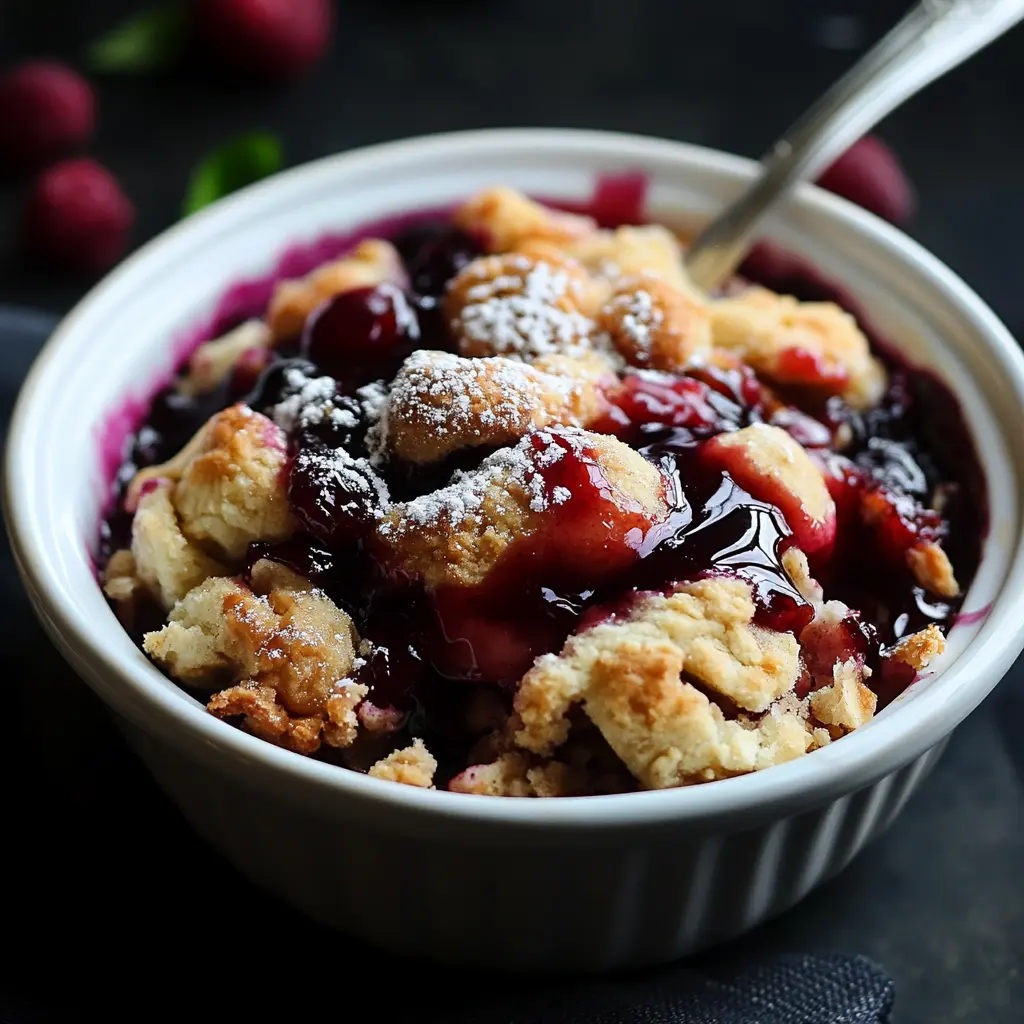
When it comes to comfort desserts, few things hit the spot like a warm, fruity cobbler. But what truly sets this dessert apart is its cobbler topping—a golden, crumbly, or cake-like layer that crowns the sweet or savory filling beneath. Whether you’re a baking enthusiast or a curious foodie, understanding what goes into this iconic topping can elevate your dessert game.
In this article, we’ll dive deep into the world of cobbler topping, exploring its ingredients, variations, and how to make it perfectly every time. From classic recipes to creative twists, you’ll discover everything you need to know about this beloved dessert component. So, grab your apron, and let’s get started!
Introduction to Cobbler Topping
1.1 What is Cobbler?
Ah, cobbler—the dessert that feels like a warm hug on a chilly evening. Originating as a humble, rustic dish, cobbler has roots in both American and British cuisines. In the Southern United States, it’s a staple at family gatherings, often made with fresh peaches or berries. Across the pond, the British version leans more toward savory fillings, like meat and vegetables.
No matter the variation, one thing remains constant: the cobbler topping. It’s the star of the show, transforming a simple fruit or savory mixture into a mouthwatering masterpiece.
1.2 What is Cobbler Topping?
So, what exactly is cobbler topping? At its core, it’s a mixture of flour, sugar, butter, and a leavening agent, combined to create a dough or batter that’s spooned or spread over a filling. Once baked, it forms a golden, slightly crisp layer that contrasts beautifully with the soft, juicy filling beneath.
Unlike pie crusts, which are rolled out, or crumble toppings, which are more granular, cobbler toppingstrikes a perfect balance between doughy and crumbly. It’s versatile, forgiving, and endlessly customizable—making it a favorite among home bakers.
1.3 Why is Cobbler Topping Important?
You might wonder, “Why all the fuss about the topping?” Well, the cobbler topping isn’t just a decorative element; it’s the heart and soul of the dessert. It adds texture, flavor, and visual appeal, turning a simple fruit mixture into a complete dessert.
Moreover, the topping is what distinguishes cobbler from its cousins—crisps, crumbles, and pies. While crisps and crumbles rely on oat-based toppings, and pies use a flaky crust, cobbler topping offers a unique, biscuit-like or cake-like experience. It’s this versatility that makes cobbler a crowd-pleaser, whether you’re serving it at a summer barbecue or a cozy winter dinner.
In the meantime, why not check out some delicious cobbler recipes from King Arthur Baking? They’ve got a treasure trove of inspiration for your next baking adventure!
Ingredients in Cobbler Topping
If you’ve ever wondered what makes cobbler topping so irresistibly delicious, the secret lies in its ingredients. Each component plays a crucial role in creating that perfect balance of texture and flavor. Whether you’re a fan of the classic biscuit-style topping or prefer a crumbly, streusel-like finish, understanding the basics will help you master this dessert. Let’s break it down!
2.1 Basic Ingredients in Cobbler Topping
Flour: The Foundation
At the heart of every cobbler topping is flour. It’s the backbone that gives the topping structure and stability. Most recipes call for all-purpose flour, which strikes a nice balance between tenderness and sturdiness. However, if you’re feeling adventurous, you can experiment with self-rising flour—it already contains baking powder and salt, which can simplify the process.
For those with dietary restrictions, gluten-free flour blends work just as well. Just make sure to choose a blend that mimics the texture of all-purpose flour for the best results.
Sugar: Sweetness and Texture
Next up is sugar, which not only sweetens the topping but also contributes to its texture. Granulated sugar is the most common choice, but brown sugar adds a deeper, caramel-like flavor and a slightly chewier texture. If you’re looking for a healthier alternative, consider using coconut sugar or maple syrup, though these may alter the texture slightly.
Butter: The Secret to Richness
Ah, butter—the ingredient that makes everything better! Cold butter is key to achieving a flaky, crumbly texture. When mixed into the dry ingredients, it creates little pockets of fat that melt during baking, resulting in a tender, golden topping. If you’re out of butter, coconut oil or margarine can be used as substitutes, though the flavor profile will change.
Leavening Agents: For a Light and Airy Topping
To give your cobbler topping a bit of lift, you’ll need a leavening agent like baking powder or baking soda. These ingredients react with the wet components to create air bubbles, making the topping light and airy. Just be sure to check the expiration date on your leavening agents—old ones can lead to a flat, dense topping.
Milk or Buttermilk: Adding Moisture
Finally, milk or buttermilk brings everything together. These liquids add moisture, helping to bind the dry ingredients into a dough or batter. Buttermilk is particularly popular because its acidity reacts with the leavening agents, resulting in a fluffier texture. If you don’t have buttermilk on hand, you can make a quick substitute by adding a tablespoon of lemon juice or vinegar to regular milk.
2.2 Optional Ingredients for Flavor and Texture
While the basic ingredients are all you need for a classic cobbler topping, adding a few extras can take it to the next level. Here are some popular options:
Spices: A Warm, Aromatic Touch
Spices like cinnamon, nutmeg, and vanilla extract can add warmth and depth to your topping. A pinch of cinnamon, for example, pairs beautifully with apple or peach fillings, while nutmeg adds a cozy, holiday-like flavor.
Nuts: For a Crunchy Twist
If you love a bit of crunch, consider adding chopped pecans, almonds, or walnuts to your topping. Not only do they add texture, but they also bring a nutty richness that complements the sweetness of the filling.
Oats: A Heartier Option
For a more rustic, crumble-like topping, try incorporating rolled oats. They add a chewy texture and make the topping feel more substantial. This variation is especially popular in berry cobblers.
Citrus Zest: A Fresh, Zesty Kick
A little lemon or orange zest can brighten up your topping, adding a refreshing contrast to rich, sweet fillings. Just be sure to use organic citrus fruits to avoid any pesticides.
2.3 Variations of Cobbler Topping
One of the best things about cobbler topping is its versatility. Depending on your preferences and the type of filling you’re using, you can tweak the recipe to create different textures and flavors.
Sweet vs. Savory Toppings
While sweet cobblers are the most common, savory versions are gaining popularity. For a savory twist, reduce the sugar and add herbs like thyme or rosemary, along with a sprinkle of cheese. This works wonderfully with vegetable-based fillings like tomatoes or corn.
Regional Variations
Different regions have their own takes on cobbler topping. In the Southern U.S., for example, the topping is often biscuit-like—soft, fluffy, and slightly doughy. In contrast, British cobblers tend to have a more cake-like topping, with a lighter, spongier texture.
If you’re curious about the science behind baking, check out this insightful article from Serious Eats on the chemistry of cobbler toppings. It’s a fascinating read for anyone who loves to geek out about food!
Now that we’ve covered the ingredients, it’s time to roll up our sleeves and dive into the process of making cobbler topping. Whether you’re a seasoned baker or a beginner, this step-by-step guide will walk you through everything you need to know to create a topping that’s golden, crumbly, and utterly delicious. Let’s get started!
3.1 Step-by-Step Guide to Making Cobbler Topping
Step 1: Gather Your Ingredients
Before you begin, make sure you have all your ingredients measured and ready to go. This includes:
- 1 ½ cups of all-purpose flour
- ½ cup of granulated sugar (or brown sugar for a deeper flavor)
- 1 ½ teaspoons of baking powder
- ¼ teaspoon of salt
- ½ cup of cold butter (cut into small cubes)
- ½ cup of milk or buttermilk
Step 2: Mix the Dry Ingredients
In a large mixing bowl, whisk together the flour, sugar, baking powder, and salt. This ensures that the leavening agents are evenly distributed, which is key to a consistent texture.
Step 3: Incorporate the Butter
Add the cold, cubed butter to the dry ingredients. Using a pastry cutter, fork, or your fingertips, work the butter into the flour mixture until it resembles coarse crumbs. The goal is to have pea-sized pieces of butter throughout—this is what creates that flaky, tender texture when baked.
Pro Tip: If the butter starts to soften too much, pop the mixture into the fridge for 10 minutes to chill. Cold butter is your best friend here!
Step 4: Add the Wet Ingredients
Pour in the milk or buttermilk and gently stir until the dough just comes together. Be careful not to overmix—this can lead to a tough topping. The dough should be slightly sticky but manageable.
Step 5: Assemble and Bake
Spoon the dough over your prepared fruit or savory filling, spreading it evenly but leaving some gaps for the filling to peek through. Bake according to your recipe’s instructions, usually at 375°F (190°C) for 30-40 minutes, or until the topping is golden brown and the filling is bubbly.
3.2 Tips for Perfect Cobbler Topping
Use Cold Ingredients
Cold butter and milk are essential for achieving a flaky texture. If the butter melts before baking, the topping will lose its crumbly structure.
Don’t Overmix the Dough
Overmixing can develop the gluten in the flour, resulting in a dense, tough topping. Mix just until the ingredients are combined, and don’t worry if the dough looks a bit shaggy—it’s supposed to!
Adjust Sweetness and Spices
Taste your filling before adding the topping. If the fruit is very sweet, you might want to reduce the sugar in the topping slightly. Conversely, if the filling is tart, a sweeter topping can balance it out.
Experiment with Textures
If you prefer a crispier topping, sprinkle a little extra sugar on top before baking. For a softer, cake-like texture, spread the dough more evenly over the filling.
3.3 Common Mistakes to Avoid
Using Warm Butter
Warm butter will blend too thoroughly into the flour, resulting in a dense, greasy topping. Always use cold butter straight from the fridge.
Overbaking or Underbaking
Overbaking can dry out the topping, while underbaking leaves it doughy and undercooked. Keep an eye on the oven, and look for a golden-brown color and bubbly filling as indicators that it’s done.
Skipping the Salt
Salt enhances the flavors of the other ingredients, so don’t leave it out! Even a small amount can make a big difference.
For more baking tips and tricks, head over to Food Network. They’ve got a wealth of resources to help you perfect your cobbler game!
Types of Cobbler Toppings
One of the most exciting things about cobbler is its versatility. Depending on your mood, the season, or the filling you’re using, you can choose from a variety of topping styles. Each type of cobbler toppingbrings its own unique texture and flavor, making this dessert endlessly adaptable. Let’s explore the most popular types and how to use them.
4.1 Biscuit-Style Topping
What Makes It Unique?
The biscuit-style topping is a classic, especially in Southern-style cobblers. It’s soft, fluffy, and slightly doughy, with a texture similar to a buttermilk biscuit. This type of topping is perfect for soaking up the juices from fruit fillings, creating a delightful contrast between the tender topping and the saucy filling.
Best Pairings
- Peach cobbler: The sweetness of peaches pairs beautifully with the buttery, slightly savory biscuit topping.
- Mixed berry cobbler: The tartness of berries balances the richness of the topping.
How to Make It
To achieve the perfect biscuit-style topping, follow the basic recipe in Part 3, but handle the dough as little as possible. Drop spoonfuls of the dough over the filling, leaving space between each one to allow for expansion.
4.2 Crumble-Style Topping
What Makes It Unique?
If you love a bit of crunch, the crumble-style topping is for you. It’s buttery, crumbly, and slightly crisp, with a texture similar to streusel. This topping is ideal for those who enjoy a contrast between the soft filling and the crunchy topping.
Best Pairings
- Apple cobbler: The crisp topping complements the tender apples perfectly.
- Cherry cobbler: The tartness of cherries pairs well with the sweet, buttery crumbs.
How to Make It
To make a crumble-style topping, increase the amount of butter slightly and mix it into the dry ingredients until the mixture resembles coarse crumbs. Sprinkle it evenly over the filling, and bake as usual.
4.3 Cake-Style Topping
What Makes It Unique?
The cake-style topping is light, spongy, and slightly sweet, with a texture similar to a vanilla cake. It’s a great option for those who prefer a softer, more uniform topping. This style is particularly popular in peach cobblers, where the cake-like topping soaks up the fruit juices, creating a moist, flavorful dessert.
Best Pairings
- Peach cobbler: The cake-like topping absorbs the peach juices, creating a moist, flavorful dessert.
- Blueberry cobbler: The sweetness of the topping balances the tartness of the blueberries.
How to Make It
To make a cake-style topping, add an egg to the basic recipe and increase the amount of milk slightly to create a batter-like consistency. Pour the batter over the filling and spread it evenly.
4.4 Savory Cobbler Toppings
What Makes It Unique?
While sweet cobblers are more common, savory versions are gaining popularity. A savory cobbler topping typically includes herbs, cheese, and less sugar, creating a rich, flavorful crust that pairs beautifully with vegetable or meat fillings.
Best Pairings
- Tomato and herb cobbler: The savory topping complements the tangy tomatoes and fresh herbs.
- Chicken and vegetable cobbler: The cheesy, herbed topping adds depth to the hearty filling.
How to Make It
To make a savory topping, reduce the sugar in the basic recipe and add grated cheese (like cheddar or Parmesan) and herbs (like thyme or rosemary). Mix as usual and spoon over the filling.
For more inspiration on pairing toppings and fillings, check out this collection of cobbler recipes from King Arthur Baking. They’ve got something for every taste and occasion!
Part 5: Pairing Cobbler Topping with Fillings
The magic of cobbler lies in the harmony between the topping and the filling. Whether you’re using fresh summer fruits, frozen berries, or even savory ingredients, choosing the right combination can elevate your dessert (or main dish) to new heights. In this section, we’ll explore how to pair cobbler toppings with various fillings to create a balanced, delicious result.
5.1 Fruit Fillings
Classic Pairings
Fruit fillings are the most traditional choice for cobblers, and they pair beautifully with all types of toppings. Here are some classic combinations:
- Peach Cobbler: A biscuit-style topping is a classic choice for peach cobbler. The soft, doughy texture soaks up the sweet peach juices, creating a comforting, homey dessert. For a twist, try a cake-style topping for a lighter, spongier finish.
- Berry Cobbler: Mixed berries (like strawberries, blueberries, and raspberries) work wonderfully with a crumble-style topping. The buttery, crunchy crumbs contrast beautifully with the tart, juicy berries.
- Apple Cobbler: Apples pair well with a biscuit-style or crumble-style topping. Add a pinch of cinnamon to the topping for a warm, spiced flavor that complements the apples perfectly.
Tips for Perfect Fruit Fillings
- Balance Sweetness and Tartness: Taste your fruit before assembling the cobbler. If the fruit is very sweet, reduce the sugar in the filling slightly. If it’s tart, add a bit more sugar or a splash of lemon juice to balance the flavors.
- Thicken the Filling: To prevent a runny cobbler, toss the fruit with a tablespoon of cornstarch or flour before adding the topping. This helps thicken the juices as the cobbler bakes.
5.2 Savory Fillings
Creative Pairings
Savory cobblers are a fantastic way to enjoy this dish as a main course. Here are some delicious combinations:
- Tomato and Herb Cobbler: A savory biscuit-style topping with grated Parmesan and fresh thyme pairs beautifully with a tangy tomato filling. This dish is perfect for summer when tomatoes are at their peak.
- Chicken and Vegetable Cobbler: A hearty filling of chicken, carrots, peas, and onions works wonderfully with a cheesy, herbed topping. Think cheddar cheese and rosemary for a rich, flavorful crust.
- Corn and Cheese Cobbler: Sweet corn and sharp cheddar cheese make a delightful filling for a savory cake-style topping. Add a pinch of chili powder for a subtle kick.
Tips for Perfect Savory Fillings
- Season Generously: Don’t be shy with herbs, spices, and seasonings. Savory cobblers rely on bold flavors to shine.
- Use a Rich Sauce: A creamy sauce (like a béchamel or cheese sauce) can help bind the filling and add richness.
5.3 Seasonal Variations
Summer Cobblers
Summer is the perfect time to make cobblers with fresh, in-season fruits like peaches, berries, and cherries. Pair them with a light, fluffy biscuit-style topping or a crisp crumble-style topping for a refreshing dessert.
Fall and Winter Cobblers
In cooler months, opt for heartier fillings like apples, pears, or even pumpkin. A cake-style topping with warm spices like cinnamon, nutmeg, and ginger can make your cobbler feel cozy and festive.
5.4 Using Frozen or Canned Fruit
Frozen Fruit
Frozen fruit is a convenient option for cobblers year-round. Just be sure to thaw and drain the fruit before using it to avoid excess liquid. You may also need to adjust the baking time slightly, as frozen fruit can make the filling take longer to bubble.
Canned Fruit
Canned fruit (like peaches or cherries) can also be used in a pinch. Be sure to drain the syrup and adjust the sugar in the filling, as canned fruit is often packed in sweet syrup.
For more ideas on pairing toppings and fillings, check out this guide from Serious Eats. They’ve got expert tips to help you create the perfect cobbler every time.
FAQs About Cobbler Topping
Even the most experienced bakers have questions when it comes to perfecting cobbler topping. Whether you’re wondering about substitutions, storage, or troubleshooting common issues, we’ve got the answers. In this section, we’ll tackle some of the most frequently asked questions about cobbler topping, based on the “People Also Ask” section for this keyword. Let’s dive in!
6.1 What is the difference between cobbler, crisp, and crumble?
Cobbler
- Cobbler features a biscuit-like, cake-like, or crumbly topping that’s dropped or spread over a fruit or savory filling. The topping is typically made with flour, sugar, butter, and a leavening agent.
Crisp
- A crisp has a topping made primarily with oats, flour, sugar, and butter, resulting in a crunchy, granola-like texture. It’s often used with fruit fillings.
Crumble
- A crumble is similar to a crisp but usually doesn’t include oats. The topping is made with flour, sugar, and butter, creating a crumbly, streusel-like texture.
In short, the main difference lies in the texture and ingredients of the topping.
6.2 Can I make cobbler topping gluten-free?
Absolutely! To make a gluten-free cobbler topping, simply substitute the all-purpose flour with a gluten-free flour blend. Look for a blend that includes xanthan gum, which helps mimic the texture of regular flour. You can also use almond flour or oat flour for a nuttier flavor.
Pro Tip: If using oat flour, ensure it’s certified gluten-free, as oats can sometimes be cross-contaminated with gluten.
6.3 How do I store leftover cobbler topping?
If you have leftover cobbler topping (either unbaked or baked), here’s how to store it:
Unbaked Topping
- Place the dough in an airtight container and refrigerate for up to 2 days. You can also freeze it for up to 3 months. When ready to use, thaw in the fridge and bake as usual.
Baked Topping
- Store baked cobbler (topping and filling) in an airtight container in the fridge for up to 3 days. Reheat in the oven at 350°F (175°C) for 10-15 minutes to restore the crispiness.
6.4 Can I use frozen fruit for cobbler?
Yes, frozen fruit works great for cobblers! Just follow these tips:
- Thaw and drain the fruit to remove excess liquid.
- Toss the fruit with a thickening agent like cornstarch or flour to prevent a runny filling.
- Adjust the baking time, as frozen fruit may take longer to bubble and thicken.
6.5 What can I substitute for butter in cobbler topping?
If you’re out of butter or looking for a healthier option, here are some substitutes:
- Coconut Oil: Use solid, cold coconut oil for a similar texture.
- Margarine: Choose a high-quality margarine with a high fat content.
- Vegetable Shortening: This works well but may alter the flavor slightly.
Note: Avoid using liquid oils, as they won’t create the same crumbly texture.
6.6 Why is my cobbler topping dry or crumbly?
A dry or crumbly topping is often the result of too much flour or not enough liquid. To fix this:
- Add a splash of milk or buttermilk to the dough until it reaches the right consistency.
- Be careful not to overmix, as this can also dry out the topping.
6.7 Can I make cobbler topping ahead of time?
Yes! You can prepare the topping up to 2 days in advance and store it in the fridge. Alternatively, freeze the unbaked topping for up to 3 months. When ready to use, thaw in the fridge and bake as usual.
6.8 How do I prevent a soggy cobbler topping?
To avoid a soggy topping:
- Ensure your filling isn’t too watery. Use a thickening agent like cornstarch or flour.
- Bake the cobbler on the middle rack of the oven to ensure even heat distribution.
- Don’t overmix the topping, as this can make it dense and less likely to crisp up.
For more expert baking tips, check out this resource from Food Network. They’ve got a wealth of information to help you master the art of cobbler-making.
Conclusion – Mastering Cobbler Topping
We’ve come a long way in our journey to understand cobbler topping—from its basic ingredients to its various styles, pairings, and troubleshooting tips. Whether you’re a seasoned baker or a beginner, mastering this versatile topping opens up a world of delicious possibilities. Let’s recap what we’ve learned and leave you with some final thoughts to inspire your next baking adventure.
7.1 Recap of Cobbler Topping Basics
- Ingredients Matter: The foundation of a great cobbler topping lies in its ingredients—flour, sugar, butter, and a leavening agent. Each component plays a crucial role in creating the perfect texture and flavor.
- Versatility is Key: From biscuit-style to crumble-style and cake-style, there’s a topping for every preference and occasion. Don’t be afraid to experiment with different styles and flavors.
- Pairing is Everything: The right topping can elevate your filling, whether it’s sweet fruit or a savory mixture. Balance is key—consider the sweetness, tartness, and texture of your filling when choosing a topping.
7.2 Encouragement to Experiment
One of the best things about cobbler topping is its adaptability. Don’t be afraid to get creative! Try adding spices, nuts, or citrus zest to your topping for a unique twist. Or, venture into the world of savory cobblers with cheese, herbs, and hearty fillings. The possibilities are endless, and the results are always rewarding.
7.3 Final Thoughts
Cobbler topping is more than just a dessert component—it’s a canvas for creativity and a gateway to comfort food at its finest. Whether you’re baking for a special occasion or simply treating yourself, a well-made cobbler is sure to bring joy to your table.
So, the next time you’re in the kitchen, remember the tips and techniques we’ve covered. With a little practice and a lot of love, you’ll be whipping up perfect cobbler toppings in no time.
7.4 Your Next Steps
Now that you’re armed with all the knowledge you need, it’s time to put it into action. Pick a recipe, gather your ingredients, and start baking! And if you ever need a refresher, just revisit this guide for all the tips and tricks you need.
For even more inspiration, check out this collection of cobbler recipes from King Arthur Baking. They’ve got everything from classic peach cobbler to creative savory options.
Thank you for joining us on this deep dive into the world of cobbler topping. Happy baking, and may your cobblers always be golden, crumbly, and utterly delicious!