
Introduction and The Concept
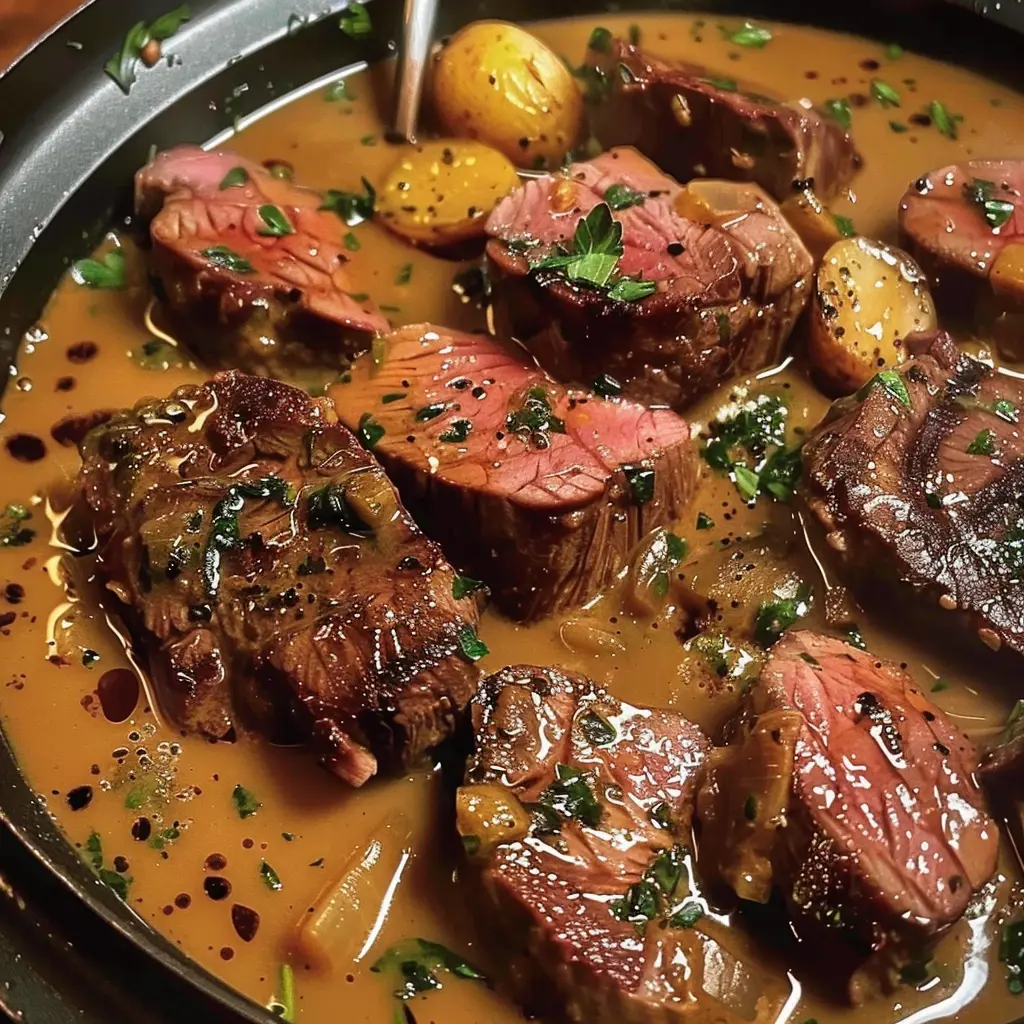
Steak Au Poivre Soup: A Luxurious Twist on a Bistro Classic
Picture this, will you? The unmistakable sizzle of a premium steak hitting a scorching hot pan. Next, the aromatic punch of freshly cracked peppercorns that literally makes your mouth water. Finally, that rich, velvety sauce—oh, that sauce!—made with pan drippings and cream, which is nothing short of liquid gold. Now, imagine all those iconic, decadent flavors transformed into a single, spoonable, deeply comforting experience. Well, stop imagining, because that’s precisely what Steak Au Poivre Soup is all about!
This article is your ultimate guide to mastering this modern culinary masterpiece. Essentially, we’re taking the soul of a classic French bistro and serving it up in a bowl. Consequently, we’ll journey through the fascinating history of the original dish, break down a foolproof, step-by-step recipe, and unveil pro-chef tips for absolute perfection. Moreover, we’ll answer all your burning questions. So, get ready to don your apron; you’re about to create some serious magic in your kitchen.
Deconstructing a Classic: The History of Steak Au Poivre
From Parisian Bistros to Your Soup Bowl: The Story of Steak Au Poivre
Alright, let’s rewind the clock a bit. You simply can’t fully appreciate this incredible gourmet soupwithout understanding the legendary dish that inspired it. After all, Steak Au Poivre isn’t just a meal; it’s a piece of French culinary history packed with enough flavor to tell its own story.
The Origins of a French Icon
So, where did it all begin? Well, the origins are actually a tad spicy and disputed, much like the pepper itself! Some culinary historians insist it was born in the elegant Parisian bistros of the early 20th century, designed for wealthy clients seeking a taste of adventure. Conversely, another popular theory suggests its roots lie in French colonial Africa, where local cooks used native peppercorns to crust the meat. Regardless of its true birthplace, one thing is crystal clear: this dish quickly cemented its status as the ultimate bistro classic. It represents that perfect, beautiful balance of hearty, unpretentious, yet incredibly sophisticated cooking that France is so famous for.
The Core Components of the Original Dish
Now, let’s break down the original superstar. Traditionally, this dish is a masterclass in simplicity and quality, relying on just a few powerhouse elements.
-
The Steak: First up, the foundation. You simply wouldn’t use just any cut of beef. Typically, a premium, tender cut like filet mignon or a boneless strip steak is the star. It’s seared to absolute perfection, creating a gorgeous crust that seals in all those juicy, succulent flavors.
-
The Poivre (Pepper): This is the real headliner, folks! The name literally means “pepper steak,” so you know it’s crucial. We’re not talking about the pre-ground dust that’s been sitting in your cupboard for a year, oh no. Authentic Steak Au Poivre demands high-quality, freshly cracked peppercorns—often a mix of black, green, and sometimes pink—that create an aromatic, pungent crust with a fantastic bite.
-
The Sauce: Ah, the pièce de résistance! This is the direct flavor inspiration for our soup. Once the steak is cooked, the magic begins in the same pan. Chefs use the incredible pan drippings and fond, deglaze with a spirit, and then weave in rich cream, creating a luxurious, complex pan sauce that is, frankly, to die for. This very process is the heart and soul of the transformation into a soup.
Why This Soup Works So Well
Beyond the Plate: The Genius of Translating Steak Au Poivre into a Soup
Alright, so we’ve established the original is a legend. But why on earth would you mess with a good thing? Well, trust me, this isn’t just messing around; it’s a stroke of culinary genius. Transforming this classic French recipe into a hearty stew isn’t just a gimmick—it’s a complete elevation of the entire experience. Let’s dig into the “why.”
Amplifying Comfort and Depth
Think about it: when you eat the plated dish, you get a bit of steak, a bit of pepper, and a glorious spoonful of sauce with each bite. However, with the soup, you’re literally immersing yourself in that sauce. Every single component—the tender beef, the earthy mushrooms, the aromatic vegetables—gets utterly coated in that rich, peppery, umami-packed liquid. Essentially, you’re extending the best part of the meal into an entire bowl of comfort. The flavors have time to meld and marry in the pot, creating a depth of flavor that is, surprisingly, even more profound and complex than the original. It’s a longer, slower, more satisfying hug from your dinner.
Practical Elegance for Home Cooks
Let’s be brutally honest for a second: cooking a perfect steak to everyone’s preferred doneness can be seriously stressful, especially when you’re entertaining. Did you get the sear right? Is it too rare? Too well-done? The pressure is real! Conversely, building a soup is a far more forgiving and accessible process for the home cook. You layer flavors, taste as you go, and adjust. There’s no last-minute panic. Furthermore, this soup is a fantastic make-ahead meal. In fact, it often tastes even better the next day after the flavors have fully mingled. This makes it an absolute superstar for entertaining a crowd or simply ensuring a spectacular family dinner is ready with minimal fuss. You get all the sophistication of a gourmet dinner with the relaxed vibe of a comforting stew. It’s a win-win.
The Ultimate Steak Au Poivre Soup Recipe
Your Culinary Canvas: Crafting the Perfect Steak Au Poivre Soup
Alright, enough talk—let’s get to the good part! This is where we roll up our sleeves and create some magic. This recipe is designed to be foolproof, guiding you through each step to ensure a spectacular result. So, grab your favorite pot, and let’s begin our step-by-step recipe for the ultimate comfort food.
Gathering Your Ingredients: A Symphony of Flavor
First things first, you can’t build a masterpiece without quality materials. Here’s what you’ll need for this flavor symphony:
-
The Aromatics: One medium yellow onion (diced), two to three garlic cloves (minced), and one large shallot (finely chopped). These form the sweet, savory base.
-
The Peppercorns: This is the star! Do not use pre-ground pepper. You’ll need about 2 tablespoons of whole peppercorns. A mix is fantastic: primarily black (like Tellicherry for their fruity depth), with a few green and pink peppercorns for complexity.
-
The Beef: For the soup base, more economical yet flavorful cuts like sirloin or ribeye work beautifully, cut into small cubes. For a luxurious garnish, seared filet mignon medallions on top are divine.
-
The Liquids: Four cups of a high-quality, low-sodium beef stock and one cup of heavy cream. You’ll also need a quarter cup of brandy for deglazing (see FAQs for substitutes).
-
The Finishers: One tablespoon of Dijon mustard, a few sprigs of fresh thyme, a dash of Worcestershire sauce, and two tablespoons of butter for finishing richness.
-
The Vegetables: Eight ounces of cremini or baby bella mushrooms, sliced, add a wonderful earthy depth that complements the pepper perfectly.
Essential Equipment
You won’t need anything too fancy, but a few key items are crucial:
-
A heavy-bottomed Dutch oven or large soup pot for even heating.
-
A good meat thermometer to nail the steak’s doneness.
-
A pepper grinder or a mortar and pestle for cracking the peppercorns.
-
A sharp chef’s knife for prepping.
The Step-by-Step Method
Step 1: Preparing the Pepper Base
First, toast your mixed peppercorns in a dry skillet over medium heat for about a minute until incredibly fragrant. Then, transfer them to your grinder or mortar. You don’t want a fine powder; instead, you’re aiming for a coarse, rugged crack. This step is non-negotiable—it wakes up the peppercorns’ volatile oils, which is where all that amazing flavor lives!
Step 2: Searing the Steak
Pat your beef cubes completely dry with a paper towel; this is the secret to a perfect crust. Season them generously with salt. Next, heat a tablespoon of oil in your Dutch oven over medium-high heat until it’s shimmering. Now, work in batches to avoid overcrowding the pot! Sear the cubes on all sides until they develop a gorgeous brown crust. Remember, you’re not cooking them through yet—just building flavor. Remove them to a plate and let them rest.
Step 3: Building the Foundation
Reduce the heat to medium. Ah, look at those glorious pan drippings! That’s pure flavor. Add the butter to the pot, followed by your onions, shallots, and mushrooms. Sauté them until the onions are soft and the mushrooms have released their water and started to brown. Then, add the garlic and your cracked peppercorns, cooking for just another minute until fragrant. Now, pour in the brandy to deglaze the pan, scraping up all those browned bits with a wooden spoon. Let it simmer and reduce for a couple of minutes.
Step 4: Bringing it All Together
Pour in the beef stock and add the thyme sprigs. Bring everything to a boil, then immediately reduce the heat to low, cover, and let it simmer gently for at least 20 minutes. This slow simmering is what allows the flavors to develop and become best friends.
Step 5: The Creamy Finish
Fish out the thyme sprigs. Stir in the heavy cream and the Dijon mustard. Now, here’s a pro tip: do not let it boil after this point! You want to gently warm it through; otherwise, you risk the cream curdling. You’re just looking for steam to rise off the surface.
Step 6: Final Assembly and Garnish
Turn off the heat. Add the cubed steak and any accumulated juices back into the soup. Let it sit for a few minutes—this will warm the steak through to a perfect medium-rare. Finally, season to taste with salt and a dash of Worcestershire sauce.
Recipe Notes: Pro Tips for Success
-
Don’t Skip the Toasting: Toasting the peppercorns is a quick step that makes a world of difference in amplifying their aroma and flavor.
-
Control the Heat: When adding the cream, patience is key. Keep the heat low and gentle to maintain that velvety texture.
-
Seasoning Timeline: Be cautious with salt until the very end. The stock reduces, and the Worcestershire sauce adds saltiness, so final seasoning at the end prevents an overly salty soup.
-
Resting is Key: Letting the soup sit for 10-15 minutes off the heat before serving isn’t just about cooling down; it allows the flavors to fully marry and intensify.
Customizations, Variations, and Dietary Considerations
Make It Your Own: Variations on Steak Au Poivre Soup
Honestly, the best part about cooking at home is making a recipe work for you. While the classic version is divine, sometimes you need to mix things up based on what’s in your fridge or who’s at your table. Fortunately, this soup is incredibly adaptable. Here are some fantastic twists to keep things interesting.
Alternative Proteins
Not in the mood for beef? No problem! The peppercorn cream base is so flavorful it pairs wonderfully with other proteins.
-
Chicken Au Poivre Soup: This is a brilliant and slightly lighter alternative. Simply swap the beef for boneless, skinless chicken thighs (they’ll stay juicier than breasts) and use a rich chicken stock instead of beef. The method remains exactly the same—sear the chicken, then build your soup. The result is equally comforting with a different, but still delicious, character.
-
Mushroom Au Poivre Soup: For a spectacular vegetarian alternative, you can skip the meat altogether. Use a variety of wild mushrooms like cremini, shiitake, and oyster for maximum depth. A robust vegetable stock and a splash of soy sauce or tamari will boost the umami factor to compensate for the missing beef. It’s a rich and deeply satisfying bowl on its own.
Flavor Twists
Feel like getting creative? These simple additions can take your soup in exciting new directions.
-
Tomato Paste: For a touch of sweetness and extra depth, add a tablespoon of tomato paste when you’re sautéing the mushrooms and onions. Let it cook for a minute until it darkens slightly before you deglaze the pan.
-
Blue Cheese Garnish: Love a Steak Au Poivre Vert? Crumble a little tangy blue cheese over each bowl right before serving. The sharp, salty cheese against the rich, peppery soup is an absolute match made in heaven.
-
Herbaceous Notes: Stir in a handful of fresh chopped parsley or chives at the very end for a bright, fresh contrast to the deep, creamy base.
Dietary Adjustments
Cooking for specific dietary needs? This soup can easily be adapted without sacrificing an ounce of flavor.
-
Gluten-Free: Good news! This recipe is naturally gluten-free. Just double-check that your store-bought beef stock and Worcestershire sauce are certified gluten-free, as some brands may contain hidden gluten.
-
Lighter/Low-Carb: To cut down on carbs and calories, you can modestly reduce the amount of cream and replace it with unsweetened almond milk or full-fat coconut milk. Be extra careful with heat to prevent curdling. You can also thicken the soup slightly with a xanthan gum slurry instead of a traditional flour roux.
The Final Touches: Serving and Savoring Your Masterpiece
You’ve done the work and your kitchen smells absolutely incredible. Now, let’s talk about how to present and enjoy your creation to its fullest potential. After all, the experience of a great meal involves so much more than just what’s in the bowl—it’s about the entire symphony of flavors and textures.
The Perfect Pairings
What you serve alongside this soup can elevate it from a simple meal to a memorable dining event.
-
Bread: Let’s be real, a crusty, warm baguette is practically mandatory here. You’ll want something sturdy to sop up every last drop of that luxurious broth. Honestly, it’s half the fun! Alternatively, a slice of thick, toasted sourdough would work wonderfully too.
-
Salad: Because the soup is so rich and creamy, a simple, sharp salad provides a perfect counterbalance. A handful of fresh arugula dressed with a very light lemon vinaigrette cuts through the richness beautifully and cleanses the palate between spoonfuls.
-
Non-Alcoholic Pairings: To drink, consider something that can stand up to the bold pepper notes. A tart cherry juice spritzer, a chilled glass of brewed chai tea, or even a sparkling water with a squeeze of lime all offer refreshing contrasts that complement the soup’s depth without overwhelming it.
Storage and Reheating Instructions
This soup makes for fantastic leftovers, as the flavors continue to develop overnight.
-
Storing: First, allow the soup to cool completely to room temperature. Then, transfer it to an airtight container. It will keep happily in the refrigerator for up to 3 days.
-
Freezing: I generally don’t recommend freezing this soup. Unfortunately, dairy-based soups like this one can separate and become grainy when thawed and reheated. If you must freeze it, do so before adding the cream. Then, you can add the fresh cream when you reheat it.
-
Reheating: This is crucial—be gentle! Reheat the soup slowly on the stovetop over low heat, stirring occasionally. Do not microwave it on high power or boil it, as this will cause the cream to curdle. You just want to warm it through until it’s steaming gently.
Steak Au Poivre Soup
Description
Steak Au Poivre Soup 🥩🥣✨
Ingredients (Serves 4–6)
-
1 ½ lbs sirloin or ribeye steak, cut into bite-sized cubes
-
2 tbsp coarsely cracked black peppercorns
-
2 tbsp olive oil (or butter)
-
1 medium onion, finely diced
-
3 garlic cloves, minced
-
2 tbsp brandy or cognac (optional, but traditional)
-
4 cups beef broth
-
1 cup heavy cream
-
1 tbsp Dijon mustard
-
1 tsp Worcestershire sauce
-
Salt, to taste
-
Fresh thyme or parsley, for garnish
Optional sides: toasted baguette slices, Gruyère or Parmesan cheese for topping
Instructions
-
Prepare the steak:
-
Pat steak cubes dry, season lightly with salt.
-
Press cracked black peppercorns into the surface.
-
-
Sear the steak:
-
Heat olive oil/butter in a heavy pot over medium-high heat.
-
Sear steak cubes for 1–2 minutes per side until browned but not fully cooked. Remove and set aside.
-
-
Build the soup base:
-
In the same pot, add onion and garlic, sauté until fragrant.
-
Deglaze with brandy/cognac (if using), scraping browned bits.
-
Stir in beef broth, Dijon mustard, and Worcestershire. Bring to a simmer.
-
-
Finish the soup:
-
Reduce heat, stir in heavy cream.
-
Return seared steak to the pot and simmer gently for 5 minutes (don’t overcook — steak should stay tender and juicy).
-
Taste and adjust seasoning (more cracked pepper if you love it bold).
-
-
Serve:
-
Ladle into bowls, garnish with fresh thyme or parsley.
-
Serve with toasted baguette slices or cheesy crostini for dipping.
-