
A Note on the Article Ahead
Get ready to transform your weeknight dinner routine! This comprehensive guide dives deep into the world of Creamy Sun-Dried Tomato Chicken Pasta, a dish that masterfully balances tangy, savory, and luxurious flavors. We will explore every facet of creating this restaurant-quality meal at home, from selecting the perfect ingredients to mastering foolproof cooking techniques. Furthermore, you’ll discover brilliant customization ideas, essential storage tips, and answers to all your burning questions. Ultimately, this article is your ultimate resource for achieving pasta perfection, one delicious step at a time.
Creamy Sun-Dried Tomato Chicken Pasta: Your New Favorite Weeknight Feast
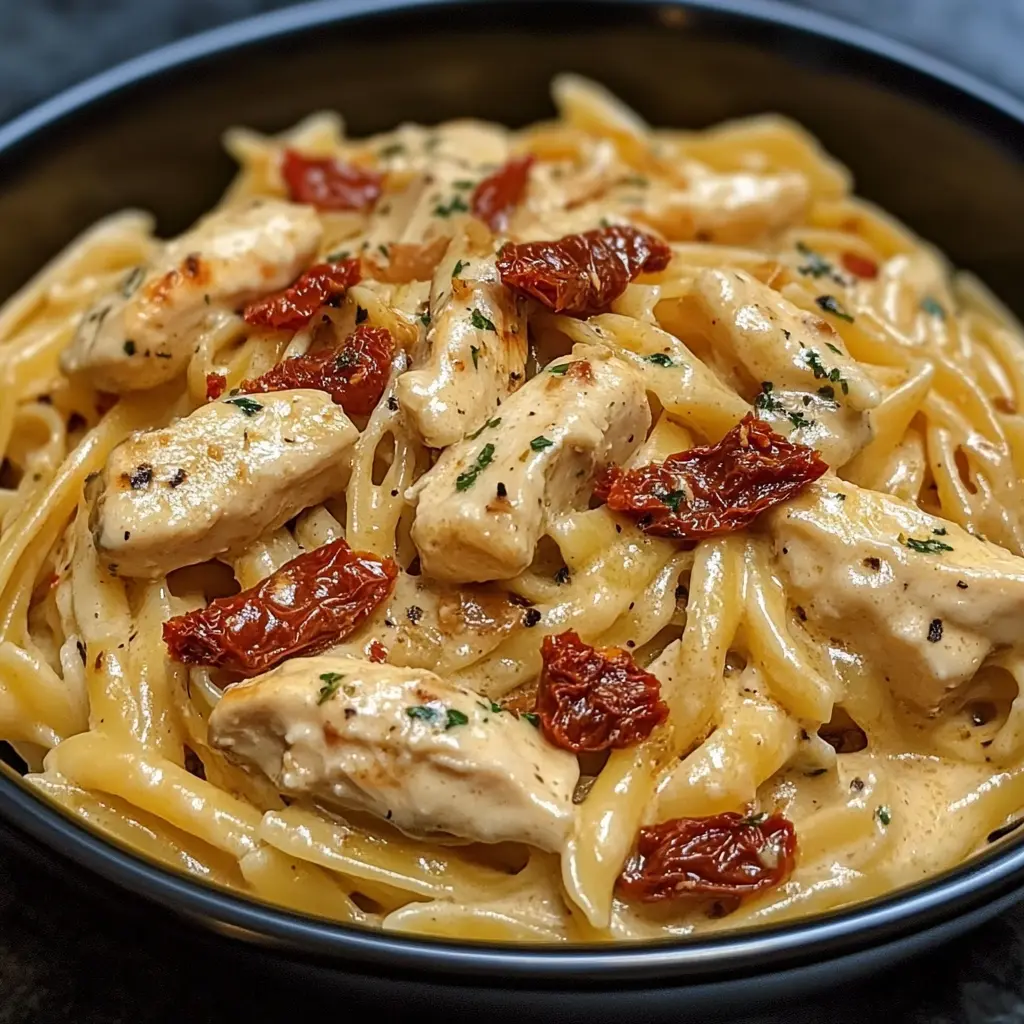
Picture this: al dente pasta swirled in a luxuriously creamy sauce, each strand glistening and coated with the deep, tangy-sweet essence of sun-dried tomatoes. Tender, golden morsels of seasoned chicken nestle between twists of pasta, creating a dish that is, frankly, a hug in a bowl. This isn’t just another recipe; oh no, it’s a fast pass to a comforting, gourmet experience that belies its simple origins. Surprisingly, this seemingly complex restaurant favorite is famously achievable in your own kitchen, often in the time it takes to boil a pot of water.
Why This Recipe is an Instant Classic
So, what’s the secret behind its massive appeal? Well, it all comes down to a spectacular harmony of flavors and textures. Firstly, the intense, almost caramelized tang of the sun-dried tomatoes provides a powerful flavor punch that forms the soul of the dish. Secondly, this intensity is beautifully tempered by the rich, smooth embrace of the creamy sauce, typically made with Parmesan and cream. Meanwhile, the savory, protein-packed chicken adds a hearty substance that makes the meal incredibly satisfying. Consequently, every single forkful delivers a perfect balance—a little bit of tang, a touch of creaminess, and a whole lot of savory goodness. It’s a guaranteed crowd-pleaser that feels indulgent yet is straightforward enough for any busy weeknight. Believe me, this recipe is about to become a superstar in your personal cookbook.
The Symphony of Flavors: Deconstructing the Ingredients
Alright, let’s roll up our sleeves and talk ingredients! After all, using top-notch components is the absolute cornerstone of any phenomenal homemade meal. Think of each element as a member of an orchestra; individually, they’re good, but together, they create a masterpiece.
The Star of the Show: Sun-Dried Tomatoes
Oil-Packed vs. Dry-Packed: Which Should You Use?
Now, this is a crucial decision point. You’ll typically find two varieties at the store. On one hand, dry-packed tomatoes are, well, dry and chewy, often sold in plastic bags. Conversely, oil-packed tomatoes are submerged in a flavorful oil, usually found in jars. For this recipe, the choice is clear: always opt for oil-packed. Why? Because they are remarkably more tender and pack a more concentrated, rich flavor. Moreover, that oil they’re swimming in is pure liquid gold—don’t you dare pour it down the drain!
The Secret Weapon: Using the Sun-Dried Tomato Oil
Speaking of that oil, this is our first pro-tip! That beautifully infused oil is bursting with the essence of tomatoes and herbs. Consequently, we will use it as our primary cooking fat to sauté the chicken and garlic. This one simple trick layers the flavor into every single component of the dish from the very beginning, making the final result exponentially more delicious.
Choosing the Right Chicken
Breast vs. Thighs: A Textural Debate
Most recipes call for boneless, skinless chicken breast, and it’s a fantastic lean option. However, don’t sleep on chicken thighs! Breast meat is lean and cooks quickly, but it can become dry if overcooked even slightly. Thighs, on the other hand, are more forgiving and boast a richer flavor and juicier texture due to their higher fat content. Honestly, you can’t go wrong with either; it simply depends on your personal preference for a leaner or more succulent bite.
Building the Creamy Sauce Foundation
The Aromatics: Garlic and Herbs
Freshness is non-negotiable here. Please, for the love of good food, use fresh garlic. That pre-minced jarred stuff just won’t deliver the same bright, pungent kick. Similarly, while dried Italian herbs work in a pinch, a handful of fresh basil or parsley stirred in at the end will elevate the dish into a truly restaurant-quality realm.
The Cream Component: Heavy Cream, Half-and-Half, or Alternatives?
This is the heart of the creamy pasta sauce. Heavy cream (or heavy whipping cream) is the champion for a luxuriously thick and stable sauce that won’t curdle easily. You can use half-and-half for a lighter version, but be warned—the sauce will be noticeably thinner and less rich. For a dairy-free option, full-fat canned coconut milk is your best bet for achieving that desirable creamy texture.
Selecting the Perfect Pasta
Best Pasta Shapes for Creamy Sauces
Not all pasta is created equal, especially when it comes to clinging to a sauce. You want a shape with plenty of nooks and crannies. Long, flat ribbons like fettuccine or pappardelle are classic choices. Short, tubular shapes like penne, rigatoni, or fusilli are also brilliant contenders because the sauce gets trapped inside and coats every single inch. Ultimately, avoid very delicate shapes like angel hair, as they can get overwhelmed.
Crafting Perfection: The Step-by-Step Method
Okay, friends, it’s go-time! This is where the magic happens. Let’s walk through the process together, ensuring your creamy sun-dried tomato chicken pasta turns out flawless on the very first try.
Essential Equipment You’ll Need
Gathering your tools beforehand makes everything smoother. You’ll need:
-
A large stockpot for boiling pasta.
-
A large skillet or Dutch oven (a wide, heavy-bottomed pan is ideal for even cooking).
-
Tongs, a wooden spoon, a sharp chef’s knife, and a cutting board.
-
A measuring cup for that all-important starchy pasta water.
Prep Work: Setting Yourself Up for Success
Preparing the Chicken
Start by patting your chicken breast completely dry with paper towels—this is the secret to getting a beautiful golden sear instead of a steam. Then, slice it into even, bite-sized strips or cubes. Season generously with salt and pepper. Doing this in advance allows the seasoning to penetrate the meat.
Prepping the Sun-Dried Tomatoes and Aromatics
Using a sharp knife, roughly chop the sun-dried tomatoes. Remember to reserve that precious oil! Next, mince your fresh garlic and chop any herbs you’re using. Having everything prepped and within arm’s reach (this is called mise en place) turns cooking from a stressful scramble into a calm, enjoyable process.
Cooking Process: A Foolproof Guide
Step 1: Cooking the Pasta to Al Dente
Fill your large pot with water, salt it generously (it should taste like the sea!), and bring it to a rolling boil. Add your chosen pasta and cook it according to the package directions, but aim for al dente—which means it should still have a slight bite to it. Crucially, before you drain it, reserve about one cup of the starchy pasta water. This liquid is absolute gold for adjusting your sauce later. Drain the pasta but do not rinse it; you want that starch to help the sauce adhere.
Step 2: Searing the Chicken to Golden Perfection
While the pasta cooks, heat a tablespoon of the sun-dried tomato oil in your large skillet over medium-high heat. Add the chicken in a single layer, making sure not to overcrowd the pan (you might need to do this in batches). Now, here’s the key: let it cook undisturbed for a few minutes to develop a gorgeous golden-brown crust before flipping. Cook until just done, then transfer to a clean plate.
Step 3: Building the Flavor Base with Aromatics
Reduce the heat to medium. If the pan seems dry, add another splash of the tomato oil. Add the minced garlic and sauté for just about 60 seconds until it becomes incredibly fragrant. You must watch it closely so it doesn’t burn, as burnt garlic will turn the entire dish bitter.
Step 4: Creating the Luxurious Cream Sauce
Now for the grand moment! Pour the heavy cream into the skillet, along with the chopped sun-dried tomatoes. Use your wooden spoon to scrape up all those delicious browned bits from the bottom of the pan (this is called deglazing and it’s packed with flavor). Let it simmer gently for a couple of minutes to allow the flavors to meld. Then, turn off the heat and stir in the grated Parmesan cheese until it melts into a smooth, creamy sauce.
Step 5: Bringing It All Together
Return the cooked chicken and any accumulated juices to the skillet. Add the drained, cooked pasta as well. Toss everything together to coat it gloriously in the sauce. The sauce might seem thick at first, which is exactly why we saved that pasta water! Add a splash or two and keep tossing until the sauce loosens and clings to every noodle perfectly.
Chef’s Notes for a Flawless Dish
-
Temper the Cream: To prevent any chance of curdling, let your cream sit out for 15-20 minutes to take the chill off before adding it to the pan.
-
Grate Your Own Cheese: Pre-shredded Parmesan contains anti-caking agents that can make your sauce grainy. For a silky-smooth sauce, always grate your own cheese from a block.
-
Taste and Season: Always taste your sauce before serving and adjust the seasoning with more salt, pepper, or even a pinch of red pepper flakes if you like a little heat.
Make It Your Own: Delicious Variations and Dietary Swaps
The beauty of this recipe lies in its incredible versatility. It’s a fantastic blueprint that welcomes your own creative twists!
Vegetable Add-Ins for a Nutrient Boost
Want to pack in more veggies? You absolutely can!
-
Spinach or Kale: Stir in a few large handfuls of fresh baby spinach or chopped kale right at the end of Step 4. The residual heat will wilt it perfectly.
-
Mushrooms: Sauté sliced cremini mushrooms in the pan after the chicken is removed and before you add the garlic.
-
Asparagus or Broccoli: Blanch chopped asparagus or broccoli florets in the boiling pasta water for the last 2-3 minutes of cooking. Simply scoop them out with the pasta!
Herb and Cheese Variations
Feel free to play with the flavor profile!
-
Add a teaspoon of Italian seasoning when you cook the garlic.
-
Stir in a tablespoon of pesto along with the cream.
-
Swap Parmesan for a sharp Pecorino Romano or crumble in some goat cheese for a tangy twist.
-
Finish the dish with a generous sprinkle of fresh chopped basil or parsley.
Dietary Adaptations
How to Make it Gluten-Free
This is a simple swap! Just use your favorite gluten-free pasta. Be sure to reserve the starchy cooking water just as you would normally, as it’s still essential for the sauce.
How to Make it Lighter or Dairy-Free
For a lighter sauce, you can use half-and-half, but be aware it will be much thinner. For a dairy-freeversion, full-fat canned coconut milk is the best substitute. You can also create a creamy sauce using blended raw cashews for a rich, plant-based alternative.
Serving, Storage, and Reheating Instructions
The Perfect Presentation: How to Serve
Divide the pasta among warm bowls. For a truly magnificent finish, garnish with an extra sprinkle of Parmesan cheese, a few cracks of black pepper, a drizzle of that sun-dried tomato oil, and a few fresh basil leaves. Voilà! You’ve just created a masterpiece.
Ideal Side Dishes to Complete the Meal
This pasta is rich, so a simple, crisp side provides a wonderful contrast. A light green salad with a sharp vinaigrette is the perfect companion. Alternatively, some roasted garlic green beans or a simple side of roasted broccoli would also be delightful. And let’s be honest, a slice of crusty garlic bread is never a wrong answer for mopping up that extra sauce.
Storing Leftovers for Maximum Freshness
Allow the pasta to cool completely before transferring it to an airtight container. It will keep in the refrigerator for up to 3 days. Be aware that the pasta will continue to absorb the sauce, so it will be much thicker when cold.
How to Reheat Creamy Pasta Without Separation
Reheating creamy sauces can be tricky! The best method is on the stovetop. Place the leftovers in a skillet over low heat. Add a small splash of milk, cream, or broth to help loosen the sauce. Gently heat, stirring frequently, until warmed through. If using a microwave, place it in a microwave-safe dish, add a tablespoon of liquid, cover loosely, and heat in 30-second intervals, stirring in between.
Frequently Asked Questions (FAQs)
Can I use sun-dried tomatoes that are not in oil?
Yes, but you will need to rehydrate them first. Simply place the dry-packed tomatoes in a bowl and cover them with hot water. Let them soak for about 20-30 minutes until they soften up. Then, drain and chop them. Since you won’t have the flavorful oil, you’ll need to use olive oil for sautéing.
My sauce is too thick. How can I thin it out?
This is a common issue, and the solution is easy! Just use the reserved starchy pasta water. Add a tablespoon or two at a time while tossing the pasta over low heat until it reaches your desired consistency. The starch in the water helps the sauce emulsify and cling without making it watery.
Can I make this creamy sun-dried tomato chicken pasta ahead of time?
You can prep the components ahead to save time. Chop the chicken and store it in the fridge. You can also mince the garlic and chop the sun-dried tomatoes. However, for the best texture and flavor, I highly recommend assembling and cooking the dish just before serving. Creamy pasta is always best enjoyed fresh.
What can I use instead of heavy cream?
For a slightly lighter version, half-and-half can work but the sauce will be thinner. For a dairy-free alternative, full-fat canned coconut milk is your best bet for a rich and creamy texture. Just be aware it will impart a slight coconut flavor.
What is the best way to cook the chicken so it stays tender?
The keys are to not overcrowd the pan and to avoid overcooking. Cook the chicken in batches if needed to ensure each piece has space to sear. Remove it from the heat as soon as it is no longer pink inside and reaches the USDA-recommended safe internal temperature for chicken of 165°F (74°C). Letting it rest before slicing also helps retain its juices.
Conclusion: A Dish Worth Mastering
And there you have it—your complete roadmap to creating an unforgettable Creamy Sun-Dried Tomato Chicken Pasta. This dish truly has it all: breathtaking flavor, a luxurious texture, and the flexibility to suit almost any taste or dietary need. It proves that you don’t need complicated techniques or a hundred ingredients to make a meal that feels special. So, gather your ingredients, trust the process, and get ready to dish up a plate of pure comfort. Your new signature dinner is waiting to be made
Print
Creamy Sun-Dried Tomato Chicken Pasta
Description
🍝 Creamy Sun-Dried Tomato Chicken Pasta
Ingredients
-
12 oz pasta (penne, rigatoni, or fettuccine)
-
2 large chicken breasts, sliced thinly
-
2 tbsp olive oil (from sun-dried tomato jar, for extra flavor)
-
3 garlic cloves, minced
-
½ cup sun-dried tomatoes, chopped (packed in oil)
-
1 cup heavy cream
-
½ cup chicken broth (or pasta water)
-
¾ cup grated Parmesan cheese
-
1 tsp Italian seasoning
-
½ tsp crushed red pepper flakes (optional, for heat)
-
Salt & black pepper, to taste
-
2 cups fresh spinach (optional, for color and freshness)
-
Fresh basil or parsley, chopped (for garnish)
Instructions
1. Cook the Pasta
-
Bring salted water to a boil.
-
Cook pasta until al dente, reserving 1 cup pasta water, then drain.
2. Cook the Chicken
-
Season sliced chicken with salt, pepper, and half of the Italian seasoning.
-
Heat olive oil in a skillet over medium-high heat.
-
Sear chicken until golden brown and cooked through (about 6–7 minutes). Remove and set aside.
3. Build the Sauce
-
In the same skillet, add a little more oil if needed.
-
Sauté garlic for 1 minute, then add sun-dried tomatoes.
-
Stir in heavy cream, chicken broth, Parmesan, Italian seasoning, and red pepper flakes.
-
Simmer for 3–4 minutes until creamy and slightly thickened.
4. Combine
-
Add chicken back into the sauce along with spinach (if using).
-
Stir in pasta and toss until fully coated, adding a splash of pasta water if needed for silkiness.
5. Serve
-
Plate pasta, sprinkle with extra Parmesan and fresh basil/parsley.
-
Serve warm with crusty bread or a green salad.