
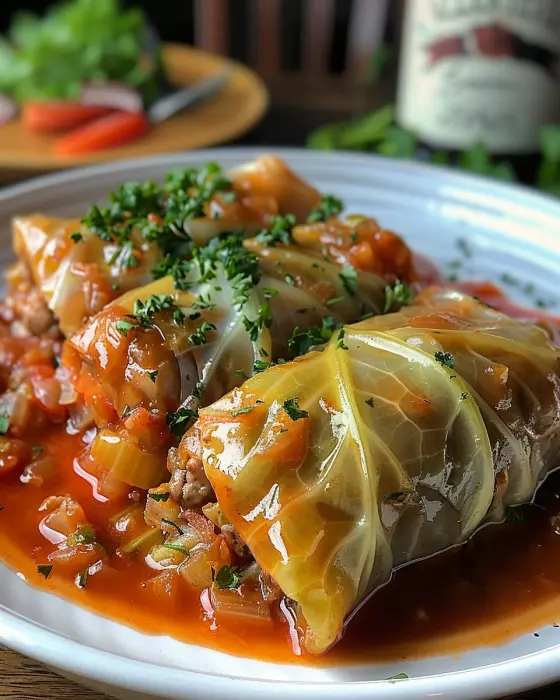
The Ultimate Guide to Stuffed Cabbage Rolls: History, Global Variations, and a Foolproof Recipe
Welcome to the ultimate deep dive into the world of stuffed cabbage rolls! This isn’t just another recipe article; oh no, it’s a passport to a global comfort food cherished from the banks of the Vistula to the shores of the Mediterranean. We’re about to unravel the fascinating history of this humble dish, explore its countless international aliases and variations, and finally, arm you with a foolproof, step-by-step guide to creating the most delectable, fall-apart-tender cabbage rolls you’ve ever tasted. So, get comfortable—we’re going on a culinary journey that promises to be as heartwarming as the dish itself.
Introduction and Historical Deep Dive
Introduction: More Than Just a Comfort Food
Picture this: a chilly evening, a simmering pot on the stove, and the unmistakable, mouthwatering aroma of savory meat, sweet tomatoes, and tender cabbage wafting through the house. That, right there, is the magic of stuffed cabbage rolls. This dish, believe it or not, is a culinary chameleon, a global superstar known by dozens of names but always delivering the same incredible comfort.
Furthermore, it’s a beautiful paradox: simple in its concept yet complex in its history and regional twists. Essentially, it’s a masterclass in turning a few humble, affordable ingredients into a meal that feels like a generous hug. Throughout this guide, we’ll not only uncover its ancient origins but also embark on a tour of its global variations, from Polish Golabki to Romanian Sarmale. Ultimately, we’ll cap it all off with a master recipe that will have you crafting restaurant-quality rolls in your own kitchen. Trust me, your family will thank you.
A Leaf Through History: The Origins of Stuffed Cabbage
Alright, let’s hop into our time machine and dig into the roots of this iconic dish. Surprisingly, the story of stuffed cabbage rolls is as layered as the dish itself, with its beginnings shrouded in the mists of time and migration.
Ancient Roots and the Jewish Connection
Many food historians point a finger towards ancient Jewish culinary traditions as a likely origin point. How far back are we talking? Try over 2,000 years! The concept of stuffing vegetables with a grain-and-meat mixture was already a established practice. Initially, grape leaves were the wrapping of choice in the warmer Mediterranean climates; however, as Jewish communities and other groups migrated into colder Eastern European regions, where grapevines were scarce, they ingeniously adapted. Naturally, the sturdy, abundant cabbage leaf became the perfect, locally-sourced substitute. Consequently, a new classic was born out of pure necessity and ingenuity.
A Dish of Necessity and Ingenuity
Speaking of necessity, stuffed cabbage truly flourished as a masterpiece of peasant cuisine. Think about it: cabbage was dirt-cheap and stored for ages through harsh winters. Moreover, a small amount of inexpensive meat or grain could be stretched to feed a whole family—or even a village—when combined with cabbage and rice. It was the ultimate budget-friendly, one-pot wonder. On the other hand, it also found its place at feasts and holidays. For special occasions, this humble dish was transformed; by using more luxurious cuts of meat and richer spices, it became a celebratory centerpiece. Amazingly, this versatile dish effortlessly bridged the gap between everyday sustenance and festive fare, securing its beloved place in the heart of home cooking for centuries.
Here is a fascinating look at the history of peasant food traditions around the world, which perfectly illustrates the environment that gave birth to dishes like ours.
A Tour of Global Variations (The Many Names of Cabbage Rolls)
A Global Phenomenon: Stuffed Cabbage Rolls Around the World
Now for the really fun part—the global tour! As people moved across continents, they tucked their recipes into their suitcases, and stuffed cabbage evolved into a constellation of delicious regional specialties. Honestly, each version tells a story of its own.
Poland: Gołąbki (Little Doves)
Let’s start in Poland, home of the beloved Gołąbki (gaw-WOHMP-kee), which translates charmingly to “little pigeons” or “doves.” Apparently, the name comes from the roll’s supposed resemblance to a dove nestled in its cradle. Typically, the Polish cabbage roll recipe features a straightforward but flawless combination of ground pork and beef, mixed with white rice and softly sautéed onions. Finally, they’re snugly nestled in a pot and smothered in a simple, sometimes sweet-and-sour, tomato sauce before being baked or simmered to tender perfection. It’s the definition of homey comfort.
Romania and Moldova: Sarmale
Next, we journey south to Romania and Moldova, where Sarmale (sar-MAH-leh) reigns supreme. These are often considered the quintessential holiday and wedding food. Firstly, the filling is frequently a more complex mix of meats—think pork, beef, and sometimes even a little lamb. Secondly, they’re almost always cooked with smoked bacon pieces and often nestled alongside smoked pork ribs or sausages in the pot, which infuses them with an incredible, deep, smoky flavor. Traditionally, they’re served with a hefty portion of mamaliga (polenta) and a generous dollop of cool sour cream. It’s a hearty, magnificent feast.
Sweden: Kåldolmar
Bet you didn’t see this one coming! Sweden’s Kåldolmar (kawl-DOL-mar) has a royally cool story. As the tale goes, King Charles XII brought the concept back from the Ottoman Empire in the early 18th century. Initially, the Swedish version was made with grape leaves, but they too eventually switched to cabbage. Interestingly, the Swedish filling is usually just minced pork, and the sauce is a world away from the tomato-based ones—it’s a rich, creamy gravy. But the real game-changer? They’re served with lingonberry jam! The sweet, tart jam against the savory meat and creamy gravy is an absolute taste sensation.
Other Notable Variations:
-
Ukraine & Russia: Holubtsi or Golubtsy are very similar to the Polish version, often using a buckwheat or rice filling and a tomato or creamy mushroom sauce.
-
The Balkans (Croatia, Serbia): Here, Sarma is the name of the game, and it’s most commonly made with pickled sauerkraut leaves instead of fresh cabbage, giving it a powerful tangy punch.
-
Middle East (Lebanon, Syria): Known as Malfouf or Mahshi Malfouf, these rolls are often smaller and feature a filling of rice, lamb, and spices like allspice and cinnamon, all cooked in a lemony broth until tender.
The Master Recipe: Classic Stuffed Cabbage Rolls
How to Make Classic Stuffed Cabbage Rolls: A Step-by-Step Guide
Alright, enough history and geography—let’s get down to the real business: making them! Don’t be intimidated; while it’s a bit of a project, it’s a wonderfully meditative one. Follow these steps, and you’ll be a stuffed cabbage master in no time.
Gathering Your Ingredients
First things first, let’s round up the team. Using fresh, simple ingredients is the secret to the best traditional stuffed cabbage.
-
For the Rolls:
-
1 large head of green cabbage
-
1 lb ground beef (or a 50/50 mix of beef and pork for more flavor)
-
1 cup cooked white rice, cooled
-
1 medium onion, finely diced
-
2 cloves garlic, minced
-
1 large egg (optional, but it helps bind the filling)
-
1 ½ tsp salt, plus more for the water
-
1 tsp black pepper
-
1 tsp sweet paprika
-
-
For the Tomato Sauce:
-
1 (28 oz) can crushed tomatoes
-
2 tbsp brown sugar (to balance the acidity)
-
2 tbsp fresh lemon juice
-
1 cup vegetable broth or water
-
Salt and pepper to taste
-
Optional: ½ cup raisins for a touch of sweetness
-
Essential Kitchen Tools
You won’t need anything fancy, thank goodness!
-
A very large stockpot for blanching the cabbage
-
A sharp paring knife
-
A large mixing bowl for the filling
-
A Dutch oven or another large, heavy-bottomed pot with a lid for cooking
-
Tongs and a slotted spoon
Step 1: Preparing the Cabbage Leaves
This is arguably the trickiest part, but I’ve got a foolproof method. The goal is to soften the leaves so they’re pliable enough to roll without tearing.
-
Core the Cabbage: Using a sharp paring knife, carefully cut out the core from the bottom of the cabbage head.
-
Blanch It: Place the whole cored head in your massive stockpot and cover it with boiling water. Let it sit for about 10 minutes. As the outer leaves soften, gently peel them off with tongs and place them on a towel to cool. Return the cabbage to the water and repeat until you have 12-16 large, soft leaves.
-
Prep the Leaves: Once they’re cool enough to handle, use a knife to shave down the thick, tough center stem on each leaf—don’t cut it out completely, just thin it so it rolls easily.
Pro Tip: If you’re planning ahead, you can freeze the whole cabbage head solid overnight. Thawing it the next day breaks down the cell walls and results in perfectly soft, ready-to-roll leaves!
Step 2: Creating the Savory Filling
While your leaves are cooling, let’s make the filling. This is where the magic starts!
In your large mixing bowl, combine the ground meat, cooked rice, diced onion, minced garlic, egg (if using), salt, pepper, and paprika. Now, get in there with your hands and mix it all together until it’s just combined. Seriously, don’t overmix it, or the meat can become tough.
Step 3: The Art of Rolling (With Visual Cues)
Here’s the part that feels like a culinary art project. Don’t worry; you’ll get the hang of it after the first one.
-
Place the Leaf: Lay a single cabbage leaf on a cutting board with the stem end facing you.
-
Add the Filling: Place a small handful of filling (about 2-3 tablespoons) in the center, near the base.
-
Fold and Roll: Fold the bottom of the leaf over the filling. Next, fold in the two sides. Finally, roll it up tightly away from you, like a little burrito. The leaf should stick to itself and seal the package. Place it seam-side down on a tray. Repeat until all your filling is gone!
Simmering, Serving, and Pro Tips
Step 4: Simmering to Perfection
You’re in the home stretch! This slow cooking process is what makes them incredibly tender and allows the flavors to marry beautifully.
-
Make the Sauce: In a bowl, whisk together the crushed tomatoes, brown sugar, lemon juice, and broth. Season with a pinch of salt and pepper.
-
Layer the Pot: Spread a thin layer of the tomato sauce on the bottom of your Dutch oven. This prevents sticking. Neatly arrange your cabbage rolls in the pot, seam-side down, packing them in a single layer or stacking them in layers if necessary.
-
Cook: Pour the remaining sauce over the top, making sure they’re all covered. Bring the liquid to a gentle simmer on the stove, then cover the pot and reduce the heat to low. Let them simmer gently for at least 1 hour and 15 minutes, or up to 2 hours. The longer they cook, the more tender they become.
Step 5: Serving and Storing
The moment of truth! Carefully remove the rolls with a slotted spoon.
-
Serving: Serve them piping hot, preferably over mashed potatoes or with a side of crusty bread to soak up that amazing sauce. A huge dollop of cool sour cream and a sprinkle of fresh dill are non-negotiable for the full experience!
-
Storing: Let any leftovers cool completely before storing them in an airtight container in the fridge. They’ll keep for 3-4 days, and honestly, they taste even better the next day. You can also freeze them for up to 3 months.
Pro Tips and Common Mistakes to Avoid
After making countless batches, here’s the inside scoop to guarantee your success:
-
Choose the Right Cabbage: Pick a head that is firm, dense, and heavy for its size—it will have the most intact leaves.
-
Don’t Overstuff: This is the number one mistake! Too much filling will cause the rolls to burst open during cooking. Be conservative.
-
Simmer, Don’t Boil: A gentle simmer is key. A rolling boil will make the filling tough and cause the leaves to disintegrate.
-
Taste the Sauce: Before pouring it over the rolls, always taste your tomato sauce and adjust the sweet (sugar) and sour (lemon) balance to your liking.
Variations and Dietary Adaptations
Delicious Variations on the Classic Recipe
The basic stuffed cabbage roll recipe is a fantastic canvas for your own creativity. Here are some popular twists:
-
Lentil and Mushroom Stuffed Cabbage Rolls (Vegetarian): Sauté finely chopped mushrooms with onions and garlic. Mix them with cooked brown or green lentils, cooked rice, and a dash of soy sauce for umami. This hearty, earthy variation is utterly satisfying.
-
Ground Turkey or Chicken Stuffed Cabbage Rolls (Lighter Option): Simply swap the ground beef for lean ground turkey or chicken. You might want to add an extra tablespoon of olive oil to the filling to keep it moist, along with plenty of herbs.
-
Unstuffed Cabbage Roll Casserole: Short on time? Deconstruct the whole thing! Layer chopped cabbage, the raw meat-and-rice filling mixture, and sauce in a casserole dish and bake. All the flavor, none of the rolling!
Dietary Adaptations: Gluten-Free, Low-Carb, and Vegan
Good news—this dish is incredibly adaptable for almost any diet!
-
Gluten-Free: This recipe is naturally gluten-free! Just double-check that your broth and canned tomato products are certified gluten-free, as some brands may contain hidden additives.
-
Low-Carb/Keto: Instead of rice, use cauliflower rice! Simply pulse cauliflower florets in a food processor until they reach a rice-like consistency. Sauté it briefly to remove moisture before adding it to your meat filling.
-
Vegan: Create a robust filling using a base of cooked quinoa, mashed black beans, and finely chopped walnuts for texture. Load it up with spices like smoked paprika, cumin, and nutritional yeast for a cheesy, savory flavor.
FAQs and Conclusion
Frequently Asked Questions (FAQs) About Stuffed Cabbage Rolls
Let’s tackle those burning questions you might have.
What is the best way to soften cabbage leaves for rolling?
The blanching method described in the recipe is the most common and reliable. However, the freezing method (freezing the whole head solid overnight, then thawing) is a brilliant alternative that many swear by, as it makes the leaves incredibly pliable.
Can I make stuffed cabbage rolls ahead of time?
Absolutely! In fact, they are an excellent make-ahead meal. You can assemble the rolls completely, cover them tightly, and refrigerate them for up to 24 hours before cooking. You can also freeze them, either raw or cooked, for up to 3 months.
How long do cooked stuffed cabbage rolls last in the fridge?
Properly stored in an airtight container, they will stay fresh and delicious for 3 to 4 days.
What can I use instead of tomato sauce?
A creamy dill or mushroom sauce is a fantastic non-tomato-based alternative popular in some Nordic and Eastern European countries. Simply make a roux with butter and flour, whisk in broth, and finish with lots of fresh dill or sautéed mushrooms.
Why are my cabbage rolls tough?
This is almost always due to not simmering them long enough. Cabbage needs a long, slow, gentle cook to become truly melt-in-your-mouth tender. Be patient—let them go for the full 90 minutes!
The practice of stuffing foods has a long and varied history across many cultures, which explains why there are so many incredible variations today.
Conclusion: A Dish Worth Sharing
From its humble beginnings as a clever way to stretch ingredients to its status as a global comfort food icon, the journey of the stuffed cabbage roll is a testament to the power of home cooking. It’s more than just a meal; it’s a story in every bite, a connection to generations past, and a delicious project that brings people together.
So, don your apron, put on a podcast, and embrace the process. Whether you’re making the Polish Golabki, a vegan version, or your own family’s twist, you’re participating in a beautiful, timeless culinary tradition. Now, go forth and roll!
Print
Stuffed Cabbage Rolls
Description
Stuffed Cabbage Rolls
Ingredients:
For the rolls:
-
1 large head green cabbage
-
1 lb ground beef (or mix beef & pork)
-
½ cup cooked rice
-
1 small onion, finely diced
-
2 cloves garlic, minced
-
1 egg, beaten
-
1 tsp salt
-
½ tsp black pepper
-
½ tsp paprika
For the sauce:
-
1 can (28 oz) crushed tomatoes
-
2 tbsp tomato paste
-
1 cup beef broth
-
1 tbsp brown sugar (optional, balances acidity)
-
1 tsp Worcestershire sauce
-
1 tsp dried oregano
-
1 tsp dried basil
-
Salt & pepper to taste
Instructions:
-
Prepare cabbage:
-
Bring a large pot of water to boil. Core cabbage and carefully place it in boiling water.
-
Peel off leaves as they soften (about 2–3 minutes each). Set aside.
-
-
Make filling:
-
In a bowl, mix ground beef, cooked rice, onion, garlic, egg, salt, pepper, and paprika.
-
-
Assemble rolls:
-
Place 2–3 tbsp filling in the center of each cabbage leaf.
-
Fold sides over and roll up tightly like a burrito.
-
-
Make sauce:
-
In a saucepan, combine crushed tomatoes, tomato paste, broth, sugar, Worcestershire, oregano, basil, salt, and pepper. Simmer 10 minutes.
-
-
Cook rolls:
-
Place cabbage rolls seam-side down in a large baking dish or Dutch oven.
-
Pour sauce over rolls. Cover tightly with foil or lid.
-
Bake at 350°F (175°C) for 1½–2 hours, until cabbage is tender and filling is cooked through.
-
-
Serve:
-
Spoon extra sauce over rolls and garnish with fresh parsley.
-
Pairs beautifully with mashed potatoes or crusty bread.
-