
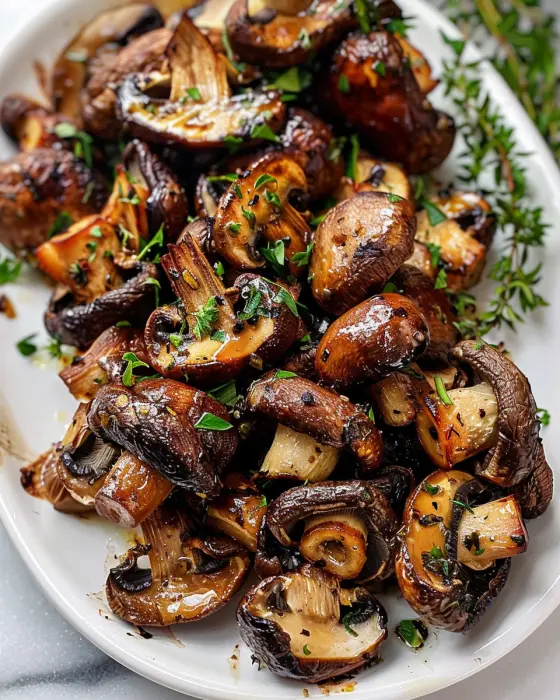
Ah, the humble mushroom. Often tucked away in the crisper drawer, it’s a quiet powerhouse waiting for its moment to shine. Well, prepare to be amazed, because we’re about to unlock its deepest, most savory secrets. Forget everything you think you know about this simple fungus; roasting it is nothing short of a culinary revolution. This isn’t just cooking—it’s a transformation. We’re talking about converting a spongy, water-logged ingredient into a crispy, meaty, flavor-packed masterpiece. In this ultimate guide, we’ll journey through the beautiful science of browning, master the art of preparation, and explore dazzling flavor combinations that will make roasted mushrooms the star of your table. So, preheat your oven and get ready to discover how a simple technique can unleash an explosion of umami flavor.
Introduction & The Foundation of Flavor
The Ultimate Guide to Perfectly Roasted Mushrooms
Unlocking Umami: How to Transform Simple Mushrooms into a Culinary Masterpiece
Let’s be honest, have you ever been truly wowed by a raw mushroom? Probably not. Their real magic, however, reveals itself under the intense, dry heat of your oven. Imagine this: a tray of ordinary cremini mushrooms enters, and a short while later, a glorious concoction emerges—deeply browned, irresistibly aromatic, with edges crisp enough to rival the best snacks. This, my friends, is the power of roasting. It’s the easiest way, by far, to coax out an incredible depth of flavor from your fungi, turning them into a versatile superstar for countless dishes. Throughout this guide, we’ll dive into the fascinating science behind this metamorphosis, explore the best varieties to use, and master the techniques that guarantee perfection every single time. Ultimately, you’ll never look at this ingredient the same way again.
Why Roasting is the Best Method for Mushrooms
So, what’s the big deal about roasting? Well, it all boils down to chemistry and concentration. Firstly, when mushrooms meet that high oven heat, something incredible called the Maillard Reaction occurs. This isn’t just a fancy term; it’s the secret handshake of the culinary world! Essentially, it’s a chemical reaction between amino acids and reducing sugars that gives roasted, browned food its distinctive, complex flavor. In other words, it’s what makes your mushrooms taste so profoundly savory and deliciously umami-rich.
Furthermore, mushrooms are composed of a staggering amount of water. While sautéing often steams them in their own juices inside a crowded pan, roasting efficiently evaporates all that moisture. Consequently, this process intensifies their inherent earthy taste and prevents a sad, soggy result. Instead of boiling, they brown, creating a spectacular textural paradise. You get this incredible contrast: a crispy, caramelized exterior that gives way to a tender, almost meaty interior. Honestly, it’s this very texture and deep flavor that makes them a fantastic vegetarian alternative in so many meals. They’re not just a side dish; they’re the main event!
Preparation: Choosing and Prepping Your Mushrooms
Selecting the Right Mushrooms for Roasting
Now, not all mushrooms are created equal when it comes to roasting. While you can technically roast any variety, some truly stand out from the crowd.
-
Cremini (Baby Bella): Without a doubt, these are the all-stars for oven roasted mushrooms. They offer a perfect balance of hearty flavor and firm texture, holding their shape beautifully while still getting wonderfully crispy. If you’re unsure where to start, begin right here!
-
Button Mushrooms: An affordable and totally reliable option. They have a milder flavor than creminis, but they still roast up beautifully and make for a fantastic easy roasted mushroom side dish.
-
Shiitake Mushrooms: Oh, buckle up for these! Shiitakes are the secret weapon for crispiness. Their thinner caps and meaty texture become incredibly crispy, almost like “mushroom bacon.” Their flavor is robust, smoky, and unforgettable.
-
Portobello Mushrooms: These are the giants of the bunch. Their large, sprawling caps are perfect for creating a roasted mushroom steak or a juicy burger patty alternative. They have an intensely meaty, dense texture.
-
Wild Mushrooms (Oyster, Maitake): Feeling fancy? For a special occasion, a mix of wild mushrooms is sublime. Oyster mushrooms get delightably frilly and crisp, while Maitake (Hen of the Woods) breaks into flavorful, crispy clusters. Be aware, however, that they can be more delicate and sometimes pricier.
The Great Debate: To Wash or Not to Wash?
Alright, let’s tackle the age-old kitchen controversy head-on. For decades, people swore you should only wipe mushrooms with a damp cloth to avoid them absorbing water. Well, throw that old rule right out the window! Modern tests, notably by folks like America’s Test Kitchen, have proven that mushrooms are surprisingly non-porous. They absorb a negligible amount of water during a quick rinse.
Therefore, the fastest and most effective method is this: dump your mushrooms in a colander and give them a brief, confident rinse under cold water. Immediately afterward, spread them on a kitchen towel and pat them aggressively dry. I mean, really go for it! This step is non-negotiable. Dryness is absolutely critical for achieving that perfect sear and avoiding a steamed outcome.
To Slice or to Roast Whole? A Guide to Cutting
How you cut your fungi depends entirely on your end goal. Each shape offers a different experience!
-
Halved or Quartered: This is the gold standard for cremini or button mushrooms. Cutting them this way creates more surface area for that glorious browning we love. It also promotes nice, even cooking.
-
Sliced: Opt for slicing if you plan to toss them into pastas, salads, or grain bowls later on. They incorporate more easily and distribute their flavor throughout the dish.
-
Whole: This is best for very small stuffer mushrooms or large portobello caps you plan to grill or stuff. Just remember, cooking whole mushrooms will naturally take a bit longer.
The Core Techniques & Flavor Combinations
The Fundamental Formula for Basic Roasted Mushrooms
Ready for the magic? This simple, five-step process is your blueprint for perfection. Follow it, and you simply cannot fail.
-
Preheat and Prep: First things first, get that oven screaming hot! A temperature of 400°F (200°C) is your sweet spot. Meanwhile, grab a heavy-duty, rimmed baking sheet—these are perfect for promoting heat distribution and preventing spills.
-
Coat Generously: In a large bowl, toss your perfectly dry mushrooms with enough high-heat oil (like avocado or light olive oil) to coat every single surface. This slick layer is essential for conducting heat and creating caramelization.
-
Season Liberally: Now, season with kosher salt and freshly cracked black pepper. Don’t be shy! The salt is crucial as it helps draw out the remaining moisture and, in turn, deeply enhances the overall flavor.
-
Spread for Success: Here’s the biggest secret: spread the mushrooms in a single, uncrowded layer on your baking sheet. If you pile them on top of each other, they’ll steam instead of roast. Trust me, use two sheets if you have to!
-
Roast and Resist: Pop them into that hot oven and let the heat work its magic. A typical batch takes 20-25 minutes. Most importantly, resist the urge to stir constantly! Let them sit and develop a beautiful, brown crust on the bottom. One gentle toss halfway through is all you need.
Elevating Your Roasted Mushrooms: Classic Flavor Profiles
Once you’ve mastered the basic method, the flavor world is your oyster mushroom! Here are some classic combinations to try.
Garlic and Herb Roasted Mushrooms
This is a timeless, crowd-pleasing combination. For the best results, toss your mushrooms with whole cloves of garlic or thick slices and hardy fresh herbs like thyme or rosemary sprigs before roasting. The woody herbs and garlic will infuse the oil and the mushrooms with their essence. Just remember to add delicate herbs like parsley or chives after roasting to keep them fresh and vibrant.
Balsamic and Soy Glazed Roasted Mushrooms
Prepare for a serious umami bomb! This profile is for those who adore deep, savory-sweet flavors. Simply whisk together a glaze of balsamic vinegar, soy sauce (or tamari for gluten-free), a touch of maple syrup, and olive oil. Toss the mushrooms in this glorious mixture before they hit the oven. As they roast, the glaze reduces into a sticky, caramelized coating that is utterly irresistible.
Parmesan and Black Pepper Crusted Mushrooms
If you’re after a cheesy, savory crunch, this is the method for you. Start by roasting the mushrooms with just oil, salt, and pepper. Then, during the last 5-10 minutes of cook time, pull the tray out and sprinkle a generous blanket of finely grated Parmesan cheese and a hefty dose of fresh cracked black pepper over the top. Return it to the oven and watch in awe as the cheese melts, bubbles, and turns into a golden, crispy crust.
Spicy Roasted Mushrooms with Chili and Smoked Paprika
For a bit of a kick, this smoky-spicy blend is absolutely phenomenal. In your tossing bowl, combine the oil with chili flakes, smoked paprika, a bit of garlic powder, and a pinch of cumin. The result is a warm, complex flavor that makes these mushrooms perfect for topping tacos, nachos, or eating straight off the pan.
Advanced Tips, Troubleshooting, and Uses
Pro Tips for the Crispiest, Most Flavorful Roasted Mushrooms
Want to go from great to legendary? Incorporate these pro-level tips next time.
-
Preheat Your Baking Sheet: This is a game-changer! While your oven is preheating, place the empty baking sheet inside. Carefully take it out, add your oiled mushrooms (they should sizzle!), and immediately return it to the oven. This jumpstarts the cooking process for a superior sear.
-
A Touch of Acid: A small splash of fresh lemon juice or a drizzle of vinegar after roasting is like flipping on a light switch. The acid doesn’t make the mushrooms sour; instead, it brightens and clarifies all the other rich, roasted flavors you’ve developed.
-
The High-Heat Blast: For the ultimate crispy finish, switch your oven to broil for the final 1-2 minutes of cooking. Watch them like a hawk during this time! This gives them an incredible, crackly texture.
Troubleshooting Common Roasted Mushroom Problems
Even the best cooks run into issues sometimes. Here’s how to fix them.
-
Problem: Soggy or Steamed Mushrooms
-
Solution: You likely broke one of the cardinal rules: overcrowding the pan, having an oven that wasn’t hot enough, or not drying the mushrooms thoroughly. Always ensure a single layer, a properly preheated oven, and bone-dry fungi!
-
-
Problem: Tough or Rubbery Mushrooms
-
Solution: This is almost always a sign of undercooking. Remember, mushrooms release their water first. You must wait for that water to evaporate completely before browning can begin. If they’re rubbery, just pop them back in the oven for another 5-10 minutes.
-
-
Problem: Burnt Garlic/Herbs
-
Solution: Delicate ingredients like minced garlic or fresh herbs burn easily at high heat. The fix is simple: add them in the last 5-7 minutes of roasting. This gives them just enough time to cook and flavor the dish without turning bitter and black.
-
How to Use Roasted Mushrooms: Beyond a Simple Side Dish
Sure, they’re amazing on their own, but their potential is limitless! Here’s how to use your newfound favorite ingredient.
-
On Toast: Smear creamy ricotta or labneh on grilled bread and pile the warm mushrooms on top for an instant gourmet appetizer.
-
In Pasta & Risotto: Toss them through your favorite pasta with a little pasta water and butter, or stir them into a creamy risotto right at the end for a deep flavor boost.
-
On Pizza: Swap out or supplement your regular mushrooms for roasted ones on your next homemade pizza. The flavor difference is night and day.
-
In Salads: Add a warm, hearty element to your salads. They are phenomenal on a farro salad or a simple bed of arugula.
-
As a Meat Substitute: Their meaty texture makes them perfect for vegetarian tacos, sandwiches, or grain bowls.
Dietary Considerations, Storage, and FAQs
Roasted Mushrooms for Every Diet: Vegan, Keto, and Gluten-Free
The wonderful thing about roasted mushrooms is that they are naturally a healthful and inclusive food. They are inherently vegan, gluten-free, and low in carbohydrates, making them perfect for keto and other low-carb diets. They are also packed with nutrients; for a detailed look at the proven health benefits of mushrooms, you can check out this research summary. For specific macros, the official USDA nutritional database is an excellent resource.
Of course, always mind your additions. For a gluten-free diet, ensure you use tamari instead of soy sauce. For a vegan diet, simply omit the Parmesan cheese or use a sprinkle of nutritional yeast to get that cheesy, savory flavor.
Storing and Reheating Your Leftover Roasted Mushrooms
Yes, you can have them ready for later!
-
Storage: Let your roasted mushrooms cool completely to room temperature. Then, transfer them to an airtight container and store them in the refrigerator. They will keep well for up to 5 days.
-
Reheating: For the best results, reheat them in a dry skillet over medium heat or in a toaster oven/regular oven at 350°F (175°C) until warm. This will help restore some of their crispness. Unfortunately, reheating in the microwave will make them soft and steamy.
Frequently Asked Questions (FAQs) About Roasted Mushrooms
Q: Should you roast mushrooms covered or uncovered?
A: Always, always uncovered! The entire goal is to let moisture escape. Covering them would trap steam and leave you with a pan of boiled, soggy mushrooms—the exact opposite of what we want.
Q: How long does it take to roast mushrooms at 400°F (200°C)?
A: For standard halved cremini or button mushrooms, the sweet spot is typically 20-25 minutes. They are done when they have significantly shrunk in size, are a deep golden-brown color, and have crispy edges.
Q: Why are my roasted mushrooms bitter?
A: This is uncommon, but it can happen. Usually, it’s because the mushrooms were past their prime or beginning to spoil. Always use fresh, firm mushrooms. Alternatively, it could be that the oil you used had a low smoke point and burned, imparting a bitter flavor. Using a stable oil like avocado or light olive oil can prevent this.
Q: Can you freeze roasted mushrooms?
A: You can, but be aware that their texture will become much softer upon thawing. Because of this, they are best used in cooked applications where texture is less critical, like stirred into soups, stews, sauces, or casseroles directly from frozen.
Roasted Mushrooms
Description
Roasted Mushrooms
Ingredients
-
1 lb (450 g) mushrooms (button, cremini, or mixed)
-
3 tbsp olive oil (or melted butter for richness)
-
3 garlic cloves, minced
-
1 tsp fresh thyme or rosemary (or 1/2 tsp dried)
-
Salt & black pepper, to taste
-
2 tbsp fresh parsley, chopped (for garnish)
-
Optional: 1 tbsp balsamic vinegar or lemon juice for brightness
Instructions
-
Preheat oven: Set to 400°F (200°C). Line a baking sheet with parchment.
-
Prepare mushrooms: Clean mushrooms with a damp paper towel. If large, cut in half or quarters; if small, leave whole.
-
Season: Toss mushrooms with olive oil, garlic, thyme, salt, and pepper until evenly coated.
-
Roast: Spread mushrooms in a single layer on the baking sheet. Roast for 20–25 minutes, stirring once halfway, until golden and tender.
-
Finish & serve: Drizzle with balsamic vinegar or lemon juice (optional), sprinkle with parsley, and serve hot.