
Introduction & The Foundation
The Ultimate Comfort: Mastering Beef Stew with Mustard Greens
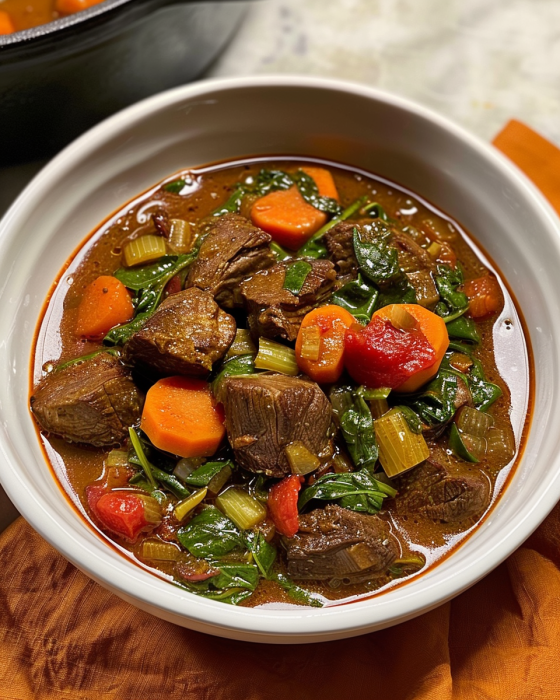
Picture this: a brisk evening, the kind that nips at your nose and begs for something deeply satisfying to come from the kitchen. Now, imagine the most incredible aroma wafting through your home—a rich, savory scent that promises a meal worth waiting for. That, right there, is the magic of a pot of Beef Stew with Mustard Greens slowly bubbling away on your stovetop. This isn’t just another hearty beef stew; oh no, it’s a masterclass in comfort food, blending melt-in-your-mouth beef and earthy root vegetables with the uniquely peppery punch of mustard greens. It’s a dish that feels both incredibly rustic and surprisingly sophisticated, a true centerpiece for any family dinner.
Frankly, this stew is a glorious journey for your taste buds. While many classic comfort food recipesstick to the familiar, the addition of mustard greens introduces a vibrant, slightly bitter counterpoint that cuts through the richness of the beef in the most delightful way. Consequently, every spoonful becomes a complex experience. Ultimately, this is a meal that nourishes you from the inside out, warming you up and making you feel truly cared for. Believe me, once you try this version, you might just forget all others.
Why This Recipe is a Must-Try
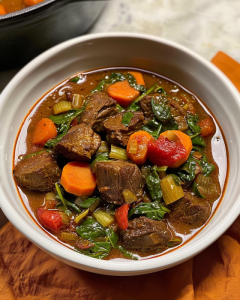
So, what makes this particular recipe so special? Well, for starters, it’s a brilliant symphony of flavors and textures. Imagine tender chunks of beef that practically fall apart at the touch of your fork, swimming in a deeply savory, umami-packed broth. Then, you get the soft, sweet earthiness from carrots and potatoes. Finally, just when you think it can’t get any better, the mustard greens weave in their signature bold, slightly spicy flavor, which mellows beautifully into the stew while still providing a welcome bright note. This combination ensures you won’t find a single boring bite in the entire bowl!
Furthermore, this dish is a powerhouse of nutrition. Packed with iron from the beef and a ton of vitamins A, C, and K from the greens, it’s a meal that truly loves you back. It’s the perfect antidote to a chilly day, a fantastic make-ahead option for busy weeks, and honestly, the leftovers might even be better than the first serving. Talk about a win-win!
A Brief Journey: The Story Behind the Stew
Now, let’s take a quick trip through time. Beef stew, in various forms, is a cornerstone of cooking traditions across the globe, a testament to the universal appeal of slow-cooking tough cuts of meat into submission. Specifically, the practice of combining meat with hearty, bitter greens is a tale told in many cultures. In the American South, for instance, cooking greens like collards or mustards with pork is a revered tradition, with the nutrient-rich broth, called “potlikker,” being sipped and savored. Similarly, in various Asian cuisines, preserved mustard greens are a classic addition to braises and stews, adding a pungent depth that is simply irresistible. Our recipe tips its hat to all these traditions, creating a beautiful, delicious fusion in a single pot.
The Core Components – Ingredients Deep Dive
Deconstructing the Dish: Your Ingredient Glossary
Alright, let’s get down to the nitty-gritty: the ingredients. Using high-quality, well-chosen components is the absolute secret to transforming this from a simple one-pot meal into a legendary feast. Don’t worry, though; you don’t need anything overly fancy! Here’s your ultimate guide to building the best stew ever.
The Star Players: Beef and Mustard Greens
These two ingredients are the headliners of our show. Consequently, choosing them wisely makes all the difference.
Choosing the Right Beef Cut for Stew
First things first: not all beef is created equal for stewing. You want a cut that’s tough to begin with, one that’s well-marbled with fat and full of connective tissue. Why? Because that very tissue, specifically collagen, breaks down during the long, slow cooking process, melting into luxurious gelatin that makes the meat incredibly tender and the broth unbelievably rich. The undisputed champion for this is chuck roast. Coming from the shoulder, it’s a hard-working muscle with perfect marbling. Other great options include beef brisket or round roast. On the other hand, lean cuts like sirloin will simply become tough and dry—so save those for quick grilling!
All About Mustard Greens
Now, for the other star: the greens! Mustard greens are the vibrant, leafy vegetable that gives this stew its unique character. They have broad, flatter leaves sometimes with frilly edges, and a deep green color. Their flavor profile is famously pungent, peppery, and slightly bitter—imagine a sharper, more assertive version of kale. Thankfully, that boldness mellows significantly when cooked, becoming earthy and deeply flavorful.
If you can’t find them, don’t panic! Collard greens are the closest substitute, offering a sturdier texture and a slightly milder bitterness. Kale or turnip greens also work wonderfully. For a real twist, you could even use Swiss chard or spinach, but add them at the very last minute since they cook much faster.
The Supporting Cast: Aromatics, Liquids, and Vegetables
A great stew is built on a solid foundation. These ingredients create the deep, complex flavor base that makes the dish so memorable.
-
Aromatics: This is your flavor base. The classic trio—onion, celery, and carrot (often called a mirepoix)—is non-negotiable for building sweetness and depth. From there, plenty of fresh garlic is essential. For an Asian-inspired twist, a few slices of fresh ginger work miracles.
-
Liquids: Your liquid choices are crucial. A good-quality beef stock is the backbone. For an even deeper flavor, use a dark, malty beer or a non-alcoholic option like a rich mushroom broth. A splash of vinegar or tomato juice can provide the necessary acidity to balance the richness.
-
Vegetables: Starchy vegetables like potatoes (waxy Yukon Golds hold their shape well) and carrots are stew classics. But feel free to get creative! Parsnips, celery root, or even mushrooms would be fantastic additions, absorbing all the wonderful flavors of the broth.
The Seasoning Symphony: Herbs and Spices
Finally, the seasonings tie everything together. Classic herbs for beef stew like bay leaves, thyme, and rosemary add an aromatic, woodsy note. Black pepper and paprika provide warmth and a touch of color. Don’t forget a good pinch of salt added in layers throughout cooking. For a boost of umami flavor, a tablespoon of tomato paste or a dash of soy sauce works wonders right when you’re sautéing the aromatics.
The Tools of the Trade
Essential Equipment for the Perfect Stew
You don’t need a kitchen full of fancy gadgets to make an incredible stew. However, having the right pot is arguably just as important as the ingredients themselves.
The Ideal Pot: Dutch Oven vs. Slow Cooker
The undisputed MVP for any braised beef dish is a heavy-bottomed Dutch oven. Made of cast iron and often enameled, these pots are fantastic for two reasons. First, they distribute heat incredibly evenly, preventing any hot spots that could cause burning. Second, they retain heat like a dream, which is vital for maintaining that gentle, steady simmer needed to break down tough meat. Browning your beef and sautéing veggies right in the same pot you simmer in means you capture all those delicious browned bits (the “fond”) directly into your sauce.
That said, the convenience of a slow cooker or an Instant Pot is undeniable for a hands-off approach. You can absolutely achieve a delicious result with these appliances! The key is to never skip the browning step. Always sear your meat and cook your aromatics in a separate skillet before transferring them to your slow cooker to build that essential foundation of flavor.
Other Handy Tools
Beyond the pot, a few basic tools will make your life easier:
-
A sharp chef’s knife and a sturdy cutting board for all that chopping.
-
A wooden spoon for stirring and scraping up all the tasty bits from the bottom of the pot.
-
Measuring cups and spoons for accuracy.
-
A ladle for serving your masterpiece.
The Recipe – Step-by-Step Instructions
How to Make Beef Stew with Mustard Greens: A Step-by-Step Guide
Ready to cook? This process is a labor of love, but it’s surprisingly simple and mostly hands-off. Let’s walk through it together. Prep time: 30 minutes | Cook time: 2.5 – 3 hours | Total time: 3 – 3.5 hours
Prep Work: Mise en Place
First, embrace the French concept of “mise en place”—which simply means “everything in its place.” Trust me, this is the number one tip for a stress-free cooking experience. Before you even turn on the stove, chop all your vegetables, trim and cube your beef, and measure out your spices and liquids. Having everything prepped and within reach makes the actual cooking flow smoothly and feel like less work.
Step 1: Building a Flavor Foundation – Browning the Beef
This is the most important step—do not rush it! Pat your beef cubes completely dry with paper towels; this is crucial for getting a good sear instead of steaming the meat. Season the beef generously with salt and pepper. Heat a couple of tablespoons of oil in your Dutch oven over medium-high heat until it shimmers. Now, add the beef in a single layer, making sure not to overcrowd the pot. You’ll need to do this in batches. Overcrowding will drop the pan’s temperature and cause the meat to steam and stew in its own juices. We want a deep, brown crust on each piece. This crust, created by the Maillard reaction, is pure flavor. It should take about 4-5 minutes per side. Transfer the browned beef to a clean plate and repeat.
Step 2: Sautéing the Aromatics
Once all the beef is browned, there will be delicious browned bits stuck to the bottom of the pot. That’s liquid gold! Reduce the heat to medium and add your chopped onions, celery, and carrots. Sauté them for about 5-7 minutes, until the onions become soft and translucent. As you stir, you’ll be scraping those browned bits up. Next, add the garlic (and ginger, if using) and cook for another minute until fragrant. If you’re using tomato paste, add it now and cook for a minute to let it caramelize slightly and sweeten.
Step 3: Deglazing and Building the Broth
Now for the fun part: deglazing! This is where you add your liquid—beef stock, for example—to the hot pot. As you pour it in, use your wooden spoon to vigorously scrape every last bit of flavor from the bottom of the pot. That fond will dissolve into the liquid, creating the base of your incredibly flavorful broth. Bring this to a gentle simmer.
Step 4: The Long, Slow Braise
Return the browned beef and any accumulated juices back to the pot. Add your herbs—the bay leaves and thyme. Then, bring the whole thing to a very low simmer. Now, cover the pot with a lid and reduce the heat to the lowest possible setting. You can also transfer it to a 300°F (150°C) oven. Let it cook gently for about 1.5 to 2 hours. You’ll know it’s ready when the beef is fork-tender. It should offer little to no resistance when pierced.
Step 5: Incorporating the Vegetables and Greens
Once the beef is tender, it’s time to add the hard vegetables. Stir in your potatoes and carrots. Then, cover the pot again and let it simmer for another 30-40 minutes, or until the vegetables are just tender.
Meanwhile, prepare your mustard greens. Wash them thoroughly in a sink full of water to remove any grit or sand. Then, chop them into bite-sized pieces. During the last 20-30 minutes of cooking, stir the greens into the stew. They will wilt down and tenderize, lending their signature flavor to the broth without turning to mush.
Mastery & Customization
Pro Tips for a Truly Exceptional Stew
You’ve got the basics down, but these pro tips will elevate your stew from great to absolutely legendary.
The Thickening Power Play: Roux vs. Slurry vs. Mash
Is your stew broth a little too thin for your liking? You have options!
-
Roux: This is a mixture of equal parts fat and flour cooked together. You can make this at the very beginning after browning the meat. Simply add a few tablespoons of flour to the fat in the pot and cook for a minute before proceeding with the aromatics and liquid.
-
Slurry: This is the easiest fix at the end. Mix 2 tablespoons of cornstarch with 2 tablespoons of cold water until smooth. Then, stir this mixture into the simmering stew and cook for 2-3 minutes until the broth thickens beautifully.
-
Mash: For a more natural thickening, simply take a fork or potato masher and gently mash some of the softened potatoes and carrots against the side of the pot. Stir them back in; they will naturally thicken the surrounding liquid.
Managing the Bitterness of Mustard Greens
If you’re new to mustard greens or are particularly sensitive to bitterness, there’s a simple trick: blanching. Before adding them to the stew, plunge the chopped greens into a pot of boiling salted water for 2-3 minutes. Then, immediately transfer them to a bowl of ice water to stop the cooking process. This step significantly tones down the bitterness. Afterward, simply squeeze out the excess water and add them to the stew as directed.
Customize Your Stew: Variations on a Theme
This recipe is a fantastic template. Feel free to get creative and make it your own!
Global Inspirations
-
Asian-Inspired: Replace the thyme and rosemary with a few slices of ginger, a star anise pod, and a tablespoon of soy sauce. Use daikon radish instead of potatoes for an authentic touch.
-
Spicy Cajun Twist: Add ½ pound of sliced andouille sausage when you sauté the aromatics. Then, kick up the heat with a pinch of cayenne pepper or a few dashes of hot sauce.
Dietary Adaptations
-
Gluten-Free: Ensure your beef stock is certified gluten-free. Then, use a cornstarch slurry at the end to thicken instead of a flour-based roux.
-
Paleo/Whole30: Omit the potatoes and use more carrots, parsnips, or sweet potatoes instead. Use coconut aminos instead of soy sauce and ensure your broth is compliant.
Serving, Storing, and Pairing
The Final Touches: Serving and Presentation
Your masterpiece is ready! Ladle the steaming stew into deep, warm bowls. For a final touch of freshness, garnish with a sprinkle of chopped fresh parsley. A final crack of black pepper or a tiny drizzle of good olive oil on top adds a lovely finish. This stew is a complete meal on its own, but it’s absolutely divine served over a bed of creamy polenta, creamy mashed potatoes, or with a thick slice of crusty, whole-grain bread for sopping up every last drop of that incredible broth.
Storing and Reheating for Future Meals
Honestly, stews almost always taste better the next day after the flavors have had more time to meld. To store it, first let it cool completely. Then, transfer it to an airtight container. It will keep in the refrigerator for up to 4 days. For longer storage, it freezes beautifully for up to 3 months. To reheat, thaw it overnight in the fridge (if frozen) and warm it gently on the stovetop over low heat, adding a splash of water or broth if it seems too thick.
The Perfect Pairing: What to Serve With Your Stew
While the stew is the star, a simple side can make the meal even more balanced. A light, crisp green salad with a tangy vinaigrette dressing is the perfect contrast to the rich, hearty stew. For a beverage, a glass of iced herbal tea or sparkling water with lemon complements the meal perfectly.
Frequently Asked Questions (FAQs)
Beef Stew with Mustard Greens FAQs
What can I use if I can’t find mustard greens?
Collard greens are the closest substitute in terms of texture and cooking time, offering a slightly milder flavor. Kale or turnip greens are also excellent alternatives. For a quicker-cooking option, Swiss chard or spinach can be used, but be sure to stir them in during the very last 5 minutes of cooking.
How can I make my beef stew more tender?
The key is low and slow cooking. Choosing the right cut of meat, like chuck roast, is essential. Then, you must simmer it gently for long enough—at least 2 to 2.5 hours—for the tough connective tissues to break down completely. Rapid boiling will actually make the meat tough and stringy.
Can I make this stew in a slow cooker?
Absolutely! To do so, follow steps 1 through 3 (browning the meat and sautéing the aromatics) in a skillet on the stovetop. Then, transfer everything to your slow cooker, adding the hard root vegetables. Cook on LOW for 7-8 hours or on HIGH for 3-4 hours. Finally, stir in the prepared mustard greens during the last 30 minutes of cooking.
Why is my stew bitter?
The bitterness most likely comes from the mustard greens. To mitigate this next time, try blanching them in boiling water for 2-3 minutes before adding them to the stew. If your stew is already bitter, you can try balancing it by stirring in a tiny pinch of sugar or a splash of apple cider vinegar to counteract the bitterness.
How do I thicken my beef stew?
The easiest method is to make a cornstarch slurry. Simply mix 2 tablespoons of cornstarch with 2 tablespoons of cold water until smooth. Then, stir this mixture into the simmering stew and cook for 2-3 minutes until the broth thickens to your desired consistency.
Print
Beef Stew with Mustard Greens
Description
Beef Stew with Mustard Greens
Ingredients:
-
2 lbs beef chuck, cut into 1 ½-inch cubes
-
2 tbsp vegetable oil
-
1 large onion, diced
-
3 cloves garlic, minced
-
2 medium carrots, sliced into chunks
-
2 ribs celery, chopped
-
2 medium potatoes, cubed
-
2 tbsp tomato paste
-
6 cups beef broth
-
1 cup red wine (optional, can sub with more broth)
-
2 bay leaves
-
1 tsp dried thyme
-
1 tsp smoked paprika
-
Salt and black pepper, to taste
-
1 large bunch mustard greens, washed and chopped
-
1 tbsp Worcestershire sauce (optional, for depth)
-
Fresh parsley, chopped (for garnish)
Instructions:
-
Brown the beef: In a large heavy pot or Dutch oven, heat oil over medium-high. Season beef with salt and pepper, then sear in batches until browned on all sides. Remove and set aside.
-
Sauté aromatics: Add onion, garlic, carrots, and celery to the pot. Cook until softened, about 5 minutes. Stir in tomato paste and cook for 1–2 minutes.
-
Deglaze: Pour in red wine (if using), scraping up any browned bits from the bottom. Let it reduce slightly.
-
Simmer: Return beef to pot. Add beef broth, potatoes, bay leaves, thyme, smoked paprika, and Worcestershire. Bring to a boil, then reduce heat to low. Cover and simmer 1 ½ to 2 hours, or until beef is very tender.
-
Add greens: Stir in chopped mustard greens during the last 10–15 minutes of cooking. Let them wilt into the stew.
-
Finish: Remove bay leaves. Adjust seasoning with salt and pepper.
-
Serve: Ladle into bowls, garnish with fresh parsley, and serve with crusty bread or over rice.