
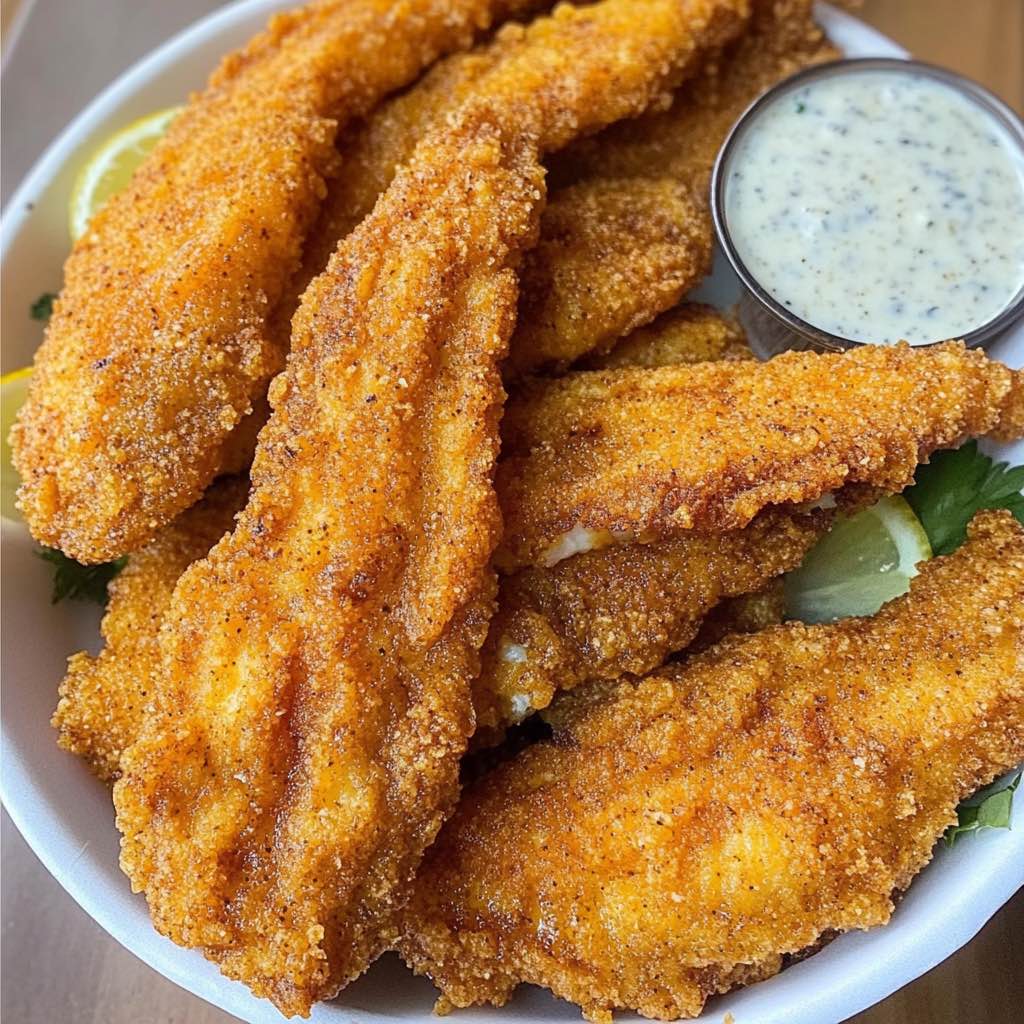
Southern Mustard Fried Catfish: The Ultimate Guide to This Iconic Southern Dish
Southern Mustard Fried Catfish combines the beloved tradition of Southern fried fish with the tangy kick of mustard, creating a crispy, golden exterior and tender, flaky interior that represents the best of comfort food cuisine. This dish elevates the classic fried catfish by incorporating mustard as both a marinade and flavor enhancer, resulting in a more complex taste profile that has become increasingly popular in Southern kitchens.
What Makes Mustard Fried Catfish Special
The addition of mustard to traditional fried catfish serves multiple culinary purposes that transform this already beloved dish into something extraordinary. Mustard acts as both a tenderizer and adhesive, helping the seasoned coating stick better to the fish while adding its distinctive tangy flavor. The mustard creates a barrier between the fish and the oil, which helps maintain moisture inside while achieving maximum crispiness on the outside.
Traditional Southern fried catfish relies primarily on cornmeal coatings and buttermilk marinades, but the mustard variation introduces French’s yellow mustard or Dijon mustard as key components. This addition not only enhances the flavor but also contributes to the dish’s signature golden color and improved texture retention during frying.
Essential Ingredients for Perfect Mustard Fried Catfish
The Fish
Fresh farm-raised catfish fillets are the foundation of this dish, typically requiring 4-6 fillets weighing approximately 6 ounces each. The mild, sweet flavor of catfish pairs perfectly with the tangy mustard coating, while its firm texture holds up well to the frying process. When selecting catfish, look for fillets that are pale pink to white in color with a fresh, mild aroma.
Mustard Selection
The choice of mustard significantly impacts the final flavor profile. French’s yellow mustard is the most commonly recommended option for authentic Southern preparation, providing the classic tangy flavor without overwhelming the delicate fish. Dijon mustard offers a more sophisticated, slightly sharper taste that works particularly well when combined with herbs like fresh thyme.
Coating Components
The signature crispy coating requires a specific blend of dry ingredients:
-
Cornmeal: Forms the base of the coating, providing the characteristic texture and golden color. A ratio of 1 cup cornmeal is standard
-
All-purpose flour: Added in smaller quantities (typically 1/4 to 1/2 cup) to help bind the coating and create structure
-
Seasonings: Essential components include Old Bay seasoning, garlic powder, onion powder, paprika, black pepper, and salt
Additional Flavor Enhancers
Many recipes incorporate hot sauce (particularly Louisiana-style) mixed with the mustard to add heat and depth. This combination creates a more complex flavor profile that balances the richness of the fried coating.youtube
Step-by-Step Preparation Method
Fish Preparation
Begin by cleaning the catfish fillets thoroughly with cold water and lemon juice, which helps remove any muddy taste and freshens the fish. Pat the fillets completely dry with paper towels, as excess moisture will prevent proper coating adhesion. Some cooks prefer to cut larger fillets into more manageable pieces for even cooking.youtube
Creating the Mustard Base
Combine 3 tablespoons of yellow mustard with 1 tablespoon of hot sauce in a bowl, mixing until well incorporated. This mixture should be applied to both sides of each catfish fillet, ensuring complete coverage. The mustard-hot sauce combination should be massaged into the fish and allowed to marinate for at least 30 minutes, though some recipes recommend 2-3 hours for maximum flavor penetration.
Preparing the Seasoned Coating
In a large resealable bag or shallow dish, combine the dry ingredients:
-
1 cup all-purpose flour
-
1 cup yellow cornmeal
-
3 tablespoons Old Bay seasoning
-
2-3 tablespoons garlic powder
-
2-3 tablespoons onion powder
-
2-3 tablespoons paprika
-
1 teaspoon cayenne pepper
-
Salt and black pepper to taste
Shake the bag vigorously until all seasonings are evenly distributed throughout the flour and cornmeal mixture. This step is crucial for ensuring consistent seasoning in every bite.youtube
Coating Process
Working in small batches, place 2-3 pieces of mustard-coated catfish into the seasoned flour bag. Seal the bag and shake thoroughly, ensuring each piece is completely coated. Press the coating firmly onto the fish to ensure proper adhesion during frying. Remove coated pieces and place on a wire rack while preparing the remaining fillets.
Frying Techniques for Optimal Results
Oil Selection and Temperature
Vegetable oil, peanut oil, or canola oil work best for frying catfish due to their high smoke points and neutral flavors. Fill a cast iron skillet or deep fryer with enough oil to reach at least 1 inch deep, or use a deep fryer filled according to manufacturer instructions.
Heat the oil to 350-375°F (175-190°C), which is the optimal temperature range for achieving crispy exteriors without overcooking the fish. Using a deep-fry thermometer ensures accurate temperature monitoring throughout the cooking process.letseatcuisine+1
Frying Process
Fry the catfish in small batches to avoid overcrowding, which can lower oil temperature and result in greasy, soggy fish. Carefully place 2-3 pieces into the hot oil using tongs, and fry for 4-6 minutes per side until golden brown and crispy.simplylakita+1
During frying, maintain oil temperature by adjusting heat as needed. The fish should float to the surface and develop a deep golden-brown color when properly cooked. Internal temperature should reach 145°F (63°C) for food safety.
Draining and Serving
Remove fried catfish using a slotted spoon or tongs, allowing excess oil to drain briefly before transferring to a wire rack placed over paper towels. This method allows air circulation around the fish, maintaining crispiness while absorbing excess oil. Serve immediately while hot for the best texture and flavor.youtube
Traditional Southern Accompaniments
Classic Side Dishes
Coleslaw remains the most popular accompaniment to fried catfish, providing a cool, creamy contrast to the hot, crispy fish. The acidic nature of coleslaw helps cut through the richness of the fried coating while adding textural variety.
Hush puppies are another essential Southern pairing, offering a complementary cornmeal-based side that echoes the main dish’s flavors. These small, round fritters are typically made with cornmeal, buttermilk, and seasonings, then deep-fried until golden.
French fries or seasoned potato wedges provide a hearty starch component that appeals to those seeking a more substantial meal. Sweet potato fries offer a Southern twist that pairs particularly well with the tangy mustard flavors.
Sauce Options
Tartar sauce is the classic condiment choice, with many Southern cooks preparing homemade versions that include mayonnaise, pickles, capers, and lemon juice. A spicy variation might incorporate hot sauce, cayenne pepper, or jalapeños for additional heat.
Remoulade sauce offers a more sophisticated option, combining mayonnaise with mustard, herbs, capers, and spices for a complex flavor profile that complements the mustard-fried fish.
Hot sauce varieties, particularly Louisiana-style sauces, are commonly served alongside fried catfish for those who prefer additional heat and acidity.letseatcuisine
Regional Variations and Cooking Tips
Louisiana Influence
Some variations incorporate Creole mustard instead of yellow mustard, providing a coarser texture and more complex flavor profile typical of Louisiana cuisine. This preparation often includes additional Cajun seasonings like cayenne, white pepper, and garlic powder.
Equipment Recommendations
Cast iron skillets are preferred by many Southern cooks for their superior heat retention and even cooking properties. The heavy bottom prevents hot spots and maintains consistent oil temperature throughout the frying process.
Electric deep fryers offer convenience and temperature control, though some traditionalists argue that cast iron produces superior results. Regardless of equipment choice, proper temperature monitoring remains essential for success.youtube
Storage and Reheating
Leftover fried catfish can be stored in the refrigerator for up to 3 days, though texture quality diminishes over time. Reheating in a 350°F oven for 10-15 minutes helps restore some crispiness, though the results won’t match freshly fried fish.
For best results, fried catfish should be consumed immediately after cooking when the coating is at peak crispiness and the fish is at optimal temperature.
Nutritional Considerations
Health Benefits of Catfish
Catfish provides high-quality protein while being relatively low in calories compared to other fried foods. A typical 6-ounce serving contains approximately 25-30 grams of protein along with essential vitamins and minerals.simplylakita
The fish is also a good source of vitamin B12, phosphorus, and selenium, nutrients that support various bodily functions including metabolism and immune system health.simplylakita
Frying Considerations
While delicious, fried preparations significantly increase the caloric content of the dish. The cornmeal coating absorbs oil during frying, adding both calories and fat to the final product. Proper oil temperature and draining techniques can minimize excess oil absorption.
Alternative cooking methods like baking or air frying can reduce fat content while maintaining much of the flavor profile, though the texture will differ from traditional deep-fried preparations.
Cultural Significance and History
Southern Food Tradition
Fried catfish holds deep cultural significance in Southern cuisine, representing both necessity and celebration in regional food culture. Historically, catfish was an accessible protein source for many Southern families, leading to the development of numerous preparation methods.
The addition of mustard to fried catfish represents an evolution of traditional recipes, incorporating European influences with established Southern cooking techniques. This fusion demonstrates the dynamic nature of regional cuisine and its ability to adapt while maintaining core characteristics.
Fish Fry Traditions
Fish fries are important social gatherings in Southern communities, often associated with religious events, family reunions, and community fundraisers. These events typically feature large quantities of fried catfish alongside traditional sides and desserts.
The communal aspect of fish fries has helped preserve traditional cooking methods and recipes, ensuring their transmission to new generations of cooks.
Advanced Techniques and Professional Tips
Seasoning Strategies
Pre-seasoning the fish 24 hours in advance allows flavors to penetrate more deeply, though this requires careful attention to food safety and proper refrigeration. Some cooks apply a dry rub before adding the mustard coating for additional flavor complexity.pauladeen
Layered seasoning involves seasoning both the fish and the coating mixture separately, creating multiple flavor dimensions in the finished product.
Temperature Control
Maintaining proper oil temperature requires constant attention and occasional adjustments. Oil temperature naturally drops when food is added, so starting slightly above target temperature compensates for this cooling effect.
Using a splatter screen helps contain oil splashes while allowing proper heat circulation and moisture escape during frying.
Quality Indicators
Properly fried catfish should have a golden-brown exterior that sounds crispy when tapped with a utensil. The fish should flake easily when tested with a fork, and the internal temperature should reach 145°F (63°C) for food safety.youtube
Overcooked catfish becomes tough and dry, while undercooked fish poses health risks and has an unpleasant texture.
Troubleshooting Common Issues
Coating Problems
Coating that falls off during frying usually indicates insufficient adhesion from the mustard base or inadequate pressing during the breading process. Ensuring the fish is properly dried and the mustard coating is evenly applied helps prevent this issue.
Soggy coating typically results from oil that’s too cool, overcrowding the fryer, or inadequate draining after cooking. Maintaining proper oil temperature and frying in small batches prevents these problems.
Texture Issues
Tough or rubbery fish usually indicates overcooking or excessively high oil temperature. Monitoring cooking time and maintaining proper temperature prevents these texture problems.
Greasy final product results from oil that’s too cool, allowing excessive absorption, or inadequate draining after cooking.youtube
Modern Adaptations and Variations
Health-Conscious Alternatives
Air fryer adaptations use minimal oil while attempting to recreate the crispy texture of traditional frying. These methods require adjusted cooking times and temperatures but can significantly reduce fat content.
Baked versions coat the mustard-prepared catfish with seasoned cornmeal and bake at high temperatures (around 425°F) for 15-20 minutes, creating a healthier alternative with modified texture.
Flavor Innovations
Some modern interpretations incorporate Asian-inspired seasonings like five-spice or sesame seeds into the coating mixture, creating fusion variations that maintain the Southern base while adding international elements.
Herb-crusted versions add fresh herbs like thyme, rosemary, or sage to the coating mixture for additional aromatic complexity.
Conclusion
Southern Mustard Fried Catfish represents the evolution of traditional Southern cuisine, combining time-tested techniques with flavor innovations that enhance the natural qualities of fresh catfish. The addition of mustard not only improves the coating’s adherence and texture but also contributes a distinctive tangy flavor that sets this preparation apart from standard fried catfish recipes. Success with this dish requires attention to detail in preparation, proper temperature control during frying, and understanding of how the various components work together to create the perfect balance of crispy exterior and tender interior that defines exceptional Southern fried fish.
Southern Mustard Fried Catfish
Description
Ingredients
-
4–6 catfish fillets (about 6 oz each), patted dry
-
1/3 cup yellow mustard
-
1 tablespoon hot sauce (Louisiana-style)
-
1 cup fine yellow cornmeal
-
1/2 cup all-purpose flour (or self-rising for extra crisp)
-
1 teaspoon paprika
-
1 teaspoon garlic powder
-
1 teaspoon onion powder
-
1 teaspoon Old Bay or Cajun seasoning
-
1/2 teaspoon kosher salt
-
1/2 teaspoon black pepper
-
Oil for frying (peanut, canola, or vegetable)
-
Lemon wedges, for serving (optional)
Instructions
-
Season and mustard-coat
-
In a bowl, whisk mustard and hot sauce. Add catfish and toss to coat evenly. Let sit 10–20 minutes while heating oil.
-
Make the dredge
-
In a shallow dish, mix cornmeal, flour, paprika, garlic powder, onion powder, Old Bay/Cajun seasoning, salt, and pepper until uniform.
-
Heat oil
-
Pour 1–1.5 inches of oil into a deep skillet or Dutch oven. Heat to 350–375°F (175–190°C). Maintain temperature between batches.
-
Dredge
-
Remove fillets from mustard, letting excess drip. Press each fillet into the cornmeal mixture to coat all sides, shaking off excess. Rest coated fillets 3–5 minutes so the crust adheres.
-
Fry
-
Fry in batches without crowding, 3–5 minutes per side (thick fillets may need a bit longer) until deep golden and fish flakes easily. Internal temp should reach about 145°F (63°C).
-
Drain and serve
-
Transfer to a wire rack set over a sheet pan (stays crispier than paper towels). Sprinkle with a pinch of salt, rest 2 minutes, and serve hot with lemon wedges.