
The Ultimate Guide to Tomato Spinach Shrimp Pasta: A Fresh and Flavorful Mediterranean Delight
Introduction
Creating the perfect tomato spinach shrimp pasta combines the vibrant flavors of fresh seafood, nutrient-rich greens, and aromatic tomatoes in one satisfying dish. This Mediterranean-inspired pasta brings together succulent shrimp, tender spinach, and juicy tomatoes to create a restaurant-quality meal at home. Moreover, this versatile recipe offers endless customization options while maintaining its signature fresh taste.
Whether you’re seeking a quick weeknight dinner or an impressive dish for guests, this tomato spinach shrimp pasta delivers both convenience and elegance. Furthermore, the combination of protein-rich shrimp and iron-packed spinach makes this pasta both delicious and nutritious. In addition, the bright acidity of tomatoes balances the richness of the seafood perfectly.
Table of Contents
What Makes Tomato Spinach Shrimp Pasta Special
The magic of tomato spinach shrimp pasta lies in its perfect balance of flavors, textures, and colors. This dish represents the essence of Mediterranean cooking, where fresh ingredients shine without unnecessary complexity. Additionally, the combination creates a complete meal that satisfies both nutritional needs and taste preferences.
The Perfect Flavor Profile
The sweet, briny flavor of shrimp pairs beautifully with the earthiness of fresh spinach. Meanwhile, ripe tomatoes add bright acidity that cuts through the richness of olive oil and garlic. Therefore, each bite delivers a harmonious blend of sea, garden, and herb flavors.
The pasta serves as the perfect canvas for these bold ingredients. Furthermore, the starch from properly cooked pasta helps bind the sauce, creating a cohesive dish. However, the key lies in not overwhelming any single component.
Visual Appeal and Presentation
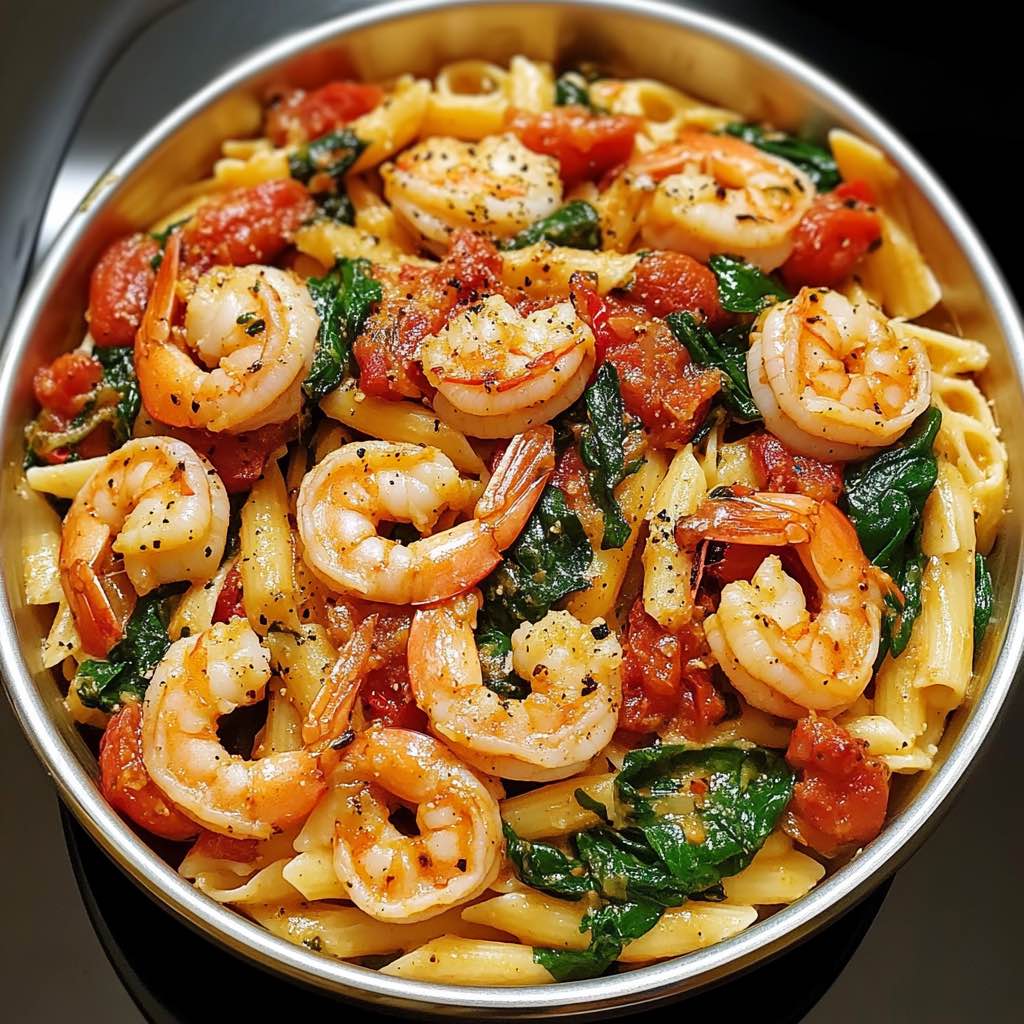
This tomato spinach shrimp pasta creates a stunning visual presentation with its vibrant colors. The pink shrimp contrasts beautifully with deep green spinach and bright red tomatoes. Consequently, the dish looks as impressive as it tastes, making it perfect for entertaining.
The Mediterranean color palette also suggests freshness and health. In addition, the varied textures create visual interest that enhances the dining experience. For example, the tender shrimp, wilted spinach, and al dente pasta provide different textural elements.
Essential Ingredients for Perfect Results
Success with tomato spinach shrimp pasta depends heavily on ingredient quality and proper preparation. Each component plays a crucial role in the final dish’s flavor and texture. Therefore, selecting the best ingredients available will significantly improve your results.
Shrimp Selection and Preparation
Choose medium to large shrimp (16-20 count per pound) for the best texture and flavor. Fresh shrimp should smell like the ocean, not “fishy.” However, high-quality frozen shrimp often works better than poor-quality fresh shrimp.
Shrimp preparation tips:
-
Remove shells and devein completely
-
Pat dry thoroughly before cooking
-
Season with salt and pepper before cooking
-
Don’t overcook to maintain tenderness
Pasta Choice and Cooking
The pasta shape significantly impacts how well the sauce adheres and distributes. Long pasta shapes like linguine, spaghetti, or angel hair work best with this sauce. Moreover, the thin strands allow the shrimp and vegetables to integrate seamlessly.
Best pasta options:
-
Linguine for classic presentation
-
Spaghetti for traditional appeal
-
Angel hair for delicate texture
-
Penne for heartier preparations
Tomato Varieties and Preparation
Fresh, ripe tomatoes provide the best flavor, but quality canned tomatoes work well too. Cherry tomatoes offer concentrated sweetness and hold their shape beautifully. Meanwhile, Roma tomatoes provide meaty texture with fewer seeds.
Tomato preparation methods:
-
Dice fresh tomatoes uniformly
-
Remove excess seeds if desired
-
Salt briefly to concentrate flavors
-
Use canned San Marzano for winter cooking
Spinach Selection and Handling
Fresh baby spinach works best for tomato spinach shrimp pasta because it wilts quickly and has tender leaves. Adult spinach requires longer cooking and may become stringy. Furthermore, pre-washed spinach saves time but should still be inspected for quality.
Spinach handling tips:
-
Wash thoroughly in cold water
-
Remove tough stems completely
-
Dry well to prevent watery sauce
-
Add at the end to prevent overcooking
Step-by-Step Cooking Instructions
Mastering the technique for tomato spinach shrimp pasta ensures consistent, delicious results every time. The key lies in proper timing and temperature control throughout the cooking process. Additionally, having all ingredients prepared before starting prevents overcooking.
Preparation Phase
Begin by organizing all ingredients and equipment before heating any pans. This mise en place approach prevents rushing and ensures perfect timing. Moreover, having everything ready allows you to focus on technique rather than searching for ingredients.
Preparation checklist:
-
Clean and season shrimp
-
Wash and chop vegetables
-
Measure pasta and seasonings
-
Fill large pot with salted water
-
Heat large skillet over medium heat
Cooking the Pasta Base
Start the pasta water first, as it takes longest to reach boiling point. Salt the water generously for proper seasoning throughout. Therefore, the pasta will absorb flavor from the cooking water itself.
Cook pasta according to package directions but stop one minute before full doneness. This allows the pasta to finish cooking in the sauce, absorbing more flavor. Furthermore, reserve one cup of starchy pasta water before draining.
Building the Sauce
Heat olive oil in a large skillet over medium-high heat. Add minced garlic and cook briefly until fragrant but not brown. Subsequently, add shrimp in a single layer and cook without moving for 2-3 minutes.
Flip shrimp carefully and cook another 1-2 minutes until pink and cooked through. Remove shrimp to a plate temporarily. However, leave the flavorful oil in the pan for the vegetables.
Combining Everything Together
Add diced tomatoes to the same skillet with the seasoned oil. Cook for 3-4 minutes until tomatoes begin to break down and release juices. Then, add the cooked pasta directly to the skillet with the tomatoes.
Toss pasta with tomatoes, adding pasta water gradually to create a silky sauce. Finally, return shrimp to the pan and add fresh spinach. The residual heat will wilt the spinach perfectly without overcooking.
Nutritional Benefits and Health Advantages
Tomato spinach shrimp pasta offers exceptional nutritional value while delivering incredible flavor. This dish combines lean protein, essential vitamins, and beneficial antioxidants in one satisfying meal. Moreover, the Mediterranean-style preparation methods preserve most nutrients.
Protein Content and Quality
Shrimp provides high-quality, complete protein with all essential amino acids. A typical serving contains approximately 20-25 grams of protein, supporting muscle maintenance and growth. Additionally, shrimp protein is easily digestible and low in saturated fat.
The protein in this tomato spinach shrimp pasta helps maintain stable blood sugar levels. Furthermore, adequate protein intake supports metabolism and promotes satiety after meals. Therefore, this dish can be part of various healthy eating plans.
Vitamin and Mineral Profile
Spinach contributes significant amounts of iron, folate, and vitamin K to the dish. These nutrients support blood health, energy production, and bone strength. Meanwhile, tomatoes provide vitamin C, potassium, and lycopene for antioxidant protection.
Key nutrients per serving:
-
Iron from spinach for oxygen transport
-
Vitamin C from tomatoes for immune support
-
Selenium from shrimp for thyroid function
-
Folate from spinach for cell division
Antioxidant Properties
The combination of tomatoes and spinach creates a powerful antioxidant profile. Lycopene from cooked tomatoes becomes more bioavailable and protects against cellular damage. Similarly, spinach provides lutein and zeaxanthin for eye health.
These antioxidants work synergistically to reduce inflammation and support overall health. In addition, the olive oil helps absorb fat-soluble vitamins from the vegetables. Consequently, this tomato spinach shrimp pasta offers both pleasure and nutrition.
Popular Variations and Customizations
The versatility of tomato spinach shrimp pasta allows for countless creative variations while maintaining the core flavor profile. These adaptations can accommodate different dietary needs, seasonal ingredients, or personal preferences. Furthermore, experimenting with variations keeps the dish interesting for regular preparation.
Protein Alternatives
While shrimp remains the classic choice, other proteins work beautifully in this preparation. Scallops offer similar sweetness and cooking time to shrimp. Meanwhile, chicken breast provides a more economical option with different texture.
Alternative protein options:
-
Sea scallops for luxury presentation
-
Chicken breast for budget-friendly meals
-
Salmon for omega-3 fatty acids
-
Italian sausage for heartier flavor
Vegetable Additions
Expanding the vegetable content increases nutritional value and visual appeal. Bell peppers add crunch and sweetness that complements the existing flavors. Similarly, mushrooms contribute umami depth and meaty texture.
Zucchini works particularly well when diced small and cooked briefly. Moreover, roasted red peppers from a jar add smoky sweetness without extra cooking time. Therefore, these additions enhance rather than compete with the original flavors.
Sauce Modifications
The basic tomato spinach shrimp pasta sauce can be modified in numerous ways. Adding cream creates a richer, more luxurious texture while mellowing the acidity. However, this changes the Mediterranean character of the dish.
Sauce variation ideas:
-
Add splash of heavy cream for richness
-
Include white sauce base for different flavor
-
Use pesto instead of plain herbs
-
Incorporate sun-dried tomatoes for intensity
Seasonal Adaptations
Adapting this tomato spinach shrimp pasta to seasonal ingredients keeps it fresh year-round. Spring versions might include asparagus and fresh peas. Meanwhile, fall preparations could incorporate roasted butternut squash.
Summer adaptations work particularly well with peak tomato season. Fresh basil, oregano, and thyme from the garden elevate the dish significantly. Consequently, seasonal variations provide opportunities to explore new flavor combinations.
Serving Suggestions and Presentation
Proper serving and presentation enhance the dining experience of tomato spinach shrimp pasta significantly. The visual appeal and accompanying elements can transform a simple pasta dish into an memorable meal. Additionally, thoughtful presentation shows respect for both ingredients and diners.
Plating Techniques
Serve tomato spinach shrimp pasta in warmed bowls to maintain temperature throughout the meal. Use tongs to create height and visual interest when plating the pasta. Furthermore, arrange shrimp prominently on top for immediate visual impact.
Garnish with fresh herbs like basil or parsley for color contrast and aromatic appeal. However, avoid overwhelming the dish with excessive garnishes that compete with the main ingredients. Therefore, restraint in presentation often yields better results.
Complementary Side Dishes
While tomato spinach shrimp pasta stands alone as a complete meal, certain sides enhance the experience. Crusty Italian bread allows diners to enjoy every drop of the flavorful sauce. Meanwhile, a simple green salad provides textural contrast and fresh flavors.
Recommended accompaniments:
-
Garlic bread for sauce absorption
-
Caesar salad for crisp contrast
-
Roasted vegetables for additional nutrition
-
Antipasto platter for Italian theme
Temperature and Timing
Serve tomato spinach shrimp pasta immediately after preparation for best texture and temperature. The pasta continues cooking from residual heat, so timing is crucial. Moreover, cold pasta loses its appealing texture quickly.
Warm serving bowls in a low oven before plating to maintain temperature longer. This professional technique ensures the dish remains enjoyable throughout the meal. Consequently, diners experience the full flavor potential of properly heated food.
Storage Tips and Meal Prep Ideas
Proper storage extends the enjoyment of tomato spinach shrimp pasta beyond the initial meal. However, seafood dishes require special attention to food safety and quality maintenance. Therefore, understanding correct storage methods prevents waste and ensures safe consumption.
Refrigerator Storage
Store leftover tomato spinach shrimp pasta in airtight containers within two hours of cooking. The dish remains safe and flavorful for up to three days when properly refrigerated. However, the texture changes slightly as the pasta absorbs more sauce.
Separate any unused raw ingredients for longer storage life. For example, fresh spinach lasts longer when stored separately from cooked pasta. Meanwhile, cooked shrimp should be consumed within the three-day window for optimal safety.
Reheating Methods
Gentle reheating preserves the texture and prevents overcooking the delicate shrimp. Use low heat and add a splash of water or broth to prevent drying. Furthermore, stirring frequently ensures even heating throughout the dish.
Best reheating techniques:
-
Stovetop with low heat and added liquid
-
Microwave in short intervals with stirring
-
Oven method for larger portions
-
Add fresh spinach when reheating
Meal Prep Strategies
Preparing components separately allows for fresh assembly throughout the week. Cook pasta and store separately from sauce components. Meanwhile, prepare shrimp and vegetables ahead for quick final assembly.
This tomato spinach shrimp pasta adapts well to batch cooking methods. Double or triple the recipe and portion into individual containers. Consequently, busy weeknights become easier with pre-prepared quality meals available.
Freezing Considerations
While possible, freezing tomato spinach shrimp pasta significantly changes texture and quality. The pasta becomes mushy and the shrimp tough when frozen and reheated. Therefore, freezing is not recommended for this particular dish.
However, sauce components without pasta can be frozen successfully. Prepare the tomato and spinach sauce separately and freeze in portions. Then, cook fresh pasta and shrimp when ready to serve for best results.
Troubleshooting Common Issues
Even experienced cooks encounter challenges when preparing tomato spinach shrimp pasta. Understanding common problems and solutions prevents frustration and ensures consistent results. Moreover, troubleshooting knowledge builds confidence for future cooking attempts.
Overcooked Shrimp Problems
Overcooked shrimp becomes tough and rubbery, significantly diminishing the dish’s appeal. This usually results from cooking too long or at excessive temperature. However, proper timing and technique prevent this common issue.
Shrimp cooking solutions:
-
Cook over medium-high heat briefly
-
Remove when just pink and opaque
-
Return to pan at the very end
-
Use a timer to prevent overcooking
Watery Sauce Issues
Excess water from vegetables or insufficient reduction creates thin, unappealing sauce. This problem often occurs when spinach isn’t dried properly or tomatoes release too much liquid. Therefore, proper preparation prevents watery results.
Increase heat briefly to evaporate excess liquid if the sauce becomes watery. Additionally, pasta water helps thicken sauce when added gradually. Meanwhile, removing the lid allows moisture to escape during cooking.
Pasta Texture Problems
Overcooked pasta ruins the texture of tomato spinach shrimp pasta regardless of other components. Start checking pasta one minute before package directions suggest. Furthermore, remember that pasta continues cooking in the hot sauce.
Pasta perfection tips:
-
Test frequently near completion time
-
Stop cooking when slightly firm
-
Save pasta water before draining
-
Finish cooking in the sauce
Seasoning Balance
Proper seasoning makes the difference between good and exceptional tomato spinach shrimp pasta. Taste frequently throughout cooking and adjust seasonings accordingly. However, remember that pasta water adds saltiness to the final dish.
Build flavors gradually rather than adding large amounts at once. Salt enhances natural flavors while pepper adds gentle heat. Meanwhile, fresh herbs provide brightness that balances rich components.
Frequently Asked Questions
Can I make tomato spinach shrimp pasta ahead of time?
While best served fresh, you can prepare components separately ahead of time. Cook the shrimp and store refrigerated, then prepare the sauce base without spinach. However, cook pasta fresh and combine everything just before serving for optimal texture and flavor.
What’s the best pasta shape for this dish?
Long, thin pasta shapes work best with tomato spinach shrimp pasta because they allow even distribution of ingredients. Linguine, spaghetti, and angel hair are excellent choices. Meanwhile, avoid thick or heavily textured pasta that competes with the delicate seafood.
How do I prevent the spinach from becoming bitter?
Use fresh, young spinach leaves and add them at the very end of cooking. Overcooking spinach releases bitter compounds that affect the entire dish. Therefore, wilting spinach with residual heat maintains its sweet, mild flavor in the finished pasta.
Can I substitute frozen shrimp for fresh?
High-quality frozen shrimp often works better than poor-quality fresh shrimp for this recipe. Thaw frozen shrimp completely and pat dry before cooking. However, avoid pre-cooked shrimp as it becomes tough when reheated in the tomato spinach shrimp pasta.
What wine pairs best with this dish?
Light, crisp white wines complement the delicate flavors without overwhelming the seafood. Pinot Grigio, Sauvignon Blanc, or Albariño work excellently. Meanwhile, avoid heavy, oaked wines that compete with the fresh Mediterranean flavors.
How can I make this dish spicier?
Add red pepper flakes when cooking the garlic, or include diced jalapeño with the tomatoes. Fresh hot peppers integrate better than dried spices in this preparation. However, start with small amounts since you can always add more heat but cannot remove it.
Conclusion
Mastering tomato spinach shrimp pasta opens doors to countless delicious possibilities while providing a reliable foundation for Mediterranean-inspired cooking. This versatile dish combines nutrition, flavor, and visual appeal in one satisfying preparation. Moreover, the techniques learned here apply to many other pasta and seafood combinations.
The beauty of this tomato spinach shrimp pasta lies in its simplicity and adaptability. Whether preparing a quick weeknight dinner or entertaining guests, this recipe delivers consistent, impressive results. Furthermore, the fresh ingredients and straightforward preparation make it accessible to cooks of all skill levels.
Remember that quality ingredients make the biggest difference in final results. Therefore, invest in the freshest shrimp, ripest tomatoes, and most tender spinach available. Additionally, proper timing and technique ensure that each component shines in the finished dish.
Tomato Spinach Shrimp Pasta
Description
Ingredients
-
8-12 ounces dry pasta (spaghetti, linguine, or fettuccine)
-
1 pound shrimp, peeled and deveined
-
1 tablespoon olive oil
-
2 tablespoons butter
-
4-5 cloves garlic, minced
-
10 ounces grape or cherry tomatoes, halved
-
1/4 cup chicken broth (or vegetable broth)
-
2 cups fresh baby spinach
-
1/4 teaspoon Italian seasoning
-
Salt and pepper to taste
-
Freshly grated Parmesan cheese for serving
-
Optional: crushed red pepper flakes for a little heat
-
Optional: lemon juice for brightness
Instructions
-
Cook pasta al dente according to package instructions. Drain and set aside.
-
Heat olive oil and butter in a large skillet over medium-high heat. Add garlic and sauté for 30 seconds until fragrant.
-
Add halved tomatoes, chicken broth, and Italian seasoning. Cook, stirring occasionally, until tomatoes start to soften and release juices (about 5 minutes).
-
Add shrimp to the skillet along with the spinach; cook for about 5 minutes, stirring occasionally, until shrimp are pink and cooked through and spinach has wilted.
-
Toss cooked pasta into the skillet with shrimp and vegetables, adding a little pasta water if needed to loosen sauce.
-
Season with salt, pepper, and optional red pepper flakes or lemon juice to taste. Serve topped with Parmesan cheese.