
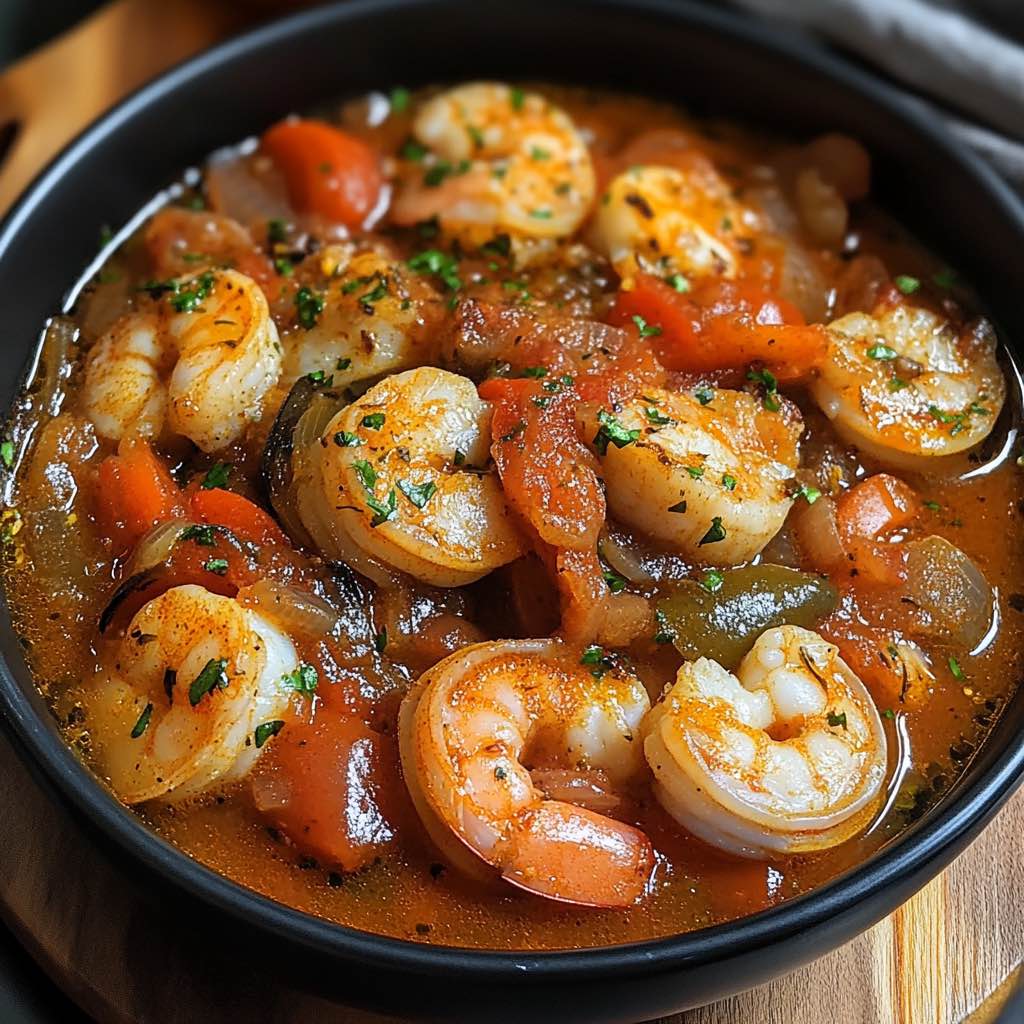
The Ultimate Guide to Spicy Seafood Creole Stew: A Louisiana Masterpiece
Nothing captures the essence of Louisiana cuisine quite like a perfectly crafted Spicy Seafood Creole Stew. This vibrant, soul-warming dish combines the freshest seafood with aromatic vegetables, bold spices, and rich tomato-based broth to create an unforgettable culinary experience. Moreover, this traditional recipe brings the authentic flavors of New Orleans directly to your kitchen without requiring any alcoholic ingredients.
The beauty of this Spicy Seafood Creole Stew lies in its versatility and depth of flavor. Furthermore, it represents generations of Creole cooking tradition, passed down through families who understood that exceptional food comes from quality ingredients and patient preparation.
Table of Contents
Understanding Creole Cuisine
Creole cooking represents a fascinating fusion of culinary traditions. Additionally, it reflects the rich cultural heritage of Louisiana, blending French, Spanish, African, and Native American influences into something uniquely delicious. This Spicy Seafood Creole Stew exemplifies these diverse influences perfectly.
The Creole cooking style emphasizes fresh, local ingredients and bold flavors. Consequently, seafood plays a central role in many traditional dishes. The abundance of Gulf Coast seafood makes it natural for cooks to create hearty stews that celebrate the ocean’s bounty.
Historical Background
Creole cuisine developed in New Orleans during the 18th and 19th centuries. Meanwhile, enslaved Africans, French colonists, Spanish settlers, and Native Americans all contributed techniques and ingredients. This cultural melting pot created the foundation for dishes like our Spicy Seafood Creole Stew.
Traditional Creole stews often served as one-pot meals for large families. Therefore, they needed to be both filling and flavorful while stretching ingredients to feed many people. This practical approach led to the development of rich, satisfying dishes that remain popular today.
Essential Ingredients for Spicy Seafood Creole Stew
Creating an authentic Spicy Seafood Creole Stew requires specific ingredients that work together harmoniously. First, let’s explore the foundational components that make this dish extraordinary.
Fresh Seafood Selection
The star of any seafood Creole stew is, naturally, the seafood itself. Here are the best options:
-
Large shrimp (1-2 pounds, peeled and deveined)
-
Crab meat (1 pound, preferably lump or backfin)
-
Oysters (1 pint, with their liquor)
-
Fish fillets (1 pound white fish, cut into chunks)
Each type of seafood contributes unique flavors and textures. Additionally, using a combination creates depth and complexity that single-seafood stews cannot achieve.
Aromatic Vegetables
The vegetable foundation creates the flavor base for your Spicy Seafood Creole Stew:
-
Yellow onions (2 large, diced)
-
Bell peppers (2 green, 1 red, diced)
-
Celery stalks (4-5 stalks, diced)
-
Garlic cloves (6-8 cloves, minced)
-
Green onions (1 bunch, sliced)
These vegetables form the classic “Holy Trinity” plus additional aromatics. Subsequently, they provide the essential flavor foundation that defines authentic Creole cooking.
Pantry Staples
Several pantry ingredients round out the flavor profile:
-
Diced tomatoes (28-ounce can)
-
Tomato paste (6-ounce can)
-
Seafood or chicken stock (4-6 cups)
-
Long-grain white rice (2 cups)
-
All-purpose flour (1/2 cup for roux)
-
Vegetable oil (1/2 cup)
The Holy Trinity: Foundation of Flavor
The “Holy Trinity” represents the cornerstone of Creole and Cajun cooking. This combination of onions, bell peppers, and celery provides the aromatic base for countless Louisiana dishes, including our Spicy Seafood Creole Stew.
Proper Preparation Technique
Dice all vegetables uniformly to ensure even cooking. Specifically, aim for pieces roughly 1/4 to 1/2 inch in size. This consistency helps the vegetables cook evenly and prevents some pieces from becoming mushy while others remain undercooked.
Furthermore, the ratio should be roughly equal parts onion, bell pepper, and celery. However, many cooks prefer slightly more onion for added sweetness and depth.
Cooking the Holy Trinity
Start by heating oil in a heavy-bottomed pot over medium heat. Next, add the diced onions first, cooking for 3-4 minutes until they begin to soften. Then, add the bell peppers and celery, continuing to cook for another 5-7 minutes.
The vegetables should become tender and fragrant without browning significantly. Moreover, this gentle cooking process releases their natural sugars and creates a flavorful foundation for the stew.
Selecting the Perfect Seafood
Quality seafood makes the difference between good and exceptional Spicy Seafood Creole Stew. Therefore, choosing the freshest options available ensures the best possible results.
Shrimp Selection
Large shrimp work best in this stew because they maintain their texture during cooking. Look for shrimp that smell fresh and ocean-like, not fishy or ammonia-scented. Additionally, the shells should be firm and translucent, not slimy or discolored.
Fresh shrimp should have:
-
Firm, translucent shells
-
Sweet, ocean-like aroma
-
No black spots or discoloration
-
Tails that snap back when bent
Crab Meat Quality
High-quality crab meat enhances the overall flavor significantly. Lump crab meat provides the best texture and flavor, though backfin crab works well too. Furthermore, pasteurized crab meat offers convenience while maintaining quality.
Always check crab meat for shell pieces before adding to your stew. Even small fragments can ruin the eating experience, so taking time to pick through the meat pays dividends.
Fresh Fish Considerations
White fish fillets complement the other seafood without overwhelming the dish. Firm fish like red snapper, grouper, or halibut work excellently. Meanwhile, avoid delicate fish that might fall apart during cooking.
Cut fish into 2-3 inch chunks that will hold together during the cooking process. Additionally, remove any remaining bones or skin before adding to the stew.
Spice Blend Mastery
The spice blend defines the “spicy” in Spicy Seafood Creole Stew. Creating the right balance requires understanding how different spices work together to build layers of heat and flavor.
Essential Creole Seasonings
A proper Creole seasoning blend includes:
-
Paprika (2 tablespoons)
-
Cayenne pepper (1-2 teaspoons, to taste)
-
Black pepper (1 teaspoon, freshly ground)
-
White pepper (1/2 teaspoon)
-
Garlic powder (1 teaspoon)
-
Onion powder (1 teaspoon)
-
Dried oregano (1 teaspoon)
-
Dried thyme (1 teaspoon)
-
Bay leaves (2-3 whole leaves)
Heat Level Customization
Adjusting the heat level allows you to customize your Spicy Seafood Creole Stew for different preferences. Start with less cayenne pepper and add more gradually. Remember, you can always add heat, but removing it proves much more difficult.
For mild heat, use 1/2 teaspoon cayenne pepper. Meanwhile, heat lovers can increase to 2 teaspoons or add hot sauce during cooking. Additionally, fresh hot peppers like jalapeños or serranos can provide extra heat and flavor.
Spice Application Timing
Different spices benefit from being added at various stages of cooking. For instance, whole spices like bay leaves should go in early to infuse their flavors throughout the cooking process. Conversely, delicate herbs work better when added near the end.
Ground spices typically get added when cooking the Holy Trinity vegetables. This allows them to bloom and release their essential oils without burning.
Step-by-Step Cooking Instructions
Creating the perfect Spicy Seafood Creole Stew requires patience and attention to detail. Following these step-by-step instructions ensures consistent, delicious results every time.
Making the Roux
Start by making a medium-brown roux, which provides body and flavor to the stew. Heat 1/2 cup vegetable oil in a heavy-bottomed Dutch oven over medium heat. Gradually whisk in 1/2 cup flour, stirring constantly.
Continue cooking while stirring constantly for 15-20 minutes. The roux should develop a rich, nutty aroma and turn the color of peanut butter. Be patient during this process because rushing can result in burned roux, which would require starting over.
If the roux begins to darken too quickly, reduce the heat immediately. Furthermore, never leave roux unattended, as it can burn in seconds once it reaches the proper temperature.
Building the Flavor Base
Once the roux reaches the desired color, immediately add the diced Holy Trinity vegetables. The vegetables will sizzle dramatically and help cool the roux, preventing further browning.
Cook the vegetables in the roux for 8-10 minutes, stirring frequently. They should soften significantly and become very fragrant. Next, add the minced garlic and cook for another minute until aromatic.
Adding Tomatoes and Seasonings
Add the tomato paste and cook for 2-3 minutes, stirring constantly. This step helps eliminate the raw tomato flavor and concentrates the taste. Then, add the diced tomatoes with their juice and all the Creole seasonings.
Stir well to combine all ingredients. The mixture should be thick and aromatic. Cook for another 5 minutes to allow the flavors to meld together.
Incorporating the Liquid
Gradually add the seafood stock while stirring constantly. Start with about 4 cups and add more as needed to achieve your preferred consistency. The stew should be thick enough to coat a spoon but not so thick that it becomes paste-like.
Bring the mixture to a gentle boil, then reduce heat to maintain a low simmer. Allow the base to cook for 30-45 minutes, stirring occasionally. This extended cooking time develops deep, complex flavors.
Adding the Seafood
Add seafood in stages based on cooking times. Start with firm fish pieces, as they need the longest cooking time. Simmer for 8-10 minutes until the fish begins to flake easily.
Next, add the shrimp and continue cooking for 3-4 minutes until they turn pink and curl slightly. Finally, gently fold in the crab meat and oysters, cooking just long enough to heat through, about 2-3 minutes.
Overcooking seafood results in tough, rubbery textures, so monitor carefully during this final stage.
Final Seasoning Adjustments
Taste the stew and adjust seasonings as needed. You might need additional salt, pepper, or cayenne depending on your preferences and the saltiness of your stock. Remove the bay leaves before serving.
Stir in sliced green onions and fresh parsley just before serving for added color and fresh flavor. These herbs brighten the rich stew and provide a pleasant textural contrast.
Serving Suggestions and Accompaniments
Proper presentation and accompaniments elevate Spicy Seafood Creole Stew from a simple meal to a memorable dining experience. Traditional serving methods honor the dish’s cultural heritage while ensuring optimal flavor delivery.
Rice Preparation
Serve your Spicy Seafood Creole Stew over properly cooked long-grain white rice. The rice should be fluffy and separate, not mushy or sticky. Additionally, the rice absorbs the flavorful stew liquid and provides a neutral base that doesn’t compete with the complex flavors.
For best results, use a 2:1 ratio of liquid to rice and cook until tender but still firm. Furthermore, let the rice rest for 5 minutes after cooking to allow the grains to set properly.
Traditional Accompaniments
Several traditional accompaniments complement this hearty stew:
-
Crusty French bread for sopping up the delicious broth
-
Cornbread with a slightly sweet flavor profile
-
Simple green salad with vinaigrette to cut through richness
-
Pickled okra or pickled vegetables for tangy contrast
Garnish Options
Thoughtful garnishes add visual appeal and extra flavor layers:
-
Sliced green onions for mild onion flavor and color
-
Fresh chopped parsley for brightness
-
Lemon wedges for optional acidity
-
Hot sauce on the side for heat adjustment
Check out our guide on [traditional Southern side dishes] for more pairing ideas that complement Creole flavors perfectly.
Nutritional Benefits
Spicy Seafood Creole Stew offers numerous nutritional advantages while delivering exceptional flavor. Understanding these benefits helps you appreciate this dish as both delicious and healthful.
Protein Content
The variety of seafood provides high-quality complete proteins essential for muscle maintenance and overall health. Shrimp offers lean protein with minimal calories, while crab meat provides similar benefits plus important minerals.
Additionally, fish contributes omega-3 fatty acids that support heart and brain health. These healthy fats are particularly important for reducing inflammation and supporting cognitive function.
Vegetable Nutrients
The Holy Trinity vegetables contribute important vitamins, minerals, and fiber. Bell peppers provide vitamin C and antioxidants, while onions offer flavonoids with anti-inflammatory properties.
Celery adds fiber and potassium, supporting digestive health and blood pressure regulation. Moreover, tomatoes contribute lycopene, a powerful antioxidant linked to various health benefits.
Spice Benefits
The spices in Creole seasoning provide more than just flavor. Cayenne pepper contains capsaicin, which may boost metabolism and provide pain relief. Meanwhile, garlic and onion powder offer antimicrobial and anti-inflammatory compounds.
Herbs like oregano and thyme contribute antioxidants and may have antibacterial properties. Furthermore, these compounds work synergistically to support overall health.
Caloric Considerations
A typical serving of Spicy Seafood Creole Stew contains approximately 300-400 calories, making it a reasonable choice for most dietary plans. The high protein content helps promote satiety, potentially reducing overall caloric intake.
However, serving size affects total calories significantly. Additionally, accompaniments like rice and bread increase the meal’s caloric content, so consider portion sizes when planning your meal.
Storage and Reheating Tips
Proper storage and reheating techniques ensure your Spicy Seafood Creole Stew maintains quality and safety for future meals. Following these guidelines maximizes both flavor retention and food safety.
Refrigerator Storage
Cool the stew completely before refrigerating, but don’t leave it at room temperature for more than 2 hours. Store in airtight containers in the refrigerator for up to 3-4 days.
The seafood’s delicate nature means the stew should be consumed relatively quickly for best quality. Furthermore, properly stored stew actually develops deeper flavors overnight as the ingredients continue to meld.
Freezing Guidelines
While possible, freezing seafood stews requires careful consideration. The texture of seafood can change significantly when frozen and thawed. If you must freeze, consume within 2-3 months for best quality.
Freeze in portion-sized containers to avoid repeatedly thawing and refreezing. Additionally, leave some headspace in containers to accommodate expansion during freezing.
Reheating Methods
Reheat gently over low heat on the stovetop, stirring frequently to prevent scorching. Add a small amount of stock or water if the stew has thickened too much during storage.
Avoid boiling during reheating, as this can toughen the seafood. Instead, heat just until warmed through and steaming. Microwave reheating works for small portions, using 50% power and stirring frequently.
Quality Indicators
Fresh seafood stew should smell pleasant and oceanic. Any fishy or sour odors indicate spoilage and the stew should be discarded. Additionally, look for any signs of mold or unusual discoloration before reheating.
When in doubt, follow the old adage: “When in doubt, throw it out.” Food safety always takes precedence over avoiding waste.
Recipe Variations
The versatility of Spicy Seafood Creole Stew allows for numerous variations that accommodate different tastes, dietary restrictions, and ingredient availability. These modifications maintain the dish’s essential character while offering personalization options.
Seafood Combinations
Different seafood combinations create unique flavor profiles:
-
Shellfish-only version using shrimp, crab, and oysters
-
Fish-forward variation emphasizing firm white fish with minimal shellfish
-
Luxury version incorporating lobster tail or scallops
-
Budget-friendly option using more affordable fish and fewer shellfish
Each combination requires slight timing adjustments during cooking to ensure optimal texture for all components.
Heat Level Modifications
Customize the heat level to suit different preferences:
-
Mild version: Reduce cayenne to 1/4 teaspoon, omit hot peppers
-
Medium heat: Use recipe amounts as written
-
Extra spicy: Increase cayenne, add fresh hot peppers or hot sauce
-
Fire level: Include habaneros or ghost peppers for extreme heat
Remember that heat levels can always be adjusted with hot sauce at the table.
Dietary Adaptations
Several modifications accommodate specific dietary needs:
-
Lower sodium: Use low-sodium stock and reduce added salt
-
Dairy-free: Ensure all ingredients are naturally dairy-free
-
Gluten-free: Substitute rice flour or cornstarch for wheat flour in roux
-
Lower carb: Serve over cauliflower rice instead of regular rice
Regional Variations
Different Louisiana regions have their own takes on seafood stews:
-
New Orleans style: Emphasizes tomatoes and Creole seasonings
-
Bayou style: Features darker roux and more rustic preparation
-
Gulf Coast variation: Highlights fresh local seafood varieties
-
Urban adaptation: Uses readily available ingredients for city dwellers
Common Mistakes to Avoid
Understanding common pitfalls helps ensure your Spicy Seafood Creole Stew turns out perfectly every time. These mistakes can significantly impact flavor, texture, and overall success.
Roux-Related Errors
Burning the roux represents the most common and devastating mistake. Once burned, the roux imparts bitter flavors that cannot be corrected. Always maintain moderate heat and stir constantly during roux preparation.
Additionally, undercooking the roux results in raw flour taste and inadequate thickening power. Take time to develop proper color and nutty aroma before proceeding.
Seafood Overcooking
Overcooked seafood becomes tough, rubbery, and unappetizing. Different seafood requires different cooking times, so add them in stages based on their requirements.
Shrimp cook very quickly and should be added near the end of cooking. Meanwhile, firm fish can withstand longer cooking but still requires careful monitoring.
Seasoning Imbalances
Under-seasoning creates bland, disappointing results. Taste frequently during cooking and adjust seasonings as needed. However, be cautious with salt if using salty stock or canned tomatoes.
Over-seasoning, particularly with heat, can make the dish inedible. Start conservatively and build flavors gradually throughout the cooking process.
Liquid Ratio Issues
Too much liquid creates thin, watery stew that lacks body and richness. Conversely, too little liquid can cause scorching and uneven cooking. Adjust liquid levels gradually while cooking.
The stew should coat a spoon but still flow freely. Additionally, remember that the stew will thicken slightly as it cools.
Timing Problems
Poor timing coordination can result in some ingredients being overcooked while others remain underdone. Plan your cooking sequence carefully and prepare all ingredients before starting.
Allow adequate time for each cooking stage, especially the initial flavor-building phases. Rushing these steps compromises the final product significantly.
Nutritional Information per Serving
Understanding the nutritional profile of Spicy Seafood Creole Stew helps with meal planning and dietary considerations. These values represent approximate amounts per standard serving.
| Nutrient | Amount per Serving |
|---|---|
| Calories | 320-380 |
| Protein | 28-32g |
| Carbohydrates | 18-22g |
| Fat | 12-16g |
| Fiber | 3-4g |
| Sodium | 800-1200mg |
| Cholesterol | 120-160mg |
Vitamin and Mineral Content
The stew provides excellent sources of several important nutrients:
-
Vitamin C from bell peppers and tomatoes
-
Selenium from seafood for antioxidant support
-
Zinc from crab and shrimp for immune function
-
Potassium from vegetables for heart health
-
B-vitamins from seafood for energy metabolism
Health Considerations
While nutritious, the stew contains moderate sodium levels due to seafood and seasonings. Those monitoring sodium intake should consider using low-sodium stock and reducing added salt.
The high protein content makes this dish excellent for muscle maintenance and weight management. Furthermore, the omega-3 fatty acids from seafood provide important health benefits.
Frequently Asked Questions
What makes a seafood stew “Creole” style?
Creole style seafood stews feature the Holy Trinity vegetables (onions, bell peppers, celery), tomato-based broth, and distinctive Creole seasonings. Additionally, they typically include a roux for thickening and use multiple types of seafood for complexity. The cooking technique emphasizes building layers of flavor through careful preparation and timing.
How spicy should Spicy Seafood Creole Stew be?
The heat level in authentic Spicy Seafood Creole Stew should provide noticeable warmth without overwhelming the seafood flavors. Most recipes aim for medium heat that builds gradually rather than immediate intense spiciness. However, personal preferences vary widely, so adjust cayenne pepper and hot sauce to your taste.
Can I make this stew ahead of time?
Yes, you can prepare the base (vegetables, roux, seasonings, and liquid) ahead of time and refrigerate for up to 2 days. However, add fresh seafood just before serving to prevent overcooking. The flavors actually improve overnight, making this an excellent make-ahead option for entertaining.
What’s the best way to thicken the stew if it’s too thin?
If your stew is too thin, create a slurry with equal parts cold water and cornstarch or flour. Whisk this mixture into the simmering stew gradually until you achieve the desired consistency. Alternatively, simmer uncovered for additional time to reduce and concentrate the liquid naturally.
How do I prevent the seafood from becoming rubbery?
Avoid overcooking by adding seafood in stages based on cooking times. Add firm fish first, then shrimp, and finally delicate items like crab meat and oysters. Cook just until the seafood is done – shrimp should be pink and curled, fish should flake easily, and oysters should be plump.
Can I substitute different types of seafood?
Absolutely! This recipe is very flexible regarding seafood choices. Use what’s fresh and available in your area. Scallops, mussels, crawfish, or different fish varieties all work well. Adjust cooking times based on the specific seafood you choose.
Spicy Seafood Creole Stew
Description
Ingredients
For the Roux:
-
¼ cup unsalted butter
-
¼ cup all-purpose flour
For the Holy Trinity Base:
-
1 large yellow onion, diced
-
1 green bell pepper, diced
-
3-4 stalks celery, chopped
-
4 cloves garlic, minced
For the Stew:
-
1 (28-ounce) can diced fire-roasted tomatoes
-
3 tablespoons tomato paste
-
1 quart seafood stock or chicken broth
-
2 tablespoons Creole seasoning
-
½ teaspoon black pepper
-
¼-½ teaspoon cayenne pepper (adjust to taste)
-
2 bay leaves
-
1 teaspoon dried thyme
-
1 tablespoon Worcestershire sauce
-
1 tablespoon fresh lemon juice
For the Seafood:
-
1 pound white fish (cod, mahi-mahi, or halibut), cut into 1-inch cubes
-
2 pounds large shrimp, peeled and deveined
-
½ cup fresh parsley, chopped
-
4 green onions, chopped
-
Hot sauce to taste
Instructions
Make the Roux
In a large stockpot or Dutch oven, melt butter over medium heat. Gradually stir in flour, whisking constantly to prevent lumps. Continue stirring and cooking the roux for 5-7 minutes until it turns golden brown and bubbly, being careful not to let it burn.
Build the Flavor Base
Add the diced onion, bell pepper, and celery to the roux. Sauté for 8-10 minutes, stirring frequently, until vegetables are very soft and translucent. Add minced garlic and cook for another minute until fragrant.
Create the Stew Base
Stir in the diced tomatoes, tomato paste, seafood stock. Whisk everything together until the roux is well incorporated and smooth. Add Creole seasoning, black pepper, cayenne pepper, bay leaves, thyme, Worcestershire sauce, and lemon juice.
Simmer and Develop Flavors
Bring the mixture to a gentle boil, then reduce heat to medium-low and simmer for 40 minutes, stirring occasionally, allowing the stew to thicken and flavors to meld. The consistency should coat the back of a spoon.
Add the Seafood
Gently stir in the cubed white fish and cook for 5-7 minutes until fish begins to flake. Add the shrimp and continue cooking for 3-5 minutes until shrimp are pink and opaque. Be careful not to overcook the seafood.
Serving
Remove bay leaves and taste for seasoning, adjusting salt, pepper, and hot sauce as desired. Ladle the stew into bowls and garnish generously with fresh chopped parsley and green onions. Serve over cooked white rice with lemon wedges and additional hot sauce on the side. This rich, spicy stew serves 6-8 people and delivers the authentic Creole flavors that perfectly match your preference for bold, savory seafood dishes