
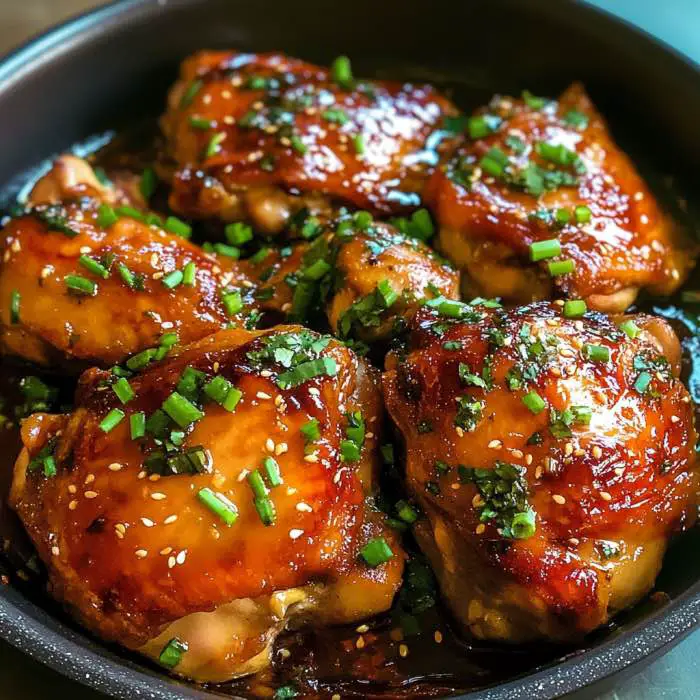
The Ultimate Guide to Honey Soy Chicken Thighs: Perfectly Sweet and Savory Every Time
Honey soy chicken thighs represent the perfect marriage of sweet and savory flavors that create an irresistible dish. This succulent combination transforms ordinary chicken into an extraordinary meal that satisfies both comfort food cravings and sophisticated palates. Moreover, the natural richness of chicken thighs pairs beautifully with the balanced sweetness of honey and the umami depth of soy sauce.
The popularity of honey soy chicken thighs has grown tremendously in recent years. Furthermore, this dish offers incredible versatility for home cooks seeking both weeknight convenience and special occasion elegance. Additionally, the forgiving nature of chicken thighs makes this recipe perfect for beginners while offering endless possibilities for culinary creativity.
Table of Contents
-
Why Honey Soy Chicken Thighs Are Perfect for Any Occasion
-
Essential Ingredients for the Perfect Marinade
-
Step-by-Step Cooking Instructions
-
Different Cooking Methods Explained
-
Flavor Variations and Creative Twists
-
Perfect Side Dishes and Pairings
-
Storage and Meal Prep Tips
-
Troubleshooting Common Issues
-
Nutritional Benefits and Health Considerations
-
Frequently Asked Questions
-
Conclusion
Why Honey Soy Chicken Thighs Are Perfect for Any Occasion
The Science Behind Perfect Flavor Balance
Honey soy chicken thighs achieve their exceptional taste through the fundamental principle of flavor balance. The natural sweetness of honey counteracts the saltiness of soy sauce perfectly. Meanwhile, the fat content in chicken thighs carries these flavors throughout the meat, creating depth in every bite.
The Maillard reaction occurs when the sugars in honey caramelize during cooking. Consequently, this process creates complex flavors and that coveted golden-brown appearance. Similarly, the amino acids in soy sauce contribute to browning while adding savory complexity.
Versatility for Different Occasions
These flavorful chicken thighs work wonderfully for various dining scenarios. For instance, they’re elegant enough for dinner parties yet simple enough for busy weeknights. Additionally, they can be served as a main course or incorporated into salads, grain bowls, or wraps.
The preparation time remains manageable regardless of the occasion. Furthermore, most of the work involves marinating, which requires minimal active cooking time. Therefore, this dish fits seamlessly into both relaxed and time-pressed cooking schedules.
Essential Ingredients for the Perfect Marinade
Core Marinade Components
The foundation of exceptional honey soy chicken thighs begins with quality ingredients. Each component serves a specific purpose in creating the final flavor profile. Moreover, understanding these roles helps you customize the recipe to your preferences.
Primary Ingredients:
-
Raw honey (preferably local or organic)
-
Low-sodium soy sauce or tamari
-
Fresh garlic cloves
-
Fresh ginger root
-
Rice vinegar or apple cider vinegar
-
Sesame oil (toasted variety preferred)
-
Green onions or scallions
Optional Flavor Enhancers
Several additional ingredients can elevate your honey soy chicken thighs to restaurant quality. These optional components add complexity without overwhelming the core flavors. Furthermore, they allow for personalization based on individual taste preferences.
Enhancement Options:
-
Sriracha or gochujang for heat
-
Fresh cilantro for brightness
-
Lime juice for acidity
-
Black pepper for subtle spice
-
Onion powder for depth
Ingredient Quality Considerations
The quality of your ingredients directly impacts the final dish. For example, using pure honey instead of corn syrup-based alternatives creates better flavor and caramelization. Similarly, fresh garlic and ginger provide more vibrant taste than their powdered counterparts.
Choose low-sodium soy sauce to control saltiness better. This choice becomes especially important when marinating for extended periods. Additionally, organic or free-range chicken thighs often provide superior taste and texture.
Step-by-Step Cooking Instructions
Preparation Phase
Begin by gathering all ingredients and equipment before starting. This mise en place approach ensures smooth cooking and prevents mistakes. Additionally, having everything ready allows you to focus on technique rather than searching for ingredients.
Start with 2-3 pounds of bone-in, skin-on chicken thighs. Pat them completely dry with paper towels to ensure proper seasoning adherence. Furthermore, removing excess moisture helps achieve better browning during cooking.
Creating the Perfect Marinade
Step 1: Combine Wet Ingredients
Mix ¼ cup honey with ⅓ cup soy sauce in a medium bowl. Whisk thoroughly until completely combined. The mixture should appear smooth without any honey streaks.
Step 2: Add Aromatics
Mince 4 garlic cloves and 1-inch piece of fresh ginger. Add these to the honey-soy mixture along with 2 tablespoons rice vinegar. Stir well to distribute evenly.
Step 3: Final Seasoning
Incorporate 1 tablespoon sesame oil and chopped green onions. Taste and adjust seasoning as needed. The marinade should balance sweet, salty, and tangy flavors harmoniously.
Marinating Process
Place chicken thighs in a large zip-lock bag or shallow dish. Pour the marinade over the chicken, ensuring all pieces are well-coated. Massage gently to distribute marinade evenly, then refrigerate.
Optimal marinating time ranges from 2 hours to overnight. Longer marinating periods develop deeper flavors but avoid exceeding 24 hours. Extended marinating can break down proteins excessively, affecting texture negatively.
Cooking Execution
Oven Method (Recommended):
Preheat oven to 425°F (220°C). Remove chicken from marinade, reserving liquid for basting. Place thighs skin-side up on a lined baking sheet.
Bake for 35-45 minutes until internal temperature reaches 165°F (74°C). Baste with reserved marinade every 15 minutes for enhanced flavor and color.
Stovetop Method:
Heat a large skillet over medium-high heat. Cook chicken skin-side down first for 5-6 minutes until golden. Flip and continue cooking for 20-25 minutes until done.
Different Cooking Methods Explained
Oven Roasting Technique
Oven roasting provides the most consistent results for honey soy chicken thighs. The steady, surrounding heat ensures even cooking while allowing the skin to crisp beautifully. Moreover, this method requires minimal hands-on attention during cooking.
Set your oven to 425°F for optimal results. This temperature creates proper browning without drying out the meat. Additionally, the high heat helps caramelize the honey in the marinade effectively.
Line your baking sheet with parchment paper for easy cleanup. Furthermore, this prevents sticking and makes removing the finished chicken effortless. Space the thighs evenly to ensure proper air circulation.
Grilling Method
Grilling adds wonderful smoky flavors to honey soy chicken thighs. However, this method requires more attention due to the honey content. The sugars can burn quickly over direct heat, so careful temperature management becomes crucial.
Use medium heat (around 350°F) for best results. Start with indirect heat for the first 20 minutes, then move to direct heat for finishing. This two-zone approach prevents burning while ensuring thorough cooking.
Clean and oil your grill grates thoroughly before cooking. The sticky marinade can cause adherence issues with dirty grates. Additionally, keep a spray bottle nearby for flare-up management.
Slow Cooker Adaptation
Slow cooking creates incredibly tender honey soy chicken thighs with minimal effort. This method works excellently for busy schedules or when cooking for large groups. However, the skin won’t crisp using this technique alone.
Place marinated chicken in the slow cooker with about half the marinade. Cook on low for 6-7 hours or high for 3-4 hours. The long, gentle cooking breaks down connective tissues beautifully.
For crispy skin, transfer finished chicken to a broiler for 2-3 minutes. This final step adds textural contrast to the tender meat. Alternatively, sear the thighs in a hot pan before slow cooking.
Air Fryer Method
Air frying provides crispy skin with juicy meat in less time than traditional methods. The circulating hot air creates excellent browning while cooking evenly. Moreover, this method requires less oil than pan-frying while maintaining great results.
Preheat your air fryer to 380°F (193°C). Cook thighs skin-side down for 12 minutes, then flip and continue for 8-10 minutes. Check internal temperature to ensure doneness.
Don’t overcrowd the air fryer basket as this impedes air circulation. Cook in batches if necessary to maintain proper spacing. Additionally, brush with reserved marinade halfway through for enhanced flavor.
Flavor Variations and Creative Twists
Asian-Inspired Variations
Transform your honey soy chicken thighs with additional Asian flavor profiles. These variations maintain the core sweet-savory balance while introducing new taste dimensions. Furthermore, they utilize ingredients commonly found in most grocery stores.
Korean-Style Addition:
Add 1-2 tablespoons gochujang to the marinade for Korean flair. This fermented chili paste provides heat with complex umami undertones. Balance the spiciness with extra honey if needed.
Thai-Inspired Version:
Incorporate fresh lemongrass, Thai basil, and lime juice. These ingredients create a bright, aromatic profile reminiscent of Thai cuisine. Additionally, add a pinch of red pepper flakes for subtle heat.
Japanese-Style Twist:
Use mirin instead of honey for authentic Japanese sweetness. Add toasted sesame seeds and nori flakes as finishing touches. This variation provides a more subtle, refined flavor profile.
Global Fusion Options
Expand beyond Asian flavors by incorporating elements from other cuisines. These fusion approaches create unique dishes while maintaining the honey-soy foundation. Moreover, they demonstrate the versatility of this base recipe.
Mediterranean Fusion:
Add fresh oregano, lemon zest, and olive oil to the marinade. These Mediterranean elements complement the honey beautifully. Serve with roasted vegetables and quinoa for a complete meal.
Latin-American Inspired:
Incorporate cumin, paprika, and lime juice for Latin flair. Fresh cilantro and jalapeños add brightness and heat respectively. This variation pairs wonderfully with rice and black beans.
Spice Level Customizations
Adjust the heat level in your honey soy chicken thighs to suit different preferences. These modifications allow the same base recipe to satisfy varying spice tolerances. Additionally, many heat sources complement the sweet-savory profile naturally.
Mild Heat Options:
-
Black pepper and white pepper
-
Mild paprika
-
Fresh ginger (increased amount)
Medium Heat Choices:
-
Sriracha sauce
-
Fresh jalapeños
-
Crushed red pepper flakes
High Heat Selections:
-
Habanero peppers (use sparingly)
-
Ghost pepper powder
-
Carolina Reaper hot sauce
Perfect Side Dishes and Pairings
Rice and Grain Combinations
Honey soy chicken thighs pair exceptionally well with various rice and grain options. These starches absorb the flavorful pan juices beautifully. Moreover, they provide textural contrast to the tender, juicy chicken.
Jasmine Rice: The fragrant, slightly sticky texture of jasmine rice complements Asian flavors perfectly. Steam it with coconut milk for added richness. Additionally, garnish with chopped green onions for color and freshness.
Brown Rice: For a healthier option, choose nutty brown rice. Its robust flavor holds up well against the bold marinade. Furthermore, the additional fiber provides nutritional benefits.
Quinoa: This protein-rich grain offers a modern, health-conscious pairing. Toast quinoa lightly before cooking for enhanced nutty flavor. Mix with herbs and vegetables for a complete side dish.
Vegetable Accompaniments
Fresh vegetables provide essential balance to rich honey soy chicken thighs. They add color, nutrition, and textural variety to the meal. Moreover, many vegetables complement the Asian-inspired flavors naturally.
Roasted Vegetables:
-
Brussels sprouts with garlic
-
Carrots with fresh herbs
-
Broccoli with sesame seeds
-
Bell peppers with onions
Fresh Options:
-
Cucumber salad with rice vinegar
-
Asian-style coleslaw
-
Fresh herb salad
-
Pickled vegetables
Noodle Pairings
Asian noodle dishes create authentic accompaniments for honey soy chicken thighs. These combinations feel cohesive while providing satisfying carbohydrates. Additionally, noodles absorb the chicken’s flavorful drippings excellently.
Rice Noodles: Light and delicate rice noodles won’t compete with the chicken’s bold flavors. Toss with sesame oil and herbs for simple preparation. Serve warm or at room temperature based on preference.
Lo Mein Noodles: These wheat noodles provide more substance and chewiness. Stir-fry with vegetables for a complete side dish. Add soy sauce and sesame oil for cohesive flavoring.
Check out our guide on [Asian Noodle Techniques] for detailed preparation methods and additional recipe ideas.
Storage and Meal Prep Tips
Proper Storage Techniques
Cooked honey soy chicken thighs maintain quality for 3-4 days when stored correctly. Proper storage prevents bacterial growth while preserving flavor and texture. Moreover, good storage practices enable efficient meal planning throughout the week.
Allow chicken to cool completely before refrigerating. Hot food raises refrigerator temperature, potentially affecting other stored items. Transfer to airtight containers within 2 hours of cooking for food safety.
Store the chicken and any pan juices together when possible. The flavorful juices prevent the meat from drying out during storage. Additionally, these juices enhance reheated chicken significantly.
Freezing Guidelines
Frozen honey soy chicken thighs remain safe and tasty for up to 3 months. However, texture changes slightly after freezing due to ice crystal formation. Nevertheless, proper freezing techniques minimize quality loss substantially.
Wrap individual portions in plastic wrap, then place in freezer bags. Remove as much air as possible to prevent freezer burn. Label with contents and date for easy identification later.
Thaw frozen chicken in the refrigerator overnight for best results. Never thaw at room temperature due to food safety concerns. Cold-water thawing works faster if needed urgently.
Meal Prep Strategies
Honey soy chicken thighs excel in meal prep scenarios due to their robust flavors and reheating qualities. These strategies help maintain quality while saving time throughout the week. Furthermore, proper prep techniques ensure consistent, delicious meals.
Batch Cooking Approach:
Cook large batches on weekends for weekday convenience. Portion into individual containers with appropriate sides. This method provides grab-and-go meals for busy schedules.
Marinade Prep Method:
Prepare several portions of marinated chicken in freezer bags. Freeze flat for space efficiency and faster thawing. Thaw and cook as needed throughout the month.
Component Separation:
Store chicken, sauces, and sides separately when meal prepping. This prevents sogginess and allows customization during reheating. Combine components just before serving for optimal results.
Troubleshooting Common Issues
Preventing Dry Chicken
Overcooked chicken thighs become dry and tough despite their higher fat content. Several factors contribute to this problem, but preventive measures ensure consistently juicy results. Moreover, understanding these causes helps improve your cooking technique overall.
Temperature Monitoring:
Use a reliable meat thermometer to check doneness accurately. Chicken thighs reach safety at 165°F (74°C) internal temperature. Remove from heat immediately upon reaching this temperature to prevent overcooking.
Marinating Benefits:
Proper marinating time allows flavors to penetrate while tenderizing the meat. However, excessive marinating (over 24 hours) can break down proteins too much. Find the sweet spot between 4-12 hours for optimal results.
Cooking Method Selection:
Some cooking methods dry out chicken more than others. Oven roasting with periodic basting maintains moisture better than grilling. Additionally, covering with foil partially through cooking helps retain steam.
Achieving Proper Caramelization
The honey in this recipe should caramelize beautifully during cooking, creating an attractive golden-brown color. Poor caramelization results from several common mistakes. However, understanding the science helps achieve perfect results consistently.
Temperature Control:
Too-low temperatures prevent proper browning while too-high temperatures burn the sugars. Maintain medium-high heat for stovetop cooking or 425°F for oven roasting. These temperatures promote good caramelization without burning.
Surface Preparation:
Excess moisture prevents proper browning by creating steam instead of searing. Pat chicken completely dry before cooking and avoid overcrowding the pan. Additionally, don’t move the chicken too frequently during cooking.
Sugar Balance:
Insufficient honey won’t provide enough sugars for caramelization. However, too much honey can burn before the chicken cooks through. Follow the recipe proportions initially, then adjust based on your equipment and preferences.
Balancing Flavors
Sometimes honey soy chicken thighs turn out too sweet, too salty, or lacking complexity. These flavor imbalances disappoint despite following recipes carefully. Nevertheless, understanding flavor principles helps troubleshoot and prevent these issues.
Sweetness Management:
Overly sweet chicken results from too much honey or insufficient acid. Add rice vinegar or lime juice to balance sweetness naturally. Alternatively, increase the soy sauce slightly to provide saltiness counterpoint.
Saltiness Solutions:
Too much soy sauce creates overly salty results that overpower other flavors. Dilute with additional honey and acid to restore balance. For future batches, use low-sodium soy sauce for better control.
Complexity Building:
Flat flavors indicate insufficient aromatics like garlic, ginger, or herbs. Fresh ingredients provide more vibrant flavors than dried alternatives. Additionally, layering flavors through multiple additions creates more interesting profiles.
Nutritional Benefits and Health Considerations
Protein Content and Quality
Chicken thighs provide excellent protein content with all essential amino acids. A typical serving contains approximately 25-30 grams of high-quality protein. Moreover, this protein supports muscle maintenance, immune function, and overall health effectively.
The biological value of chicken protein ranks among the highest of all food sources. This means your body can utilize nearly all the protein consumed efficiently. Additionally, the amino acid profile closely matches human protein requirements.
Protein from chicken thighs digests relatively easily compared to some other sources. This digestibility makes it suitable for people with various dietary needs. Furthermore, the protein helps maintain satiety longer than carbohydrate-based meals.
Micronutrient Profile
Beyond protein, honey soy chicken thighs provide several important vitamins and minerals. These micronutrients support various bodily functions and contribute to overall nutritional wellness. Moreover, the combination of ingredients creates a more diverse nutrient profile.
Key Vitamins:
-
B vitamins (especially niacin and B6)
-
Vitamin K from herbs and vegetables
-
Small amounts of vitamin C from citrus additions
Essential Minerals:
-
Iron for oxygen transport
-
Zinc for immune function
-
Phosphorus for bone health
-
Selenium for antioxidant activity
Honey vs. Refined Sugar Benefits
Using honey instead of refined sugar provides several nutritional advantages. Raw honey contains trace amounts of vitamins, minerals, and antioxidants. While these amounts are small, they contribute more nutritional value than empty calories from refined sugars.
Honey also has a slightly lower glycemic index than refined sugar. This means it causes less dramatic blood sugar spikes in most people. However, people with diabetes should still monitor honey consumption carefully.
The antimicrobial properties of honey may provide additional health benefits. Some studies suggest honey can support immune system function naturally. Nevertheless, cooking temperatures may reduce some of these beneficial properties.
Sodium Considerations
The primary sodium source in honey soy chicken thighs comes from soy sauce. While sodium is essential for bodily functions, excessive intake can cause health problems. Therefore, managing sodium content becomes important for certain individuals.
Sodium Reduction Strategies:
-
Use low-sodium soy sauce varieties
-
Dilute regular soy sauce with water
-
Substitute coconut aminos partially
-
Increase other flavorings to compensate
Monitor your overall daily sodium intake rather than focusing solely on this dish. Many people consume excessive sodium from processed foods throughout the day. Consequently, preparing fresh meals like this actually helps reduce total sodium intake.
Frequently Asked Questions
Can I make honey soy chicken thighs ahead of time?
Yes, honey soy chicken thighs work excellently for make-ahead cooking scenarios. In fact, the flavors often improve after sitting for a day or two in the refrigerator. The chicken absorbs the marinade flavors more deeply, creating even more delicious results when reheated.
For best results, cool the cooked chicken completely before refrigerating in airtight containers. The chicken will keep safely for 3-4 days when stored properly. When ready to serve, reheat gently in the oven or microwave until warmed through.
What’s the best way to reheat leftover chicken thighs?
The oven provides the best reheating method for maintaining texture and preventing drying. Preheat your oven to 350°F and place chicken in a covered dish with a small amount of water or reserved pan juices. Heat for 15-20 minutes until warmed through completely.
Microwave reheating works for convenience but may result in slightly less optimal texture. Cover the chicken with a damp paper towel and heat in 30-second intervals. This method prevents overcooking while maintaining moisture levels.
Can I substitute chicken breasts for thighs in this recipe?
While you can substitute chicken breasts, the results will differ significantly from the original honey soy chicken thighs recipe. Chicken breasts contain less fat and cook faster than thighs. Therefore, they require adjusted cooking times and temperatures to prevent drying out.
Reduce cooking time by approximately 25% when using breasts instead of thighs. Additionally, consider butterflying thick breasts for more even cooking. Monitor internal temperature carefully as breasts can go from perfectly cooked to dry very quickly.
How do I know when the chicken thighs are fully cooked?
The most reliable method involves using an instant-read thermometer to check internal temperature. Insert the thermometer into the thickest part of the thigh, avoiding bone contact. The temperature should read 165°F (74°C) for safe consumption.
Visual cues also help determine doneness in honey soy chicken thighs. The juices should run clear when the thickest part is pierced with a knife. Additionally, the meat should no longer look pink near the bone when fully cooked.
What can I serve with honey soy chicken thighs for a complete meal?
Honey soy chicken thighs pair beautifully with various side dishes to create satisfying complete meals. Steamed jasmine rice provides an excellent base for absorbing the flavorful pan juices. Additionally, roasted vegetables like broccoli, carrots, or Brussels sprouts add color and nutrition.
For a lighter option, serve over mixed greens with sliced cucumbers and sesame seeds. Asian-style coleslaw or pickled vegetables provide refreshing contrast to the rich chicken. Furthermore, these combinations create well-balanced meals with varied textures and flavors.
Can I make this recipe in an Instant Pot or pressure cooker?
Yes, honey soy chicken thighs adapt well to pressure cooking methods. Use the manual high pressure setting for 15 minutes with natural pressure release. This method creates incredibly tender chicken in a fraction of the usual cooking time.
Add the marinated chicken and about ½ cup of liquid to prevent burning. After cooking, use the sauté function to reduce any excess liquid into a glaze. This final step concentrates flavors and creates the signature sticky coating on the chicken.
Conclusion
Honey soy chicken thighs represent the perfect combination of simplicity and sophistication in home cooking. This versatile dish delivers restaurant-quality results with minimal effort and common ingredients. Moreover, the sweet and savory flavor profile appeals to diverse palates while offering endless customization possibilities.
The techniques and tips covered in this comprehensive guide ensure consistently delicious results every time. From proper marinating methods to optimal cooking temperatures, each element contributes to the final success. Additionally, the various cooking methods and flavor variations allow you to adapt the recipe to your equipment and preferences.
Whether you’re planning a weeknight family dinner or entertaining guests, honey soy chicken thighs provide an impressive yet manageable option. The make-ahead friendly nature and excellent reheating qualities make this dish perfect for meal prep and busy schedules.

Honey Soy Chicken Thighs
Description
Ingredients
-
2½ pounds boneless, skinless chicken thighs
-
⅓ cup honey
-
¼ cup low-sodium soy sauce
-
¼ cup finely chopped green onions
-
2 tablespoons cooking oil (vegetable or olive oil)
-
1½ tablespoons minced garlic (4 large cloves)
-
1 tablespoon white vinegar (apple cider or rice wine vinegar, optional)
-
1 teaspoon sesame oil (optional)
-
¾ teaspoon fresh minced ginger
-
Salt and pepper to taste
-
Fresh parsley, chopped for garnish
Instructions
Preparing the Marinade:
-
In a shallow bowl, combine honey, soy sauce, green onions, cooking oil, garlic, vinegar, sesame oil, and ginger.
-
Mix well and set aside.
Marinating the Chicken:
-
Pat chicken thighs dry with paper towels and trim off any excess fat.
-
Season with salt and pepper, then transfer chicken to the bowl with the marinade.
-
Cover and marinate for at least 30 minutes, or overnight for best results.
Cooking the Chicken:
-
Preheat oven to 425°F (220°C).
-
Transfer chicken along with the marinade to a cast iron skillet or baking dish.
-
Bake for 20-25 minutes, flipping twice during cooking to ensure the chicken doesn’t dry out on top.
-
Broil for 5 minutes at high heat until golden brown and slightly charred on the edges.
-
Ensure internal temperature reaches 165°F (70°C).