
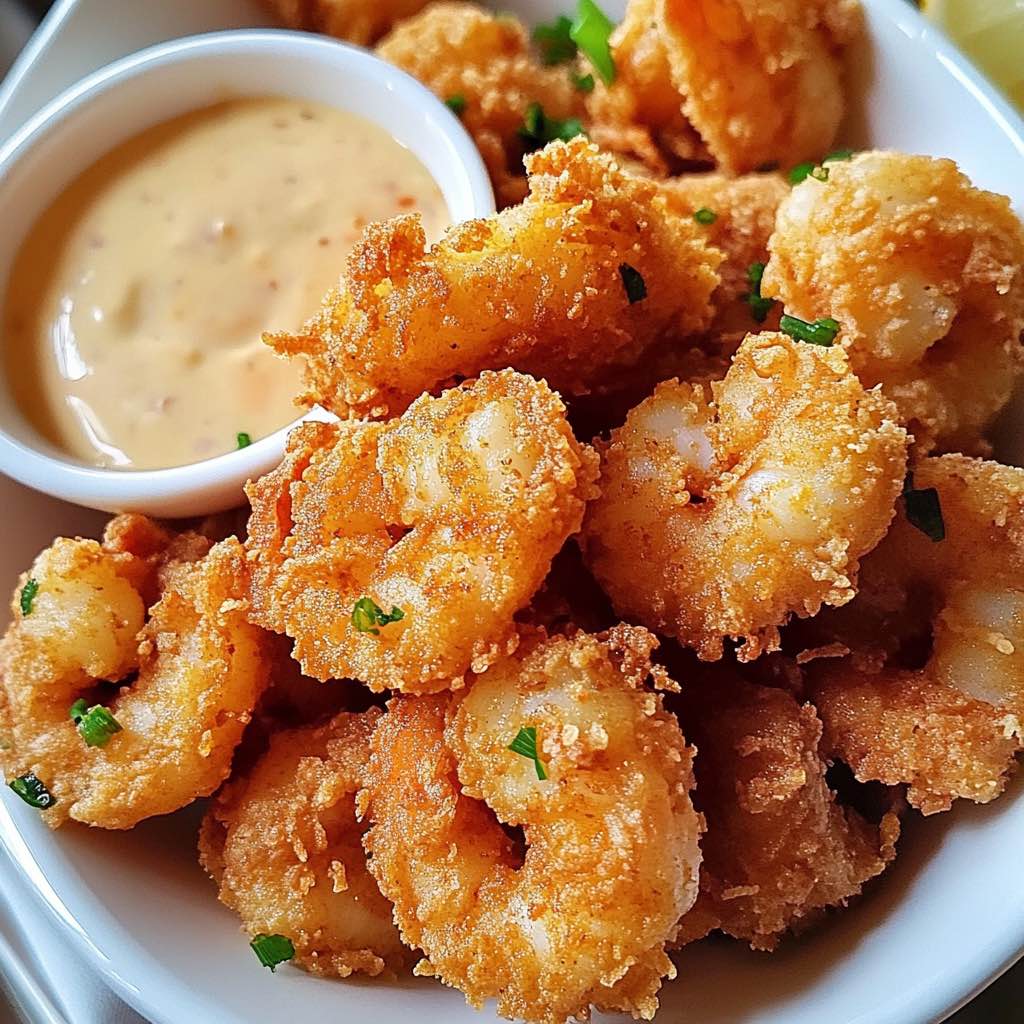
The Ultimate Guide to Making Perfect Crispy Fried Shrimps
Crispy fried shrimps represent the pinnacle of seafood comfort food. Moreover, achieving that perfect golden-brown exterior while maintaining tender, juicy meat inside requires specific techniques and attention to detail. Therefore, this comprehensive guide will transform your kitchen into a seafood haven where restaurant-quality crispy fried shrimps become your signature dish.
Table of Contents
Why Crispy Fried Shrimps Are So Popular
Crispy fried shrimps have captured hearts worldwide for numerous compelling reasons. First, the textural contrast between the crunchy exterior and succulent interior creates an irresistible dining experience. Additionally, shrimp’s mild, sweet flavor pairs beautifully with various seasonings and coatings.
Furthermore, these golden delights offer incredible versatility. They work equally well as appetizers, main courses, or party snacks. Consequently, restaurants and home cooks alike rely on crispy fried shrimp recipes to satisfy diverse palates.
The cooking process itself is relatively straightforward. However, mastering the technique requires understanding several key principles. Therefore, even novice cooks can achieve professional results with proper guidance.
Essential Ingredients for Perfect Results
Creating exceptional crispy fried shrimps starts with selecting quality ingredients. Each component plays a crucial role in achieving the desired texture and flavor profile.
Primary Ingredients
-
Fresh or frozen shrimp (1-2 pounds, peeled and deveined)
-
All-purpose flour (2 cups)
-
Cornstarch (1/2 cup for extra crispiness)
-
Eggs (2-3 large eggs, beaten)
-
Breadcrumbs (1 cup panko or regular)
-
Vegetable oil (for deep frying)
Essential Seasonings
-
Salt (1 teaspoon)
-
Black pepper (1/2 teaspoon)
-
Garlic powder (1 teaspoon)
-
Onion powder (1/2 teaspoon)
-
Paprika (1 teaspoon for color and flavor)
Optional Flavor Enhancers
-
Cayenne pepper (for heat)
-
Italian seasoning (for herbal notes)
-
Lemon zest (for brightness)
-
Parmesan cheese (for umami depth)
Choosing the Right Shrimp
Selecting appropriate shrimp significantly impacts your crispy fried shrimps’ final quality. Therefore, understanding different types and sizes helps ensure optimal results.
Size Considerations
Large shrimp (21-25 count per pound) work best for frying. Additionally, they provide substantial bite-sized portions. Meanwhile, jumbo shrimp (16-20 count) create impressive presentation pieces.
Conversely, smaller shrimp tend to overcook quickly. Furthermore, they may become tough and rubbery when fried. Therefore, medium to large sizes offer the best balance of texture and cooking control.
Fresh vs. Frozen Shrimp
Fresh shrimp delivers superior texture and flavor when available. However, high-quality frozen shrimp provides excellent results and greater convenience. Moreover, frozen options are often more affordable and accessible.
When using frozen shrimp, proper thawing becomes essential. Place them in the refrigerator overnight for best results. Alternatively, submerge in cold water for quicker thawing.
Quality Indicators
Look for shrimp with firm texture and mild ocean scent. Additionally, avoid specimens with strong fishy odors or slimy surfaces. Furthermore, shells should appear translucent with minimal black spots.
Preparation Techniques
Proper preparation forms the foundation of exceptional crispy fried shrimps. Therefore, following these steps ensures consistent, professional results.
Cleaning and Deveining
Start by removing shells while leaving tails attached for presentation. Next, make shallow cuts along the outer curve to expose dark veins. Then, rinse under cold water to remove vein material completely.
Additionally, pat shrimp completely dry with paper towels. Excess moisture prevents proper coating adhesion. Consequently, this step significantly affects final crispiness levels.
Creating the Perfect Cut
Butterfly cutting technique enhances coating coverage and cooking evenness. First, make deeper cuts without slicing completely through. Then, gently open shrimp to create flat surfaces for breading.
This method also prevents excessive curling during frying. Furthermore, it increases surface area for maximum crispiness.
Seasoning the Shrimp
Season raw shrimp with salt and pepper before coating. This technique ensures flavor penetrates the meat. Additionally, let seasoned shrimp rest for 10-15 minutes before proceeding.
Coating and Breading Methods
The coating system determines crispy fried shrimps’ texture and appearance. Therefore, understanding different approaches helps achieve desired results.
Traditional Three-Step Method
This classic technique involves flour, egg wash, and breadcrumbs. First, dredge seasoned shrimp in seasoned flour. Next, dip in beaten eggs completely. Finally, coat thoroughly with breadcrumbs.
Each step serves specific purposes. Flour creates adhesion base. Meanwhile, eggs provide binding agent. Finally, breadcrumbs generate the crispy exterior.
Double-Breading Technique
For extra crispiness, repeat the egg and breadcrumb steps. This method creates thicker, crunchier coatings. However, it requires careful oil temperature management to prevent burning.
First, complete the standard three-step process. Then, dip again in egg wash. Finally, apply second breadcrumb layer thoroughly.
Tempura-Style Light Coating
Mix equal parts flour and cornstarch with ice-cold water. This creates delicate, crispy coating that highlights shrimp’s natural flavor. Additionally, the light texture appeals to health-conscious diners.
Seasoned Flour Variations
Enhance basic flour with spices and herbs. Popular combinations include:
-
Cajun blend: Paprika, cayenne, garlic powder, oregano
-
Asian-inspired: Five-spice powder, ginger, sesame seeds
-
Mediterranean: Dried herbs, lemon zest, garlic powder
-
Southern-style: Buttermilk powder, onion powder, black pepper
Oil Temperature and Frying Tips
Maintaining proper oil temperature ensures perfectly crispy fried shrimps. Therefore, understanding heat management principles becomes crucial for consistent results.
Optimal Temperature Range
Heat oil to 350-375°F (175-190°C) for best results. Lower temperatures create greasy, soggy coating. Conversely, excessive heat burns exteriors while leaving interiors undercooked.
Use reliable thermometer for accurate readings. Additionally, monitor temperature throughout cooking process. Oil temperature naturally drops when adding food.
Oil Selection and Depth
Choose neutral-flavored oils with high smoke points. Vegetable oil, canola oil, and peanut oil work excellently. Meanwhile, avoid olive oil due to lower smoke point.
Maintain oil depth of at least 3 inches for even cooking. This allows shrimp to float freely without touching bottom. Furthermore, deeper oil maintains temperature more consistently.
Frying in Batches
Avoid overcrowding to maintain oil temperature. Fry 6-8 pieces at once depending on pot size. Additionally, overcrowding causes uneven cooking and temperature drops.
Allow oil to return to proper temperature between batches. This typically takes 2-3 minutes. Meanwhile, keep finished shrimp warm in low oven.
Safety Considerations
Never leave hot oil unattended. Additionally, keep fire extinguisher nearby as precaution. Furthermore, have lid available to smother potential flare-ups.
Avoid water contact with hot oil. This causes dangerous spattering and potential burns. Therefore, ensure all equipment remains dry throughout process.
Step-by-Step Cooking Instructions
Following systematic approach ensures consistently excellent crispy fried shrimps. Therefore, these detailed steps guide you through the entire process.
Preparation Phase
-
Set up breading station with three shallow dishes
-
Season flour with salt, pepper, and desired spices
-
Beat eggs thoroughly in second dish
-
Place breadcrumbs in third dish with additional seasonings
-
Heat oil to 350°F in heavy-bottomed pot or deep fryer
Coating Process
-
Dredge each shrimp in seasoned flour, shaking off excess
-
Dip in beaten eggs ensuring complete coverage
-
Press into breadcrumbs firmly for good adhesion
-
Place on wire rack to prevent sogginess before frying
Frying Technique
-
Gently lower 6-8 coated shrimp into hot oil
-
Fry for 2-3 minutes until golden brown
-
Turn once halfway through cooking time
-
Remove with slotted spoon when uniformly golden
-
Drain on paper towels briefly before serving
Temperature Monitoring
Check internal temperature reaches 145°F (63°C) for food safety. Additionally, properly cooked shrimp appear opaque throughout. Meanwhile, overcooked specimens become tough and rubbery.
Flavor Variations and Seasonings
Crispy fried shrimps provide excellent canvas for diverse flavor profiles. Therefore, experimenting with different seasonings creates exciting variations.
Classic Southern Style
Combine buttermilk marinade with cornmeal coating. Additionally, season with cayenne pepper and garlic powder. This creates authentic Southern flavor profile with distinctive texture.
Soak shrimp in buttermilk for 30 minutes before coating. Then, use cornmeal-flour mixture for unique crunchiness. Finally, serve with traditional remoulade sauce.
Asian-Inspired Variations
Incorporate ginger, garlic, and five-spice powder into coating. Additionally, add sesame seeds for extra crunch and nutty flavor. Serve with sweet and sour or teriyaki dipping sauces.
Another popular variation uses coconut flakes in breading. This creates tropical flavor profile perfect for summer entertaining. Furthermore, coconut adds natural sweetness that complements shrimp beautifully.
Mediterranean Approach
Season coating with dried herbs like oregano, basil, and thyme. Additionally, incorporate lemon zest for brightness. Serve with tzatziki or lemon aioli for authentic Mediterranean experience.
Consider adding grated Parmesan cheese to breadcrumbs. This creates savory, umami-rich coating that pairs excellently with marinara sauce.
Spicy Heat Variations
Add cayenne pepper, paprika, or chili powder to coating mixture. Additionally, incorporate hot sauce into egg wash for extra heat distribution. Adjust spice levels according to preference.
For extreme heat lovers, try ghost pepper or habanero powder. However, use sparingly as these pack significant punch. Furthermore, always warn guests about spice levels.
Serving Suggestions and Pairings
Crispy fried shrimps shine in numerous presentation styles. Therefore, choosing appropriate accompaniments enhances overall dining experience.
Traditional Accompaniments
Classic cocktail sauce remains popular pairing choice. Additionally, tartar sauce provides creamy contrast to crispy texture. Meanwhile, lemon wedges add bright acidity that cuts through richness.
Consider serving with coleslaw for textural variety. The cool, creamy vegetables balance hot, crispy shrimp perfectly. Furthermore, pickles add tangy element that cleanses palate.
Creative Dipping Sauces
-
Spicy mayo: Mayonnaise mixed with sriracha and lime juice
-
Honey mustard: Equal parts honey and Dijon mustard
-
Ranch dressing: Classic American favorite for dipping
-
Buffalo sauce: For those who enjoy heat with creaminess
Main Course Presentations
Transform crispy fried shrimps into complete meals with strategic pairings. Serve over rice pilaf or coconut rice for Asian-inspired dishes. Additionally, pair with french fries and coleslaw for classic fish house experience.
Consider incorporating into pasta dishes. Toss with garlic, olive oil, and fresh herbs over linguine. Furthermore, add to Caesar salads for protein-rich lunch option.
Party and Appetizer Ideas
Present on tiered serving platters for elegant appetizer displays. Additionally, provide multiple dipping sauce options to accommodate different preferences. Furthermore, garnish with fresh herbs and lemon wedges for visual appeal.
Check out our guide on [creating the perfect appetizer spread] for more entertaining ideas.
Create shrimp po’ boy sandwiches using crusty French bread. Layer with lettuce, tomatoes, and remoulade sauce. This transforms appetizer into satisfying sandwich option.
Storage and Reheating Methods
Proper storage techniques maintain crispy fried shrimps’ quality for future enjoyment. Therefore, understanding preservation methods prevents waste and ensures food safety.
Immediate Storage
Cool completely before refrigerating to prevent condensation. Additionally, store in shallow containers with paper towels to absorb excess moisture. This prevents sogginess during storage.
Consume within 2-3 days for best quality. Meanwhile, frozen cooked shrimp maintain quality for up to 3 months when properly wrapped.
Reheating Techniques
Oven reheating produces best results for maintaining crispiness. Preheat to 400°F and bake for 5-7 minutes. Additionally, use wire rack over baking sheet for air circulation.
Avoid microwave reheating as this creates soggy texture. Furthermore, pan reheating works but requires careful attention to prevent burning.
Freezing Cooked Shrimp
Freeze in single layer on baking sheet first. Then, transfer to freezer bags with air removed. This prevents pieces from sticking together and allows portion control.
Label with date and contents for organization. Additionally, use frozen shrimp within 3 months for optimal quality.
Troubleshooting Common Issues
Understanding common problems helps achieve consistent crispy fried shrimps results. Therefore, these solutions address frequent cooking challenges.
Soggy Coating Problems
Excess moisture creates soggy coating issues. Ensure shrimp are completely dry before breading. Additionally, avoid overcrowding during frying as this lowers oil temperature.
Furthermore, check oil temperature accuracy with reliable thermometer. Low temperatures create greasy, soft coatings instead of crispy exteriors.
Coating Falls Off During Frying
Insufficient coating adhesion causes this frustrating problem. Press breadcrumbs firmly onto each piece. Additionally, let coated shrimp rest 10-15 minutes before frying.
Ensure each coating step covers completely. Missed spots allow coating separation during cooking. Furthermore, maintain proper oil temperature to set coating quickly.
Overcooked or Rubbery Texture
High heat or excessive cooking time creates tough, rubbery shrimp. Monitor internal temperature carefully. Additionally, remove from oil immediately when golden brown.
Large shrimp require slightly longer cooking times. However, avoid exceeding 4 minutes total frying time. Furthermore, smaller pieces cook faster and need careful monitoring.
Uneven Browning
Overcrowding and inconsistent oil temperature cause uneven browning. Fry in small batches for consistent results. Additionally, turn pieces once during cooking for even coloration.
Maintain proper oil depth for floating. This ensures even heat distribution around each piece. Furthermore, use heavy-bottomed pot for steady temperature control.
Health Benefits of Shrimp
Crispy fried shrimps provide several nutritional benefits despite indulgent preparation method. Therefore, understanding these advantages helps justify occasional enjoyment.
Protein Content
Shrimp delivers high-quality complete protein with all essential amino acids. Additionally, each serving provides approximately 20 grams of protein with relatively few calories. This makes it excellent choice for muscle building and maintenance.
Furthermore, protein content supports satiety and weight management goals. The combination of protein and satisfying crunch helps prevent overeating.
Essential Nutrients
Shrimp contains significant amounts of selenium, vitamin B12, and iodine. Additionally, it provides phosphorus and copper for bone health. Meanwhile, the mineral content supports various bodily functions.
Low mercury levels make shrimp safer seafood choice compared to larger fish. Therefore, it can be enjoyed more frequently without health concerns.
Omega-3 Fatty Acids
Despite not being as high as salmon, shrimp contains beneficial omega-3 fatty acids. These support heart health and brain function. Additionally, they help reduce inflammation throughout the body.
Moderation Considerations
While shrimp itself is healthy, frying adds calories and fat. Therefore, enjoy crispy fried shrimps as occasional treat rather than daily staple. Balance with lighter preparation methods throughout the week.
Frequently Asked Questions
Can I make crispy fried shrimps in an air fryer?
Yes, air fryers produce excellent results with less oil. Set temperature to 400°F and cook for 6-8 minutes. Additionally, spray lightly with cooking oil for better browning. Turn halfway through cooking time for even crispiness.
How do I prevent shrimp from curling during frying?
Make deeper cuts during butterflying process. Additionally, gently straighten each piece before coating. Some cooks also make small cuts on the inner curve to prevent excessive curling.
What’s the best oil temperature for crispy fried shrimps?
Maintain oil temperature between 350-375°F for optimal results. This range ensures crispy exterior while cooking interior thoroughly. Use reliable thermometer for accurate readings throughout process.
Can I prepare the coating ahead of time?
Yes, coat shrimp up to 4 hours before frying. Store covered in refrigerator on wire rack. This actually improves coating adhesion. However, fry immediately after removing from refrigeration for best texture.
How do I know when shrimp are fully cooked?
Properly cooked shrimp appear opaque throughout with internal temperature of 145°F. Additionally, they should feel firm but not tough. Overcooked specimens become rubbery and lose their sweet flavor.
What sides pair best with fried shrimp?
Classic accompaniments include coleslaw, french fries, and hush puppies. Additionally, rice dishes, salads, and vegetables create balanced meals. Consider regional preferences when selecting side dishes.
Conclusion
Creating perfect crispy fried shrimps requires attention to detail and proper technique. However, following these comprehensive guidelines ensures restaurant-quality results in your home kitchen. From selecting quality ingredients to mastering oil temperature, each step contributes to the final product’s success.
Remember that practice makes perfect when developing your crispy fried shrimp skills. Additionally, don’t hesitate to experiment with different seasonings and coating variations. Most importantly, enjoy the process and the delicious results that follow.
The versatility of crispy fried shrimps makes them suitable for numerous occasions. Whether serving as elegant appetizers or casual family dinners, they consistently deliver satisfaction and flavor.
Crispy Fried Shrimps
Description
Ingredients
For the Shrimp Marinade:
-
1 lb large shrimp (16-20 count), peeled and deveined
-
⅓ cup buttermilk
-
1 large egg
-
1 teaspoon salt
-
¼ teaspoon black pepper
-
¼ teaspoon garlic powder
-
¼ teaspoon paprika
For the Seasoned Flour Coating:
-
¾ cup all-purpose flour
-
3 tablespoons cornstarch
-
1½ teaspoons salt
-
½ teaspoon black pepper
-
2 teaspoons granulated garlic
-
2 teaspoons paprika
-
1 teaspoon baking powder
-
¼ teaspoon cayenne pepper (optional)
For Frying:
-
3-4 cups vegetable oil for deep frying
Instructions
Marinating the Shrimp:
-
Pat shrimp completely dry with paper towels.
-
In a large bowl, combine buttermilk, egg, salt, pepper, garlic powder, and paprika.
-
Add shrimp to the marinade, mix well, cover with plastic wrap, and refrigerate for at least 30 minutes.
Preparing the Coating:
-
In a separate bowl, combine flour, cornstarch, salt, pepper, granulated garlic, paprika, baking powder, and cayenne.
-
Mix thoroughly until all seasonings are evenly distributed.
Frying the Shrimp:
-
Heat oil in a deep pot or fryer to 350°F.
-
Test oil temperature by dropping a pinch of flour – it should bubble immediately when ready.
-
Remove shrimp from marinade and coat thoroughly in seasoned flour mixture, pressing gently to ensure coating adheres.
-
Fry shrimp in small batches for 2-3 minutes until golden brown, turning once.
-
Remove with a slotted spoon and drain on paper towels.