
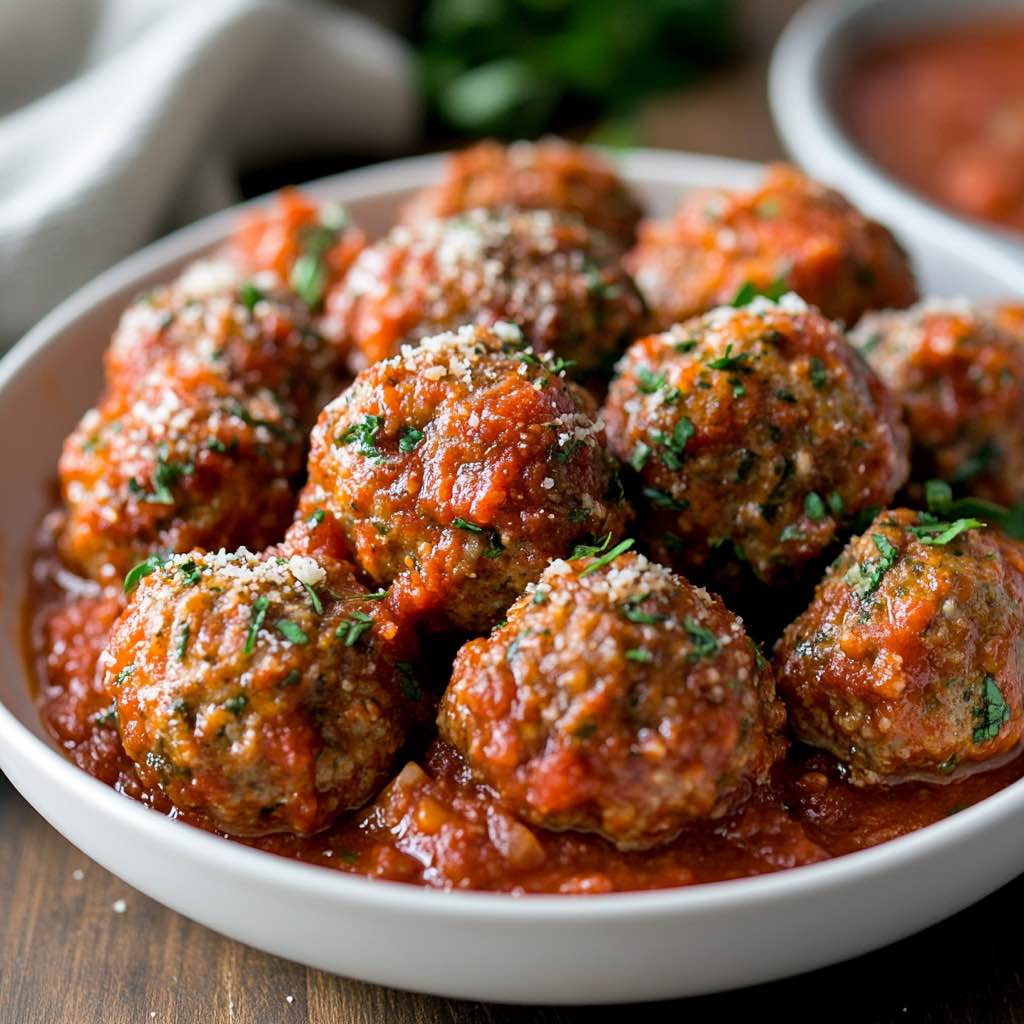
Beef and Ricotta Meatballs with Marinara Sauce: The Ultimate Comfort Food Recipe
Beef and ricotta meatballs with marinara sauce represent the perfect marriage of Italian tradition and hearty comfort food. These tender, flavorful meatballs combine the richness of ground beef with the creamy texture of ricotta cheese. Consequently, they create an unforgettable dining experience that will have your family asking for seconds.
Furthermore, this recipe transforms simple ingredients into an extraordinary meal. The combination of beef and ricotta creates meatballs that are incredibly moist and packed with flavor. Additionally, the homemade marinara sauce provides the perfect acidic balance to complement the rich meatballs.
Table of Contents
-
What Makes Beef and Ricotta Meatballs Special
-
Essential Ingredients for Perfect Meatballs
-
Step-by-Step Meatball Preparation
-
Creating the Perfect Marinara Sauce
-
Cooking Techniques for Tender Results
-
Serving Suggestions and Pairings
-
Storage and Reheating Guidelines
-
Nutritional Benefits of This Recipe
-
Recipe Variations and Adaptations
-
Troubleshooting Common Issues
-
Frequently Asked Questions
-
Conclusion
What Makes Beef and Ricotta Meatballs Special
The Magic of Ricotta Cheese
Ricotta cheese transforms ordinary beef meatballs into extraordinary culinary creations. Unlike traditional meatballs that can become dense, ricotta adds incredible moisture and lightness. Moreover, the cheese provides a subtle sweetness that balances the savory beef perfectly.
The protein structure in ricotta also helps bind the meatballs naturally. This means you need fewer breadcrumbs and eggs. As a result, the beef flavor shines through more prominently while maintaining the perfect texture.
Superior Texture and Flavor Profile
Traditional meatballs often suffer from dryness or density issues. However, beef and ricotta meatballs maintain exceptional moisture throughout cooking. The ricotta creates small pockets of creaminess that burst with flavor in every bite.
Additionally, the combination creates a more complex flavor profile. The mild, creamy ricotta allows herbs and spices to shine. Furthermore, it provides a beautiful contrast to the robust marinara sauce.
Essential Ingredients for Perfect Meatballs
Primary Meatball Components
The foundation of exceptional beef and ricotta meatballs starts with quality ingredients. Fresh ground beef with an 80/20 fat ratio provides optimal flavor and moisture. Similarly, high-quality whole milk ricotta ensures creamy texture and rich taste.
Fresh herbs make a significant difference in the final product. Italian parsley, basil, and oregano create an authentic flavor profile. Moreover, freshly grated Parmesan cheese adds depth and umami richness.
Core Ingredients:
-
1 pound ground beef (80/20 ratio)
-
1 cup whole milk ricotta cheese
-
1/2 cup fresh breadcrumbs
-
1/4 cup freshly grated Parmesan cheese
-
2 large eggs
-
3 cloves garlic, minced
-
2 tablespoons fresh Italian parsley, chopped
-
1 teaspoon dried oregano
-
Salt and black pepper to taste
Marinara Sauce Essentials
Homemade marinara sauce elevates beef and ricotta meatballs to restaurant quality. San Marzano tomatoes provide the best flavor foundation. These tomatoes offer natural sweetness and low acidity.
Fresh garlic and onions create the aromatic base. Meanwhile, fresh basil and oregano provide authentic Italian flavors. Additionally, a pinch of sugar balances any residual acidity from the tomatoes.
Marinara Ingredients:
-
28 oz can San Marzano tomatoes, crushed
-
1 medium yellow onion, diced
-
4 cloves garlic, minced
-
2 tablespoons olive oil
-
1/4 cup fresh basil leaves
-
1 teaspoon dried oregano
-
1 teaspoon sugar
-
Salt and pepper to taste
Step-by-Step Meatball Preparation
Mixing the Perfect Meatball Mixture
Creating exceptional beef and ricotta meatballs requires proper mixing technique. First, combine the ricotta cheese with eggs in a large bowl. Mix gently to maintain the ricotta’s texture. Subsequently, add the breadcrumbs and allow them to absorb moisture.
Next, incorporate the ground beef using a light touch. Overmixing develops gluten proteins, resulting in tough meatballs. Instead, fold ingredients together until just combined. The mixture should hold together but remain tender.
Add seasonings gradually while tasting for balance. Fresh herbs should be distributed evenly throughout. Finally, let the mixture rest for 15 minutes to allow flavors to meld.
Shaping Techniques for Uniform Results
Consistent sizing ensures even cooking for all meatballs. Use a small ice cream scoop or measuring spoon for uniformity. Each meatball should be approximately 1.5 inches in diameter.
Roll each portion gently between your palms. Avoid compacting the mixture too tightly. The meatballs should hold together but remain light and airy. Additionally, keep your hands slightly damp to prevent sticking.
Arrange shaped meatballs on a parchment-lined baking sheet. This prevents them from sticking and makes handling easier. Furthermore, you can refrigerate them for 30 minutes to help maintain their shape during cooking.
Creating the Perfect Marinara Sauce
Building Flavor Layers
Exceptional marinara sauce for beef and ricotta meatballs starts with proper technique. Heat olive oil in a large saucepan over medium heat. Add diced onions and cook until translucent, approximately 5 minutes.
Subsequently, add minced garlic and cook for 30 seconds until fragrant. Avoid browning the garlic as it becomes bitter. Then, add crushed tomatoes along with their juice for maximum flavor.
Season the sauce with salt, pepper, and oregano. Add the sugar to balance acidity. Allow the sauce to simmer gently for 20-25 minutes. This concentrates flavors and creates the perfect consistency.
Finishing Touches for Restaurant Quality
Fresh basil transforms good marinara into exceptional sauce. Add whole basil leaves during the last 5 minutes of cooking. This preserves their bright flavor and aroma.
Taste and adjust seasonings as needed. The sauce should balance sweetness, acidity, and savory elements. Moreover, it should coat the back of a spoon without being too thick.
For silky smooth texture, use an immersion blender briefly. However, maintain some texture for visual appeal. The sauce should have small tomato pieces throughout.
Cooking Techniques for Tender Results
Pan-Searing for Optimal Flavor
Pan-searing creates a beautiful crust on beef and ricotta meatballs while maintaining moisture inside. Heat a large skillet with olive oil over medium-high heat. The oil should shimmer but not smoke.
Carefully place meatballs in the hot pan without overcrowding. Brown them on all sides, turning gently every 2-3 minutes. This process takes approximately 8-10 minutes total.
The browning reaction creates complex flavors through the Maillard process. However, avoid moving meatballs too frequently. This prevents proper crust formation and can break delicate meatballs.
Finishing in Marinara Sauce
After browning, transfer meatballs directly to the simmering marinara sauce. The sauce should gently bubble around the meatballs. Cover the pot and reduce heat to low.
Simmer for 15-20 minutes until meatballs are cooked through. Internal temperature should reach 165°F for food safety. The gentle simmering prevents the meatballs from becoming tough.
During cooking, the meatballs absorb marinara flavors while releasing their own. This creates a harmonious blend that elevates both components. Additionally, the ricotta keeps the meatballs incredibly moist throughout the process.
Serving Suggestions and Pairings
Classic Presentation Options
Beef and ricotta meatballs with marinara sauce shine when served over fresh pasta. Spaghetti, linguine, or penne create excellent foundations. The pasta absorbs the flavorful marinara while providing textural contrast.
Alternatively, serve over creamy polenta for a rustic Italian experience. The smooth polenta complements the tender meatballs beautifully. Furthermore, it absorbs the marinara sauce creating layers of flavor.
For a lighter option, serve with zucchini noodles or spaghetti squash. These vegetable alternatives reduce calories while maintaining satisfaction. They also allow the meatball flavors to take center stage.
Complementary Side Dishes
Fresh garlic bread provides the perfect accompaniment to beef and ricotta meatballs. The crusty exterior and soft interior contrast nicely with tender meatballs. Additionally, it helps soak up any extra marinara sauce.
A simple arugula salad with lemon vinaigrette cuts through richness. The peppery greens provide freshness and balance. Moreover, the acid in the dressing complements the tomato-based sauce.
Roasted vegetables like zucchini, bell peppers, and eggplant create a colorful presentation. These vegetables echo Mediterranean flavors and add nutritional value. Furthermore, their natural sweetness pairs beautifully with the savory meatballs.
[Check out our guide on creating the perfect Italian side dishes to complete your meal]
Storage and Reheating Guidelines
Proper Storage Techniques
Leftover beef and ricotta meatballs with marinara sauce store well in the refrigerator. Allow them to cool completely before transferring to airtight containers. They maintain quality for up to 4 days when properly stored.
For longer storage, freeze meatballs in their sauce for up to 3 months. Use freezer-safe containers or heavy-duty freezer bags. Label with the date to track freshness and prevent freezer burn.
When freezing, leave some headspace for expansion. The sauce may separate slightly during freezing but will recombine when reheated. Proper storage maintains both flavor and texture.
Reheating for Best Results
Thaw frozen meatballs overnight in the refrigerator before reheating. This ensures even heating and prevents overcooking. Never reheated frozen meatballs directly from the freezer.
For stovetop reheating, use low heat and add a splash of broth or water if needed. Cover the pan to trap moisture and prevent drying. Heat until warmed through, approximately 10-15 minutes.
Microwave reheating works well for single portions. Use 50% power to prevent overheating. Cover the dish to retain moisture and heat in 30-second intervals until warmed through.
Nutritional Benefits of This Recipe
Protein and Essential Nutrients
Beef and ricotta meatballs with marinara sauce provide excellent nutritional value. Ground beef supplies high-quality complete protein containing all essential amino acids. This supports muscle building and repair.
Ricotta cheese contributes additional protein plus calcium for bone health. It also provides phosphorus, which works with calcium for optimal bone function. Furthermore, ricotta contains B vitamins essential for energy metabolism.
The marinara sauce adds lycopene from tomatoes, a powerful antioxidant. Lycopene supports heart health and may reduce cancer risk. Additionally, tomatoes provide vitamin C and potassium.
Balanced Macronutrient Profile
This recipe offers balanced macronutrients when served appropriately. The protein from beef and ricotta promotes satiety and stabilizes blood sugar. Healthy fats from the meat and cheese support hormone production.
When served with whole grain pasta or vegetables, complex carbohydrates provide sustained energy. The fiber from vegetables and whole grains supports digestive health. Moreover, it helps maintain healthy cholesterol levels.
According to the USDA Food Composition Database, this combination provides approximately 25-30 grams of protein per serving. This meets a significant portion of daily protein requirements for most adults.
Recipe Variations and Adaptations
Different Meat Combinations
While beef creates delicious meatballs, other meats work beautifully with ricotta. Ground turkey produces lighter, leaner meatballs with similar texture. Mix half beef and half turkey for balanced flavor and reduced calories.
Ground pork creates incredibly tender meatballs with rich flavor. The higher fat content in pork ensures moist results. However, reduce cooking time slightly as pork cooks faster than beef.
For a leaner option, use ground sirloin instead of regular ground beef. Add an extra egg to compensate for reduced fat content. This maintains moisture while reducing overall calories.
Herb and Seasoning Variations
Mediterranean herbs transform beef and ricotta meatballs into Greek-inspired delights. Add dried mint, dill, and a pinch of cinnamon. Serve with tzatziki sauce instead of marinara for authentic flavors.
For Mexican-inspired meatballs, add cumin, chili powder, and fresh cilantro. Serve with salsa verde or enchilada sauce. Top with fresh avocado and lime for bright, fresh flavors.
Asian fusion meatballs incorporate ginger, scallions, and soy sauce. Serve with teriyaki glaze or sweet and sour sauce. Garnish with sesame seeds and fresh herbs for authentic presentation.
Dietary Adaptations
For gluten-free beef and ricotta meatballs, substitute breadcrumbs with ground almonds or gluten-free alternatives. Crushed pork rinds create excellent texture while adding protein. Ensure all seasonings and sauces are gluten-free certified.
Low-carb dieters can serve meatballs over cauliflower rice or zucchini noodles. The marinara sauce remains naturally low in carbohydrates. This adaptation maintains all flavors while reducing total carbs significantly.
For dairy-sensitive individuals, substitute ricotta with cashew cream or silken tofu. Blend until smooth and add lemon juice for tanginess. The texture differs slightly but remains delicious and satisfying.
Troubleshooting Common Issues
Preventing Tough Meatballs
Tough beef and ricotta meatballs typically result from overmixing or overcooking. Mix ingredients just until combined, avoiding excessive handling. The mixture should barely hold together when shaped.
Using lean ground beef can also create tough results. Choose 80/20 ground beef for optimal fat content. The fat melts during cooking, creating moisture and tenderness.
Overcooking causes proteins to tighten and squeeze out moisture. Cook meatballs just until they reach 165°F internal temperature. Remove from heat immediately to prevent overcooking.
Maintaining Shape During Cooking
Meatballs that fall apart usually lack proper binding or are handled too roughly. Ensure adequate egg and breadcrumb ratios for binding. Let the mixture rest before shaping to allow absorption.
Refrigerate shaped meatballs for 30 minutes before cooking. This firms up the mixture and helps maintain shape. Additionally, use gentle handling when turning during browning.
If meatballs still break apart, add an extra egg or more breadcrumbs. However, don’t add too much as this affects texture. Find the right balance for your specific ingredients.
Achieving Perfect Sauce Consistency
Thin marinara sauce fails to coat meatballs properly or pasta effectively. Simmer uncovered to reduce excess moisture. The sauce should coat the back of a spoon when ready.
Conversely, overly thick sauce can become pasty and unappetizing. Add tomato juice or low-sodium broth to thin. Stir in small amounts until reaching desired consistency.
For smoother sauce, blend briefly with an immersion blender. However, maintain some texture for visual appeal. The sauce should have small tomato pieces throughout for authenticity.
Frequently Asked Questions
Can I make beef and ricotta meatballs ahead of time?
Yes, you can prepare meatballs up to 24 hours in advance. Shape them and refrigerate on a covered tray. Cook when ready to serve for best texture and flavor results.
What’s the best way to freeze these meatballs?
Freeze cooked meatballs in marinara sauce for optimal results. This prevents freezer burn and maintains moisture. Thaw overnight in refrigerator before reheating gently on stovetop.
Can I bake instead of pan-frying the meatballs?
Absolutely! Bake at 400°F for 20-25 minutes until cooked through. However, pan-frying creates better flavor through browning. For best results, combine both methods by browning first, then finishing in oven.
How do I know when the meatballs are fully cooked?
Use a meat thermometer to check internal temperature. Beef and ricotta meatballs are safe when they reach 165°F. Alternatively, cut one open to check that no pink remains inside.
What can I substitute for ricotta cheese?
Cottage cheese works well when drained and pressed. Mascarpone creates richer meatballs but use less quantity. For dairy-free options, try cashew cream or well-drained silken tofu.
Conclusion
Beef and ricotta meatballs with marinara sauce represent comfort food at its finest. This recipe combines simple techniques with quality ingredients to create restaurant-worthy results. The ricotta cheese ensures incredibly moist, flavorful meatballs that pair perfectly with homemade marinara sauce.
Furthermore, this versatile recipe adapts easily to different dietary needs and preferences. Whether serving over pasta, polenta, or vegetables, these meatballs create satisfying meals that please everyone. The combination of protein, vegetables, and herbs provides excellent nutritional value.
Most importantly, beef and ricotta meatballs with marinara sauce bring families together around the dinner table. The comforting aromas and flavors create lasting memories. Moreover, the recipe scales easily for entertaining or meal prep.
Beef and Ricotta Meatballs with Marinara Sauce
Description
Ingredients
For the Meatballs:
-
1 lb ground beef (80-85% lean)
-
1 cup whole milk ricotta cheese
-
½ cup freshly grated Parmesan cheese
-
⅓ cup dry breadcrumbs or panko
-
1 large egg, beaten
-
½ onion, minced
-
3 cloves garlic, minced
-
¼ cup chopped fresh Italian parsley
-
1½ teaspoons kosher salt
-
½ teaspoon freshly ground black pepper
-
¼ teaspoon red pepper flakes (optional)
-
2 tablespoons olive oil for sautéing
For the Marinara Sauce:
-
1 (28 oz) jar marinara sauce
-
1 cup water
Instructions
Preparing the Meatball Mixture:
-
Preheat oven to 400°F and line a baking sheet with parchment paper.
-
Heat 2 tablespoons olive oil in a skillet over medium heat and sauté minced onion until translucent, about 5 minutes.
-
Add garlic to the onions and cook for 1 minute, then remove from heat and transfer to a large mixing bowl.
-
Add ground beef, ricotta cheese, Parmesan, parsley, beaten egg, salt, pepper, and red pepper flakes to the onion mixture.
-
Gently mix until just combined, being careful not to overmix which creates dense meatballs.
-
Stir in breadcrumbs and continue mixing until thoroughly blended.
Forming and Cooking the Meatballs:
-
With slightly wet hands, roll about 2 tablespoons of mixture into 1-inch balls, making approximately 14-20 meatballs.
-
Heat remaining olive oil in the same skillet over medium heat.
-
Brown meatballs on all sides in the hot oil, about 5 minutes total.
-
Remove excess grease from the skillet with a paper towel.
Simmering in Sauce:
-
Pour marinara sauce and water over the meatballs in the skillet.
-
Stir gently to combine and bring to a simmer.
-
Reduce heat to medium-low, cover, and simmer for 25-30 minutes, stirring occasionally, until meatballs are cooked through and no longer pink in the center.