
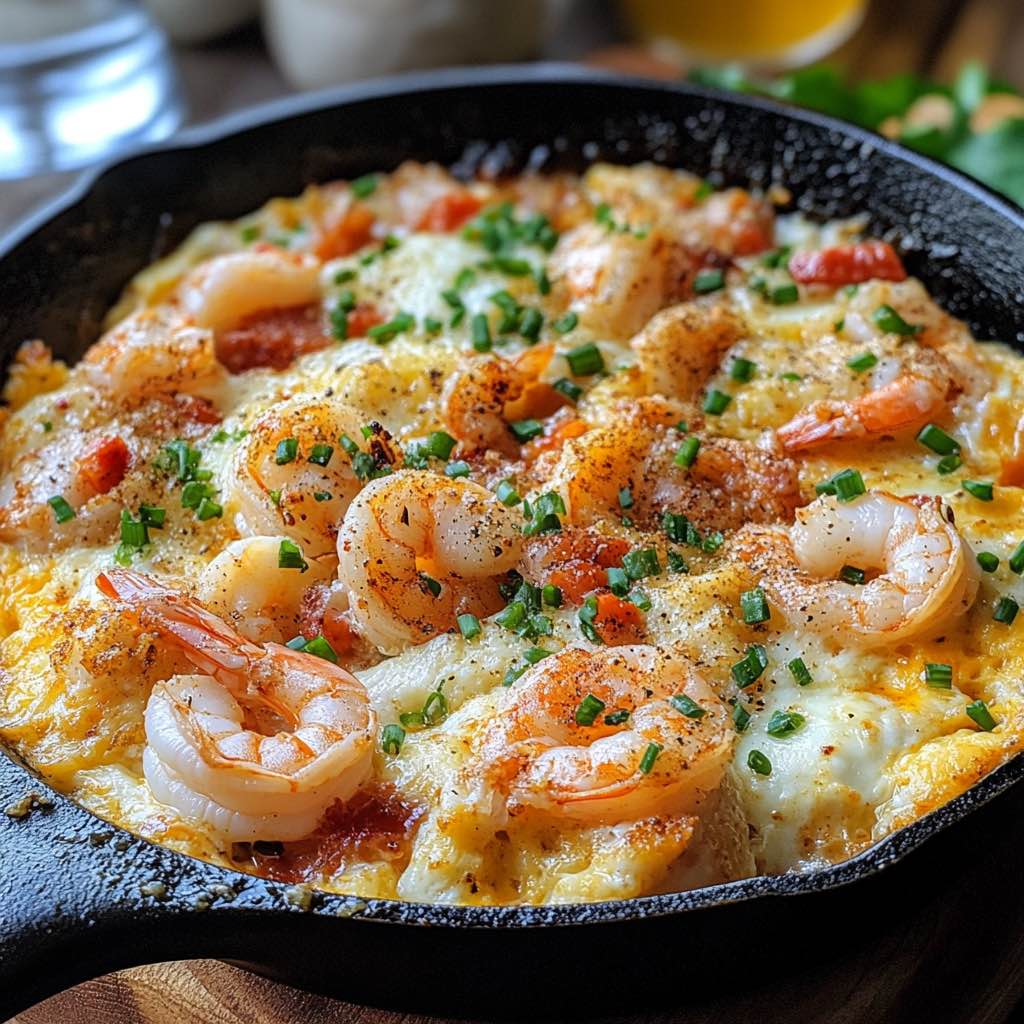
Shrimp and Crab Breakfast Skillet: The Ultimate Seafood Morning Feast
Nothing beats starting your day with a delicious shrimp and crab breakfast skillet that combines fresh seafood with perfectly cooked eggs and vegetables. This protein-packed dish transforms your ordinary morning routine into a restaurant-quality experience. Moreover, this one-pan wonder delivers incredible flavors while keeping cleanup to a minimum.
Furthermore, this seafood breakfast skillet offers endless customization options. You can adjust ingredients based on your preferences and dietary needs. Additionally, the combination of shrimp and crab provides essential nutrients to fuel your day ahead.
Table of Contents
Why Choose a Seafood Breakfast Skillet
Convenience Meets Gourmet Flavor
A shrimp and crab breakfast skillet delivers gourmet flavors without complicated cooking techniques. Consequently, you can create an impressive meal using just one pan. This approach saves time while reducing the number of dishes to clean afterward.
Additionally, seafood cooks quickly compared to other proteins. Therefore, you can have this dish ready in approximately 30 minutes from start to finish. This makes it perfect for weekend brunches or special occasions.
Nutritional Powerhouse
Seafood provides high-quality protein essential for muscle maintenance and satiety. Furthermore, both shrimp and crab contain beneficial omega-3 fatty acids. These healthy fats support brain function and heart health throughout the day.
Moreover, when combined with vegetables and eggs, this breakfast skillet becomes a complete meal. It provides all essential amino acids while delivering vitamins and minerals your body needs.
Versatility for Every Occasion
This seafood breakfast skillet adapts beautifully to different occasions and group sizes. For instance, you can easily double the recipe for larger gatherings. Alternatively, you can prepare individual portions for intimate meals.
Furthermore, the ingredients work well for various dietary preferences. You can modify vegetables, seasonings, and cooking methods to suit specific needs. This flexibility makes it a reliable go-to recipe for any host.
Essential Ingredients for Perfect Results
Fresh Seafood Selection
Premium Shrimp (1 pound, medium-sized)
Choose deveined shrimp with shells removed for convenience. Fresh shrimp should have a mild ocean scent without any fishy odors. Additionally, look for firm texture and translucent appearance.
Lump Crab Meat (8 ounces)
High-quality lump crab meat provides the best texture and flavor. Consequently, avoid imitation crab for this recipe. Instead, invest in real crab meat for authentic taste and superior results.
Vegetable Foundation
Bell Peppers (2 medium, diced)
Red and yellow bell peppers add natural sweetness and vibrant color. Furthermore, they provide excellent crunch and nutritional value. Choose peppers with smooth, unblemished skin for best results.
Yellow Onion (1 large, diced)
Sweet yellow onions create a flavorful base for the entire dish. Moreover, they caramelize beautifully during cooking. This process adds depth and complexity to the overall flavor profile.
Cherry Tomatoes (1 cup, halved)
Fresh cherry tomatoes burst with juice and acidity. Additionally, they balance the richness of the seafood and eggs. Choose firm tomatoes with deep color for optimal taste.
Eggs and Dairy
Large Eggs (6-8 pieces)
Fresh, high-quality eggs form the protein foundation of this breakfast skillet. Furthermore, they bind all ingredients together while adding creaminess. Room temperature eggs incorporate more easily into the dish.
Heavy Cream (1/4 cup)
Heavy cream creates richness without overpowering the seafood flavors. Additionally, it helps create fluffy, restaurant-style eggs. You can substitute with half-and-half if preferred.
Seasonings and Aromatics
Fresh Garlic (4 cloves, minced)
Fresh garlic provides aromatic depth that complements seafood perfectly. Moreover, it enhances the overall flavor without competing with delicate crab and shrimp tastes.
Old Bay Seasoning (2 tablespoons)
This classic seafood seasoning blend contains celery salt, paprika, and other spices. Consequently, it enhances natural seafood flavors while adding mild heat. It’s essential for authentic taste.
Fresh Herbs
Chopped parsley, chives, and dill brighten the finished dish. Furthermore, they add fresh flavor and attractive color contrast. Use herbs generously for best results.
Step-by-Step Cooking Instructions
Preparation Phase
Step 1: Prepare Your Ingredients
Start by organizing all ingredients before cooking begins. Dice vegetables uniformly for even cooking. Additionally, pat seafood completely dry with paper towels to prevent excess moisture.
Step 2: Season the Seafood
Sprinkle shrimp and crab meat with Old Bay seasoning, salt, and pepper. Furthermore, let seafood rest at room temperature for 10 minutes. This allows seasonings to penetrate while bringing proteins to proper cooking temperature.
Cooking Process
Step 3: Heat the Skillet
Preheat a large cast-iron or heavy-bottomed skillet over medium-high heat. Additionally, add two tablespoons of olive oil or butter. Wait until the oil shimmers before adding ingredients.
Step 4: Sauté the Vegetables
Add diced onions first, cooking until they become translucent. Next, incorporate bell peppers and cook for 3-4 minutes. Finally, add garlic and cherry tomatoes, stirring constantly to prevent burning.
Step 5: Cook the Shrimp
Push vegetables to one side of the skillet. Subsequently, add seasoned shrimp in a single layer. Cook for 2 minutes without moving them to develop proper searing.
Furthermore, flip shrimp once they turn pink on the bottom. Continue cooking for another 1-2 minutes until fully cooked through. Remove shrimp temporarily to prevent overcooking.
Step 6: Add Crab Meat
Gently fold crab meat into the vegetable mixture. Heat through for 1-2 minutes without stirring aggressively. This prevents breaking up the delicate crab pieces.
Step 7: Incorporate Eggs
Reduce heat to medium-low for better egg control. Beat eggs with heavy cream, salt, and pepper in a separate bowl. Additionally, create small wells in the vegetable mixture for even egg distribution.
Pour beaten eggs into the skillet, allowing them to settle briefly. Then, gently stir with a wooden spoon to create soft scrambled eggs. Continue stirring until eggs reach desired consistency.
Step 8: Final Assembly
Return cooked shrimp to the skillet during the last minute of cooking. Gently fold everything together while eggs finish cooking. Additionally, taste and adjust seasoning as needed.
Finishing Touches
Step 9: Add Fresh Herbs
Remove skillet from heat before adding fresh herbs. Sprinkle chopped parsley, chives, and dill over the surface. Furthermore, add a squeeze of fresh lemon juice for brightness.
Step 10: Serve Immediately
Transfer portions to warmed plates while the skillet is still hot. Additionally, garnish with extra herbs and lemon wedges. Serve immediately for best texture and temperature.
Pro Tips for Restaurant-Quality Results
Temperature Control Mastery
Maintaining proper temperature throughout cooking ensures perfect results every time. Start with medium-high heat for vegetables and shrimp searing. However, reduce to medium-low when adding eggs to prevent overcooking.
Additionally, use a thermometer to monitor skillet temperature. Ideal cooking temperature ranges between 325-350°F for most steps. This prevents burning while ensuring thorough cooking.
Timing Coordination
Successful skillet cooking requires precise timing coordination. Prepare all ingredients completely before starting to cook. Furthermore, work quickly once cooking begins to maintain optimal temperatures.
Moreover, cook components separately when necessary. This approach prevents overcooking delicate seafood while ensuring vegetables reach proper tenderness. Combine everything during final assembly.
Ingredient Quality Matters
Invest in the highest quality seafood available for superior results. Fresh, properly handled seafood makes a significant difference in final taste. Additionally, source ingredients from reputable suppliers whenever possible.
Furthermore, use fresh herbs rather than dried alternatives. Fresh herbs provide brighter flavors and more attractive presentation. Store herbs properly to maintain freshness until use.
Equipment Considerations
A heavy-bottomed skillet distributes heat evenly for consistent cooking. Cast iron works exceptionally well for this recipe. Additionally, it retains heat effectively while providing excellent searing capabilities.
Moreover, use wooden or silicone utensils to protect non-stick surfaces. Metal utensils can damage coatings and affect cooking performance over time.
Nutritional Benefits of Shrimp and Crab
Protein Powerhouse Benefits
Both shrimp and crab provide complete proteins containing all essential amino acids. Furthermore, seafood proteins are easily digestible compared to red meat alternatives. This makes them ideal for morning consumption when digestive systems are just awakening.
Additionally, the protein content helps maintain stable blood sugar levels throughout the morning. This prevents energy crashes and supports sustained mental focus. A single serving provides approximately 35-40 grams of high-quality protein.
Essential Omega-3 Fatty Acids
Seafood naturally contains beneficial omega-3 fatty acids that support cardiovascular health. Moreover, these healthy fats promote brain function and reduce inflammation throughout the body. Regular consumption may help improve cognitive performance and memory.
Furthermore, omega-3s support healthy skin and hair appearance. They work from within to promote cellular health and repair. This internal nutrition contributes to overall wellness and vitality.
Vitamin and Mineral Content
Vitamin B12 for Energy
Seafood provides excellent sources of vitamin B12 essential for energy metabolism. Additionally, this vitamin supports healthy nerve function and red blood cell formation. Adequate B12 intake helps prevent fatigue and supports mental clarity.
Selenium for Antioxidant Protection
Both shrimp and crab contain significant amounts of selenium. This trace mineral acts as a powerful antioxidant protecting cells from damage. Furthermore, selenium supports immune system function and thyroid health.
Zinc for Immune Support
Seafood provides bioavailable zinc that supports immune system function. Moreover, zinc plays crucial roles in wound healing and protein synthesis. Adequate intake helps maintain healthy skin and supports overall recovery.
Low-Calorie, High-Nutrient Density
This shrimp and crab breakfast skillet provides substantial nutrition with relatively few calories. Furthermore, the nutrient density makes it an excellent choice for weight management goals. You get maximum nutritional value without excessive caloric intake.
Additionally, the high protein content promotes satiety lasting several hours. This helps prevent mid-morning snacking and supports healthy eating patterns throughout the day.
Creative Variations and Customizations
Regional Flavor Adaptations
Cajun-Style Seafood Skillet
Transform your breakfast skillet with bold Cajun flavors. Add paprika, cayenne pepper, and oregano to the seasoning blend. Furthermore, incorporate diced andouille sausage for extra richness and spice.
Additionally, include okra and celery for authentic Louisiana vegetable combinations. These ingredients add unique textures while supporting traditional flavor profiles.
Mediterranean-Inspired Version
Create a Mediterranean twist by adding sun-dried tomatoes and fresh basil. Moreover, include crumbled feta cheese for tangy flavor contrast. Finish with a drizzle of high-quality olive oil and lemon zest.
Furthermore, incorporate kalamata olives and roasted red peppers for additional complexity. These ingredients provide bold flavors that complement seafood beautifully.
Dietary Modification Options
Low-Carb Keto-Friendly
This recipe naturally fits ketogenic dietary requirements with minimal modifications. Simply increase the amount of healthy fats while maintaining protein levels. Additionally, serve over cauliflower rice instead of traditional starches.
Furthermore, add extra avocado and olive oil to boost fat content appropriately. These modifications maintain flavor while supporting ketogenic macronutrient ratios.
Dairy-Free Adaptation
Replace heavy cream with coconut cream for dairy-free preparation. Additionally, omit cheese garnishes while increasing herb quantities for flavor enhancement. Coconut cream provides similar richness without dairy concerns.
Moreover, use dairy-free butter alternatives for cooking the vegetables. Many plant-based options work well without compromising taste or texture.
Vegetable Enhancement Ideas
Seasonal Vegetable Additions
Incorporate seasonal vegetables to keep the recipe interesting year-round. Spring asparagus adds elegant flavor and attractive color contrast. Additionally, summer zucchini provides mild flavor and excellent texture.
Furthermore, fall butternut squash creates sweet, hearty additions perfect for cooler weather. Winter kale adds nutritional density while providing satisfying substance.
International Vegetable Combinations
Explore global vegetable pairings for exciting flavor adventures. Asian-inspired versions might include snow peas and water chestnuts. Additionally, Mexican variations could feature poblano peppers and corn kernels.
Furthermore, Indian-spiced versions work beautifully with cauliflower and peas. These international adaptations expand your culinary horizons while maintaining core recipe integrity.

Serving Suggestions and Pairings
Bread and Grain Accompaniments
Artisan Toast Options
Serve alongside crusty sourdough bread for satisfying texture contrast. Additionally, whole grain toast provides fiber and complex carbohydrates. Toast bread lightly and brush with garlic-infused olive oil for enhanced flavor.
Furthermore, consider serving with English muffins or bagels for classic breakfast appeal. These options soak up delicious juices while providing substantial satisfaction.
Grain-Based Sides
Creamy cheese grits make excellent southern-style accompaniments. Moreover, they provide comforting warmth that complements seafood perfectly. Additionally, consider serving over quinoa for added protein and nutrients.
Furthermore, wild rice pilaf creates elegant presentation suitable for special occasions. These grain options add substance while enhancing overall meal satisfaction.
Fresh Salad Combinations
Simple Green Salads
Light arugula salads with lemon vinaigrette provide refreshing contrast to rich seafood flavors. Additionally, mixed greens with fresh herbs complement the dish beautifully. Keep dressings simple to avoid competing flavors.
Furthermore, spinach salads with cherry tomatoes echo ingredients in the main dish. This creates cohesive meal presentation while adding nutritional variety.
Fruit-Based Accompaniments
Fresh fruit salads add natural sweetness and acidity that balances savory seafood. Additionally, citrus segments work particularly well with shellfish preparations. Choose seasonal fruits for optimal flavor and freshness.
Moreover, sliced avocado provides creamy richness while adding healthy fats. This combination creates satisfying meal balance perfect for sustained energy.
Beverage Pairings
Morning Coffee Combinations
Rich, dark roast coffee provides bold contrast to delicate seafood flavors. Additionally, the caffeine boost complements protein-rich breakfast perfectly. Consider cold brew coffee for smooth, less acidic alternatives.
Furthermore, espresso-based drinks like cappuccinos create restaurant-quality breakfast experiences. The milk foam adds luxurious texture that pairs beautifully with eggs.
Fresh Juice Options
Freshly squeezed orange juice provides vitamin C and bright acidity. Additionally, grapefruit juice offers sophisticated flavor that enhances seafood naturally. Choose fresh options over processed alternatives when possible.
Moreover, vegetable juice blends add nutritional density while supporting healthy eating goals. Tomato-based juices work particularly well with this seafood combination.
Storage and Reheating Guidelines
Proper Storage Techniques
Refrigerator Storage
Store leftover shrimp and crab breakfast skillet in airtight containers within two hours of cooking. Additionally, refrigerate at temperatures below 40°F for food safety. Properly stored leftovers remain safe for 3-4 days maximum.
Furthermore, divide large portions into smaller containers for faster cooling. This approach prevents bacterial growth while maintaining food quality longer.
Freezing Considerations
While technically possible, freezing affects texture quality significantly. Seafood and eggs don’t freeze particularly well together. Additionally, vegetables become mushy after thawing and reheating.
However, if freezing becomes necessary, use within one month for best results. Furthermore, thaw completely in refrigerator before attempting to reheat.
Reheating Methods
Stovetop Reheating
Gently reheat portions in a skillet over low-medium heat. Add small amounts of broth or water to prevent sticking. Additionally, stir frequently to ensure even heating throughout.
Furthermore, avoid high heat which can make seafood tough and rubbery. Slow, gentle reheating preserves texture and flavor better than aggressive methods.
Oven Reheating
Preheat oven to 325°F for gentle reheating. Cover portions with foil to prevent moisture loss. Additionally, heat for 10-15 minutes until warmed through completely.
Moreover, this method works well for larger portions while maintaining even temperatures. Check internal temperature reaches 165°F for food safety compliance.
Food Safety Considerations
Always reheat leftovers to internal temperatures of 165°F minimum. Additionally, never leave cooked seafood at room temperature longer than two hours. These practices prevent foodborne illness risks.
Furthermore, trust your senses when evaluating leftover quality. Discard anything with off odors, strange textures, or questionable appearance. Food safety should always take priority over waste concerns.
Troubleshooting Common Issues
Overcooked Seafood Solutions
Prevention Strategies
Monitor cooking times carefully to prevent tough, rubbery seafood. Additionally, remove shrimp from heat as soon as they turn pink completely. Overcooking happens quickly with delicate proteins.
Furthermore, cook seafood separately from other ingredients when necessary. This approach provides better control over doneness while preventing overcooking disasters.
Recovery Techniques
If seafood becomes slightly overcooked, incorporate into dishes with moisture-rich sauces. Additionally, chop overcooked shrimp into smaller pieces for better integration. While texture changes, flavor often remains acceptable.
Moreover, learn from mistakes to improve future cooking attempts. Keep detailed notes about timing and temperature for consistent results.
Vegetable Texture Problems
Maintaining Proper Crunch
Cut vegetables uniformly for even cooking results. Additionally, avoid overcrowding the pan which causes steaming instead of sautéing. Work in batches when necessary for proper browning.
Furthermore, add vegetables in order of cooking time required. Harder vegetables need longer cooking than delicate options. This staged approach ensures everything finishes simultaneously.
Fixing Mushy Vegetables
Once vegetables become overcooked, texture cannot be restored effectively. However, you can incorporate them into other dishes like omelets or frittatas. Additionally, consider blending into soups or sauces for alternative uses.
Moreover, focus on prevention through careful timing and temperature control. Practice makes perfect with vegetable sautéing techniques.
Egg Cooking Challenges
Achieving Perfect Scrambled Eggs
Use low heat and constant stirring for creamy, luxurious eggs. Additionally, remove from heat slightly before desired doneness. Residual heat continues cooking while preventing overcooking.
Furthermore, add cream or butter for richness and improved texture. These dairy additions create restaurant-quality results with proper technique application.
Preventing Curdled Eggs
Temperature control prevents egg curdling in mixed dishes. Additionally, temper eggs by adding small amounts of hot mixture gradually. This process prevents shock cooking that causes curdling.
Moreover, stir constantly when combining eggs with hot ingredients. Consistent movement distributes heat evenly while maintaining smooth textures.
Check out our guide on [perfecting breakfast egg techniques] for additional tips and troubleshooting advice.
Frequently Asked Questions
Can I prepare this shrimp and crab breakfast skillet ahead of time?
While best served fresh, you can prepare components separately in advance. Cook vegetables and store them refrigerated overnight. Additionally, clean and season seafood the day before cooking. However, avoid pre-cooking eggs as they don’t reheat well while maintaining quality texture.
Furthermore, assemble ingredients just before final cooking for optimal results. This approach saves preparation time while ensuring fresh flavors and proper textures.
What’s the best type of crab meat for this recipe?
Lump crab meat provides the best texture and flavor for breakfast skillets. Additionally, avoid imitation crab which contains fillers and artificial flavoring. Fresh or pasteurized crab meat works equally well when handled properly.
Moreover, remove any shell pieces carefully before cooking. Even small fragments can affect the eating experience negatively. Quality crab meat makes a significant difference in final results.
How do I know when the shrimp is properly cooked?
Properly cooked shrimp turn pink and opaque throughout. Additionally, they curl into a C-shape when done correctly. Overcooked shrimp form tight O-shapes and become tough and rubbery.
Furthermore, shrimp cook quickly, usually within 3-4 minutes total. Remove from heat immediately when color changes completely. Internal temperature should reach 145°F for food safety compliance.
Can I substitute frozen seafood for fresh?
Frozen seafood works well when properly thawed and prepared. Additionally, pat thawed seafood completely dry to remove excess moisture. This prevents watery final results while ensuring proper browning.
Moreover, never cook seafood from frozen in this recipe. Uneven cooking results in some pieces being overcooked while others remain undercooked. Proper thawing ensures consistent cooking throughout.
What vegetables work best in seafood breakfast skillets?
Bell peppers, onions, and tomatoes form the classic base for seafood skillets. Additionally, asparagus, spinach, and mushrooms complement seafood flavors beautifully. Choose vegetables that cook quickly and maintain some texture after cooking.
Furthermore, avoid vegetables that release excessive moisture during cooking. Zucchini and cucumber can make the dish watery unless properly prepared and drained beforehand.
How can I make this dish spicier?
Add cayenne pepper, hot sauce, or fresh jalapeños for heat. Additionally, include paprika and chili powder for mild warmth with complex flavors. Start with small amounts and adjust to taste preferences.
Moreover, consider using spicy sausage or pepper varieties for integrated heat distribution. These ingredients provide sustained spice rather than concentrated hot spots throughout the dish.
This comprehensive shrimp and crab breakfast skillet recipe delivers restaurant-quality results in your home kitchen. The combination of fresh seafood, perfectly cooked eggs, and sautéed vegetables creates a memorable morning meal. Furthermore, the one-pan preparation method saves time while minimizing cleanup afterward.
Remember to source high-quality ingredients and control cooking temperatures carefully. These fundamental techniques ensure success every time you prepare this impressive breakfast skillet. Additionally, don’t hesitate to customize ingredients based on personal preferences and seasonal availability.
Whether serving family members or entertaining guests, this seafood breakfast skillet never fails to impress. The protein-rich combination provides sustained energy while delivering gourmet flavors worthy of special occasions.

Shrimp and Crab Breakfast Skillet
Description
Ingredients
For the Seafood
-
12 medium shrimp, peeled and deveined
-
½ cup fresh lump crabmeat, shells removed
-
1 tablespoon olive oil
-
Salt and freshly ground black pepper
-
¼ teaspoon Old Bay seasoning
For the Eggs and Vegetables
-
10 large eggs
-
⅓ cup whole milk or half-and-half
-
3 tablespoons unsalted butter, divided
-
12 thin asparagus spears, cut into 1-inch pieces
-
4 scallions, sliced (white and green parts)
-
1 teaspoon kosher salt
-
½ teaspoon freshly ground black pepper
For Finishing
-
½ cup grated Gruyère cheese
-
2 tablespoons grated Parmesan cheese
-
2 tablespoons fresh herbs (chives, parsley, dill)
-
Paprika for garnish
Instructions
Prepare the Seafood
Heat olive oil in a large cast iron or non-stick skillet over medium-high heat. Season shrimp with salt, pepper, and Old Bay seasoning. Sauté shrimp for 2-3 minutes per side until they curl and turn pink. Remove shrimp and coarsely chop, then gently fold in crabmeat, being careful not to break up the lumps.
Cook the Vegetables
Wipe out the skillet and melt 1 tablespoon butter over medium-high heat. Add asparagus and scallions, cooking for 8-10 minutes until softened.
Create the Egg Base
In a large bowl, whisk together eggs, milk, salt, and pepper until well combined. The milk creates extra creaminess in the final dish. Heat remaining 2 tablespoons butter in the same skillet over medium heat.
Assemble the Skillet
Pour beaten eggs into the hot skillet and let them begin to set around the edges. Using a spatula, gently pull the cooked edges toward the center, allowing uncooked egg to flow underneath. When eggs reach a soft scramble stage but are still slightly wet, fold in the seafood and vegetable mixture along with both cheeses.
Continue cooking for 2-3 minutes, stirring gently, until eggs reach desired consistency – they should remain creamy from the milk and cheese. Remove from heat while eggs are still slightly underdone, as they’ll continue cooking from residual heat.