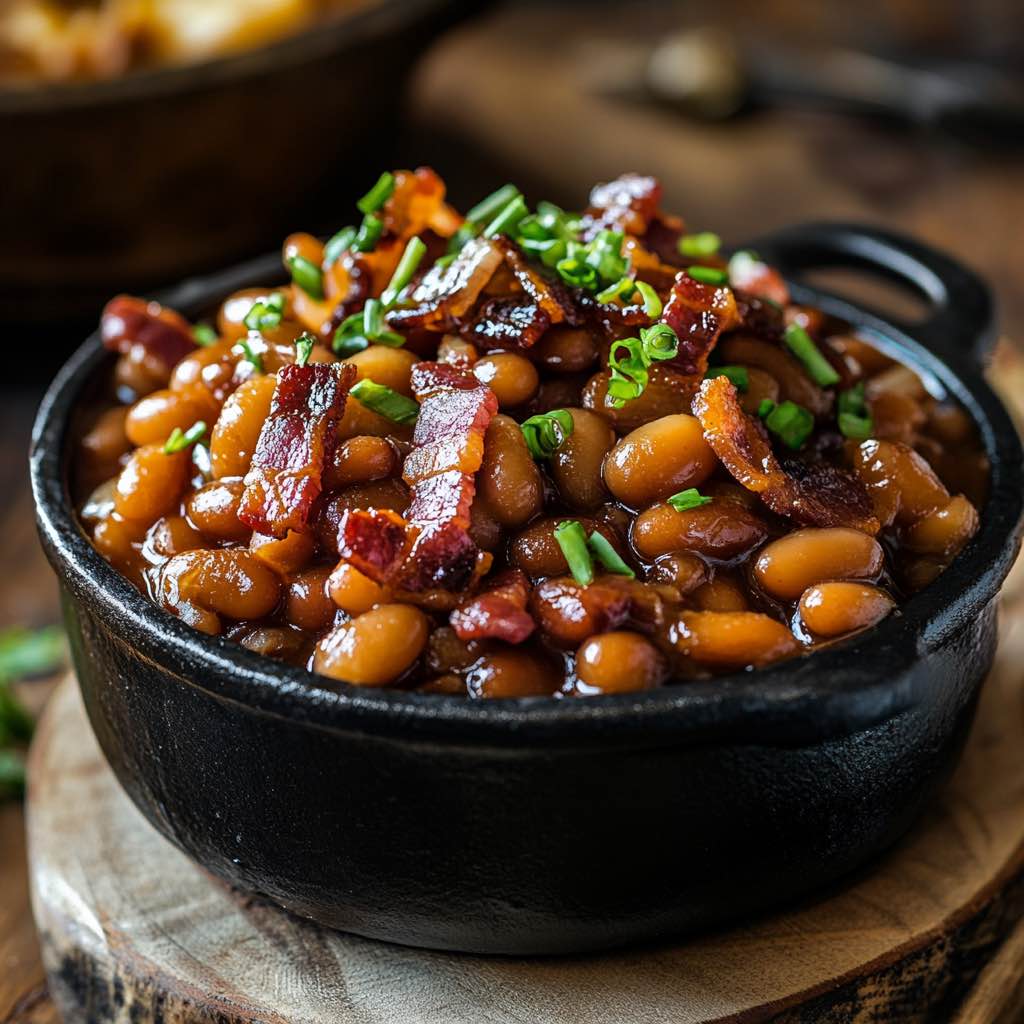
Southern Baked Beans with Bacon: The Ultimate Guide to Authentic Southern Comfort Food
Southern Baked Beans with Bacon represent the heart and soul of traditional Southern cuisine. This beloved dish combines tender beans, smoky bacon, and a perfect blend of sweet and savory flavors. Moreover, these beans have graced Southern tables for generations, bringing families together around hearty, comforting meals.
Furthermore, this comprehensive guide will teach you everything you need to know about creating authentic Southern Baked Beans with Bacon. Additionally, you’ll discover the secrets behind achieving that perfect balance of flavors that makes this dish truly special.
What Makes Southern Baked Beans Special
Southern Baked Beans with Bacon stand apart from other bean dishes through their distinctive flavor profile. First, the combination of molasses, brown sugar, and smoky bacon creates an irresistible taste. Second, the slow cooking process allows flavors to meld beautifully together.
Traditional Southern cooking emphasizes comfort and satisfaction. Consequently, these beans deliver both through their rich, hearty texture. The beans become tender while maintaining their shape, creating the perfect consistency.
The History Behind the Dish
Southern Baked Beans with Bacon have deep roots in American culinary history. Originally, Native Americans taught early settlers about cooking beans with maple syrup and bear fat. Later, European settlers adapted these techniques using molasses and pork.
The dish evolved throughout the antebellum period in the South. Plantation kitchens refined the recipe, incorporating local ingredients and cooking methods. Eventually, bacon became the preferred pork addition due to its smoky flavor and availability.
Key Flavor Components
The magic of Southern Baked Beans with Bacon lies in balancing several key flavors:
-
Sweetness: Brown sugar and molasses provide deep, complex sweetness
-
Smokiness: Bacon adds essential smoky notes throughout the dish
-
Tanginess: Apple cider vinegar brightens the overall flavor profile
-
Savoriness: Onions and mustard contribute depth and complexity
Essential Ingredients for Southern Baked Beans with Bacon
Creating authentic Southern Baked Beans with Bacon requires specific ingredients. Therefore, selecting quality components ensures the best possible results. Here’s what you’ll need for this traditional recipe:
Primary Ingredients
Beans (2 pounds dried navy beans): Navy beans work best for this recipe. They hold their shape well during long cooking times. Additionally, they absorb flavors beautifully while maintaining a creamy texture.
Thick-cut bacon (8 ounces): Choose high-quality, thick-cut bacon for maximum flavor impact. The bacon should have good marbling for optimal taste. Furthermore, thick cuts won’t disintegrate during the long cooking process.
Yellow onion (1 large): Sweet yellow onions provide the best foundation flavor. They become tender and sweet during cooking. Moreover, they complement the bacon perfectly without overpowering other ingredients.
Flavor Enhancers
Brown sugar (¾ cup): Dark brown sugar adds molasses notes that define Southern-style beans. Light brown sugar can substitute if necessary. However, dark brown sugar provides richer flavor depth.
Molasses (¼ cup): This ingredient gives authentic Southern character to the dish. Use unsulfured molasses for the cleanest taste. Additionally, molasses adds beautiful color and complexity.
Yellow mustard (2 tablespoons): Regular yellow mustard provides tangy balance to sweetness. Dijon mustard can substitute for more sophisticated flavor. However, yellow mustard maintains traditional authenticity.
Apple cider vinegar (2 tablespoons): This ingredient brightens the entire dish significantly. White vinegar can substitute in emergencies. Nevertheless, apple cider vinegar offers superior flavor complexity.
Supporting Ingredients
navy beans provide excellent nutritional value. They contain high amounts of fiber, protein, and essential minerals.
Worcestershire sauce (1 tablespoon): This adds umami depth to the overall flavor profile. Use traditional Worcestershire for best results. Furthermore, it enhances the savory elements beautifully.
Garlic powder (1 teaspoon): Provides subtle garlic flavor without overpowering other ingredients. Fresh garlic can burn during long cooking. Therefore, powder works better for this application.
Black pepper (½ teaspoon): Freshly ground black pepper adds gentle heat and complexity. White pepper can substitute if preferred. However, black pepper provides traditional Southern flavor.
Salt (to taste): Enhances all flavors and balances sweetness appropriately. Sea salt or kosher salt work equally well. Additionally, salt helps beans maintain their texture.
Step-by-Step Recipe Guide
Creating perfect Southern Baked Beans with Bacon requires patience and attention to detail. Follow these steps carefully for exceptional results. Moreover, proper preparation ensures even cooking and optimal flavor development.
Preparation Phase
Step 1: Soak the Beans
Begin by sorting through dried navy beans carefully. Remove any stones, damaged beans, or debris thoroughly. Rinse beans under cold running water until water runs clear.
Place cleaned beans in a large bowl. Cover completely with cold water, using approximately three times the volume of beans. Therefore, if using 2 cups of beans, add 6 cups of water.
Soak beans overnight or for at least 8 hours. This process rehydrates the beans and reduces cooking time significantly. Additionally, soaking helps ensure even cooking throughout.
Step 2: Prepare the Bacon
Cut thick-cut bacon into 1-inch pieces using sharp kitchen shears. This size allows bacon to distribute evenly throughout the dish. Furthermore, uniform pieces ensure consistent flavor in every bite.
Cook bacon pieces in a large, heavy-bottomed pot or Dutch oven. Use medium heat to render fat slowly and evenly. Stir occasionally to prevent burning or uneven cooking.
Cook until bacon is crispy but not overly hard. The bacon should still have some chew remaining. Moreover, you want to preserve some texture for the final dish.
Cooking Process
Step 3: Build the Flavor Base
Remove cooked bacon with a slotted spoon, leaving rendered fat in the pot. Set bacon aside on paper towels temporarily. Reserve approximately 2 tablespoons of bacon fat in the pot.
Dice the large yellow onion into uniform ½-inch pieces. Add diced onion to the reserved bacon fat in the pot. Cook over medium heat until onion becomes translucent and softened.
This process typically takes 5-7 minutes with regular stirring. The onion should become fragrant and slightly caramelized. Additionally, this creates the foundation for complex flavor development.
Step 4: Combine Ingredients
Drain soaked beans thoroughly in a colander. Rinse once more under cold running water. Add drained beans to the pot with cooked onions.
Return reserved bacon pieces to the pot with beans. Stir gently to distribute bacon evenly throughout. Furthermore, this ensures consistent bacon flavor in every serving.
Add enough water to cover beans by approximately 2 inches. Bring mixture to a rolling boil over high heat. Once boiling, reduce heat to maintain a gentle simmer.
Final Assembly
Step 5: Create the Sauce
In a separate bowl, whisk together all remaining ingredients thoroughly. Combine brown sugar, molasses, yellow mustard, apple cider vinegar, and Worcestershire sauce. Mix until completely smooth and well incorporated.
Add garlic powder and black pepper to the sauce mixture. Whisk again to ensure even distribution of spices. Taste and adjust seasoning as needed before adding to beans.
Pour sauce mixture over simmering beans and bacon. Stir gently to distribute sauce evenly throughout. The liquid should just cover the beans completely.
Step 6: Slow Cooking Process
Preheat oven to 325°F (163°C) for optimal cooking temperature. Cover the pot with a tight-fitting lid or aluminum foil. This prevents excessive moisture loss during cooking.
Transfer covered pot to preheated oven for slow cooking. Cook for approximately 2.5 to 3 hours total. Check beans every 45 minutes during cooking process.
Add hot water as needed to maintain proper liquid levels. Beans should remain just covered throughout cooking. Additionally, stir gently during each check to prevent sticking.
Tips for Perfect Results Every Time
Achieving exceptional Southern Baked Beans with Bacon requires attention to detail. These professional tips ensure consistent, delicious results. Moreover, following these guidelines prevents common cooking mistakes.
Bean Selection and Preparation
Choose high-quality dried navy beans for best results. Check expiration dates and avoid beans older than two years. Older beans require longer cooking times and may not soften properly.
Store dried beans in airtight containers in cool, dry places. Moisture and heat can affect cooking quality significantly. Therefore, proper storage maintains bean integrity and flavor.
Never add salt or acidic ingredients during initial cooking phases. Salt can prevent beans from softening properly during cooking. Add salt only after beans become tender.
Cooking Temperature Control
Maintain consistent oven temperature throughout the cooking process. Use an oven thermometer to verify actual temperature accuracy. Temperature fluctuations can affect cooking times and texture.
Check beans regularly but avoid excessive stirring during cooking. Gentle stirring prevents beans from breaking apart unnecessarily. Furthermore, minimal disturbance maintains attractive presentation.
Adjust liquid levels carefully throughout the cooking process. Add hot water rather than cold to prevent temperature shock. Cold water can slow cooking and affect texture.
Flavor Development Techniques
According to Serious Eats, slow cooking develops complex flavors in bean dishes. Low temperatures allow ingredients to meld gradually and harmoniously.
Taste and adjust seasoning during the final cooking hour. Flavors concentrate as liquid reduces during cooking. Therefore, final seasoning adjustments ensure perfect balance.
Allow beans to rest for 15 minutes before serving. This resting period allows flavors to settle and intensify. Additionally, the texture improves as beans absorb remaining liquid.
Serving Suggestions and Pairings
Southern Baked Beans with Bacon complement numerous dishes beautifully. These serving suggestions enhance your meal planning significantly. Moreover, proper pairings create memorable dining experiences for guests.
Traditional Southern Pairings
Barbecue Dishes: Baked beans pair perfectly with smoked meats and grilled favorites. Serve alongside pulled pork, ribs, or smoked chicken. The sweet and smoky flavors complement barbecue beautifully.
Cornbread: Fresh cornbread provides the ideal textural contrast to creamy beans. The slight sweetness enhances the overall flavor profile. Furthermore, cornbread helps balance the richness of the dish.
Coleslaw: Crisp, tangy coleslaw cuts through the richness of baked beans. The acidity brightens the palate between bites. Additionally, coleslaw adds fresh vegetables to the meal.
Modern Serving Ideas
Baked Potato Bar: Top baked potatoes with Southern Baked Beans with Bacon for hearty comfort food. Add shredded cheese and green onions for extra flavor. This combination creates a complete, satisfying meal.
Breakfast Applications: Serve beans alongside eggs and toast for hearty breakfast fare. The protein content makes this combination especially satisfying. Moreover, this creates an authentic Southern breakfast experience.
Check out our guide on [Southern breakfast sides] for more traditional pairing ideas.
Portion Considerations
Plan approximately ¾ cup of beans per person for side dish portions. For main dish servings, increase to 1 to 1.5 cups per person. Furthermore, consider appetites and other dishes when planning quantities.
Serve beans in warmed bowls to maintain optimal temperature. Cold bowls can cool the beans too quickly. Additionally, warm serving dishes enhance the dining experience.
Storage and Reheating Instructions
Proper storage maintains quality and safety of Southern Baked Beans with Bacon. Follow these guidelines to preserve flavor and texture. Moreover, correct storage practices prevent foodborne illness.
Refrigerator Storage
Cool beans to room temperature before refrigerating for food safety. Transfer to airtight containers within two hours of cooking. Divide large batches into smaller portions for faster cooling.
Store in refrigerator for up to 4 days maximum. Label containers with cooking date for easy tracking. Use oldest portions first to maintain freshness.
Keep beans covered to prevent moisture loss and odor absorption. Glass containers work best for maintaining flavor integrity. Additionally, clear containers allow easy visual quality checks.
Freezer Storage Options
Southern Baked Beans with Bacon freeze excellently for longer storage. Cool completely before freezing to maintain texture quality. Divide into meal-sized portions for convenient thawing.
Use freezer-safe containers or heavy-duty freezer bags for storage. Leave 1-inch headspace to allow for expansion during freezing. Label clearly with contents and freezing date.
Frozen beans maintain quality for up to 6 months. However, use within 3 months for optimal flavor and texture. Longer storage may affect taste and consistency.
Reheating Methods
Stovetop Method: Transfer beans to saucepan and add small amount of water if needed. Heat over medium-low temperature, stirring occasionally. This method provides best texture control.
Microwave Option: Place portions in microwave-safe dishes with loose covers. Heat in 30-second intervals, stirring between each interval. Add water if beans appear dry during heating.
Oven Reheating: Cover beans in oven-safe dish and heat at 350°F (175°C). Stir occasionally and add liquid if necessary. This method works well for larger quantities.
Nutritional Benefits of Baked Beans
Southern Baked Beans with Bacon provide numerous nutritional advantages. Understanding these benefits helps appreciate this traditional dish’s value. Moreover, beans contribute significantly to balanced, healthy eating plans.
Protein Content
Navy beans supply excellent plant-based protein for muscle maintenance and growth. One cup provides approximately 15 grams of complete protein. This makes beans valuable for vegetarians and meat-eaters alike.
Bacon adds additional protein while contributing essential amino acids. The combination creates a more complete protein profile. Furthermore, protein helps maintain satiety between meals.
Fiber Benefits
According to the Harvard T.H. Chan School of Public Health, dietary fiber supports digestive health significantly. Navy beans contain both soluble and insoluble fiber types.
Soluble fiber helps regulate blood sugar levels and cholesterol. Insoluble fiber promotes healthy digestion and regularity. Additionally, fiber increases feelings of fullness and satisfaction.
Mineral Content
Beans provide essential minerals including iron, magnesium, and potassium. Iron supports healthy blood oxygen transport throughout the body. Magnesium contributes to bone health and muscle function.
Potassium helps regulate blood pressure and heart function. These minerals work together to support overall health. Moreover, beans provide these nutrients in easily absorbed forms.
Energy Considerations
One serving of Southern Baked Beans with Bacon contains approximately 300-350 calories. The calories come primarily from complex carbohydrates and protein. This provides sustained energy without blood sugar spikes.
The fiber and protein content help maintain steady energy levels. This makes beans excellent for active individuals and growing children. Additionally, the sustained energy supports mental clarity and focus.
Regional Variations Across the South
Southern Baked Beans with Bacon vary significantly across different regions. These variations reflect local ingredients and cultural influences. Moreover, understanding regional differences adds depth to culinary appreciation.
Texas-Style Additions
Texas versions often incorporate barbecue sauce for smoky flavor enhancement. Some cooks add jalapeños for gentle heat and complexity. The beans typically feature bolder, more assertive flavors overall.
Beef brisket sometimes replaces or supplements bacon in Texas preparations. This creates heartier, more substantial flavor profiles. Furthermore, Texas-style beans often accompany outdoor barbecue gatherings.
Carolina Variations
North Carolina versions frequently include apple cider vinegar for tangy brightness. Some recipes incorporate mustard-based sauces characteristic of regional barbecue. The result creates more acidic, complex flavor profiles.
South Carolina preparations sometimes feature mustard as the primary sauce base. This creates distinctive yellow-colored beans with unique taste. Additionally, Carolina styles often emphasize tomato-based elements.
Georgia and Alabama Styles
Georgia versions often incorporate peaches or peach preserves for sweetness. This adds fruity complexity that complements the smoky bacon beautifully. The result creates uniquely Southern flavor combinations.
Alabama preparations frequently feature more molasses for deeper sweetness. Some cooks add coffee for additional complexity and richness. Moreover, these versions often cook longer for concentrated flavors.
Louisiana Influences
Louisiana-style beans sometimes incorporate Creole seasonings for complex flavor. Andouille sausage may replace or supplement bacon for different character. These versions reflect the state’s unique culinary heritage.
Some Louisiana preparations include bell peppers and celery for vegetable complexity. This creates more elaborate flavor profiles reminiscent of jambalaya. Additionally, these versions often feature more assertive spicing.
Troubleshooting Common Issues
Even experienced cooks encounter challenges when making Southern Baked Beans with Bacon. These solutions address frequent problems effectively. Moreover, understanding common issues prevents future cooking difficulties.
Beans Won’t Soften
Problem: Beans remain hard after extended cooking times despite proper soaking.
Solutions: Check bean age – older beans require longer cooking times. Add baking soda (¼ teaspoon) to cooking water for stubborn beans. Ensure water remains alkaline throughout cooking process.
Avoid adding acidic ingredients until beans soften completely. Salt and tomatoes can prevent proper softening if added too early. Additionally, maintain consistent cooking temperature throughout the process.
Too Watery Consistency
Problem: Finished beans lack proper thick, saucy consistency desired.
Solutions: Remove lid during final cooking hour to encourage evaporation. Increase oven temperature to 350°F (175°C) for faster liquid reduction. Mash small portion of beans to thicken naturally.
Create cornstarch slurry (1 tablespoon cornstarch + 2 tablespoons cold water). Stir into beans and cook additional 15 minutes. This method provides immediate thickening without affecting flavor.
Overly Sweet Results
Problem: Finished beans taste too sweet and lack proper flavor balance.
Solutions: Add apple cider vinegar gradually to brighten and balance flavors. Incorporate additional yellow mustard for tangy contrast. These ingredients cut sweetness without masking other flavors.
Season with salt and black pepper to enhance savory elements. Add Worcestershire sauce for umami depth and complexity. Furthermore, consider reducing sugar in future preparations.
Burnt Bottom Issues
Problem: Beans stick and burn on pot bottom during cooking process.
Solutions: Use heavy-bottomed pot or Dutch oven for even heat distribution. Stir more frequently during final cooking stages. Add liquid as needed to prevent sticking.
Lower oven temperature and extend cooking time if burning persists. Cover completely to prevent excessive surface browning. Additionally, avoid placing pot directly on oven bottom.
Frequently Asked Questions
Can I use canned beans instead of dried beans for Southern Baked Beans with Bacon?
Yes, canned navy beans work as substitutes for dried beans. Use approximately 6-8 cans (15 ounces each) to replace 2 pounds dried beans. Drain and rinse canned beans thoroughly before using.
Reduce cooking time to 45-60 minutes since canned beans are pre-cooked. Add liquid sparingly as canned beans require less moisture. However, dried beans provide superior texture and flavor absorption.
How can I make Southern Baked Beans with Bacon less sweet?
Reduce brown sugar to ½ cup and eliminate molasses for less sweetness. Add extra apple cider vinegar and mustard for tangy balance. Include additional Worcestershire sauce for savory depth.
Taste during cooking and adjust seasoning gradually until desired balance is achieved. Salt enhances savory flavors and reduces perceived sweetness effectively. Moreover, adding vegetables like diced bell peppers can balance sweetness naturally.
What’s the best way to reheat Southern Baked Beans with Bacon for large groups?
Oven reheating works best for large quantities of beans. Preheat oven to 350°F (175°C) and cover beans tightly. Heat for 30-45 minutes, stirring every 15 minutes.
Add small amounts of water if beans appear dry during reheating. Slow cookers also work excellently for keeping beans warm during parties. Set to “warm” setting after initial reheating to maintain temperature.
Can I prepare Southern Baked Beans with Bacon ahead of time?
Southern Baked Beans with Bacon actually improve in flavor when made ahead. Prepare completely and refrigerate overnight before serving. The flavors meld and intensify during storage.
Reheat gently before serving, adding liquid if necessary for proper consistency. This makes the dish perfect for entertaining and meal preparation. Additionally, advance preparation reduces day-of-event cooking stress.
How do I prevent beans from splitting during cooking?
Soak beans properly and avoid vigorous stirring during cooking process. Maintain gentle simmer rather than rolling boil throughout cooking. Use timer to check beans every 45 minutes without excessive disturbance.
Choose fresh, high-quality dried beans for best results. Older beans are more likely to split and lose shape. Furthermore, gradual temperature changes prevent thermal shock that causes splitting.
What can I substitute for molasses in this recipe?
Dark corn syrup provides similar sweetness and consistency to molasses. Honey works but creates different flavor profiles than traditional recipes. Brown sugar can be increased to compensate for missing molasses.
Maple syrup offers complex sweetness similar to molasses characteristics. Use slightly less than molasses amount due to different consistency. However, molasses provides the most authentic Southern flavor profile.
Conclusion
Southern Baked Beans with Bacon represent the essence of traditional Southern comfort food. This comprehensive guide provides everything needed to create authentic, delicious results. The combination of tender beans, smoky bacon, and perfectly balanced flavors creates truly memorable dishes.
Furthermore, this recipe connects modern cooks with generations of Southern culinary tradition. The slow cooking process and careful ingredient selection ensure exceptional quality. These beans bring families together around tables filled with love and satisfaction.
The nutritional benefits and versatility make Southern Baked Beans with Bacon valuable additions to meal planning. Whether serving at family gatherings or casual weeknight dinners, this dish delivers comfort and nourishment. Moreover, the make-ahead convenience simplifies entertaining and meal preparation.
Master this classic recipe and experience the true taste of Southern hospitality. The techniques and tips provided ensure consistent success with every batch. Southern Baked Beans with Bacon will become treasured additions to your cooking repertoire.
Southern Baked Beans with Bacon
Description
Ingredients
-
4-6 thick cut bacon slices
-
1 medium onion, diced
-
½ jalapeno, diced (optional, for mild heat)
-
½ bell pepper, diced
-
1 can (12 oz) pork and beans (do not drain)
-
1 can (12 oz) red kidney beans, drained and rinsed
-
1 can (12 oz) pinto beans, drained and rinsed
-
½ cup BBQ sauce
-
½ cup ketchup
-
½ tablespoon yellow mustard
-
2-4 tablespoons brown sugar (to taste)
-
2 teaspoons Worcestershire sauce
-
1 tablespoon molasses
-
2 teaspoons Cajun seasoning (optional)
-
1 teaspoon minced garlic
-
Black pepper to taste
Instructions
-
Preheat your oven to 350°F (175°C).
-
Par-cook the bacon: Cut bacon into 3-4 strips and cook for about 3 minutes in a skillet—do not crisp fully as it will finish in the oven. Remove and set aside.
-
Saute the vegetables: Drain most of the bacon grease, leaving about 2 tablespoons in the pan (or substitute with cooking oil). Add onion, jalapeno, and bell pepper. Sauté for 3-4 minutes until translucent.
-
Mix the beans and sauce: To the skillet, add the pork and beans (undrained), kidney beans, pinto beans, BBQ sauce, ketchup, mustard, brown sugar, Worcestershire sauce, molasses, Cajun seasoning, garlic, and black pepper. Stir until well combined.
-
Assemble in baking dish: Pour the bean mixture into a 9×13-inch ungreased baking dish. Top evenly with the par-cooked bacon strips.
-
Bake uncovered for 35-45 minutes, or until bubbly and the top is caramelized and slightly crispy. Do not overcook.
-
Cool and serve: Let the beans cool slightly before serving for best texture and flavor.