
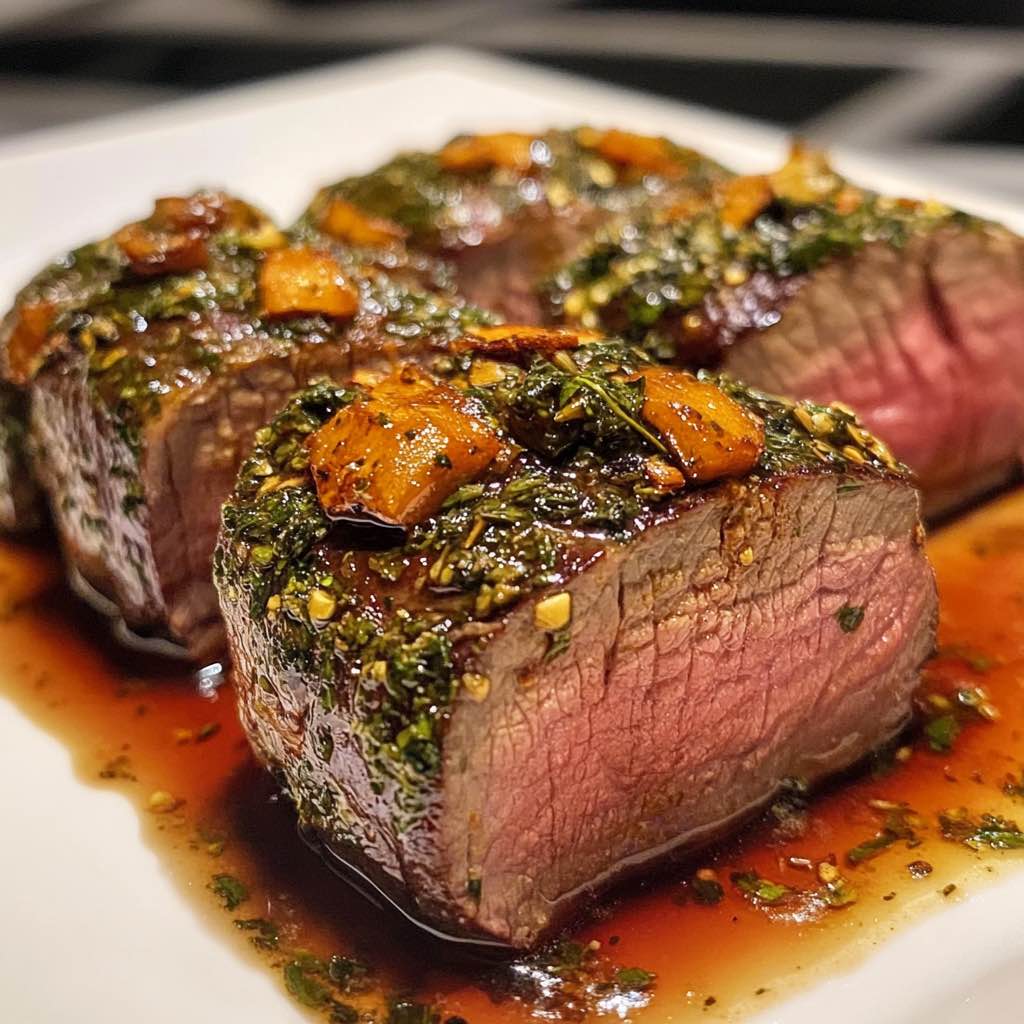
Garlic Herb-Crusted Beef Tenderloin: The Ultimate Guide to Perfect Results
The aroma of garlic herb-crusted beef tenderloin wafting through your kitchen represents culinary excellence at its finest. This premium cut, when prepared with a fragrant herb crust, transforms any meal into an extraordinary dining experience. Moreover, mastering this technique elevates your cooking skills and impresses guests with restaurant-quality results.
Creating the perfect garlic herb-crusted beef tenderloin requires attention to detail, quality ingredients, and proper technique. However, the results are absolutely worth the effort. Furthermore, this comprehensive guide will walk you through every step of the process.
Understanding Beef Tenderloin
What Makes Beef Tenderloin Special
Beef tenderloin stands as the most tender cut of beef available. Additionally, it comes from the least-used muscle of the cow, resulting in incredibly soft texture. The tenderloin’s mild flavor profile makes it perfect for bold seasonings like garlic and herbs.
This premium cut typically weighs between 4-6 pounds when whole. However, most home cooks prefer smaller portions for easier handling. Furthermore, the consistent thickness ensures even cooking throughout.
Selecting Quality Beef Tenderloin
When choosing beef tenderloin, look for bright red color and fine marbling. Additionally, avoid cuts with excessive fat or dark spots. The meat should feel firm to the touch and have minimal odor.
Consider these factors when purchasing:
-
Grade: Prime or Choice grades offer superior quality
-
Color: Deep red indicates freshness
-
Texture: Firm, not mushy or slimy
-
Fat content: Minimal external fat for easier preparation
Trimming and Preparation Basics
Proper trimming enhances the final presentation of your garlic herb-crusted beef tenderloin. First, remove the silver skin using a sharp knife. Next, trim excess fat while leaving some for flavor and moisture.
The chain muscle, located along one side, should be removed or tucked under for even cooking. Additionally, tying the tenderloin with kitchen twine ensures uniform thickness. This step proves crucial for consistent results.
Essential Ingredients for Garlic Herb Crust
Fresh Herbs Selection
Fresh herbs create the foundation of an exceptional garlic herb-crusted beef tenderloin. Rosemary, thyme, and sage provide robust flavors that complement beef perfectly. Moreover, parsley adds freshness and color to the final dish.
Consider these herb combinations:
-
Classic: Rosemary, thyme, and garlic
-
Mediterranean: Oregano, basil, and garlic
-
French: Tarragon, chives, and shallots
-
Bold: Sage, rosemary, and cracked pepper
Garlic Preparation Methods
Fresh garlic delivers the most intense flavor for your herb crust. Mincing garlic finely ensures even distribution throughout the coating. Additionally, allowing minced garlic to rest for 10 minutes activates beneficial compounds.
Roasted garlic offers a mellower, sweeter flavor profile. Furthermore, garlic powder provides convenience without sacrificing taste. Consider combining fresh and roasted garlic for complex flavor layers.
Binding Agents and Texture
The crust requires proper binding to adhere to the beef tenderloin effectively. Olive oil serves as the primary binding agent while adding richness. Additionally, Dijon mustard creates excellent adhesion and tangy flavor.
Alternative binding options include:
-
Mayonnaise for richness and adhesion
-
Egg wash for golden color and crispiness
-
Butter for traditional flavor and browning
-
Cream cheese for creamy texture
Breadcrumb and Coating Options
Traditional breadcrumbs create a classic texture for garlic herb-crusted beef tenderloin. However, panko breadcrumbs offer superior crispiness and lighter texture. Additionally, crushed crackers provide unique flavor and crunch.
Creative coating alternatives:
-
Crushed nuts for added protein and texture
-
Parmesan cheese for umami depth
-
Herb-seasoned stuffing mix for convenience
-
Ground oats for gluten-free options
Preparation Techniques
Seasoning and Marinating
Proper seasoning begins 24 hours before cooking your garlic herb-crusted beef tenderloin. Salt draws out moisture initially, then reabsorbs with concentrated flavor. Moreover, this process, called dry brining, enhances tenderness significantly.
Basic seasoning steps:
-
Pat tenderloin completely dry
-
Apply coarse salt generously
-
Wrap in plastic and refrigerate
-
Remove 30 minutes before cooking
Creating the Perfect Herb Crust
The herb crust mixture should balance flavors while maintaining proper texture. First, combine minced fresh herbs with garlic and seasonings. Next, add breadcrumbs and binding agents gradually until the mixture holds together.
Consistency is key for even coating. The mixture should be moist enough to stick but not soggy. Additionally, taste and adjust seasonings before applying to the meat.
Application Techniques
Applying the garlic herb crust requires careful attention to coverage and adhesion. First, brush the tenderloin with your chosen binding agent. Next, press the herb mixture firmly onto all surfaces.
Professional tips for application:
-
Use clean hands for best control
-
Work systematically around the meat
-
Press firmly but avoid compacting
-
Chill briefly to set the coating
Temperature Control and Timing
Room temperature meat cooks more evenly than cold tenderloin. Therefore, remove your garlic herb-crusted beef tenderloin from refrigeration 30-45 minutes before cooking. Additionally, this prevents the exterior from overcooking while the center remains cold.
Use a reliable meat thermometer for accurate temperature monitoring. Furthermore, understand that carryover cooking continues after removal from heat. Plan accordingly to achieve desired doneness levels.
Cooking Methods and Temperature Control
Oven Roasting Technique
Oven roasting produces excellent results for garlic herb-crusted beef tenderloin. Start with high heat to develop the crust, then reduce temperature for gentle finishing. This two-stage approach ensures proper browning while maintaining tender interior.
Roasting steps:
-
Preheat oven to 450°F (232°C)
-
Sear tenderloin for 2-3 minutes per side
-
Reduce temperature to 325°F (163°C)
-
Continue cooking to desired doneness
Reverse Searing Method
Reverse searing offers superior control over internal temperature. Begin cooking at low temperature, then finish with high heat for crust development. This method works particularly well for thick cuts of tenderloin.
The process involves slow roasting until nearly done, then searing in a hot pan. Additionally, this technique produces edge-to-edge even cooking with perfect crust formation.
Pan-Searing and Oven Finishing
Combining stovetop searing with oven finishing creates excellent results. First, develop a golden crust in a hot, oven-safe pan. Then, transfer to the oven for gentle cooking to completion.
This hybrid method offers several advantages:
-
Superior crust development
-
Better temperature control
-
Reduced cooking time
-
Enhanced flavor concentration
Temperature Guidelines
Understanding internal temperatures ensures perfectly cooked garlic herb-crusted beef tenderloin. Use these guidelines for consistent results:
-
Rare: 120-125°F (49-52°C)
-
Medium-rare: 130-135°F (54-57°C)
-
Medium: 135-145°F (57-63°C)
-
Medium-well: 145-155°F (63-68°C)
Remember that temperature continues rising during rest period. Therefore, remove meat 5°F below target temperature for optimal results.
Flavor Variations and Seasoning Tips
Regional Herb Combinations
Different regional cuisines offer unique approaches to herb-crusted beef. Mediterranean preparations emphasize oregano, basil, and sun-dried tomatoes. Meanwhile, French techniques highlight tarragon, chervil, and fine herbs.
American Southern preparations often include sage, thyme, and black pepper. Additionally, Southwestern variations incorporate cumin, chili powder, and cilantro for bold flavor profiles.
Spice Blend Enhancements
Incorporating spice blends elevates your garlic herb-crusted beef tenderloin beyond basic preparations. Herbes de Provence adds lavender and fennel notes. Furthermore, Italian seasoning provides familiar Mediterranean flavors.
Custom spice blend ideas:
-
Smoky: Paprika, chipotle, and garlic
-
Citrus: Lemon zest, thyme, and coriander
-
Earthy: Mushroom powder, sage, and black pepper
-
Aromatic: Star anise, rosemary, and bay leaves
Salt and Pepper Considerations
Quality salt makes a significant difference in final flavor. Sea salt or kosher salt provides clean taste without additives. Additionally, freshly cracked black pepper offers superior aroma and heat compared to pre-ground options.
Consider these premium options:
-
Himalayan pink salt for mineral complexity
-
Smoked salt for barbecue flavor notes
-
Flaky sea salt for textural contrast
-
White pepper for heat without color
Umami Boosters
Umami flavors enhance the savory character of beef tenderloin significantly. Mushroom powder adds depth without overwhelming other seasonings. Moreover, Parmesan cheese contributes richness and complexity to the herb crust.
Additional umami sources include:
-
Soy sauce powder for Asian inspiration
-
Tomato powder for concentrated flavor
-
Nutritional yeast for cheesy notes
-
Dried mushrooms, ground fine
Side Dish Pairings
Classic Vegetable Accompaniments
Traditional vegetable sides complement garlic herb-crusted beef tenderloin beautifully. Roasted root vegetables like carrots, parsnips, and potatoes absorb flavors wonderfully. Additionally, asparagus and green beans provide color and nutritional balance.
Preparation methods matter significantly for vegetable sides. Roasting caramelizes natural sugars and concentrates flavors. Furthermore, steaming preserves nutrients while maintaining vibrant colors and crisp textures.
Starch Options and Preparations
Potato dishes pair naturally with beef tenderloin preparations. Creamy mashed potatoes provide comfort and richness. Meanwhile, roasted fingerling potatoes offer rustic appeal and concentrated flavor.
Consider these starch alternatives:
-
Wild rice pilaf for nutty complexity
-
Polenta for creamy, corn-based richness
-
Quinoa for protein and nutritional value
-
Sweet potato puree for natural sweetness
Sauce Considerations
While garlic herb-crusted beef tenderloin shines on its own, complementary sauces enhance the dining experience. Horseradish cream provides spicy contrast to rich meat. Additionally, mushroom sauce adds earthy depth and moisture.
Light sauce options work best to avoid overpowering the herb crust. Consider pan sauces made from cooking juices. Furthermore, herb oils and compound butters offer simple elegance.
Salad and Fresh Elements
Fresh salads provide bright contrast to rich beef tenderloin. Mixed greens with vinaigrette cleanse the palate between bites. Moreover, roasted beet salads add color and earthy sweetness.
Acidic elements balance the richness effectively:
-
Lemon-dressed arugula for peppery bite
-
Tomato and cucumber salad for freshness
-
Pickled vegetables for tangy contrast
-
Fresh herb salads for aromatic intensity
Storage and Leftover Ideas
Proper Storage Methods
Leftover garlic herb-crusted beef tenderloin requires careful storage to maintain quality. Wrap tightly in plastic wrap or aluminum foil to prevent air exposure. Additionally, consume within 3-4 days for optimal taste and safety.
Freezing cooked tenderloin works but affects texture slightly. Slice before freezing for easier portioning and faster thawing. Furthermore, vacuum sealing prevents freezer burn and extends storage life.
Reheating Techniques
Gentle reheating preserves the tender texture of leftover beef tenderloin. Low oven temperatures work best for maintaining moisture. Additionally, covering with foil prevents the herb crust from burning.
Effective reheating methods:
-
Oven: 275°F (135°C) until heated through
-
Sous vide: Original cooking temperature
-
Microwave: Low power with moisture
-
Pan: Quick searing over medium heat
Creative Leftover Applications
Transform leftover garlic herb-crusted beef tenderloin into exciting new dishes. Sliced thin, it makes excellent sandwich filling. Moreover, cubed tenderloin enhances salads and grain bowls significantly.
Leftover inspiration ideas:
-
Beef and vegetable stir-fry
-
Tenderloin hash with potatoes
-
Pasta with beef and vegetables
-
Beef and barley soup
Meal Planning Strategies
Planning ahead maximizes the value of premium beef tenderloin. Cook larger portions intentionally for planned leftovers. Additionally, prepare complementary dishes that reheat well alongside the beef.
[Check out our guide on meal planning with premium proteins for more strategies and tips.]
Common Mistakes to Avoid
Temperature Control Errors
Overcooking represents the most common mistake with beef tenderloin. High-quality meat becomes tough and dry when cooked beyond medium doneness. Therefore, invest in a reliable meat thermometer for consistent results.
Additionally, failing to rest the meat properly leads to juice loss. Allow 10-15 minutes resting time after cooking. Furthermore, tent loosely with foil to maintain warmth without steaming.
Seasoning and Timing Issues
Under-seasoning produces bland results despite premium ingredients. Season generously and taste-test herb mixtures before application. Moreover, applying the crust too early can result in soggy coating.
Timing considerations include:
-
Season meat 24 hours ahead when possible
-
Apply herb crust just before cooking
-
Bring meat to room temperature gradually
-
Plan resting time into overall schedule
Preparation Shortcuts
Rushing preparation steps compromises final results significantly. Properly trimming silver skin and excess fat improves both appearance and taste. Additionally, tying the tenderloin ensures even cooking throughout.
Avoid these shortcuts:
-
Skipping the trimming process
-
Using pre-ground herbs exclusively
-
Applying crust to cold meat
-
Cooking straight from refrigerator
Equipment and Tool Problems
Using inappropriate cookware affects cooking results negatively. Heavy-bottomed pans distribute heat evenly and prevent hot spots. Furthermore, oven-safe equipment allows seamless stovetop-to-oven transitions.
Essential equipment includes:
-
Instant-read thermometer for accuracy
-
Sharp knife for clean trimming
-
Kitchen twine for tying
-
Heavy roasting pan or skillet
Professional Chef Tips
Advanced Seasoning Techniques
Professional chefs understand that seasoning penetrates meat slowly. Dry-brining 24-48 hours ahead produces superior flavor throughout. Additionally, using kosher salt rather than table salt provides better control and cleaner taste.
Layer flavors by seasoning at different stages. First, apply base seasonings well in advance. Next, add herb crusts just before cooking. Finally, finish with flaky salt and fresh herbs after resting.
Temperature Monitoring Strategies
Restaurant kitchens rely on multiple temperature checkpoints for consistency. Insert thermometers in the thickest portion of the tenderloin. Moreover, check temperatures in several locations for even doneness verification.
Professional monitoring includes:
-
Initial temperature before cooking
-
Multiple checks during cooking process
-
Final temperature before resting
-
Post-rest temperature verification
Presentation and Plating Techniques
Visual appeal enhances the dining experience significantly. Slice tenderloin against the grain for optimal tenderness. Additionally, arrange slices overlapping slightly for professional presentation.
Garnish thoughtfully with fresh herbs and colorful vegetables. Furthermore, warm plates before serving to maintain optimal temperature. Consider sauce placement for both flavor and visual impact.
Timing and Service Coordination
Professional kitchens coordinate multiple dishes for simultaneous service. Plan cooking times for all components carefully. Moreover, prepare side dishes that can hold temperature while the tenderloin rests.
Use these timing strategies:
-
Start longest-cooking items first
-
Prepare garnishes in advance
-
Warm serving plates and platters
-
Coordinate final plating elements
Nutritional Benefits
Protein Content and Quality
Beef tenderloin provides complete protein with all essential amino acids. A 4-ounce serving contains approximately 28 grams of high-quality protein. Additionally, this protein supports muscle maintenance and overall health effectively.
The biological value of beef protein ranks among the highest available. Furthermore, it provides excellent satiety, helping control appetite and portion sizes naturally.
Vitamin and Mineral Profile
Beyond protein, garlic herb-crusted beef tenderloin offers significant nutritional value. B-vitamins, particularly B12 and niacin, support energy metabolism. Moreover, iron content helps prevent anemia and supports oxygen transport.
Key nutrients include:
-
Vitamin B12 for nerve function
-
Iron for oxygen transport
-
Zinc for immune system support
-
Selenium for antioxidant protection
Herb and Garlic Benefits
Fresh herbs contribute more than just flavor to your dish. Rosemary contains antioxidants that may support brain health. Additionally, thyme provides compounds with antimicrobial properties.
Garlic offers numerous health benefits beyond its distinctive taste. Research suggests cardiovascular benefits from regular garlic consumption. Furthermore, it may support immune system function naturally.
Balanced Nutrition Considerations
While beef tenderloin is nutrient-dense, balance remains important. Pair with plenty of vegetables for fiber and vitamins. Additionally, choose cooking methods that add minimal extra fats.
Consider portion sizes appropriate for individual needs. A 4-6 ounce serving provides substantial protein without excess calories. Moreover, the rich flavor promotes satisfaction with reasonable portions.
Frequently Asked Questions
How do I ensure my garlic herb-crusted beef tenderloin stays juicy?
Proper temperature control is essential for juicy results. Remove the meat from heat 5°F below your target temperature. Additionally, allow adequate resting time for juices to redistribute throughout the meat.
Can I prepare the herb crust mixture in advance?
Yes, herb crust mixtures can be prepared up to 24 hours ahead. Store covered in the refrigerator to maintain freshness. However, apply the mixture to the meat just before cooking for best adhesion.
What’s the best way to reheat leftover garlic herb-crusted beef tenderloin?
Gentle reheating in a low oven (275°F) works best for maintaining texture. Cover with foil to prevent the crust from burning. Alternatively, slice thin and use in sandwiches or salads without reheating.
How thick should I slice the cooked tenderloin?
Slice tenderloin 1/2 to 3/4 inch thick for optimal presentation and eating experience. Cut against the grain using a sharp knife for maximum tenderness. Additionally, allow the meat to rest before slicing for cleaner cuts.
Can I substitute dried herbs for fresh in the crust?
While fresh herbs provide superior flavor, dried herbs can work in a pinch. Use about one-third the amount of dried herbs compared to fresh. Moreover, rehydrate dried herbs briefly in olive oil before mixing with other ingredients.
What internal temperature should I target for medium-rare?
Target 130-135°F for perfect medium-rare doneness in your garlic herb-crusted beef tenderloin. Remember that temperature will continue rising during the resting period. Therefore, remove from heat at about 125°F for optimal results.
Creating the perfect garlic herb-crusted beef tenderloin requires attention to detail, quality ingredients, and proper technique. This comprehensive guide provides everything needed for restaurant-quality results at home. Moreover, the combination of tender beef with aromatic herbs creates an unforgettable dining experience.
The key to success lies in careful preparation, temperature control, and timing coordination. Additionally, understanding the science behind cooking helps achieve consistent results every time. Furthermore, this versatile dish adapts well to various flavor profiles and presentation styles.
Garlic Herb-Crusted Beef Tenderloin
Description
Garlic Herb-Crusted Beef Tenderloin
Ingredients
-
4-5 pound beef tenderloin, trimmed
-
8 tablespoons unsalted butter, softened
-
3-5 cloves garlic, minced
-
1/4 cup fresh rosemary leaves
-
1/4 cup fresh sage leaves
-
1/4 cup flat-leaf Italian parsley leaves
-
3 tablespoons fresh thyme leaves
-
1 to 1 1/2 teaspoons kosher salt
-
1 teaspoon freshly ground black pepper
-
Olive oil (optional, for roasting pan)
Instructions
-
Prepare oven and roast: Preheat oven to 400°F (205°C). Use a heavy roasting pan or line a sheet pan with foil.
-
Make herb garlic butter: In a food processor or by hand, combine softened butter, minced garlic, rosemary, sage, parsley, thyme, salt, and pepper until creamy and well mixed.
-
Coat tenderloin: Pat the beef dry and evenly spread the herb garlic butter over the entire surface of the tenderloin.
-
Roast: Place the tenderloin on the top rack of the oven. Roast until the internal temperature reaches 140°F (60°C) for medium rare, about 40–45 minutes (depending on size).
-
Rest and serve: Remove the roast from the oven, loosely cover with foil, and rest for 15 minutes before slicing.
Tips
-
Use a meat thermometer for accurate doneness.
-
The herb butter crust adds a flavorful, moist layer that keeps the beef tender.
-
Serve with roasted vegetables or a simple pan sauce if desired.