
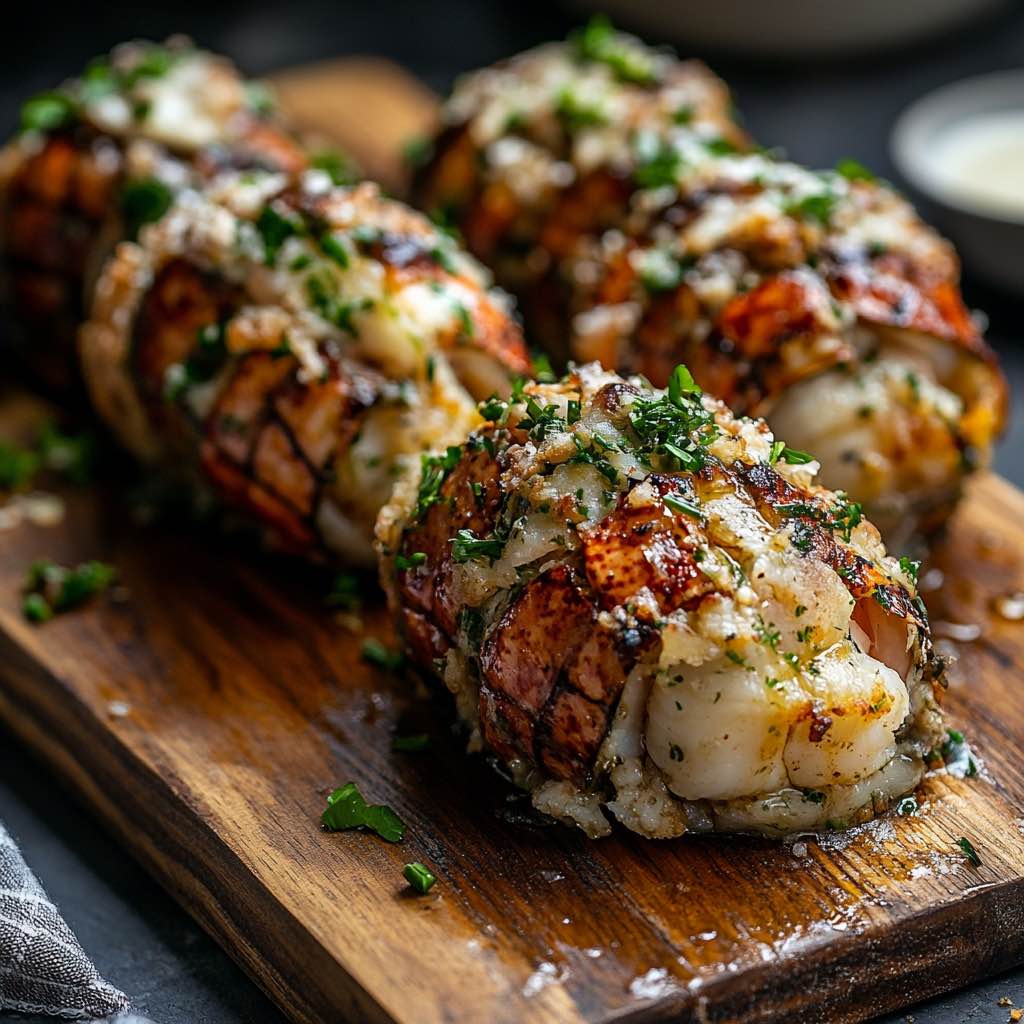
Savory Stuffed Lobster Tails: The Ultimate Guide to Gourmet Seafood Excellence
Introduction
Savory stuffed lobster tails represent the pinnacle of elegant seafood dining. Moreover, these luxurious creations transform ordinary meals into extraordinary culinary experiences. Whether you’re planning a romantic dinner or hosting a special celebration, mastering the art of preparing savory stuffed lobster tails will elevate your cooking repertoire significantly.
Furthermore, the versatility of stuffed lobster tails allows for countless creative combinations. From classic crabmeat stuffing to innovative vegetable and herb mixtures, the possibilities are truly endless. Additionally, this comprehensive guide will walk you through every aspect of creating restaurant-quality stuffed lobster tails in your own kitchen.
Understanding Lobster Tail Anatomy
Shell Structure and Characteristics
The lobster tail consists of several distinct components that affect preparation methods. First, the hard outer shell provides protection and structure. Meanwhile, the tender meat inside requires careful handling to maintain its delicate texture. Understanding these anatomical features helps ensure successful preparation.
The shell’s natural segmentation creates convenient cutting guides. Similarly, the membrane connecting the meat to the shell requires specific removal techniques. Therefore, familiarizing yourself with these structures improves both efficiency and presentation quality.
Meat Quality Indicators
Fresh lobster tail meat exhibits specific characteristics that indicate optimal quality. For instance, the meat should appear translucent with a slight blue-gray tint. Conversely, opaque or yellowed meat suggests deterioration. Additionally, fresh meat feels firm and springs back when gently pressed.
The natural curve of the tail also indicates freshness levels. Specifically, tails that maintain their natural arch suggest recent harvesting. On the other hand, completely straight tails may indicate longer storage periods.
Selecting the Perfect Lobster Tails
Size Considerations
Choosing the appropriate size for savory stuffed lobster tails depends on several factors. Generally, 6-8 ounce tails provide ideal proportions for stuffing. However, larger 10-12 ounce tails accommodate more elaborate stuffing combinations. Meanwhile, smaller 4-6 ounce tails work perfectly for appetizer presentations.
The size also affects cooking times and temperature requirements. Consequently, consistent sizing ensures even cooking results. Furthermore, planning portion sizes helps determine the optimal tail dimensions for your specific needs.
Fresh vs. Frozen Options
Both fresh and frozen lobster tails offer distinct advantages for stuffed preparations. Fresh tails provide superior texture and flavor when properly handled. Nevertheless, high-quality frozen tails offer convenience and year-round availability. Additionally, proper thawing techniques can restore much of the original quality.
When selecting frozen options, look for individually quick-frozen (IQF) products. These typically maintain better texture than block-frozen alternatives. Moreover, proper packaging prevents freezer burn and preserves natural flavors.
Quality Assessment Criteria
Several visual and tactile indicators help identify premium lobster tails. The shell should display vibrant colors without dark spots or blemishes. Similarly, any visible meat should appear clear and well-hydrated. Additionally, the tail should feel heavy for its size, indicating good meat content.
Avoid tails with strong fishy odors or slimy textures. Instead, fresh lobster should smell like clean ocean water. Furthermore, reputable suppliers provide detailed sourcing information and handling guidelines.
Essential Tools and Equipment
Cutting and Preparation Tools
Proper tools make savory stuffed lobster tail preparation significantly easier. First, sharp kitchen shears handle shell cutting with precision. Additionally, a thin, flexible knife helps separate meat from shell efficiently. Moreover, small spoons assist with stuffing placement and cavity cleaning.
A sturdy cutting board provides stable work surfaces for detailed preparation. Meanwhile, kitchen towels offer secure gripping surfaces for shell handling. Furthermore, having multiple tools ready streamlines the entire preparation process.
Cooking Equipment Options
Different cooking methods require specific equipment for optimal results. For example, baking requires appropriate-sized dishes with proper heat distribution. Similarly, broiling needs adjustable rack positions for controlled browning. Additionally, grilling demands adequate heat zones for even cooking.
Quality meat thermometers ensure accurate temperature monitoring throughout cooking. Meanwhile, timer systems help track multiple preparation stages simultaneously. Therefore, investing in reliable equipment improves consistency and success rates.
Popular Stuffing Variations
Classic Crabmeat Stuffing
Traditional crabmeat stuffing remains the gold standard for savory stuffed lobster tails. This combination features sweet crabmeat enhanced with breadcrumbs and seasonings. Furthermore, fresh herbs like parsley and chives add bright flavor notes. Additionally, a touch of lemon zest brightens the overall profile.
The preparation involves gently combining ingredients to preserve crabmeat texture. Meanwhile, binding agents like mayonnaise or butter create cohesion without overwhelming delicate flavors. Moreover, this classic preparation complements the lobster’s natural sweetness perfectly.
Breadcrumb-Based Stuffings
Seasoned breadcrumb stuffings offer versatility and texture contrast. For instance, herb-infused breadcrumbs provide aromatic complexity. Similarly, Parmesan cheese additions create savory depth. Additionally, different bread types contribute unique flavors and textures.
Preparation techniques affect final texture significantly. Specifically, toasted breadcrumbs offer more structure than fresh alternatives. Meanwhile, moisture control prevents soggy results. Therefore, achieving the proper balance requires careful attention to ingredient ratios.
Vegetable and Herb Combinations
Creative vegetable combinations expand stuffing possibilities beyond traditional options. For example, diced bell peppers add sweetness and color. Meanwhile, mushrooms contribute earthy flavors and meaty textures. Additionally, fresh herbs like thyme and oregano provide aromatic complexity.
Proper vegetable preparation ensures optimal results. Specifically, pre-cooking harder vegetables prevents uneven textures. Similarly, moisture removal prevents watery stuffings. Furthermore, seasoning adjustments accommodate different vegetable combinations.
Seafood Medley Stuffings
Combining multiple seafood varieties creates luxurious stuffing alternatives. For instance, scallops and shrimp complement lobster beautifully. Meanwhile, different textures add interest and complexity. Additionally, varied cooking times require careful coordination for optimal results.
Quality sourcing becomes especially important with multiple seafood components. Moreover, freshness standards must remain consistent across all ingredients. Therefore, purchasing from reputable suppliers ensures the best outcomes.
Step-by-Step Preparation Guide
Initial Preparation Steps
Begin by thawing frozen lobster tails completely in refrigerated conditions. This process typically requires 8-12 hours depending on size. Meanwhile, gather all necessary tools and ingredients for efficient workflow. Additionally, preheat your cooking equipment to appropriate temperatures.
Clean the work area thoroughly and organize ingredients systematically. Furthermore, prepare ice baths for maintaining ingredient freshness during extended prep periods. Therefore, proper organization significantly improves preparation efficiency and food safety.
Shell Cutting Techniques
Start by placing the lobster tail shell-side up on a stable surface. Next, use kitchen shears to cut through the top shell lengthwise. However, stop before reaching the tail fin to maintain structural integrity. Meanwhile, avoid cutting too deeply into the meat below.
Carefully spread the shell apart to expose the meat inside. Then, gently lift the meat while leaving it attached at the base. This technique creates the perfect cavity for stuffing placement. Additionally, this method ensures attractive presentation and structural stability.
Meat Preparation Methods
Remove the dark vein running along the meat’s back using a small knife. This step improves both appearance and flavor quality. Meanwhile, rinse the meat gently under cold water to remove any debris. Furthermore, pat the meat dry with paper towels before proceeding.
Season the meat lightly with salt and pepper to enhance natural flavors. However, avoid over-seasoning since stuffing will add additional flavors. Additionally, proper seasoning timing prevents moisture loss during cooking.
Stuffing Assembly Process
Begin by preparing your chosen stuffing mixture according to recipe specifications. Meanwhile, ensure proper seasoning balance through careful tasting. Additionally, adjust consistency as needed for easy handling and placement.
Fill the lobster cavity generously without overpacking the stuffing. Specifically, mound the mixture slightly above the shell rim for attractive presentation. Moreover, press gently to ensure good contact with the meat. Therefore, proper stuffing placement affects both cooking and visual appeal.
Cooking Methods and Techniques
Baking Method Overview
Baking provides gentle, even heat distribution for perfectly cooked savory stuffed lobster tails. First, preheat your oven to 425°F (220°C) for optimal results. Meanwhile, arrange prepared tails on a lined baking sheet with adequate spacing. Additionally, light butter or oil brushing prevents sticking and enhances browning.
Typical baking times range from 12-18 minutes depending on tail size. However, internal temperature reaching 140°F (60°C) ensures proper doneness. Furthermore, brief broiling at the end creates attractive golden-brown tops.
Broiling Techniques
Broiling offers rapid surface browning and caramelization for enhanced flavor development. Position the oven rack 4-6 inches from the heat source for controlled browning. Meanwhile, monitor carefully to prevent over-browning or burning. Additionally, rotating the pan ensures even heat exposure.
Start with lower temperatures and adjust upward as needed. Specifically, this approach prevents overcooking while achieving desired browning. Moreover, combination cooking methods often produce superior results compared to single techniques.
Grilling Applications
Grilling imparts distinctive smoky flavors that complement lobster’s natural sweetness beautifully. Prepare medium-high heat zones for proper temperature control. Meanwhile, oil the grates thoroughly to prevent sticking. Additionally, indirect heat cooking provides more consistent results.
Monitor internal temperatures carefully since grilling can cook quickly. Furthermore, aluminum foil tenting helps control browning rates. Therefore, attention to detail ensures perfectly cooked results every time.
Temperature Guidelines
Accurate temperature monitoring ensures food safety and optimal texture. Specifically, lobster meat should reach 140°F (60°C) internally for safe consumption. Meanwhile, stuffing temperatures should match meat temperatures for even doneness. Additionally, instant-read thermometers provide the most reliable measurements.
Carryover cooking continues after removal from heat sources. Therefore, removing tails slightly before target temperatures prevents overcooking. Moreover, resting periods allow heat distribution to equalize throughout.
Flavor Enhancement Tips
Seasoning Strategies
Proper seasoning elevates savory stuffed lobster tails from good to exceptional. For instance, layer seasonings throughout the preparation process for complex flavor development. Meanwhile, salt applications should occur at strategic times to maximize effectiveness. Additionally, acid ingredients brighten overall flavors significantly.
Balance remains crucial when combining multiple flavor elements. Specifically, avoid competing strong flavors that mask the lobster’s delicate taste. Furthermore, subtle enhancements often produce more sophisticated results than bold additions.
Herb and Spice Combinations
Fresh herbs provide brightness and aromatic complexity to stuffed preparations. For example, tarragon offers subtle licorice notes that complement seafood beautifully. Similarly, fresh dill adds delicate flavor without overwhelming other ingredients. Additionally, herb combinations create more complex flavor profiles than single varieties.
Timing herb additions affects their impact significantly. Specifically, hardy herbs withstand cooking better than delicate varieties. Meanwhile, finishing with fresh herbs provides bright, clean flavors. Therefore, understanding herb characteristics improves final results.
Aromatic Enhancements
Aromatic ingredients create depth and complexity in savory stuffed lobster tail preparations. For instance, sautéed shallots provide sweet, mild onion flavors. Meanwhile, garlic additions require careful balance to avoid overpowering delicate seafood. Additionally, citrus zests brighten heavy stuffing mixtures effectively.
Cooking techniques affect aromatic ingredient impacts. Specifically, gentle sautéing develops flavors without harsh edges. Similarly, proper timing prevents burning and bitter flavors. Furthermore, layering aromatics throughout preparation creates more complex results.
Serving Suggestions and Pairings
Side Dish Recommendations
Complementary side dishes enhance the savory stuffed lobster tail dining experience significantly. For example, roasted asparagus provides fresh vegetable contrast to rich stuffings. Meanwhile, garlic mashed potatoes offer creamy comfort alongside elegant seafood. Additionally, wild rice pilaf adds nutty flavors and interesting textures.
Consider preparation timing when planning multiple components. Specifically, coordinating cooking schedules ensures everything finishes simultaneously. Moreover, varying cooking methods prevents kitchen overcrowding and stress.
Sauce Pairings
Appropriate sauces enhance without overwhelming delicate lobster flavors. For instance, drawn butter remains the classic choice for its simplicity and richness. Meanwhile, hollandaise sauce provides creamy luxury for special occasions. Additionally, herb-infused oils offer lighter alternatives with bright flavors.
Sauce temperatures should complement the hot seafood appropriately. Furthermore, serving sauces separately allows individual preference customization. Therefore, thoughtful sauce selection enhances the overall dining experience.
Presentation Techniques
Attractive presentation elevates savory stuffed lobster tails from home cooking to restaurant quality. First, arrange tails on warmed plates for optimal temperature retention. Meanwhile, garnish strategically with fresh herbs or lemon wedges. Additionally, sauce drizzles or dots create professional-looking presentations.
Color contrast improves visual appeal significantly. Specifically, vibrant vegetables or garnishes complement the lobster’s pale colors. Moreover, proper plating techniques create focal points that draw attention to key elements.
Storage and Safety Guidelines
Fresh Ingredient Handling
Proper ingredient handling ensures both safety and quality in savory stuffed lobster tail preparations. First, maintain cold chain integrity throughout the preparation process. Meanwhile, use separate cutting boards for seafood to prevent cross-contamination. Additionally, wash hands frequently during handling procedures.
Time limits matter significantly with fresh seafood preparations. Specifically, complete preparation and cooking within 2 hours of beginning. Furthermore, refrigerate components immediately when not actively working. Therefore, planning helps maintain safety standards consistently.
Leftover Management
Properly storing leftover stuffed lobster tails maintains quality and prevents foodborne illness. Cool cooked portions quickly using shallow containers and refrigeration. Meanwhile, consume leftovers within 2-3 days for optimal quality and safety. Additionally, proper reheating techniques preserve texture and flavor.
Freezing cooked stuffed lobster tails requires special considerations. Specifically, wrap tightly to prevent freezer burn and flavor loss. Moreover, consume frozen leftovers within 2-3 months for best quality. Therefore, proper labeling helps track storage times accurately.
Food Safety Protocols
Following established food safety protocols protects against foodborne illness risks. Maintain seafood at proper temperatures throughout handling and preparation. Meanwhile, cook to appropriate internal temperatures as verified by thermometers. Additionally, avoid temperature danger zones during serving and storage.
Clean and sanitize all surfaces and tools between different ingredients. Furthermore, use separate utensils for raw and cooked components. Therefore, consistent safety practices ensure enjoyable dining experiences without health risks.
Troubleshooting Common Issues
Overcooking Prevention
Overcooked lobster becomes tough and rubbery, ruining the dining experience. Monitor internal temperatures carefully using reliable thermometers. Meanwhile, adjust cooking times based on actual tail sizes rather than recipe estimates. Additionally, remove from heat slightly before target temperatures to account for carryover cooking.
Visual cues also indicate proper doneness levels. Specifically, properly cooked meat appears opaque white throughout. Moreover, stuffing should reach matching temperatures for food safety. Therefore, multiple monitoring methods improve success rates significantly.
Stuffing Consistency Problems
Stuffing texture problems affect both eating quality and presentation appeal. Overly wet stuffings fall apart and create messy presentations. Meanwhile, dry stuffings lack cohesion and pleasant mouthfeel. Additionally, proper binding agent ratios create ideal consistency.
Advance testing helps identify potential consistency issues before final preparation. Furthermore, small adjustments during mixing prevent major problems later. Therefore, careful attention to ingredient ratios produces consistently good results.
Shell Cracking Issues
Improper shell handling can result in unattractive cracks or breaks. Use appropriate tools sized for the specific lobster tail dimensions. Meanwhile, avoid excessive force that might damage the shell structure. Additionally, support the tail properly during cutting and handling procedures.
Temperature changes can also cause shell cracking problems. Specifically, rapid temperature transitions stress the shell material. Moreover, proper thawing techniques minimize thermal stress on frozen tails. Therefore, gentle handling throughout prevents structural damage.
Frequently Asked Questions
How long do savory stuffed lobster tails take to cook?
Cooking times for savory stuffed lobster tails vary based on size and cooking method. Generally, 6-8 ounce tails require 12-15 minutes at 425°F (220°C). Meanwhile, larger tails need proportionally longer cooking times. Additionally, internal temperature should reach 140°F (60°C) for safe consumption.
Can I prepare stuffed lobster tails in advance?
Yes, you can prepare savory stuffed lobster tails several hours ahead. However, store prepared tails covered in the refrigerator until cooking time. Meanwhile, add 2-3 minutes to cooking times for cold tails. Additionally, this advance preparation actually improves flavor integration.
What’s the best stuffing for beginners?
Simple breadcrumb-based stuffings work excellently for first-time preparations. These mixtures are forgiving and easy to adjust during preparation. Meanwhile, basic seasonings like garlic and herbs provide familiar flavors. Additionally, crabmeat additions elevate the dish without complex techniques.
How do I prevent stuffing from falling out during cooking?
Proper stuffing technique prevents spillage during cooking processes. First, don’t overfill the cavity beyond the shell rim level. Meanwhile, gentle pressing helps the stuffing adhere to the meat. Additionally, slightly mounding the stuffing creates attractive presentation while maintaining stability.
Conclusion
Mastering savory stuffed lobster tails transforms ordinary meals into extraordinary culinary experiences. Throughout this comprehensive guide, we’ve explored every aspect from ingredient selection to final presentation. Moreover, these techniques and tips ensure consistent, restaurant-quality results in your home kitchen.
The versatility of stuffed lobster tail preparations allows endless creativity and personalization. Whether you prefer classic crabmeat stuffings or innovative vegetable combinations, the fundamental techniques remain the same. Additionally, proper preparation and cooking methods guarantee delicious results every time.
Remember that practice improves both technique and confidence with these elegant preparations. Furthermore, attention to detail in ingredient quality and handling makes significant differences in final outcomes. Therefore, take time to source quality ingredients and follow proper procedures carefully.
Ready to create your own gourmet masterpiece? Start with quality lobster tails and let your creativity guide the stuffing combinations. Your dinner guests will be amazed by these impressive yet achievable culinary creations that showcase both skill and sophistication.
Savory Stuffed Lobster Tails
Description
Savory Stuffed Lobster Tails
Ingredients
-
5-6 lobster tails
-
1 cup lump crab meat, shredded
-
½ cup mayonnaise
-
⅔ cup panko breadcrumbs
-
1 tablespoon Dijon mustard
-
2 egg yolks
-
2 teaspoons seafood seasoning (or Old Bay)
-
1 tablespoon minced garlic
-
1 tablespoon chopped parsley
-
1 tablespoon lemon juice
-
1.5 cups clarified butter (or melted unsalted butter)
-
1 tablespoon red chili flakes (optional for heat)
-
Kosher salt, black pepper, garlic powder (for seasoning lobster)
-
Canola or olive oil (for coating)
Instructions
-
Prepare lobster tails: Using kitchen shears, cut down the middle of the top shell of each lobster tail, careful not to cut the meat. Loosen the meat from the shell with a spoon, lift it up (still attached at the base), and lay it over the shell. Make shallow slits lengthwise on the meat for better seasoning absorption.
-
Make crab stuffing: In a bowl, mix crab meat, mayonnaise, panko crumbs, Dijon mustard, egg yolks, seafood seasoning, minced garlic, parsley, and lemon juice until combined like crab cake mixture. Adjust mayonnaise or breadcrumbs for desired texture.
-
Season lobster: Coat lobster meat with oil and season with salt, pepper, and garlic powder or preferred seafood seasoning.
-
Stuff lobster tails: Mold 1.5–2 oz of crab mixture into an oval shape and place on top of each lobster tail meat.
-
Chill: Place stuffed tails on a baking sheet and refrigerate 10 minutes to firm up.
-
Cook: Preheat an oven or smoker to medium-high heat (~375°F). Cook lobster tails for 8–12 minutes until meat is opaque or reaches internal temp 145°F.
-
Prepare garlic butter glaze: Melt clarified butter and mix in minced garlic, red chili flakes, and parsley. Glaze lobster tails just before removing from heat and reserve extra butter for dipping.
-
Serve: Let lobster tails rest a few minutes, baste again with garlic butter, garnish with fresh parsley, and serve with lemon wedges.