
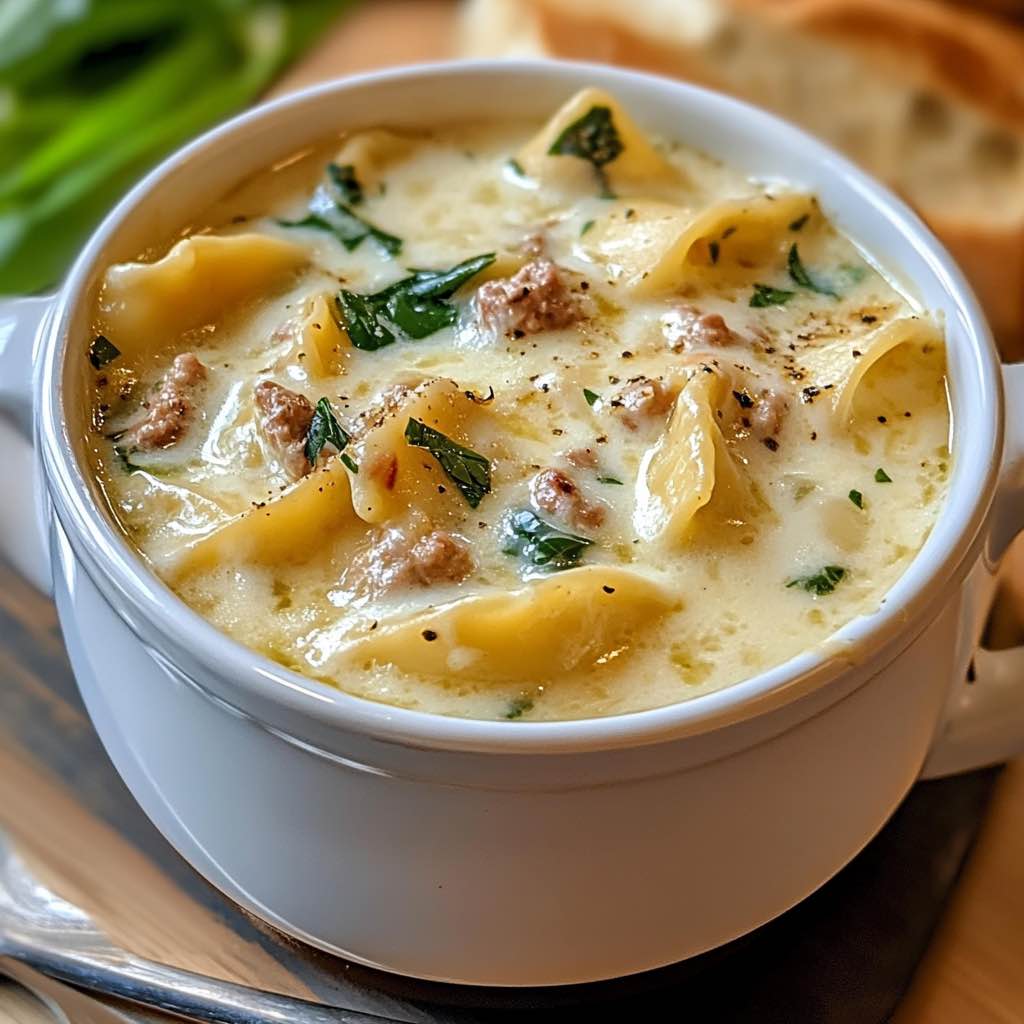
Creamy Alfredo Lasagna Soup: The Ultimate Comfort Food Recipe
Imagine all the rich, cheesy goodness of traditional lasagna transformed into a soul-warming soup. This Creamy Alfredo Lasagna Soup combines the beloved flavors of Italian comfort food with the convenience of a one-pot meal. Moreover, this recipe delivers restaurant-quality taste right from your kitchen.
This hearty soup features layers of flavor that mirror classic lasagna. Additionally, it’s perfect for busy weeknights when you crave something special. Furthermore, the creamy alfredo base creates an indulgent experience that satisfies every craving.
What Makes This Soup Special
This Creamy Alfredo Lasagna Soup stands out among comfort food recipes for several reasons. First, it captures the essence of traditional lasagna without the lengthy preparation time. Second, the soup format makes it incredibly versatile for different occasions.
The Perfect Fusion
Traditional lasagna requires hours of preparation and assembly. However, this soup version delivers the same satisfying flavors in just 45 minutes. Additionally, the creamy alfredo base creates a luxurious texture that coats every ingredient perfectly.
The soup includes tender pasta, rich ground meat, and plenty of melted cheese. Furthermore, Italian herbs and spices create an authentic flavor profile. Most importantly, each spoonful delivers the comfort you expect from classic lasagna.
Family-Friendly Appeal
This recipe appeals to all ages and dietary preferences. Children love the creamy, cheesy consistency. Meanwhile, adults appreciate the sophisticated flavor combinations. Additionally, the soup format makes it easier to serve and enjoy.
The ingredient list remains simple and accessible. Moreover, most items are pantry staples you likely have on hand. This convenience makes the recipe perfect for spontaneous dinner plans.
Essential Ingredients
Creating the perfect Creamy Alfredo Lasagna Soup requires quality ingredients that work in harmony. Each component contributes to the overall flavor and texture profile.
Protein Foundation
-
Ground Italian sausage (1 lb): Provides rich, savory flavor
-
Ground beef (½ lb): Adds hearty texture and depth
-
Alternative protein options: Turkey, chicken, or plant-based alternatives
The protein mixture forms the soup’s foundation. Italian sausage contributes distinctive herbs and spices. Meanwhile, ground beef adds familiar comfort food appeal. Together, they create a robust base layer.
Pasta Selection
-
Lasagna noodles (8 oz): Traditional choice, broken into pieces
-
Bowtie pasta: Excellent alternative with similar texture
-
Penne or rigatoni: Works well for capturing creamy sauce
Choose pasta shapes that hold sauce effectively. Lasagna noodles, when broken, provide authentic texture. However, other shapes work equally well. The key is selecting pasta with sufficient surface area for sauce adherence.
Creamy Base Components
-
Heavy cream (2 cups): Creates rich, luxurious texture
-
Cream cheese (8 oz): Adds tangy richness and stability
-
Chicken broth (4 cups): Provides savory liquid foundation
-
Whole milk (1 cup): Balances creaminess without overwhelming
The creamy base distinguishes this soup from others. Heavy cream provides indulgent richness. Additionally, cream cheese adds stability and prevents separation. Furthermore, chicken broth contributes savory depth.
Cheese Blend
-
Ricotta cheese (15 oz): Authentic lasagna flavor
-
Mozzarella cheese (2 cups, shredded): Classic melting cheese
-
Parmesan cheese (1 cup, grated): Sharp, nutty finish
-
Romano cheese (½ cup): Additional sharpness and complexity
The cheese combination recreates traditional lasagna layers. Ricotta provides signature creamy texture. Meanwhile, mozzarella delivers expected stretch and melt. Additionally, Parmesan adds sophisticated sharpness.
Vegetable Aromatics
-
Yellow onion (1 large): Sweet, savory foundation
-
Garlic cloves (6-8): Essential Italian flavor
-
Celery stalks (2): Adds freshness and crunch
-
Carrots (2 medium): Natural sweetness and color
Fresh vegetables create the soup’s aromatic foundation. Onions provide sweet, savory depth. Moreover, garlic contributes essential Italian character. Furthermore, celery and carrots add textural variety.
Herbs and Seasonings
-
Italian seasoning (2 tsp): Classic herb blend
-
Dried basil (1 tsp): Sweet, aromatic flavor
-
Dried oregano (1 tsp): Earthy, traditional taste
-
Red pepper flakes (½ tsp): Optional heat element
-
Salt and black pepper: Essential seasoning balance
Quality seasonings elevate the soup’s flavor profile. Italian seasoning provides convenient herb complexity. Additionally, individual herbs allow customization. Furthermore, proper seasoning brings all flavors into balance.
Step-by-Step Recipe
This detailed recipe ensures perfect Creamy Alfredo Lasagna Soup every time. Follow these steps carefully for optimal results.
Preparation Phase (15 minutes)
First, gather all ingredients and equipment. Additionally, prepare vegetables by dicing onions, mincing garlic, and chopping celery and carrots. Meanwhile, measure out all seasonings and set aside.
Break lasagna noodles into bite-sized pieces. Alternatively, measure out your chosen pasta shape. Furthermore, grate fresh Parmesan if using. This preparation streamlines the cooking process significantly.
Building the Base (10 minutes)
Heat a large, heavy-bottomed pot over medium-high heat. Add ground Italian sausage and ground beef. Cook while breaking up meat with a wooden spoon. Continue until meat is thoroughly browned and no pink remains.
Remove excess fat, leaving about 2 tablespoons in the pot. This fat adds flavor without making the soup greasy. Additionally, the remaining fat helps sauté vegetables effectively.
Vegetable Aromatics (5 minutes)
Add diced onions to the pot with the cooked meat. Sauté until onions become translucent and fragrant. Next, add minced garlic, chopped celery, and carrots. Continue cooking for 2-3 minutes until vegetables soften slightly.
Season the mixture with Italian seasoning, basil, oregano, salt, and pepper. Stir constantly to prevent burning. Moreover, the heat releases essential oils from the herbs.
Liquid Foundation (5 minutes)
Pour chicken broth into the pot slowly. Scrape up any browned bits from the bottom using a wooden spoon. These bits add incredible flavor to the soup. Additionally, the liquid helps deglaze the pot effectively.
Bring the mixture to a gentle boil. Then, reduce heat to maintain a steady simmer. This temperature cooks ingredients without overcooking them.
Pasta Addition (12-15 minutes)
Add broken lasagna noodles or chosen pasta to the simmering broth. Cook according to package directions minus 2 minutes. The pasta will continue cooking in the creamy base.
Stir occasionally to prevent sticking. Additionally, ensure pasta pieces remain separate. Furthermore, taste-test pasta for desired doneness before proceeding.
Creamy Transformation (5 minutes)
Reduce heat to low before adding dairy ingredients. Pour heavy cream and whole milk into the pot gradually. Stir constantly to prevent curdling. Additionally, the low heat prevents dairy from breaking.
Add cream cheese in small chunks. Whisk continuously until cream cheese melts completely. Moreover, the whisking creates smooth, uniform texture throughout the soup.
Cheese Integration (3-5 minutes)
Add ricotta cheese by the spoonful. Stir gently to incorporate without overmixing. The ricotta should create visible pockets rather than disappearing completely.
Next, add half the mozzarella and Parmesan cheeses. Stir until mostly melted. Reserve remaining cheese for serving. Additionally, taste and adjust seasonings as needed.
Final Adjustments (2-3 minutes)
Check soup consistency and adjust if necessary. Add more broth for thinner soup. Alternatively, simmer longer for thicker consistency. Furthermore, season with salt and pepper to taste.
Remove from heat and let rest for 5 minutes. This resting period allows flavors to meld beautifully. Additionally, the soup continues thickening during this time.
Cooking Tips and Techniques
Mastering Creamy Alfredo Lasagna Soup requires attention to specific techniques. These professional tips ensure restaurant-quality results every time.
Temperature Control
Maintain proper temperatures throughout cooking. High heat works well for browning meat and sautéing vegetables. However, reduce heat significantly when adding dairy products. Additionally, gentle simmering prevents curdling and separation.
Use a thermometer if needed to monitor temperatures. Keep dairy additions below 180°F to prevent breaking. Moreover, patience during this phase pays dividends in final texture.
Preventing Dairy Separation
Several techniques prevent creamy soups from separating or curdling. First, always reduce heat before adding dairy ingredients. Second, add dairy products gradually while stirring constantly. Third, never boil soup after adding cream or milk.
If separation occurs, remove from heat immediately. Whisk in small amounts of cold cream until smooth. Additionally, an immersion blender can help re-emulsify broken soup.
Pasta Cooking Strategy
Slightly undercook pasta during the initial cooking phase. The pasta continues cooking in the creamy base, preventing overcooking. Additionally, this technique ensures pasta maintains proper texture.
If pasta becomes too soft, add freshly cooked pasta just before serving. This method works especially well for leftovers. Furthermore, different pasta shapes may require timing adjustments.
Cheese Melting Mastery
Add cheeses gradually to ensure smooth melting. Start with softer cheeses like ricotta and cream cheese. Then, progress to firmer varieties like mozzarella and Parmesan.
Keep temperatures low during cheese addition. High heat causes proteins to tighten and separate from fat. Additionally, constant stirring prevents cheese from clumping together.
Seasoning Balance
Taste and adjust seasonings throughout cooking. Salt levels change as liquids reduce and concentrate. Additionally, cheese additions affect overall saltiness significantly.
Add herbs early for deep flavor penetration. However, reserve delicate herbs for final additions. Furthermore, consider finishing with fresh herbs for brightness.
Nutritional Benefits
Creamy Alfredo Lasagna Soup provides substantial nutritional value alongside its comforting appeal. Understanding these benefits helps you appreciate the recipe’s wholesome qualities.
Protein Powerhouse
This soup delivers impressive protein content from multiple sources. Ground meat provides complete proteins essential for muscle maintenance. Additionally, dairy products contribute high-quality protein and calcium.
Each serving contains approximately 25-30 grams of protein. This amount supports satiety and helps maintain stable blood sugar levels. Furthermore, protein aids in tissue repair and immune function.
Calcium and Bone Health
The abundant cheese content makes this soup an excellent calcium source. A single serving provides nearly 40% of daily calcium needs. Additionally, the vitamin D in dairy products enhances calcium absorption.
Strong bones and teeth benefit from this mineral combination. Moreover, adequate calcium intake supports cardiovascular and muscle function. The multiple cheese varieties provide varied mineral profiles.

Essential Vitamins
Vegetables in the soup contribute important vitamins and minerals. Carrots provide beta-carotene, which converts to vitamin A. Meanwhile, onions and garlic offer sulfur compounds with potential health benefits.
The herbs and spices add antioxidants and anti-inflammatory compounds. Additionally, these ingredients provide small amounts of various micronutrients. Furthermore, the variety ensures broader nutritional coverage.
Comfort Food Benefits
Beyond physical nutrition, this soup provides psychological comfort. Warm, creamy foods trigger positive emotional responses. Additionally, familiar flavors create feelings of security and satisfaction.
The social aspect of sharing soup enhances these benefits. Family meals strengthen relationships and create positive associations. Moreover, the cooking process itself can be therapeutic and rewarding.
Variations and Substitutions
This versatile Creamy Alfredo Lasagna Soup accommodates numerous dietary needs and preferences. These modifications maintain the soup’s essential character while expanding its appeal.
Protein Alternatives
Poultry Options: Substitute ground turkey or chicken for beef and sausage. These leaner proteins reduce overall fat content. Additionally, they provide milder flavors that appeal to sensitive palates.
Plant-Based Proteins: Use high-quality plant-based ground meat alternatives. Many varieties closely mimic traditional meat textures. Furthermore, they make the soup accessible to vegetarian and vegan diets.
Seafood Variations: Add cooked shrimp, crab, or scallops for elegant variations. Seafood proteins cook quickly and provide distinct flavors. However, add them during final minutes to prevent overcooking.
Dairy Modifications
Lower-Fat Options: Substitute half-and-half for heavy cream to reduce calories. Additionally, use reduced-fat cream cheese without significantly affecting texture. Light versions of other cheeses also work well.
Lactose-Free Adaptations: Use lactose-free dairy products throughout the recipe. Many brands offer excellent alternatives to traditional dairy. Furthermore, these substitutions don’t compromise flavor or texture.
Dairy-Free Versions: Replace dairy with high-quality alternatives like cashew cream or coconut milk. Nutritional yeast adds cheesy flavor to vegan versions. Additionally, dairy-free cream cheese alternatives work effectively.
Vegetable Enhancements
Additional Vegetables: Include spinach, mushrooms, or bell peppers for extra nutrition. These vegetables add color, texture, and flavor variety. Moreover, they increase the soup’s nutritional density significantly.
Seasonal Adaptations: Use seasonal vegetables to keep the recipe interesting year-round. Summer squash, zucchini, or fresh tomatoes work beautifully. Additionally, frozen vegetables provide convenience without sacrificing nutrition.
Hidden Vegetable Strategy: Puree additional vegetables into the broth for picky eaters. Cauliflower or butternut squash blend seamlessly into creamy bases. Furthermore, this technique boosts nutrition invisibly.
Spice and Herb Variations
Heat Levels: Adjust red pepper flakes or add cayenne for more heat. Alternatively, include diced jalapeños for fresh heat. Additionally, hot sauce allows individual heat preferences.
Fresh Herb Finish: Add fresh basil, parsley, or oregano just before serving. Fresh herbs provide bright flavor contrasts to rich, creamy bases. Moreover, they add appealing visual elements.
International Influences: Incorporate herbs from other cuisines for unique twists. Thyme and rosemary create French influences. Meanwhile, cilantro and cumin add Mexican flair.
Storage and Reheating
Proper storage techniques ensure your Creamy Alfredo Lasagna Soup maintains quality and safety. These guidelines help you enjoy leftovers successfully.
Refrigerator Storage
Cool soup completely before refrigerating to prevent bacterial growth. Transfer to airtight containers within two hours of cooking. Additionally, divide large batches into smaller containers for faster cooling.
Properly stored soup remains fresh for 3-4 days in the refrigerator. Label containers with preparation dates for easy tracking. Furthermore, keep refrigerator temperatures at 40°F or below consistently.
Freezer Storage
This soup freezes well for up to 3 months with proper packaging. Use freezer-safe containers or heavy-duty freezer bags. Additionally, leave space for expansion during freezing.
Consider freezing individual portions for convenient meals. Small containers thaw faster and reduce waste. Moreover, portion control becomes easier with pre-divided servings.
Reheating Techniques
Stovetop Method: Thaw frozen soup overnight in refrigerator first. Heat gently over low-medium heat while stirring frequently. Additionally, add liquid if soup becomes too thick.
Microwave Method: Use microwave-safe containers and cover to prevent splattering. Heat in 1-2 minute intervals, stirring between each. Furthermore, rotate containers for even heating.
Slow Cooker Method: Transfer soup to slow cooker for gentle reheating. Use low setting and stir occasionally. This method works excellently for large quantities.
Quality Maintenance
Cream-based soups may separate slightly during storage. Whisk vigorously during reheating to re-emulsify. Additionally, add small amounts of fresh cream if needed.
Pasta may soften further during storage and reheating. Consider cooking fresh pasta and adding it to reheated soup base. This technique maintains optimal texture.
Check seasoning levels after reheating and adjust as necessary. Flavors can become muted during storage. Moreover, additional herbs brighten reheated soup effectively.
Serving Suggestions
Elevate your Creamy Alfredo Lasagna Soup experience with thoughtful serving suggestions. These accompaniments complement the soup’s rich, creamy profile perfectly.
Bread Accompaniments
Garlic Bread: Classic Italian garlic bread provides perfect textural contrast. The crispy exterior and soft interior complement creamy soup beautifully. Additionally, garlic flavors enhance the Italian theme.
Crusty Italian Bread: Artisan bread offers rustic appeal and satisfying chew. Dense textures provide excellent soup-dipping properties. Furthermore, quality bread elevates the entire meal experience.
Herb Focaccia: Homemade or bakery focaccia adds sophisticated touches. Herbs on the bread echo soup seasonings perfectly. Moreover, the oil content balances creamy richness effectively.
Salad Pairings
Simple Green Salad: Fresh lettuce with light vinaigrette cuts through richness. Crisp textures provide refreshing contrasts to creamy consistency. Additionally, acidic dressings brighten heavy soup flavors.
Caesar Salad: This classic pairing works excellently with Italian-inspired soups. The tangy dressing and crunchy croutons add textural variety. Furthermore, Parmesan cheese creates flavor continuity.
Antipasto Salad: Include olives, peppers, and Italian meats for authentic experience. This substantial salad can serve as a complete meal component. Moreover, varied textures keep meals interesting.
Beverage Pairings
Sparkling Water: Flavored or plain sparkling water cleanses the palate effectively. The bubbles cut through creamy richness without competing flavors. Additionally, various flavor options accommodate different preferences.
Iced Tea: Unsweetened iced tea provides refreshing contrast to warm, rich soup. Lemon additions brighten heavy flavors naturally. Furthermore, tea offers caffeine without overwhelming soup flavors.
Check out our guide on [perfect soup and salad combinations] for more pairing ideas.
Garnish Options
Fresh Herb Sprinkle: Chopped fresh basil, parsley, or oregano add color and brightness. These herbs provide aromatic appeal and flavor freshness. Additionally, they create restaurant-style presentation.
Cheese Finishing: Extra grated Parmesan or Romano cheese enhances richness. Additionally, a drizzle of good olive oil adds sophisticated finishing touches.
Textural Elements: Toasted pine nuts or crispy pancetta bits add interesting textures. These elements provide contrast to smooth, creamy soup. Moreover, they contribute additional flavors and visual appeal.
Troubleshooting Common Issues
Even experienced cooks encounter challenges when making Creamy Alfredo Lasagna Soup. These solutions address common problems and ensure successful results.
Soup Too Thin
Immediate Solutions: Simmer uncovered to reduce liquid and concentrate flavors. Additionally, mix cornstarch with cold water to create a slurry. Stir the slurry into simmering soup gradually until desired thickness develops.
Prevention Strategies: Measure liquids carefully and consider pasta absorption rates. Different pasta shapes absorb varying amounts of liquid. Furthermore, cream reductions during cooking help achieve proper consistency.
Alternative Thickeners: Use flour mixed with butter (beurre manié) for traditional thickening. Additionally, blend small portions of soup to create natural thickening. Moreover, extra cheese additions contribute to thickness.
Soup Too Thick
Quick Fixes: Add warm chicken broth gradually until desired consistency returns. Alternatively, use warm milk or cream for richer solutions. Additionally, pasta cooking water contains helpful starches for thinning.
Reheating Adjustments: Thick soup during storage is completely normal. Add liquids during reheating processes slowly. Furthermore, gentle heat prevents scorching while adjusting consistency.
Dairy Separation
Recovery Methods: Remove from heat immediately when separation occurs. Whisk vigorously or use an immersion blender to re-emulsify. Additionally, strain soup if necessary to remove lumpy portions.
Prevention Techniques: Keep temperatures below 180°F when adding dairy products. Additionally, stir constantly during dairy incorporation. Furthermore, gradual additions prevent temperature shock.
Oversalted Soup
Correction Methods: Add unsalted dairy products to dilute saltiness. Additionally, potato chunks absorb excess salt effectively. Remove potatoes before serving after salt absorption occurs.
Balancing Techniques: Acid additions like lemon juice can balance salty flavors. Additionally, sweet elements like a pinch of sugar help counteract salt. Furthermore, additional vegetables dilute concentrated flavors.
Bland Flavor Profile
Enhancement Strategies: Increase herb and spice quantities gradually while tasting frequently. Additionally, acid additions like vinegar brighten flat flavors significantly. Furthermore, check salt levels, as undersalted food tastes bland.
Umami Boosters: Add tomato paste or Worcestershire sauce for deeper flavors. Additionally, mushrooms provide natural umami compounds. Moreover, aged cheeses contribute complex flavor notes.
Frequently Asked Questions
Can I make this Creamy Alfredo Lasagna Soup ahead of time?
Yes, this soup works excellently for meal preparation. Prepare the entire recipe except for final cheese additions. Store the base in refrigerator for up to 3 days. Additionally, add reserved cheeses during reheating for optimal texture and flavor.
Consider preparing components separately for even better results. Cook meat and vegetable base ahead of time. Furthermore, prepare cheese mixtures and store separately. This strategy allows quick final assembly.
What pasta shapes work best in this soup?
Traditional lasagna noodles broken into pieces provide authentic texture. However, many shapes work beautifully in this recipe. Bowtie pasta captures creamy sauce effectively. Additionally, shells, rigatoni, or penne offer excellent alternatives.
Avoid very small pasta shapes that might get lost in the creamy base. Moreover, shapes with ridges or curves hold sauce better than smooth varieties. Furthermore, consider cooking times when substituting different pasta types.
How can I make this soup healthier?
Several modifications reduce calories without sacrificing flavor. Use ground turkey instead of beef and sausage for leaner protein. Additionally, substitute half-and-half for heavy cream to reduce fat content.
Add extra vegetables like spinach, zucchini, or bell peppers for nutrition. Furthermore, use reduced-fat cheese varieties when possible. Moreover, whole grain pasta increases fiber content significantly.
Can I freeze this soup successfully?
This Creamy Alfredo Lasagna Soup freezes well for up to 3 months. Use appropriate freezer containers and leave expansion space. Additionally, label containers with dates and contents clearly.
Some texture changes may occur during freezing and thawing. The soup might separate slightly but whisking during reheating resolves this. Furthermore, consider slightly undercooking pasta if planning to freeze.
What can I substitute for heavy cream?
Several alternatives work depending on dietary needs and preferences. Half-and-half provides similar richness with lower fat content. Additionally, evaporated milk creates creaminess without fresh dairy.
For dairy-free versions, use full-fat coconut milk or cashew cream. Additionally, silken tofu blended with non-dairy milk creates smooth consistency. Furthermore, commercial dairy-free cream alternatives work effectively.
How do I prevent the pasta from getting mushy?
Slightly undercook pasta during initial cooking since it continues cooking in the soup. Additionally, add freshly cooked pasta just before serving leftovers. This technique maintains optimal texture consistently.
Consider the pasta-to-liquid ratio carefully. Too much liquid can cause overcooking. Moreover, serve soup promptly after final preparation to prevent extended cooking times.
Can I use different types of cheese?
Absolutely! Cheese variations create unique flavor profiles while maintaining the soup’s essential character. Swiss or Gruyere cheeses add sophisticated nutty flavors. Additionally, smoked cheeses contribute interesting depth.
Keep the ricotta for authentic lasagna flavor, but experiment with other varieties. Furthermore, consider regional Italian cheeses for authentic variations. Moreover, aged cheeses provide more complex flavor notes.
Conclusion
This Creamy Alfredo Lasagna Soup transforms beloved Italian flavors into convenient comfort food perfection. The recipe combines traditional lasagna elements with soup versatility, creating a dish that satisfies completely.
From the rich, creamy base to the perfectly cooked pasta and abundant cheese, every element contributes to an exceptional dining experience. Additionally, the flexibility of ingredients and techniques makes this soup adaptable to various dietary needs and preferences.
The cooking process brings families together while filling homes with irresistible aromas. Moreover, leftovers provide convenient meals throughout the week. Furthermore, this recipe creates lasting memories around dining tables everywhere.
Whether you’re seeking comfort food satisfaction or impressive dinner party fare, this soup delivers consistently. The combination of familiar flavors and elegant presentation appeals to all occasions and palates.

Creamy Alfredo Lasagna Soup
Description
Creamy Alfredo Lasagna Soup
Ingredients
-
1/2 pound ground sausage
-
1 small onion, chopped
-
8 ounces mushrooms, sliced
-
2 cloves garlic, minced
-
4 cups baby spinach
-
5 cups low sodium chicken broth
-
5 lasagna noodles, broken into pieces
-
1 teaspoon dried oregano
-
1/2 teaspoon dried basil
-
3 tablespoons butter
-
3 tablespoons flour
-
1 cup milk
-
1 cup grated Parmesan cheese
-
Salt and pepper to taste
Instructions
-
Brown ground sausage in a large saucepan over medium heat. Add onion and mushrooms, cooking for 5-6 minutes until softened.
-
Add garlic and spinach, cooking for another minute while stirring.
-
Pour in chicken broth, bring to a simmer for 5 minutes.
-
Add broken lasagna noodles, oregano, and basil. Bring to a low boil and cook for 10-12 minutes until noodles are tender.
-
In a separate skillet, melt butter over medium-low heat. Whisk in flour and cook for 1 minute, stirring constantly.
-
Gradually whisk in milk, cooking until the mixture thickens, about 3-5 minutes.
-
Remove from heat and whisk in Parmesan cheese until melted and creamy.
-
Slowly add this mixture to the soup, stirring to combine.
-
Season with salt and pepper to taste. Serve warm.