
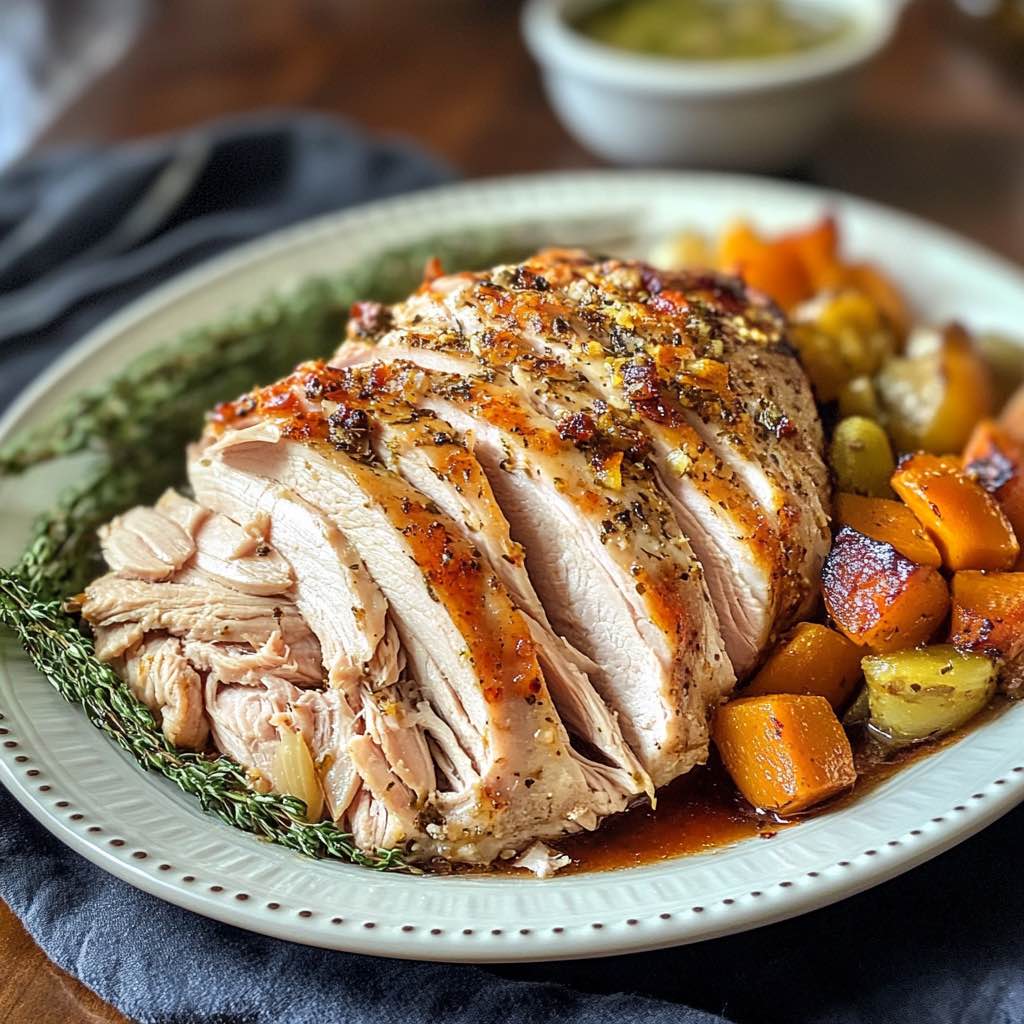
The Ultimate Guide to Slow Cooker Turkey Breast: Tender, Juicy, and Effortless
Slow cooker turkey breast transforms an ordinary weeknight dinner into something extraordinary. This hands-off cooking method delivers incredibly tender, juicy meat that falls apart at the touch of a fork. Furthermore, it’s perfect for busy families who want a nutritious, flavorful meal without spending hours in the kitchen.
The beauty of slow cooker turkey breast lies in its simplicity and versatility. Additionally, this cooking method ensures consistent results every time, making it an ideal choice for both novice and experienced cooks. Whether you’re feeding a small family or preparing for meal prep, this technique will become your go-to solution.
Why Choose Slow Cooker Turkey Breast?
Convenience and Time-Saving Benefits
Slow cooking turkey breast offers unmatched convenience for today’s busy lifestyle. Simply season your turkey, place it in the slow cooker, and let time do the work. Moreover, this method requires minimal active cooking time, allowing you to focus on other tasks throughout the day.
The set-it-and-forget-it approach makes slow cooker turkey breast perfect for working parents. Additionally, you can start the cooking process before leaving for work and return to a house filled with amazing aromas. This convenience factor alone makes it a game-changer for family meal planning.
Superior Texture and Flavor Development
Low and slow cooking creates incredibly tender meat that’s impossible to achieve through traditional roasting methods. The extended cooking time breaks down tough fibers, resulting in turkey that practically melts in your mouth. Furthermore, the enclosed environment of the slow cooker keeps all the natural juices locked in.
The moist heat environment prevents the common problem of dry turkey breast. Consequently, even lean turkey breast remains succulent and flavorful throughout the cooking process. This method also allows seasonings and aromatics to penetrate deeply into the meat.
Cost-Effective and Versatile
Turkey breast offers excellent value compared to other protein sources. Moreover, slow cooking allows you to use less expensive cuts while achieving restaurant-quality results. The versatility of slow cooker turkey breast means you can create multiple meals from one cooking session.
Leftover slow cooker turkey breast works perfectly in sandwiches, salads, soups, and casseroles. Additionally, the cooking liquid can be transformed into flavorful gravy or used as a base for future recipes. This versatility maximizes your food budget while minimizing waste.
Selecting the Perfect Turkey Breast
Fresh vs. Frozen Options
Fresh turkey breast typically offers the best flavor and texture for slow cooking. However, frozen turkey breast can work equally well with proper thawing techniques. When selecting fresh turkey, look for meat that’s pink in color with no off odors.
Frozen turkey breast requires complete thawing before slow cooking for food safety reasons. Plan approximately 24 hours of refrigerator thawing time for every 4-5 pounds of turkey breast. Additionally, never attempt to cook frozen turkey breast directly in the slow cooker.
Size Considerations for Your Slow Cooker
Choose a turkey breast size that fits comfortably in your slow cooker with room for air circulation. Most standard slow cookers accommodate 3-5 pound turkey breasts effectively. Furthermore, the turkey should fit without touching the lid when closed.
Oversized turkey breasts may cook unevenly or require longer cooking times. Conversely, very small pieces may cook too quickly and become dry. Therefore, matching your turkey breast size to your slow cooker capacity ensures optimal results.
Bone-In vs. Boneless Considerations
Bone-in turkey breast often delivers superior flavor and moisture retention during slow cooking. The bone acts as a heat conductor, promoting even cooking throughout the meat. Additionally, bone-in cuts are typically more economical than their boneless counterparts.
Boneless turkey breast offers convenience for slicing and serving. Moreover, boneless cuts require slightly less cooking time due to their more uniform shape. However, they may require extra attention to prevent overcooking and drying out.
Essential Equipment and Ingredients
Slow Cooker Selection and Features
A 6-quart slow cooker works best for most turkey breast recipes. Look for models with programmable timers and automatic keep-warm functions for maximum convenience. Additionally, removable ceramic inserts make cleanup significantly easier.
Some slow cookers feature browning capabilities, allowing you to sear the turkey before slow cooking. This optional step adds extra flavor and visual appeal to your finished dish. Furthermore, models with locking lids are perfect for transport and storage.
Must-Have Seasonings and Aromatics
Basic seasonings include salt, black pepper, garlic powder, onion powder, and dried herbs like thyme or rosemary. These foundational flavors complement turkey’s natural taste without overpowering it. Moreover, fresh herbs can be substituted for dried herbs when available.
Aromatics such as onions, carrots, and celery create a flavorful base for your slow cooker turkey breast. Additionally, these vegetables add moisture and nutrients to the cooking liquid. Fresh garlic cloves provide more complex flavor than garlic powder.
Optional Ingredients for Enhanced Flavor
Citrus fruits like lemons or oranges add brightness and help tenderize the meat. Moreover, their natural acids complement turkey’s richness perfectly. Apple juice or chicken broth can provide additional moisture and flavor depth.
Vegetable combinations such as mushrooms, bell peppers, or root vegetables create complete one-pot meals. Furthermore, these additions absorb the turkey’s flavors while contributing their own unique tastes. [Check out our guide on slow cooker vegetables for more inspiration].
Preparation Techniques
Proper Seasoning Methods
Season turkey breast generously at least 30 minutes before cooking, allowing flavors to penetrate the meat. Additionally, create a spice rub by combining your chosen seasonings with a small amount of olive oil. This mixture adheres better to the turkey’s surface.
Pat the turkey breast completely dry before applying seasonings. Moisture on the surface prevents proper seasoning adhesion and can dilute flavors. Furthermore, dry surfaces develop better color during any optional browning steps.
Optional Browning for Enhanced Flavor
Browning turkey breast before slow cooking adds depth and visual appeal to your finished dish. Heat a large skillet over medium-high heat and sear all sides of the seasoned turkey breast. This process takes approximately 2-3 minutes per side.
While browning is optional, it significantly enhances the final flavor profile. Additionally, the caramelization created during browning adds complexity that slow cooking alone cannot achieve. However, skip this step when time is limited.
Creating a Flavorful Base Layer
Layer aromatic vegetables in the bottom of your slow cooker before adding the turkey breast. This technique prevents the meat from sitting directly on the hot ceramic surface. Moreover, these vegetables infuse the cooking liquid with additional flavors.
Common base vegetables include sliced onions, chopped carrots, and celery stalks. Additionally, fresh herb sprigs can be tucked around these vegetables for extra aromatics. This foundation creates a natural rack for the turkey breast.
Basic Slow Cooker Turkey Breast Recipe
Ingredients List
For the Turkey:
-
4-5 pound bone-in turkey breast
-
2 tablespoons olive oil
-
2 teaspoons salt
-
1 teaspoon black pepper
-
1 teaspoon garlic powder
-
1 teaspoon onion powder
-
1 teaspoon dried thyme
-
1/2 teaspoon paprika
For the Base:
-
1 large onion, sliced
-
3 carrots, cut into chunks
-
3 celery stalks, cut into chunks
-
4 garlic cloves, minced
-
1 cup low-sodium chicken broth
-
2 bay leaves
-
Fresh rosemary sprigs
Step-by-Step Instructions
Step 1: Prepare the Turkey
Pat the turkey breast completely dry with paper towels. This essential step ensures proper seasoning adhesion and better final texture. Moreover, removing excess moisture prevents the cooking liquid from becoming diluted.
Step 2: Create the Seasoning Mix
Combine salt, pepper, garlic powder, onion powder, thyme, and paprika in a small bowl. Additionally, drizzle the olive oil over the turkey breast and rub it into the skin. This oil helps the dry seasonings stick to the meat.
Step 3: Season the Turkey
Rub the seasoning mixture all over the turkey breast, including under the skin when possible. Furthermore, allow the seasoned turkey to rest at room temperature for 30 minutes. This resting period helps the flavors penetrate deeper into the meat.
Step 4: Prepare the Slow Cooker Base
Layer the sliced onions, carrots, and celery in the bottom of your slow cooker. Additionally, sprinkle the minced garlic over the vegetables and add the bay leaves. This vegetable base prevents sticking and adds flavor.
Step 5: Add Liquid and Aromatics
Pour the chicken broth around the vegetables, avoiding pouring directly over the seasoned turkey. Moreover, tuck the fresh rosemary sprigs around the edges. The liquid creates steam for gentle, moist cooking.
Step 6: Position the Turkey
Place the seasoned turkey breast skin-side up on top of the vegetable base. Furthermore, ensure the turkey doesn’t touch the slow cooker lid when closed. Proper positioning allows for even heat circulation.
Step 7: Slow Cook to Perfection
Cook on low heat for 6-7 hours or high heat for 3-4 hours until the internal temperature reaches 165°F. Additionally, avoid lifting the lid frequently as this releases valuable heat and moisture. Use a meat thermometer for accuracy.
Temperature and Timing Guidelines
Internal temperature is the most reliable indicator of doneness for slow cooker turkey breast. Insert a meat thermometer into the thickest part of the breast, avoiding bone contact. Furthermore, the temperature should read 165°F for food safety.
Cooking times vary based on turkey breast size and slow cooker model. Generally, allow 1.5-2 hours per pound on low heat settings. Additionally, turkey breast continues cooking slightly after removal due to residual heat.
Flavor Variations and Seasonings
Mediterranean-Inspired Turkey
Create Mediterranean flavors using oregano, basil, lemon zest, and sun-dried tomatoes. Additionally, add Kalamata olives and artichoke hearts for authentic taste. This variation pairs beautifully with roasted vegetables and whole grain sides.
Incorporate fresh herbs like rosemary and thyme for enhanced Mediterranean authenticity. Moreover, a splash of lemon juice brightens the overall flavor profile. These ingredients transport your taste buds to the sunny Mediterranean coast.
Mexican-Style Seasoning Blend
Combine cumin, chili powder, oregano, and smoked paprika for bold Mexican flavors. Additionally, add diced jalapeños and bell peppers to the vegetable base. This variation works perfectly for tacos, burritos, or grain bowls.
Include fresh lime juice and cilantro after cooking for authentic finishing touches. Furthermore, serve with black beans, rice, and fresh salsa for a complete meal. These flavors create an exciting twist on traditional turkey breast.
Asian-Inspired Flavor Profile
Use ginger, garlic, soy sauce, and five-spice powder for Asian-inspired turkey breast. Additionally, add sliced mushrooms and bell peppers to the slow cooker. This combination creates complex, umami-rich flavors.
Finish with sesame oil, green onions, and fresh cilantro after cooking. Moreover, serve over steamed rice with stir-fried vegetables for a complete Asian meal. These flavors offer an exciting departure from traditional preparations.
Herb-Crusted Classic
Create an herb crust using fresh sage, thyme, rosemary, and parsley mixed with breadcrumbs. Additionally, this mixture can be pressed onto the turkey breast before slow cooking. The result is incredibly aromatic and flavorful.
Include dried cranberries and chopped pecans in the herb mixture for added texture. Furthermore, this variation works perfectly for holiday meals or special occasions. The combination creates restaurant-quality results at home.
Cooking Times and Temperature Guidelines
Low Heat Method (Recommended)
Low heat cooking typically takes 6-8 hours depending on turkey breast size and desired tenderness. This method produces the most tender, juicy results. Additionally, low heat prevents overcooking and maintains optimal texture.
Monitor the internal temperature starting at the 6-hour mark for larger turkey breasts. Moreover, smaller cuts may finish cooking earlier, so check accordingly. The gentle, extended cooking process creates superior results.
High Heat Option for Time Constraints
High heat cooking reduces total time to 3-4 hours but requires more attention. Furthermore, this method works when you need dinner ready quickly. However, the risk of overcooking increases with higher temperatures.
Check internal temperature every hour when using high heat settings. Additionally, consider reducing liquid amounts to prevent dilution of flavors. This method still produces excellent results with proper monitoring.
Using a Meat Thermometer Effectively
Insert the meat thermometer into the thickest part of the turkey breast for accurate readings. Moreover, avoid touching bone as this gives false temperature readings. Digital thermometers provide the most accurate and quick results.
The internal temperature should reach 165°F in the thickest portion before removing from heat. Furthermore, allow the turkey to rest for 10-15 minutes before slicing. This resting period redistributes juices throughout the meat.
Signs of Properly Cooked Turkey
Properly cooked slow cooker turkey breast should be tender enough to shred easily with a fork. Additionally, the meat should appear white throughout with no pink areas. The juices should run clear when the meat is pierced.
The texture should be moist and succulent, not dry or stringy. Moreover, the meat should separate easily along natural grain lines. These visual and textural cues confirm successful cooking.
Troubleshooting Common Issues
Preventing Dry Turkey Breast
Dry turkey breast often results from overcooking or insufficient liquid in the slow cooker. Additionally, using a meat thermometer prevents cooking beyond the optimal 165°F temperature. Monitor cooking progress carefully, especially during the final hours.
Add extra liquid if necessary during cooking to maintain moisture levels. Furthermore, basting occasionally with cooking juices helps maintain surface moisture. Choose fattier cuts or add oil when using very lean turkey breast.
Addressing Undercooked Areas
Undercooked turkey breast requires additional cooking time until the internal temperature reaches 165°F throughout. Moreover, rearrange the turkey position if certain areas seem to cook more slowly. Some slow cooker hot spots cause uneven cooking.
Cut larger turkey breasts into smaller portions for more even cooking if necessary. Additionally, ensure your slow cooker maintains consistent temperature throughout the cooking cycle. Older models may have temperature control issues.
Fixing Overseasoned Results
Overseasoned turkey breast can be balanced by diluting with additional liquid or serving with bland sides. Moreover, removing excess salt can be challenging once absorbed into the meat. Prevention through careful measuring works best.
Serve overseasoned turkey with dairy-based sides like mashed potatoes or rice to absorb excess flavors. Additionally, shredded overseasoned turkey works well mixed into milder dishes like soups or casseroles.
Managing Excess Liquid
Excess cooking liquid can be reduced on the stovetop to create concentrated gravy or sauce. Furthermore, strain the liquid and simmer until it reaches desired consistency. This concentrated liquid intensifies flavors significantly.
Alternatively, use excess liquid as a base for future soups or stews. Moreover, the turkey-infused broth adds depth to many recipes. Store properly in refrigerator or freezer for later use.
Serving Suggestions and Side Dishes
Classic Comfort Food Pairings
Mashed potatoes pair perfectly with slow cooker turkey breast, absorbing the flavorful cooking juices. Additionally, roasted root vegetables like carrots, parsnips, and sweet potatoes complement the turkey’s richness. These combinations create satisfying, hearty meals.
Green bean casserole or simple steamed broccoli adds color and nutrition to the plate. Furthermore, cranberry sauce provides a tart contrast to the savory turkey flavors. These traditional pairings never go out of style.
Light and Healthy Options
Serve sliced turkey breast over fresh salad greens with seasonal vegetables. Moreover, this presentation works perfectly for lunch or lighter dinners. Add nuts, seeds, and vinaigrette for complete nutrition.
Cauliflower rice or quinoa provides healthy grain alternatives that absorb the turkey’s flavors. Additionally, roasted Brussels sprouts or asparagus add beneficial nutrients and fiber. These options support various dietary preferences.
International Fusion Ideas
Transform leftover turkey into Asian lettuce wraps with crisp vegetables and peanut sauce. Furthermore, Mexican-style turkey works perfectly in grain bowls with black beans and fresh salsa. These international approaches add excitement to leftovers.
Mediterranean turkey pairs beautifully with orzo pasta, sun-dried tomatoes, and fresh herbs. Additionally, Indian-spiced turkey works well in curry dishes with coconut milk and vegetables. These fusion options expand your recipe repertoire.
Sandwich and Wrap Applications
Thinly sliced slow cooker turkey breast creates exceptional sandwiches on artisan bread with fresh vegetables. Moreover, the tender texture makes it perfect for wraps and pita pockets. Add creamy spreads and crunchy elements for texture contrast.
Hot turkey sandwiches with gravy made from cooking liquid create comfort food classics. Additionally, cold turkey works perfectly in club sandwiches or deli-style preparations. The versatility makes it ideal for various meals.
Storage and Meal Prep Tips
Proper Refrigeration Techniques
Cool slow cooker turkey breast to room temperature before refrigerating to prevent bacterial growth. Additionally, separate the meat from cooking liquid for faster cooling and easier storage. Use shallow containers for quicker cooling.
Properly stored turkey breast remains fresh for 3-4 days in the refrigerator. Moreover, slice or shred the turkey before storing for convenient meal prep. Label containers with dates for food safety tracking.
Freezing Guidelines and Best Practices
Freeze turkey breast in meal-sized portions for convenient future use. Furthermore, remove as much air as possible from freezer bags to prevent freezer burn. Properly frozen turkey maintains quality for up to 3 months.
Thaw frozen turkey breast in the refrigerator overnight before reheating. Additionally, never thaw at room temperature due to food safety concerns. Plan ahead for safe thawing procedures.
Meal Prep Applications
Batch cook slow cooker turkey breast for weekly meal prep sessions. Moreover, portion cooked turkey into individual containers with complementary sides. This preparation saves significant time during busy weekdays.
Pre-season turkey breasts and freeze in slow cooker liner bags for future convenience. Additionally, add vegetables and seasonings to create complete freezer meals. These prepared meals simplify dinner preparation significantly.
Creative Leftover Ideas
Transform leftover turkey into hearty soups, stews, and casseroles for completely different meals. Furthermore, turkey salad, curry dishes, and pasta preparations extend the versatility. These applications maximize food value and minimize waste.
Shredded turkey works excellently in enchiladas, potpies, and other comfort food classics. Additionally, cold turkey creates perfect sandwich and salad proteins. The possibilities are limited only by your creativity.
Nutritional Benefits
High-Quality Protein Content
Turkey breast provides exceptional protein quality with all essential amino acids required for optimal health. Moreover, a 4-ounce serving delivers approximately 35 grams of complete protein. This protein supports muscle maintenance and growth effectively.
Slow cooking preserves the protein structure while making it more digestible. Additionally, the gentle cooking process maintains more nutrients compared to high-heat methods. This preparation method maximizes nutritional benefits.
Low Fat and Calorie Profile
Turkey breast naturally contains minimal fat, making it ideal for weight management goals. Furthermore, removing skin before eating reduces fat content even more. A 4-ounce serving contains approximately 125-150 calories.
The lean protein helps maintain satiety longer than processed alternatives. Moreover, turkey breast fits perfectly into low-carb and ketogenic eating plans. This nutritional profile supports various dietary approaches.
Essential Vitamins and Minerals
Turkey breast provides significant amounts of B vitamins, particularly B6 and B12, essential for energy metabolism. Additionally, it contains important minerals like phosphorus, selenium, and zinc. These nutrients support immune function and bone health.
The selenium content in turkey acts as a powerful antioxidant, protecting cells from damage. Furthermore, zinc supports wound healing and immune system function. These minerals are often lacking in modern diets.
Comparison to Other Proteins
Turkey breast contains less saturated fat than beef or pork while providing similar protein amounts. Moreover, it offers more protein per serving than chicken thighs. This nutritional advantage makes it an excellent protein choice.
Frequently Asked Questions
How long does slow cooker turkey breast take to cook?
Slow cooker turkey breast typically requires 6-7 hours on low heat or 3-4 hours on high heat. Moreover, cooking time depends on the size of the turkey breast and your specific slow cooker model. Always use a meat thermometer to ensure the internal temperature reaches 165°F for food safety. Additionally, bone-in turkey breasts may require slightly longer cooking times than boneless cuts.
Can I cook frozen turkey breast in a slow cooker?
Never cook frozen turkey breast directly in a slow cooker due to food safety concerns. Furthermore, frozen meat stays in the temperature danger zone too long, allowing harmful bacteria to multiply. Always thaw turkey breast completely in the refrigerator before slow cooking. Additionally, plan approximately 24 hours of thawing time for every 4-5 pounds of frozen turkey breast.
What liquid should I use for slow cooker turkey breast?
Chicken broth, vegetable broth, or plain water work excellently as cooking liquids. Moreover, you can use apple juice or citrus juices for additional flavor complexity. Avoid using too much liquid, as turkey breast releases its own juices during cooking. Additionally, approximately 1 cup of liquid provides sufficient moisture for most slow cooker turkey breast recipes.
How do I prevent my turkey breast from drying out?
Monitor cooking time carefully and use a meat thermometer to avoid overcooking beyond 165°F. Additionally, maintain adequate liquid in the slow cooker throughout the cooking process. Choose bone-in turkey breast when possible, as the bone helps retain moisture. Furthermore, avoid lifting the slow cooker lid frequently, as this releases essential steam and moisture.
Can I add vegetables to cook with my turkey breast?
Root vegetables like carrots, potatoes, onions, and celery work perfectly in slow cooker turkey breast recipes. Moreover, these vegetables absorb the turkey’s flavors while contributing their own taste. Add sturdy vegetables at the beginning with the turkey, while delicate vegetables should be added during the final 1-2 hours. Additionally, layering vegetables beneath the turkey prevents the meat from sticking to the slow cooker bottom.
How do I know when slow cooker turkey breast is done?
The internal temperature must reach 165°F in the thickest part of the breast for safe consumption. Furthermore, properly cooked turkey breast should be tender enough to shred easily with a fork. The meat should appear white throughout with no pink areas remaining. Additionally, the juices should run clear when the meat is pierced with a knife or fork.
What’s the best way to slice slow cooker turkey breast?
Allow turkey breast to rest for 10-15 minutes after cooking before slicing to redistribute juices. Moreover, use a sharp carving knife and slice against the grain for maximum tenderness. Remove the skin before slicing if desired for presentation purposes. Additionally, slice turkey breast just before serving to maintain optimal moisture and temperature.
Slow cooker turkey breast delivers exceptional results with minimal effort, making it perfect for busy households seeking nutritious, flavorful meals. This comprehensive guide provides everything needed to master this versatile cooking technique. From basic preparation to creative variations, you now have the knowledge to create restaurant-quality turkey breast at home.
The convenience and reliability of slow cooking make it an invaluable addition to your culinary repertoire. Moreover, the tender, juicy results consistently exceed expectations while requiring minimal active cooking time. Whether preparing weeknight dinners or special occasion meals, slow cooker turkey breast never disappoints.
Slow Cooker Turkey Breast
Description
Slow Cooker Turkey Breast
Ingredients
-
4 lb (2 kg) turkey breast, skin on, bone-in or boneless
-
1 head garlic, halved horizontally
-
1 onion, unpeeled, cut in half
-
5 sprigs fresh thyme (or 2 tsp dried thyme)
-
1 1/2 tsp garlic powder
-
1 1/2 tsp onion powder
-
1 tsp paprika
-
2 tsp salt
-
5 grinds black pepper
-
1 1/2 – 2 tbsp olive oil
For the Gravy
-
2 cups cooking liquid strained from slow cooker
-
4 tbsp butter
-
1/4 cup flour
-
Salt and pepper to taste
Instructions
-
Mix garlic powder, onion powder, paprika, salt, pepper, and olive oil into a paste to form the rub.
-
Pat turkey dry and slather the rub over the turkey breast, covering all sides.
-
Place garlic halves, onion halves, and thyme in the slow cooker. Place turkey on top, elevated if possible.
-
Cook on LOW for 6 hours or until internal temperature reaches 165°F (75°C). Check temperature after 5 hours if possible.
-
Remove turkey and let rest 20 minutes. For crispy skin, broil under high heat for 3-5 minutes, watching carefully to prevent burning.
-
For gravy, strain cooking liquid and melt butter in a saucepan. Whisk in flour and cook 1 minute. Gradually whisk in strained liquid and simmer until thickened. Season with salt and pepper.
-
Slice turkey and serve with gravy.