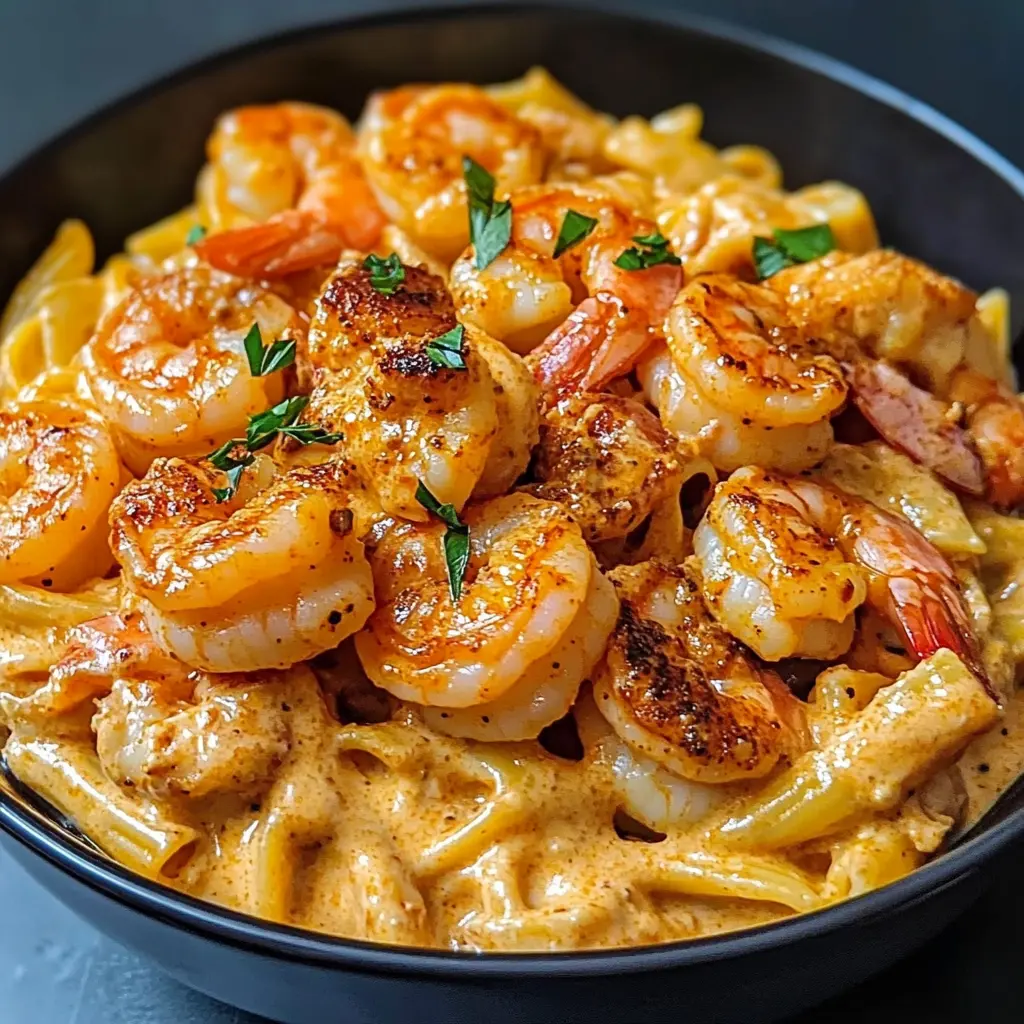
The Ultimate Creamy Cajun Shrimp Recipe: Spicy, Rich, and Irresistibly Delicious
Creamy Cajun shrimp delivers the perfect balance of bold spices and rich, velvety sauce that will transform your dinner table. This restaurant-quality dish combines succulent shrimp with aromatic Cajun seasonings and a luxurious cream base. Furthermore, you can master this impressive recipe in under 30 minutes.
Whether you’re hosting a dinner party or craving comfort food, this creamy Cajun shrimp recipe will become your go-to favorite. Moreover, the dish pairs beautifully with rice, pasta, or crusty bread. Additionally, every bite delivers an explosion of flavor that will leave you wanting more.
What Makes Creamy Cajun Shrimp Special
The Perfect Flavor Profile
Creamy Cajun shrimp stands out because of its complex flavor profile. The dish masterfully combines heat, richness, and aromatic spices. Additionally, the cream sauce balances the bold Cajun seasonings perfectly.
The magic happens when paprika, cayenne, and garlic powder meet heavy cream. Subsequently, these ingredients create a sauce that’s both comforting and exciting. Moreover, the shrimp absorb all these incredible flavors during cooking.
Origins of Cajun Cuisine
Cajun cooking originated in Louisiana’s bayou country. French Acadian settlers developed this cuisine using local ingredients and traditional techniques. Furthermore, they created bold, flavorful dishes that have become American classics.
Traditional Cajun cooking emphasizes the “holy trinity” of vegetables: onions, celery, and bell peppers. These ingredients form the foundation of many dishes. Additionally, Cajun seasonings typically include paprika, cayenne, oregano, and thyme.
Why Shrimp Works So Well
Shrimp naturally complement Cajun flavors because of their mild, sweet taste. The shellfish quickly absorb spices and seasonings. Moreover, shrimp cook rapidly, making them perfect for weeknight dinners.
Fresh or properly thawed shrimp deliver the best results. Additionally, medium to large shrimp work ideal for this recipe. They maintain their texture while absorbing maximum flavor.
Essential Ingredients for Perfect Results
Main Ingredients
Fresh Shrimp (1.5 pounds)
-
Choose medium to large shrimp for best texture
-
Peeled and deveined saves preparation time
-
Fresh shrimp deliver superior flavor and texture
Heavy Cream (1 cup)
-
Creates the rich, velvety base sauce
-
Don’t substitute with lighter alternatives
-
Room temperature cream incorporates more easily
Butter (4 tablespoons)
-
Adds richness and helps bind the sauce
-
Unsalted butter provides better flavor control
-
Quality butter makes a noticeable difference
Cajun Seasoning Blend
Paprika (2 tablespoons)
-
Provides color and mild pepper flavor
-
Sweet paprika works best for this recipe
-
Hungarian paprika offers excellent quality
Cayenne Pepper (1 teaspoon)
-
Delivers the signature heat
-
Adjust quantity based on heat preference
-
Start with less and add more if needed
Garlic Powder (1 tablespoon)
-
Adds savory depth to the seasoning
-
Fresh garlic works as an alternative
-
Granulated garlic powder distributes evenly
Onion Powder (1 tablespoon)
-
Complements the garlic perfectly
-
Provides subtle sweetness
-
Essential for authentic Cajun flavor
Oregano (1 teaspoon)
-
Adds earthy, herbal notes
-
Dried oregano works better than fresh
-
Mediterranean oregano provides best flavor
Thyme (1 teaspoon)
-
Contributes aromatic, lemony undertones
-
Dried thyme integrates seamlessly
-
Essential for traditional Cajun seasoning
Supporting Ingredients
Yellow Onion (1 medium)
-
Forms part of the Cajun “holy trinity”
-
Provides sweetness and texture
-
Dice uniformly for even cooking
Bell Pepper (1 large)
-
Adds color and mild pepper flavor
-
Red or green peppers work equally well
-
Cut into consistent strips
Celery (2 stalks)
-
Completes the “holy trinity” base
-
Provides crunch and fresh flavor
-
Dice finely for best integration
Fresh Garlic (4 cloves)
-
Intensifies the garlic flavor profile
-
Mince finely for even distribution
-
Fresh garlic beats powdered alternatives
Chicken Stock (1/2 cup)
-
Adds depth without overwhelming cream
-
Low-sodium stock provides better control
-
Vegetable stock works as substitute
Green Onions (3-4 stalks)
-
Perfect garnish for color and freshness
-
Chop both white and green parts
-
Add just before serving
Step-by-Step Cooking Instructions
Preparation Phase
Step 1: Prepare the Shrimp
First, rinse the shrimp under cold water and pat completely dry. Additionally, removing excess moisture prevents spattering during cooking. Season the shrimp generously with salt and half the Cajun seasoning blend.
Step 2: Mix the Seasoning
Combine paprika, cayenne, garlic powder, onion powder, oregano, and thyme in a small bowl. Furthermore, mixing the spices beforehand ensures even distribution. Store any extra seasoning in an airtight container.
Step 3: Prep the Vegetables
Dice the onion, bell pepper, and celery into uniform pieces. Moreover, consistent sizing ensures even cooking. Mince the garlic finely and set aside separately since it cooks faster.
Cooking Process
Step 4: Sear the Shrimp
Heat a large skillet over medium-high heat. Add two tablespoons of butter and let it melt completely. Next, add the seasoned shrimp in a single layer.
Cook the shrimp for 2-3 minutes per side until pink and slightly charred. Additionally, avoid overcrowding the pan to achieve proper searing. Remove shrimp to a plate and set aside.
Step 5: Build the Base
In the same skillet, add the remaining butter. Subsequently, add the diced onion, bell pepper, and celery. Cook for 5-6 minutes until vegetables soften and become fragrant.
Add the minced garlic and remaining Cajun seasoning. Furthermore, cook for another 30 seconds until aromatic. Be careful not to burn the garlic.
Step 6: Create the Cream Sauce
Pour in the chicken stock and scrape up any browned bits from the bottom. Additionally, these bits add incredible flavor to the sauce. Let the stock simmer for 2 minutes to reduce slightly.
Lower the heat to medium-low and slowly pour in the heavy cream. Moreover, stirring constantly prevents the cream from curdling. Simmer gently until the sauce thickens slightly.
Step 7: Combine and Finish
Return the seared shrimp to the skillet along with any accumulated juices. Additionally, gently stir to coat the shrimp with the creamy sauce. Cook for 2-3 minutes until heated through.
Taste and adjust seasoning as needed. Furthermore, you can add more Cajun seasoning for heat or salt for balance. Remove from heat and garnish with chopped green onions.
Pro Tips for Restaurant-Quality Shrimp
Selecting the Best Shrimp
Choose shrimp that smell like the ocean, not “fishy.” Additionally, fresh shrimp should have firm, translucent flesh. Moreover, avoid shrimp with black spots or slimy texture.
Frozen shrimp often provide better quality than “fresh” shrimp at many stores. Furthermore, individually quick-frozen (IQF) shrimp maintain better texture. Thaw frozen shrimp in the refrigerator overnight.
Temperature Control Secrets
Don’t Overcook the Shrimp
Shrimp cook incredibly quickly and become tough when overdone. Moreover, they continue cooking slightly from residual heat after removal. Cook just until pink and slightly firm.
Manage Heat Carefully
Keep the heat at medium-high for searing but reduce to medium-low for the cream sauce. Additionally, high heat can cause the cream to curdle or separate. Patience creates the smoothest sauce.
Seasoning Strategies
Layer the Flavors
Season the shrimp first, then add more seasoning to the vegetables. Furthermore, this technique builds complex, well-distributed flavor throughout the dish. Taste and adjust at each step.
Balance Heat and Richness
The cream should mellow the spice heat without eliminating it entirely. Moreover, start with less cayenne and add more if needed. You can always increase heat but can’t reduce it.
Sauce Perfection
Achieve Ideal Consistency
The sauce should coat the back of a spoon lightly. Additionally, it will thicken slightly as it cools. If too thick, thin with additional stock. If too thin, simmer longer to reduce.
Prevent Curdling
Room temperature cream incorporates more smoothly than cold. Moreover, add cream slowly while stirring constantly. Never let the cream sauce come to a rolling boil.
Serving Suggestions and Pairings
Classic Accompaniments
Over Rice
Serve creamy Cajun shrimp over fluffy white rice or brown rice. Additionally, the rice absorbs the delicious sauce perfectly. Moreover, jasmine rice adds a subtle floral aroma that complements the spices.
With Pasta
Toss with fettuccine, penne, or your favorite pasta shape. Furthermore, the cream sauce clings beautifully to pasta. Additionally, the combination creates a hearty, satisfying meal.
Alongside Grits
Traditional Southern grits provide the perfect creamy backdrop. Moreover, cheese grits add extra richness that pairs wonderfully. Additionally, stone-ground grits offer superior texture and flavor.
Vegetable Sides
Sautéed Greens
Collard greens, spinach, or kale balance the richness perfectly. Additionally, the slight bitterness complements the creamy sauce. Moreover, greens add important nutrients to the meal.
Roasted Vegetables
Asparagus, Brussels sprouts, or green beans work beautifully. Furthermore, roasting intensifies vegetable flavors. Additionally, the caramelized edges provide textural contrast.
Fresh Salads
A crisp garden salad cuts through the richness nicely. Moreover, citrus vinaigrette adds brightness to the meal. Additionally, fresh herbs enhance the overall flavor profile.
Bread Options
Crusty French Bread
Perfect for sopping up every drop of sauce. Additionally, toasted bread provides textural contrast. Moreover, garlic bread enhances the overall flavor experience.
Cornbread
Sweet cornbread complements the spicy flavors beautifully. Furthermore, the slight sweetness balances the heat perfectly. Additionally, cornbread adds authentic Southern flair.
Nutritional Benefits and Information
Shrimp Nutrition Facts
Shrimp provide excellent lean protein with minimal calories. Additionally, they contain important omega-3 fatty acids for heart health. Moreover, shrimp supply selenium, phosphorus, and vitamin B12.
A 3.5-ounce serving of shrimp contains approximately 99 calories and 18 grams of protein. Furthermore, shrimp are naturally low in saturated fat. Additionally, they provide all essential amino acids.
Health Benefits
High-Quality Protein
Protein supports muscle maintenance and repair. Additionally, it helps maintain stable blood sugar levels. Moreover, protein increases satiety and supports healthy weight management.
Heart-Healthy Nutrients
Omega-3 fatty acids support cardiovascular health. Furthermore, they may help reduce inflammation throughout the body. Additionally, selenium acts as a powerful antioxidant.
Essential Vitamins and Minerals
Shrimp provide vitamin B12 for nervous system health. Moreover, they contain phosphorus for strong bones and teeth. Additionally, they supply iodine for proper thyroid function.
Nutritional Information Per Serving
-
Calories: Approximately 320-350 per serving
-
Protein: 28-32 grams
-
Fat: 18-22 grams (primarily from cream and butter)
-
Carbohydrates: 8-10 grams
-
Sodium: 480-520 mg (varies with seasoning amount)
Storage and Reheating Guidelines
Proper Storage Techniques
Refrigerator Storage
Store leftover creamy Cajun shrimp in the refrigerator for up to 3 days. Additionally, use airtight containers to maintain freshness. Moreover, separate portions make reheating easier.
Cool the dish completely before refrigerating. Furthermore, hot food can raise refrigerator temperatures dangerously. Additionally, quick cooling prevents bacterial growth.
Freezer Storage
While possible, freezing isn’t recommended for cream-based dishes. Moreover, dairy sauces can separate and become grainy when thawed. Additionally, shrimp texture may become rubbery after freezing.
If freezing is necessary, use within 1 month for best quality. Furthermore, thaw completely in the refrigerator before reheating. Additionally, expect some texture changes in the sauce.
Reheating Methods
Stovetop Method (Recommended)
Reheat gently over low heat while stirring frequently. Additionally, add a splash of stock or cream if the sauce seems thick. Moreover, avoid high heat to prevent separation.
Heat just until warmed through to prevent overcooking the shrimp. Furthermore, taste and adjust seasoning as needed. Additionally, fresh herbs brighten reheated dishes.
Microwave Method
Use 50% power to reheat gradually and evenly. Additionally, stir every 30 seconds to distribute heat. Moreover, cover the dish to prevent spattering.
Add a small amount of liquid if the sauce appears too thick. Furthermore, let the dish rest for 1 minute before serving. Additionally, stir well before the final taste test.
Recipe Variations and Adaptations
Protein Substitutions
Chicken Alternative
Use bite-sized chicken pieces instead of shrimp. Additionally, increase cooking time to ensure thorough cooking. Moreover, chicken thighs stay more tender than breasts.
Season and sear the chicken first, then set aside like the shrimp method. Furthermore, return to the sauce and simmer until cooked through. Additionally, use a meat thermometer to check doneness.
Seafood Medley
Combine shrimp with scallops or crawfish for variety. Moreover, different seafood adds textural interest. Additionally, adjust cooking times based on the proteins used.
Dietary Modifications
Dairy-Free Version
Substitute coconut cream for heavy cream for dairy-free option. Additionally, use dairy-free butter or olive oil. Moreover, coconut cream provides similar richness.
Lower-Fat Alternative
Use half-and-half instead of heavy cream for fewer calories. Furthermore, reduce butter quantity by half. Additionally, Greek yogurt can partially replace cream.
Gluten-Free Adaptation
The basic recipe is naturally gluten-free. Moreover, ensure all seasonings are certified gluten-free. Additionally, serve over rice or gluten-free pasta.
Spice Level Adjustments
Mild Version
Reduce cayenne pepper to 1/4 teaspoon or eliminate entirely. Additionally, increase paprika for color without heat. Moreover, sweet paprika keeps the visual appeal.
Extra Spicy
Add hot sauce or extra cayenne to taste. Furthermore, include diced jalapeños with the vegetables. Additionally, red pepper flakes provide extra heat.
Custom Spice Blends
Create your own Cajun seasoning blend to control flavors. Moreover, experiment with different pepper varieties. Additionally, smoked paprika adds interesting depth.
Troubleshooting Common Issues
Sauce Problems
Separated or Curdled Sauce
This usually happens from too high heat or adding cold cream too quickly. Additionally, rapid temperature changes cause separation. Moreover, old cream is more likely to curdle.
To fix, remove from heat and whisk vigorously. Furthermore, add cream gradually while whisking. Additionally, strain the sauce if necessary to remove lumps.
Sauce Too Thin
Simmer the sauce longer to reduce and thicken naturally. Moreover, avoid adding flour or cornstarch to cream sauces. Additionally, cream cheese can help thicken if needed.
Sauce Too Thick
Thin with additional chicken stock or cream gradually. Furthermore, add liquid slowly while stirring. Additionally, the sauce should coat but not glob onto the shrimp.
Shrimp Issues
Overcooked Shrimp
Overcooked shrimp become tough and rubbery. Moreover, they continue cooking from residual heat after removal. Additionally, timing is crucial for perfect texture.
Cook shrimp just until pink and slightly firm. Furthermore, remove immediately when done. Additionally, they’ll finish cooking when returned to the warm sauce.
Underseasoned Shrimp
Season shrimp generously before cooking for maximum flavor penetration. Moreover, salt helps other seasonings adhere better. Additionally, let seasoned shrimp sit for 5 minutes before cooking.
General Cooking Problems
Vegetables Too Soft
Cut vegetables uniformly and don’t overcook them. Additionally, they should retain some texture for best results. Moreover, crisp-tender vegetables provide nice contrast.
Dish Lacks Flavor
Taste and adjust seasoning throughout cooking. Furthermore, acid like lemon juice can brighten flavors. Additionally, fresh herbs added at the end enhance overall taste.
Frequently Asked Questions
Can I make creamy Cajun shrimp ahead of time?
Yes, but with some considerations. Additionally, you can prepare the seasoning blend and prep vegetables in advance. Moreover, the dish tastes best when served immediately after cooking.
If making ahead, slightly undercook the shrimp and store separately from the sauce. Furthermore, combine and reheat gently when ready to serve. Additionally, expect slight texture changes in reheated cream sauces.
What size shrimp works best for this recipe?
Medium to large shrimp (16-20 count per pound) provide the best results. Additionally, they maintain texture during cooking better than smaller shrimp. Moreover, they’re substantial enough to stand up to the bold flavors.
Jumbo shrimp work well too but may require slightly longer cooking times. Furthermore, avoid tiny shrimp as they can overcook quickly. Additionally, consistent sizing ensures even cooking.
Can I substitute the heavy cream?
Half-and-half works but produces a thinner, less rich sauce. Additionally, evaporated milk can substitute in a pinch. Moreover, coconut cream works for dairy-free versions.
Avoid using milk as it’s too thin and likely to curdle. Furthermore, sour cream or Greek yogurt can work but add them off the heat. Additionally, cream cheese thinned with stock creates richness too.
How spicy is this creamy Cajun shrimp dish?
The recipe produces medium heat that most people find pleasant. Additionally, the cream mellows the spice considerably. Moreover, you can adjust the cayenne pepper to taste.
Start with half the cayenne if you’re sensitive to heat. Furthermore, you can always add more spice but can’t remove it. Additionally, serve hot sauce on the side for individual preferences.
What’s the best way to thaw frozen shrimp?
Thaw shrimp in the refrigerator overnight for best results. Additionally, this method maintains texture and prevents bacterial growth. Moreover, plan ahead for food safety.
For quick thawing, place frozen shrimp in a colander under cold running water. Furthermore, they’ll thaw in 15-20 minutes this way. Additionally, never thaw shrimp at room temperature.
Can I use pre-cooked shrimp?
Yes, but add them at the very end just to heat through. Additionally, pre-cooked shrimp become tough if cooked too long. Moreover, they won’t absorb flavors as well as raw shrimp.
Add pre-cooked shrimp during the last 2 minutes of cooking. Furthermore, they just need warming, not cooking. Additionally, season them before adding to the sauce.
How do I know when the shrimp are perfectly cooked?
Properly cooked shrimp are pink, slightly firm, and form a “C” shape. Additionally, they should be opaque throughout with no gray areas. Moreover, overcooked shrimp curl tightly into an “O” shape.
Raw shrimp are translucent gray, while cooked shrimp turn pink and opaque. Furthermore, they should feel slightly springy when pressed. Additionally, cooking time is typically 2-3 minutes per side.
What can I serve this dish over besides rice?
Pasta works beautifully, especially fettuccine or penne. Additionally, creamy grits provide authentic Southern pairing. Moreover, cauliflower rice offers a low-carb alternative.
Polenta, quinoa, or barley also work well. Furthermore, crusty bread turns it into a more casual meal. Additionally, zucchini noodles provide a lighter option.
Advanced Techniques and Tips
Professional Cooking Methods
Proper Mise en Place
Organize all ingredients before starting to cook. Additionally, measure spices and chop vegetables in advance. Moreover, professional timing depends on good preparation.
Have everything within arm’s reach of your cooking area. Furthermore, use small bowls for pre-measured seasonings. Additionally, this prevents overcooking while searching for ingredients.
Temperature Control Mastery
Invest in an instant-read thermometer for consistent results. Moreover, understanding heat management separates good cooks from great ones. Additionally, practice makes temperature control intuitive.
Learn your stove’s heat patterns and adjust accordingly. Furthermore, cast iron retains heat differently than stainless steel. Additionally, altitude affects cooking times and temperatures.
Flavor Development Techniques
Building Layers
Season at multiple stages for complex flavor development. Additionally, each component should be properly seasoned individually. Moreover, taste and adjust throughout the cooking process.
Toast spices briefly in the dry pan before adding other ingredients. Furthermore, this technique intensifies their flavors significantly. Additionally, be careful not to burn delicate spices.
Deglazing for Depth
Scrape up browned bits when adding liquid for maximum flavor. Moreover, these caramelized particles add incredible depth to sauces. Additionally, use wooden spoons to protect non-stick surfaces.
Fresh Herb Finishing
Add fresh herbs just before serving to maintain their bright flavors. Furthermore, dried herbs work better during cooking, fresh herbs for finishing. Additionally, chop herbs just before use for best results.
Scaling the Recipe
Cooking for Crowds
Double or triple ingredients proportionally for larger groups. Additionally, use a larger skillet or work in batches. Moreover, maintain proper ratios for balanced flavors.
When doubling recipes, increase cooking times slightly for vegetables. Furthermore, taste and adjust seasonings as larger quantities may need more. Additionally, keep finished portions warm in a low oven.
Single Serving Adaptations
Reduce all ingredients proportionally for smaller portions. Additionally, use a smaller pan for better heat control. Moreover, cooking times remain approximately the same.
Single servings cook faster, so watch timing carefully. Furthermore, small amounts can go from perfect to overcooked quickly. Additionally, prepare ingredients just as thoroughly for small batches.
Seasonal Variations
Summer Adaptations
Add fresh corn kernels and diced tomatoes for summer freshness. Additionally, fresh basil complements the Cajun flavors beautifully. Moreover, lighter sides work well in hot weather.
Serve over chilled pasta salad for a unique twist. Furthermore, grilled vegetables provide smoky flavors. Additionally, fresh peach salsa offers surprising but delicious contrast.
Winter Comfort Versions
Increase the richness with extra cream or butter during cold months. Moreover, serve over warming grits or mashed potatoes. Additionally, heartier vegetables like root vegetables work well.
Add warming spices like smoked paprika or chipotle powder. Furthermore, braised greens provide perfect winter accompaniment. Additionally, cornbread becomes essential for cold-weather comfort.
[Check out our guide on perfect rice cooking techniques] for ideal accompaniments to your creamy Cajun shrimp.
Conclusion
Creamy Cajun shrimp represents the perfect marriage of bold flavors and comforting richness. This restaurant-quality dish delivers complex taste without requiring professional culinary skills. Moreover, the recipe adapts easily to personal preferences and dietary needs.
The key to success lies in proper technique and quality ingredients. Additionally, don’t rush the process – each step builds flavor layers. Furthermore, practice makes perfect, so don’t be discouraged if your first attempt isn’t restaurant-perfect.
Whether served over rice, pasta, or grits, this creamy Cajun shrimp will become a family favorite. Moreover, the dish works equally well for casual weeknight dinners and special occasion meals. Additionally, the combination of spices and cream creates an irresistible flavor profile.
Remember to taste and adjust seasonings throughout cooking. Furthermore, proper temperature control ensures the perfect cream sauce every time. Additionally, fresh ingredients always produce superior results.
Ready to create this incredible creamy Cajun shrimp dish? Start gathering your ingredients and prepare for a flavor-packed dining experience that will have everyone asking for seconds. Your kitchen will smell amazing, and your taste buds will thank you!
Creamy Cajun Shrimp
Description
Creamy Cajun Shrimp
Ingredients
For the shrimp:
-
1-2 lbs large shrimp, peeled and deveined
-
2 tablespoons butter
-
2 teaspoons Cajun seasoning
-
Salt to taste
For the sauce:
-
3 cloves garlic, minced
-
1/2 cup diced tomatoes
-
1 cup heavy cream
-
1/2 cup chicken broth
-
2 tablespoons flour
-
1/4 cup grated Parmesan cheese
-
1 tablespoon honey
-
1 teaspoon hot sauce
-
1/2 teaspoon smoked paprika
-
1/4 teaspoon thyme
For serving:
-
Fresh parsley, chopped
-
Green onions, sliced
-
Rice or pasta for serving
Instructions
Step 1: Season and cook shrimp
Pat shrimp dry and season with Cajun seasoning and salt. Heat butter in a large skillet over medium-high heat. Add seasoned shrimp and cook for 1-2 minutes per side until pink and no longer opaque. Remove shrimp to a plate and set aside.
Step 2: Build sauce base
In the same skillet, add minced garlic and cook for 1 minute until fragrant. Add diced tomatoes and sauté for 2 minutes. Sprinkle flour over the mixture and stir continuously for 2 minutes to cook out raw flour taste.
Step 3: Add liquids
Gradually add chicken broth, stirring continuously to prevent lumps. Add heavy cream, honey, hot sauce, smoked paprika, and thyme. Bring to a boil, then reduce to a gentle simmer.
Step 4: Thicken sauce
Let sauce simmer for 5-10 minutes, stirring frequently, until it thickens enough to coat the back of a spoon. The sauce should reduce and concentrate in flavor.
Step 5: Finish dish
Reduce heat to low and slowly sprinkle in Parmesan cheese, stirring continuously until melted. Return cooked shrimp to the skillet and toss to coat in the creamy sauce. Remove from heat.
Step 6: Serve
Garnish with fresh chopped parsley and sliced green onions. Serve immediately over rice, pasta, or with crusty bread to soak up the rich, creamy sauce.