
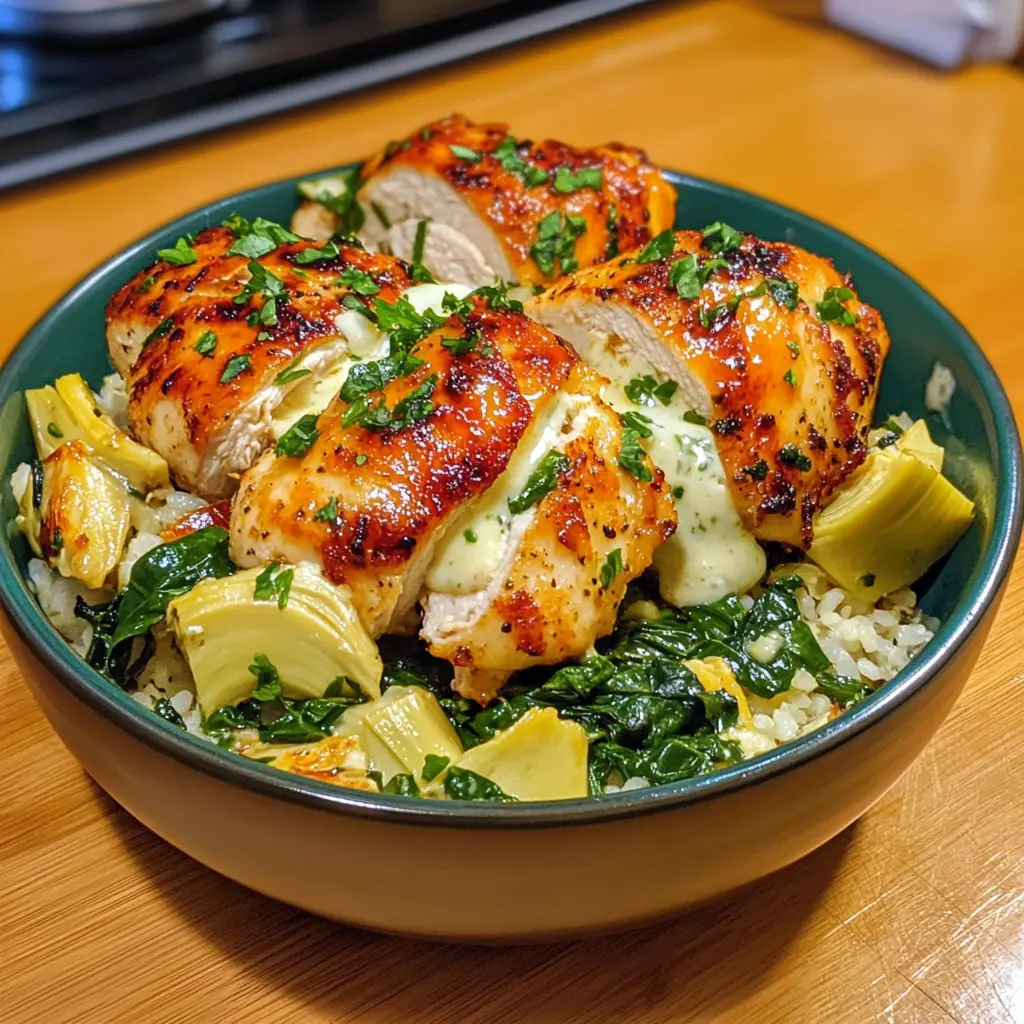
Spinach Artichoke Chicken Bowls: The Ultimate Comfort Food Recipe
Craving a satisfying meal that combines comfort food flavors with nutritious ingredients? Spinach Artichoke Chicken Bowls deliver everything you want in a single dish. These protein-packed bowls feature tender chicken breast, creamy spinach artichoke sauce, and fresh vegetables. Moreover, they’re perfect for busy weeknights and meal prep enthusiasts alike.
This comprehensive recipe transforms the beloved spinach artichoke dip into a wholesome, complete meal. Furthermore, these bowls are incredibly versatile and customizable to suit various dietary preferences. You’ll discover how simple ingredients create extraordinary flavors that satisfy your comfort food cravings.
What Are Spinach Artichoke Chicken Bowls
Spinach Artichoke Chicken Bowls represent the perfect fusion of comfort food and nutritious eating. Essentially, they combine seasoned chicken breast with a creamy spinach artichoke mixture served over your choice of base. Additionally, these bowls incorporate fresh vegetables and herbs for added nutrition and flavor complexity.
The concept originated from the popular spinach artichoke dip appetizer. However, this healthier version transforms those beloved flavors into a complete, satisfying meal. Meanwhile, the bowl format makes portion control easier while ensuring balanced nutrition.
Key Components of the Perfect Bowl
Each Spinach Artichoke Chicken Bowl contains several essential elements. First, perfectly seasoned and cooked chicken provides high-quality protein. Next, the creamy spinach artichoke mixture serves as both sauce and vegetable component. Furthermore, a nutritious base like rice, quinoa, or cauliflower rice adds substance and fiber.
The beauty lies in the customization possibilities. For instance, you can adjust the creaminess level, spice intensity, and vegetable combinations. Similarly, the base can vary according to dietary needs or personal preferences.
Essential Ingredients Breakdown
Creating exceptional Spinach Artichoke Chicken Bowls requires carefully selected, high-quality ingredients. Each component plays a crucial role in developing the final flavor profile and nutritional value.
Protein Component
The chicken breast serves as the primary protein source in these nutritious bowls. Specifically, boneless, skinless chicken breasts work best for even cooking and easy serving. Additionally, chicken thighs can substitute for those preferring darker, more flavorful meat.
For optimal results, choose organic or free-range chicken when possible. Furthermore, proper seasoning enhances the natural chicken flavor without overwhelming the other ingredients. Salt, pepper, garlic powder, and Italian seasoning create the perfect base seasoning blend.
Spinach Selection and Preparation
Fresh baby spinach provides the best texture and flavor for these bowls. Notably, baby spinach wilts quickly and maintains its vibrant green color. Alternatively, regular spinach works well when chopped into bite-sized pieces.
Frozen spinach can substitute in a pinch, but requires proper thawing and draining. Moreover, excess moisture must be removed to prevent watery sauce consistency. Always squeeze frozen spinach thoroughly before incorporating into the recipe.
Artichoke Heart Essentials
Canned or jarred artichoke hearts provide convenience and consistent quality year-round. However, marinated artichoke hearts offer additional flavor complexity compared to plain varieties. Furthermore, quartered artichoke hearts integrate better into the sauce than whole pieces.
Fresh artichoke hearts can certainly be used when available and properly prepared. Nevertheless, the preparation time increases significantly with fresh artichokes. Therefore, most home cooks prefer the convenience of pre-prepared options.
Creamy Base Ingredients
The creamy element distinguishes these bowls from ordinary chicken and vegetable combinations. Cream cheese forms the foundation of the rich, velvety sauce. Additionally, Greek yogurt can partially replace cream cheese for lighter alternatives.
Heavy cream adds luxurious texture while maintaining proper consistency when heated. Similarly, milk works for lighter versions, though the final result will be less rich. Moreover, chicken broth helps thin the mixture while adding extra flavor depth.
Aromatic Seasonings
Garlic represents the most important aromatic component in Spinach Artichoke Chicken Bowls. Fresh minced garlic provides superior flavor compared to powdered alternatives. Furthermore, sautéing garlic properly releases its full aromatic potential.
Onion powder complements the fresh garlic without adding texture complications. Additionally, dried herbs like basil, oregano, and thyme enhance the Mediterranean flavor profile. Red pepper flakes add gentle heat for those who enjoy spicy foods.
Step-by-Step Recipe Instructions
Ingredients List
For the Chicken:
-
1.5 pounds boneless, skinless chicken breasts
-
2 tablespoons olive oil
-
1 teaspoon salt
-
1/2 teaspoon black pepper
-
1 teaspoon garlic powder
-
1 teaspoon Italian seasoning
For the Spinach Artichoke Mixture:
-
8 oz cream cheese, softened
-
1/2 cup heavy cream
-
1/2 cup chicken broth
-
4 cloves garlic, minced
-
5 oz fresh baby spinach
-
1 cup marinated artichoke hearts, quartered
-
1/2 cup grated Parmesan cheese
-
1/4 teaspoon red pepper flakes
-
Salt and pepper to taste
For the Bowl Base:
-
4 cups cooked rice, quinoa, or cauliflower rice
-
2 cups cherry tomatoes, halved
-
1 cucumber, diced
-
1/4 red onion, thinly sliced
-
Fresh basil leaves for garnish
Preparation Steps
Step 1: Prepare the Chicken
Start by seasoning the chicken breasts evenly with salt, pepper, garlic powder, and Italian seasoning. Then, heat olive oil in a large skillet over medium-high heat. Next, add the seasoned chicken breasts to the hot pan.
Cook the chicken for 6-7 minutes on the first side without moving it. This technique ensures proper browning and prevents sticking. Subsequently, flip the chicken and continue cooking for another 5-6 minutes until internal temperature reaches 165°F.
Remove the cooked chicken from the pan and let it rest for 5 minutes. Finally, slice the chicken into bite-sized pieces and set aside while preparing the sauce.
Step 2: Create the Spinach Artichoke Mixture
Using the same skillet, reduce heat to medium and add minced garlic. Sauté the garlic for 30 seconds until fragrant, being careful not to burn it. Then, add the softened cream cheese, breaking it up with a wooden spoon.
Gradually whisk in the heavy cream and chicken broth until smooth. Next, add the fresh spinach and cook until wilted, approximately 2-3 minutes. Furthermore, stir in the quartered artichoke hearts and let them warm through.
Add the grated Parmesan cheese, red pepper flakes, salt, and pepper to taste. Finally, fold the sliced chicken back into the mixture and simmer for 2-3 minutes until everything is heated through.
Step 3: Assemble the Bowls
Begin by dividing the cooked base (rice, quinoa, or cauliflower rice) among four serving bowls. Then, generously spoon the warm spinach artichoke chicken mixture over each portion of base.
Arrange the fresh vegetables around the sides of each bowl. For instance, place halved cherry tomatoes on one side and diced cucumber on another. Additionally, add thinly sliced red onion for extra crunch and flavor.
Garnish each bowl with fresh basil leaves and additional Parmesan cheese if desired. Finally, serve immediately while the mixture is still warm and creamy.
Nutritional Benefits and Health Value
Spinach Artichoke Chicken Bowls offer impressive nutritional value beyond their satisfying taste. Each serving provides high-quality protein, essential vitamins, and beneficial minerals. Moreover, the combination of ingredients creates a well-balanced macronutrient profile.
Protein Powerhouse Benefits
Chicken breast serves as an excellent lean protein source, containing all essential amino acids. Specifically, a typical serving provides approximately 25-30 grams of complete protein. Furthermore, protein supports muscle maintenance, satiety, and metabolic function.
The protein content helps stabilize blood sugar levels throughout the day. Additionally, adequate protein intake supports weight management goals by increasing feelings of fullness. Therefore, these bowls make excellent choices for active individuals and those monitoring their weight.
Vegetable Nutrition Profile
Fresh spinach contributes significant amounts of vitamins A, C, and K to each serving. Moreover, spinach provides folate, iron, and antioxidants that support overall health. The dark leafy green also contains nitrates that may support cardiovascular function.
Artichoke hearts offer unique nutritional benefits including fiber, potassium, and antioxidants. Furthermore, they provide prebiotics that support digestive health and beneficial gut bacteria. Additionally, artichokes contain compounds that may support liver function.
Healthy Fat Components
The moderate amount of healthy fats comes primarily from olive oil and dairy products. These fats enhance nutrient absorption, particularly fat-soluble vitamins A, D, E, and K. Moreover, healthy fats contribute to satiety and meal satisfaction.
The combination of protein, healthy fats, and complex carbohydrates creates sustained energy release. Consequently, these bowls help prevent energy crashes and afternoon hunger pangs. This makes them ideal for lunch or dinner options.
Recipe Variations and Customizations
The versatility of Spinach Artichoke Chicken Bowls allows for numerous delicious variations. Each modification can accommodate different dietary needs, flavor preferences, or available ingredients. Furthermore, these adaptations keep the recipe interesting for regular preparation.
Protein Alternatives
While chicken breast remains the classic choice, several protein alternatives work equally well. For instance, boneless chicken thighs provide richer flavor and remain tender even when slightly overcooked. Additionally, they cost less than chicken breasts in most markets.
Turkey breast offers a leaner alternative with similar cooking methods and timing. Moreover, ground turkey creates a different texture while maintaining the dish’s protein content. Seafood options like shrimp or salmon provide omega-3 fatty acids and unique flavor profiles.
Plant-based proteins can easily substitute for omnivorous versions. For example, seasoned tofu, tempeh, or chickpeas work wonderfully in these bowls. Furthermore, these alternatives add fiber while reducing the overall caloric content.
Base Modifications
The bowl base significantly impacts the final nutritional profile and satiety factor. Brown rice provides more fiber and nutrients compared to white rice varieties. Additionally, wild rice offers a nuttier flavor and chewier texture that complements the creamy sauce.
Quinoa serves as an excellent gluten-free option with complete protein content. Furthermore, it cooks quickly and absorbs flavors well from the sauce mixture. Cauliflower rice creates a low-carb alternative that still provides satisfaction and volume.
Other grain alternatives include farro, bulgur, or barley for different textures and flavors. Moreover, spiralized vegetables like zucchini noodles or spaghetti squash create lighter options. These modifications allow the recipe to fit various dietary approaches.
Dairy Adaptations
Several dairy modifications can accommodate different dietary needs or preferences. Greek yogurt can partially replace cream cheese for increased protein and probiotics. Additionally, this substitution reduces calories while maintaining creamy texture.
Dairy-free alternatives work well for those with lactose intolerance or vegan diets. Cashew cream, coconut cream, or dairy-free cream cheese provide similar richness and texture. Furthermore, nutritional yeast can replace Parmesan cheese for umami flavor.
Low-fat versions of dairy products reduce overall calories without significantly impacting taste. However, full-fat options typically provide better texture and satisfaction. Therefore, moderation with full-fat ingredients often works better than low-fat substitutions.
Vegetable Enhancements
Additional vegetables can boost the nutritional value and visual appeal of these bowls. Bell peppers add sweetness, crunch, and vitamin C to each serving. Moreover, different colored peppers create attractive presentation variety.
Mushrooms complement the spinach and artichoke flavors while adding umami depth. Furthermore, they provide selenium, potassium, and B vitamins to the dish. Different mushroom varieties offer unique textures and flavor profiles.
Sun-dried tomatoes intensify the Mediterranean flavor profile with concentrated tomato taste. Additionally, they provide lycopene and other beneficial antioxidants. Fresh herbs like parsley, dill, or oregano enhance both flavor and nutritional value.
Expert Tips for Perfect Results
Achieving restaurant-quality Spinach Artichoke Chicken Bowls requires attention to several key details. These professional tips ensure consistent results every time you prepare this recipe. Moreover, proper technique elevates the dish from good to exceptional.
Chicken Cooking Mastery
Properly cooked chicken makes the difference between mediocre and outstanding bowls. First, ensure all chicken pieces are similar thickness for even cooking. Additionally, pounding thicker portions creates uniform cooking results.
Temperature control prevents overcooking and maintains juicy, tender chicken. Use a meat thermometer to verify the internal temperature reaches exactly 165°F. Furthermore, removing chicken from heat slightly before reaching target temperature prevents overcooking during resting.
Resting the cooked chicken allows juices to redistribute throughout the meat. This step ensures each bite remains moist and flavorful. Subsequently, slicing against the grain creates more tender pieces that integrate better with the sauce.
Sauce Consistency Perfection
The creamy spinach artichoke mixture should coat ingredients without being too thick or thin. Start with less liquid and gradually add more to achieve desired consistency. Additionally, the sauce continues thickening as it cools.
Preventing lumpy cream cheese requires proper temperature management and gradual incorporation. Ensure cream cheese reaches room temperature before cooking for easier blending. Moreover, whisking continuously while adding liquids prevents separation.
If the sauce becomes too thick, thin it with additional chicken broth or cream. Conversely, if it’s too thin, simmer longer to reduce excess moisture. Furthermore, cornstarch slurry can quickly thicken thin sauces when needed.
Fresh Ingredient Handling
Properly preparing fresh spinach ensures optimal texture and prevents excess moisture in the sauce. Wash spinach thoroughly and dry completely before cooking. Additionally, remove any thick stems or damaged leaves.
Don’t overcook the spinach, as it continues wilting even after removing from heat. Therefore, cook just until leaves begin to wilt and retain their bright green color. Overcooked spinach becomes mushy and loses nutritional value.
Artichoke heart preparation impacts both texture and flavor distribution. Drain marinated artichokes well and pat dry to prevent excess liquid. Furthermore, cutting them into uniform pieces ensures even distribution throughout the dish.
Seasoning Balance
Proper seasoning enhances all ingredients without overpowering the delicate spinach artichoke flavors. Taste frequently during cooking and adjust seasoning gradually. Additionally, remember that Parmesan cheese adds significant saltiness to the final dish.
Layer seasonings throughout the cooking process rather than adding everything at once. For instance, season chicken separately, then adjust the sauce seasonings after combining ingredients. This technique creates more complex, well-developed flavors.
Acid balance prevents the rich sauce from becoming overwhelming or cloying. A small amount of lemon juice brightens the entire dish without adding noticeable citrus flavor. Furthermore, the acid helps preserve the vibrant green color of the spinach.
Storage and Meal Prep Guidelines
Spinach Artichoke Chicken Bowls excel as meal prep options due to their storage stability and reheating properties. Proper storage techniques maintain food safety while preserving optimal flavors and textures. Moreover, advance preparation saves time during busy weekdays.
Refrigeration Storage Methods
Store assembled bowls in airtight containers for up to four days in the refrigerator. However, keeping components separated until serving maintains better textures and prevents sogginess. Therefore, store the chicken mixture, fresh vegetables, and grain base in separate containers.
The creamy sauce mixture stores well and actually improves in flavor after resting overnight. Similarly, cooked chicken maintains quality for several days when properly stored. Fresh vegetables should be stored separately to maintain crispness and prevent premature spoilage.
Label containers with preparation dates to ensure food safety and optimal quality. Additionally, store containers in the coldest part of the refrigerator to maintain freshness. Glass containers work better than plastic for reheating and preventing odor absorption.
Freezing Guidelines
The chicken and sauce mixture freezes well for up to three months when properly packaged. However, fresh vegetables and grain bases don’t freeze as successfully due to texture changes. Therefore, freeze only the protein and sauce components.
Use freezer-safe containers or bags, removing as much air as possible to prevent freezer burn. Furthermore, portion the mixture into individual serving sizes for convenient thawing and reheating. Label packages with contents and dates for easy identification.
Thaw frozen portions overnight in the refrigerator before reheating. Never thaw at room temperature due to food safety concerns. Additionally, never refreeze previously frozen and thawed portions.
Reheating Best Practices
Gentle reheating preserves the creamy texture and prevents separation of the sauce mixture. Use low to medium heat settings whether reheating on the stovetop or in the microwave. Additionally, stir frequently during reheating to distribute heat evenly.
Add a small amount of liquid (broth, cream, or milk) if the mixture appears too thick after refrigeration. Furthermore, this technique restores the original consistency and prevents sticking during reheating. Taste and adjust seasonings after reheating if necessary.
Microwave reheating requires shorter intervals with stirring between each session. For instance, heat for 30-60 seconds, stir, then repeat until thoroughly heated. This method prevents overheating and maintains smooth texture.
Meal Prep Assembly Tips
Prepare grain bases in large batches and portion into individual containers for the week. Similarly, wash and chop fresh vegetables in advance, storing them properly to maintain crispness. This advance preparation significantly reduces daily assembly time.
The chicken and sauce mixture can be prepared up to two days in advance. However, the flavors actually improve with time, making advance preparation beneficial for taste development. Store in the refrigerator until ready to assemble bowls.
Consider preparing double batches when the effort is similar to single batches. Freeze half for future meals while enjoying fresh portions immediately. This strategy maximizes efficiency and ensures convenient future meals.
Creative Serving Suggestions
Spinach Artichoke Chicken Bowls adapt beautifully to various presentation styles and serving occasions. Different plating techniques and accompaniments transform the dish from casual weeknight dinner to elegant entertaining option. Moreover, creative presentations enhance the dining experience.
Elegant Presentation Ideas
For special occasions, serve the bowls in wide, shallow ceramic bowls that showcase colorful ingredients. Arrange components in distinct sections rather than mixing everything together. Additionally, this technique creates visual appeal while allowing diners to combine flavors as desired.
Garnish options elevate the presentation significantly. Fresh herb sprigs, toasted pine nuts, or colorful vegetable confetti add texture and visual interest. Furthermore, a drizzle of high-quality olive oil or balsamic glaze creates restaurant-quality finishing touches.
Temperature contrast adds another dimension to the dining experience. Serve the warm chicken mixture over chilled grain bases with room-temperature vegetables. This technique creates interesting textural and temperature variations in each bite.
Family-Style Service
Large platters work well for family dinners or casual entertaining situations. Place the grain base on a large serving platter, then top with the warm chicken mixture. Additionally, arrange fresh vegetables around the edges for colorful border decoration.
Provide smaller serving bowls for individual portions along with appropriate serving utensils. Furthermore, this approach allows family members to customize their portions according to personal preferences. Children often prefer components served separately initially.
Breadbasket accompaniments complement the Mediterranean flavors beautifully. Warm pita bread, focaccia, or artisanal dinner rolls provide additional carbohydrates and flavor contrasts. Moreover, these options help satisfy heartier appetites.
Portable Options
Mason jar layering creates portable versions perfect for work lunches or picnic situations. Layer ingredients strategically with dressing on the bottom, followed by grains, proteins, and delicate vegetables on top. This technique prevents sogginess while maintaining food safety.
Bento box presentations work wonderfully for controlled portions and organized component separation. Furthermore, this method appeals to those who prefer foods not touching each other. Small compartments keep ingredients fresh and visually appealing.
Wrap versions provide handheld convenience while maintaining the essential flavors. Use large tortillas or lavash bread to create portable wraps filled with the chicken mixture and fresh vegetables. Additionally, these versions work well for casual outdoor dining.
Troubleshooting Common Issues
Even experienced cooks occasionally encounter challenges when preparing Spinach Artichoke Chicken Bowls. Understanding common problems and their solutions ensures consistent, successful results every time. Moreover, troubleshooting knowledge builds confidence and cooking skills.
Sauce Consistency Problems
Lumpy or separated sauce typically results from temperature control issues or rushed preparation. If lumps develop, remove the pan from heat and whisk vigorously until smooth. Additionally, straining the mixture through a fine-mesh sieve removes stubborn lumps.
Thin, watery sauce often occurs from excess moisture in vegetables or insufficient cooking time. Continue simmering to reduce excess liquid, or add a small amount of cornstarch mixed with cold liquid. Furthermore, ensure spinach and artichokes are well-drained before adding.
Overly thick sauce becomes difficult to distribute evenly throughout the bowl components. Gradually add warm liquid (broth, cream, or milk) while stirring until desired consistency returns. Moreover, avoid adding cold liquids that can cause temperature shock and separation.
Chicken Texture Issues
Dry, overcooked chicken results from excessive heat or cooking time. Use a meat thermometer to monitor internal temperature accurately. Additionally, remove chicken from heat when it reaches 160°F, as carryover cooking completes the process.
Unevenly cooked chicken pieces often indicate varying thickness or crowded pan conditions. Pound chicken to uniform thickness before seasoning and cooking. Furthermore, avoid overcrowding the pan, which reduces temperature and prevents proper browning.
Tough, rubbery texture can result from cooking at too high temperature or insufficient resting time. Use medium-high heat for initial searing, then reduce to medium for thorough cooking. Additionally, always rest chicken for several minutes before slicing.
Vegetable Preparation Challenges
Wilted or mushy fresh vegetables indicate improper storage or preparation timing. Add delicate vegetables just before serving to maintain crispness and visual appeal. Moreover, store cut vegetables properly in the refrigerator until assembly time.
Bitter spinach flavors sometimes develop from overcooking or using mature leaves. Choose baby spinach for milder flavor and quick cooking properties. Furthermore, don’t cook spinach longer than necessary for wilting.
Tough artichoke hearts may result from poor quality products or insufficient preparation. Choose tender, marinated varieties when possible, and ensure proper draining before incorporation. Additionally, cutting artichokes into smaller pieces improves distribution and eating experience.
Seasoning Balance Difficulties
Under-seasoned dishes often result from inadequate tasting during cooking or forgetting that flavors develop over time. Taste frequently and adjust seasonings gradually throughout the preparation process. Additionally, remember that cold foods require more seasoning than hot foods.
Over-salted results can be balanced by adding dairy products, starches, or acidic ingredients. A small amount of cream or additional vegetables can dilute excessive saltiness. Furthermore, serving with unsalted grain bases helps balance overly seasoned sauce mixtures.
Competing flavors occur when too many strong ingredients fight for dominance. Focus on the spinach artichoke profile as the primary flavor, using other seasonings as supporting elements. Moreover, simplicity often produces better results than complex seasoning combinations.
Frequently Asked Questions
Can I make Spinach Artichoke Chicken Bowls ahead of time?
Yes, these bowls are excellent for meal prep and advance preparation. The chicken and sauce mixture actually improves in flavor when prepared up to two days in advance. However, store fresh vegetables and grain bases separately to maintain optimal textures. Assemble complete bowls just before serving for the best results.
What are the best base alternatives for low-carb diets?
Cauliflower rice serves as the most popular low-carb base alternative, providing similar volume with minimal carbohydrates. Additionally, spiralized vegetables like zucchini noodles or spaghetti squash create satisfying, nutrient-dense options. Shirataki noodles offer another very low-carb alternative with unique texture properties.
How can I make this recipe dairy-free?
Several dairy-free substitutions work well in Spinach Artichoke Chicken Bowls. Replace cream cheese with cashew cream or dairy-free cream cheese alternatives. Furthermore, use coconut cream instead of heavy cream and nutritional yeast instead of Parmesan cheese. These modifications maintain richness while accommodating dietary restrictions.
Can I use frozen spinach instead of fresh?
Frozen spinach can substitute for fresh, but requires proper preparation to prevent watery sauce. Thaw frozen spinach completely and squeeze out all excess moisture using clean kitchen towels or cheesecloth. Additionally, frozen spinach has stronger flavor than fresh, so you may need slightly less quantity.
What’s the best way to reheat leftover bowls?
Gentle reheating preserves the creamy texture and prevents sauce separation. Use low to medium heat settings and add a small amount of liquid if the mixture appears thick. Stir frequently during reheating and avoid high temperatures that can cause curdling or overcooking.
How long do these bowls stay fresh in the refrigerator?
Properly stored Spinach Artichoke Chicken Bowls remain fresh for up to four days in the refrigerator. Keep components separated when possible to maintain optimal textures and prevent sogginess. Always use airtight containers and store in the coldest part of the refrigerator for food safety.
Spinach Artichoke Chicken Bowls represent the perfect balance of comfort food satisfaction and nutritious eating. This comprehensive recipe provides everything needed to create restaurant-quality bowls in your own kitchen. Moreover, the versatility and meal prep potential make these bowls practical for busy lifestyles.
The combination of tender chicken, creamy spinach artichoke mixture, and fresh vegetables creates a completely satisfying meal. Furthermore, the customization options ensure these bowls never become boring or repetitive. Whether you’re feeding a family or meal prepping for the week, this recipe delivers consistent, delicious results.
Spinach Artichoke Chicken Bowls
Description
Spinach Artichoke Chicken Bowls
Ingredients
Chicken:
-
2 lbs boneless, skinless chicken breasts, cut into 1-inch pieces
-
1 tablespoon olive oil
-
1 teaspoon garlic powder
-
1 teaspoon kosher salt
-
½ teaspoon black pepper
Spinach Artichoke Mix:
-
2 cups baby spinach, roughly chopped
-
1 (13.5 oz) can quartered artichoke hearts, drained and squeezed
-
8 oz cream cheese, room temperature
-
½ cup plain Greek yogurt
-
½ cup mayonnaise
-
4 garlic cloves, minced
-
1 lemon, zested and juiced
-
½ teaspoon onion powder
Cheese:
-
1 cup shredded mozzarella cheese
-
⅔ cup grated Parmesan cheese
Bowl Base:
-
4 cups cooked rice or quinoa
-
1 red bell pepper, diced
Instructions
Prepare Chicken:
-
Heat olive oil in a large skillet over medium-high heat
-
Season chicken pieces with garlic powder, salt, and pepper
-
Cook chicken 5-7 minutes, stirring occasionally, until golden and cooked through
-
Remove from heat and set aside
Make Spinach Artichoke Mixture:
5. In a large bowl, combine cream cheese, Greek yogurt, and mayonnaise until smooth
6. Mix in minced garlic, lemon zest, lemon juice, and onion powder
7. Squeeze excess liquid from artichoke hearts and spinach, then chop finely
8. Fold in artichokes, spinach, and half of both cheeses
9. Add cooked chicken and mix gently to combine
Assemble Bowls:
10. Divide cooked rice or quinoa among 4 serving bowls
11. Top each bowl with the spinach artichoke chicken mixture
12. Sprinkle with remaining mozzarella and Parmesan cheese
13. Add diced bell pepper for extra crunch and color
14. Serve immediately while warm