
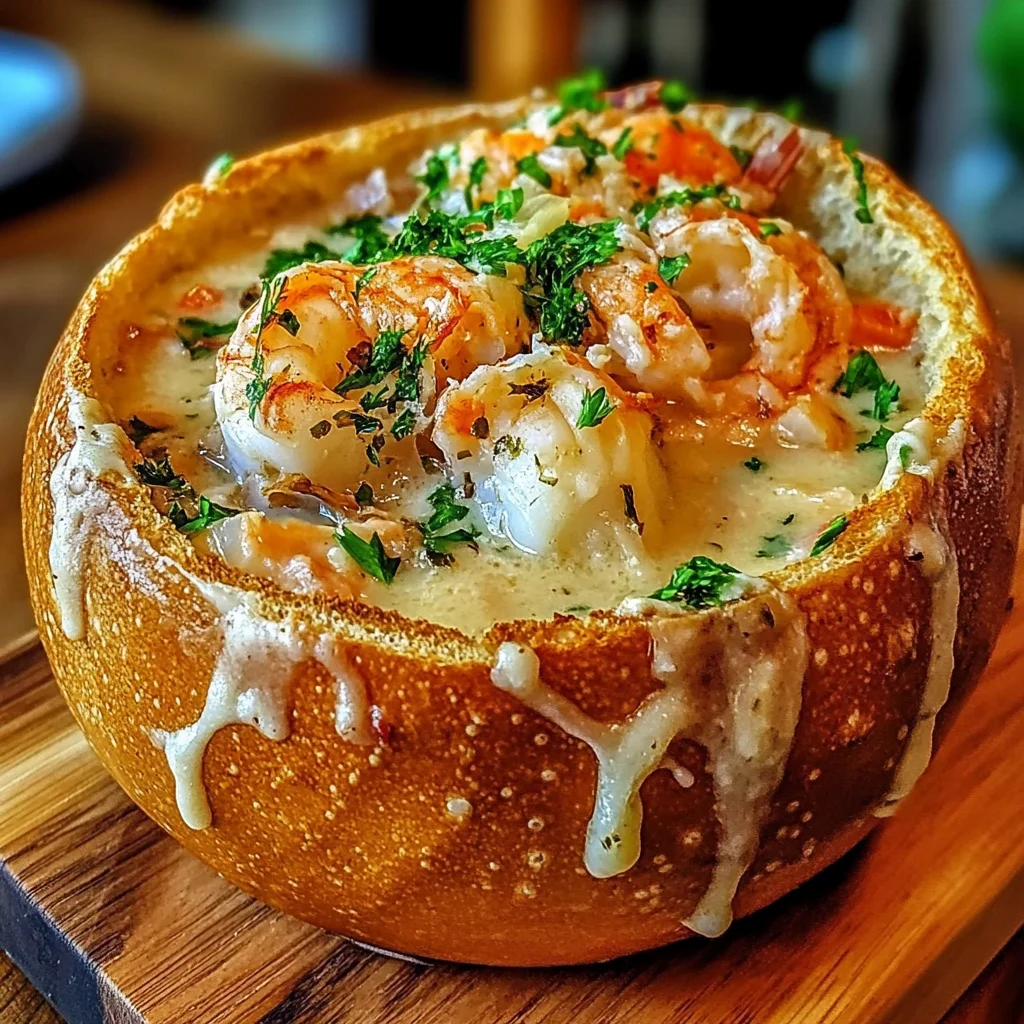
Stuffed Seafood Soup Bread Bowl: The Ultimate Comfort Food Experience
Nothing says comfort food quite like a warm, creamy stuffed seafood soup bread bowl on a chilly evening. This remarkable dish combines the best of both worlds: a hearty, ocean-fresh seafood soup nestled inside a perfectly crafted edible bread bowl. Furthermore, this stuffed seafood soup bread bowl recipe transforms ordinary ingredients into an extraordinary dining experience that will impress family and guests alike.
The beauty of a stuffed seafood soup bread bowl lies in its versatility and visual appeal. Additionally, it offers a complete meal solution where every component serves a purpose. The bread bowl acts as both vessel and side dish, while the seafood soup provides protein, vegetables, and satisfying flavors in every spoonful.
What Is a Stuffed Seafood Soup Bread Bowl?
A stuffed seafood soup bread bowl represents the perfect marriage of artisanal bread-making and seafood cookery. Essentially, it consists of a hollowed-out round bread loaf filled with rich, creamy seafood soup. The bread bowl serves as an edible container that gradually absorbs the soup’s flavors.
Key Components
The dish typically features three main elements working in harmony:
-
Fresh bread bowl: Usually made from sourdough, French bread, or Italian bread
-
Creamy seafood base: Often includes shrimp, crab, scallops, or mixed seafood
-
Flavorful vegetables: Commonly celery, onions, carrots, and potatoes
Moreover, the stuffed seafood soup bread bowl offers practical advantages. The bread absorbs excess moisture while providing textural contrast to the smooth soup. This combination creates a more satisfying eating experience than traditional soup service.
Regional Variations
Different coastal regions have developed their own interpretations of seafood soup bread bowls. For instance, New England versions often feature clam-based preparations. Meanwhile, Gulf Coast variations typically emphasize shrimp and crab combinations.
Similarly, West Coast preparations frequently incorporate salmon or dungeness crab. Each regional approach reflects local seafood availability and culinary traditions.
The History Behind Bread Bowl Soups
Bread bowls have served practical and culinary purposes throughout history. Originally, they provided an economical way to serve meals while reducing dishware needs. Medieval taverns commonly used hollowed bread loaves as disposable bowls for stews and soups.
Evolution of the Concept
During the 1960s, American restaurants began popularizing bread bowls for soup service. San Francisco’s Fisherman’s Wharf particularly embraced this serving style for clam chowder. Consequently, the concept spread to other coastal areas where seafood soups were popular.
The stuffed seafood soup bread bowl concept emerged as chefs sought to elevate traditional bread bowl presentations. Instead of simply ladling soup into bread, they began creating more elaborate preparations with multiple seafood varieties and complex flavor profiles.
Modern Popularity
Today’s stuffed seafood soup bread bowls reflect contemporary dining preferences for Instagram-worthy presentations and sustainable eating practices. The edible bowl concept aligns with zero-waste cooking principles while delivering impressive visual impact.
Furthermore, home cooks appreciate the all-in-one convenience factor. A single stuffed seafood soup bread bowl provides carbohydrates, protein, and vegetables in one cohesive dish.
Essential Ingredients for Success
Creating an exceptional stuffed seafood soup bread bowl requires careful ingredient selection. Quality components directly impact the final result, so invest in the best available options within your budget.
Bread Selection
The foundation of any successful bread bowl starts with proper bread choice:
-
Sourdough rounds: Offer tangy flavor and sturdy structure
-
French bread boules: Provide neutral taste and reliable texture
-
Italian bread: Features dense crumb and excellent absorption properties
-
Pumpernickel rounds: Add earthy flavors and visual contrast
Additionally, ensure your chosen bread has a thick crust and dense interior. Thin-crusted or overly airy breads may collapse under the soup’s weight.
Premium Seafood Options
The seafood selection defines your soup’s character and quality:
Primary Seafood:
-
Large shrimp (21-25 count per pound)
-
Fresh lump crabmeat
-
Sea scallops (U-10 size preferred)
-
Lobster meat (tail and claw portions)
Secondary Additions:
-
Bay scallops for textural variety
-
Crab claw meat for budget-friendly options
-
Cooked salmon flakes
-
Fresh white fish chunks
Moreover, purchase seafood from reputable sources and use within 24-48 hours for optimal freshness. Frozen seafood works acceptably but should be properly thawed and drained.
Vegetable Foundation
A proper mirepoix forms the flavor base for exceptional seafood soup:
-
Yellow onions (2 medium, diced)
-
Celery stalks (3-4, including leaves)
-
Carrots (2 large, diced)
-
Garlic cloves (4-6, minced)
Additional Vegetables:
-
Yukon Gold potatoes for heartiness
-
Red bell peppers for color and sweetness
-
Corn kernels for textural interest
-
Fresh herbs (thyme, parsley, chives)
Dairy and Liquid Components
Rich, creamy texture requires proper dairy selection:
-
Heavy cream (at least 35% fat content)
-
Whole milk for lighter consistency
-
Butter (unsalted European-style preferred)
-
Cream cheese for thickness and tang
Stock Options:
-
Homemade seafood stock (preferred)
-
High-quality commercial fish stock
-
Vegetable broth as alternative
-
Clam juice for oceanic depth
Seasonings and Aromatics
Proper seasoning elevates the entire dish:
-
Old Bay seasoning
-
Paprika (sweet and smoked varieties)
-
White pepper (preferred over black)
-
Sea salt or kosher salt
-
Fresh bay leaves
-
Dried thyme
-
Cayenne pepper (optional heat)
Step-by-Step Recipe Guide
This comprehensive recipe creates four generous stuffed seafood soup bread bowls. Plan approximately 2.5 hours for complete preparation, including bread preparation time.
Ingredients List
For the Bread Bowls:
-
4 round sourdough loaves (6-8 inch diameter)
-
2 tablespoons melted butter
-
1 teaspoon garlic powder
-
Fresh parsley for garnish
For the Seafood Soup:
-
1 pound large shrimp, peeled and deveined
-
8 ounces lump crabmeat, picked clean
-
8 ounces sea scallops, side muscle removed
-
4 ounces lobster meat (optional)
-
2 medium yellow onions, diced
-
3 celery stalks, diced
-
2 large carrots, diced
-
4 garlic cloves, minced
-
2 medium potatoes, cubed
-
4 tablespoons butter
-
1/4 cup all-purpose flour
-
4 cups seafood or fish stock
-
1 cup heavy cream
-
1/2 cup whole milk
-
2 bay leaves
-
1 teaspoon Old Bay seasoning
-
1/2 teaspoon paprika
-
Salt and white pepper to taste
-
Fresh herbs for garnish
Preparation Steps
Step 1: Prepare the Bread Bowls
Begin by preheating your oven to 350°F (175°C). Using a sharp serrated knife, cut a circle approximately 1 inch from the edge of each bread loaf’s top. The circle should go about halfway through the bread depth.
Carefully hollow out the interior, leaving about 1/2 inch of bread on the sides and bottom. Save the removed bread pieces for dipping or future use. Brush the interior with melted butter mixed with garlic powder.
Place the hollowed bread bowls on a baking sheet. Bake for 10-12 minutes until the interior is lightly golden and crispy. This step prevents the bread from becoming soggy when filled with soup.
Step 2: Prepare the Seafood
Pat all seafood completely dry with paper towels. Cut larger shrimp in half lengthwise if desired. Remove any remaining shell fragments from crabmeat. Cut scallops into bite-sized pieces if they’re particularly large.
Season all seafood lightly with salt, pepper, and a pinch of Old Bay seasoning. Set aside at room temperature while preparing the soup base.
Step 3: Create the Soup Base
In a large, heavy-bottomed pot or Dutch oven, melt butter over medium heat. Add diced onions, celery, and carrots. Cook for 5-7 minutes until vegetables begin to soften and onions become translucent.
Add minced garlic and cook for another minute until fragrant. Sprinkle flour over the vegetables and stir constantly for 2-3 minutes to cook out the raw flour taste.
Step 4: Build the Soup
Gradually add the seafood stock while whisking continuously to prevent lumps. Add bay leaves, Old Bay seasoning, and paprika. Bring the mixture to a gentle simmer.
Add cubed potatoes and cook for 12-15 minutes until they’re fork-tender but still hold their shape. The potatoes will help thicken the soup naturally while providing substance.
Step 5: Add Dairy Components
Reduce heat to low and slowly add heavy cream while stirring. Follow with whole milk to achieve your desired consistency. The soup should coat the back of a spoon but remain pourable.
Season with salt and white pepper to taste. Remember that seafood and Old Bay seasoning already contribute saltiness, so taste before adding additional salt.
Step 6: Incorporate Seafood
Add scallops first since they require the longest cooking time among the quick-cooking seafood. Cook for 2-3 minutes until they begin to turn opaque.
Next, add shrimp and cook for 2-3 minutes until they turn pink and curl slightly. Finally, gently fold in crabmeat and lobster meat (if using) just to heat through, about 1-2 minutes.
Step 7: Final Assembly
Remove bay leaves from the soup. Taste and adjust seasoning as needed. The soup should be rich, creamy, and well-balanced with oceanic flavors prominent but not overwhelming.
Ladle the hot stuffed seafood soup into the prepared bread bowls, filling them generously but not overflowing. Garnish with fresh herbs like parsley or chives.
Pro Tips for Perfect Results
Achieving restaurant-quality stuffed seafood soup bread bowls requires attention to detail and proper technique. These professional tips ensure consistent success every time you prepare this dish.
Bread Bowl Mastery
Select bread with a thick, sturdy crust that won’t collapse under the soup’s weight. Day-old bread actually works better than fresh because it’s slightly drier and more structurally sound.
When hollowing bread bowls, work slowly and carefully. Use a sharp serrated knife for clean cuts and your hands to gently tear out interior bread pieces. Maintain consistent wall thickness throughout.
Pre-baking the bread bowls is crucial for preventing soggy bottoms. The light toasting creates a barrier that slows moisture absorption while adding textural contrast.
Seafood Handling Excellence
Purchase seafood from trusted sources and use within 24-48 hours for optimal freshness. Fresh seafood should smell like the ocean, not “fishy.”
Different seafood varieties have varying cooking times. Add firmer items like scallops first, followed by shrimp, and finally delicate items like crabmeat that only need heating.
Avoid overcooking seafood, which results in tough, rubbery textures. Seafood continues cooking slightly even after removing from heat, so err on the side of undercooking.
Soup Consistency Control
The roux (butter and flour mixture) should cook for several minutes to eliminate raw flour taste. A properly cooked roux provides smooth thickening without grittiness.
Add liquids gradually while whisking continuously to prevent lumps. If lumps do form, use an immersion blender briefly to smooth the mixture.
Control soup thickness by adjusting the cream-to-milk ratio. More cream creates richness but can become too heavy. More milk lightens the texture but may require additional thickening.
Flavor Development Strategies
Build flavor layers gradually. Start with properly sautéed aromatics, develop the roux properly, and season at multiple stages throughout cooking.
Taste frequently during preparation and adjust seasonings accordingly. Different seafood batches and stock brands vary in saltiness.
Fresh herbs added at the end provide bright flavor notes that complement rich, creamy soups. Dried herbs work better when added earlier in the cooking process.
Seafood Selection and Preparation
The quality and variety of seafood directly determine your stuffed seafood soup bread bowl’s success. Understanding proper selection and preparation techniques ensures optimal results every time.
Shrimp Selection and Prep
Choose large shrimp (21-25 count per pound) for the best texture and presentation. Smaller shrimp tend to disappear in the soup, while jumbo shrimp can overwhelm other flavors.
Preparation Steps:
-
Remove shells completely, including tail portions
-
Devein by making a shallow cut along the back
-
Rinse under cold water and pat completely dry
-
Cut in half lengthwise for easier eating (optional)
Fresh shrimp should have a mild ocean smell and firm texture. Avoid shrimp with ammonia odors or slimy surfaces, which indicate spoilage.
Crab Selection and Handling
Lump crabmeat provides the best texture and presentation for stuffed seafood soup bread bowls. Claw meat offers good flavor at a lower price point but requires more careful picking.
Quality Indicators:
-
Sweet, oceanic aroma
-
Firm, chunky texture
-
Minimal shell fragments
-
Clear liquid (not cloudy)
Always pick through crabmeat carefully to remove shell fragments. Even high-quality products may contain small pieces that could ruin the dining experience.
Scallop Preparation
Sea scallops work better than bay scallops for this application due to their size and meaty texture. Look for “dry” scallops without added preservatives for better flavor and browning.
Preparation Process:
-
Remove the side muscle (the small rectangular tab)
-
Rinse briefly and pat completely dry
-
Cut large scallops into bite-sized pieces
-
Season lightly just before cooking
Properly prepared scallops should be creamy white or slightly pink. Avoid scallops that appear stark white, which often indicates chemical treatment.
Lobster Incorporation
Lobster meat adds luxury and special occasion appeal to stuffed seafood soup bread bowls. Use a combination of tail and claw meat for varied textures.
Pre-cooked frozen lobster meat works well for soup applications and costs less than fresh whole lobsters. Thaw completely and drain excess moisture before adding to soup.
Bread Bowl Making Techniques
Creating perfect bread bowls requires understanding both bread selection and proper hollowing techniques. The bread bowl serves as both vessel and integral part of the meal experience.
Choosing the Right Bread
Sourdough rounds offer ideal characteristics for stuffed seafood soup bread bowls. The tangy flavor complements seafood while the sturdy structure withstands hot liquids.
Optimal Characteristics:
-
Dense, chewy crumb structure
-
Thick, crispy crust
-
6-8 inch diameter
-
Day-old bread preferred
French bread boules and Italian bread rounds also work well. Avoid soft sandwich breads or overly airy artisanal loaves that may collapse.
Hollowing Technique
Start with a sharp serrated knife to score the top circle. Cut approximately 1 inch from the edge and halfway through the bread depth. This creates your lid, which can be served alongside or discarded.
Use your hands to gently remove interior bread pieces. Work slowly to maintain consistent wall thickness of about 1/2 to 3/4 inch throughout.
The bottom should remain thick enough to prevent leaking while thin enough to eat comfortably. Test by pressing gently – it should feel firm but yield slightly to pressure.
Pre-Baking Process
Brush the interior with melted butter mixed with garlic powder or herbs. This creates a moisture barrier while adding flavor.
Bake at 350°F for 10-12 minutes until the interior becomes lightly golden and crispy. This step is essential for preventing soggy bread bowls.
Allow bread bowls to cool slightly before filling. They should be warm but not hot enough to cause immediate breakdown when soup is added.
Serving Presentation
Present stuffed seafood soup bread bowls on large plates or shallow bowls to catch any overflow. Provide sturdy spoons and small knives for eating the bread portions.
Consider serving the hollowed-out bread pieces as dippers alongside the main dish. Many diners enjoy using these pieces to soak up remaining soup.
Serving and Presentation Ideas
The visual presentation of stuffed seafood soup bread bowls significantly impacts the dining experience. Thoughtful plating and garnishing transform this comfort food into restaurant-quality fare.
Plating Fundamentals
Use wide, shallow bowls or large dinner plates to accommodate the bread bowl size. The serving vessel should catch any soup overflow while providing stable support.
Center the bread bowl on the plate and surround with complementary elements like fresh herbs, lemon wedges, or artisanal crackers.
Consider the color contrast between the golden bread, creamy soup, and colorful garnishes. Visual appeal significantly enhances perceived flavor quality.
Garnish Options
Fresh herbs provide both visual appeal and aromatic enhancement. Chopped parsley, chives, or dill work particularly well with seafood flavors.
Creative Garnish Ideas:
-
Paprika dusting for color contrast
-
Microgreens for elegant presentation
-
Lemon zest for citrus aromatics
-
Edible flowers for special occasions
A light drizzle of high-quality olive oil or herb oil can add glossy visual appeal while contributing subtle flavor notes.
Accompaniment Suggestions
Serve hollowed bread pieces alongside the main dish as natural dippers. Lightly toast these pieces if desired for additional crunch.
Simple green salads provide refreshing contrast to the rich, creamy soup. Choose light vinaigrettes that won’t compete with the seafood flavors.
Crusty bread slices or artisanal crackers offer additional textural variety for guests who want more bread components.
Special Occasion Adaptations
For formal dinners, consider individual presentation on charger plates with coordinated napkins and silverware. This elevates the comfort food concept to fine dining status.
Holiday presentations might include seasonal garnishes like fresh cranberries for Christmas or edible flowers for spring celebrations.
Check out our guide on [seasonal soup presentations] for more holiday-specific serving ideas that complement stuffed seafood soup bread bowls.
Nutritional Benefits
Stuffed seafood soup bread bowls provide substantial nutritional value along with satisfying comfort food appeal. Understanding the nutritional profile helps diners appreciate both pleasure and health benefits.
Protein Content
Seafood provides high-quality complete proteins containing all essential amino acids. A typical serving delivers 25-30 grams of protein, supporting muscle maintenance and satiety.
Different seafood varieties contribute varying protein levels:
-
Shrimp: 24 grams per 4-ounce serving
-
Crabmeat: 20 grams per 4-ounce serving
-
Scallops: 26 grams per 4-ounce serving
-
Lobster: 28 grams per 4-ounce serving
This protein content makes stuffed seafood soup bread bowls particularly satisfying and helps stabilize blood sugar levels throughout the meal.
Essential Nutrients
Seafood provides numerous vitamins and minerals often lacking in typical diets. These nutrients support various bodily functions and overall health maintenance.
Key Nutrients Include:
-
Omega-3 fatty acids for heart and brain health
-
Vitamin B12 for nerve function and energy metabolism
-
Selenium for antioxidant protection
-
Iodine for thyroid function
-
Zinc for immune system support
The vegetable components contribute additional vitamins, minerals, and fiber that complement the seafood’s nutritional profile.
Caloric Considerations
A typical stuffed seafood soup bread bowl contains approximately 450-600 calories depending on portion size and preparation methods. This represents a substantial but reasonable meal for most adults.
The bread component contributes complex carbohydrates for sustained energy release. Choosing whole grain bread options can increase fiber content and nutritional density.
Dairy components add calcium for bone health but also increase caloric density. Using lighter dairy options can reduce calories while maintaining creamy texture.
Dietary Accommodations
The basic recipe can be modified to accommodate various dietary preferences and restrictions while maintaining core appeal.
For lower-fat versions, substitute half-and-half for heavy cream and use less butter in the roux preparation. These modifications reduce calories while preserving creaminess.
Gluten-free adaptations can use alternative thickeners like cornstarch instead of wheat flour. Serve in gluten-free bread bowls or over rice for celiac-friendly options.
Storage and Reheating Guidelines
Proper storage techniques preserve the quality and safety of leftover stuffed seafood soup while maintaining optimal texture and flavor during reheating.
Initial Cooling Process
Allow soup to cool to room temperature before refrigeration, but don’t leave at room temperature longer than 2 hours for food safety reasons.
Transfer soup from bread bowls into airtight containers for storage. The bread bowls themselves don’t store well and should be consumed immediately or discarded.
Divide large quantities into smaller containers for faster cooling and more convenient reheating portions.
Refrigeration Guidelines
Store properly cooled seafood soup in the refrigerator for up to 3 days maximum. Seafood-based soups have shorter storage life than meat or vegetable soups.
Use airtight, food-grade containers to prevent absorption of other refrigerator odors and maintain soup quality.
Label containers with contents and date to track storage time and ensure food safety compliance.
Freezing Considerations
Cream-based seafood soups generally don’t freeze well due to dairy separation and seafood texture changes. However, short-term freezing (up to 1 month) is possible with proper technique.
If freezing is necessary, slightly undercook the seafood initially since it will continue cooking during reheating. Use freezer-safe containers with minimal air space.
Thaw frozen soup completely in the refrigerator before reheating. Never thaw at room temperature due to food safety concerns.
Reheating Methods
Stovetop Method (Preferred):
Heat soup gently over low-medium heat while stirring frequently. Avoid boiling, which can cause dairy separation and toughen seafood.
Add small amounts of milk or cream if the soup appears too thick after storage. Stir in gradually while heating.
Microwave Method:
Use 50% power setting and heat in 30-second intervals, stirring between each interval. This prevents overheating and promotes even warming.
Cover the container with a microwave-safe cover, leaving one corner slightly open for steam escape.
Quality Assessment
Before consuming stored soup, check for off odors, unusual textures, or any signs of spoilage. Seafood soups should maintain their pleasant oceanic aroma.
If the soup appears separated or grainy after reheating, use an immersion blender briefly to restore smooth texture.
Taste a small amount before serving to ensure quality and seasoning levels remain appropriate.
Popular Variations to Try
The basic stuffed seafood soup bread bowl concept adapts beautifully to regional preferences, seasonal ingredients, and dietary requirements. These variations maintain the core appeal while offering exciting new flavor profiles.
Regional Adaptations
New England Style: Incorporate clam juice and diced clams for authentic coastal flavors. Add corn kernels and use less cream for a brothier consistency reminiscent of clam chowder traditions.
Gulf Coast Version: Emphasize shrimp and crab with Cajun seasonings like cayenne, paprika, and garlic powder. Include diced tomatoes and okra for regional authenticity.
Pacific Northwest Style: Feature salmon, dungeness crab, and fresh herbs like dill. Add white beans for heartiness and use vegetable stock for a lighter base.
Mediterranean Influence: Include white fish, mussels, and aromatic herbs like oregano and basil. Add diced tomatoes and finish with lemon juice for brightness.
Seasonal Modifications
Summer Version: Incorporate fresh corn, zucchini, and cherry tomatoes. Use lighter dairy ratios and add fresh herb garnishes like basil or parsley.
Fall Adaptation: Include roasted butternut squash cubes and warming spices like nutmeg. Add wild mushrooms for earthy depth and richness.
Winter Comfort: Emphasize root vegetables like parsnips and turnips. Use richer dairy ratios and include warming herbs like thyme and sage.
Spring Celebration: Feature asparagus tips, peas, and fresh leeks. Lighten the base slightly and finish with fresh chive garnishes.
Dietary Modifications
Lighter Version: Substitute half-and-half for heavy cream and use cornstarch slurry for thickening instead of butter-flour roux. Include more vegetables for bulk without additional calories.
Dairy-Free Adaptation: Use coconut cream or cashew cream for richness. Vegetable broth replaces dairy components while maintaining satisfying texture.
Lower Sodium Option: Reduce or eliminate added salt and Old Bay seasoning. Rely on fresh herbs, lemon juice, and natural seafood flavors for taste enhancement.
Protein Boost: Add white beans or chickpeas for additional plant-based protein. This creates a more filling dish while reducing overall cost.
Creative Flavor Profiles
Thai-Inspired: Include coconut milk, lemongrass, and mild curry spices. Add shrimp, scallops, and fresh cilantro for authentic Southeast Asian flavors.
Italian Style: Feature a tomato-cream base with fresh basil and oregano. Include mixed seafood and finish with Parmesan cheese (if dairy is acceptable).
Mexican Fusion: Add roasted poblano peppers, corn, and cumin. Include lime juice and fresh cilantro for bright, zesty flavors.
Indian Influence: Incorporate mild curry powder, ginger, and turmeric. Add coconut milk and finish with fresh cilantro for aromatic complexity.
Frequently Asked Questions
Q: Can I make stuffed seafood soup bread bowls ahead of time?
A: You can prepare the bread bowls up to one day ahead and store them wrapped at room temperature. The soup base can be made 2-3 hours ahead but add seafood just before serving to prevent overcooking. Assemble the complete dish immediately before serving for best results.
Q: What’s the best way to prevent bread bowls from getting soggy?
A: Pre-baking the hollowed bread bowls creates a moisture barrier that significantly delays soggy development. Additionally, serve the soup immediately after filling and encourage diners to eat promptly. Using day-old bread with a thick crust also helps maintain structure longer.
Q: Can I substitute frozen seafood for fresh in this recipe?
A: Yes, properly thawed frozen seafood works well for stuffed seafood soup bread bowls. Thaw completely in the refrigerator, drain excess moisture thoroughly, and pat dry before cooking. Frozen seafood may release more liquid during cooking, so adjust consistency accordingly.
Q: How do I know when the seafood is properly cooked?
A: Shrimp turn pink and curl slightly when done (2-3 minutes). Scallops become opaque throughout (3-4 minutes). Crabmeat and lobster only need heating through (1-2 minutes) since they’re often pre-cooked. Avoid overcooking, which creates tough, rubbery textures.
Q: What bread alternatives work for dietary restrictions?
A: Gluten-free bread bowls work but may be more fragile. Alternatively, serve the soup over rice, quinoa, or gluten-free pasta. For low-carb options, use large portobello mushroom caps or serve in regular bowls with the stuffed seafood soup bread bowl flavors intact.
Q: How can I make the soup less rich without sacrificing flavor?
A: Replace some heavy cream with whole milk or half-and-half. Use less butter in the roux and add extra vegetables for bulk. Seafood stock provides rich flavor without dairy fat. Fresh herbs and lemon juice add brightness that balances richness effectively.
Conclusion
The stuffed seafood soup bread bowl represents the perfect fusion of comfort food tradition and coastal cuisine excellence. This remarkable dish transforms simple ingredients into an impressive meal that satisfies both visual and culinary expectations. Furthermore, the combination of fresh seafood, creamy soup base, and edible bread vessel creates a complete dining experience that appeals to all ages.
Throughout this comprehensive guide, we’ve explored every aspect of creating exceptional stuffed seafood soup bread bowls. From selecting premium ingredients to mastering presentation techniques, each element contributes to the final result. Moreover, the versatility of this dish allows for endless customization based on regional preferences, seasonal availability, and dietary requirements.
The key to success lies in attention to detail and quality ingredients. Fresh seafood, properly prepared bread bowls, and careful seasoning create the foundation for memorable meals. Additionally, understanding proper cooking techniques ensures consistent results every time you prepare this impressive dish.
Whether you’re planning a casual family dinner or special occasion meal, stuffed seafood soup bread bowls deliver both comfort and elegance. The practical benefits of serving soup in an edible bowl combine beautifully with the luxurious appeal of mixed seafood preparations.
Remember that practice improves technique, so don’t hesitate to experiment with different seafood combinations and flavor profiles. Each variation offers new opportunities to perfect your stuffed seafood soup bread bowl mastery while creating personalized versions that reflect your tastes and preferences.
Ready to create your own stuffed seafood soup bread bowl masterpiece? Start by gathering fresh, high-quality seafood and selecting the perfect bread bowls. Your family and guests will be amazed by this show-stopping dish that combines restaurant-quality flavors with homestyle comfort food appeal.
Stuffed Seafood Soup Bread Bowl
Description
Stuffed Seafood Soup Bread Bowl
Ingredients
Bread Bowls:
-
4 large sourdough or rustic bread loaves
-
2 tablespoons olive oil for brushing
Soup Base:
-
2 tablespoons butter
-
1 small onion, finely diced
-
2 carrots, peeled and diced
-
2 ribs celery, diced
-
1 potato, peeled and diced
-
2 cloves garlic, minced
-
2 tablespoons all-purpose flour
-
1 teaspoon Old Bay seasoning
Seafood:
-
½ lb medium shrimp, peeled and deveined
-
½ lb bay scallops
-
¼ lb fresh salmon, cubed
-
7 oz can crab meat, liquid reserved
-
7 oz can chopped clams, liquid reserved
-
1 lb fresh mussels, cleaned
Liquids & Seasonings:
-
28 oz can fire-roasted diced tomatoes
-
2 cups water
-
¾ cup chicken or seafood stock
-
½ cup heavy cream
-
¼ cup fresh parsley, chopped
-
Salt and pepper to taste
Garnish:
-
½ cup shredded provolone cheese
Instructions
Prepare Bread Bowls:
-
Preheat oven to 375°F
-
Cut the tops off each bread loaf and scoop out the soft interior, leaving at least ½ inch of bread around the bottom and sides
-
Brush inside and outside with olive oil
-
Bake for 5-7 minutes until edges are lightly browned, then set aside
Cook Mussels:
5. In a large pan, cook mussels with garlic until they open
6. Remove mussels from shells and strain cooking liquid through cheesecloth, reserving the liquid
Make Soup Base:
7. Melt butter in a large soup pot over medium heat
8. Add onion and cook until soft, about 5 minutes
9. Add carrots, celery, potato, and garlic, cooking for 5 minutes
10. Stir in flour and Old Bay seasoning, cooking for 1 minute
Build the Chowder:
11. Add tomatoes, water, and reserved liquid from crab, clams, and mussels
12. Add chicken stock and bring to a boil, then reduce heat and simmer 15 minutes until vegetables are tender
13. Add salmon, shrimp, and scallops, simmering for 5 minutes
14. Stir in crab meat, clams, and cooked mussels, heating for 3-4 minutes
15. Add heavy cream and fresh parsley
Final Assembly:
16. Ladle hot seafood chowder into prepared bread bowls
17. Top each with shredded provolone cheese
18. Place filled bread bowls on baking sheet and bake 5-7 minutes until cheese melts and browns
19. Serve immediately while hot