
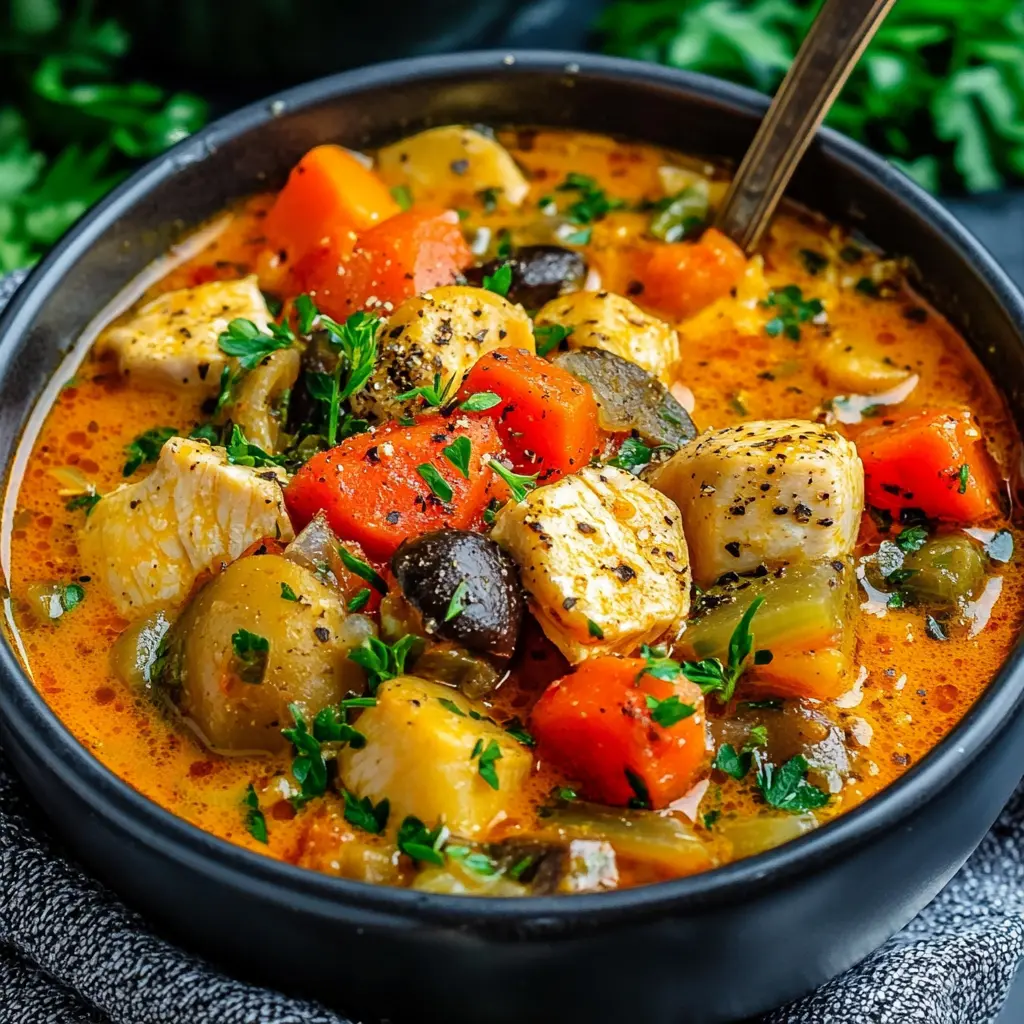
The Ultimate Guide to Hearty Chicken and Vegetable Stew: A Comforting One-Pot Wonder
Nothing compares to the warmth and satisfaction of a perfectly crafted hearty chicken and vegetable stew. This beloved comfort food brings families together around the dinner table with its rich, savory flavors and nourishing ingredients. Furthermore, this hearty chicken and vegetable stew recipe delivers both convenience and nutrition in one delicious pot.
Whether you’re seeking a cozy meal for a chilly evening or planning ahead for busy weeknights, this comprehensive guide will transform your cooking experience. Additionally, you’ll discover professional tips, ingredient variations, and storage solutions that make this dish both practical and irresistible.
What Makes a Perfect Hearty Chicken and Vegetable Stew
The Foundation of Flavor
A truly exceptional hearty chicken and vegetable stew begins with understanding the essential elements that create depth and richness. First, the quality of your chicken determines the overall protein content and taste profile. Subsequently, fresh vegetables provide texture, color, and vital nutrients that make this dish both satisfying and wholesome.
The secret lies in building layers of flavor through proper browning techniques and strategic seasoning. Moreover, the cooking method allows all ingredients to meld together harmoniously, creating a cohesive and delicious meal.
Texture and Consistency Goals
Achieving the perfect consistency requires balancing liquid ratios with thickening agents. Meanwhile, vegetables should maintain slight firmness while chicken becomes tender enough to shred easily with a fork. This balance ensures every spoonful delivers satisfying texture variation.
Professional chefs recommend cooking times that allow flavors to develop fully without compromising ingredient integrity. Therefore, patience during the cooking process rewards you with restaurant-quality results at home.
Seasoning Philosophy
The art of seasoning a chicken vegetable stew involves understanding how herbs and spices complement each other. First, build your base with fundamental seasonings like salt, pepper, and garlic. Then, add aromatic herbs such as thyme, rosemary, and bay leaves for complexity.
Finally, taste and adjust seasoning throughout the cooking process. This approach ensures your stew develops rich, well-balanced flavors that satisfy every palate.
Essential Ingredients for Maximum Flavor
Premium Chicken Selection
Choosing the right chicken cuts significantly impacts your stew’s final quality. Boneless, skinless chicken thighs provide superior flavor and tenderness compared to breast meat. Additionally, thighs remain moist during extended cooking times, preventing the dry texture common with other cuts.
For budget-conscious cooks, whole chickens offer excellent value when broken down properly. Furthermore, using bone-in pieces adds extra richness to your broth base.
Fresh Vegetable Medley
The vegetable selection transforms your basic stew into a nutrient-dense powerhouse meal. Classic choices include:
-
Carrots: Sweet flavor and vibrant color
-
Celery: Aromatic base and satisfying crunch
-
Onions: Essential foundation for savory depth
-
Potatoes: Hearty substance and natural thickening
-
Green beans: Fresh color and crisp texture
-
Corn kernels: Natural sweetness and visual appeal
Each vegetable contributes unique flavors while maintaining nutritional value throughout the cooking process.
Aromatic Herb Combinations
Fresh herbs elevate your chicken and vegetable stew from ordinary to extraordinary. Primary herbs include:
-
Fresh thyme: Earthy, subtle flavor
-
Rosemary sprigs: Pine-like aroma and robust taste
-
Bay leaves: Complex, slightly floral notes
-
Fresh parsley: Bright, clean finish
-
Oregano: Mediterranean warmth and depth
Dried herbs work effectively when fresh options aren’t available. However, reduce quantities by half since dried herbs concentrate flavors more intensely.
Quality Broth Foundation
Your broth choice dramatically influences the overall taste profile of your hearty chicken and vegetable stew. Homemade chicken stock provides the richest flavor foundation. Nevertheless, high-quality store-bought options save time while delivering excellent results.
Look for low-sodium varieties to control salt levels throughout cooking. Additionally, organic broths often contain fewer additives and preservatives, resulting in cleaner taste profiles.
Step-by-Step Cooking Instructions
Preparation Phase
Before beginning the cooking process, proper preparation ensures smooth execution and optimal results. First, gather all ingredients and measure seasonings accurately. Subsequently, prep vegetables by washing, peeling, and cutting them into uniform pieces.
Ingredient List:
-
2 pounds boneless, skinless chicken thighs, cut into 1-inch pieces
-
2 tablespoons olive oil
-
1 large onion, diced
-
3 carrots, sliced into rounds
-
3 celery stalks, chopped
-
3 medium potatoes, cubed
-
1 cup green beans, trimmed and cut
-
1 cup corn kernels
-
6 cups low-sodium chicken broth
-
2 bay leaves
-
1 teaspoon dried thyme
-
1 teaspoon dried rosemary
-
Salt and pepper to taste
-
2 tablespoons flour (optional for thickening)
Cooking Process
Step 1: Sear the Chicken
Heat olive oil in a large, heavy-bottomed pot over medium-high heat. Season chicken pieces with salt and pepper, then brown them on all sides. This process takes approximately 6-8 minutes and creates foundational flavors through the Maillard reaction.
Step 2: Build the Aromatic Base
Remove chicken and set aside. In the same pot, add diced onions and cook until translucent, about 3-4 minutes. Then, add carrots and celery, cooking for an additional 3 minutes until vegetables begin to soften.
Step 3: Combine and Simmer
Return chicken to the pot and add remaining vegetables. Pour in chicken broth and add herbs and seasonings. Bring the mixture to a boil, then reduce heat to low and simmer covered for 25-30 minutes.
Step 4: Final Adjustments
Taste and adjust seasonings as needed. If you prefer a thicker consistency, mix flour with a small amount of cold water to create a slurry, then stir into the stew during the last 5 minutes of cooking.
Timing and Temperature Guidelines
Proper timing ensures all ingredients reach their optimal texture simultaneously. Chicken should reach an internal temperature of 165°F for food safety. Meanwhile, vegetables should be fork-tender but not mushy.
Monitor cooking temperatures carefully to prevent scorching. Additionally, stir occasionally to ensure even heat distribution throughout the pot.
Professional Tips for Success
Advanced Techniques
Professional chefs employ specific techniques that elevate home-cooked chicken vegetable stew to restaurant quality. First, deglazing the pot after browning chicken captures flavorful fond that would otherwise be lost. Use a small amount of broth to scrape up these caramelized bits.
Second, layering flavors throughout the cooking process creates complexity. Therefore, add delicate herbs during the final minutes to preserve their bright flavors.
Equipment Recommendations
Using the right equipment significantly impacts your cooking success. Heavy-bottomed pots distribute heat evenly, preventing hot spots that can burn ingredients. Additionally, wooden spoons won’t scratch your cookware while stirring.
Consider investing in a quality Dutch oven for optimal heat retention and even cooking. Furthermore, sharp knives make vegetable preparation safer and more efficient.
Make-Ahead Strategies
Planning ahead transforms weeknight dinner preparation from stressful to seamless. Chop vegetables the night before and store them in the refrigerator. Similarly, season chicken pieces in advance to allow flavors to penetrate the meat.
You can also brown chicken and vegetables earlier in the day, then complete the stew when ready to serve. This approach saves time during busy periods while maintaining food safety standards.
Nutritional Benefits and Health Advantages
Complete Protein Source
Chicken provides all essential amino acids your body needs for muscle maintenance and growth. Furthermore, lean protein helps maintain stable blood sugar levels throughout the day. A single serving of this hearty chicken and vegetable stew delivers approximately 25-30 grams of high-quality protein.
Additionally, protein increases satiety, helping you feel satisfied longer after meals. This benefit supports healthy weight management goals naturally.
Vitamin and Mineral Powerhouse
The diverse vegetable content transforms your stew into a nutrient-dense meal. Carrots provide beta-carotene for eye health, while celery offers potassium for heart function. Meanwhile, potatoes contribute vitamin C and B vitamins essential for energy metabolism.
Green vegetables add folate, iron, and fiber to support digestive health. Therefore, each bowl delivers multiple servings of vegetables in an enjoyable, family-friendly format.
Low-Calorie Comfort Food
Unlike many comfort foods, chicken and vegetable stew remains relatively low in calories while providing substantial satisfaction. A typical serving contains approximately 250-300 calories, making it suitable for various dietary goals.
The high water content and fiber from vegetables help you feel full without excessive calories. Consequently, you can enjoy generous portions without compromising nutritional objectives.
Heart-Healthy Benefits
This stew supports cardiovascular health through multiple mechanisms. First, lean chicken provides protein without excessive saturated fat. Second, vegetables contribute fiber that helps manage cholesterol levels naturally.
Furthermore, the low sodium content (when using low-sodium broth) supports healthy blood pressure levels. Therefore, this dish aligns with heart-healthy eating patterns recommended by nutrition professionals.
Creative Variations and Customizations
International Flavor Profiles
Transform your basic chicken vegetable stew into globally-inspired creations with simple seasoning adjustments. For Mediterranean flair, add oregano, basil, and diced tomatoes. Alternatively, create an Asian-inspired version with ginger, garlic, and soy sauce.
Mexican variations benefit from cumin, chili powder, and corn. Meanwhile, Indian-inspired versions incorporate curry powder, turmeric, and coconut milk for exotic flavors.
Seasonal Adaptations
Adjust vegetable selections based on seasonal availability and preferences. Spring versions feature asparagus, peas, and fresh herbs. Summer adaptations include zucchini, bell peppers, and fresh tomatoes.
Fall and winter variations benefit from root vegetables like parsnips, turnips, and butternut squash. These seasonal adjustments keep your menu interesting throughout the year.
Dietary Modifications
Accommodate various dietary needs without sacrificing flavor or satisfaction. For gluten-free versions, use cornstarch instead of flour for thickening. Paleo adaptations substitute sweet potatoes for regular potatoes.
Low-carb variations reduce or eliminate potatoes while increasing green vegetables. Meanwhile, dairy-free versions remain naturally compatible with this recipe.
Protein Variations
While chicken forms the traditional base, other proteins work equally well. Turkey provides similar texture and flavor profiles. Additionally, lean beef creates heartier, more robust variations.
For lighter options, white fish or seafood create elegant alternatives. However, adjust cooking times accordingly since these proteins cook faster than chicken.
Storage and Meal Prep Solutions
Refrigeration Guidelines
Properly stored chicken and vegetable stew maintains quality and safety for 3-4 days in the refrigerator. Cool completely before transferring to airtight containers. Additionally, divide large batches into smaller portions for faster cooling and easier reheating.
Label containers with preparation dates to track freshness accurately. Furthermore, store stew in the coldest part of your refrigerator, typically the back of the bottom shelf.
Freezing Techniques
Freezing extends storage life up to 3 months without significant quality loss. However, potatoes may change texture after freezing, becoming slightly grainy. Consider omitting potatoes from batches intended for freezing.
Use freezer-safe containers with tight-fitting lids to prevent freezer burn. Additionally, leave headspace for expansion during freezing to prevent container damage.
Reheating Methods
Gentle reheating preserves texture and prevents overcooking. Stovetop reheating offers the most control over temperature and consistency. Heat slowly over medium-low heat, stirring occasionally.
Microwave reheating works for individual portions. Use 50% power and stir every minute to ensure even heating. Furthermore, add a splash of broth if the stew appears too thick after storage.
Batch Cooking Strategies
Prepare large batches to maximize time efficiency and reduce daily cooking stress. Double or triple recipes to create multiple meals from one cooking session. Subsequently, portion and freeze extras for future quick dinners.
Consider preparing components separately for more flexibility. Cook and freeze chicken separately from vegetables to create customized combinations later.
Serving Suggestions and Pairings
Bread and Grain Companions
Crusty bread provides perfect texture contrast to smooth stew consistency. Additionally, dinner rolls, biscuits, or cornbread create satisfying meal combinations. For heartier options, serve over rice, quinoa, or pasta to increase portion sizes.
Whole grain options add fiber and nutrients while maintaining delicious flavor compatibility. Therefore, consider brown rice, wild rice, or whole wheat pasta for nutritional upgrades.
Fresh Garnish Ideas
Simple garnishes elevate presentation and add fresh flavor accents. Chopped fresh parsley brightens both appearance and taste. Similarly, fresh chives provide mild onion flavor without overwhelming the dish.
A dollop of Greek yogurt adds creamy richness while boosting protein content. Alternatively, a sprinkle of grated cheese creates indulgent comfort food appeal.
Side Dish Recommendations
Light, fresh sides balance the heartiness of chicken vegetable stew perfectly. Simple green salads with vinaigrette dressing provide refreshing contrast. Additionally, steamed broccoli or roasted asparagus add extra vegetables to your meal.
For special occasions, consider roasted root vegetables or honey-glazed carrots. These sides complement stew flavors while creating elegant dinner presentations.
Beverage Pairings
beverages complement this comforting meal beautifully. Fresh herb teas like chamomile or mint provide soothing accompaniments. Additionally, sparkling water with lemon creates palate-cleansing refreshment.
For children, milk or fruit juices work well. Meanwhile, adults might enjoy herbal iced teas or flavored seltzers for sophisticated pairings.
Troubleshooting Common Issues
Texture Problems
If your stew becomes too thick, gradually add warm broth until reaching desired consistency. Conversely, thin stews benefit from flour slurries or cornstarch mixtures for thickening. Additionally, longer cooking times naturally reduce liquid through evaporation.
Overcooked vegetables lose their appealing texture and nutritional value. Therefore, add delicate vegetables during the final cooking stages to maintain optimal texture.
Flavor Balancing
Under-seasoned stews lack the satisfying taste that makes comfort food appealing. Taste frequently during cooking and adjust seasonings gradually. Salt enhances other flavors, while acid from lemon juice brightens the overall taste profile.
If your stew tastes flat, consider adding umami-rich ingredients like tomato paste or mushrooms. These additions create depth without overpowering other flavors.
Cooking Time Adjustments
Different pot sizes and stovetop temperatures affect cooking times significantly. Monitor vegetable tenderness rather than relying solely on timer recommendations. Additionally, altitude and humidity levels can impact cooking speeds.
Adjust heat levels to maintain gentle simmering rather than vigorous boiling. This approach prevents ingredients from breaking down while ensuring thorough cooking.
Safety Considerations
Always verify chicken reaches safe internal temperatures before serving. Use meat thermometers for accuracy, especially when cooking large batches. Additionally, cool leftovers quickly to prevent bacterial growth.
Never leave cooked stew at room temperature for more than two hours. This practice prevents foodborne illness while maintaining food quality standards.
Frequently Asked Questions
How long does hearty chicken and vegetable stew last in the refrigerator?
Properly stored chicken and vegetable stew maintains freshness for 3-4 days in the refrigerator. Store in airtight containers and keep refrigerated at 40°F or below. Additionally, reheat thoroughly before serving leftover portions.
Can I use frozen vegetables in my stew?
Frozen vegetables work well in chicken stew recipes, though they may affect final texture slightly. Add frozen vegetables during the last 10-15 minutes of cooking to prevent overcooking. Furthermore, there’s no need to thaw frozen vegetables before adding them to the pot.
What’s the best way to thicken chicken vegetable stew?
Several effective thickening methods work well for stews. Create a flour slurry by mixing equal parts flour and cold water, then stir into simmering stew. Alternatively, mash some of the potatoes against the pot sides to naturally thicken the liquid.
How can I make my stew more flavorful?
Build flavor layers by browning chicken thoroughly before adding other ingredients. Additionally, sauté vegetables until slightly caramelized to develop deeper flavors. Season throughout cooking rather than only at the end for best results.
Is chicken and vegetable stew healthy?
Yes, this hearty chicken and vegetable stew provides excellent nutrition with lean protein, multiple vegetable servings, and essential vitamins. The dish remains relatively low in calories while delivering high satiety value. Furthermore, homemade versions allow complete control over sodium and ingredient quality.
Can I make this stew in a slow cooker?
Slow cooker adaptations work perfectly for busy schedules. Brown chicken and vegetables first for optimal flavor, then transfer to your slow cooker. Cook on low for 6-8 hours or high for 3-4 hours until chicken is tender and vegetables are cooked through.
What vegetables work best in chicken stew?
Classic vegetables include carrots, celery, onions, and potatoes for traditional flavors. However, you can customize with seasonal options like parsnips, turnips, or bell peppers. Choose vegetables with similar cooking times for best results.
How do I prevent my vegetables from getting mushy?
Add vegetables based on their cooking times, with harder vegetables going in first. Cut vegetables into uniform pieces to ensure even cooking. Additionally, avoid overcooking by checking doneness regularly during the final cooking stages.
Conclusion
This comprehensive guide to hearty chicken and vegetable stew provides everything needed to create restaurant-quality comfort food at home. From ingredient selection through storage solutions, these techniques ensure consistent, delicious results every time. Moreover, the nutritional benefits and versatility make this dish perfect for family meals and meal prep strategies.
The beauty of chicken and vegetable stew lies in its adaptability to personal preferences and dietary needs. Whether you’re cooking for picky eaters or adventurous food lovers, this foundation recipe accommodates countless variations and creative additions.
Hearty Chicken and Vegetable Stew
Description
Hearty Chicken and Vegetable Stew
Ingredients
For the Stew:
-
2 pounds boneless, skinless chicken thighs, cut into 1-inch pieces
-
2 tablespoons olive oil
-
4 slices thick-cut bacon, chopped into small pieces
-
1 large onion, chopped
-
3 cloves garlic, minced
-
3 large carrots, peeled and cut into 1/2-inch rounds
-
3 stalks celery, chopped into 1/2-inch pieces
-
1 1/2 pounds Yukon Gold potatoes, cubed
-
1 cup frozen peas
-
1 cup green beans, cut into 1-2 inch pieces
For the Base:
-
4 cups chicken broth
-
1 cup water
-
2 tablespoons tomato paste
-
1/4 cup all-purpose flour
-
1/2 cup heavy cream
-
2 teaspoons Worcestershire sauce
For Seasoning:
-
2 teaspoons dried thyme
-
1/2 teaspoon dried rosemary
-
2 bay leaves
-
1 teaspoon salt
-
1/2 teaspoon black pepper
-
1/4 teaspoon ground sage
-
Fresh parsley for garnish
Instructions
-
Cook bacon and chicken: In a large Dutch oven or heavy pot, cook chopped bacon over medium heat until crispy. Remove bacon and set aside. Add chicken pieces to the same pot and brown on all sides for about 5-7 minutes. Remove chicken and set aside.
-
Sauté vegetables: In the same pot with remaining fat, add onion, carrots, and celery. Cook for 3-5 minutes until onion is softened. Add minced garlic and cook for 1 minute until fragrant.
-
Add flour and seasonings: Sprinkle flour over vegetables and stir to coat. Cook for 2 minutes. Add thyme, rosemary, bay leaves, salt, pepper, and sage. Stir in tomato paste and cook for another minute.
-
Build the base: Gradually add chicken broth and water, stirring to prevent lumps. Add Worcestershire sauce and bring to a boil.
-
Add potatoes and simmer: Return chicken and bacon to the pot. Add cubed potatoes. Reduce heat, cover, and simmer for 25-30 minutes until chicken is tender and potatoes are cooked through.
-
Finish the stew: Add green beans and peas to the pot. Simmer uncovered for 10-15 minutes until vegetables are tender. Stir in heavy cream and cook for 2-3 minutes more.
-
Final touches: Remove bay leaves. Taste and adjust seasoning with salt and pepper. Serve hot, garnished with fresh chopped parsley.
Serves: 6-8 people
Total time: 1 hour