
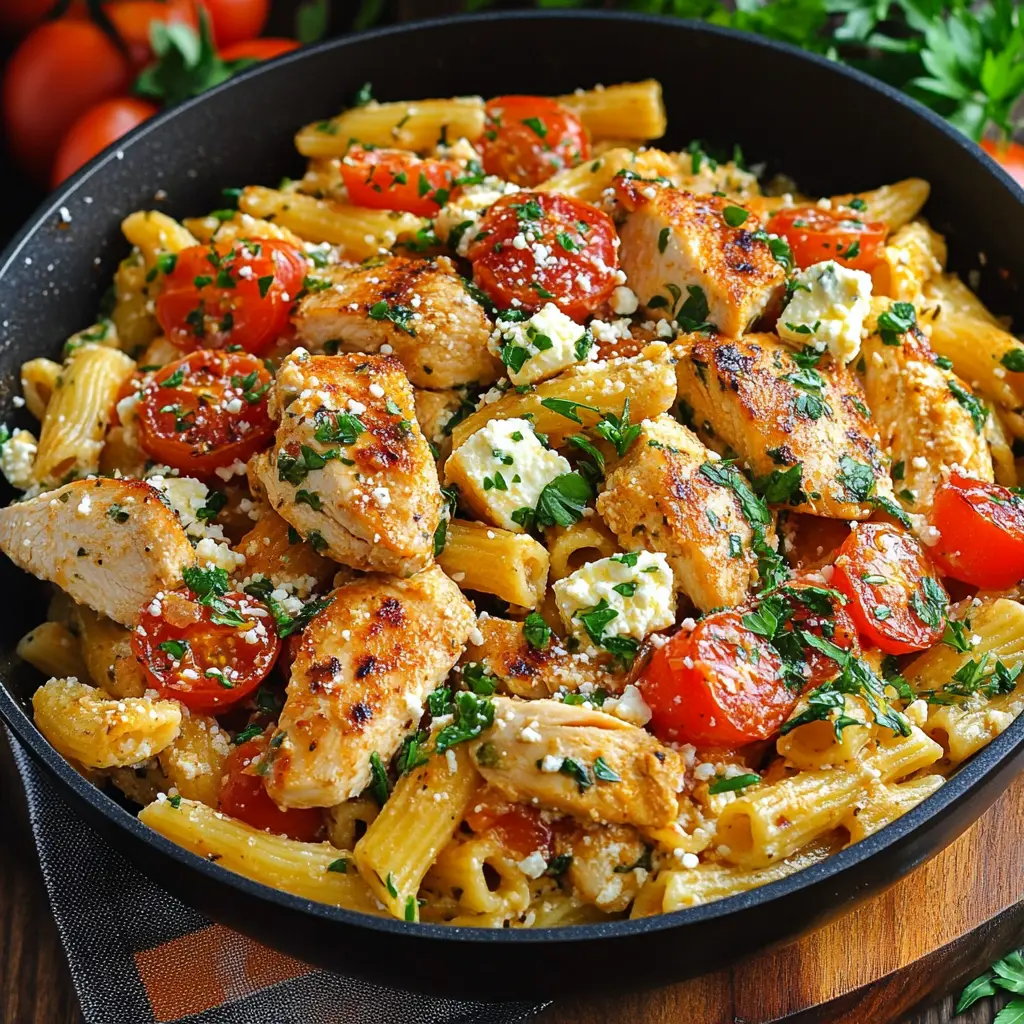
The Ultimate Chicken Feta Pasta: A Mediterranean Delight That Will Transform Your Dinner Table
Craving a restaurant-quality meal that combines Mediterranean flavors with comfort food satisfaction? This Chicken Feta Pasta recipe delivers exactly that experience. Moreover, this one-pan wonder transforms simple ingredients into an extraordinary dinner that’s ready in just 30 minutes.
The creamy, tangy combination of feta cheese with perfectly seasoned chicken creates a harmony of flavors. Additionally, fresh herbs and aromatic garlic elevate this dish from ordinary to exceptional. Furthermore, the versatility of this recipe makes it perfect for busy weeknights or special occasions.
Why Chicken Feta Pasta is the Perfect Weeknight Meal
Quick Preparation Time
Busy schedules demand efficient cooking solutions. This chicken feta pasta recipe requires minimal prep work and cooks in under 30 minutes. Consequently, you can serve a gourmet meal without spending hours in the kitchen.
The one-pan cooking method reduces cleanup time significantly. Therefore, you’ll spend more time enjoying your meal and less time washing dishes. Additionally, most ingredients are pantry staples, eliminating last-minute grocery store runs.
Mediterranean Health Benefits
Mediterranean cuisine offers numerous health advantages. The feta cheese provides protein and calcium for bone health. Similarly, olive oil contains heart-healthy monounsaturated fats that support cardiovascular wellness.
Fresh herbs like oregano and basil deliver antioxidants and anti-inflammatory compounds. Furthermore, garlic provides immune-boosting properties while adding incredible flavor depth. These ingredients work together to create a nutritious and delicious meal.
Budget-Friendly Ingredients
Creating gourmet meals doesn’t require expensive ingredients. This chicken feta pasta uses affordable, accessible components available at most grocery stores. Consequently, you can enjoy restaurant-quality flavors without breaking your budget.
Chicken thighs offer excellent value compared to premium cuts. Additionally, pasta provides satisfying carbohydrates that make this dish filling and economical. The feta cheese adds luxury without excessive cost.
Essential Ingredients for Authentic Flavor
Protein Components
Boneless Chicken Thighs (1.5 pounds): Choose thighs over breasts for superior flavor and tenderness. The higher fat content prevents overcooking and maintains juiciness throughout the cooking process.
Feta Cheese (8 ounces): Select high-quality block feta rather than pre-crumbled varieties. Block feta maintains better texture and provides creamier melting properties when heated.
Pasta Selection
Penne or Rigatoni (12 ounces): These tube-shaped pastas capture the creamy sauce perfectly. Their sturdy structure holds up well during cooking and reheating.
Cooking Water: Reserve pasta cooking water for sauce consistency adjustments. The starchy water helps bind ingredients and creates silky texture.
Flavor Foundation
Extra Virgin Olive Oil (3 tablespoons): High-quality olive oil enhances Mediterranean authenticity. Choose cold-pressed varieties for optimal flavor development.
Fresh Garlic (4 cloves): Minced garlic provides aromatic foundation. Fresh cloves offer superior flavor compared to pre-minced alternatives.
Yellow Onion (1 medium): Diced onion adds sweetness and depth. Proper caramelization creates complex flavor layers.
Fresh Herb Blend
Fresh Oregano (2 tablespoons): This classic Mediterranean herb complements feta cheese perfectly. Fresh oregano provides brighter flavor than dried versions.
Fresh Basil (1/4 cup): Chopped basil adds freshness and color contrast. Add basil at the end to preserve delicate flavor and vibrant appearance.
Fresh Parsley (2 tablespoons): Flat-leaf parsley provides earthiness and visual appeal. This herb brightens the overall flavor profile.
Supporting Ingredients
Cherry Tomatoes (1 pint): Halved tomatoes add acidity and sweetness. They create beautiful color contrast against the creamy white sauce.
Chicken Broth (1 cup): Low-sodium broth provides moisture and depth. Quality broth enhances overall flavor development significantly.
Heavy Cream (1/2 cup): Creates luxurious sauce texture. The cream helps bind feta cheese into smooth consistency.
Step-by-Step Cooking Instructions
Preparation Phase
Start by gathering all ingredients and measuring them accurately. This mise en place approach ensures smooth cooking flow and prevents overcooking while searching for ingredients.
Cut chicken thighs into bite-sized pieces, approximately 1-inch cubes. Season generously with salt and pepper. Additionally, allow chicken to reach room temperature for even cooking.
Dice the onion finely and mince garlic cloves. Halve cherry tomatoes and crumble feta cheese into large chunks. Furthermore, chop fresh herbs and set aside separately.
Cooking the Chicken
Heat olive oil in a large skillet over medium-high heat. The oil should shimmer but not smoke when properly heated.
Add seasoned chicken pieces in a single layer. Avoid overcrowding, which causes steaming instead of browning. Cook for 5-6 minutes without moving pieces.
Flip chicken when golden brown develops on the first side. Continue cooking for 4-5 minutes until second side browns beautifully. Remove chicken and set aside temporarily.
Building the Sauce Base
Reduce heat to medium and add diced onion to the same skillet. The residual chicken drippings provide incredible flavor foundation for the sauce.
Sauté onion for 3-4 minutes until softened and translucent. Add minced garlic and cook for additional 30 seconds until fragrant.
Pour chicken broth into the skillet, scraping up any browned bits from the bottom. These fond pieces add tremendous depth to the finished sauce.
Pasta Preparation
Meanwhile, bring a large pot of salted water to boiling. Use approximately 1 tablespoon salt per quart of water for proper seasoning.
Add pasta and cook according to package directions minus 1 minute. The pasta will finish cooking in the sauce, absorbing flavors while maintaining perfect texture.
Reserve 1 cup pasta cooking water before draining. This starchy liquid helps create silky sauce consistency later.
Combining Components
Return cooked chicken to the skillet with sauce base. Add halved cherry tomatoes and simmer for 2-3 minutes until tomatoes begin softening.
Add drained pasta directly to the skillet along with heavy cream. Toss everything together gently but thoroughly.
Gradually add crumbled feta cheese while tossing continuously. The residual heat melts the cheese into creamy, luxurious sauce.
Final Seasoning and Herbs
Taste the chicken feta pasta and adjust seasoning with salt and pepper as needed. Remember that feta adds saltiness, so season carefully.
Add fresh oregano and half the basil, reserving remainder for garnish. Toss gently to distribute herbs evenly throughout the dish.
If sauce seems too thick, add reserved pasta water gradually until desired consistency develops. The starch helps bind everything beautifully.
Pro Tips for Restaurant-Quality Results
Temperature Control Mastery
Maintaining proper cooking temperatures ensures optimal results. Medium-high heat browns chicken effectively without burning garlic or herbs.
Use a meat thermometer to verify chicken reaches 165°F internal temperature. This ensures food safety while preventing overcooking and dryness.
Allow pasta to finish cooking in the sauce rather than fully cooking separately. This technique helps pasta absorb flavors while achieving perfect al dente texture.
Ingredient Quality Matters
Invest in high-quality feta cheese from specialty stores or cheese counters. Authentic Greek feta provides superior flavor compared to mass-produced alternatives.
Choose fresh herbs whenever possible over dried versions. The vibrant flavors and aromatic oils in fresh herbs elevate this dish significantly.
Use good-quality olive oil as it directly impacts flavor development. Cold-pressed, extra virgin varieties offer the best Mediterranean authenticity.
Timing and Technique
Start pasta water boiling before beginning chicken preparation. This multitasking approach reduces overall cooking time and keeps everything hot simultaneously.
Don’t rinse pasta after draining, as the surface starch helps sauce adherence. The residual starch creates better texture and flavor integration.
Add delicate herbs like basil at the very end to preserve their bright color and fresh flavor. Heat destroys these subtle characteristics quickly.
Sauce Consistency Secrets
Reserve pasta cooking water generously, as you might need more than expected. The starchy water creates professional-quality sauce texture.
Add feta cheese gradually while the pan is off direct heat. This prevents the cheese from becoming grainy or separating.
If sauce breaks or appears oily, add small amounts of pasta water while whisking vigorously. This emulsification technique repairs broken sauces effectively.
Nutritional Benefits and Health Information
Protein Powerhouse
This chicken feta pasta provides substantial protein content, approximately 35 grams per serving. Protein supports muscle maintenance, satiety, and metabolic function.
Chicken thighs offer complete amino acid profiles essential for body function. Additionally, feta cheese contributes additional protein along with calcium for bone health.
The combination creates a satisfying meal that helps maintain stable blood sugar levels. Protein slows carbohydrate absorption, preventing energy crashes.
Mediterranean Diet Advantages
This dish incorporates key Mediterranean diet principles through olive oil, herbs, and cheese. Research consistently links Mediterranean eating patterns with improved heart health.
The olive oil provides monounsaturated fats that support cardiovascular wellness. These healthy fats also enhance absorption of fat-soluble vitamins.
Fresh herbs deliver antioxidants and anti-inflammatory compounds. These phytonutrients support immune function and overall health maintenance.
Balanced Macronutrients
Each serving provides balanced macronutrient distribution with adequate carbohydrates, protein, and healthy fats. This balance promotes sustained energy and satisfaction.
The pasta provides complex carbohydrates for energy while herbs and vegetables contribute essential micronutrients. Feta cheese adds calcium and vitamin B12.
Portion control remains important despite healthy ingredients. One serving contains approximately 450-500 calories depending on exact measurements used.
Popular Variations and Substitutions
Protein Alternatives
Turkey Variation: Substitute ground turkey for chicken thighs to reduce fat content. Brown the turkey thoroughly and season generously for optimal flavor development.
Shrimp Option: Use large shrimp for elegant seafood variation. Cook shrimp separately and add during final combination to prevent overcooking.
Vegetarian Version: Replace chicken with grilled eggplant or zucchini slices. Roasted chickpeas also provide protein while maintaining Mediterranean authenticity.
Cheese Modifications
Goat Cheese Alternative: Substitute soft goat cheese for milder, creamier flavor profile. Goat cheese melts beautifully and provides similar tangy characteristics.
Mixed Cheese Blend: Combine feta with ricotta for extra creaminess. This combination maintains Mediterranean flavors while adding richness.
Dairy-Free Option: Use cashew-based cheese alternatives for dairy sensitivity. Nutritional yeast adds cheesy flavor without dairy products.
Vegetable Additions
Spinach Enhancement: Add fresh spinach during final cooking stages. The leafy greens wilt quickly and add nutritional value plus color contrast.
Roasted Red Pepper: Include roasted red pepper strips for sweetness and vibrant color. Jarred peppers work well and save preparation time.
Artichoke Hearts: Marinated artichoke hearts provide Mediterranean authenticity and interesting texture contrast. Drain thoroughly before adding.
Pasta Shape Options
Farfalle Alternative: Bow-tie pasta captures sauce effectively and looks elegant. The shape holds herbs and cheese pieces beautifully.
Whole Wheat Version: Use whole wheat pasta for increased fiber content. Cook slightly longer and add extra pasta water as needed.
Gluten-Free Adaptation: Rice-based or chickpea pasta work well for gluten sensitivity. Follow package directions carefully as cooking times vary.
Storage and Meal Prep Guidelines
Refrigeration Best Practices
Store leftover chicken feta pasta in airtight containers for up to 3-4 days. Proper storage prevents contamination and maintains food safety.
Cool completely before refrigerating to prevent bacterial growth. Divide into portion-sized containers for convenient reheating and serving.
Add splash of chicken broth when reheating to restore moisture. The pasta absorbs liquid during storage, requiring additional moisture for optimal texture.
Freezing Instructions
This dish freezes reasonably well for up to 2-3 months. However, dairy-based sauces may separate slightly upon thawing and reheating.
Freeze in freezer-safe containers with tight-fitting lids. Leave space for expansion to prevent container damage during freezing process.
Thaw overnight in refrigerator rather than using microwave defrosting. Slow thawing maintains better texture and flavor integrity.
Reheating Techniques
Stovetop Method: Reheat gently over low heat with additional broth or cream. Stir frequently to prevent sticking and ensure even heating.
Microwave Option: Use 50% power setting and stir every 30 seconds. Add liquid as needed to prevent drying during reheating process.
Oven Reheating: Cover with foil and reheat at 350°F for 15-20 minutes. This method works best for larger quantities.
Meal Prep Strategies
Prepare components separately for optimal freshness. Cook chicken and store separately from pasta and sauce components.
Pre-chop vegetables and herbs, storing in separate containers. This preparation method saves time during busy weeknight cooking.
Check out our guide on [meal prep containers and storage solutions] for additional organization tips and techniques.
Serving Suggestions and Pairings
Side Dish Recommendations
Greek Salad: Classic cucumber, tomato, and olive salad complements Mediterranean flavors perfectly. The fresh vegetables provide textural contrast to creamy pasta.
Garlic Bread: Crusty bread helps soak up delicious sauce remnants. Make homemade garlic bread using quality olive oil and fresh herbs.
Roasted Vegetables: Mediterranean vegetables like zucchini, eggplant, and bell peppers enhance the meal’s nutritional profile. Season with herbs and olive oil.
Beverage Pairings
Sparkling Water: Lemon or lime-infused sparkling water cleanses the palate between bites. The effervescence cuts through rich, creamy sauce.
Iced Tea: Herbal teas like chamomile or mint provide refreshing contrast. Unsweetened versions allow food flavors to shine.
Fresh Juice: Mediterranean-inspired juices like pomegranate or orange complement the meal’s flavor profile. Choose 100% juice without added sugars.
Presentation Ideas
Serve in warmed bowls to maintain optimal temperature. Wide, shallow bowls showcase ingredients beautifully and make eating easier.
Garnish with reserved fresh basil and extra crumbled feta. A drizzle of high-quality olive oil adds visual appeal and extra flavor.
Provide freshly ground black pepper at the table. Many diners appreciate customizing their seasoning levels.
Common Mistakes to Avoid
Overcooking the Chicken
Chicken thighs cook quickly and continue cooking in residual heat. Remove from heat when slightly underdone, as they’ll finish cooking in the sauce.
Use meat thermometer for accuracy rather than guessing doneness. Overcooked chicken becomes dry and tough, ruining the dish’s texture.
Cut chicken into uniform pieces for even cooking. Varying sizes result in some pieces overcooking while others remain underdone.
Pasta Preparation Errors
Don’t overcook pasta during initial boiling phase. Remember it finishes cooking in the sauce, absorbing flavors while maintaining proper texture.
Salt pasta water generously for proper seasoning. Under-salted pasta tastes bland even when combined with flavorful sauce.
Never rinse pasta after draining unless making cold salad. The surface starch helps sauce adherence and creates better final texture.
Sauce Consistency Issues
Add pasta water gradually rather than all at once. Too much liquid creates soupy consistency that’s difficult to correct.
Don’t add feta cheese over direct high heat. Excessive heat causes cheese to become grainy and separate rather than melting smoothly.
Taste and adjust seasoning carefully, considering feta’s saltiness. Over-seasoning ruins the delicate balance of Mediterranean flavors.
Herb and Seasoning Mistakes
Add delicate herbs like basil at the very end to preserve color and flavor. Heat destroys these characteristics quickly.
Don’t skip fresh herbs in favor of dried versions. The flavor difference is significant and worth the extra cost and effort.
Balance garlic quantity carefully to avoid overwhelming other flavors. Start with less and add more if needed during cooking.
Frequently Asked Questions
Can I make chicken feta pasta ahead of time?
Yes, you can prepare components separately and combine when serving. Cook chicken and store separately from pasta and sauce for optimal texture retention.
The dish reheats well with additional liquid added. However, freshly made chicken feta pasta provides the best flavor and texture experience.
For meal prep, store components separately and combine portions as needed. This method maintains ingredient integrity better than storing everything together.
What pasta shapes work best with this recipe?
Tube-shaped pastas like penne, rigatoni, or shells capture the creamy sauce effectively. These shapes hold herbs and cheese pieces beautifully.
Short pasta shapes work better than long varieties for this preparation. They’re easier to serve and eat while maintaining sauce distribution.
Whole wheat or gluten-free alternatives work well with adjusted cooking times. Follow package directions and add extra liquid as needed.
How do I prevent the feta cheese from becoming grainy?
Remove the pan from direct heat before adding feta cheese. Residual heat melts the cheese smoothly without causing separation.
Add feta gradually while tossing continuously. This technique ensures even melting and smooth sauce development.
Use block feta rather than pre-crumbled varieties. Block feta has better melting properties and creates creamier results.
Can I substitute other cheeses for feta?
Goat cheese provides similar tangy flavor with creamier texture. Use slightly less quantity as goat cheese has milder flavor.
Ricotta cheese creates ultra-creamy sauce but lacks feta’s distinctive tanginess. Consider adding lemon juice for acidity balance.
Cream cheese works but produces different flavor profile entirely. The result will be rich but lacks Mediterranean authenticity.
What’s the best way to reheat leftovers?
Stovetop reheating with additional liquid produces best results. Add chicken broth or cream to restore moisture and prevent sticking.
Microwave at 50% power, stirring frequently to ensure even heating. Add liquid as needed to maintain proper consistency.
Oven reheating works for larger portions. Cover with foil and heat at 350°F, checking every 10 minutes until warmed through.
How long does this dish keep in the refrigerator?
Properly stored chicken feta pasta keeps 3-4 days in refrigerator. Use airtight containers and cool completely before storing.
Check for signs of spoilage before consuming leftovers. When in doubt, discard rather than risk food safety issues.
Reheat thoroughly to 165°F internal temperature for food safety. Use meat thermometer to verify proper heating temperature.
This Chicken Feta Pasta recipe transforms ordinary weeknight cooking into Mediterranean luxury. The combination of tender chicken, creamy feta cheese, and fresh herbs creates an unforgettable dining experience. Additionally, the one-pan preparation method makes cleanup effortless while delivering restaurant-quality results.
The versatility of this dish allows for numerous adaptations and substitutions. Whether you prefer different proteins, pasta shapes, or vegetable additions, the fundamental technique remains consistent. Furthermore, proper storage and reheating techniques ensure you can enjoy this meal throughout the week.
Master this chicken feta pasta recipe and you’ll have a reliable solution for impressing family and guests alike. Moreover, the balanced nutrition and satisfying flavors make it a healthy choice for regular meal rotation.
Ready to create your own Mediterranean masterpiece? Start gathering these simple ingredients and experience the magic of Chicken Feta Pasta tonight. Your family will thank you for bringing these incredible flavors to your dinner table!
Chicken Feta Pasta
Description
Ingredients
-
16 ounces (1 box) pasta (such as bow tie, rigatoni, penne, or bucatini)
-
2 boneless, skinless chicken breasts (about 1¼–1½ pounds)
-
8 ounces feta cheese (block or crumbled)
-
2 pints (about 2½ cups) cherry or grape tomatoes
-
¼ cup red onion, thinly sliced
-
2 cloves garlic, minced
-
2 tablespoons olive oil
-
½ teaspoon dried oregano
-
½ teaspoon kosher salt, plus more to taste
-
¼ teaspoon black pepper
-
Fresh basil, for garnish (optional)
Instructions
-
Preheat oven to 400°F (200°C) and spray a baking dish with nonstick spray.
-
Cook pasta according to package directions. Reserve ½ cup pasta water, then drain the pasta.
-
Place feta cheese in the center of the baking dish. Arrange chicken breasts on each side. Scatter tomatoes, red onion, and garlic around the chicken and cheese.
-
Drizzle everything with olive oil, then season with oregano, salt, and pepper. Gently toss to coat.
-
Bake uncovered for 35–40 minutes until tomatoes burst and chicken is cooked through to 165°F (74°C).
-
Slice the cooked chicken. Use a spoon to stir the tomatoes, feta, and onions together in the baking dish, creating a creamy sauce.
-
Add drained pasta to the dish and toss to coat, adding pasta water a little at a time to achieve desired creaminess.
-
Serve the pasta topped with sliced chicken and garnish with fresh basil if desired.