
The Ultimate Guide to Pork Afritada: A Filipino Comfort Food Classic
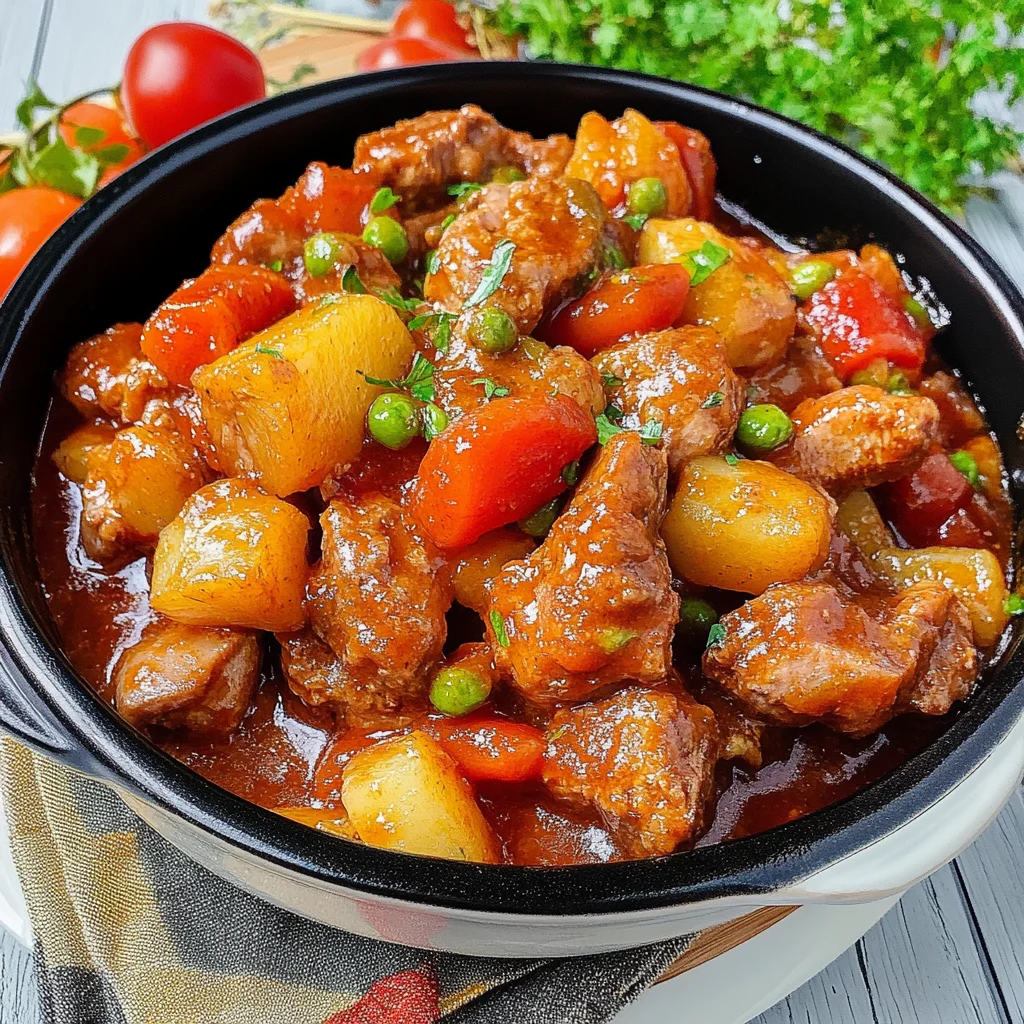
When it comes to Filipino comfort food, few dishes capture the heart quite like Pork Afritada. This beloved stew combines tender chunks of pork with vibrant vegetables in a rich, savory tomato-based sauce. Moreover, this traditional recipe brings families together around the dinner table with its aromatic blend of flavors and satisfying ingredients.
The beauty of Pork Afritada lies in its simplicity and versatility. Furthermore, this one-pot wonder transforms humble ingredients into an extraordinary meal that satisfies both the stomach and soul. Additionally, the dish represents the perfect balance of protein, vegetables, and bold flavors that define Filipino cuisine.
What is Pork Afritada?
Pork Afritada is a classic Filipino stew that showcases the country’s rich culinary heritage. This hearty dish features succulent pork pieces simmered with colorful vegetables like bell peppers, potatoes, and carrots. Subsequently, everything comes together in a luscious tomato-based sauce that’s both tangy and savory.
The word “afritada” comes from the Spanish “fritada,” which means “fried.” However, the Filipino version has evolved into something uniquely its own. Consequently, this adaptation reflects the Philippines’ history of culinary fusion and creativity.
Origins and Cultural Significance
This beloved Filipino dish traces its roots to Spanish colonial influence. Nevertheless, Filipino cooks have made it distinctly their own over generations. The recipe has been passed down through families, with each household adding their personal touch.
In Filipino culture, Pork Afritada often appears at special occasions and family gatherings. Similarly, it’s a go-to comfort food that brings warmth and satisfaction to everyday meals. The dish embodies the Filipino spirit of resourcefulness and creativity in the kitchen.
Key Characteristics
What sets Pork Afritada apart from other stews is its distinctive flavor profile. The dish features a perfect balance of sweet, sour, and savory elements. Additionally, the vibrant colors from the mixed vegetables make it as visually appealing as it is delicious.
The texture is equally important in authentic Pork Afritada. The pork becomes fork-tender through slow cooking, while vegetables retain a slight firmness. Furthermore, the sauce achieves the perfect consistency – neither too thick nor too thin.
Essential Ingredients for Perfect Pork Afritada
Creating authentic Pork Afritada starts with selecting the right ingredients. Each component plays a crucial role in building the dish’s complex flavors. Moreover, using quality ingredients makes a noticeable difference in the final result.
Primary Ingredients
Pork Selection
The foundation of any great Pork Afritada lies in choosing the right cut of meat. Pork shoulder or pork belly works exceptionally well due to their marbling and tenderness. Additionally, these cuts remain juicy and flavorful even after extended cooking time.
Cut the pork into uniform 2-inch cubes for even cooking. Furthermore, this size allows the meat to absorb the sauce flavors while maintaining its texture. Trimming excess fat is optional, as some fat adds richness to the dish.
Fresh Vegetables
Bell peppers form the colorful heart of this Filipino stew. Use a combination of red, green, and yellow peppers for visual appeal. Similarly, potatoes add substance and help thicken the sauce naturally as they cook.
Carrots contribute sweetness and additional color to the dish. Cut all vegetables into similar sizes to ensure even cooking. Moreover, fresh vegetables provide better texture and flavor than frozen alternatives.
Aromatics and Seasonings
The Flavor Foundation
Onions and garlic create the aromatic base for Pork Afritada. These ingredients release their essential oils when sautéed, building layers of flavor. Additionally, fresh ginger adds a subtle warmth and complexity to the dish.
Tomato Components
Tomato sauce serves as the primary liquid base for the stew. However, adding tomato paste intensifies the tomato flavor and helps thicken the sauce. Fresh tomatoes can also be incorporated for additional acidity and freshness.
Essential Seasonings
Salt and pepper form the basic seasoning foundation. Bay leaves add an earthy depth that complements the other flavors. Furthermore, a touch of sugar helps balance the acidity from the tomatoes.
Specialty Ingredients
Liver Spread Enhancement
Some traditional recipes include liver spread for added richness and depth. This ingredient, while optional, creates a more complex flavor profile. However, it can be omitted for those who prefer a lighter version.
Stock Options
Using chicken or pork stock instead of water elevates the dish significantly. The stock adds another layer of flavor that water simply cannot provide. Moreover, homemade stock produces superior results compared to store-bought versions.
Step-by-Step Cooking Instructions
Mastering Pork Afritada requires patience and attention to detail. However, the process itself is straightforward and forgiving. Following these steps will ensure consistently delicious results every time.
Preparation Phase
Ingredient Prep (15 minutes)
Start by cutting the pork into uniform 2-inch cubes, removing any excess fat if desired. Next, dice the onions and mince the garlic finely. Similarly, cut all vegetables into bite-sized pieces of similar dimensions.
Season the pork cubes generously with salt and pepper. This initial seasoning penetrates the meat during cooking, enhancing the overall flavor. Additionally, let the seasoned pork rest at room temperature for 10 minutes before cooking.
Equipment Setup
Use a heavy-bottomed pot or Dutch oven for best results. These vessels distribute heat evenly and prevent burning. Moreover, they retain heat well, which is crucial for slow-simmering stews like Pork Afritada.
Cooking Process
Step 1: Browning the Pork (10 minutes)
Heat oil in your chosen cooking vessel over medium-high heat. Add the seasoned pork cubes in a single layer, avoiding overcrowding. Brown the meat on all sides, creating a golden crust that locks in flavors.
This browning process, called the Maillard reaction, develops complex flavors essential to great Pork Afritada. Furthermore, it creates fond on the bottom of the pan, which adds richness to the sauce later.
Step 2: Building the Aromatic Base (5 minutes)
Remove the browned pork and set aside. In the same pot, sauté the onions until translucent and fragrant. Subsequently, add the minced garlic and cook for another minute until aromatic.
The rendered pork fat and fond provide exceptional flavor for this step. Additionally, deglazing with a small amount of stock helps lift any browned bits from the pot bottom.
Step 3: Adding Tomato Components (3 minutes)
Add tomato paste to the aromatic base and cook briefly until it darkens slightly. This step intensifies the tomato flavor and removes any raw taste. Next, pour in the tomato sauce and mix thoroughly.
Step 4: Returning the Pork (2 minutes)
Return the browned pork to the pot and stir to combine with the sauce. Add bay leaves and enough stock to barely cover the meat. Bring the mixture to a gentle boil, then reduce heat to low.
Step 5: Initial Simmering (45 minutes)
Cover the pot and simmer gently for 45 minutes, stirring occasionally. The pork should become tender but not falling apart. Additionally, the sauce will begin to thicken and develop deeper flavors during this time.
Step 6: Adding Vegetables (15 minutes)
Add potatoes first, as they require the longest cooking time among the vegetables. Simmer for 10 minutes before adding carrots. Finally, add bell peppers in the last 5 minutes to maintain their vibrant color and slight crunch.
Step 7: Final Seasoning and Adjustments (5 minutes)
Taste the Pork Afritada and adjust seasonings as needed. The sauce should be well-balanced with no single flavor dominating. Moreover, the consistency should coat the back of a spoon without being too thick.
Pro Tips for the Best Results
Achieving restaurant-quality Pork Afritada at home requires understanding several key techniques. These professional tips ensure consistently excellent results every time you prepare this Filipino favorite.
Meat Preparation Secrets
Optimal Pork Selection
Choose pork with some marbling for the most flavorful results. Lean cuts tend to become dry and tough during the long cooking process. Furthermore, pork shoulder provides the perfect balance of meat and fat for this application.
Proper Browning Technique
Never skip the browning step, as it’s crucial for flavor development. Pat the pork dry before seasoning to ensure proper browning. Additionally, avoid overcrowding the pan, which causes steaming instead of browning.
Temperature Control
Maintain gentle heat throughout the cooking process. High temperatures cause the pork to become tough and chewy. Moreover, slow cooking allows the connective tissues to break down properly, creating tender, succulent meat.
Sauce Development
Tomato Quality Matters
Use high-quality tomato products for the best flavor. San Marzano tomatoes, when available, provide exceptional sweetness and low acidity. However, any good-quality tomato sauce works well in this recipe.
Layering Flavors
Build flavors gradually throughout the cooking process. Each step contributes to the final taste profile. Furthermore, allowing each ingredient to cook properly before adding the next creates more complex flavors.
Consistency Control
The sauce should coat vegetables and meat without being too thick or thin. If the sauce becomes too thick, add small amounts of stock. Conversely, if it’s too thin, simmer uncovered to reduce excess liquid.
Vegetable Techniques
Timing is Everything
Add vegetables according to their cooking times to ensure optimal texture. Potatoes need the longest cooking time, while bell peppers require minimal cooking. This staged approach prevents overcooking delicate vegetables.
Size Consistency
Cut all vegetables to similar sizes for even cooking. This attention to detail ensures that every bite contains perfectly cooked components. Moreover, uniform pieces create a more professional presentation.
Color Preservation
Add bell peppers last to maintain their vibrant colors and slight crunch. Overcooking turns them mushy and dull. Similarly, avoiding prolonged cooking preserves their nutritional value.
Storage and Make-Ahead Tips
Make-Ahead Benefits
Pork Afritada actually improves in flavor when made ahead. The extended resting time allows flavors to meld and intensify. Additionally, the meat becomes even more tender as it sits in the sauce.
Proper Storage
Store cooled Pork Afritada in airtight containers in the refrigerator for up to four days. For longer storage, freeze portions for up to three months. However, vegetables may become softer after freezing and thawing.
Delicious Variations to Try
The beauty of Pork Afritada lies in its adaptability to different tastes and dietary preferences. These variations maintain the dish’s essential character while offering exciting new flavor profiles.
Protein Alternatives
Chicken Afritada
Substitute chicken thighs or drumsticks for pork to create a lighter version. Chicken requires less cooking time, so adjust accordingly. Additionally, remove the skin for a healthier option without sacrificing flavor.
Mixed Meat Version
Combine pork with chicken or beef for a more complex protein profile. Use equal portions of each meat for balanced flavors. Furthermore, this variation creates textural interest and appeals to diverse preferences.
Seafood Adaptation
Create a coastal-inspired version using firm fish or shrimp. Add seafood during the last few minutes of cooking to prevent overcooking. Moreover, this variation requires less cooking time overall.
Vegetable Variations
Root Vegetable Medley
Incorporate additional root vegetables like sweet potatoes, turnips, or parsnips. These vegetables add natural sweetness and hearty texture. Similarly, they provide additional nutritional benefits and fiber.
Green Vegetable Addition
Include green beans, snap peas, or okra for extra color and nutrition. Add these vegetables during the last 10 minutes of cooking. Furthermore, they contribute different textures and flavors to the dish.
Seasonal Adaptations
Adjust vegetable selections based on seasonal availability. Spring vegetables like asparagus work well, while winter squash adds richness. Moreover, seasonal produce typically offers better flavor and value.
Sauce Modifications
Coconut Milk Version
Add coconut milk for richness and subtle tropical flavor. Use light coconut milk to avoid overwhelming the tomato base. Additionally, this variation creates a creamier, more luxurious texture.
Spicy Heat
Include jalapeños, serrano peppers, or chili flakes for heat lovers. Start with small amounts and adjust to taste preferences. Furthermore, spicy versions pair exceptionally well with cooling sides like cucumber salad.
Herb Enhancements
Fresh herbs like basil, oregano, or thyme elevate the flavor profile significantly. Add hardy herbs early in the cooking process, while delicate herbs go in just before serving. Moreover, fresh herbs provide brightness and complexity.
Serving Suggestions and Pairings
Proper presentation and pairing enhance the Pork Afritada experience significantly. These suggestions help create memorable meals that showcase this Filipino favorite at its best.
Traditional Filipino Pairings
Rice Selections
Steamed white rice remains the classic accompaniment to Pork Afritada. The neutral flavor and fluffy texture absorb the rich sauce perfectly. Additionally, jasmine rice provides subtle floral notes that complement the dish beautifully.
Brown rice offers a nuttier flavor and additional nutritional benefits. However, it requires longer cooking time and more liquid. Furthermore, the heartier texture pairs well with the robust flavors of the stew.
Bread Options
Filipino pandesal makes an excellent side for soaking up the delicious sauce. Similarly, dinner rolls or crusty bread provide satisfying accompaniments. Moreover, warm bread enhances the comfort food experience.
Complementary Side Dishes
Fresh Salads
Light, crisp salads provide refreshing contrast to the rich stew. Cucumber salad with vinegar dressing cuts through the richness perfectly. Additionally, green salads with citrus dressing add brightness to the meal.
Pickled Vegetables
Traditional Filipino pickles (atchara) complement Pork Afritada wonderfully. The acidity balances the rich flavors while adding textural interest. Furthermore, pickled vegetables aid in digestion of the hearty dish.
Vegetable Sides
Sautéed greens like bok choy or water spinach provide nutritional balance. These vegetables cook quickly and maintain their vibrant color. Moreover, they add lightness to offset the substantial main dish.
Presentation Tips
Plating Techniques
Serve Pork Afritada in wide, shallow bowls to showcase the colorful vegetables. Arrange ingredients thoughtfully for visual appeal. Additionally, garnish with fresh herbs for professional presentation.
Temperature Considerations
Serve the dish hot for optimal flavor and comfort. Warm the serving bowls beforehand to maintain temperature longer. Furthermore, hot food enhances the aromatic experience that makes this dish special.
Portion Guidelines
Plan for approximately 6-8 ounces of the prepared dish per person as a main course. However, appetites vary, so prepare extra for hearty eaters. Moreover, leftovers reheat beautifully for convenient future meals.
Health Benefits and Nutrition
Pork Afritada offers numerous nutritional benefits when prepared thoughtfully. Understanding these advantages helps appreciate this dish beyond its delicious taste.
Protein Benefits
High-Quality Protein Source
Pork provides complete protein containing all essential amino acids. This supports muscle maintenance and growth effectively. Additionally, protein helps maintain satiety, making this dish satisfying and filling.
Amino Acid Profile
The amino acid profile in pork supports various bodily functions. These building blocks aid in tissue repair and immune function. Furthermore, adequate protein intake supports healthy metabolism and energy levels.
Vegetable Nutrition
Vitamin C Content
Bell peppers rank among the highest vitamin C sources available. This antioxidant supports immune function and collagen production. Moreover, vitamin C enhances iron absorption from the meat in the dish.
Beta-Carotene Benefits
Carrots provide significant beta-carotene, which converts to vitamin A in the body. This supports eye health and immune function. Additionally, the fat in the dish enhances beta-carotene absorption.
Potassium Sources
Potatoes and other vegetables contribute potassium for heart health. This mineral helps regulate blood pressure and supports proper muscle function. Furthermore, adequate potassium intake supports overall cardiovascular health.
Antioxidant Properties
Tomato Lycopene
Tomatoes provide lycopene, a powerful antioxidant with numerous health benefits. Cooking actually increases lycopene availability and absorption. Moreover, this compound supports heart health and may have cancer-protective properties.
Diverse Antioxidants
The variety of colorful vegetables provides diverse antioxidants. These compounds help protect cells from oxidative damage. Additionally, a diverse antioxidant profile supports overall health and longevity.
Nutritional Optimization Tips
Lean Meat Choices
Select leaner pork cuts and trim visible fat to reduce overall calorie content. This modification maintains protein while reducing saturated fat. However, some fat enhances flavor and nutrient absorption.
Vegetable Ratio
Increase the vegetable-to-meat ratio for additional nutrients and fiber. This modification reduces calorie density while increasing nutritional value. Furthermore, more vegetables provide greater antioxidant benefits.
Sodium Considerations
Control sodium content by using low-sodium tomato products and adjusting added salt. This modification benefits those monitoring sodium intake. Moreover, herbs and spices can enhance flavor without additional sodium.
Storage and Reheating Guidelines
Proper storage and reheating techniques preserve both safety and quality in leftover Pork Afritada. Following these guidelines ensures delicious results even days after initial preparation.
Refrigeration Storage
Cooling Process
Allow Pork Afritada to cool completely before refrigerating. However, don’t leave it at room temperature for more than two hours for food safety. Additionally, divide large batches into smaller containers for faster cooling.
Container Selection
Use airtight containers to prevent flavor transfer and maintain moisture. Glass containers work exceptionally well for acidic dishes like this one. Moreover, proper containers prevent contamination and extend storage life.
Storage Duration
Properly stored Pork Afritada maintains quality for up to four days in the refrigerator. However, consume it sooner for optimal flavor and texture. Furthermore, label containers with preparation dates for easy tracking.
Freezing Options
Preparation for Freezing
Cool the dish completely before freezing to prevent ice crystal formation. Consider portioning into meal-sized containers for convenience. Additionally, leave some headspace in containers to accommodate expansion during freezing.
Freezing Duration
Frozen Pork Afritada maintains quality for up to three months. However, longer storage may result in texture changes, particularly in vegetables. Moreover, proper packaging prevents freezer burn and flavor loss.
Thawing Process
Thaw frozen Pork Afritada safely in the refrigerator overnight. This gradual thawing preserves texture and ensures food safety. Additionally, avoid thawing at room temperature, which promotes bacterial growth.
Reheating Techniques
Stovetop Method
Reheat Pork Afritada gently over low to medium heat, stirring occasionally. Add small amounts of stock or water if the sauce has thickened excessively. Furthermore, this method provides the most control over heating and texture.
Microwave Reheating
Use microwave-safe containers and heat in short intervals, stirring between each. Cover the dish to prevent splattering and ensure even heating. Moreover, let it stand briefly before serving to distribute heat evenly.
Oven Reheating
Transfer to an oven-safe dish, cover with foil, and heat at 350°F (175°C). This method works well for large portions and provides even heating. Additionally, it helps restore some of the original texture better than microwaving.
Quality Indicators
Freshness Assessment
Check for any off odors, unusual colors, or texture changes before consuming leftovers. Fresh Pork Afritada should smell aromatic and appealing. However, any sour or unpleasant odors indicate spoilage.
Texture Considerations
Expect some softening of vegetables after storage and reheating. This is normal and doesn’t indicate spoilage. Moreover, the meat may become more tender after resting in the sauce.
Frequently Asked Questions
Can I make Pork Afritada without tomato sauce?
Fresh tomatoes can replace tomato sauce, though the flavor will be slightly different. Use about 4-5 large, ripe tomatoes, peeled and chopped. However, you may need to cook longer to achieve the desired consistency. Additionally, tomato paste helps intensify the flavor when using fresh tomatoes.
How do I prevent the pork from becoming tough?
Proper browning and gentle simmering prevent tough pork in Afritada recipes. Avoid high heat during the braising process, which toughens protein fibers. Furthermore, choose cuts with some marbling, as the fat keeps the meat tender and flavorful during long cooking.
What’s the best way to thicken the sauce?
Natural thickening occurs as potatoes break down during cooking. However, you can mash some potato pieces against the pot sides to thicken further. Additionally, simmering uncovered during the final cooking stage reduces excess liquid naturally.
Can I prepare Pork Afritada in a slow cooker?
Yes, Pork Afritada adapts well to slow cooker preparation. Brown the meat first for better flavor, then transfer everything to the slow cooker. Cook on low for 6-8 hours or high for 3-4 hours. Moreover, add vegetables during the last 2 hours to prevent overcooking.
How spicy should authentic Pork Afritada be?
Traditional Pork Afritada is not typically spicy, focusing instead on savory and slightly sweet flavors. However, regional variations may include mild heat from peppers. Furthermore, you can adjust spice levels to personal preference without compromising authenticity.
What vegetables work best in this dish?
Bell peppers, potatoes, and carrots form the classic vegetable trio for Pork Afritada. However, green peas, green beans, or other seasonal vegetables work well too. Moreover, maintaining color variety creates visual appeal and nutritional diversity.
Is liver spread necessary for authentic flavor?
Liver spread is optional but adds richness and depth to traditional recipes. Many modern versions omit it without losing essential character. Additionally, the dish remains delicious and authentic with or without this ingredient.
How do I know when the pork is properly cooked?
Properly cooked pork should be fork-tender and easily pierce without resistance. The internal temperature should reach 145°F (63°C) for food safety. Furthermore, the meat should not fall apart completely but yield easily when cut.
Conclusion
Pork Afritada represents the heart and soul of Filipino comfort cooking. This beloved dish combines simple ingredients into something truly extraordinary through patience and technique. Moreover, its versatility allows for countless adaptations while maintaining its essential character.
The key to exceptional Pork Afritada lies in understanding each component’s role in the final dish. From proper meat browning to vegetable timing, every step contributes to the remarkable end result. Additionally, the slow-cooking process creates tender meat and well-developed flavors that define this classic stew.
Whether preparing this dish for family dinner or special occasions, Pork Afritada delivers satisfaction and warmth. The colorful vegetables, tender pork, and rich tomato sauce create a meal that nourishes both body and spirit. Furthermore, the recipe’s flexibility accommodates various dietary preferences and ingredient availability.
This comprehensive guide provides everything needed to master authentic Pork Afritada at home. From ingredient selection to storage techniques, these detailed instructions ensure consistent success. Moreover, the professional tips and variations offer opportunities for creative exploration and personalization.
Ready to create your own delicious Pork Afritada? Start gathering these simple ingredients today and experience the incredible flavors of this Filipino classic. Your family and friends will thank you for bringing this comforting, hearty dish to your dinner table!
Pork Afritada
Description
Ingredients
-
1 ½ pounds pork shoulder or pork kasim, cubed
-
3 tablespoons cooking oil
-
1 onion, chopped
-
4 cloves garlic, crushed
-
1 small tomato, cubed
-
1 8 oz can tomato sauce
-
2 cups pork or beef broth (or water)
-
2 medium potatoes, peeled and cubed
-
2 carrots, peeled and chopped
-
½ green bell pepper, chopped
-
½ red bell pepper, chopped
-
½ cup green peas (optional)
-
3 pieces bay leaves
-
Salt and ground black pepper to taste
Instructions
-
Heat oil in a pot over medium heat. Sauté garlic, onion, and tomato until soft.
-
Add the pork cubes and cook for 2-3 minutes or until slightly browned.
-
Pour in the tomato sauce and broth. Add bay leaves. Bring to a boil, then lower heat and simmer, covered, for 40 to 60 minutes or until pork is tender.
-
Add potatoes and carrots. Cook for about 8 minutes or until vegetables are tender.
-
Add chopped bell peppers and green peas (if using). Stir and cook for 2-3 more minutes.
-
Season with salt and ground black pepper to taste.
-
Serve hot with steamed rice.
This hearty Filipino pork stew is rich, flavorful, and comforting, perfect to enjoy as a main dish.