
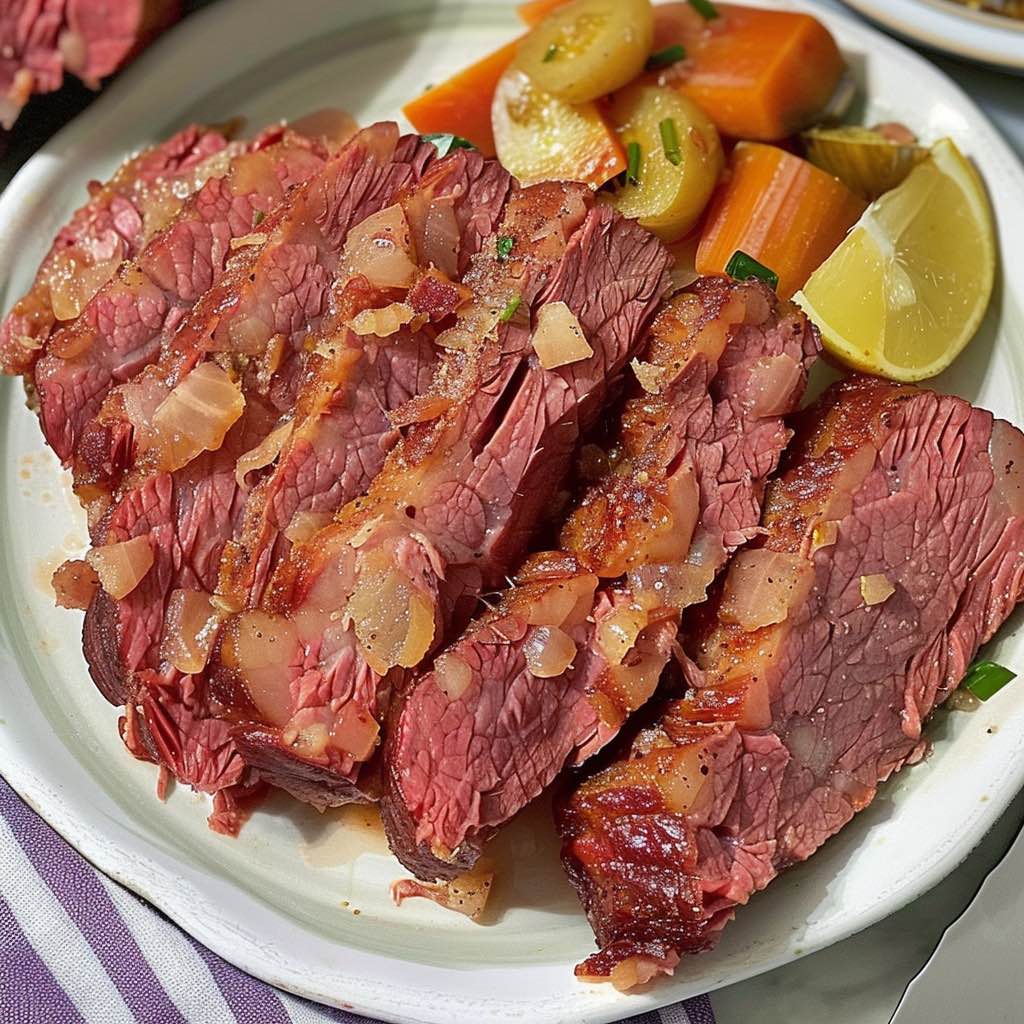
Baked Corned Beef: The Ultimate Guide to Tender, Flavorful Results
Baked corned beef transforms this classic brined brisket into a tender, succulent centerpiece that rivals any holiday roast. This comprehensive guide explores everything you need to know about preparing perfectly baked corned beef, from selecting the right cut to achieving that melt-in-your-mouth texture your family will love. Whether you’re preparing dinner for St. Patrick’s Day or simply craving a hearty comfort meal, mastering the art of baking corned beef opens up a world of delicious possibilities.
What Is Corned Beef?
Corned beef refers to beef brisket that has been cured in a seasoned brine solution. The term “corned” comes from the large grains of rock salt, called “corns,” traditionally used in the curing process. This preservation method dates back centuries and creates the distinctive pink color and savory flavor we associate with this beloved dish.
The curing process typically takes 5-7 days. During this time, the meat absorbs flavors from salt, sugar, and various spices including peppercorns, bay leaves, mustard seeds, and coriander. Many commercial corned beef products also include pink curing salt, which gives the meat its characteristic rosy hue.
You’ll find corned beef in two main cuts. The flat cut comes from the leaner portion of the brisket and slices beautifully for presentations. The point cut contains more marbling and fat, resulting in richer flavor and incredibly tender texture when cooked properly.
Why Bake Corned Beef Instead of Boiling?
Baking corned beef offers several advantages over traditional boiling methods. First, the dry heat environment concentrates flavors rather than diluting them in water. This results in a more robust, beefy taste that showcases the spices from the brine.
Additionally, baking allows you to develop a beautiful caramelized crust on the exterior. This textural contrast between the crispy outside and tender inside elevates the entire eating experience. You simply cannot achieve this same effect through boiling.
The oven method also provides more consistent, even cooking throughout the entire piece of meat. Unlike stovetop boiling, where hot spots can occur, your oven maintains steady temperature control. This reliability helps prevent overcooking or undercooking certain sections.
Furthermore, baking frees up your stovetop for preparing side dishes. You can focus on making cabbage, potatoes, carrots, and other accompaniments while your corned beef cooks hands-free in the oven.
Selecting the Perfect Corned Beef Brisket
Choosing quality corned beef makes all the difference in your final results. Look for packages with a bright, even pink color throughout. Avoid any pieces with gray or brown discoloration, as this indicates aging or improper storage.
Check the packaging date and select the freshest option available. Most corned beef comes vacuum-sealed with a spice packet included. This convenient packaging keeps the meat fresh and provides traditional seasonings for your preparation.
Consider the size based on your serving needs. Plan for approximately 3/4 pound of raw corned beef per person. A typical 3-4 pound brisket serves 4-6 people comfortably with some leftovers for sandwiches the next day.
Examine the fat cap thickness. Some marbling enhances flavor and moisture, but excessive fat can make your dish greasy. A fat layer about 1/4 inch thick provides ideal balance. You can always trim excess fat before or after cooking based on your preferences.
Many grocery stores offer pre-brined corned beef year-round, though selection peaks around March for St. Patrick’s Day celebrations. Butcher shops and specialty meat markets often carry higher-grade options if you’re seeking premium quality.
Essential Ingredients and Equipment
Core Ingredients
-
3-4 pound corned beef brisket with spice packet
-
2 cups beef broth or water
-
1 large onion, quartered
-
4 garlic cloves, smashed
-
2 bay leaves
-
1 tablespoon whole peppercorns
-
2 tablespoons brown sugar (optional, for glaze)
-
2 tablespoons Dijon mustard (optional, for glaze)
Equipment Needed
-
Large roasting pan with lid or aluminum foil
-
Meat thermometer
-
Sharp carving knife
-
Cutting board
The spice packet included with most corned beef contains the classic seasoning blend. However, you can create your own mixture using coriander seeds, mustard seeds, black peppercorns, bay leaves, and whole cloves for a customized flavor profile.
Adding aromatics like onions and garlic infuses the meat with additional depth. These vegetables break down during the long cooking process, creating a flavorful braising liquid that keeps everything moist.
Beef broth provides richer taste than plain water, though either works well. Some cooks add vegetables like carrots and celery to the braising liquid for extra flavor complexity.
Step-by-Step Baking Instructions
Preparation Phase
Start by removing your corned beef from the refrigerator 30 minutes before cooking. This allows the meat to reach closer to room temperature, promoting more even cooking throughout. Meanwhile, preheat your oven to 300°F (150°C).
Rinse the corned beef under cold water to remove excess surface salt from the brining process. Pat it completely dry with paper towels. This step prevents overly salty results and helps any glaze adhere better later.
Place the brisket fat-side up in your roasting pan. The fat cap naturally bastes the meat as it renders during cooking, keeping everything incredibly moist and flavorful.
Building the Braising Environment
Sprinkle the contents of the spice packet evenly over the meat’s surface. Press the spices gently into the flesh so they adhere during cooking. Scatter the quartered onions, smashed garlic cloves, bay leaves, and peppercorns around the brisket.
Pour the beef broth or water into the bottom of the pan. The liquid should come about halfway up the sides of the meat. This creates steam that helps break down tough connective tissues while preventing the bottom from burning.
Cover the roasting pan tightly with its lid or heavy-duty aluminum foil. Creating a sealed environment traps moisture and ensures your corned beef braises rather than roasts dry.
The Baking Process
Place the covered pan in your preheated oven. Bake for approximately 3 hours for a 3-4 pound brisket. The general rule is 1 hour per pound at 300°F.
Resist the temptation to check too frequently. Every time you open the oven or uncover the pan, you release valuable steam and extend cooking time. Check once around the 2.5-hour mark to ensure adequate liquid remains.
The corned beef is done when it reaches an internal temperature of 190-205°F (88-96°C). At this temperature range, the collagen has broken down completely, resulting in that fork-tender texture you’re seeking.
Optional Glazing Step
For added flavor and beautiful presentation, consider glazing during the final 30 minutes. Mix brown sugar and Dijon mustard to create a sweet-tangy coating. Remove the foil, brush the glaze over the top surface, and return the uncovered pan to the oven.
The glaze caramelizes as it bakes, creating a stunning crust. Watch carefully during this phase to prevent burning. The sugars in the glaze darken quickly once exposed to direct heat.
Temperature and Timing Guidelines
Understanding proper temperature and timing prevents common cooking mistakes. Low and slow remains the golden rule for corned beef. Higher temperatures cause the exterior to dry out before the interior becomes tender.
Temperature Chart
-
Oven Temperature: 300°F (150°C)
-
Target Internal Temperature: 190-205°F (88-96°C)
-
Resting Temperature: Meat continues cooking 5-10°F after removal
Timing by Weight
-
2-3 pounds: 2-3 hours
-
3-4 pounds: 3-4 hours
-
4-5 pounds: 4-5 hours
-
Over 5 pounds: 5-6 hours
These guidelines provide starting points, but individual ovens vary. Always rely on internal temperature rather than time alone. A meat thermometer eliminates guesswork and ensures perfect results every time.
The meat should feel very tender when probed with a fork. If significant resistance remains, continue cooking in 15-minute increments until it reaches the desired tenderness.
Flavor Variations and Seasoning Options
Classic Preparation
The traditional approach lets the brined flavor shine. Simply use the included spice packet with onions and garlic. This time-tested method delivers authentic taste that satisfies purists.
Honey Mustard Glaze
Combine 3 tablespoons honey with 2 tablespoons whole-grain mustard and 1 tablespoon apple cider vinegar. Brush this mixture over the corned beef during the last 30 minutes of baking. The sweet-tangy combination complements the salty meat beautifully.
Brown Sugar and Peppercorn Crust
Pack a mixture of 1/4 cup brown sugar and 2 tablespoons coarsely ground black pepper onto the fat cap before baking. This creates a sweet-spicy crust that contrasts wonderfully with the tender interior.
Herb-Crusted Version
Press a mixture of fresh chopped parsley, thyme, and rosemary into the surface before baking. These herbs add bright, aromatic notes that lighten the richness of the meat.
Maple Dijon Glaze
Whisk together 1/4 cup pure maple syrup with 2 tablespoons Dijon mustard. This sophisticated glaze adds depth without overwhelming the corned beef’s inherent flavors.
Asian-Inspired Twist
Add fresh ginger slices, star anise, and a splash of rice vinegar to your braising liquid. These aromatics infuse subtle exotic notes that create an interesting fusion approach.
Side Dish Recommendations
Baked corned beef pairs beautifully with numerous accompaniments. Traditional choices honor Irish-American heritage, while creative options expand your culinary possibilities.
Classic Vegetables
Roasted cabbage wedges become sweet and caramelized in the oven. Toss them with olive oil, salt, and pepper, then roast at 400°F for 25-30 minutes. The crispy edges provide textural contrast.
Boiled or roasted potatoes remain quintessential companions. Try baby potatoes tossed in butter and parsley, or creamy mashed potatoes that soak up the flavorful meat juices.
Glazed carrots add color and sweetness to your plate. Cook them with a touch of butter and brown sugar until tender and glossy.
Bread Options
Crusty rye bread or Irish soda bread make excellent vehicles for soaking up juices. These hearty breads complement the meat’s richness without competing for attention.
Fresh dinner rolls or buttermilk biscuits offer lighter alternatives. Their mild flavor lets the corned beef remain the star of your meal.
Fresh Elements
A simple green salad with vinaigrette provides refreshing contrast to the rich meat. Mixed greens with cucumber, tomato, and a tangy dressing cleanse your palate between bites.
Coleslaw brings crunch and acidity that cuts through the fattiness. Choose a vinegar-based version rather than mayo-heavy styles for better balance.
Hearty Additions
Baked beans seasoned with molasses and mustard create a satisfying sweet-savory combination. Their soft texture pairs well with the tender meat.
Roasted root vegetables like parsnips, turnips, and beets add earthy notes and beautiful colors to your presentation.
[Check out our guide on preparing traditional Irish side dishes for more serving ideas]
Storing and Reheating Leftovers
Proper storage extends the enjoyment of your baked corned beef for several days. Correct handling maintains food safety and quality.
Cooling and Storage
Allow the cooked corned beef to cool at room temperature for no more than 2 hours. Once cooled, transfer it to airtight containers or wrap tightly in aluminum foil or plastic wrap.
Refrigerate leftover corned beef within 2 hours of cooking. Properly stored, it remains safe to eat for 3-4 days. Slice only what you need, keeping larger pieces intact to prevent drying.
Store the braising liquid separately in another container. This flavorful liquid makes excellent soup base or adds moisture when reheating.
Freezing Instructions
For longer storage, freeze cooked corned beef for up to 3 months. Slice the meat first, then wrap individual portions in plastic wrap followed by aluminum foil. This double-wrapping prevents freezer burn.
Label packages with the date and contents. Thaw frozen corned beef overnight in the refrigerator before reheating. Never thaw at room temperature, as this promotes bacterial growth.
Reheating Methods
For best results, reheat corned beef gently to prevent drying. Place slices in a covered dish with a few tablespoons of beef broth or the reserved braising liquid. Warm in a 300°F oven for 15-20 minutes until heated through.
Microwave reheating works for quick meals. Arrange slices on a microwave-safe plate, cover with a damp paper towel, and heat in 30-second intervals until warm. The moisture from the towel prevents drying.
Creative Leftover Ideas
Transform leftover baked corned beef into new meals. Classic Reuben sandwiches layer corned beef with sauerkraut and Swiss cheese on rye bread.
Corned beef hash combines diced meat with potatoes, onions, and bell peppers. Pan-fry until crispy for a hearty breakfast or brunch dish.
Add chopped corned beef to omelets, frittatas, or scrambled eggs. The salty, savory meat elevates simple egg dishes into something special.
Create corned beef tacos with cabbage slaw and spicy mustard sauce. This fusion approach brings new life to traditional flavors.
Troubleshooting Common Issues
Tough, Chewy Texture
If your baked corned beef turns out tough, it hasn’t cooked long enough. Corned beef requires extended cooking time to break down connective tissues. Return it to the oven and continue cooking until it reaches 190-205°F internally.
Alternatively, insufficient liquid during cooking causes drying. Always maintain at least 1-2 inches of liquid in the pan throughout the baking process. Add more broth or water if levels drop too low.
Overly Salty Results
Excessive saltiness usually comes from not rinsing the meat before cooking. The exterior carries concentrated brine that intensifies during baking. Always rinse thoroughly under cold water and pat dry.
If your finished corned beef tastes too salty, serve it with bland sides like plain potatoes or rice. These starchy foods absorb excess salt and balance each bite.
Dry, Stringy Meat
Dry corned beef results from cooking at too high temperature or insufficient moisture. Always use low temperatures (300°F maximum) and keep the pan covered during most of the cooking time.
Cooking past the ideal temperature also causes dryness. While corned beef needs thorough cooking, exceeding 210°F internal temperature dries out the meat unnecessarily.
Uneven Cooking
Inconsistent thickness causes uneven cooking. The thicker portions need more time than thin areas. Try folding thinner sections under themselves or tucking them beneath the main piece for more uniform thickness.
An oven with hot spots creates uneven results. Rotate your pan 180 degrees halfway through cooking to ensure even heat distribution.
Burnt Bottom
If the bottom burns while the top remains undercooked, your oven temperature runs too high. Verify your oven temperature with an oven thermometer, as many ovens run hotter than their settings indicate.
Insufficient liquid also causes burning. Check liquid levels periodically and add more if needed. The braising liquid protects the bottom from direct heat.
Frequently Asked Questions
How long does it take to bake corned beef?
Baked corned beef requires approximately 1 hour per pound at 300°F. A typical 3-4 pound brisket takes 3-4 hours to reach the ideal internal temperature of 190-205°F. Always use a meat thermometer rather than relying solely on timing.
Should I rinse corned beef before baking?
Yes, always rinse corned beef thoroughly under cold water before baking. This removes excess surface salt from the brining process and prevents overly salty results. Pat the meat dry completely after rinsing.
Do I need to soak corned beef before cooking?
Soaking is optional but recommended for those sensitive to salt. Place the rinsed corned beef in cold water for 1-2 hours before cooking, changing the water once halfway through. This further reduces saltiness without compromising flavor.
Can I cook corned beef uncovered?
Covering the corned beef during most of the cooking time keeps it moist and tender. However, you can remove the cover during the last 30 minutes if adding a glaze or wanting a caramelized exterior.
What temperature should baked corned beef reach?
Baked corned beef should reach an internal temperature of 190-205°F for optimal tenderness. At this range, the collagen breaks down completely, creating that fork-tender texture characteristic of perfectly cooked corned beef.
Why is my baked corned beef tough?
Tough corned beef hasn’t cooked long enough or at the right temperature. This cut contains significant connective tissue that requires extended cooking at low temperatures to break down. Continue cooking until it reaches 190-205°F internally.
Can I add vegetables to the baking pan?
Absolutely! Root vegetables like carrots, potatoes, onions, and turnips cook beautifully alongside baked corned beef. Add them during the last 1-2 hours of cooking so they become tender without turning mushy.
How do I know when baked corned beef is done?
Check the internal temperature with a meat thermometer. When it reads 190-205°F, test tenderness by inserting a fork. The meat should offer little resistance and nearly fall apart when properly cooked.
Should corned beef be fat side up or down?
Position corned beef fat side up when baking. As the fat renders during cooking, it naturally bastes the meat, keeping it moist and adding flavor throughout the baking process.
Can I make baked corned beef ahead of time?
Yes, you can bake corned beef up to 2 days in advance. Cool completely, then refrigerate wrapped tightly. Reheat gently with some liquid to restore moisture before serving.
Mastering baked corned beef transforms this humble cut into an impressive centerpiece worthy of special occasions or comforting weeknight dinners. The low-and-slow baking method produces consistently tender, flavorful results that surpass traditional boiling techniques. By following proper temperature guidelines, maintaining adequate moisture, and allowing sufficient cooking time, you’ll achieve fork-tender perfection every time. Whether you prefer classic preparation or creative glazes, baked corned beef delivers satisfying comfort food that brings family and friends together around the table.
Ready to put these techniques into practice? Gather your ingredients, preheat your oven, and discover how simple it is to create restaurant-quality baked corned beef in your own kitchen. Your taste buds will thank you!
Baked Corned Beef
Description
Baked Corned Beef
Ingredients
For the Corned Beef:
-
3-4 pound corned beef brisket with spice packet
-
1/4 cup Dijon mustard
-
2 tablespoons brown sugar
-
Heavy-duty aluminum foil
-
1-2 cups beef broth (optional for added moisture)
Instructions
Preparation:
-
Preheat oven to 325°F
-
Remove corned beef from package and discard any extra packaging, but save the spice packet
-
Rinse the corned beef under cold running water to remove excess brine, then pat completely dry with paper towels
Season and Wrap:
-
Place a large sheet of heavy-duty aluminum foil in a roasting pan or baking dish with high sides
-
Position the corned beef on the foil with the fat side facing up
-
Spread the Dijon mustard evenly over the entire surface of the corned beef, covering top, bottom, and sides
-
Sprinkle the contents of the spice packet over the mustard-coated top of the beef
-
Evenly distribute the brown sugar over the seasoned surface
-
If using beef broth, pour it around the corned beef in the pan, being careful not to wash off the seasonings
Baking:
-
Tightly wrap the corned beef with the aluminum foil, creating a sealed packet
-
Bake for 1 hour per pound of meat (3-4 hours for a 3-4 pound brisket)
-
During the final 15 minutes, carefully open the foil to allow the top to brown
-
Optional: For extra browning, broil for 3-5 minutes until the top is golden and slightly caramelized
Finishing:
-
Remove from oven and let the corned beef rest for 10-15 minutes before slicing
-
Transfer to a cutting board and slice against the grain for maximum tenderness
-
Serve immediately with accumulated juices from the pan
This oven-baked method produces incredibly tender, flavorful corned beef that falls apart easily. The foil-wrapping technique keeps the meat moist while the mustard and spice coating creates a delicious crust. The low, slow cooking ensures even doneness throughout the brisket.