
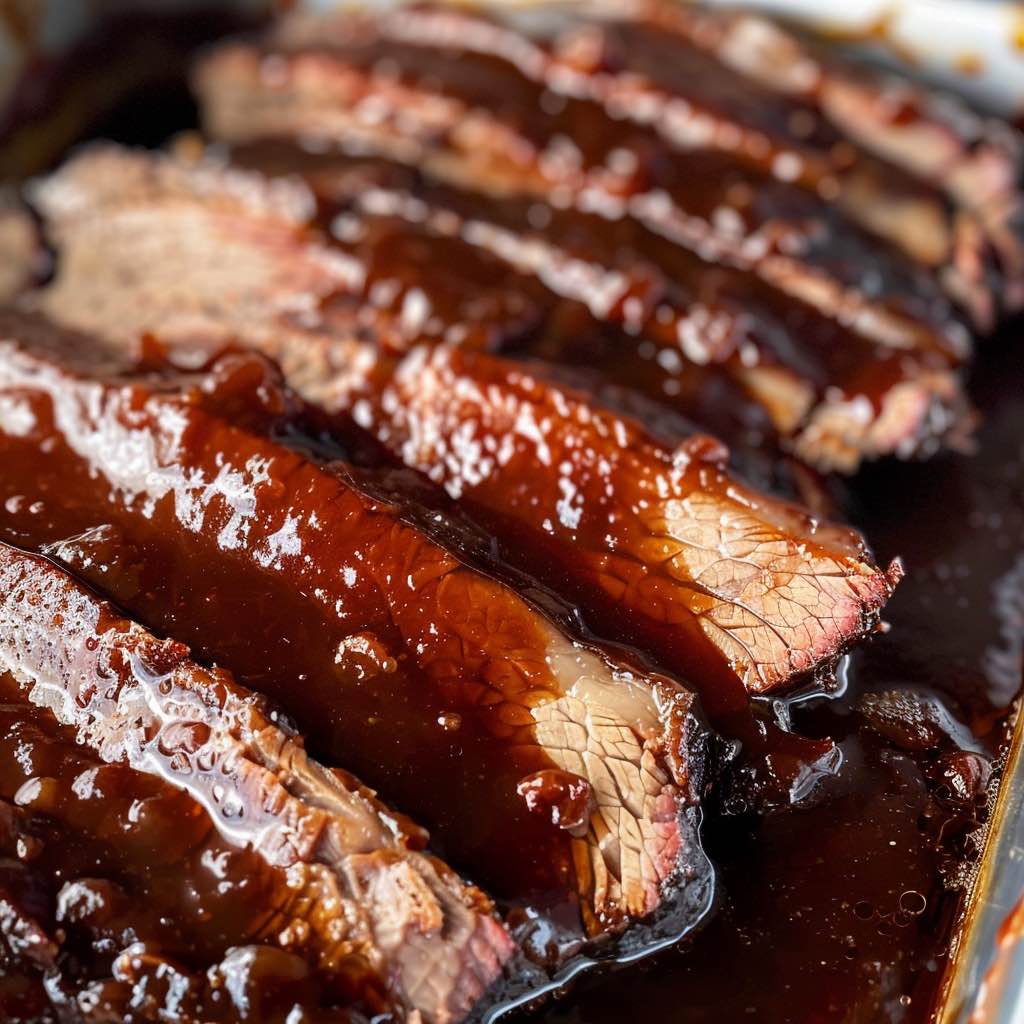
Oven BBQ Beef Brisket: A Complete Guide to Perfect Indoor Smoking
Introduction
Oven BBQ Beef Brisket brings the smoky, tender flavors of traditional barbecue right into your kitchen. This method creates fall-apart tender meat with a beautiful bark and rich flavor profile. Moreover, you don’t need a smoker or outdoor grill to achieve restaurant-quality results. Therefore, anyone can master this technique regardless of their cooking setup.
Brisket has become increasingly popular among home cooks. Additionally, the oven method offers consistent results every time. Furthermore, this approach works perfectly in any weather condition. Consequently, you can enjoy authentic barbecue flavors year-round without stepping outside.
This comprehensive guide walks you through every step. Similarly, we’ll share professional tips and techniques. In addition, you’ll learn how to avoid common pitfalls. As a result, your first attempt will yield impressive results.
What Makes Oven BBQ Beef Brisket Special
The Beauty of Indoor Smoking
Indoor brisket preparation offers several advantages. First, temperature control becomes much easier. Second, weather never interferes with your plans. Third, the cooking process remains more predictable.
The oven provides consistent, even heat distribution. Additionally, modern ovens maintain precise temperatures. Furthermore, you can monitor progress without losing heat. Therefore, achieving perfect results becomes straightforward.
Flavor Development
Oven BBQ Beef Brisket develops incredible depth of flavor. The low-and-slow cooking method breaks down tough connective tissues. Meanwhile, the dry rub creates a flavorful crust. Subsequently, the meat becomes incredibly tender and juicy.
The Maillard reaction creates complex flavors during cooking. Similarly, rendered fat bastes the meat continuously. In addition, smoke flavor can be incorporated through liquid smoke or smoked paprika. Consequently, the final product rivals traditional smoked brisket.
Choosing the Right Brisket Cut
Understanding Brisket Anatomy
Brisket comes from the breast section of the cow. It contains two distinct muscles: the flat and the point. Each muscle has different characteristics and uses.
The flat cut appears leaner and more uniform. Additionally, it slices beautifully for presentations. However, the point cut contains more marbling. Therefore, it delivers richer flavor and moisture.
Selecting Quality Meat
Look for these qualities when shopping:
-
Marbling: Good fat distribution throughout the meat
-
Color: Deep red color indicates freshness
-
Thickness: Even thickness ensures uniform cooking
-
Grade: USDA Choice or Prime offers best results
-
Weight: 4-6 pounds works well for most ovens
Fresh brisket typically weighs 10-14 pounds whole. However, most home cooks purchase half briskets. Meanwhile, butchers can trim and prepare the cut to your specifications.
Essential Ingredients and Tools
Core Ingredients
Your Oven BBQ Beef Brisket requires these essentials:
For the Dry Rub:
-
3 tablespoons brown sugar
-
2 tablespoons paprika
-
2 tablespoons smoked paprika
-
1 tablespoon black pepper
-
1 tablespoon garlic powder
-
1 tablespoon onion powder
-
1 tablespoon kosher salt
-
2 teaspoons cumin
-
2 teaspoons chili powder
-
1 teaspoon cayenne pepper
For the Brisket:
-
5-6 pound beef brisket
-
2 tablespoons yellow mustard (as binder)
-
1 cup beef broth
-
2 tablespoons liquid smoke (optional)
-
1 tablespoon apple cider vinegar
Necessary Tools
Gather these items before starting:
-
Large roasting pan with rack
-
Heavy-duty aluminum foil
-
Meat thermometer (preferably instant-read)
-
Sharp carving knife
-
Cutting board with juice groove
-
Spray bottle for spritzing
-
Kitchen twine (if needed)
Quality tools make the process easier. Additionally, proper equipment ensures better results. Furthermore, a reliable thermometer prevents overcooking. Therefore, invest in good basics for consistent success.
Preparing Your Brisket for the Oven
Initial Trimming
Proper trimming improves both cooking and presentation. First, place the brisket on a clean cutting board. Next, identify the fat cap on top.
Trim the fat cap to approximately ¼ inch thickness. However, avoid removing it entirely. Meanwhile, cut away any hard or discolored fat. Subsequently, trim loose or thin edges for even cooking.
Remove the silver skin from the underside. This tough membrane doesn’t break down during cooking. Additionally, it prevents rub penetration and creates chewy spots.
Bringing to Room Temperature
Remove the brisket from refrigeration 1-2 hours before cooking. Room temperature meat cooks more evenly. Moreover, it absorbs seasonings better. Furthermore, cold meat takes longer to reach target temperature.
Pat the surface completely dry with paper towels. Moisture prevents proper crust formation. Additionally, dry meat accepts rub more effectively. Therefore, this step proves crucial for developing good bark.
The Perfect Dry Rub Recipe
Creating the Blend
Combine all dry rub ingredients in a medium bowl. Mix thoroughly until evenly distributed. Additionally, break up any clumps with a fork. The blend should appear uniform in color and texture.
This recipe yields enough for one 5-6 pound brisket. However, you can double the batch. Store extra rub in an airtight container. Subsequently, it remains fresh for up to three months.
Application Technique
Apply mustard thinly across all surfaces of the brisket. This acts as a binder for the rub. Meanwhile, it adds subtle tanginess. Furthermore, mustard helps create better bark development.
Generously coat the brisket with dry rub. Press the mixture firmly into the meat. Additionally, cover all exposed surfaces evenly. Don’t forget the sides and ends.
Let the seasoned brisket rest 30-60 minutes at room temperature. This allows flavors to penetrate the surface. Moreover, it helps the rub adhere better during cooking.
Step-by-Step Cooking Instructions
Setting Up Your Oven
Preheat your oven to 225°F (107°C). Low temperature proves essential for tender results. Additionally, this mimics traditional smoking temperatures. Furthermore, slow cooking breaks down collagen effectively.
Position the oven rack in the lower third. This placement provides optimal heat circulation. Meanwhile, it prevents the top from browning too quickly.
The Cooking Process
Phase 1: Initial Smoke Development (4-5 hours)
Place the brisket fat-side up on the roasting rack. Add beef broth and liquid smoke to the pan bottom. This creates moisture and smoke flavor. Additionally, it prevents drippings from burning.
Cover the entire pan tightly with heavy-duty foil. Seal edges completely to trap steam. Insert the pan into the preheated oven. Cook undisturbed for the first 3 hours.
Phase 2: Building the Bark (2-3 hours)
After 3 hours, carefully remove the foil. The brisket should show good color development. Additionally, internal temperature should reach around 150°F.
Continue cooking uncovered to develop the bark. Spritz the surface every 45 minutes with beef broth. This prevents drying while maintaining moisture. Meanwhile, the exterior continues developing flavor and texture.
Phase 3: The Texas Crutch (2-3 hours)
When internal temperature reaches 165°F, wrap the brisket tightly in foil. This technique is called the Texas Crutch. It accelerates cooking and ensures tenderness. Additionally, it prevents the exterior from becoming too dark.
Return the wrapped brisket to the oven. Continue cooking until the internal temperature reaches 200-205°F. This temperature ensures proper collagen breakdown. Moreover, it guarantees fork-tender results.
Temperature and Timing Guidelines
Internal Temperature Targets
Understanding temperature stages helps achieve perfect Oven BBQ Beef Brisket:
-
150°F: Initial plateau, good smoke penetration
-
165°F: Time to wrap (Texas Crutch)
-
185°F: Collagen begins breaking down significantly
-
200-205°F: Target doneness, probe-tender
-
210°F: Maximum temperature, risk of drying
Always use a reliable meat thermometer. Insert it into the thickest part. Additionally, avoid touching fat or bone. Furthermore, check multiple spots for accuracy.
Estimated Cooking Times
Plan approximately 1.5 hours per pound at 225°F. However, actual time varies based on several factors:
-
Oven accuracy and hot spots
-
Brisket thickness and shape
-
Starting temperature of meat
-
Desired final doneness level
A 5-pound brisket typically requires 8-10 hours total. Therefore, start early in the day. Additionally, allow extra time for resting. Patience ensures the best results.
Creating Authentic Smoke Flavor Indoors
Liquid Smoke Application
Liquid smoke provides genuine barbecue flavor indoors. Add it to the braising liquid in the pan. Additionally, you can include it in a spritz mixture. Use sparingly as it concentrates quickly.
Quality matters when choosing liquid smoke. Look for natural wood varieties. Hickory offers classic barbecue flavor. Meanwhile, mesquite provides bolder, more intense smokiness.
Smoked Ingredients
Incorporate smoked elements throughout the recipe:
-
Smoked paprika: Adds color and smoky depth
-
Smoked salt: Enhances overall flavor profile
-
Smoked garlic powder: Provides complexity
-
Chipotle powder: Offers heat with smoke
These ingredients work together beautifully. Moreover, they create layered smoke flavor. Furthermore, the combination mimics traditional smoking remarkably well.
Wood Chip Method
Some cooks place foil packets of wood chips directly in the oven. Soak chips in water for 30 minutes first. Wrap them loosely in foil. Poke several holes to release smoke.
Place the packet directly on the oven floor. However, check your oven manual first. Some manufacturers discourage this method. Additionally, ensure good ventilation when using this technique.
Resting and Slicing Techniques
The Importance of Resting
Never skip the resting period for Oven BBQ Beef Brisket. Remove the wrapped brisket from the oven when done. Let it rest in foil for 30-60 minutes minimum. This step redistributes juices throughout the meat.
During resting, internal temperature rises slightly. Additionally, muscle fibers relax and reabsorb moisture. Furthermore, the meat becomes easier to slice cleanly. Therefore, resting dramatically improves final texture.
For best results, place the wrapped brisket in a cooler. Surround it with towels for insulation. It will stay hot for several hours. This technique works perfectly for timing meals.
Slicing for Success
Proper slicing technique makes a noticeable difference. First, identify the grain direction. Muscle fibers run in parallel lines. Cut perpendicular to these lines.
Use a sharp carving knife with a long blade. Slice against the grain into ¼-inch thick pieces. Additionally, use smooth, confident strokes. Avoid sawing motions that shred the meat.
The flat and point have different grain directions. Therefore, separate them at the natural seam. Subsequently, slice each section according to its grain. This ensures tender bites throughout.
Serving Suggestions and Side Dishes
Classic Accompaniments
Oven BBQ Beef Brisket pairs wonderfully with traditional sides:
-
Coleslaw: Creamy or vinegar-based varieties
-
Baked beans: Sweet and savory flavors
-
Cornbread: Slightly sweet and crumbly
-
Potato salad: Classic or German-style
-
Mac and cheese: Rich and comforting
-
Collard greens: Southern-style preparation
-
Pickles: Tangy contrast to rich meat
Check out our guide on [Classic BBQ Side Dishes] for more inspiration.
Presentation Ideas
Arrange sliced brisket on a wooden cutting board. Additionally, garnish with fresh herbs. Furthermore, serve sauce on the side. This allows guests to customize their portions.
For casual gatherings, offer brisket sandwiches. Use soft burger buns or Texas toast. Meanwhile, provide various toppings and condiments. Pickles, onions, and jalapeños add great flavor.
Sauce Recommendations
Classic barbecue sauces complement brisket beautifully:
-
Kansas City Style: Sweet and tomato-based
-
Texas Style: Thin and tangy
-
Carolina Style: Vinegar and pepper-forward
-
Alabama White Sauce: Mayonnaise-based alternative
Serve sauce warm on the side. However, well-prepared brisket needs minimal sauce. The meat should stand alone beautifully.
Common Mistakes to Avoid
Temperature Errors
Cooking too hot remains the most common mistake. High temperatures toughen the meat. Additionally, they prevent proper collagen breakdown. Therefore, maintain low, consistent heat throughout.
Conversely, some cooks stop too early. Undercooked brisket feels tough and chewy. The probe should slide in like soft butter. If you feel resistance, continue cooking.
Inadequate Resting
Rushing the resting period creates dry, disappointing results. Juices need time to redistribute properly. Additionally, the meat firms up slightly during rest. This makes slicing much cleaner and easier.
Poor Slicing Technique
Cutting with the grain creates tough, stringy meat. Always identify grain direction first. Subsequently, slice perpendicular for tender bites. This simple technique transforms the eating experience.
Overcrowding the Pan
Using too small a pan causes problems. Steam cannot escape properly. Additionally, the bottom may burn from concentrated drippings. Therefore, choose appropriately sized cookware.
Storage and Reheating Tips
Proper Storage Methods
Cool leftover Oven BBQ Beef Brisket completely before storing. Slice only what you need immediately. Store remaining meat in large pieces. This prevents drying during storage.
Wrap tightly in plastic wrap, then aluminum foil. Alternatively, use airtight containers. Refrigerate for up to 4 days safely. Meanwhile, frozen brisket lasts 2-3 months.
For freezing, portion into meal-sized amounts. Include some of the cooking juices if possible. Label packages with dates for easy identification. This organization simplifies future meal planning.
Reheating Without Drying
Reheat brisket gently to preserve moisture and texture. Preheat oven to 325°F. Place sliced brisket in a baking dish. Add beef broth or leftover juices to the bottom.
Cover tightly with foil and heat until warmed through. This typically takes 20-30 minutes. Additionally, the steam keeps meat moist. Alternatively, reheat vacuum-sealed portions in simmering water.
Avoid microwaving if possible. It tends to dry out the meat. However, if necessary, use 50% power. Add moisture and cover during reheating.
Frequently Asked Questions
How long does Oven BBQ Beef Brisket take to cook?
Oven BBQ Beef Brisket typically requires 8-10 hours at 225°F for a 5-6 pound piece. However, cooking time varies based on size and oven characteristics. Always cook to temperature rather than time. The internal temperature should reach 200-205°F for proper tenderness.
Can I cook brisket faster at higher temperature?
Higher temperatures do cook faster. However, they produce inferior results. Low-and-slow cooking breaks down collagen properly. Additionally, it ensures tender, juicy meat. Therefore, patience yields better outcomes.
Do I need liquid smoke for authentic flavor?
Liquid smoke enhances authenticity but isn’t mandatory. Smoked paprika and other smoked spices also work well. Additionally, the low-and-slow cooking method creates deep flavors. Therefore, you can achieve excellent results without liquid smoke.
Should brisket be cooked fat-side up or down?
Most experts recommend fat-side up for oven cooking. The rendering fat bastes the meat naturally. Additionally, it protects the surface from direct heat. However, some cooks prefer alternating positions. Experiment to find your preference.
How do I know when brisket is done?
Internal temperature provides the best indicator. Aim for 200-205°F in the thickest part. Additionally, the probe should slide in easily. The meat should feel tender throughout. Trust both temperature and texture for best results.
Can I make brisket ahead of time?
Yes, brisket actually improves when made ahead. Cook completely, then cool and refrigerate. Reheat gently before serving. Additionally, resting overnight allows flavors to develop further. Therefore, advance preparation often yields better results.
What causes dry brisket?
Several factors create dryness. Cooking too hot or too long dries meat out. Additionally, insufficient fat trimming removes protective layers. Furthermore, inadequate resting allows juices to escape. Proper technique prevents these issues.
Why is my brisket tough?
Undercooking remains the primary cause of toughness. Collagen needs time and temperature to break down. Additionally, cutting with the grain creates chewy texture. Ensure proper cooking temperature and slice correctly for tenderness.
Conclusion
Mastering Oven BBQ Beef Brisket opens up a world of delicious possibilities. This comprehensive guide has walked you through every essential step. From selecting quality meat to achieving perfect tenderness, you now have the knowledge for success.
Remember these key points for excellent results. First, maintain low, consistent temperature throughout cooking. Second, be patient and cook to proper internal temperature. Third, allow adequate resting time before slicing. Finally, cut against the grain for tender bites.
The beauty of this method lies in its accessibility. You don’t need expensive equipment or perfect weather. Furthermore, anyone can achieve restaurant-quality barbecue at home. Your kitchen oven provides everything necessary for success.
Practice builds confidence and refines technique. Each brisket teaches valuable lessons. Additionally, you’ll develop your preferred flavor profile. Soon, you’ll create Oven BBQ Beef Brisket that rivals any smokehouse.
Oven BBQ Beef Brisket
Description
Oven BBQ Beef Brisket
Ingredients
For the Brisket:
-
5-6 pounds beef brisket (flat cut)
-
2 tablespoons kosher salt
-
2 tablespoons brown sugar
-
2 tablespoons garlic powder
-
2 tablespoons onion powder
-
1 tablespoon chili powder
-
1 tablespoon smoked paprika
-
2 tablespoons freshly ground black pepper
-
2 tablespoons celery powder
-
2 teaspoons dried thyme
-
1 tablespoon dried mustard
-
3 tablespoons Worcestershire sauce
-
¼ cup liquid smoke
-
3 cups water
For the BBQ Sauce:
-
1½ cups hickory-flavored barbecue sauce
-
¾ cup brown sugar
Instructions
-
Trim the brisket: Remove any silverskin and trim the fat cap to about ¼-½ inch thickness
-
Make the rub: In a small bowl, combine salt, brown sugar, garlic powder, onion powder, chili powder, paprika, black pepper, celery powder, thyme, and dried mustard
-
Season the brisket: Pat the brisket dry with paper towels and rub the spice mixture all over the surface, massaging it into the meat on all sides
-
Refrigerate: Wrap the seasoned brisket tightly in foil and refrigerate for at least 8 hours or overnight to allow the rub to penetrate the meat
-
Bring to room temperature: Remove the brisket from the refrigerator 30 minutes to 1 hour before cooking
-
Preheat oven: Preheat the oven to 275°F and position the rack in the middle
-
Prepare the pan: Pour 3 cups of water into the bottom of a large roasting pan with a rack and add the liquid smoke
-
Add brisket: Place the brisket on the wire rack fat side up, drizzle with Worcestershire sauce, and insert an oven-safe meat thermometer into the thickest part
-
Cover and roast: Cover the roasting pan tightly with foil and place in the oven
-
Initial cooking: Slow roast until the internal temperature reaches 175°F, about 3-4 hours
-
Make the BBQ sauce: While the brisket cooks, combine the barbecue sauce and brown sugar in a bowl
-
Uncover and continue: Remove the foil and brush the brisket with the BBQ sauce mixture; continue roasting uncovered until the internal temperature reaches 195-205°F
-
Rest: Remove from the oven and let the brisket rest for 20-30 minutes before slicing, covering loosely with foil
-
Slice and serve: Transfer to a cutting board and slice against the grain into thin slices; serve with additional BBQ sauce