
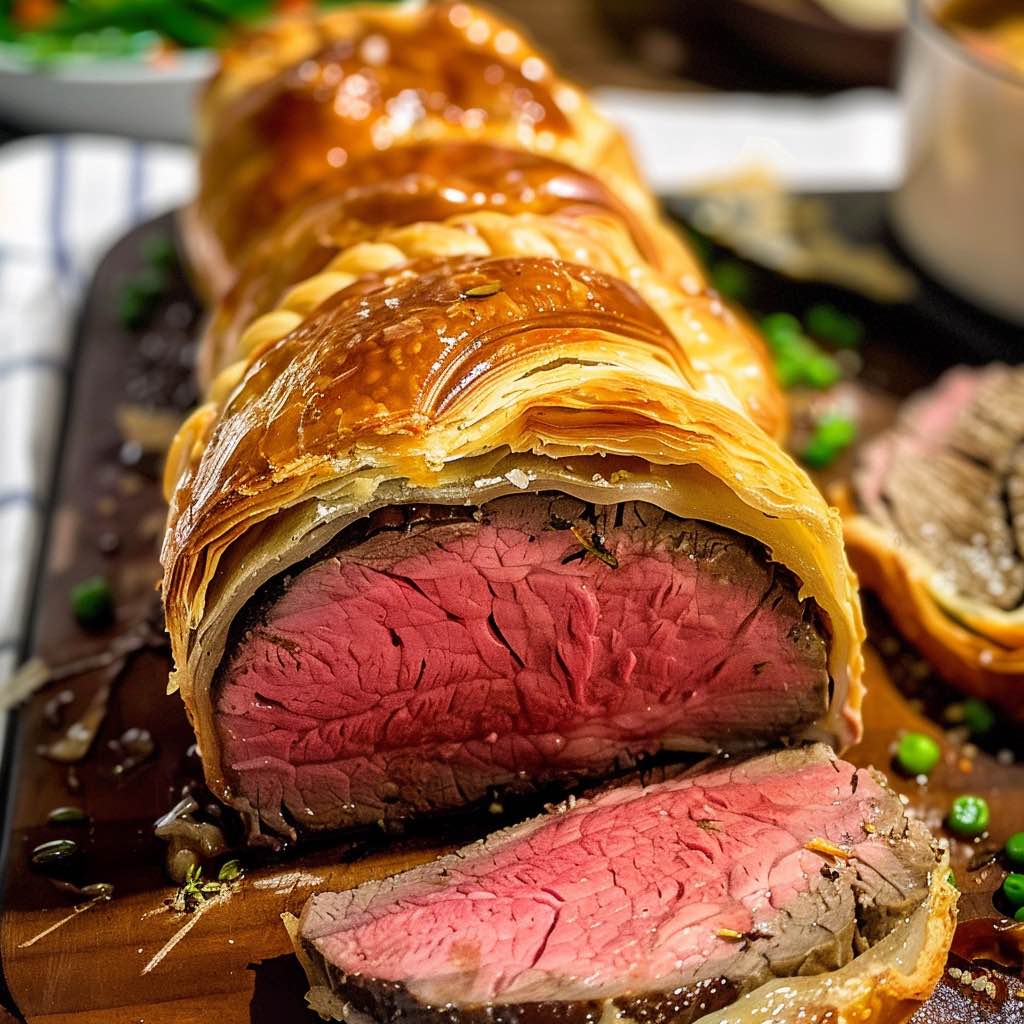
Beef Wellington: The Ultimate Guide to Perfecting This Classic Dish
Introduction to Beef Wellington
Beef Wellington stands as one of the most celebrated dishes in culinary history. This elegant preparation combines tender beef, savory mushrooms, and flaky pastry into an unforgettable meal. Moreover, creating Beef Wellington at home showcases your cooking skills and impresses dinner guests like few other dishes can.
Originally popularized in British cuisine, this recipe has become a global favorite. Therefore, understanding the techniques behind this masterpiece helps home cooks elevate their culinary repertoire. In this comprehensive guide, you’ll discover everything needed to create restaurant-quality Beef Wellington in your own kitchen.
What Makes Beef Wellington Special
A Dish Fit for Celebrations
Beef Wellington represents luxury and sophistication in the culinary world. Consequently, many people reserve this dish for special occasions like holidays, anniversaries, and important dinner parties. The combination of premium ingredients creates an impressive centerpiece that commands attention.
The layered construction requires precision and patience. However, the final result rewards your effort with incredible flavors and textures. Each component complements the others perfectly, creating harmony on the plate.
The Perfect Balance of Textures
This dish succeeds because of its contrasting textures. The tender beef provides a juicy center. Meanwhile, the mushroom layer adds earthiness and moisture. Additionally, the crispy puff pastry creates a satisfying crunch. Finally, the prosciutto or pancetta adds a salty element that ties everything together.
These layers work in concert to deliver an extraordinary eating experience. Furthermore, the visual appeal matches the incredible taste, making presentation effortless.
Essential Ingredients for Beef Wellington
The Beef
Start with a center-cut beef tenderloin weighing approximately two pounds. This cut ensures even cooking and optimal tenderness. Look for well-marbled meat with a deep red color. Additionally, bring the beef to room temperature before cooking for best results.
Quality matters significantly in this recipe. Therefore, invest in the best beef your budget allows. Many butchers can prepare a custom cut to your specifications.
Mushroom Duxelles Components
The mushroom mixture requires several key ingredients:
-
Fresh mushrooms: Use cremini, button, or a mix of wild mushrooms
-
Shallots: These provide sweetness and depth
-
Fresh thyme: Adds aromatic complexity
-
Garlic: Enhances the earthy flavors
-
Butter: Creates richness and helps bind the mixture
Proper preparation of these ingredients determines the success of your duxelles. Consequently, take time to finely chop everything uniformly.
Wrapping Materials
For wrapping, you’ll need:
-
Puff pastry: Choose high-quality, all-butter varieties
-
Prosciutto or pancetta: Provides a savory barrier
-
Dijon mustard: Adds tang and helps seal flavors
-
Egg wash: Creates the golden, glossy finish
Each element serves a specific purpose in the final dish. Moreover, using premium ingredients elevates the overall quality significantly.
Seasoning Essentials
Keep these seasonings handy:
-
Coarse sea salt
-
Freshly ground black pepper
-
Fresh herbs for garnish
Simple seasonings allow the quality ingredients to shine through. Therefore, avoid over-seasoning and let natural flavors dominate.
Kitchen Tools and Equipment
Must-Have Items
Gather these essential tools before starting:
-
Large skillet for searing
-
Food processor for duxelles
-
Rolling pin for pastry
-
Sharp chef’s knife
-
Meat thermometer
-
Pastry brush
-
Baking sheet
-
Parchment paper
-
Plastic wrap
Having everything ready streamlines the cooking process. Additionally, proper tools ensure professional results.
Optional But Helpful
Consider these helpful additions:
-
Kitchen twine for shaping
-
Offset spatula for spreading
-
Cooling rack
-
Carving board with grooves
These extras make the process easier. However, you can succeed without them using basic substitutions.
Preparing the Beef Tenderloin
Initial Trimming and Shaping
Begin by trimming any excess fat or silver skin from the tenderloin. This step ensures even cooking and better texture. Next, shape the meat into a uniform cylinder. Tie with kitchen twine if necessary to maintain shape during cooking.
Pat the beef completely dry with paper towels. This crucial step promotes better browning during searing. Furthermore, season generously with salt and pepper on all sides.
Searing the Beef
Heat a large skillet over high heat until smoking. Add a thin layer of high-smoke-point oil like grapeseed or avocado oil. Carefully place the beef in the pan and sear each side for approximately 90 seconds.
The goal is developing a deep brown crust without cooking the interior. Therefore, work quickly and keep the heat high. Once seared on all sides, immediately transfer to a plate and let cool completely.
Applying the Mustard Coating
After the beef cools, brush a thin layer of Dijon mustard over the entire surface. This step adds flavor and helps the mushroom mixture adhere. Additionally, the mustard creates a moisture barrier that prevents sogginess.
Work quickly but thoroughly to coat every surface. Then, refrigerate the beef while preparing other components. This cooling period helps everything set properly during assembly.
Creating the Mushroom Duxelles
Preparing the Mushrooms
Clean mushrooms by wiping with a damp cloth rather than washing. Excess water makes achieving the right consistency difficult. Next, chop the mushrooms as finely as possible. A food processor speeds this process significantly.
However, pulse carefully to avoid creating a paste. The texture should resemble coarse breadcrumbs. Moreover, proper chopping ensures even cooking and optimal moisture removal.
Cooking Technique
Heat butter in a large skillet over medium-high heat. Add finely chopped shallots and cook until softened, about three minutes. Then, add the mushrooms and cook, stirring frequently, until all moisture evaporates.
This process takes approximately 15-20 minutes. Consequently, patience is essential for achieving the right consistency. The mixture should look dry and paste-like when finished. Add minced garlic and fresh thyme during the last two minutes of cooking.
Season with salt and pepper to taste. Then, spread the duxelles on a plate to cool completely. This cooling step prevents soggy pastry later.
Flavor Development
The key to exceptional duxelles lies in thorough moisture removal. Water content in mushrooms can ruin the pastry’s crispness. Therefore, continue cooking until the pan appears completely dry.
Some cooks add finely chopped herbs at the end for extra complexity. Nevertheless, the basic recipe provides excellent results on its own.
Assembling Your Beef Wellington
Creating the Prosciutto Layer
Lay out a large sheet of plastic wrap on your work surface. Arrange prosciutto slices in a slightly overlapping pattern, forming a rectangle large enough to wrap the beef completely.
Spread the cooled mushroom duxelles evenly over the prosciutto, leaving a small border around the edges. This border prevents the filling from squeezing out during rolling.
Work carefully to create an even layer. Additionally, ensure no gaps appear in the coverage. These details affect the final presentation significantly.
Rolling and Wrapping
Place the cooled, mustard-coated beef at one end of the prosciutto rectangle. Using the plastic wrap as a guide, tightly roll the beef, encasing it completely in the prosciutto and mushroom layers.
Twist the ends of the plastic wrap to compress everything tightly. This step removes air pockets and creates a uniform shape. Then, refrigerate for at least 30 minutes or up to overnight.
Chilling firms everything up and makes working with the pastry easier. Moreover, this rest period allows flavors to meld beautifully.
Pastry Preparation
Roll out puff pastry on a lightly floured surface to approximately 1/4-inch thickness. The rectangle should be large enough to completely encase the beef roll with some overlap.
Remove the beef from the refrigerator and unwrap from plastic. Place it at one end of the pastry. Brush the edges with egg wash to help seal.
Final Assembly
Roll the beef in the pastry, sealing the edges by pressing firmly. Trim any excess pastry and tuck the ends underneath neatly. Brush the entire surface with egg wash for a golden finish.
Score the pastry decoratively with a sharp knife, being careful not to cut through completely. These decorative touches enhance presentation. Place seam-side down on a parchment-lined baking sheet.
Refrigerate for at least 20 minutes before baking. This final rest ensures the pastry stays crisp during cooking.
Baking to Perfection
Temperature and Timing
Preheat your oven to 425°F (220°C). The high temperature ensures crispy pastry and properly cooked beef. Place the assembled Wellington in the center of the oven.
Bake for 25-30 minutes for medium-rare beef, or until the internal temperature reaches 125°F (52°C). For medium doneness, aim for 135°F (57°C). Use a meat thermometer inserted through the pastry into the center of the beef.
The pastry should turn deep golden brown. Additionally, watch carefully during the last few minutes to prevent over-browning.
Managing Doneness
Remember that carryover cooking continues after removing from the oven. Therefore, pull the Wellington when the temperature is 5 degrees below your target. Rest the Wellington for 10-15 minutes before slicing.
This resting period allows juices to redistribute throughout the meat. Consequently, cutting too early results in dry beef and lost juices.
Signs of Proper Cooking
Look for these indicators of success:
-
Deep golden pastry color
-
Firm texture when pressed gently
-
Clear juices when pierced
-
Proper internal temperature
Trust your thermometer more than visual cues alone. However, experience helps you recognize perfection at a glance.
Serving and Presentation Tips
Slicing Technique
Use a sharp serrated knife to cut through the crispy pastry without crushing it. Cut into thick slices, approximately 1.5 inches wide. Each slice should reveal the beautiful layers of pastry, prosciutto, mushrooms, and pink beef.
Wipe the knife between cuts for cleaner slices. Additionally, work carefully to maintain the structural integrity of each portion.
Plating Suggestions
Present slices on warmed plates for best results. Consider these accompaniment ideas:
-
Roasted root vegetables
-
Creamy mashed potatoes
-
Steamed green beans with almonds
-
Glazed carrots
-
Garlic-herb butter mushrooms
Choose sides that complement rather than compete with the Wellington’s rich flavors. Moreover, ensure plates look balanced and appealing.
Sauce Options
While Beef Wellington stands alone beautifully, some prefer serving sauces alongside. Consider these options:
-
Rich mushroom sauce
-
Beef reduction sauce
-
Horseradish cream
-
Garlic herb butter
Serve sauces on the side rather than over the Wellington. This approach preserves the pastry’s crispness while offering flavor variety.
Common Mistakes to Avoid
Moisture Management Issues
The most frequent problem involves soggy pastry. This occurs when the duxelles retains too much moisture or the beef isn’t properly seared. Therefore, ensure complete moisture removal from mushrooms during cooking.
Additionally, avoid skipping the cooling steps. Room temperature or warm ingredients release steam inside the pastry, causing sogginess.
Overcooking the Beef
Many home cooks accidentally overcook the tenderloin. Remember that the beef continues cooking during resting. Consequently, remove it from the oven slightly before reaching your target temperature.
Use a reliable meat thermometer and check the temperature early. Furthermore, avoid opening the oven door frequently, which causes temperature fluctuations.
Assembly Problems
Poor assembly leads to uneven cooking or structural failures. Take time to create uniform layers and eliminate air pockets. Moreover, ensure tight wrapping at each stage.
Refrigerating between steps helps everything set properly. Don’t rush this process, as patience yields better results.
Pastry Handling Errors
Working with warm pastry causes tears and uneven cooking. Keep everything cold until ready to bake. Additionally, avoid over-handling the dough, which develops gluten and creates toughness.
If the pastry becomes too soft during assembly, return it to the refrigerator briefly. This simple step prevents many problems.
Variations and Alternatives
Individual Beef Wellingtons
Create personal portions by dividing the beef into smaller pieces. This approach offers several advantages:
-
Easier cooking and temperature control
-
Elegant individual presentations
-
Simplified slicing and serving
-
Better portion management
Follow the same techniques but adjust cooking times accordingly. Individual portions typically need 15-20 minutes in the oven.
Different Proteins
Try these alternatives to beef:
-
Pork tenderloin: Creates a similar structure with different flavor
-
Venison: Offers a gamey, rich taste
-
Salmon: Transforms into a seafood version
-
Chicken breast: Provides a leaner option
Adjust cooking times and temperatures based on the protein chosen. Moreover, modify seasonings to complement each meat type.
Vegetarian Wellington
Replace beef with vegetables for a plant-based version:
-
Mixed roasted vegetables
-
Portobello mushrooms
-
Lentil and nut loaf
-
Butternut squash and spinach
The assembly process remains similar. However, monitor moisture levels carefully with vegetable-based fillings.
Creative Seasonings
Experiment with different flavor profiles:
-
Mediterranean herbs and sun-dried tomatoes
-
Asian-inspired sesame and ginger
-
Southwestern spices and peppers
-
French herb blends
These variations keep the technique familiar while offering new taste experiences. Nevertheless, respect the basic structure that makes Wellington special.
Storage and Reheating Instructions
Proper Storage Methods
Store leftover Beef Wellington in an airtight container in the refrigerator. Consume within 2-3 days for best quality. The pastry loses some crispness during storage. However, proper reheating techniques help restore texture.
Avoid freezing cooked Wellington, as the pastry becomes soggy upon thawing. Instead, freeze the assembled but unbaked Wellington for up to one month. Bake directly from frozen, adding 10-15 minutes to the cooking time.
Reheating Techniques
Reheat leftover slices in a 350°F (175°C) oven for 10-15 minutes. This method helps restore some pastry crispness. Cover loosely with foil to prevent over-browning.
Alternatively, reheat in an air fryer at 350°F for 8-10 minutes. This approach often yields crispier results than conventional ovens. Avoid microwaving, which creates rubbery pastry.
Make-Ahead Strategies
Prepare components ahead to streamline cooking:
-
Make duxelles up to 3 days ahead
-
Sear and refrigerate beef 1 day ahead
-
Assemble completely and refrigerate overnight
-
Bake just before serving
This approach reduces stress during entertaining. Additionally, flavors develop more fully with advance preparation.
FAQs About Beef Wellington
How do I prevent soggy pastry in Beef Wellington?
Ensure thorough moisture removal from mushrooms during duxelles preparation. Additionally, cool all components completely before assembly. The prosciutto layer creates a moisture barrier between the wet filling and pastry. Finally, avoid wrapping the Wellington too far in advance of baking.
Can I make Beef Wellington ahead of time?
Yes, assemble the Wellington completely and refrigerate up to 24 hours before baking. Alternatively, freeze the unbaked Wellington for up to one month. Bake directly from the refrigerator or freezer, adjusting cooking time as needed. This flexibility makes Wellington perfect for entertaining.
What temperature should beef be for medium-rare Wellington?
Aim for an internal temperature of 125-130°F (52-54°C) when removing from the oven. The beef continues cooking during resting, reaching approximately 130-135°F (54-57°C) when sliced. Use a reliable meat thermometer for accurate readings.
Why is my Beef Wellington falling apart?
Poor assembly technique often causes structural problems. Ensure tight wrapping at each stage and eliminate air pockets. Additionally, adequate refrigeration between steps helps everything set properly. Slice with a sharp serrated knife to prevent crushing.
What sides pair well with Beef Wellington?
Choose vegetables and starches that complement without overwhelming. Roasted root vegetables, mashed potatoes, green beans, and glazed carrots work beautifully. Keep sides simple to let the Wellington shine as the centerpiece.
How do I know when Beef Wellington is done?
Use a meat thermometer inserted through the pastry into the thickest part of the beef. The pastry should appear deep golden brown and crispy. Trust the thermometer over visual cues for accurate doneness assessment.
Can I use store-bought puff pastry?
Absolutely! Quality store-bought puff pastry produces excellent results. Look for all-butter varieties for best flavor and texture. Thaw according to package directions before using. Homemade pastry offers minimal advantage for this recipe.
How long does Beef Wellington need to rest after cooking?
Rest the Wellington for 10-15 minutes after removing from the oven. This crucial step allows juices to redistribute throughout the meat. Cutting too early results in dry beef and lost juices. Cover loosely with foil during resting.
Conclusion
Beef Wellington represents the pinnacle of culinary achievement for home cooks. This comprehensive guide provides everything needed to master this impressive dish. From selecting quality ingredients to perfecting assembly techniques, each step contributes to creating restaurant-quality results.
The key to success lies in attention to detail and patience. Take time to properly prepare each component. Additionally, respect the cooling and resting periods throughout the process. These steps ensure optimal texture and flavor in your final dish.
Whether serving for a special occasion or challenging yourself culinarily, Beef Wellington delivers unforgettable results. The combination of tender beef, savory mushrooms, and flaky pastry creates an experience guests will remember. Moreover, mastering this technique builds confidence for tackling other complex recipes.
Start your Beef Wellington journey today and discover why this classic dish has captivated food lovers for generations. With practice and attention to detail, you’ll create impressive meals that rival high-end restaurants. Check out our guide on [selecting and preparing premium beef cuts] to further enhance your cooking skills.

Beef Wellington
Description
Beef Wellington Recipe
Ingredients
-
For the Beef:
-
1 center-cut beef tenderloin (about 2–2.5 lbs)
-
2 tbsp olive oil
-
Salt and black pepper, to taste
-
2 tbsp Dijon mustard
For the Mushroom Duxelles:
-
1 lb mushrooms (cremini or button), finely chopped
-
2 tbsp unsalted butter
-
2 shallots, minced
-
2 cloves garlic, minced
-
2 tsp fresh thyme leaves
-
Salt and pepper, to taste
For Assembly:
-
6–8 thin slices of prosciutto
-
2 tbsp fresh parsley, chopped
-
1 sheet puff pastry (thawed if frozen)
-
1 egg, beaten (for egg wash)
Instructions
-
Prepare the Beef:
-
Season the beef tenderloin generously with salt and pepper.
-
Heat olive oil in a skillet over high heat. Sear beef on all sides until browned (about 2–3 minutes per side).
-
Remove from heat, brush with Dijon mustard, and let cool.
-
-
Make the Mushroom Duxelles:
-
In a skillet, melt butter over medium heat.
-
Add shallots, garlic, and mushrooms. Cook until mixture is dry and most liquid has evaporated (about 10–15 minutes).
-
Stir in thyme, parsley, salt, and pepper. Let cool completely.
-
-
Assemble the Wellington:
-
On a sheet of plastic wrap, layer slices of prosciutto slightly overlapping.
-
Spread the mushroom duxelles evenly over the prosciutto.
-
Place the beef tenderloin on top and roll tightly into a log using the plastic wrap. Chill in the fridge for 15–20 minutes.
-
-
Wrap in Puff Pastry:
-
Roll out puff pastry on a lightly floured surface.
-
Remove beef from plastic wrap and place in the center of pastry.
-
Fold pastry over beef, trimming any excess, and seal edges tightly.
-
Brush pastry with beaten egg for a golden finish.
-
-
Bake:
-
Place wrapped beef seam-side down on a baking sheet.
-
Brush once more with egg wash, and score the pastry lightly with a knife for decoration.
-
Bake at 400°F (200°C) for 35–45 minutes, until pastry is golden brown and internal temperature of beef reaches 125°F (52°C) for medium-rare.
-
-
Rest & Serve:
-
Let the Beef Wellington rest for 10 minutes before slicing.
-
Serve with a gravy, or a creamy peppercorn sauce.
-