
Southern Fried Chicken: The Ultimate Guide to Crispy, Golden Perfection
Introduction
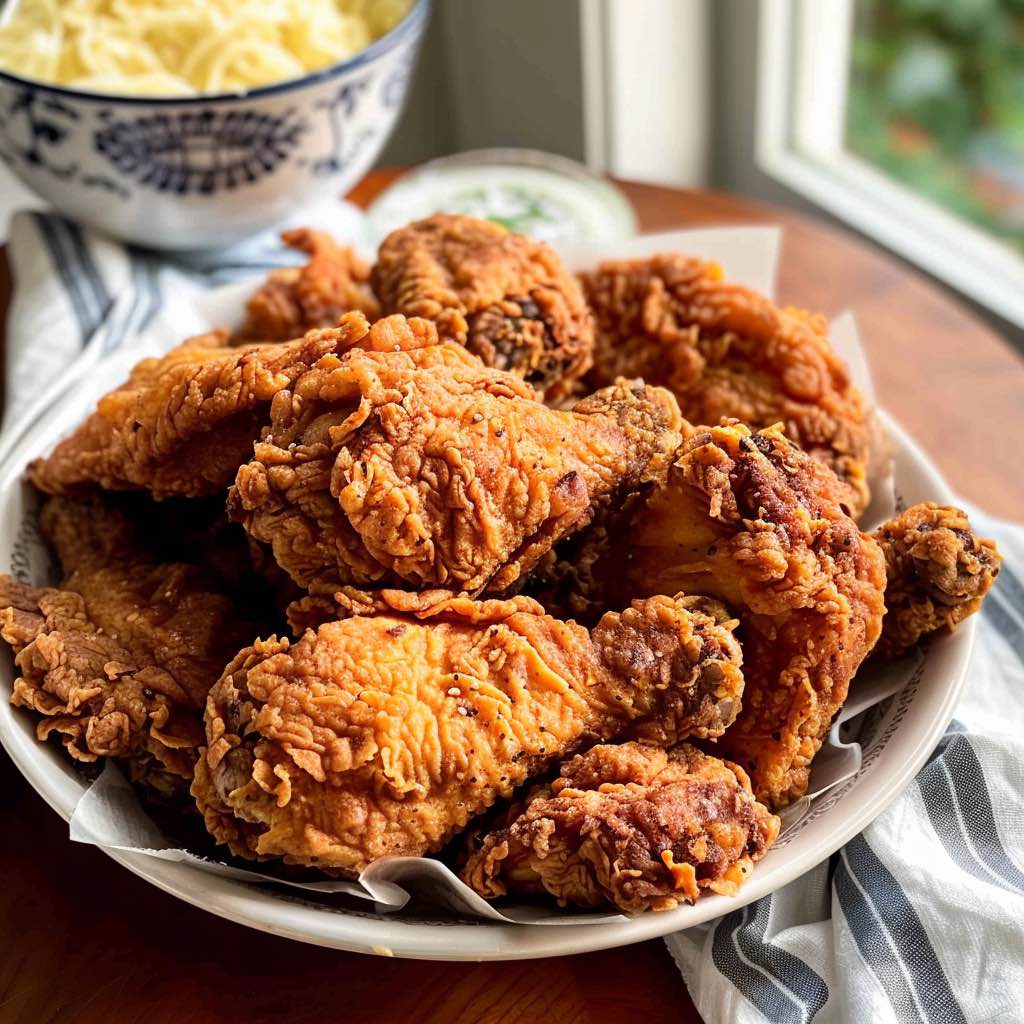
Southern fried chicken represents the pinnacle of American comfort food. This iconic dish has graced tables across the South for generations, bringing families together with its irresistible combination of crispy coating and tender, juicy meat. Moreover, mastering this classic recipe transforms any home cook into a culinary hero. Consequently, understanding the techniques behind authentic Southern fried chicken opens doors to countless memorable meals.
The journey to perfect fried chicken begins with respecting tradition while embracing proven methods. Indeed, this comprehensive guide reveals everything you need to know about creating restaurant-quality results in your own kitchen. Furthermore, we’ll explore the science, techniques, and insider tips that separate good fried chicken from extraordinary fried chicken.
What Makes Southern Fried Chicken Special
The Cultural Significance
Southern fried chicken holds deep roots in American culinary history. Additionally, this beloved dish represents more than just food—it symbolizes hospitality, celebration, and heritage. The tradition of frying chicken emerged from practical necessity and evolved into an art form passed down through generations.
Key Characteristics
Authentic Southern-style chicken features several distinctive qualities:
-
Ultra-crispy exterior: The coating achieves a shatteringly crunchy texture
-
Juicy interior: The meat remains moist and flavorful throughout
-
Golden-brown color: A beautiful amber hue indicates proper cooking
-
Seasoned perfection: Bold spices penetrate every layer
Essential Ingredients for Authentic Flavor
The Chicken
Selecting quality chicken makes a tremendous difference. Therefore, choose fresh, never frozen pieces whenever possible. Whole chickens cut into pieces typically yield the best results. Meanwhile, bone-in, skin-on cuts provide superior flavor and moisture retention.
The Buttermilk
Buttermilk serves as the foundation of Southern fried chicken. This tangy liquid tenderizes the meat while adding subtle flavor. Furthermore, buttermilk helps the coating adhere perfectly to each piece. Alternatively, you can create a substitute using regular milk with lemon juice or vinegar.
The Flour Mixture
All-purpose flour creates the classic coating base. However, the magic happens when you add the right seasonings:
-
Paprika for color and subtle sweetness
-
Garlic powder for savory depth
-
Onion powder for aromatic complexity
-
Black pepper for heat
-
Cayenne pepper for extra kick
-
Salt for overall flavor enhancement
The Oil
Choosing the right frying oil impacts both flavor and texture. Subsequently, options with high smoke points work best:
-
Peanut oil delivers traditional taste
-
Vegetable oil provides neutral flavor
-
Canola oil offers health benefits
-
Shortening creates extra crispiness
The Science Behind Perfect Fried Chicken
Temperature Matters
Maintaining consistent oil temperature ensures even cooking. Ideally, the oil should register between 325°F and 350°F. Lower temperatures result in greasy, soggy chicken. Conversely, excessively high temperatures burn the coating before cooking the interior.
The Maillard Reaction
This chemical process creates the golden-brown color and complex flavors. Specifically, proteins and sugars react at high temperatures, producing hundreds of flavor compounds. Therefore, proper frying temperature activates this essential reaction.
Moisture and Steam
During frying, moisture escapes from the chicken as steam. Meanwhile, the coating sets and crisps up, creating a protective barrier. This process locks in juices while developing that signature crunch.
Step-by-Step Preparation Guide
Initial Preparation
First, remove chicken from refrigeration 30 minutes before cooking. Room temperature chicken cooks more evenly. Next, pat each piece thoroughly dry with paper towels. Excess moisture prevents proper coating adhesion.
Setting Up Your Station
Organization streamlines the cooking process. Therefore, arrange three stations:
-
Buttermilk station: Pour buttermilk into a large bowl
-
Flour station: Mix flour and seasonings in another bowl
-
Resting station: Place a wire rack over a baking sheet
The Double-Dipping Method
This technique creates extra-crispy coating:
-
Dredge chicken in seasoned flour
-
Dip into buttermilk completely
-
Return to flour mixture for final coating
-
Let coated pieces rest 15-20 minutes
The resting period allows the coating to set properly. Consequently, it adheres better during frying and creates superior texture.
Brining and Marinating Techniques
Basic Brine Recipe
Brining enhances moisture retention and flavor penetration. Mix these ingredients:
-
4 cups cold water
-
1/4 cup kosher salt
-
2 tablespoons sugar
-
2 bay leaves
-
1 tablespoon black peppercorns
Submerge chicken for 2-4 hours, then rinse and pat dry.
Buttermilk Marinade
For deeper flavor, marinate chicken in seasoned buttermilk overnight. Simply combine:
-
2 cups buttermilk
-
2 teaspoons hot sauce
-
1 teaspoon garlic powder
-
1 teaspoon onion powder
-
Salt and pepper to taste
This method tenderizes meat while infusing complementary flavors throughout.
Creating the Perfect Coating
Seasoning the Flour
Balance is crucial when seasoning your flour mixture. Start with these proportions per 2 cups flour:
-
2 teaspoons salt
-
1 teaspoon black pepper
-
1 teaspoon paprika
-
1 teaspoon garlic powder
-
1/2 teaspoon cayenne pepper
Adjust seasonings according to personal preference. Additionally, some cooks add dried herbs like thyme or oregano.
Adding Texture
Several techniques create extra-crispy coating:
-
Cornstarch addition: Mix 1/4 cup cornstarch with flour for lighter texture
-
Breadcrumb incorporation: Add panko for enhanced crunch
-
Double coating: Apply two layers for maximum crispiness
The Wet Mixture
Beyond plain buttermilk, consider these additions:
-
Hot sauce for tangy heat
-
Pickle juice for briny flavor
-
Beaten eggs for richer coating
Frying Methods and Temperature Control
Cast Iron Skillet Method
Traditional Southern cooks prefer cast iron skillets. These pans distribute heat evenly and maintain consistent temperatures. Fill the skillet with 1-2 inches of oil, leaving space for chicken pieces.
Deep Fryer Approach
Electric deep fryers simplify temperature control. Set the device to 350°F and follow manufacturer guidelines. This method produces uniformly cooked chicken with minimal effort.
Oven-Frying Alternative
For less mess, try oven-frying:
-
Preheat oven to 400°F
-
Place coated chicken on greased rack
-
Bake 40-45 minutes, flipping halfway
-
Finish under broiler for extra crispiness
Temperature Monitoring
Use a reliable thermometer to check both oil and chicken temperatures. Internal temperature should reach 165°F for safe consumption. Meanwhile, oil temperature fluctuates as chicken cooks, so adjust heat accordingly.
Common Mistakes to Avoid
Overcrowding the Pan
Placing too many pieces simultaneously drops oil temperature dramatically. Consequently, chicken becomes greasy and soggy. Instead, fry in small batches with adequate space between pieces.
Skipping the Resting Period
Rushing from coating to frying prevents proper adhesion. Therefore, always allow coated chicken to rest 15-20 minutes. This crucial step ensures the breading stays intact during frying.
Incorrect Oil Temperature
Using a thermometer eliminates guesswork. Oil that’s too cool produces greasy results. Conversely, excessively hot oil burns coating before cooking meat thoroughly.
Turning Too Frequently
Patience yields better results. Flip chicken only once during cooking. Constant turning disturbs the coating and prevents proper browning.
Neglecting to Drain
After frying, place chicken on a wire rack instead of paper towels. Wire racks allow air circulation underneath, preventing soggy bottoms. Paper towels trap steam, compromising crispiness.
Serving Suggestions and Side Dishes
Classic Accompaniments
Southern fried chicken pairs beautifully with traditional sides:
-
Creamy coleslaw provides refreshing contrast
-
Buttermilk biscuits soak up delicious drippings
-
Mashed potatoes offer comfort food perfection
-
Collard greens add nutritious balance
-
Cornbread delivers sweet, crumbly texture
-
Mac and cheese creates ultimate indulgence
[Check out our guide on perfect buttermilk biscuits]
Modern Pairings
Contemporary variations expand serving possibilities:
-
Fresh garden salad with tangy vinaigrette
-
Grilled vegetables for lighter option
-
Roasted sweet potatoes with herbs
-
Quinoa salad with fresh herbs
-
Steamed green beans with garlic
Sauce Options
While delicious alone, sauces enhance the experience:
-
Honey drizzle adds sweet contrast
-
Hot sauce provides spicy kick
-
Ranch dressing offers cooling effect
-
BBQ sauce delivers smoky tang
-
Comeback sauce brings Southern authenticity
Storing and Reheating Tips
Proper Storage
Leftover Southern fried chicken stays fresh with proper handling. First, cool completely at room temperature. Then, store in airtight containers lined with paper towels. Refrigerate for up to 4 days maximum.
Freezing Guidelines
For longer storage, freezing works well:
-
Wrap individual pieces in plastic wrap
-
Place wrapped chicken in freezer bags
-
Label with date and contents
-
Freeze up to 3 months
Reheating Methods
Restore crispiness using these techniques:
Oven method: Preheat to 375°F. Place chicken on wire rack over baking sheet. Heat 15-20 minutes until crispy and hot throughout.
Air fryer method: Set to 375°F. Arrange chicken in single layer. Cook 8-10 minutes, flipping halfway through.
Skillet method: Heat small amount of oil over medium heat. Warm chicken 5-7 minutes per side until heated through.
Avoid microwaving, which creates soggy, rubbery texture.
Healthier Alternatives
Reducing Fat Content
Several modifications create lighter versions:
-
Use skinless chicken pieces
-
Try oven-frying with minimal oil
-
Employ air fryer technology
-
Substitute whole wheat flour
Portion Control
Mindful serving sizes allow enjoyment without excess. One or two pieces typically satisfies most appetites. Additionally, fill plates with vegetables and whole grains.
Ingredient Swaps
Consider these substitutions:
-
Greek yogurt instead of buttermilk
-
Almond flour for gluten-free coating
-
Olive oil spray for reduced fat
-
Spices instead of excess salt
Regional Variations
Tennessee Hot Chicken
Nashville’s famous version features intense heat. After frying, chicken receives a spicy paste coating. This style has gained national popularity recently.
Georgia Style
Georgian cooks often add pickle brine to buttermilk marinade. Furthermore, they prefer slightly sweeter seasoning blends.
Louisiana Influence
Cajun-inspired versions incorporate bold spices:
-
Extra cayenne pepper
-
Creole seasoning
-
File powder
-
Dried thyme
Texas Touch
Texan preparations sometimes include:
-
Smoky chipotle powder
-
Cumin for southwestern flair
-
Lime zest in coating
Frequently Asked Questions
How do I make Southern fried chicken extra crispy?
Double-coating creates maximum crispiness. Dredge chicken in flour, dip in buttermilk, then return to flour mixture. Additionally, adding cornstarch to flour enhances crunch. Let coated pieces rest before frying to ensure proper adhesion.
What temperature should the oil be for frying chicken?
Maintain oil temperature between 325°F and 350°F. Use a thermometer for accuracy. This range cooks chicken thoroughly while achieving golden-brown coating. Lower temperatures produce greasy results, while higher temperatures burn exterior.
Can I make fried chicken ahead of time?
Yes, Southern fried chicken reheats well. Cool completely, then refrigerate in airtight containers. Reheat in 375°F oven for 15-20 minutes to restore crispiness. Avoid microwaving, which creates soggy texture.
Why is my fried chicken coating falling off?
Several factors cause coating separation. Pat chicken completely dry before coating. Allow coated pieces to rest 15-20 minutes before frying. Maintain proper oil temperature throughout cooking. Avoid overcrowding the pan, which drops temperature and creates steam.
How long does it take to fry chicken pieces?
Cooking time varies by piece size. Drumsticks and thighs require 12-15 minutes. Breast pieces need 15-18 minutes. Wings cook fastest at 8-10 minutes. Always verify internal temperature reaches 165°F.
What’s the best oil for frying chicken?
Peanut oil delivers authentic flavor with high smoke point. Vegetable oil provides neutral taste and affordability. Canola oil offers healthier option. Choose oils that can withstand temperatures of 350°F without breaking down.
Conclusion
Mastering Southern fried chicken transforms ordinary meals into extraordinary celebrations. This comprehensive guide provides all the knowledge needed to create crispy, juicy perfection every time. Remember the key principles: quality ingredients, proper preparation, correct temperature, and patience throughout the process.
The journey from raw chicken to golden-brown masterpiece requires attention to detail. However, the results justify every effort. Whether serving family dinner or hosting friends, homemade Southern fried chicken never disappoints. Moreover, this versatile dish adapts to personal preferences while maintaining its essential character.
Start with the basic recipe, then experiment with seasonings and techniques. Practice builds confidence and skill. Soon, your fried chicken will rival any restaurant’s version.

Southern Fried Chicken
Description
Southern Fried Chicken
Ingredients
For the Chicken:
-
3–4 lbs chicken pieces (drumsticks, thighs, breasts, wings)
-
2 cups buttermilk
-
2 tsp hot sauce (optional, for heat)
-
2 tsp salt
For the Seasoned Flour Coating:
-
2 cups all-purpose flour
-
1 tsp baking powder (for extra crunch)
-
2 tsp paprika
-
1 tsp cayenne pepper (optional for spice)
-
2 tsp garlic powder
-
2 tsp onion powder
-
2 tsp salt
-
1 tsp black pepper
-
1 tsp dried thyme or oregano
For Frying:
-
Peanut oil, canola oil, or vegetable oil (enough for deep frying)
Instructions
-
Marinate the Chicken:
-
In a large bowl, whisk buttermilk, salt, and hot sauce.
-
Add chicken pieces, cover, and refrigerate for at least 4 hours (overnight is best for maximum flavor and tenderness).
-
-
Prepare the Coating:
-
In a shallow dish, mix flour, baking powder, and all spices/herbs.
-
-
Dredge the Chicken:
-
Remove chicken from buttermilk, letting excess drip off.
-
Dredge each piece in seasoned flour, pressing firmly so the coating sticks.
-
For extra crispy chicken: dip once more in buttermilk, then back into flour (double dredge). Place on a wire rack for 10–15 minutes to set the crust.
-
-
Fry the Chicken:
-
Heat oil in a deep cast-iron skillet or Dutch oven to 325–350°F (165–175°C).
-
Fry chicken in batches (don’t overcrowd the pan), about 12–15 minutes for dark meat and 8–10 minutes for white meat, turning occasionally until golden brown.
-
Internal temperature should reach 165°F (74°C).
-
-
Drain & Serve:
-
Place fried chicken on a wire rack over a baking sheet (not paper towels, to keep crispy).
-
Let rest 5 minutes before serving.
-
Tips for Extra Crispy Southern Fried Chicken
-
Use buttermilk for marinating – it tenderizes and adds tang.
-
Add a little cornstarch (½ cup mixed with the flour) for an even crispier crust.
-
Keep the oil temperature steady; too low makes greasy chicken, too high burns the crust.