
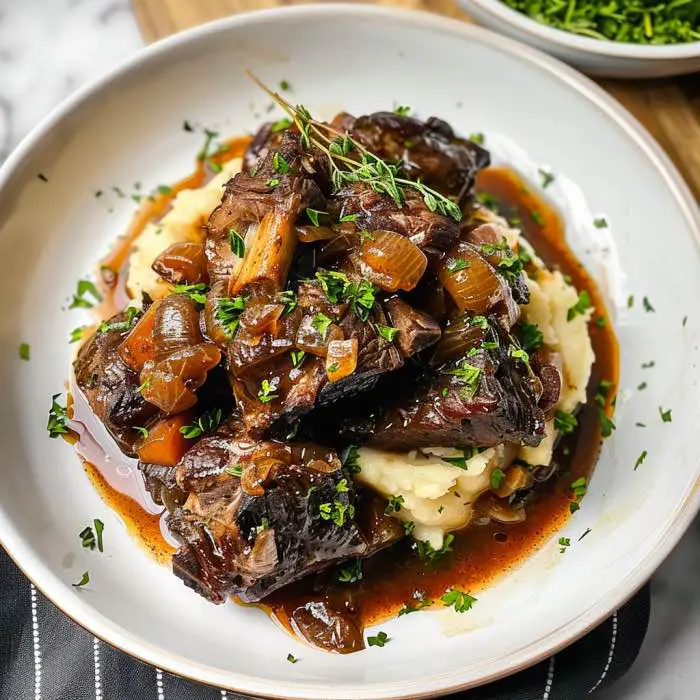
Braised Short Ribs: The Ultimate Guide to Tender, Fall-Off-The-Bone Perfection
Introduction
Braised short ribs represent the pinnacle of comfort food elegance. These succulent, tender pieces of beef transform into a melt-in-your-mouth delicacy through slow, gentle cooking. Moreover, mastering this technique elevates your home cooking to restaurant quality. This guide provides everything you need to create perfectly braised short ribs in your own kitchen. Additionally, you’ll discover professional tips that guarantee success every single time.
The beauty of braising lies in its simplicity. Furthermore, this cooking method requires minimal hands-on time while delivering maximum flavor. Consequently, braised short ribs make an impressive dish for special occasions or cozy family dinners.
What Are Short Ribs?
Short ribs come from the beef chuck or plate sections. Specifically, these cuts contain layers of meat, fat, and connective tissue surrounding the rib bone. Therefore, they benefit immensely from slow cooking methods.
Types of Short Ribs
English-Style Short Ribs:
-
Cut parallel to the bone
-
Each piece contains one bone
-
Meat surrounds the bone on all sides
-
Typically 2-3 inches thick
Flanken-Style Short Ribs:
-
Cut across the bones
-
Each piece contains 3-4 bone sections
-
Thinner cut (approximately 0.5 inches)
-
Popular in Korean and Asian cooking
Boneless Short Ribs:
-
Bone removed before sale
-
Easier to eat
-
Cook slightly faster
-
May dry out more easily
Generally, English-style short ribs work best for traditional braising. Meanwhile, their thickness ensures the meat stays moist during extended cooking times.
Why Braising Works Best for Short Ribs
Braising transforms tough, collagen-rich cuts into tender masterpieces. Additionally, this method combines both dry and wet heat cooking. Initially, you sear the meat to develop deep flavors. Subsequently, you cook it slowly in liquid until fork-tender.
The Science Behind Braising
Collagen breaks down into gelatin at temperatures around 160-180°F. Consequently, the meat becomes tender while the braising liquid turns silky. Furthermore, low temperatures prevent the muscle fibers from toughening. Therefore, patience yields the best results.
Benefits of Braising:
-
Breaks down tough connective tissue
-
Creates deeply flavored sauces
-
Requires minimal supervision
-
Works with economical cuts
-
Produces consistent results
Moreover, braised short ribs actually improve when made ahead. In fact, the flavors deepen overnight as the meat rests in its sauce.
Essential Ingredients for Braised Short Ribs
Quality ingredients form the foundation of exceptional braised short ribs. Therefore, select each component carefully for optimal results.
The Meat
Choose well-marbled short ribs with visible fat throughout. Specifically, look for pieces that are uniform in size. Additionally, fresh meat should appear bright red with creamy white fat. Generally, plan for 1-1.5 pounds per person when serving as a main course.
Aromatics and Vegetables
Essential Aromatics:
-
Yellow or white onions (2 large)
-
Carrots (3-4 medium)
-
Celery stalks (3-4 ribs)
-
Garlic cloves (6-8 whole)
-
Fresh thyme (4-5 sprigs)
-
Bay leaves (2-3)
-
Fresh rosemary (1-2 sprigs)
These vegetables create the flavor base called mirepoix. Furthermore, they release natural sugars during cooking that enrich the sauce.
Liquids and Seasonings
Braising Liquids:
-
Beef stock (4-6 cups, homemade preferred)
-
Vegetable stock (alternative option)
-
Tomato paste (2 tablespoons)
-
Balsamic vinegar (2 tablespoons)
Seasonings:
-
Kosher salt
-
Black peppercorns
-
Smoked paprika
-
Ground cumin
-
Fresh parsley
Notably, high-quality stock makes a significant difference. Therefore, consider making your own or purchasing from reputable brands. [Check our guide on making homemade beef stock].
Equipment You’ll Need
Having proper equipment ensures smooth preparation and cooking. Fortunately, braising doesn’t require specialized tools.
Essential Tools
Large Dutch Oven:
-
6-8 quart capacity
-
Heavy-bottomed for even heat
-
Oven-safe with tight-fitting lid
-
Enameled cast iron works best
Additional Equipment:
-
Large tongs
-
Sharp chef’s knife
-
Cutting board
-
Measuring cups and spoons
-
Wooden spoon
-
Aluminum foil
-
Strainer or fine-mesh sieve
A quality Dutch oven distributes heat evenly. Consequently, this prevents scorching and ensures consistent cooking. According to Cook’s Illustrated, heavy cookware maintains steady temperatures better than lightweight alternatives.
Step-by-Step Braising Instructions
Follow these detailed steps for perfectly braised short ribs every time. Additionally, these techniques apply to most braising recipes.
Preparation Phase
Step 1: Season the Meat
Remove short ribs from refrigeration 30 minutes before cooking. Meanwhile, this brings them to room temperature for even cooking. Generously season all sides with salt and pepper. Specifically, use about 1 teaspoon of salt per pound of meat.
Step 2: Prepare Vegetables
Cut onions into large wedges (about 1.5 inches). Similarly, chop carrots and celery into 2-inch pieces. Peel garlic cloves but keep them whole. Remember, large pieces prevent vegetables from disintegrating during long cooking.
Searing Process
Step 3: Sear the Short Ribs
Heat Dutch oven over medium-high heat. Add 2 tablespoons of neutral oil once hot. Place short ribs in pan without crowding. Specifically, work in batches if necessary. Sear each side for 3-4 minutes until deeply browned. Subsequently, transfer seared ribs to a plate.
This browning creates complex flavors through the Maillard reaction. Furthermore, it develops the rich color and taste associated with braised dishes.
Step 4: Build the Base
Reduce heat to medium after removing meat. Add vegetables to the same pot. Sauté for 5-7 minutes until softened and lightly caramelized. Then, add tomato paste and cook for 2 minutes while stirring constantly. This step removes raw tomato taste and deepens flavor.
Braising Phase
Step 5: Deglaze and Add Liquid
Pour in 1 cup of stock while scraping the bottom of the pot. This releases the flavorful browned bits stuck to the surface. Subsequently, add remaining stock until liquid reaches halfway up the meat. Additionally, add balsamic vinegar and herbs at this stage.
Step 6: Return Meat to Pot
Nestle seared short ribs into the vegetable mixture. Ensure bones point upward if possible. Consequently, meat stays submerged in liquid. Bring liquid to a gentle simmer over medium heat.
Step 7: Transfer to Oven
Preheat oven to 325°F while preparing the pot. Cover Dutch oven tightly with lid. Place in oven and cook for 2.5-3 hours. Specifically, check after 2 hours for doneness. The meat should fall off the bone easily when ready.
Finishing Touches
Step 8: Rest and Strain
Remove pot from oven carefully. Transfer short ribs to a clean platter. Meanwhile, strain braising liquid through a fine-mesh sieve. Discard solids and skim excess fat from surface. Alternatively, refrigerate overnight and remove solidified fat the next day.
Step 9: Reduce Sauce
Return strained liquid to pot. Simmer over medium heat until reduced by half. Therefore, the sauce becomes rich and glossy. Taste and adjust seasoning with salt and pepper as needed.
Step 10: Serve
Place short ribs in serving dish. Pour reduced sauce over meat. Garnish with fresh parsley. Serve immediately while hot.
Flavor Variations and Recipe Ideas
Braised short ribs adapt beautifully to different flavor profiles. Therefore, experiment with these variations to keep meals exciting.
Classic Herb Variation
This traditional approach highlights beef’s natural flavors. Specifically, use thyme, rosemary, and bay leaves. Additionally, include carrots, onions, and celery for sweetness.
Asian-Inspired Version
Transform short ribs with Asian seasonings. Use soy sauce, ginger, star anise, and cinnamon sticks. Furthermore, add orange peel and scallions for brightness. Serve over jasmine rice for a complete meal.
Mediterranean Style
Incorporate sun-dried tomatoes, kalamata olives, and oregano. Additionally, use vegetable stock infused with lemon zest. Serve with creamy polenta or crusty bread.
Smoky Barbecue Twist
Add smoked paprika, cumin, and chipotle peppers. Furthermore, include tomato-based barbecue sauce during braising. The result tastes like slow-cooked barbecue ribs.
Coffee-Rubbed Version
Create a dry rub with ground coffee, brown sugar, and spices. Sear meat with this coating before braising. Consequently, coffee adds depth without bitterness when cooked slowly.
According to The Spruce Eats, braising accommodates diverse flavor combinations. Therefore, feel free to experiment based on personal preferences.
Common Mistakes to Avoid
Even experienced cooks encounter challenges with braised short ribs. However, awareness of common pitfalls ensures success.
Not Searing Properly
Inadequate browning results in bland meat. Therefore, ensure your pan is very hot before adding meat. Additionally, avoid moving the ribs too soon. Let them develop a deep crust before flipping.
Using Too Much Liquid
Excess liquid dilutes flavors unnecessarily. Specifically, liquid should reach halfway up the meat. Remember, you can always add more liquid if needed.
Cooking at Too High Temperature
High heat toughens meat instead of tenderizing it. Consequently, maintain oven temperature at 325°F or below. Low and slow wins every time with braising.
Skipping the Rest Period
Cutting into meat immediately causes juices to escape. Therefore, let short ribs rest for 10-15 minutes after cooking. This redistributes moisture throughout the meat.
Not Skimming Fat
Excess fat makes sauce greasy rather than silky. Meanwhile, skimming creates a more refined final dish. Use a spoon or refrigerate overnight for easy removal.
Crowding the Pan
Overcrowded pans prevent proper browning. Subsequently, this affects overall flavor development. Work in batches even if it takes more time.
Forgetting to Taste
Always taste and adjust seasoning before serving. Sometimes, braised short ribs need additional salt or acid. A squeeze of fresh lemon juice brightens flavors beautifully.
Serving Suggestions and Side Dishes
Braised short ribs pair wonderfully with various sides. Additionally, choose accompaniments that complement the rich, savory meat.
Starch-Based Sides
Creamy Mashed Potatoes:
-
Classic pairing
-
Absorbs sauce beautifully
-
Add roasted garlic for extra flavor
-
Keep texture smooth and velvety
Polenta:
-
Italian-style option
-
Creamy or firm varieties work
-
Add Parmesan cheese for richness
-
Spreads easily on plate
Egg Noodles:
-
Traditional comfort food
-
Toss with butter and parsley
-
Wide noodles work best
-
Quick and easy preparation
Roasted Root Vegetables:
-
Carrots, parsnips, and turnips
-
Caramelize for sweetness
-
Season with herbs
-
Add color to plate
Vegetable Accompaniments
Sautéed Greens:
-
Swiss chard or kale
-
Wilted with garlic
-
Provides color contrast
-
Adds nutritional value
Roasted Brussels Sprouts:
-
Crispy and caramelized
-
Season with balsamic glaze
-
Offers textural contrast
-
Quick side dish
Glazed Carrots:
-
Sweet and tender
-
Use honey and butter
-
Beautiful presentation
-
Kid-friendly option
Bread Options
Crusty bread soaks up delicious sauce. Specifically, choose artisan loaves with substantial texture. Warm bread before serving for best results.
Storage and Reheating Tips
Proper storage extends the life of braised short ribs. Furthermore, reheated short ribs often taste even better than freshly made.
Refrigeration Guidelines
Cool braised short ribs completely before storing. Place meat and sauce in airtight containers. Store in refrigerator for up to 4 days. Alternatively, keep components separate for easier reheating.
Freezing Instructions
Braised short ribs freeze exceptionally well. Portion into meal-sized containers for convenience. Remove as much air as possible before sealing. Label containers with date and contents. Freeze for up to 3 months without quality loss.
Reheating Methods
Oven Method:
-
Preheat to 325°F
-
Place in covered dish
-
Add splash of stock if dry
-
Heat for 25-30 minutes
Stovetop Method:
-
Use heavy-bottomed pot
-
Add short ribs and sauce
-
Heat over low temperature
-
Stir gently occasionally
Microwave Method:
-
Use microwave-safe container
-
Cover loosely
-
Heat in 2-minute intervals
-
Stir between intervals
Never reheat braised short ribs more than once. Additionally, ensure internal temperature reaches 165°F for food safety.
Nutritional Information
Understanding nutritional content helps with meal planning. However, exact values vary based on preparation methods and serving sizes.
Per Serving (6 oz cooked meat with sauce)
-
Calories: 450-550
-
Protein: 35-40g
-
Fat: 30-35g
-
Saturated Fat: 12-15g
-
Carbohydrates: 8-12g
-
Fiber: 2-3g
-
Sodium: 600-800mg
Nutritional Considerations
Short ribs provide excellent protein and essential vitamins. Specifically, they contain vitamin B12, iron, and zinc. Additionally, the connective tissue provides collagen. However, they are high in saturated fat. Therefore, enjoy braised short ribs as an occasional treat rather than daily fare.
Trimming visible fat before cooking reduces overall fat content. Furthermore, skimming the sauce removes additional fat. Serving with vegetables increases fiber and nutrient density.
According to the USDA FoodData Central, beef short ribs offer substantial nutritional value. Meanwhile, portion control ensures balanced consumption.
Frequently Asked Questions
Can I make braised short ribs in a slow cooker?
Yes, slow cookers work excellently for this recipe. Sear meat first on the stovetop for best results. Then, transfer everything to the slow cooker. Cook on low for 7-8 hours or high for 4-5 hours. The meat should fall off the bone when ready.
Why are my braised short ribs tough?
Tough meat indicates insufficient cooking time. Short ribs need extended braising to break down collagen. Continue cooking until meat easily pulls apart with a fork. Additionally, ensure your oven temperature stays at 325°F or below.
How do I know when braised short ribs are done?
Properly cooked short ribs fall off the bone effortlessly. Insert a fork into the meat and twist gently. If it slides in easily and the meat pulls apart, they’re ready. Typically, this takes 2.5-3 hours at 325°F.
Can I use boneless short ribs?
Absolutely, boneless short ribs work for braising. However, they may cook faster than bone-in versions. Check for doneness after 2 hours. Additionally, bones add flavor to the braising liquid. Therefore, bone-in ribs often produce more flavorful results.
Do I need to brown short ribs before braising?
Browning significantly improves flavor and appearance. The Maillard reaction creates complex taste compounds. Furthermore, seared meat looks more appetizing. While technically optional, skipping this step produces inferior results.
What can I do if my sauce is too thin?
Thin sauce needs reduction to concentrate flavors. Remove meat and simmer liquid over medium heat. Continue until sauce reaches desired consistency. Alternatively, create a slurry with cornstarch and water. Whisk into simmering sauce until thickened.
Can I make this dish ahead of time?
Braised short ribs are perfect for advance preparation. In fact, they taste better the next day. Make up to 2 days ahead and refrigerate. Reheat gently before serving. This also makes fat removal easier.
What should I do with leftover braised short ribs?
Shred leftover meat for various uses. Add to pasta with sauce for quick dinner. Make sandwiches with crusty rolls. Alternatively, use in tacos or quesadillas. The possibilities are endless with tender, flavorful meat.
Conclusion
Braised short ribs transform simple ingredients into extraordinary comfort food. This comprehensive guide provides all the knowledge needed for success. Remember, patience and proper technique yield tender, flavorful results every time. The combination of searing, braising, and reducing creates restaurant-quality dishes at home.
Whether preparing braised short ribs for special occasions or cozy family dinners, this method delivers consistently. Additionally, the make-ahead nature makes entertaining stress-free. Your guests will be impressed by the depth of flavor and tender texture.
Start your braising journey today and discover why this technique has stood the test of time. The rewards far exceed the minimal effort required. Soon, braised short ribs will become a staple in your cooking repertoire.
Braised Short Ribs
Description
Braised Short Ribs
Ingredients
-
4 lbs (1.8 kg) bone-in beef short ribs
-
Salt and black pepper, to taste
-
2 tablespoons olive oil
-
1 large onion, chopped
-
2 carrots, chopped
-
2 celery stalks, chopped
-
4 cloves garlic, minced
-
2 tablespoons tomato paste
-
2 cups beef broth
-
1 cup unsweetened grape juice or pomegranate juice (use instead of wine)
-
2 tablespoons balsamic vinegar
-
2 sprigs fresh thyme
-
2 sprigs fresh rosemary
-
2 bay leaves
Instructions
-
Preheat the Oven
Preheat your oven to 325°F (160°C). -
Season and Sear the Ribs
Pat short ribs dry and season generously with salt and pepper.
Heat olive oil in a large Dutch oven over medium-high heat.
Sear the ribs on all sides until deeply browned, about 2–3 minutes per side. Remove and set aside. -
Sauté the Vegetables
In the same pot, add onion, carrots, and celery. Cook until softened, about 5 minutes.
Add garlic and tomato paste; cook 1 minute more, stirring to coat. -
Deglaze the Pot
Pour in grape juice (or pomegranate juice) and balsamic vinegar, scraping up the browned bits from the bottom. Simmer 2–3 minutes. -
Add Broth and Herbs
Return the short ribs to the pot. Add beef broth, thyme, rosemary, and bay leaves. The liquid should come about halfway up the ribs. -
Braise Slowly
Cover the pot and place it in the oven. Braise for 2½ to 3 hours, until the ribs are fork-tender and falling off the bone. -
Finish and Serve
Remove ribs and discard herbs. Simmer the sauce on the stovetop for 10 minutes to thicken if desired.
Serve ribs over mashed potatoes, polenta, or buttered noodles, spooning the rich sauce over top.