
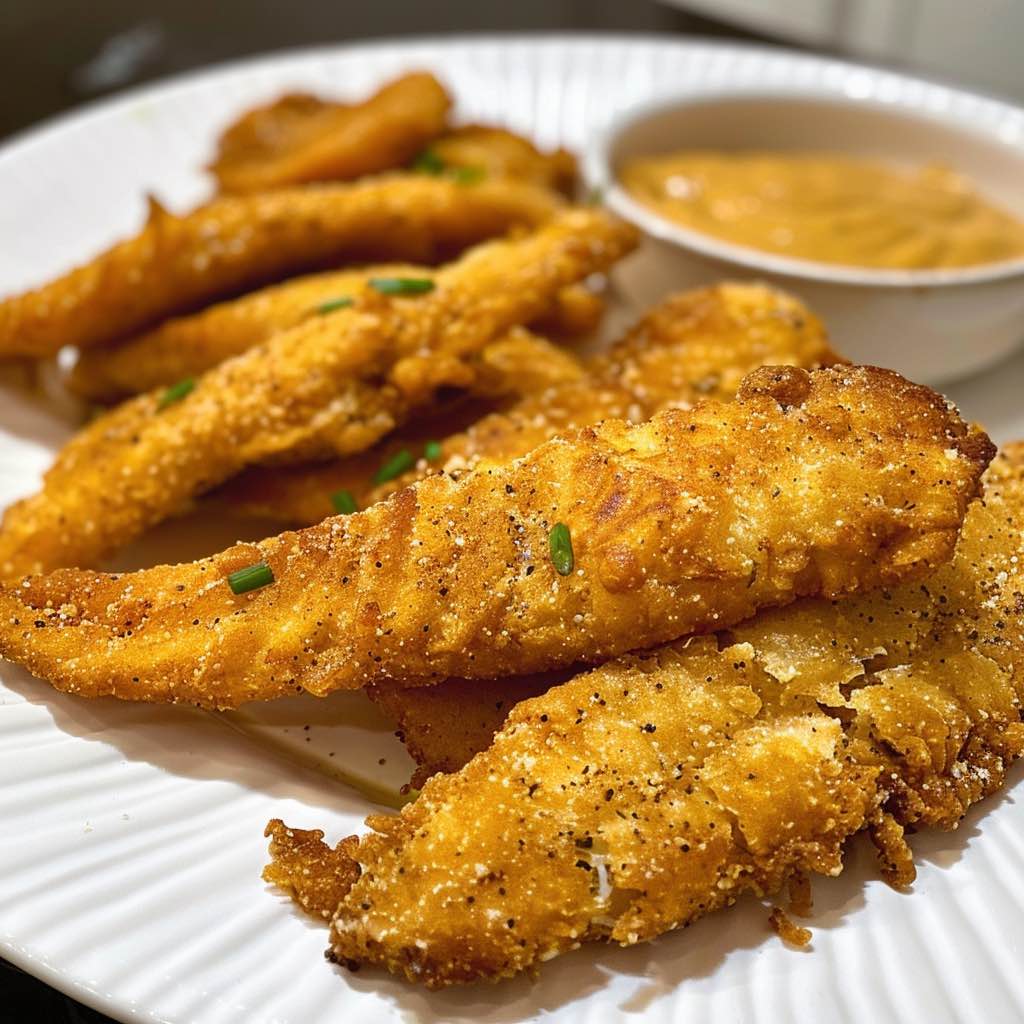
Fried Catfish Strips: The Ultimate Guide to Crispy, Golden Perfection
Introduction
Fried catfish strips deliver crispy, golden goodness that satisfies seafood lovers everywhere. This Southern classic combines tender fish with a crunchy coating that creates an irresistible texture contrast. Moreover, catfish offers impressive nutritional benefits while remaining budget-friendly and accessible.
The appeal of fried catfish strips extends beyond taste. Additionally, this dish provides lean protein and essential vitamins that support overall health. Furthermore, the cooking process is straightforward enough for beginners yet versatile for experienced cooks. This guide covers everything needed to master this beloved dish from start to finish.
Whether preparing a family dinner or hosting a gathering, fried catfish strips consistently impress guests. The combination of seasoned cornmeal coating and tender fish creates a memorable meal. Therefore, learning proper techniques ensures success every single time.
What Are Fried Catfish Strips?
Definition and Origin
Fried catfish strips are fish fillets cut into manageable pieces and coated with seasoned breading. This Southern United States tradition has deep roots in regional cuisine. Consequently, the dish represents comfort food at its finest with simple yet flavorful preparation.
The strips typically measure 2-3 inches in length for easy eating. Subsequently, these bite-sized portions cook faster than whole fillets. As a result, they’re perfect for appetizers, main courses, or casual dining.
Why Choose Catfish?
Catfish provides an excellent canvas for fried preparations. First, the mild flavor appeals to various palates without overwhelming fishy taste. Second, the firm texture holds up beautifully during frying. Third, catfish remains affordable compared to other seafood options.
Additionally, catfish ranks among the lowest mercury fish available. Therefore, it’s safer for frequent consumption than many alternatives. Furthermore, both farm-raised and wild-caught varieties offer nutritional benefits.
Nutritional Benefits of Catfish
Impressive Protein Content
A 3.5-ounce serving of catfish delivers 18 grams of lean protein. This amount provides 32-39% of daily protein needs in just 105 calories. Moreover, protein supports muscle repair, tissue building, and energy production.
Compared to other fish, catfish offers exceptional protein-to-calorie ratios. Consequently, it’s ideal for weight management and fitness goals. In addition, the protein content promotes satiety, helping control appetite throughout the day.
Heart-Healthy Omega-3 Fatty Acids
Catfish contains 237 mg of omega-3 fatty acids per serving. These essential fats reduce inflammation and lower blood pressure effectively. Furthermore, omega-3s decrease the risk of heart attacks and strokes significantly.
Research shows that consuming omega-3s improves overall heart health. Additionally, these fatty acids support brain function and mental clarity. Therefore, regular catfish consumption contributes to long-term wellness.
Vitamin B12 Powerhouse
One serving of catfish provides 121% of the daily vitamin B12 requirement. This crucial nutrient maintains nerve cells and supports brain function. Moreover, vitamin B12 prevents anemia by supporting red blood cell formation.
Many people experience vitamin B12 deficiency without realizing it. Consequently, incorporating catfish into meals helps prevent this common nutritional gap. In addition, adequate B12 levels improve mental health and overall energy.
Bone-Strengthening Minerals
Catfish contains 24% of the daily phosphorus requirement per serving. Phosphorus plays a vital role in bone formation and maintenance. Additionally, this mineral helps prevent osteoporosis and related conditions.
Selenium content reaches 26% of daily needs in each portion. This antioxidant mineral shields cells from free radical damage. Furthermore, selenium boosts immune function and disease resistance.
Essential Ingredients for Perfect Coating
Cornmeal Base
Yellow cornmeal creates the signature crispy texture for fried catfish strips. Fine stone-ground cornmeal produces the best results. Additionally, the cornmeal coating develops a golden-brown color during frying.
The ideal ratio combines cornmeal with additional ingredients for complexity. Therefore, pure cornmeal alone won’t achieve restaurant-quality results. Instead, blending creates better adhesion and flavor.
All-Purpose Flour
Flour helps the coating stick to fish surfaces effectively. Moreover, it creates a lighter texture when mixed with cornmeal. The typical flour-to-cornmeal ratio ranges from 1:2 to 1:4.
Some recipes use three-step dredging with flour, egg, and cornmeal. This method produces exceptionally crispy results. Subsequently, the multiple layers build up thickness and crunch.
Seasoning Blend
Proper seasoning transforms ordinary coating into extraordinary flavor. Salt and black pepper form the foundation. Additionally, garlic powder and onion powder add savory depth.
Cayenne pepper introduces welcome heat for spice lovers. Old Bay seasoning contributes classic seafood notes. Furthermore, paprika enhances color and mild sweetness. Mix seasonings thoroughly before coating fish.
Buttermilk Marinade
Soaking catfish in buttermilk tenderizes the meat beautifully. Additionally, the acid helps coating adhere better during frying. Marinate strips for 30 minutes to 2 hours for optimal results.
Some cooks add hot sauce to buttermilk for extra flavor. However, plain buttermilk works perfectly well for mild preparations. Therefore, adjust based on personal preference.
Step-by-Step Cooking Guide
Preparing the Fish
Start by rinsing catfish fillets under cold water. Pat them completely dry with paper towels. Next, cut fillets into 2-3 inch strips of uniform size.
Season strips lightly with salt and pepper on both sides. This preliminary seasoning enhances overall flavor penetration. Subsequently, let strips rest while preparing other components.
Setting Up Breading Station
Place three shallow dishes in a row for efficient coating. Fill the first dish with seasoned all-purpose flour. Add beaten eggs mixed with water or buttermilk to the second dish. Combine cornmeal with seasonings in the third container.
Position a wire rack over a baking sheet nearby. This setup keeps breaded strips organized before frying. Moreover, the rack prevents coating from becoming soggy.
Coating the Strips
Dredge each strip in flour first, shaking off excess. Then, dip into egg mixture until completely coated. Finally, press firmly into seasoned cornmeal on all sides.
Place coated strips on the wire rack without touching. Let them rest for 5-10 minutes before frying. This resting period allows coating to set properly.
Heating the Oil
Pour oil into a heavy-bottomed skillet or Dutch oven. Use enough oil to reach at least 1 inch depth. Heat oil over medium-high heat to 350-375°F.
Test oil temperature by dropping cornmeal into the pan. It should sizzle immediately without smoking. Additionally, use a thermometer for accurate temperature monitoring.
Frying Process
Carefully place strips into hot oil without overcrowding. Fry 3-4 strips at a time depending on pan size. Cook for 2-3 minutes on the first side until golden brown.
Flip strips carefully using tongs. Continue frying for another 2-3 minutes on the second side. Remove when coating appears crispy and golden.
Draining and Serving
Transfer fried strips to a plate lined with paper towels. Alternatively, place on a wire rack for better air circulation. Let drain for 1-2 minutes before serving.
Keep finished batches warm in a 200°F oven while frying remaining strips. Serve immediately for best texture and flavor. Check out our [guide on serving fried fish] for more presentation ideas.
Tips for Extra Crispy Results
Temperature Control
Maintain consistent oil temperature throughout the cooking process. Oil that’s too cool produces greasy, soggy coating. Conversely, oil that’s too hot burns the outside before cooking the inside.
Adjust heat between batches as needed. Additionally, allow oil to return to proper temperature before adding new strips. Therefore, patience ensures consistently crispy results.
Double Coating Method
Some recipes recommend coating strips twice for maximum crispiness. After the first complete dredging, repeat the egg and cornmeal steps. This technique builds a thicker, crunchier crust.
However, double coating requires careful handling to prevent clumping. Consequently, work gently to maintain even coverage. The extra effort produces restaurant-quality texture.
Proper Oil Selection
Choose oils with high smoke points for frying success. Peanut oil, canola oil, and vegetable oil work excellently. These oils withstand high temperatures without breaking down or imparting off-flavors.
Additionally, use fresh oil for each frying session when possible. Old or reused oil produces inferior results and unpleasant tastes. Therefore, invest in quality oil for best outcomes.
Avoid Overcrowding
Never fill the pan with too many strips at once. Overcrowding lowers oil temperature dramatically. As a result, coating becomes soggy rather than crispy.
Maintain at least one inch of space between strips during frying. Consequently, oil circulates freely around each piece. This spacing ensures even cooking and optimal crispiness.
Common Mistakes to Avoid
Wet Fish Surface
Failing to dry catfish thoroughly prevents coating adhesion. Moisture causes breading to slide off during frying. Therefore, always pat strips completely dry before beginning.
Additionally, working with frozen fish requires complete thawing first. Ice crystals create excess moisture that ruins texture. Subsequently, thaw fish in the refrigerator overnight for best results.
Inadequate Seasoning
Underseasoned coating produces bland, disappointing results. Season both the fish and coating layers generously. Remember that flavors mellow during cooking.
Taste the raw coating mixture to check seasoning levels. Adjust salt, pepper, and spices before breading begins. Therefore, proper seasoning happens before frying, not after.
Incorrect Oil Temperature
Frying at wrong temperatures ranks among the most common errors. Low temperature creates greasy, oil-soaked strips. High temperature burns coating while leaving fish undercooked.
Invest in a reliable cooking thermometer for accuracy. Check temperature frequently throughout the frying process. Moreover, adjust heat as needed to maintain the 350-375°F range.
Skipping Rest Time
Rushing from coating to frying causes breading to fall off. The resting period allows coating to bond with fish surface. Therefore, wait at least 5-10 minutes after breading before frying.
Similarly, letting fried strips rest briefly before serving improves texture. The coating firms up and becomes even crispier. Consequently, patience enhances the final result significantly.
Serving Suggestions and Pairings
Classic Southern Sides
Coleslaw provides refreshing contrast to rich fried catfish strips. The cool, crunchy cabbage balances warm, crispy fish perfectly. Additionally, creamy or vinegar-based slaws both complement the dish.
Hushpuppies complete the traditional Southern fish fry experience. These cornmeal fritters share similar flavors with the fish coating. Furthermore, they’re equally easy to prepare and serve.
French fries or sweet potato fries offer familiar, crowd-pleasing options. Moreover, they provide additional crispy texture that diners enjoy. Baked versions work well for lighter preparations.
Healthy Accompaniments
Steamed vegetables add nutritional value without excess calories. Broccoli, green beans, and carrots work particularly well. Additionally, these options provide fiber and vitamins to round out the meal.
Fresh salads bring lightness to the plate. Mixed greens with tomatoes and cucumbers create balance. Therefore, consider simple vinaigrettes for dressing rather than heavy options.
Grits or rice absorb flavors beautifully as starch bases. Cheese grits offer Southern authenticity and comfort. Alternatively, plain rice allows the fish to shine as the star.
Sauce Options
Tartar sauce remains the classic condiment for fried catfish strips. Its creamy texture and tangy flavor enhance the fish beautifully. Additionally, homemade versions taste superior to store-bought varieties.
Remoulade sauce brings Cajun flair to the dish. The spicy, herb-infused mayonnaise base complements crispy coating perfectly. Furthermore, it’s simple to prepare with common ingredients.
Honey mustard creates sweet-savory harmony. This combination appeals especially to younger diners. Moreover, it’s readily available or easy to make at home.
Hot sauce adds fiery kick for spice enthusiasts. A few dashes elevate flavor without overwhelming. Therefore, serve hot sauce on the side for individual preference.
Fresh lemon wedges brighten the entire dish. A simple squeeze adds acidity that cuts through richness. Additionally, lemon is traditional and universally appreciated.
Storage and Reheating Methods
Proper Storage Techniques
Cool fried catfish strips to room temperature before storing. Place strips in airtight containers with paper towels to absorb moisture. Refrigerate promptly within two hours of cooking.
Stored properly, fried catfish strips last 3-4 days in the refrigerator. However, texture quality decreases over time. Therefore, consume within 1-2 days for optimal crispiness.
Freezing Guidelines
Freeze fried catfish strips for longer storage if needed. Wrap individual strips in plastic wrap first. Then, place wrapped strips in freezer-safe bags or containers.
Frozen fried catfish maintains quality for up to 3 months. Label containers with preparation dates for tracking. Subsequently, thaw in the refrigerator before reheating.
Reheating for Best Results
Oven reheating produces the crispiest results for leftover strips. Preheat oven to 375°F and arrange strips on a wire rack. Bake for 10-15 minutes until heated through and crispy.
Air fryers offer excellent reheating capabilities. Set temperature to 350°F and cook for 5-8 minutes. Additionally, air fryers restore crispiness effectively without added oil.
Avoid microwave reheating when possible. Microwaves make coating soggy and unappetizing. Therefore, use oven or air fryer methods for superior texture.
Frequently Asked Questions
How do I know when fried catfish strips are fully cooked?
Fish reaches doneness when it flakes easily with a fork. Additionally, the flesh should appear opaque rather than translucent. Internal temperature should reach 145°F for food safety. Moreover, properly cooked strips have golden-brown coating on all sides.
Can I make fried catfish strips in an air fryer?
Air fryers produce excellent fried catfish strips with less oil. Coat strips using the same breading method. Then, spray lightly with cooking oil before air frying. Set temperature to 400°F and cook for 10-12 minutes, flipping halfway. Consequently, air-fried strips offer healthier preparation with similar results.
What’s the best coating for fried catfish strips?
Cornmeal creates the traditional Southern coating texture. Mix cornmeal with flour for improved adhesion and lighter crunch. Additionally, season the coating generously with spices. Some cooks prefer 50/50 cornmeal and breadcrumb combinations. Therefore, experiment to find personal preference.
Why does my coating fall off during frying?
Coating falls off when fish isn’t dry enough initially. Additionally, skipping the resting period causes adhesion problems. Make sure to pat fish completely dry before breading. Furthermore, let coated strips rest 5-10 minutes before frying. Proper oil temperature also affects coating stability.
How can I make my fried catfish strips extra crispy?
Maintain oil temperature between 350-375°F consistently. Additionally, avoid overcrowding the pan during frying. Consider double-coating strips for thicker crust. Furthermore, drain on wire racks instead of paper towels. Fresh oil produces crispier results than reused oil.
Is fried catfish healthy?
Catfish provides lean protein, omega-3 fatty acids, and vitamin B12. However, frying adds calories and fat compared to other cooking methods. A fried serving contains approximately 229 calories versus 105 for baked fish. Therefore, enjoy fried catfish strips in moderation as part of balanced diet. Consider oven-baking or air-frying for healthier alternatives.
Conclusion
Fried catfish strips deliver satisfying crunch and tender fish in every bite. This comprehensive guide covered essential techniques from coating preparation to perfect frying temperature. Moreover, catfish provides impressive nutritional benefits including lean protein and omega-3 fatty acids.
Success depends on proper preparation and attention to detail. Maintain consistent oil temperature, avoid overcrowding, and season generously. Additionally, letting coated strips rest before frying ensures coating adhesion. These simple steps guarantee restaurant-quality results at home.
The versatility of fried catfish strips makes them perfect for various occasions. Serve with classic Southern sides or lighter vegetables based on preference. Furthermore, multiple sauce options allow customization for different tastes.
Print
Fried Catfish Strips
Description
Fried Catfish Strips
Ingredients:
-
1½ lbs catfish fillets, cut into strips
-
1 cup buttermilk
-
1 tablespoon hot sauce (optional, for flavor)
-
1 cup cornmeal
-
½ cup all-purpose flour
-
1 teaspoon paprika
-
1 teaspoon garlic powder
-
1 teaspoon onion powder
-
1 teaspoon salt
-
½ teaspoon black pepper
-
½ teaspoon cayenne pepper (optional for spice)
-
Vegetable oil, for frying
Instructions:
-
Prepare the fish:
Rinse catfish strips under cold water, then pat dry with paper towels. -
Marinate:
In a bowl, combine buttermilk and hot sauce. Add catfish strips, cover, and refrigerate for at least 30 minutes (up to 2 hours). This tenderizes the fish and helps the coating stick. -
Make the coating:
In a shallow dish, mix cornmeal, flour, paprika, garlic powder, onion powder, salt, black pepper, and cayenne. -
Coat the catfish:
Remove fish from the buttermilk, letting excess drip off. Dredge each strip in the cornmeal mixture, pressing gently so it adheres well. Place coated strips on a tray and let rest for 10 minutes. -
Heat oil:
In a large skillet or deep fryer, heat 2–3 inches of oil to 350°F (175°C). -
Fry:
Fry catfish strips in batches for 3–4 minutes per side, or until golden brown and crispy. Avoid overcrowding. -
Drain:
Remove and place on paper towels or a wire rack to drain excess oil.