
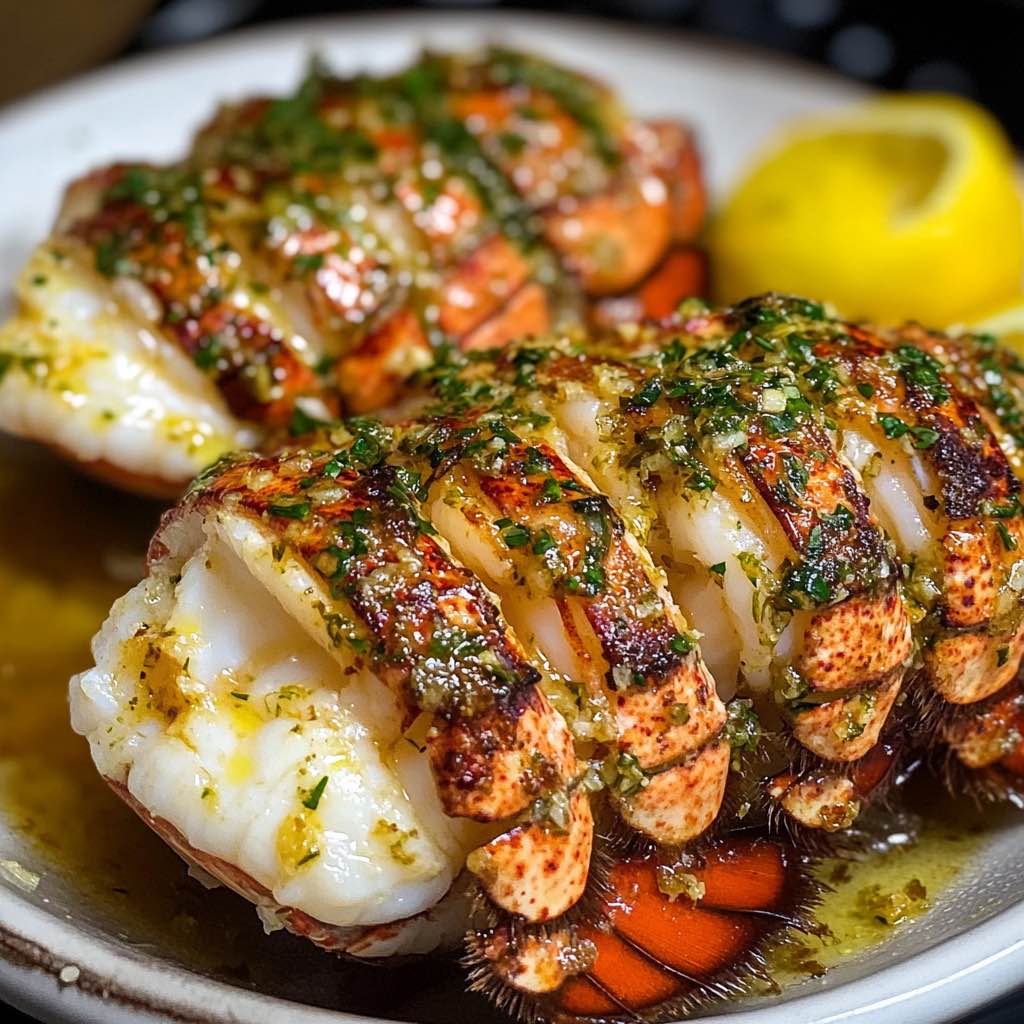
Lemon Garlic Butter Lobster Tails: The Ultimate Guide to Restaurant-Quality Seafood at Home
Lemon Garlic Butter Lobster Tails transform an ordinary dinner into an extraordinary culinary experience that rivals any upscale restaurant. This luxurious seafood dish combines succulent lobster meat with a rich, zesty butter sauce that enhances the natural sweetness of the shellfish. Moreover, preparing Lemon Garlic Butter Lobster Tails at home is surprisingly simple and requires just a handful of fresh ingredients and about 20 minutes of cooking time.
What Makes Lemon Garlic Butter Lobster Tails Special
Lemon Garlic Butter Lobster Tails stand out as a premium seafood dish because the combination of flavors complements rather than overpowers the delicate lobster meat. The bright acidity of fresh lemon juice cuts through the richness of melted butter, while minced garlic adds depth and aromatic complexity. Furthermore, this preparation method keeps the meat tender and juicy instead of tough or rubbery.
The visual presentation of butterflied lobster tails makes this dish particularly impressive for special occasions. When properly prepared, the pristine white meat sits elevated above the bright red shell, creating a restaurant-worthy appearance that impresses guests. Additionally, the simplicity of the recipe means that even home cooks can achieve professional results without extensive culinary training.
Health Benefits of Lobster Tails
Lobster tails deliver exceptional nutritional value while remaining low in calories and fat. Each 100-gram serving contains approximately 98 calories with only 0.1 grams of saturated fat, making it an excellent choice for health-conscious diners. In fact, lobster has fewer calories than both chicken and turkey while providing comparable or superior protein content.
Protein Powerhouse
Lobster serves as an outstanding source of lean, high-quality protein. A typical serving provides approximately 19-27 grams of protein, which supports muscle growth, repair, and overall body maintenance. This protein content makes lobster tails ideal for fitness enthusiasts and anyone following a high-protein diet.
Essential Vitamins and Minerals
Lobster tails contain impressive amounts of vital nutrients that support overall health. The meat is particularly rich in vitamin B12, which maintains healthy nerve and blood cells while preventing certain types of anemia. Additionally, lobster provides substantial quantities of selenium, a mineral essential for thyroid health that also acts as a powerful antioxidant protecting cells from free radical damage.
The zinc content in lobster strengthens immune system function and aids in protein production throughout the body. Other beneficial minerals include phosphorus, magnesium, and calcium, all of which contribute to bone health and various metabolic processes. Consequently, incorporating lobster into a balanced diet provides significant nutritional benefits beyond its delicious taste.
Omega-3 Fatty Acids
Lobster contains beneficial omega-3 fatty acids, including EPA and DHA, which promote heart health and reduce inflammation. These essential fatty acids support cardiovascular function and contribute to overall wellness. However, the preparation method significantly impacts the final nutritional profile of the dish.
Selecting the Perfect Lobster Tails
Choosing high-quality lobster tails is crucial for achieving the best results. The difference between fresh, properly handled lobster and inferior products dramatically affects both flavor and texture. Therefore, understanding what to look for ensures a successful cooking experience.
Cold Water vs. Warm Water Tails
Cold-water lobster tails generally offer superior quality compared to warm-water varieties. These tails come from lobsters harvested in colder northern waters and typically have whiter, more tender meat because the lobsters grow more slowly in chilly temperatures. Moreover, cold-water tails taste cleaner and more refined, though they cost more than warm-water options.
Warm-water tails, primarily from the Caribbean or Australia, have distinct yellow spots or bands across the shell. While less expensive, these tails carry a 20% risk of being mushy or disappointing in quality. Always ask your seafood provider about the origin of the lobster tails before purchasing.
Signs of Freshness
Fresh or properly frozen lobster tails should have firm flesh and shiny, intact shells without discoloration or dark spots. The meat itself should appear bright and translucent, not yellowed, grayish, or dull. Any black spots on the flesh indicate poor handling and should be avoided entirely.
When purchasing frozen tails, ensure they are properly sealed without ice crystals inside the packaging. Ice crystal formation suggests the tails underwent multiple freeze-thaw cycles, which degrades quality. Additionally, avoid tails that have been soaked in sodium tripolyphosphate or subjected to “glazing,” where water is injected between meat and shell to artificially increase weight.
Optimal Size Selection
Lobster tails ranging from 4 to 12 ounces provide the best balance of meat quantity, taste, and texture. Smaller tails around 4-6 ounces work well for individual servings as part of a multi-course meal. Larger tails of 6-8 ounces or more suit single-course dinners or for heartier appetites. Buying from reputable seafood markets or trusted online suppliers ensures quality and proper handling.
Essential Ingredients and Tools
Creating perfect Lemon Garlic Butter Lobster Tails requires minimal ingredients and basic kitchen equipment. The simplicity of this recipe makes it accessible to home cooks of all skill levels. Gathering everything before starting ensures a smooth cooking process.
Main Ingredients
The foundation of this dish consists of just a few high-quality components. You will need lobster tails (4-6 ounces each), unsalted butter, fresh garlic cloves, and fresh lemon juice. Additional flavor enhancers include fresh parsley, salt, black pepper, and optional seasonings like smoked paprika or Old Bay seasoning.
Fresh ingredients make a significant difference in the final result. Using fresh garlic rather than garlic powder provides superior flavor, while freshly squeezed lemon juice tastes brighter than bottled versions. Furthermore, real butter creates a richer sauce than margarine or butter substitutes.
Necessary Equipment
Kitchen shears or sharp scissors are essential for butterflying the lobster tails. A baking sheet or roasting pan holds the tails during cooking, while a small bowl helps mix the marinade ingredients. You will also need a basting brush for applying butter to the meat and a small saucepan for making the garlic lemon butter sauce.
An instant-read thermometer ensures the lobster reaches the proper internal temperature of 140-145°F. This tool prevents overcooking, which toughens the delicate meat. Additionally, having small ramekins for serving the butter sauce enhances the dining experience.
How to Butterfly Lobster Tails
Butterflying lobster tails creates an elegant presentation while ensuring even cooking. This technique exposes the meat and allows the butter sauce to penetrate thoroughly. Although it may seem intimidating initially, the process becomes simple with practice.
Step-by-Step Butterflying Process
First, place the lobster tail on a cutting board with the hard shell facing up and the softer underside down. Using kitchen shears, cut lengthwise down the center of the top shell from the thick end toward the tail fin, stopping just before reaching the fin. Take care to cut only through the shell without slicing through the bottom membrane.
Next, use your thumbs and fingers to gently pry open the shell halves along the cut line. Carefully separate the meat from the bottom shell using your fingers, keeping it attached at the tail fin end. Some recipes suggest tucking a lemon wedge underneath to prop up the meat, which adds flavor while creating an attractive presentation.
Finally, lift the entire section of meat through the opening and rest it on top of the shell halves. The meat should sit elevated above the shell like a crown. This positioning allows heat to circulate around the meat while keeping it moist through contact with the shell.
Alternative Preparation Methods
While butterflying is the most popular technique, some cooks prefer cutting lobster tails in half lengthwise for grilling. This method works particularly well for larger tails and creates dramatic grill marks. However, butterflying generally produces more consistently cooked results for broiling and baking applications.
Cooking Methods for Perfect Results
Several cooking methods produce excellent Lemon Garlic Butter Lobster Tails, each with unique advantages. Broiling, baking, grilling, and steaming all yield delicious results when executed properly. Choosing the right method depends on available equipment and personal preferences.
Broiling for Caramelization
Broiling creates beautifully caramelized, slightly browned lobster meat with concentrated flavor. This high-heat method cooks quickly, making it ideal for weeknight dinners. Position the oven rack 4-6 inches from the broiler element and preheat on high heat.
The intense direct heat from above cooks the exposed meat while the shell protects the underside from burning. Brush the butterflied tails generously with lemon garlic butter before placing them under the broiler. Monitor closely to prevent burning, as broiler strength varies between ovens.
Baking for Even Cooking
Baking at 350-375°F provides gentler, more even heat that reduces the risk of overcooking. This method works well for larger tails or when cooking multiple tails simultaneously. The moderate temperature allows better control over doneness, making it more forgiving for less experienced cooks.
Place butterflied tails on a foil-lined baking sheet and brush with butter mixture before baking. The foil simplifies cleanup while the indirect heat cooks the meat thoroughly without drying it out. Baking typically takes 12-18 minutes depending on tail size.
Grilling for Smoky Flavor
Grilling imparts subtle smoke flavor that complements the sweet lobster meat beautifully. This method ranks as the best way to cook lobster tails according to taste tests, as the meat stays tender and sweet while developing complex flavors. Preheat the grill to medium-high heat before placing the tails shell-side down.
The shell protects the meat from direct flame while allowing gentle cooking. Baste the meat with lemon garlic butter throughout grilling to keep it moist. Grilling takes approximately 8-10 minutes total, flipping once if desired.
Steaming for Tenderness
Steaming produces exceptionally tender, juicy lobster with pure, clean flavor. This gentle cooking method prevents overcooking and maintains the natural moisture in the meat. Bring one inch of water to a vigorous boil in a large pot with a steamer basket or rack.
Place lobster tails in the basket, cover tightly, and steam for 6-10 minutes depending on size. The steam cooks the meat evenly without adding any additional flavors, allowing the natural sweetness to shine through. Serve steamed lobster with melted lemon garlic butter on the side for dipping.
The Perfect Lemon Garlic Butter Sauce
The lemon garlic butter sauce elevates plain lobster into an unforgettable dining experience. This simple yet luxurious sauce requires only a few minutes to prepare. The balance of rich butter, bright lemon, and aromatic garlic creates the perfect complement to sweet lobster meat.
Sauce Ingredients
A classic lemon garlic butter sauce uses unsalted butter as the base, allowing control over salt levels. Fresh garlic cloves, minced or pressed, provide pungent aromatic flavor. Fresh lemon juice adds bright acidity, while optional fresh parsley contributes color and herbaceous notes.
Some recipes incorporate Dijon mustard for subtle tang and emulsification properties. A pinch of smoked paprika or cayenne pepper adds warmth and depth without overwhelming heat. Salt and freshly ground black pepper season the sauce to taste.
Making the Sauce
Melt butter in a small saucepan over medium-low heat, taking care not to brown it. Add minced garlic and cook gently for 30-60 seconds until fragrant but not browned. Burnt garlic tastes bitter and ruins the sauce.
Remove from heat and stir in fresh lemon juice, parsley, and seasonings. Whisk everything together until fully combined. The sauce can be made ahead and gently rewarmed before serving.
Sauce Variations
Try different herb combinations to customize the flavor profile. Fresh basil, chives, or dill provide interesting alternatives to parsley. Adding a tablespoon of Parmesan cheese creates a richer, more savory sauce.
For extra brightness, increase the lemon juice slightly or add lemon zest. A pinch of red pepper flakes introduces subtle heat that pairs wonderfully with sweet lobster meat. These variations allow personalization while maintaining the essential character of the sauce.
Step-by-Step Cooking Instructions
Following a systematic approach ensures consistently excellent results when preparing Lemon Garlic Butter Lobster Tails. These detailed instructions walk through the entire process from start to finish. Take time with each step for the best outcome.
Preparation Phase
Begin by thawing frozen lobster tails overnight in the refrigerator or by submerging them in cold water for 30 minutes if pressed for time. Pat the tails completely dry with paper towels to remove excess moisture. Some cooks rinse the tails with lime or lemon juice mixed with cold water to freshen them.
Preheat the oven to broil on high setting or to 350°F for baking. Position the oven rack appropriately—4-6 inches from the broiler for broiling, or in the center for baking. Line a baking sheet with aluminum foil and spray lightly with non-stick spray or brush with oil.
Butterflying and Seasoning
Butterfly each lobster tail using the technique described earlier. Remove any dark or green material from the meat, as these parts can taste bitter. Arrange the prepared tails on the baking sheet with meat facing up.
Prepare the butter mixture by combining melted butter, pressed garlic, lemon juice, and seasonings in a small bowl. Reserve approximately half of the mixture for serving as a dipping sauce. Brush or spoon the remaining butter generously over all exposed meat surfaces.
Dot each tail with small pieces of additional cold butter if desired. This butter melts during cooking and bastes the meat automatically. Season with salt, pepper, and any additional spices like paprika or Old Bay.
Cooking and Finishing
Place the baking sheet in the preheated oven and cook according to the method chosen. For broiling, cook for approximately 1 minute per ounce of tail weight. For baking, cook for 12-18 minutes depending on size.
The lobster is done when the meat turns opaque white throughout and reaches an internal temperature of 140-145°F. The meat should be firm but not tough when pressed gently. Overcooking makes lobster rubbery, so remove tails from heat promptly when done.
Transfer cooked lobster tails to serving plates and drizzle with the reserved warm butter sauce. Garnish with fresh parsley and lemon wedges for squeezing over the meat. Serve immediately while hot for the best taste and texture.
Timing and Temperature Guide
Proper cooking times prevent both undercooked and overcooked lobster. Tail size significantly impacts cooking duration, so adjust times accordingly. Using these guidelines produces perfectly cooked meat every time.
Size-Based Cooking Times
For broiling on high heat, calculate approximately 1 minute per ounce of individual tail weight. A 4-ounce tail needs about 4 minutes, while a 6-ounce tail requires 6 minutes. Tails weighing 8-10 ounces need 8-10 minutes under the broiler.
When baking at 350°F, smaller 4-6 ounce tails need 12-15 minutes. Medium 6-8 ounce tails require 15-18 minutes. Larger tails over 10 ounces may need 18-20 minutes to cook through completely.
Steaming times range from 6-8 minutes for small tails up to 10-12 minutes for larger ones. Grilling typically takes 8-10 minutes total, regardless of whether you flip the tails. Always verify doneness with a thermometer rather than relying solely on timing.
Temperature Guidelines
The internal temperature of fully cooked lobster should reach 140-145°F measured in the thickest part of the meat. Insert an instant-read thermometer into the center of the tail for the most accurate reading. Never cook lobster beyond 145°F, as higher temperatures cause the meat to become tough and rubbery.
Visual cues also indicate doneness. The meat transforms from translucent to opaque white throughout. The exterior may develop light browning or caramelization, especially when broiled. The meat should feel firm but still yield slightly to pressure.
Serving Suggestions and Side Dishes
Lemon Garlic Butter Lobster Tails pair beautifully with numerous side dishes that complement their rich flavor. Choosing the right accompaniments creates a balanced, memorable meal. Consider both vegetables and starches for variety.
Classic Pairings
Clarified butter or additional garlic lemon butter sauce serves as the quintessential lobster accompaniment. Providing individual ramekins of warm butter for dipping allows guests to add as much as desired. Fresh lemon wedges enable diners to adjust acidity to personal taste.
Baked potatoes or potato salad offer hearty, comforting sides that balance the elegance of lobster. The mild potato flavor doesn’t compete with delicate seafood. For a steakhouse experience, serve lobster tails alongside grilled steak for classic surf and turf.
Vegetable Sides
Steamed or grilled asparagus makes an excellent vegetable accompaniment. The slight bitterness of asparagus contrasts nicely with sweet lobster meat. Drizzle with olive oil and lemon juice or serve with hollandaise sauce.
Fresh green beans, either blanched or sautéed with garlic and butter, provide vibrant color and crisp texture. Brussels sprouts roasted until caramelized add nutty, slightly bitter notes that complement rich butter sauce. Corn on the cob, whether grilled or boiled, brings summery sweetness to the plate.
Salads and Starches
A crisp Caesar salad with romaine lettuce, croutons, and Parmesan cheese offers refreshing contrast to rich lobster. Simple green salads with light vinaigrette also work well. Coleslaw provides creamy, tangy crunch that pairs naturally with seafood.
Pasta makes a satisfying starch option. Serve plain buttered pasta, pasta salad with vegetables, or even lobster mac and cheese for an ultra-indulgent meal. Rice, whether plain steamed white rice or flavored varieties, soaks up the delicious butter sauce.
Common Mistakes to Avoid
Several common errors can ruin otherwise perfect Lemon Garlic Butter Lobster Tails. Understanding these pitfalls helps prevent disappointing results. Pay attention to these crucial details.
Overcooking the Meat
Overcooking represents the most frequent and damaging mistake when preparing lobster. Lobster meat contains very little fat, so excessive heat quickly makes it dry, tough, and rubbery. Remove tails from heat as soon as they reach 140-145°F internal temperature.
Many cooks assume longer cooking guarantees thorough doneness, but the opposite holds true. Slightly undercooking is preferable to overcooking, as residual heat continues cooking the meat briefly after removal from heat. Trust your thermometer and visual cues rather than guessing.
Using Poor Quality Tails
Starting with inferior lobster tails inevitably produces disappointing results regardless of cooking skill. Old, improperly stored, or warm-water tails lack the sweet flavor and tender texture of fresh cold-water varieties. The minimal cost savings never justify the quality sacrifice.
Always purchase from reputable suppliers and inspect tails carefully before buying. Look for the quality indicators described earlier, including proper color, firm texture, and absence of discoloration. When in doubt, ask questions about origin and handling practices.
Insufficient Butter Application
Lobster meat can dry out during cooking if not adequately protected with butter or oil. The fat creates a barrier that seals in moisture while adding flavor. Brush or spoon butter generously over all exposed surfaces before and during cooking.
Don’t be stingy with the butter—lobster tails need this richness to reach their full potential. The excess butter drips down and creates flavorful pan drippings that can be used for the finishing sauce. This liberal application prevents the meat from becoming dry or tough.
Incorrect Oven Positioning
Placing lobster tails too close to the broiler element causes burning before the meat cooks through. The intense concentrated heat chars the surface while leaving the interior raw. Position the rack 4-6 inches from the heating element for optimal results.
Conversely, placing tails too far away prolongs cooking time unnecessarily and can dry out the meat. Finding the proper distance ensures the exterior develops light browning while the interior reaches perfect doneness simultaneously. Adjust based on your specific oven’s characteristics.
Storage and Reheating Tips
Proper storage preserves leftover lobster for later enjoyment. Following food safety guidelines prevents spoilage and maintains quality. These techniques help you get maximum value from your seafood purchase.
Refrigerator Storage
Store cooked lobster tails in an airtight container in the refrigerator within two hours of cooking. Properly stored lobster remains safe to eat for 3-4 days. Keep the meat in larger pieces rather than shredding it, as this helps retain moisture.
Separate the lobster meat from the shells before refrigerating if possible. The shells take up valuable space and don’t contribute to storage quality. Store any leftover butter sauce separately in a small sealed container.
Freezer Storage
Cooked lobster meat can be frozen for up to three months in a freezer-safe container or vacuum-sealed bag. Remove as much air as possible to prevent freezer burn. Label containers with the date to track storage time.
Raw lobster tails should remain frozen until ready to use. Never refreeze previously thawed lobster, as this degrades texture and increases food safety risks. Plan ahead and thaw only the quantity you intend to cook.
Reheating Methods
Reheat leftover lobster gently to avoid overcooking the already-cooked meat. The microwave works for quick reheating—use 50% power in 30-second intervals until just warmed through. Cover the meat with a damp paper towel to prevent drying.
Alternatively, steam leftover lobster for 3-4 minutes until heated. This gentle method preserves moisture better than dry heat. You can also warm lobster meat in melted butter over low heat on the stovetop. Avoid boiling or high heat, which toughens the texture.
Frequently Asked Questions
How long does it take to cook lobster tails?
Cooking time depends on the method and tail size. Broiling takes approximately 1 minute per ounce of tail weight, so a 6-ounce tail needs about 6 minutes. Baking at 350°F requires 12-18 minutes depending on size, while steaming needs 6-10 minutes. Always check for an internal temperature of 140-145°F to ensure proper doneness.
Can I make Lemon Garlic Butter Lobster Tails ahead of time?
While lobster tastes best when served immediately after cooking, you can prepare components in advance. Butterfly the tails and make the butter sauce up to 24 hours ahead, storing both in the refrigerator. When ready to serve, brush the cold tails with butter and cook as directed. The cooking itself only takes 10-15 minutes, making this dish feasible for dinner parties.
What is the best way to thaw frozen lobster tails?
The safest method involves overnight thawing in the refrigerator on a plate to catch any drips. For faster thawing, seal tails in a plastic bag and submerge in cold water for 30 minutes to an hour. Change the water every 15 minutes to maintain cold temperature. Never thaw lobster at room temperature or in warm water, as this promotes bacterial growth.
Why is my lobster meat tough and rubbery?
Tough, rubbery lobster results from overcooking. Lobster contains minimal fat, so excessive heat rapidly dries out the meat and makes it chewy. Cook lobster just until it reaches 140-145°F internal temperature and the flesh turns opaque white. Remove from heat immediately to prevent carryover cooking from toughening the texture further.
Do I need to remove the vein from lobster tails?
The dark or greenish vein running through lobster tail is the digestive tract and should be removed if present. While not harmful, it can have an unpleasant texture and slightly bitter taste. Remove it by gently pulling it out after butterflying the tail or cutting it away with a knife. Not all lobster tails contain visible veins.
Can I use frozen lobster tails without thawing?
While possible, cooking frozen lobster tails without thawing produces less reliable results. The exterior overcooks before the interior thaws and cooks through completely. Additionally, frozen tails are difficult to butterfly and season properly. Always thaw lobster tails before cooking for the best texture and flavor.
Conclusion
Lemon Garlic Butter Lobster Tails deliver restaurant-quality elegance with surprising ease in home kitchens. This impressive dish combines tender, sweet lobster meat with a luxurious butter sauce that enhances rather than masks the natural seafood flavor. With just a few fresh ingredients and basic cooking techniques, anyone can create this special meal perfect for celebrations or weeknight indulgence.
The key to success lies in selecting quality cold-water lobster tails, properly butterflying them, and cooking just until they reach the ideal internal temperature. Whether you choose broiling for quick caramelization, baking for even heat, or grilling for smoky depth, following the guidelines in this article ensures tender, juicy results every time. The bright lemon garlic butter sauce ties everything together, creating a memorable dining experience that rivals any upscale restaurant.
Print
Lemon Garlic Butter Lobster Tails
Description
Lemon Garlic Butter Lobster Tails
Ingredients (Serves 2–4)
-
4 lobster tails (6–8 oz each)
-
4 tbsp unsalted butter, melted
-
4 garlic cloves, minced
-
Juice of 1 lemon
-
Zest of 1 lemon (optional, for extra brightness)
-
½ tsp smoked paprika (optional, for color and mild smokiness)
-
Salt and freshly cracked black pepper, to taste
-
Fresh parsley, chopped, for garnish
-
Lemon wedges, for serving
Instructions
1. Prepare the Lobster Tails
-
Preheat oven to 425°F (220°C).
-
Using kitchen shears, cut down the top of each lobster shell lengthwise and gently pull the meat upward to rest on top of the shell (“butterfly” style).
-
Pat lobster meat dry and season lightly with salt and pepper.
2. Make the Lemon Garlic Butter
-
In a small bowl, combine melted butter, minced garlic, lemon juice, lemon zest, and smoked paprika.
-
Brush the lobster meat generously with the butter mixture.
3. Bake the Lobster
-
Place lobster tails on a baking sheet lined with foil.
-
Bake for 12–15 minutes, or until lobster meat is opaque and lightly browned on top.
-
Baste once halfway through cooking with remaining lemon garlic butter for extra flavor.
4. Serve
-
Transfer lobster tails to a serving platter.
-
Drizzle any leftover butter from the pan over the lobster.
-
Garnish with chopped parsley and serve with lemon wedges.