
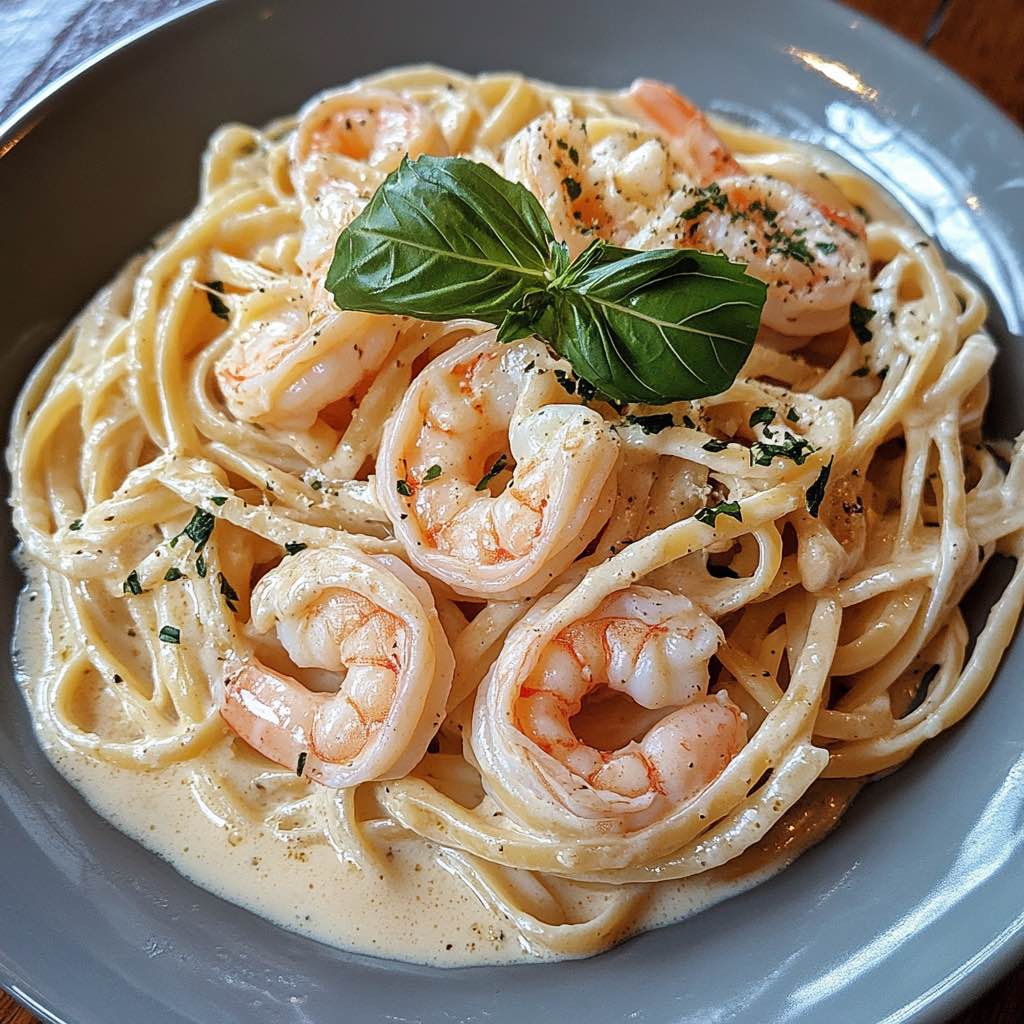
Creamy Garlic Shrimp Linguine: The Ultimate Guide to a Restaurant-Quality Pasta Dish
Creamy Garlic Shrimp Linguine transforms simple ingredients into an elegant, restaurant-worthy meal. This dish combines succulent shrimp, aromatic garlic, and rich cream sauce with perfectly cooked linguine pasta. Moreover, it delivers incredible flavor without complicated techniques or hours in the kitchen.
What Makes Creamy Garlic Shrimp Linguine Special
This pasta dish stands out among Italian-inspired recipes. The combination creates a harmonious blend of flavors and textures. Furthermore, the creamy sauce coats each strand of linguine perfectly.
The Perfect Flavor Balance
The garlic provides aromatic depth to the sauce. Meanwhile, the cream creates a luxurious, velvety texture that complements the shrimp. Additionally, the pasta absorbs these flavors beautifully.
Shrimp brings a delicate sweetness to each bite. The protein cooks quickly and stays tender when prepared correctly. Therefore, this dish comes together in under 30 minutes.
Restaurant-Quality Results at Home
Professional chefs rely on simple techniques for this recipe. The key lies in proper timing and temperature control. Consequently, home cooks can achieve impressive results with minimal experience.
Essential Ingredients and Substitutions
Quality ingredients make a noticeable difference in the final dish. Each component plays a specific role in creating the perfect balance.
Main Components
For the Pasta:
-
1 pound linguine pasta
-
Salt for pasta water
-
Reserved pasta water (1 cup)
For the Shrimp:
-
1.5 pounds large shrimp, peeled and deveined
-
Salt and black pepper to taste
-
2 tablespoons olive oil
For the Creamy Garlic Sauce:
-
4 tablespoons butter
-
6-8 garlic cloves, minced
-
1.75 cups heavy cream
-
1 cup grated Parmesan cheese
-
1/2 teaspoon dried basil
-
1/2 teaspoon dried oregano
-
1/4 teaspoon red pepper flakes
-
Fresh parsley for garnish
-
Lemon zest from 1 lemon
Smart Substitutions
The recipe allows for flexibility based on dietary needs. However, certain substitutions work better than others.
Heavy cream can be replaced with full-fat coconut milk. This creates a dairy-free version without sacrificing creaminess. Interestingly, the coconut flavor remains subtle in the finished dish.
Linguine works wonderfully, but fettuccine or spaghetti also succeed. Each pasta shape offers a slightly different texture experience. Nevertheless, long pasta varieties work best for this sauce.
Wild-caught shrimp provides superior flavor and texture. Additionally, it avoids potential antibiotic contamination found in some farm-raised varieties. Therefore, choosing quality shrimp matters significantly.
Step-by-Step Cooking Instructions
Following the proper sequence ensures perfect results every time. These techniques come from professional kitchens and home cooking experts.
Preparing the Pasta
Fill a large pot with water and bring it to a rolling boil. Add a generous pinch of salt to the water. Then, add the linguine and cook according to package directions.
Before draining, scoop out approximately 1 cup of pasta water. This starchy liquid helps create a silky sauce later. Afterward, drain the pasta and toss it with a drizzle of olive oil.
Cooking the Shrimp
Heat 2 tablespoons of olive oil in a large skillet. Season the shrimp with salt and pepper on both sides. Next, add them to the hot pan in a single layer.
Cook shrimp for 1-2 minutes per side until pink. They should curl into a C-shape when properly cooked. Remove them promptly to prevent overcooking and set aside.
Creating the Garlic Cream Sauce
Melt butter in the same skillet over medium-low heat. Add minced garlic and cook for 1-2 minutes while stirring constantly. The garlic should smell fragrant but not turn brown.
Stir in black pepper, dried basil, oregano, and red pepper flakes. Let these spices bloom for about one minute. This step releases their essential oils and deepens the flavor.
Pour in the heavy cream and bring to a gentle simmer. Allow it to cook for 2-3 minutes until slightly thickened. Then, reduce heat to low and add grated Parmesan cheese.
Stir continuously until the cheese melts completely. The sauce should become smooth and creamy. Taste and adjust seasoning as needed.
Combining Everything
Add the cooked linguine to the cream sauce. Toss gently to coat each strand evenly. If the sauce seems too thick, add reserved pasta water gradually.
Return the shrimp to the pan and mix gently. Everything should be warmed through and well combined. Finally, add lemon zest for brightness.
Garnish with fresh parsley and additional Parmesan. Serve immediately while hot and creamy. The dish tastes best when freshly prepared.
Nutritional Benefits of This Dish
Creamy Garlic Shrimp Linguine offers more than just delicious flavors. It provides important nutrients that support overall health.
Protein Powerhouse
Shrimp delivers high-quality protein with minimal calories. A 3-ounce serving contains approximately 20 grams of protein. Furthermore, it provides only 84 calories per serving.
This protein content supports muscle maintenance and growth. Additionally, it helps with satiety and weight management. Therefore, shrimp makes an excellent protein choice.
Essential Vitamins and Minerals
Shrimp ranks among the best sources of iodine. This mineral supports proper thyroid function and brain health. Many people don’t consume enough iodine in their diets.
The dish also provides phosphorus, zinc, and magnesium. These minerals support bone health, immune function, and energy metabolism. Moreover, shrimp contains beneficial omega-3 fatty acids.
Antioxidant Properties
Shrimp contains astaxanthin, a powerful antioxidant. This compound gives shrimp its pink color when cooked. Importantly, astaxanthin may protect against inflammation and oxidative stress.
Research suggests astaxanthin supports heart and brain health. It may help strengthen arteries and reduce heart disease risk. Additionally, it could protect brain cells from damage.
Understanding the Cholesterol Content
Shrimp does contain dietary cholesterol at 161mg per 3-ounce serving. However, current research shows dietary cholesterol has minimal impact on blood cholesterol for most people. The liver adjusts its cholesterol production accordingly.
The omega-3 fatty acids in shrimp may actually benefit heart health. These healthy fats can help reduce inflammation throughout the body. Therefore, shrimp can fit into a heart-healthy diet.
Common Mistakes to Avoid
Even experienced cooks sometimes struggle with this recipe. Learning these pitfalls helps ensure success every time.
Overcooking the Shrimp
Shrimp cooks incredibly quickly in high heat. Leaving it in the pan too long creates a rubbery texture. Instead, remove shrimp when it just turns pink and opaque.
The residual heat continues cooking the shrimp slightly. Adding it back to the hot sauce finishes the cooking process. This technique ensures tender, juicy shrimp every time.
Burning the Garlic
Garlic turns bitter when it browns or burns. Keep the heat at medium-low when cooking garlic. Stir constantly and remove from heat if it starts browning.
Fresh garlic provides the best flavor for this dish. Pre-minced garlic in jars doesn’t deliver the same aromatic punch. Therefore, take time to mince fresh cloves properly.
Making the Sauce Too Thick or Thin
The cream sauce should coat the pasta without being gloppy. Reserved pasta water helps adjust the consistency perfectly. Add it gradually, one tablespoon at a time.
Conversely, a watery sauce won’t cling to the pasta. Allow the cream to simmer and reduce slightly before adding cheese. The Parmesan also helps thicken the sauce naturally.
Using Low-Quality Ingredients
Fresh, high-quality shrimp makes a dramatic difference. Frozen shrimp works well if properly thawed and drained. However, avoid pre-seasoned or breaded varieties.
Real Parmesan cheese provides superior flavor and texture. Pre-shredded cheese often contains anti-caking agents that prevent smooth melting. Grate fresh Parmesan just before using it.
Serving Suggestions and Pairings
The right accompaniments elevate Creamy Garlic Shrimp Linguine. These pairings create a complete, satisfying meal.
Vegetable Side Dishes
A simple green salad provides fresh contrast. Mixed greens with a light vinaigrette balance the rich pasta. Additionally, the acidity cuts through the creamy sauce beautifully.
Roasted asparagus makes an elegant pairing. The slight char complements the garlic flavors perfectly. Similarly, steamed broccoli adds color and nutritional value.
Sautéed spinach can be incorporated directly into the dish. Add it to the sauce just before combining with pasta. The greens wilt quickly and add nutrients.
Bread Options
Crusty garlic bread soaks up extra sauce wonderfully. Toast thick slices and rub with fresh garlic. Then, drizzle with olive oil before serving.
A simple baguette also works excellently. The neutral flavor won’t compete with the pasta. Moreover, it provides a textural contrast to the creamy dish.
Adding Extra Flavor
Sun-dried tomatoes bring tangy sweetness to the sauce. Chop them finely and add when cooking the garlic. They provide color and concentrated tomato flavor.
Fresh lemon juice brightens the entire dish. Squeeze it over the finished pasta just before serving. The acidity balances the richness of the cream perfectly.
Storage and Reheating Tips
Proper storage maintains quality and safety. These methods help preserve the dish’s texture and flavor.
Refrigerator Storage
Store leftovers in an airtight container within two hours of cooking. The pasta keeps well in the refrigerator for 2-3 days. Separate the shrimp from the pasta if possible.
The cream sauce may thicken significantly when chilled. This is normal and easily corrected during reheating. Add liquid to restore the proper consistency.
Reheating Methods
Gentle reheating prevents the shrimp from becoming rubbery. Add a splash of cream or broth to the pasta first. Then, warm it slowly over medium-low heat while stirring.
Microwave reheating works in a pinch. Use 50% power and heat in 30-second intervals. Stir between each interval and add liquid as needed.
Avoid boiling the sauce during reheating. High heat can cause the cream to break or curdle. Low and slow ensures the best results.
Freezing Considerations
Cream-based sauces don’t freeze particularly well. The texture often becomes grainy when thawed. However, the pasta can be frozen for up to one month if necessary.
Thaw frozen pasta overnight in the refrigerator. Reheat gently with additional cream or milk to restore creaminess. The quality won’t match freshly made, but it remains edible.
Popular Variations and Adaptations
Creative modifications suit different tastes and dietary needs. These variations maintain the dish’s essence while offering new flavors.
Dairy-Free Version
Replace heavy cream with full-fat coconut milk. This substitution creates a surprisingly similar texture and richness. The coconut flavor remains subtle and pleasant.
Nutritional yeast can substitute for Parmesan cheese. It provides a cheesy, umami flavor without dairy. Alternatively, cashew cream creates another dairy-free option.
Adding More Vegetables
Cherry tomatoes bring brightness and color to the dish. Halve them and add during the final cooking stage. They soften slightly while maintaining their shape.
Mushrooms provide earthy depth to the sauce. Slice them thinly and sauté before adding the garlic. They complement the shrimp beautifully.
Roasted red peppers add sweetness and visual appeal. Chop them into strips and stir into the finished sauce. They pair wonderfully with garlic and cream.
Spice Variations
Cajun seasoning transforms the dish completely. Add it to the shrimp before cooking for a Louisiana twist. The heat balances nicely with the cream sauce.
Italian herbs create a more traditional flavor profile. Use fresh basil, oregano, and thyme instead of dried versions. Add them at the end to preserve their bright flavors.
Different Protein Options
Chicken breast can replace shrimp for a different protein option. Cut it into bite-sized pieces and cook until golden. The creamy garlic sauce works equally well.
Scallops make an elegant alternative to shrimp. Sear them quickly over high heat for a caramelized exterior. They pair beautifully with the garlic cream sauce.
Frequently Asked Questions
Can I make Creamy Garlic Shrimp Linguine ahead of time?
The pasta tastes best when served immediately after cooking. However, you can prepare components separately in advance. Cook the shrimp and make the sauce, then store them separately. Combine everything with freshly cooked pasta when ready to serve.
What size shrimp works best for this recipe?
Large or jumbo shrimp (16-20 count per pound) work perfectly. They remain tender and don’t overcook as easily as smaller varieties. Additionally, they provide a more substantial bite in the finished dish.
How do I prevent the cream sauce from curdling?
Keep the heat at medium-low when adding cream and cheese. Never let the sauce come to a rolling boil. Stir continuously while adding cheese to ensure smooth incorporation.
Can I use other pasta shapes besides linguine?
Absolutely! Fettuccine, spaghetti, or penne all work well. Long pasta shapes coat best with the sauce. However, any pasta you enjoy will taste delicious.
Is frozen shrimp acceptable for this recipe?
Frozen shrimp works wonderfully when properly prepared. Thaw it completely in the refrigerator overnight. Pat it dry with paper towels before cooking to ensure proper browning.
How can I make the dish healthier?
Use half-and-half instead of heavy cream for fewer calories. Add extra vegetables like spinach, tomatoes, or zucchini. Additionally, use whole wheat linguine for extra fiber.
What herbs work best as garnish?
Fresh parsley provides classic color and mild flavor. Basil adds an Italian touch with its sweet, aromatic notes. Chives offer a subtle onion flavor that complements the garlic.
Conclusion
Creamy Garlic Shrimp Linguine delivers restaurant-quality results with simple techniques. The combination of tender shrimp, aromatic garlic, and luxurious cream sauce creates an unforgettable meal. Moreover, the dish comes together quickly for weeknight dinners or special occasions.
This pasta provides excellent nutritional benefits alongside incredible flavor. The high protein content from shrimp supports health goals while satisfying hunger. Additionally, the antioxidants and essential minerals contribute to overall wellness.
Mastering this recipe opens doors to endless variations. Experiment with different vegetables, herbs, and seasonings to create your signature version. Therefore, each meal can offer something new and exciting.
Print
Creamy Garlic Shrimp Linguine
Description
Creamy Garlic Shrimp Linguine
Ingredients
-
12 oz (340 g) linguine pasta
-
1 lb (450 g) large shrimp, peeled and deveined
-
2 tablespoons olive oil
-
4 tablespoons butter, divided
-
4 garlic cloves, minced
-
½ teaspoon red pepper flakes (optional)
-
1 cup heavy cream
-
½ cup grated Parmesan cheese
-
1 tablespoon lemon juice
-
Salt and black pepper, to taste
-
Fresh parsley, chopped, for garnish
Instructions
1. Cook the Pasta
-
Bring a large pot of salted water to a boil.
-
Cook linguine according to package directions until al dente.
-
Drain and set aside, reserving ½ cup of pasta water.
2. Cook the Shrimp
-
Heat olive oil and 2 tablespoons of butter in a large skillet over medium-high heat.
-
Add shrimp and season with salt, pepper, and optional red pepper flakes.
-
Cook 2–3 minutes per side, until shrimp are pink and opaque. Remove and set aside.
3. Make the Creamy Garlic Sauce
-
In the same skillet, melt remaining 2 tablespoons butter.
-
Add garlic and sauté 30–60 seconds until fragrant.
-
Pour in heavy cream and bring to a gentle simmer.
-
Stir in Parmesan cheese until melted and smooth.
-
Add lemon juice, and season with salt and pepper to taste.
-
If the sauce is too thick, add a splash of reserved pasta water to reach desired consistency.
4. Combine
-
Return the shrimp to the skillet and toss to coat in the sauce.
-
Add the cooked linguine and toss until everything is evenly coated.
5. Serve
-
Garnish with fresh parsley and extra Parmesan.
-
Serve hot with garlic bread or a light salad on the side.