
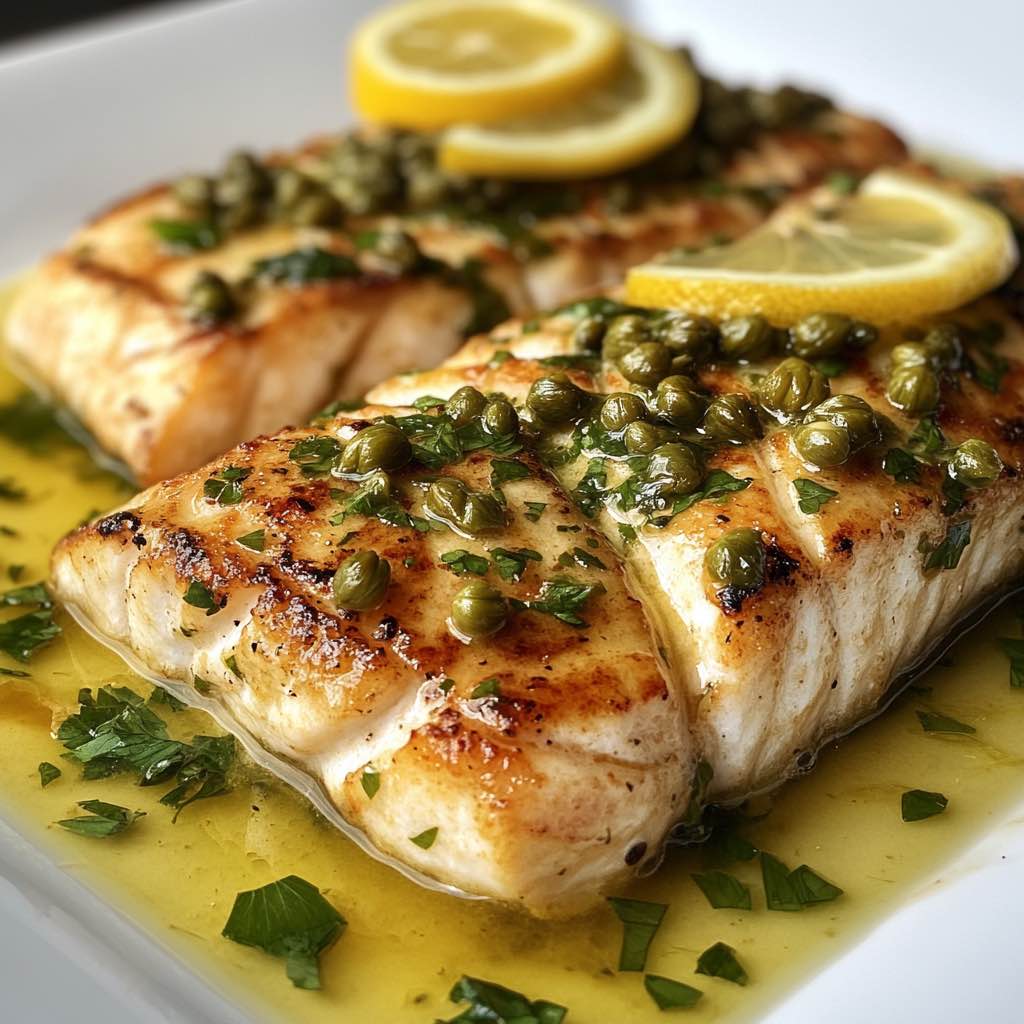
Grilled Grouper with Lemon Caper Sauce: A Complete Guide to This Easy, Elegant Seafood Dish
Grilled grouper with lemon caper sauce delivers restaurant-quality results in just 20 minutes. This versatile white fish pairs beautifully with the tangy, buttery sauce, creating a light yet satisfying meal perfect for weeknight dinners or special occasions. The mild flavor of grouper provides an ideal canvas for the bright, briny notes of capers and fresh lemon juice.
Grilling transforms grouper into tender, flaky perfection while adding subtle smoky notes that complement the citrus-based sauce. Moreover, this cooking method requires minimal oil and preserves the fish’s natural nutrients. Whether serving family or entertaining guests, this combination consistently impresses with its elegant presentation and delicious taste.
What is Grouper Fish?
Grouper belongs to the sea bass family and inhabits warm ocean waters around the world. These bottom-dwelling fish prefer rocky reefs and structures in depths ranging from 30 to over 250 feet. Multiple species exist, with Black Grouper and Gag Grouper being among the most popular for culinary purposes.
The fish features firm, white flesh with large flakes and a mild, slightly sweet flavor. Additionally, its meaty texture holds up exceptionally well on the grill, unlike more delicate fish varieties. Fresh grouper should smell clean and oceanic, never fishy or ammonia-like.
Most commercially available grouper comes from Florida waters and the Gulf of Mexico. However, sustainable sourcing remains important for maintaining healthy fish populations. Always choose fresh or properly frozen fillets from reputable suppliers.
Health Benefits of Grouper
Rich Protein Content
Grouper provides approximately 20 grams of lean protein per 3-ounce serving. This makes it an excellent choice for muscle building and weight management. Furthermore, the high protein content helps you feel fuller longer, reducing overeating tendencies.
The fish delivers this substantial protein without excessive calories or saturated fat. Consequently, it supports healthy weight maintenance while meeting daily nutritional needs.
Essential Vitamins and Minerals
Grouper contains significant amounts of vitamin D, vitamin B6, vitamin B12, and potassium. Vitamin D supports bone strength and immune function, while B vitamins aid brain development and energy metabolism. Potassium helps regulate blood pressure, contributing to cardiovascular health.
Selenium, another mineral abundant in grouper, acts as an antioxidant. It plays crucial roles in immune system function and thyroid health.
Heart-Healthy Omega-3s
Though grouper contains less omega-3 fatty acids than oilier fish, it still provides valuable amounts. These essential fats reduce inflammation, lower triglyceride levels, and improve overall cardiovascular health. Regular omega-3 consumption also links to better brain function and reduced depression risk.
Why Lemon Caper Sauce Works Perfectly
Lemon caper sauce enhances grilled grouper without overpowering its delicate flavor. The sauce’s acidity from fresh lemon juice balances the fish’s natural richness. Capers add a tangy, slightly salty dimension that complements seafood beautifully.
Butter creates a luxurious, velvety texture that coats the fish perfectly. Meanwhile, fresh garlic and parsley round out the flavor profile with aromatic notes. This classic combination takes mere minutes to prepare yet delivers sophisticated restaurant-quality results.
The sauce’s versatility extends beyond grouper. It pairs equally well with other white fish, chicken, shrimp, and even roasted vegetables. Therefore, mastering this sauce recipe adds a valuable tool to any cook’s repertoire.
Selecting the Best Grouper Fillets
Fresh vs. Frozen
Fresh grouper should have firm, translucent flesh with a mild ocean smell. Avoid any fillets showing discoloration, mushiness, or strong fishy odors. Frozen grouper works wonderfully when properly thawed, making it a practical choice for those without access to coastal markets.
When using frozen fillets, thaw them overnight in the refrigerator. Then pat them completely dry with paper towels before seasoning. This drying step proves crucial for developing a good crust on the grill.
Size and Thickness
Look for fillets that are even in thickness, ideally between 4 and 6 ounces per serving. Uniform thickness ensures even cooking. Fillets measuring 1 to 1.5 inches thick work best for grilling.
Thinner fillets cook very quickly, requiring close attention to prevent overcooking. Conversely, thicker cuts allow more margin for error.
Skin-On or Skinless
Both options work for grilling, though each has distinct advantages. Skin-on fillets provide an extra layer of protection against sticking. The skin also adds flavor and helps hold the fish together.
Skinless fillets offer a more uniform presentation and easier eating. However, they require extra care to prevent sticking. Oil both the grill grates and the fish generously when working with skinless grouper.
Essential Equipment for Grilling
The Right Grill Setup
Both gas and charcoal grills work excellently for grouper. A clean, well-oiled cooking surface remains the most important factor. Heat the grill to medium-high, approximately 375-400°F.
For charcoal grills, create an even layer of hot coals. Charcoal briquettes work particularly well for maintaining consistent temperature. Gas grill users should preheat all burners, then adjust to medium-high before adding fish.
Important Tools
A fish spatula makes flipping and removing delicate fillets much easier. These ultra-thin, wide spatulas feature a sharp front edge that slides under fish effortlessly. Long-handled tongs help with positioning fillets and oiling the grill grates safely.
An instant-read thermometer ensures perfect doneness every time. Fish reaches safe consumption at 145°F internal temperature. Additionally, a grill basket provides insurance against sticking, though it reduces direct contact with grates.
Preparing Your Grouper for the Grill
Drying the Fish
Thoroughly pat grouper fillets dry using paper towels or a clean kitchen towel. This critical step removes excess moisture that prevents proper searing. Dry fish develops better crust and releases more easily from grill grates.
Pay special attention to any crevices or folds in the fillet. Trapped moisture in these areas can cause steaming instead of grilling.
Seasoning Approaches
Simple seasoning often works best for grouper with lemon caper sauce. Generously coat fillets with olive oil, then season with salt and black pepper. The oil helps conduct heat and creates a barrier against sticking.
Some cooks prefer adding garlic powder, paprika, or dried herbs to the seasoning blend. However, keep seasonings moderate to allow the lemon caper sauce to shine. Remember, the sauce provides substantial flavor on its own.
Skin Preparation (If Using Skin-On)
Score the skin with several shallow slits using a paring knife. This prevents the fillet from curling up when exposed to heat. The skin will shrink slightly during cooking, but these cuts allow it to contract without warping the fish.
How to Make Lemon Caper Sauce
Ingredients Needed
This simple sauce requires just six ingredients. Gather 4 tablespoons unsalted butter, 2 tablespoons drained capers, 1 minced garlic clove, 2 tablespoons fresh lemon juice, 1 tablespoon minced fresh parsley, and kosher salt to taste. Fresh ingredients make a noticeable difference in final flavor.
Step-by-Step Instructions
Melt butter in a small skillet over low heat. Once melted, add capers and minced garlic. Bring the mixture to a gentle simmer and cook for about 1 minute until fragrant.
Remove the skillet from heat and immediately stir in fresh lemon juice and parsley. Season with kosher salt to taste. The sauce should coat the back of a spoon lightly and smell bright and zesty.
Timing the Sauce
Prepare the lemon caper sauce while the fish grills or immediately after removing it from heat. The sauce comes together in under 5 minutes. Serve it warm over the hot grilled grouper for best results.
Keep the finished sauce warm over very low heat if needed. However, avoid prolonged heating, which can make the butter separate.
Step-by-Step Grilling Instructions
Preparing the Grill Surface
Start with a thoroughly clean grill. Scrape away any residue from previous cooking sessions using a grill brush. A clean surface dramatically reduces sticking problems.
Heat the grill to medium-high temperature, around 375-400°F. Once hot, oil the grates using a paper towel dipped in high-heat oil like grapeseed or canola. Hold the paper towel with tongs and quickly wipe the cooking area.
Placing the Fish
Position oiled and seasoned grouper fillets on the hottest part of the grill. If using skin-on fillets, place them skin-side down first. Leave adequate space between fillets to promote even cooking.
Resist the urge to move or peek under the fish immediately. Let the fillets cook undisturbed for 2-3 minutes. This allows a crust to form that will release naturally from the grates.
Flipping and Finishing
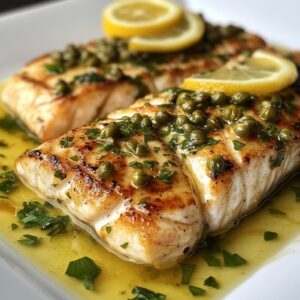
Watch for the edges of the fillet to turn opaque white. When the fish releases easily with a gentle lift, it’s ready to flip. Use a fish spatula to slide quickly under the fillet in one smooth motion.
Cook the second side for an additional 2-3 minutes for thinner fillets. Thicker cuts may need 3-4 minutes per side. The fish is done when it flakes easily with a fork and reaches 145°F internally.
Preventing Fish from Sticking
The Hot Grill Method
A properly heated grill forms the foundation for non-stick grilling. The intense heat sears the fish quickly, creating a crust that releases naturally. Temperature matters significantly—too cool and the fish will stick, too hot and it burns before cooking through.
Wait until the grill reaches full temperature before adding fish. This typically takes 10-15 minutes for gas grills and 20-30 minutes for charcoal.
Oil Application Techniques
Apply oil to both the grill grates and the fish itself. This dual approach provides maximum protection against sticking. Use oils with high smoke points like grapeseed, canola, or avocado oil.
Some pits masters swear by unconventional methods. One technique involves rubbing the grill with onion rings before adding fish, which adds flavor while preventing sticking. Another suggests a thin coating of mayonnaise on the fish, which mostly cooks off but creates an effective barrier.
The Patience Factor
Avoid moving the fish before it’s ready to release. Premature flipping tears the flesh and leaves fish stuck to grates. The fish will naturally release when the seared crust has fully formed.
If the fillet resists gentle lifting, wait another 30 seconds and try again. Forcing it guarantees sticking problems.
Perfect Cooking Times and Temperatures
Temperature Guidelines
Grill grouper over medium-high heat, maintaining grill temperature around 375-400°F. This temperature range cooks the fish quickly while developing good color.
The fish reaches safe consumption at an internal temperature of 145°F. However, many chefs pull fish at 140-143°F since carryover cooking continues raising temperature during resting.
Timing by Thickness
Thin fillets (under 1 inch) need approximately 2-3 minutes per side. Medium fillets (1 to 1.5 inches) require 3-4 minutes per side. Very thick cuts may need up to 5 minutes per side.
Total cooking time typically ranges from 6 to 10 minutes. Watch for visual cues like opaque flesh and easy flaking rather than relying solely on time.
Visual Doneness Indicators
Properly cooked grouper turns from translucent to opaque white throughout. The flesh should flake easily when tested with a fork. Overcooked fish becomes dry and tough, so err on the side of slight undercooking.
The fish will appear slightly undercooked in the very center when you remove it from the grill. Carryover cooking completes the process during the brief resting period.
Flavor Variations and Additions
Herb Modifications
Fresh dill transforms the lemon caper sauce into something special and summery. Swap parsley for dill, or use a combination of both herbs. Tarragon and basil also pair beautifully with grouper, offering different flavor profiles.
Add fresh thyme or oregano to the fish’s dry rub for Mediterranean flair. These herbs complement the lemon sauce wonderfully.
Spice Adjustments
Crushed red pepper flakes add pleasant heat to lemon caper sauce. Start with 1/4 teaspoon and adjust to preference. Smoked paprika, garlic powder, and onion powder create a more robust seasoning for the fish itself.
A Cajun or blackening spice blend works excellently with grouper. The bold seasonings stand up to the fish’s meaty texture.
Sauce Enhancements
A teaspoon of Dijon mustard adds tangy complexity to lemon caper sauce. Fresh shallots can replace garlic for a milder, sweeter flavor. Some cooks add a pinch of lemon zest for extra citrus punch.
For a richer sauce, use a combination of butter and olive oil. This creates a sauce that’s slightly lighter but still luxurious.
Serving Suggestions
Vegetable Pairings
Grilled asparagus makes an ideal accompaniment to grilled grouper with lemon caper sauce. The vegetables cook alongside the fish on the grill. Roasted Brussels sprouts, green beans, or broccoli also complement the dish beautifully.
Light, fresh vegetables balance the richness of the butter sauce. Consider a simple arugula salad with lemon vinaigrette. Sautéed spinach or Swiss chard adds nutritious green vegetables to the plate.
Starch Options
Crispy roasted potatoes absorb the lemon caper sauce deliciously. Rice pilaf or quinoa provides neutral bases that highlight the fish’s flavors. For a lower-carb option, cauliflower rice works wonderfully.
Angel hair pasta or linguine tossed with a bit of the sauce creates a light, elegant presentation. The delicate pasta doesn’t compete with the grouper’s subtle flavor.
Garnish Ideas
Fresh lemon wedges allow guests to add extra citrus to taste. A sprinkle of flaky sea salt adds textural contrast and enhances all flavors. Additional fresh parsley or dill makes the plate visually appealing.
Thin lemon slices placed on top of each fillet during the last minute of grilling add beautiful presentation. They also infuse extra lemon flavor.
Storage and Reheating Tips
Proper Storage Methods
Transfer leftover grilled grouper to an airtight container within 2 hours of cooking. Store in the refrigerator for up to 3 days. Keep the lemon caper sauce separately to prevent the fish from becoming soggy.
Label containers with the date to track freshness. Properly stored grouper maintains good quality for several days.
Freezing Guidelines
Wrap individual portions tightly in aluminum foil, then place in freezer bags. Remove as much air as possible before sealing. Frozen grilled grouper keeps for up to 3 months.
Thaw frozen fish overnight in the refrigerator before reheating. Never thaw at room temperature, which promotes bacterial growth.
Reheating Techniques
Gently reheat grouper in a 300°F oven for 7-8 minutes until warmed through. Cover with foil to prevent drying. Alternatively, reheat on the stovetop over medium-low heat.
Warm the lemon caper sauce separately in a small saucepan over low heat. Stir occasionally to recombine the butter. Microwave reheating works in a pinch but can create uneven heating and rubbery texture.
Common Mistakes to Avoid
Overcooking the Fish
Grouper dries out quickly when overcooked. Pull the fish from the grill slightly before it looks completely done. The residual heat continues cooking the fish for another minute or two.
Use an instant-read thermometer to verify doneness at 140-145°F. Visual cues alone can mislead, especially with thicker fillets.
Inadequate Grill Preparation
Failing to properly clean and oil the grill grates causes most sticking problems. Take time to scrape away old residue and apply a thin oil layer. These simple steps prevent frustrating sticking issues.
Additionally, adding fish to a grill that hasn’t reached full temperature guarantees sticking. Wait for proper heat before cooking.
Using Low-Quality Fish
Old or improperly stored grouper produces disappointing results regardless of technique. Always start with fresh, high-quality fish from reputable sources. The difference in flavor and texture justifies any extra cost.
Frozen fish works well but must be completely thawed and thoroughly dried. Attempting to grill partially frozen fillets leads to uneven cooking and poor texture.
Frequently Asked Questions
How do you prevent grilled grouper from sticking to the grill?
Clean the grill thoroughly, heat it to medium-high temperature, then oil both the grates and the fish generously. Let the fish cook undisturbed until a crust forms and it releases naturally.
What temperature should grilled grouper with lemon caper sauce reach?
Cook grouper to an internal temperature of 145°F for food safety. Many chefs pull the fish at 140-143°F since carryover cooking raises the temperature during resting.
Can you make lemon caper sauce ahead of time?
Yes, prepare the sauce up to 2 days ahead and refrigerate in an airtight container. Reheat gently over low heat, stirring to recombine the butter before serving.
What can you substitute for capers in the sauce?
Green olives, chopped pickles, or pickle relish provide similar briny flavor. However, each substitution changes the sauce’s character slightly, so capers remain the preferred choice.
How long does grilled grouper last in the refrigerator?
Properly stored grilled grouper keeps for 3 days in an airtight container in the refrigerator. Store the sauce separately to maintain the fish’s texture.
Can you use frozen grouper for grilling?
Absolutely, frozen grouper works beautifully when completely thawed and patted dry. Thaw overnight in the refrigerator, then remove all moisture with paper towels before seasoning.
Conclusion
Grilled grouper with lemon caper sauce combines simple preparation with sophisticated flavors. This dish delivers lean protein, essential nutrients, and restaurant-quality taste in under 30 minutes. The mild, meaty grouper pairs perfectly with the tangy, buttery sauce, creating a balanced and satisfying meal.
Mastering a few key techniques—proper grill preparation, temperature control, and sauce timing—ensures consistent success. Start with quality fish, season simply, and let the natural flavors shine through. The versatile lemon caper sauce enhances the grouper without overwhelming its delicate taste.
Print
Grilled Grouper with Lemon Caper Sauce
Description
Grilled Grouper with Lemon Caper Sauce
Ingredients:
For the Grouper:
-
4 grouper fillets (about 6 oz each)
-
2 tbsp olive oil
-
1 tsp lemon zest
-
1 tbsp lemon juice
-
1 tsp garlic powder
-
½ tsp paprika
-
Salt and black pepper, to taste
For the Lemon Caper Sauce:
-
2 tbsp butter
-
1 tbsp olive oil
-
2 cloves garlic, minced
-
2 tbsp fresh lemon juice
-
1 tbsp capers, drained
-
1 tbsp fresh parsley, chopped
-
Salt and black pepper, to taste
Instructions:
1. Prepare the Grouper:
In a small bowl, whisk together olive oil, lemon zest, lemon juice, garlic powder, paprika, salt, and pepper.
Brush the mixture evenly over both sides of the grouper fillets.
Let marinate for 10–15 minutes while you preheat the grill.
2. Grill the Fish:
Preheat your grill (or grill pan) to medium-high heat.
Oil the grates lightly to prevent sticking.
Grill the grouper for about 4–5 minutes per side, depending on thickness, until the fish is opaque and flakes easily with a fork.
Transfer to a plate and keep warm.
3. Make the Lemon Caper Sauce:
In a small skillet, melt butter with olive oil over medium heat.
Add garlic and sauté for 30 seconds, until fragrant.
Stir in capers, parsley, salt, and pepper to taste.
4. Serve:
Drizzle the warm lemon caper sauce over the grilled grouper.
Garnish with extra parsley and lemon slices for presentation.