Balsamic-Glazed Prime Rib Roast: The Ultimate Guide to a Show-Stopping Holiday Dinner
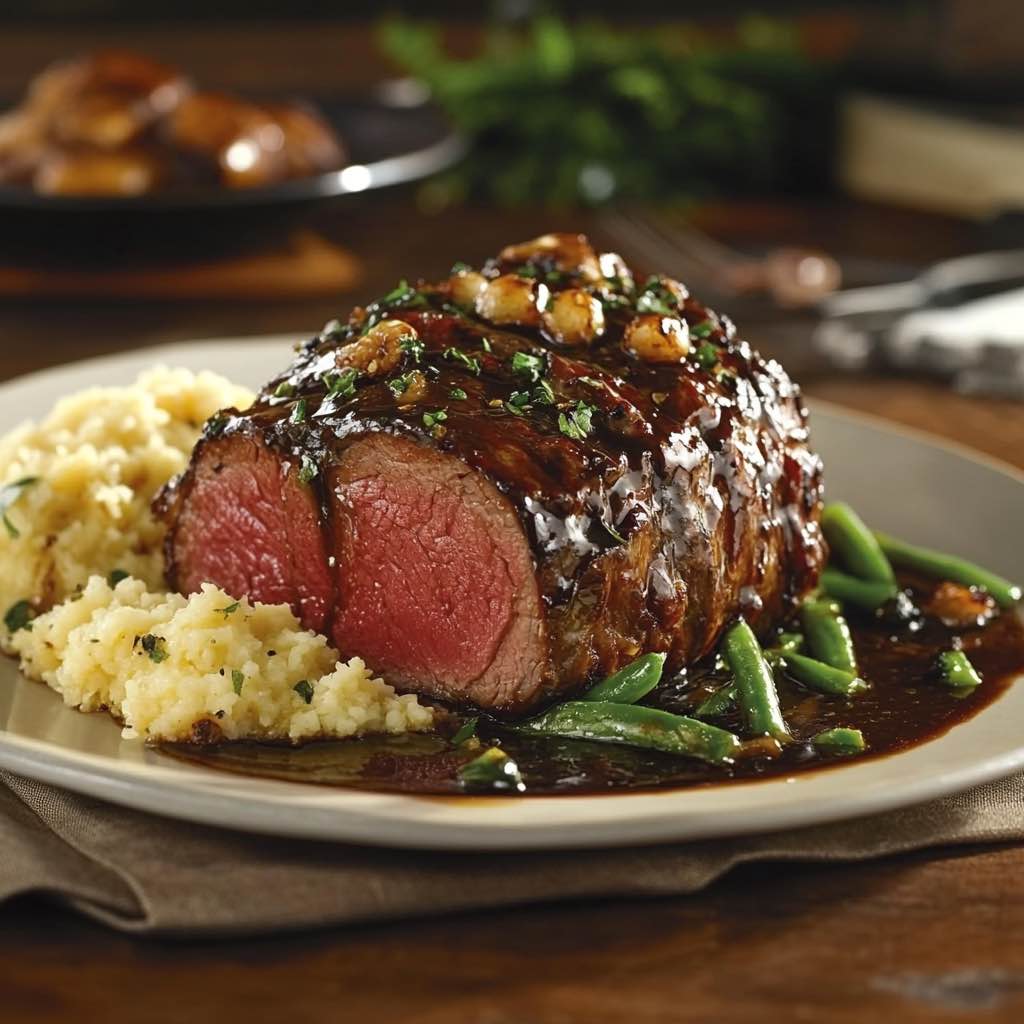
Creating a perfect Balsamic-Glazed Prime Rib Roast transforms any meal into an unforgettable celebration. This tender, juicy roast features a caramelized balsamic coating that elevates the rich beef flavors to restaurant-quality perfection. Whether you’re hosting a holiday feast or planning a special dinner, mastering this impressive centerpiece will make you the star of every gathering.
What Is Balsamic-Glazed Prime Rib Roast?
Balsamic-glazed prime rib roast combines the tender, marbled beef cut from ribs 6 through 12 with a sweet and tangy balsamic reduction. The roast cooks to perfection while the glaze caramelizes on the surface, creating a beautiful dark crust. This cooking method enhances the natural beef flavors without overpowering them.
The balsamic glaze typically contains balsamic vinegar, brown sugar, Dijon mustard, and Worcestershire sauce. These ingredients create a syrupy coating that adds depth and complexity. The result is a stunning main course that looks as impressive as it tastes.
Prime rib, also called standing rib roast, comes from the primal rib section of beef. This cut features exceptional marbling, which means fat runs throughout the meat. That marbling keeps the roast incredibly juicy during cooking.
Why Choose Prime Rib for Special Occasions?
Prime rib stands as the ultimate centerpiece for celebrations because it feeds a crowd beautifully. One 5-pound roast typically serves six to eight people generously. The impressive presentation makes guests feel truly special.
Additionally, prime rib requires minimal hands-on time despite its luxurious reputation. Most of the cooking happens in the oven while you prepare other dishes. This efficiency makes it perfect for busy holiday cooking.
The rich flavor profile satisfies even the most discerning palates. Furthermore, the tender texture melts in your mouth when cooked properly. These qualities explain why fine restaurants feature prime rib as a premium offering.
Nutritional Advantages
Prime rib delivers excellent nutritional value alongside its incredible taste. A 3-ounce serving provides approximately 19 grams of high-quality protein. This protein contains all nine essential amino acids your body needs.
The beef also supplies important minerals like iron and potassium. Iron supports healthy blood cells, while potassium helps maintain proper muscle function. These nutrients make prime rib more than just a delicious indulgence.
Selecting the Perfect Prime Rib Cut
Choosing the right roast determines your success before you even start cooking. Visit a trusted butcher who can guide you toward the best options. Look for bright red meat with abundant white marbling throughout.
Grade Selection
USDA Prime grade offers the highest quality with exceptional marbling and flavor. However, USDA Choice grade provides excellent results at a more accessible price point. Both grades work wonderfully for this recipe.
Select a roast with strong marbling in the rib cap and thin, spider-webbed fat in the center eye cut. This marbling pattern ensures even cooking and maximum juiciness. Avoid roasts with large, chunky fat deposits or uneven distribution.
Bone-In vs. Boneless
Bone-in roasts provide superior flavor because the bones conduct heat evenly. The bones also make an impressive presentation when carving tableside. However, boneless roasts offer easier carving and more even slicing.
Calculate about one pound per person for bone-in roasts. For boneless roasts, plan on 6 to 8 ounces per serving. These estimates ensure everyone gets a generous portion with some leftovers.
Essential Ingredients for Balsamic-Glazed Prime Rib
For the Roast
Start with one standing beef rib roast, approximately 5 pounds. You’ll need kosher salt and freshly ground black pepper for basic seasoning. Fresh herbs like rosemary and thyme add aromatic complexity.
Minced garlic (about 8 cloves) infuses the meat with savory depth. Olive oil helps the seasonings adhere to the roast surface. These simple ingredients let the beef quality shine through.
For the Balsamic Glaze
Quality balsamic vinegar forms the foundation of your glaze. You’ll need one cup of aged balsamic for the best flavor. Dark brown sugar (1/4 cup) balances the vinegar’s acidity.
One tablespoon of Dijon mustard adds subtle heat and helps emulsify the glaze. Worcestershire sauce (1 tablespoon) contributes umami richness. Together, these ingredients create a perfectly balanced coating.
Step-by-Step Cooking Instructions
Preparation Phase
Remove the prime rib from refrigeration one hour before cooking. This crucial step allows the meat to reach room temperature. Room-temperature meat cooks more evenly throughout.
Pat the roast completely dry with paper towels. Moisture on the surface prevents proper browning. Season all sides generously with salt and pepper.
Creating the Glaze
Combine balsamic vinegar, brown sugar, Dijon mustard, and Worcestershire in a small saucepan. Bring the mixture to a boil over medium-high heat. Reduce heat to maintain a gentle simmer.
Continue cooking until the glaze becomes syrupy, about 15 minutes. The glaze should coat the back of a spoon. Season to taste with additional salt and pepper, then set aside.
Roasting Method
Preheat your oven to 450°F with the rack positioned in the lower third. This initial high heat creates a beautiful crust. Mix your herbs, garlic, and olive oil together.
Rub the herb mixture over the entire roast surface. Place the roast bone-side down in a roasting pan. For boneless roasts, use a rack to allow air circulation.
Roast at 450°F for 15 minutes to develop the crust. Reduce the oven temperature to 325°F. Brush the roast generously with your balsamic glaze.
Continue roasting and brush with glaze every 15 minutes. Cook until an instant-read thermometer reaches your desired doneness. This method ensures even cooking and maximum flavor.
Understanding Internal Temperatures
Accurate temperature monitoring prevents overcooking this expensive cut. Insert a probe thermometer into the thickest part, away from bone. The thermometer provides the only reliable doneness indicator.
Temperature Guidelines
For rare, remove the roast when it reaches 115-120°F. Medium-rare requires an internal temperature of 125-130°F. Medium doneness occurs at 135-140°F.
The USDA recommends cooking beef roasts to a minimum of 145°F followed by a 3-minute rest. This temperature ensures food safety while maintaining quality. Remember that internal temperature rises during resting.
Carryover Cooking
The roast continues cooking after leaving the oven. Internal temperature typically rises 5 to 10 degrees during the resting period. Therefore, remove your roast 5 degrees before your target temperature.
This carryover cooking phenomenon occurs because heat moves from exterior to interior. Understanding this principle prevents disappointing overcooked results. Plan accordingly when monitoring your thermometer.
Making the Perfect Balsamic Glaze
Classic Glaze Technique
Quality balsamic vinegar makes all the difference in your glaze. Aged balsamic offers complex, sweet notes that complement beef perfectly. Pour one cup into your saucepan before adding other ingredients.
The reduction process concentrates flavors and thickens the consistency. Simmer gently rather than boiling rapidly to prevent burning. Stir occasionally to ensure even reduction.
Glaze Variations
Add honey instead of brown sugar for a different sweetness profile. Fresh cracked black pepper introduces pleasant heat. Fennel seeds and mustard seeds create aromatic complexity.
Some cooks incorporate pomegranate juice for fruity undertones. Others prefer adding fresh herbs like thyme directly to the glaze. Experiment to find your perfect combination.
Application Tips
Apply the first glaze layer only after reducing oven temperature. Brushing glaze during the high-heat phase causes burning. Reserve some uncooked glaze for serving alongside the carved roast.
Continue glazing every 15 minutes for maximum flavor penetration. Each layer builds upon the previous one, creating depth. The final coating should look glossy and caramelized.
Resting and Carving Techniques
Proper Resting
Transfer the cooked roast to a cutting board immediately after removing from the oven. Tent loosely with aluminum foil to retain heat. Never wrap tightly, as trapped steam softens the crust.
Allow the roast to rest for at least 15 to 30 minutes. Larger roasts benefit from longer resting times. This waiting period allows juices to redistribute throughout the meat.
Cutting too soon causes precious juices to run onto the cutting board. Patience during resting ensures each slice remains moist and flavorful. Use this time to prepare final side dishes and set the table.
Carving Methods
Remove the bones first if working with a bone-in roast. Slice along the bone line with a sharp carving knife. Set the bones aside for guests who enjoy them.
Cut perpendicular to the grain into 1/2-inch thick slices. Thinner slices make the meat easier to chew. Arrange slices on a warmed platter for elegant presentation.
Pour accumulated juices from the cutting board over the sliced meat. These natural juices enhance flavor without needing heavy sauces. Serve immediately while the meat remains warm.
Serving Suggestions and Side Dishes
Traditional Accompaniments
Horseradish sauce provides classic pairing for prime rib. The sharp, pungent flavor cuts through the rich beef beautifully. Prepare homemade horseradish for the freshest taste.
Au jus makes another traditional accompaniment. This light beef juice complements without overwhelming. Simply deglaze your roasting pan with hot water to create simple au jus.
Vegetable Sides
Roasted root vegetables match the roast’s richness perfectly. Try carrots, parsnips, and Brussels sprouts tossed with olive oil. Their natural sweetness balances the balsamic tang.
Creamed spinach offers luxurious texture contrast. Green beans with garlic provide a lighter option. Asparagus spears add elegant color to your plate.
Starch Options
Classic mashed potatoes remain the most popular choice. Their creamy texture soaks up delicious meat juices. Yorkshire pudding makes an impressive traditional addition.
Scalloped potatoes offer rich, comforting appeal. Roasted fingerling potatoes provide rustic charm. Choose sides that complement without competing with your beautiful roast.
Common Mistakes to Avoid
Temperature Errors
Starting with cold meat ranks among the biggest mistakes. Cold roasts cook unevenly, with overcooked exteriors and raw centers. Always allow sufficient time for the meat to warm up.
Skipping the meat thermometer leads to guesswork and disappointment. Color alone doesn’t reliably indicate doneness. Invest in a quality instant-read thermometer for consistent results.
Glazing Problems
Applying glaze during the initial high-heat phase causes burning. The sugar in the glaze caramelizes too quickly at 450°F. Wait until after reducing the temperature to begin brushing.
Using low-quality balsamic produces disappointing flavor. Cheap balsamic lacks the complex sweetness aged varieties offer. Splurge on good vinegar for this special dish.
Resting and Carving Issues
Cutting into the roast immediately after cooking wastes precious juices. Those juices need time to be reabsorbed by the meat fibers. Resist the temptation to carve too soon.
Slicing with the grain instead of against it creates tough, chewy pieces. Always identify the grain direction before cutting. Perpendicular cuts ensure tender bites every time.
Nutritional Benefits of Prime Rib
Protein Content
Prime rib delivers exceptional protein for muscle maintenance and growth. Each 3-ounce serving contains approximately 19 to 23 grams of complete protein. This represents about one-third of the recommended daily protein intake.
The protein quality score reaches 100%, indicating optimal amino acid composition. All nine essential amino acids appear in ideal proportions. Your body can efficiently use this protein for various functions.
Vitamins and Minerals
Prime rib provides significant amounts of iron, crucial for oxygen transport. A single serving supplies about 2 milligrams of iron. This mineral supports healthy red blood cell production.
Potassium content reaches approximately 258 milligrams per serving. This electrolyte helps regulate blood pressure and muscle contractions. Prime rib also contains zinc, selenium, and B vitamins.
Considerations
Prime rib contains notable amounts of saturated fat and cholesterol. A 3-ounce portion includes about 11.9 grams of saturated fat. Choose moderate portion sizes to balance enjoyment with nutrition goals.
Trimming visible fat before eating reduces overall fat intake. Pairing prime rib with fiber-rich vegetables creates a more balanced meal. Remember that occasional indulgence fits into healthy eating patterns.
Storage and Leftover Ideas
Proper Storage
Cool leftover prime rib to room temperature within two hours. Refrigerate promptly in airtight containers to maintain quality. Properly stored prime rib lasts three to four days refrigerated.
Wrap portions tightly in plastic wrap, then aluminum foil for freezing. Frozen prime rib maintains quality for two to three months. Label containers with dates for easy tracking.
Reheating Methods
Slice cold prime rib thinly for sandwiches without reheating. The tender meat needs no additional cooking. Layer slices on crusty bread with horseradish and greens.
Reheat gently in low-temperature ovens to prevent overcooking. Place slices in a covered dish at 250°F until warmed through. Add a splash of beef broth to maintain moisture.
Creative Leftover Recipes
Chop leftover prime rib for hearty breakfast hash. Combine with diced potatoes, onions, and peppers. Top with fried eggs for a satisfying meal.
Use sliced prime rib in pasta dishes with cream sauce. The rich meat complements fettuccine or penne beautifully. Add mushrooms and peas for complete one-pot dinners.
Transform scraps into delicious beef barley soup. Simmer bones and meat trimmings with vegetables and grains. This economical approach wastes nothing from your premium roast.
Frequently Asked Questions
What makes balsamic-glazed prime rib different from regular prime rib?
The balsamic glaze adds a sweet and tangy flavor profile that enhances the natural beef taste. Traditional prime rib relies solely on salt, pepper, and herbs for seasoning. The glaze also creates a beautiful caramelized crust that regular preparations lack.
How long does it take to cook a 5-pound prime rib roast?
Cooking time depends on your desired doneness level. Generally, expect 15 minutes at 450°F, then approximately 13-14 minutes per pound at 325°F for medium-rare. A 5-pound roast typically requires about 1 hour and 15 minutes total cooking time.
Can I make the balsamic glaze ahead of time?
Absolutely, preparing the glaze in advance saves time on cooking day. Store cooled glaze in an airtight container in the refrigerator for up to one week. Gently rewarm before brushing onto the roast.
Should I cover my prime rib while it roasts?
Leave the roast uncovered during cooking to develop the crust. Covering traps steam and prevents proper browning. Only tent with foil during the resting period after removing from the oven.
What’s the best way to ensure my prime rib stays juicy?
Bringing meat to room temperature before cooking promotes even heating. Using a meat thermometer prevents overcooking, the main cause of dryness. Most importantly, allow adequate resting time so juices redistribute throughout the meat.
How do I know when my balsamic glaze is ready?
The glaze reaches proper consistency when it coats the back of a spoon. It should appear syrupy and reduce by about half. Expect this reduction process to take approximately 15 minutes of gentle simmering.
Can I use this recipe for smaller or larger roasts?
Yes, this recipe scales easily for different roast sizes. Adjust cooking time based on weight, maintaining the same temperatures. Smaller roasts (3-4 pounds) cook faster, while larger ones (6-8 pounds) require more time.
What should I do if my glaze starts burning?
Reduce your oven temperature slightly if the glaze darkens too quickly. Brush on thinner layers to prevent excessive buildup. Reserve uncooked glaze for the final applications near the end of cooking.
Conclusion
Mastering a Balsamic-Glazed Prime Rib Roast elevates your cooking repertoire significantly. This impressive centerpiece combines simple techniques with spectacular results. The sweet-tangy glaze perfectly complements the rich, tender beef.
Success starts with selecting quality meat from a trusted butcher. Proper preparation, including bringing meat to room temperature, ensures even cooking. Monitoring internal temperature with a reliable thermometer prevents overcooking.
The balsamic glaze transforms ordinary prime rib into something extraordinary. Its caramelized exterior adds visual appeal and complex flavors. Moreover, the recipe requires minimal hands-on time despite its luxurious appearance.
Balsamic-Glazed Prime Rib Roast
Description
Balsamic-Glazed Prime Rib Roast
Ingredients
-
1 (4–5 lb) bone-in prime rib roast
-
4 cloves garlic, minced
-
3 tbsp olive oil
-
1 tbsp fresh rosemary, finely chopped
-
1 tbsp fresh thyme, chopped
-
Salt and freshly ground black pepper, to taste
For the Balsamic Glaze:
-
½ cup balsamic vinegar
-
3 tbsp brown sugar
-
2 tbsp Dijon mustard
-
2 tbsp honey
-
1 tbsp Worcestershire sauce
-
2 tbsp unsalted butter
Instructions
-
Prep the Roast
-
Let the prime rib rest at room temperature for 1–2 hours before roasting.
-
Pat dry with paper towels and rub generously with olive oil, garlic, rosemary, thyme, salt, and pepper.
-
-
Preheat the Oven
-
Preheat to 450°F (230°C).
-
Place the roast on a rack in a roasting pan, fat side up.
-
-
Roast
-
Roast for 20 minutes at 450°F to sear and form a crust.
-
Reduce the temperature to 325°F (165°C) and continue roasting for about 1½ to 2 hours, or until the internal temperature reaches:
-
120°F (49°C) for rare
-
130°F (54°C) for medium-rare
-
140°F (60°C) for medium
-
-
-
Make the Balsamic Glaze
-
While the roast cooks, combine balsamic vinegar, brown sugar, Dijon mustard, honey, and Worcestershire sauce in a small saucepan.
-
Simmer over medium heat for 6–8 minutes, until thickened and glossy.
-
Whisk in butter and remove from heat.
-
-
Glaze and Rest
-
During the final 15 minutes of roasting, brush the roast generously with the balsamic glaze.
-
Once done, remove from the oven, tent loosely with foil, and let rest for 20 minutes before slicing.
-
-
Serve
-
Slice against the grain and drizzle with remaining glaze.
-
Garnish with fresh herbs if desired.
-