Crock Pot Smothered Pork Roast: The Ultimate Comfort Food Recipe
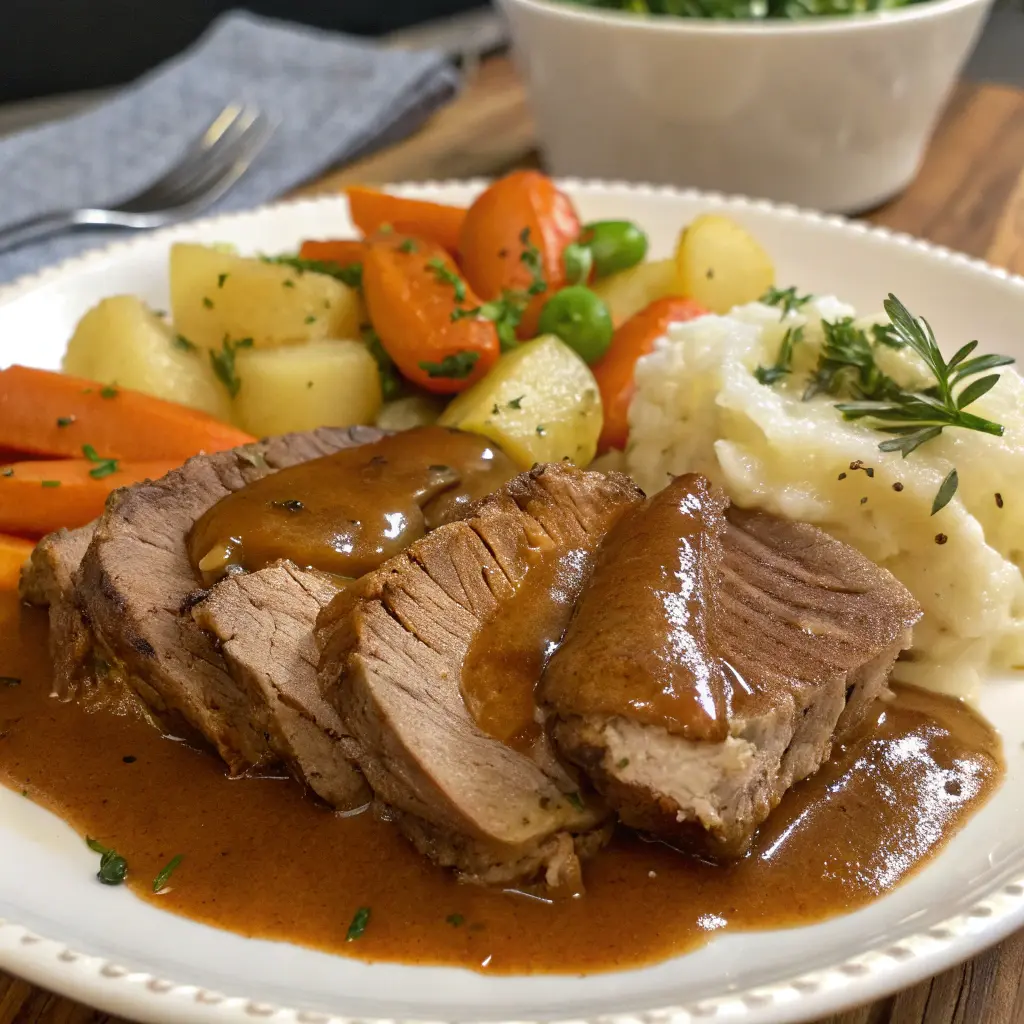
There’s something magical about walking into your home after a long day and being greeted by the aroma of tender, slow-cooked pork. This Crock Pot Smothered Pork Roast delivers fall-apart tender meat bathed in rich, savory gravy that will have your family asking for seconds. Perfect for busy weeknights or weekend gatherings, this hands-off recipe transforms an affordable cut of pork into a restaurant-quality meal with minimal effort.
What Makes This Crock Pot Smothered Pork Roast Special
The beauty of a smothered pork roast lies in its simplicity and incredible flavor. Unlike traditional roasting methods that require constant attention, your slow cooker does all the work. The low, steady heat breaks down tough connective tissues, resulting in meat so tender it practically melts in your mouth.
The “smothered” component refers to the luscious gravy that envelops the pork throughout cooking. This isn’t just any gravy. It’s a richly seasoned mixture that infuses every fiber of the meat with deep, savory flavor. Moreover, the cooking liquid reduces and concentrates, creating a sauce that rivals anything you’d find in an upscale restaurant.
This recipe offers incredible versatility. You can prepare it on a lazy Sunday afternoon or set it up before work for a ready-to-eat dinner. Furthermore, it scales beautifully for meal prep, feeding a crowd, or providing leftovers for busy weeknights.
Choosing the Right Cut of Pork
Selecting the proper cut of pork makes all the difference in your final result. Fortunately, several cuts work beautifully in this recipe.
Best Cuts for Slow Cooking
Pork Shoulder (Boston Butt) stands as the top choice for smothered roasts. This cut contains adequate marbling and connective tissue that breaks down during slow cooking. Consequently, you get incredibly tender, flavorful meat that stays moist throughout the cooking process.
Pork Butt Roast offers similar qualities to shoulder. Don’t let the name confuse you. This cut actually comes from the shoulder area and provides excellent results in the crock pot.
Pork Loin works if you prefer leaner meat. However, it requires more careful monitoring to prevent drying. Additionally, you’ll need to reduce cooking time slightly since it lacks the fat content of shoulder cuts.
What to Look For
When shopping, seek out roasts weighing between 3 to 5 pounds. This size fits comfortably in most slow cookers while serving 6 to 8 people generously. Look for meat with some visible marbling throughout. Those thin lines of fat ensure moisture and flavor during the long cooking process.
Fresh pork should have a pinkish-red color without any gray or brown spots. The meat should feel firm to the touch and have minimal liquid in the package. Ask your butcher if you need help selecting the best roast for slow cooking.
Essential Ingredients You’ll Need
This crock pot smothered pork roast requires simple, accessible ingredients that pack maximum flavor. Moreover, you likely have most items in your pantry already.
Main Components
-
1 boneless pork shoulder roast (3-4 pounds)
-
2 tablespoons olive oil or vegetable oil
-
2 large onions, sliced thick
-
4 cloves garlic, minced
-
2 cups low-sodium chicken broth or beef broth
-
1 cup water
Seasonings and Spices
-
2 teaspoons salt
-
1 teaspoon black pepper
-
1 teaspoon smoked paprika
-
1 teaspoon dried thyme
-
1 teaspoon onion powder
-
1 teaspoon garlic powder
-
½ teaspoon cayenne pepper (optional)
For the Gravy
-
3 tablespoons cornstarch
-
¼ cup cold water
-
2 tablespoons butter
Optional Additions
Fresh herbs like rosemary or sage add aromatic complexity. Bay leaves contribute subtle depth to the cooking liquid. Worcestershire sauce enhances the umami flavors beautifully.
Kitchen Tools and Equipment
Proper equipment ensures cooking success. Fortunately, you don’t need specialized tools for this recipe.
Must-Have Items
A 6-quart slow cooker provides adequate space for a 3 to 4-pound roast. Smaller cookers work for smaller roasts, while larger ones accommodate bigger cuts. Choose a model with both high and low settings for maximum flexibility.
A large skillet helps brown the meat before slow cooking. This step develops crucial flavor through the Maillard reaction. Cast iron works wonderfully, but any heavy-bottomed pan suffices.
Tongs make handling the roast easier during searing and serving. Long-handled tongs keep your hands safely away from heat.
A meat thermometer takes the guesswork out of doneness. Digital instant-read models provide quick, accurate readings.
Helpful Accessories
Slow cooker liners simplify cleanup considerably. These disposable bags prevent food from sticking to the crock. However, they’re entirely optional if you don’t mind washing your slow cooker.
A fat separator helps remove excess grease from the cooking liquid before making gravy. This tool isn’t essential but produces a cleaner final sauce.
Step-by-Step Cooking Instructions
Follow these detailed instructions for foolproof results every time. Additionally, each step builds on the previous one to create maximum flavor.
Preparing the Pork
Start by patting the pork roast dry with paper towels. This simple step ensures proper browning. Next, combine all dry seasonings in a small bowl. Rub this mixture generously over the entire surface of the roast. Don’t be shy. Press the seasonings into the meat so they adhere well.
Let the seasoned roast sit at room temperature for 20 to 30 minutes. This brief rest allows the seasonings to penetrate the surface. Meanwhile, prepare your other ingredients.
Searing for Flavor
Heat olive oil in a large skillet over medium-high heat. Once the oil shimmers, carefully place the roast in the pan. Sear each side for 3 to 4 minutes until a deep brown crust forms. Don’t move the meat around during searing. Let it sit undisturbed to develop that crucial crust.
This step adds incredible depth to your final dish. The caramelized exterior provides complex flavors that simply can’t be achieved through slow cooking alone. Therefore, don’t skip this crucial step despite the temptation to save time.
Building the Base
While the roast sears, slice onions into thick half-moons. Arrange these slices across the bottom of your slow cooker. They create a flavorful bed that prevents the meat from sitting in liquid. Additionally, the onions will caramelize during cooking, adding sweetness to your gravy.
Scatter minced garlic over the onions. The garlic infuses the cooking liquid with aromatic flavor throughout the process.
Slow Cooking Process
Transfer the seared roast to the slow cooker, positioning it atop the onion layer. Pour chicken broth and water around (not over) the roast. This technique allows the top to develop texture while the bottom braises in liquid.
Cover the slow cooker and set it to low. Cook for 8 to 10 hours until the pork reaches fork-tender perfection. Alternatively, cook on high for 4 to 6 hours if you’re short on time. However, low and slow produces the most tender results.
Resist the urge to lift the lid frequently. Each peek releases heat and extends cooking time. Trust the process and let your slow cooker work its magic.
Creating Perfect Gravy
Once the pork is tender, carefully transfer it to a cutting board. Cover loosely with foil to keep warm. Strain the cooking liquid through a fine-mesh sieve into a large bowl. Discard the solids or save the onions for serving.
Let the liquid rest for 5 minutes. Fat will rise to the surface. Skim off excess fat with a spoon or use a fat separator for cleaner results.
Pour the defatted liquid into a saucepan over medium heat. Mix cornstarch with cold water in a small bowl until smooth. Gradually whisk this slurry into the simmering liquid. Continue whisking constantly as the gravy thickens, about 3 to 5 minutes.
Remove from heat and stir in butter for silky richness. Taste and adjust seasonings as needed. Your gravy should coat the back of a spoon nicely.
Final Assembly
Slice or shred the pork roast as desired. Arrange pieces on a serving platter and ladle generous amounts of gravy over top. Serve immediately while piping hot.
Pro Tips for Perfect Results
These expert techniques elevate your smothered pork roast from good to extraordinary.
Temperature Matters
Always use a meat thermometer to check doneness. Pork should reach an internal temperature of 190°F to 205°F for fall-apart tenderness. This temperature range ensures collagen has fully broken down. Lower temperatures leave the meat tough and chewy.
Don’t Overcrowd
Choose a slow cooker that fits your roast comfortably with some space around the sides. Overcrowding prevents proper heat circulation. Consequently, you may end up with unevenly cooked meat.
Liquid Levels
Use just enough liquid to come one-third up the side of the roast. Too much liquid dilutes flavor and creates soupy gravy. Too little causes burning. Strike the right balance for optimal results.
Resting Period
Let the finished roast rest for 10 to 15 minutes before slicing. This resting period allows juices to redistribute throughout the meat. Cutting too soon causes all those precious juices to run out onto your cutting board.
Gravy Consistency
If your gravy seems too thin, continue simmering to reduce. Conversely, thin overly thick gravy with additional broth. The perfect consistency should be pourable yet substantial enough to cling to the meat.
Serving Suggestions and Side Dishes
This versatile main dish pairs beautifully with countless sides. Consider these complementary options for a complete meal.
Classic Pairings
Mashed Potatoes create the ultimate comfort food combination. The creamy potatoes provide the perfect vehicle for soaking up that incredible gravy. [Check out our guide on making the creamiest mashed potatoes].
Rice offers a lighter alternative that still captures every drop of sauce. White rice, brown rice, or wild rice all work wonderfully. Simply spoon the pork and gravy over a bed of fluffy grains.
Egg Noodles bring a homestyle touch to your meal. Wide egg noodles tossed with butter make an excellent base for the smothered pork.
Vegetable Sides
Roasted vegetables add color and nutrition to your plate. Brussels sprouts, carrots, or green beans complement the rich pork beautifully. Roast them while your pork cooks for convenient timing.
Steamed broccoli provides a light, healthy contrast. The mild vegetable won’t compete with the bold flavors of your main dish.
A crisp green salad offers freshness that balances the hearty roast. Choose a simple vinaigrette to keep things light.
Bread Options
Crusty bread or dinner rolls help capture every bit of gravy. Warm them in the oven just before serving for maximum appeal.
Cornbread adds a touch of Southern comfort. The slightly sweet bread pairs surprisingly well with savory pork.
Storage and Reheating Guidelines
Proper storage extends the life of your leftovers significantly. Follow these guidelines for food safety and quality.
Refrigeration
Cool leftover pork to room temperature within two hours. Store meat and gravy separately in airtight containers. Refrigerated pork stays fresh for 3 to 4 days.
Keep gravy in a sealed container or jar. It maintains quality for up to 5 days in the refrigerator.
Freezing Instructions
For longer storage, freeze the cooked pork. Slice or shred the meat first for easier portioning. Place portions in freezer-safe containers or heavy-duty freezer bags. Remove as much air as possible to prevent freezer burn.
Freeze gravy separately in freezer-safe containers. Leave some headspace since liquids expand when frozen. Properly stored, both pork and gravy maintain quality for up to 3 months.
Reheating Methods
Stovetop Method: Place pork and gravy in a saucepan over medium-low heat. Stir occasionally until heated through, about 10 minutes. Add a splash of broth if the mixture seems dry.
Microwave Method: Arrange pork in a microwave-safe dish. Cover loosely and heat on medium power in 2-minute intervals. Stir between intervals for even heating.
Slow Cooker Method: For larger quantities, return pork and gravy to your slow cooker. Heat on low for 2 to 3 hours until thoroughly warmed.
Nutritional Information
Understanding the nutritional content helps you make informed dietary choices. These values represent approximate amounts per serving (based on 8 servings).
-
Calories: 385
-
Protein: 42g
-
Fat: 18g
-
Saturated Fat: 6g
-
Carbohydrates: 8g
-
Fiber: 1g
-
Sugar: 2g
-
Sodium: 720mg
-
Cholesterol: 125mg
Nutritional values vary based on the specific cut of pork used and portion sizes. Trimming visible fat before cooking reduces the overall fat content. Additionally, using low-sodium broth helps control sodium levels.
Common Mistakes to Avoid
Learn from these common pitfalls to ensure success every time.
Skipping the Searing Step
Many home cooks skip searing to save time. However, this step creates essential flavor through browning. Those caramelized bits add depth that slow cooking alone cannot achieve. Therefore, take the extra 15 minutes to sear properly.
Cooking on High
While high heat settings work in a pinch, they don’t produce the same tender results. High heat can make the exterior overcooked while the center stays tough. Low and slow consistently delivers superior texture.
Adding Too Much Liquid
More liquid doesn’t mean more flavor. Excess liquid dilutes your carefully crafted seasonings. Stick to the recommended amounts for concentrated flavor.
Not Seasoning Adequately
Pork shoulder requires generous seasoning due to its size. Don’t be timid with your spice rub. The meat needs bold flavors to shine through hours of cooking.
Opening the Lid Frequently
Every time you lift the lid, you release heat and steam. This extends cooking time by 15 to 20 minutes per peek. Keep the lid on until the minimum cooking time has elapsed.
Recipe Variations to Try
Once you’ve mastered the basic recipe, experiment with these delicious variations.
Italian-Inspired Version
Replace standard seasonings with Italian herbs. Use oregano, basil, and fennel seeds in your rub. Add crushed tomatoes to the cooking liquid for a rich, savory sauce. Serve over pasta or polenta.
BBQ Style
Coat the seared roast with your favorite BBQ sauce before slow cooking. Add apple cider vinegar to the liquid for tang. Shred the finished pork and pile it on buns for incredible sandwiches.
Asian Fusion
Combine soy sauce, ginger, and five-spice powder for an Asian twist. Add a tablespoon of honey and rice vinegar to the cooking liquid. Serve over rice with stir-fried vegetables.
Mexican-Inspired
Season the roast with cumin, chili powder, and oregano. Add diced green chiles to the slow cooker. Use the shredded pork for tacos, burritos, or burrito bowls.
Herb Garden Version
Load up on fresh herbs like rosemary, thyme, and sage. Add lemon zest to brighten the flavors. This lighter version pairs beautifully with roasted vegetables.
Frequently Asked Questions
Can I make Crock Pot Smothered Pork Roast without searing?
While you can skip searing, it’s not recommended. Searing develops complex flavors through the Maillard reaction that slow cooking cannot replicate. The extra 15 minutes significantly improves the final dish. However, if you’re truly pressed for time, proceed directly to the slow cooker with properly seasoned meat.
How do I know when the pork roast is done?
The pork is ready when it reaches an internal temperature of 190°F to 205°F. Additionally, properly cooked pork should be fork-tender, meaning a fork easily pulls apart the meat. If the meat resists, continue cooking and check again in 30 to 60 minutes.
Why is my gravy thin and watery?
Thin gravy usually results from too much liquid or insufficient thickening. Simmer the strained liquid longer to reduce and concentrate flavors. Add more cornstarch slurry gradually until you achieve the desired consistency. Remember, the gravy thickens as it cools slightly.
Can I cook this recipe on high instead of low?
Yes, you can cook on high for 4 to 6 hours instead of low for 8 to 10 hours. However, low heat produces more tender results. High heat can make the exterior mushy while the center stays tough. Use high heat only when necessary for time constraints.
What should I do if my roast is too salty?
If the finished dish tastes overly salty, dilute the gravy with unsalted broth or water. Add a peeled, quartered potato to absorb some salt, then remove before serving. Alternatively, serve with unsalted sides to balance the overall meal.
Can I use frozen pork for this recipe?
Always thaw pork completely before cooking. Frozen meat won’t cook evenly in the slow cooker. Thaw safely in the refrigerator for 24 to 48 hours depending on size. Never thaw at room temperature due to food safety concerns.
How can I make this recipe lower in fat?
Choose a pork loin instead of shoulder for a leaner option. Trim all visible fat before cooking. Skim fat thoroughly from the cooking liquid before making gravy. These adjustments significantly reduce the overall fat content.
Will this recipe work in an Instant Pot?
Yes, you can adapt this recipe for pressure cooking. Sear the meat using the sauté function. Add liquids and cook on high pressure for 60 to 75 minutes. Let pressure release naturally for 15 minutes before manually releasing remaining pressure.
Final Thoughts
This Crock Pot Smothered Pork Roast delivers exceptional flavor with minimal effort. The combination of tender, slow-cooked pork and rich, savory gravy creates a satisfying meal that pleases everyone at the table. Moreover, the hands-off cooking method frees you to focus on other tasks while dinner practically cooks itself.
The recipe’s versatility makes it perfect for various occasions. Serve it for Sunday dinner, prepare it for meal prep, or make it for holiday gatherings. The straightforward technique ensures consistent results every time you cook it.
Start with quality ingredients and follow the steps carefully. Don’t skip the searing process, and trust the low, slow cooking method. These simple guidelines guarantee tender pork with incredible depth of flavor. Once you master this basic recipe, explore the variations to keep your meals interesting and exciting.
Print