
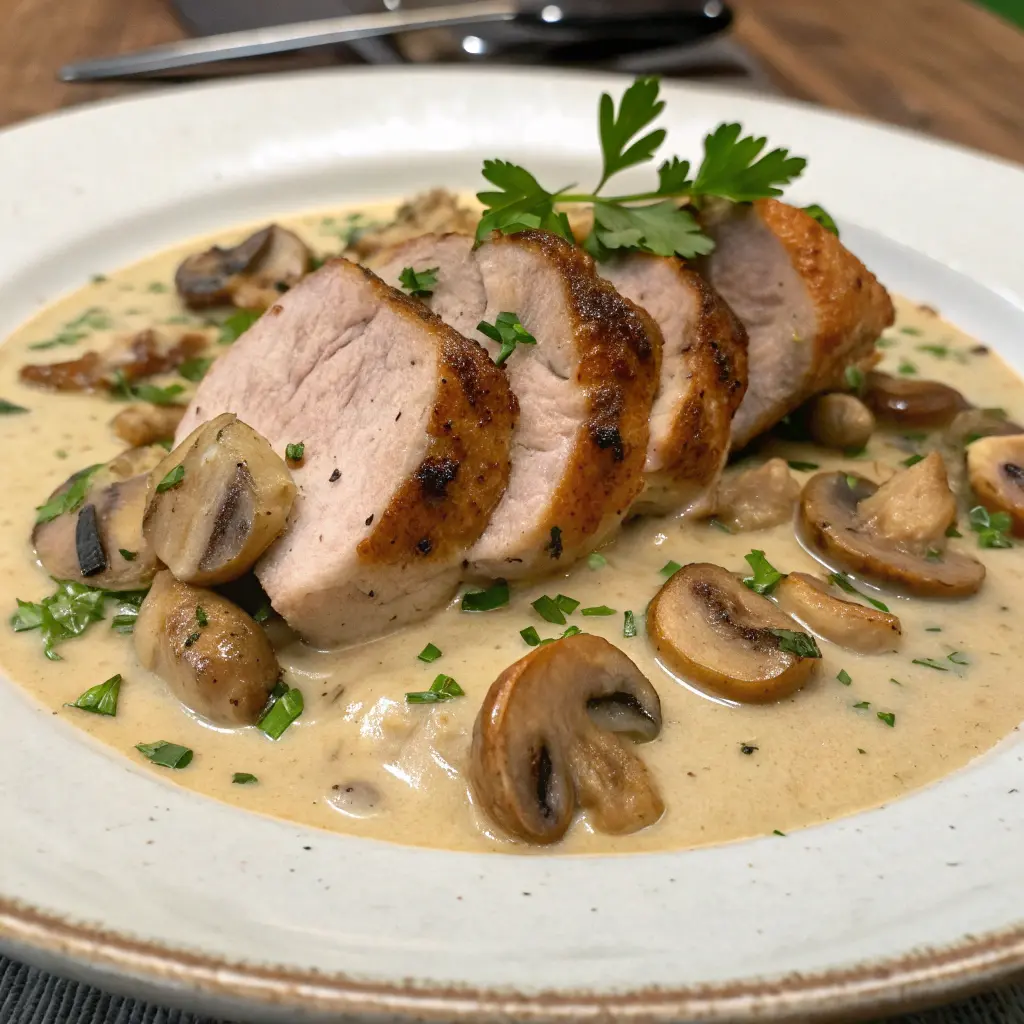
Creamy Mushroom Garlic Pork Tenderloin
There’s something magical about the combination of tender pork, earthy mushrooms, and aromatic garlic bathed in a luscious cream sauce. Creamy Mushroom Garlic Pork Tenderlointransforms a simple weeknight dinner into an elegant meal that rivals any restaurant dish. This recipe delivers restaurant-quality results in your own kitchen, with tender medallions of pork nestled in a rich, savory sauce that will have everyone asking for seconds. Whether you’re planning a special dinner or simply craving comfort food with a sophisticated twist, this dish checks all the boxes.
Why This Recipe Works
The Perfect Protein Choice
Pork tenderloin stands out as one of the leanest cuts of pork available. It cooks quickly and absorbs flavors beautifully. This cut remains incredibly tender when prepared correctly. The mild flavor profile makes it an ideal canvas for bold accompaniments.
Flavor Harmony
The creamy mushroom garlic sauce creates a symphony of tastes. Mushrooms provide an earthy, umami-rich foundation. Fresh garlic adds aromatic punch without overwhelming the dish. Heavy cream brings everything together in silky harmony. Each component enhances the others perfectly.
Cooking Method Advantages
Searing the pork first locks in juices and creates a flavorful crust. The sauce develops directly in the same pan, building layers of flavor. This one-pan approach simplifies cleanup significantly. The entire dish comes together in under 45 minutes.
According to the USDA FoodData Central, pork tenderloin contains approximately 26 grams of protein per 4-ounce serving, making it an excellent choice for balanced meals.
Essential Ingredients Breakdown
The Star: Pork Tenderloin
Select a tenderloin weighing 1 to 1.5 pounds. Look for meat with a light pink color and minimal marbling. Remove the silver skin before cooking. This thin membrane doesn’t break down during cooking and creates an unpleasant texture.
Mushroom Selection
Baby bella mushrooms (cremini) offer the best flavor-to-price ratio. White button mushrooms work well as a budget-friendly alternative. Shiitake mushrooms add a more pronounced umami depth. Mix varieties for complex flavor profiles. Plan for 8 to 10 ounces of fresh mushrooms.
Garlic Guidelines
Fresh garlic cloves deliver superior flavor compared to pre-minced versions. Use 5 to 6 large cloves for pronounced garlic presence. Mince the cloves finely for even distribution. Adjust the amount based on personal preference.
Cream Component
Heavy cream creates the richest, most stable sauce. Half-and-half provides a lighter alternative with less fat. Avoid milk, as it lacks the body needed for proper sauce consistency. Plan for 1 cup of cream for optimal results.
Supporting Players
Quality chicken or vegetable broth adds depth. Fresh thyme brings herbaceous notes that complement mushrooms. Dijon mustard provides subtle tang and helps emulsify the sauce. Salt and black pepper enhance all flavors.
Optional Additions
Shallots offer a sweeter, more delicate onion flavor. Fresh parsley brightens the finished dish. Parmesan cheese adds savory richness. Red pepper flakes introduce gentle heat.
Kitchen Tools You’ll Need
Essential Equipment
A large skillet or sauté pan (12 inches) accommodates the tenderloin comfortably. Cast iron or stainless steel works best for proper searing. Non-stick pans don’t develop fond as effectively. A meat thermometer ensures perfect doneness every time.
Additional Helpful Tools
Sharp chef’s knife for slicing mushrooms and mincing garlic. Cutting board designated for raw meat. Tongs for flipping pork safely. Measuring cups and spoons for accuracy. Aluminum foil for resting the meat.
Step-by-Step Cooking Instructions
Preparation Phase
Remove the pork tenderloin from refrigeration 30 minutes before cooking. This allows for more even cooking. Pat the meat completely dry with paper towels. Moisture prevents proper browning. Season generously with salt and black pepper on all sides.
Trim and slice the mushrooms into uniform pieces. Consistency ensures even cooking. Mince the garlic finely. Gather all ingredients within arm’s reach. Mise en place streamlines the cooking process.
Searing the Pork
Heat 2 tablespoons of olive oil in your skillet over medium-high heat. Wait until the oil shimmers. Place the tenderloin in the pan carefully. Let it cook undisturbed for 3 to 4 minutes. A golden-brown crust should form.
Rotate the tenderloin using tongs. Sear each side until browned all around. This process takes 10 to 12 minutes total. The internal temperature should reach 120°F at this stage. Transfer the pork to a plate and tent loosely with foil.
Building the Sauce
Reduce heat to medium. Add 1 tablespoon of butter to the same pan. Once melted, add the sliced mushrooms. Spread them in an even layer. Resist the urge to stir constantly. Mushrooms need contact with the hot surface to brown properly.
Cook the mushrooms for 5 to 6 minutes, stirring occasionally. They should release moisture and develop golden edges. Add the minced garlic and fresh thyme leaves. Stir constantly for 30 seconds. Garlic burns quickly, so monitor closely.
Creating the Creamy Base
Pour in 1/2 cup of broth. Scrape the bottom of the pan with a wooden spoon. The browned bits (fond) contain concentrated flavor. This process is called deglazing. Let the liquid reduce by half, about 2 minutes.
Lower the heat to medium-low. Pour in the heavy cream slowly while stirring. Add 1 teaspoon of Dijon mustard. Stir until the sauce becomes smooth and cohesive. Season with salt and pepper to taste.
Finishing the Pork
Return the seared tenderloin to the pan. Spoon some sauce over the top. Cover the pan and cook for 8 to 10 minutes. The internal temperature should reach 145°F for medium doneness. Use your meat thermometer to verify.
Transfer the pork to a cutting board. Let it rest for 5 minutes before slicing. This resting period allows juices to redistribute. Meanwhile, keep the sauce warm over low heat.
Plating and Serving
Slice the tenderloin into medallions about 1/2 inch thick. Arrange them on a serving platter or individual plates. Spoon the creamy mushroom garlic sauce generously over the pork. Garnish with fresh parsley if desired.
Pro Tips for Perfect Results
Temperature Control Matters
Use a reliable instant-read thermometer. Guessing doneness leads to overcooked, dry meat. Pull the pork at 140°F if you prefer medium-rare. Carryover cooking adds 5 degrees during resting.
The USDA recommends cooking pork to an internal temperature of 145°F followed by a three-minute rest for food safety.
Mushroom Mastery
Don’t wash mushrooms under running water. They absorb moisture like sponges. Wipe them clean with a damp paper towel instead. Overcrowding the pan steams mushrooms rather than browning them. Cook in batches if necessary.
Sauce Consistency Tricks
If the sauce seems too thin, simmer it longer to reduce. Too thick? Add broth or cream gradually until desired consistency. A tablespoon of cold butter stirred in at the end adds glossy richness.
Make-Ahead Strategy
Season and sear the pork up to 2 hours in advance. Refrigerate until ready to finish. Prepare the mushrooms and garlic earlier in the day. Store them separately in the refrigerator. This approach reduces last-minute stress.
Flavor Enhancement Options
A splash of balsamic vinegar adds subtle sweetness and acidity. Worcestershire sauce deepens the umami notes. Fresh lemon juice brightens the rich cream sauce. Experiment with these additions sparingly.
Nutritional Benefits
Lean Protein Powerhouse
Pork tenderloin contains less fat than many other cuts. A 4-ounce serving provides approximately 140 calories. The high protein content supports muscle maintenance and growth. Essential amino acids are present in complete profiles.
Vitamin and Mineral Content
Pork offers significant B vitamins, particularly thiamine and niacin. These support energy metabolism. Selenium acts as a powerful antioxidant. Phosphorus contributes to bone health. Zinc supports immune function.
Mushroom Nutrition
Mushrooms provide vitamin D when exposed to sunlight. They contain antioxidants like ergothioneine and selenium. The fiber content supports digestive health. Mushrooms add nutrients without significant calories.
Balanced Meal Considerations
Pair this dish with vegetables to increase fiber intake. Whole grains add complex carbohydrates. Consider portion sizes when enjoying cream-based sauces. Balance indulgent meals with lighter options throughout the day.
Serving Suggestions and Pairings
Classic Accompaniments
Creamy mashed potatoes absorb the luscious sauce beautifully. Roasted baby potatoes offer a lighter alternative. Buttered egg noodles create a comforting combination. Rice pilaf provides a neutral base for the rich sauce.
Vegetable Selections
Roasted Brussels sprouts add nutty contrast. Steamed green beans bring fresh crunch. Sautéed spinach with garlic complements the mushrooms. Glazed carrots introduce gentle sweetness.
Bread Options
Crusty French bread soaks up every drop of sauce. Garlic bread echoes the dish’s flavors. Dinner rolls offer convenient portion control. Toast points add elegant presentation.
Salad Pairings
Simple mixed greens with vinaigrette cut through richness. Caesar salad provides familiar comfort. Arugula with lemon dressing adds peppery brightness. Keep dressings light to balance the creamy main course.
Storage and Reheating Guide
Proper Storage Methods
Cool leftover pork and sauce to room temperature within 2 hours. Store them together in an airtight container. Refrigerate for up to 3 days. Separate portions freeze well for up to 2 months.
Reheating Best Practices
Thaw frozen portions in the refrigerator overnight. Reheat gently over medium-low heat on the stovetop. Add a splash of broth or cream if the sauce seems thick. Avoid high heat, which toughens the meat.
Microwave reheating works in a pinch. Use 50% power in 1-minute intervals. Stir between intervals for even heating. Cover the dish to prevent drying.
Maintaining Quality
Slice only what you plan to serve immediately. Whole tenderloin portions retain moisture better. Add fresh herbs when reheating for brightness. Consider preparing new sauce if the original separates during storage.
Common Mistakes to Avoid
Overcooking the Pork
Pork tenderloin becomes dry and tough when overcooked. Modern guidelines allow for slight pink centers. Trust your thermometer over appearance. Remember that carryover cooking continues after removal from heat.
Rushing the Sear
A proper crust requires patience and high heat. Moving the meat too frequently prevents browning. Ensure the pan is hot before adding protein. Dry surfaces promote better crust formation.
Crowding the Pan
Mushrooms release moisture when cooked. Overcrowding creates steam instead of browning. Use a large enough pan or cook in batches. Space allows proper caramelization.
Sauce Temperature Issues
Adding cold cream to a hot pan can cause separation. Let cream come closer to room temperature first. If sauce breaks, an immersion blender can re-emulsify it. Whisking in cold butter helps smooth broken sauces.
Skipping the Rest Period
Slicing immediately releases all the precious juices. Those juices belong in the meat, not on the cutting board. Even 5 minutes makes a significant difference. Tented foil keeps the pork warm during rest.
Recipe Variations to Try
Herb-Crusted Version
Roll the seasoned tenderloin in chopped fresh herbs before searing. Rosemary, thyme, and sage work beautifully together. The herbs create an aromatic crust. Pat them on firmly so they adhere.
Sun-Dried Tomato Addition
Julienned sun-dried tomatoes add tangy sweetness. Mix them into the sauce after adding cream. Their concentrated flavor complements garlic perfectly. Use oil-packed varieties for best results.
Spinach Enhancement
Stir fresh spinach into the sauce just before serving. It wilts quickly in the hot cream. This addition boosts nutritional value. The color contrast creates visual appeal.
Different Mushroom Combinations
Mix shiitake, oyster, and chanterelle mushrooms for gourmet flair. Each variety contributes unique flavors. Porcini mushrooms provide intense earthiness. Rehydrate dried mushrooms and add the soaking liquid to the sauce.
Mustard Variations
Whole grain mustard adds texture and visual interest. Horseradish cream provides spicy kick. Honey mustard brings subtle sweetness. These variations change the sauce profile dramatically.
Lighter Version
Use half-and-half instead of heavy cream. Greek yogurt stirred in at the end reduces fat content. Increase mushrooms and reduce cream for volume. These adjustments maintain satisfaction while cutting calories.
Frequently Asked Questions
Can I use pork chops instead of tenderloin?
Yes, boneless pork chops adapt well to this preparation. Choose chops at least 1 inch thick. Adjust cooking time based on thickness. Bone-in chops add flavor but require longer cooking.
How do I know when the Creamy Mushroom Garlic Pork Tenderloin is done?
The most reliable method uses a meat thermometer. Insert it into the thickest part of the tenderloin. Pull the meat at 145°F internal temperature. Let it rest for 5 minutes before slicing.
What if I don’t have heavy cream?
Half-and-half creates a lighter sauce with good results. Mix milk with a tablespoon of flour for body. Coconut cream offers dairy-free richness. Cashew cream works for vegan adaptations with plant-based protein substitutes.
Can I make this dish ahead of time?
Sear the pork and store it refrigerated for same-day service. Prepare the sauce base without cream. Combine and reheat gently when ready to serve. Fresh sauce yields better results than fully prepared advance versions.
Why is my sauce separating?
Temperature extremes cause cream sauces to break. Avoid high heat once cream is added. Cold cream added to very hot liquid can separate. Whisk constantly when combining temperature extremes.
What mushrooms work best for this recipe?
Baby bella (cremini) mushrooms offer excellent flavor and availability. White button mushrooms provide milder taste. Shiitake mushrooms add pronounced umami depth. A combination creates complex flavor profiles.
How do I prevent the garlic from burning?
Add garlic after mushrooms release moisture and cook. Lower the heat before adding minced garlic. Stir constantly for just 30 seconds. Burnt garlic tastes bitter and ruins the sauce.
Can I freeze this dish?
The cooked pork and sauce freeze reasonably well. Store in airtight containers for up to 2 months. Cream sauces may separate slightly when thawed. Whisk vigorously or blend briefly when reheating.
Conclusion
This Creamy Mushroom Garlic Pork Tenderloin recipe delivers impressive results without requiring professional chef skills. The combination of tender pork, savory mushrooms, and aromatic garlic creates a memorable meal that feels special yet remains accessible. Following proper cooking techniques ensures juicy, flavorful results every time.
The versatility of this dish makes it perfect for various occasions. Serve it for elegant dinner parties or comfortable family meals. The one-pan approach simplifies preparation and cleanup. Most importantly, the incredible flavors will have everyone requesting this recipe again.
Print
Creamy Mushroom Garlic Pork Tenderloin
Description
Creamy Mushroom Garlic Pork Tenderloin
Ingredients:
-
1 ½–2 lbs pork tenderloin, trimmed and sliced into 1-inch medallions
-
1 teaspoon salt
-
1/2 teaspoon black pepper
-
1 teaspoon garlic powder
-
2 tablespoons olive oil
-
3 tablespoons butter
-
3 cloves garlic, minced
-
8 oz cremini or white mushrooms, sliced
-
1 cup heavy cream
-
1/2 cup chicken broth
-
1 teaspoon Dijon mustard (optional, for depth)
-
1 teaspoon Italian seasoning
-
1/2 cup grated Parmesan cheese
-
Fresh parsley, chopped (for garnish)
Instructions:
-
Season the pork:
Pat pork tenderloin medallions dry with paper towels. Season both sides with salt, pepper, and garlic powder. -
Sear the pork:
Heat olive oil in a large skillet over medium-high heat. Sear pork medallions for 2–3 minutes per side until golden brown. Remove from the pan and set aside. -
Sauté the mushrooms and garlic:
In the same skillet, melt butter. Add sliced mushrooms and cook for 4–5 minutes until browned and tender.
Stir in minced garlic and cook another 30 seconds until fragrant. -
Make the sauce:
Pour in chicken broth and scrape up any browned bits from the bottom of the pan. Stir in heavy cream, Dijon mustard (if using), Italian seasoning, and Parmesan cheese. Simmer for 3–4 minutes until slightly thickened. -
Combine everything:
Return pork medallions to the skillet. Simmer gently for 5–6 minutes, spooning the sauce over the meat until fully cooked and tender. -
Serve:
Garnish with chopped parsley and serve warm with creamy sauce drizzled on top.